Reviewed · TICKETS
Berlin: The Feuerle Collection Guided Tour and Entry Ticket
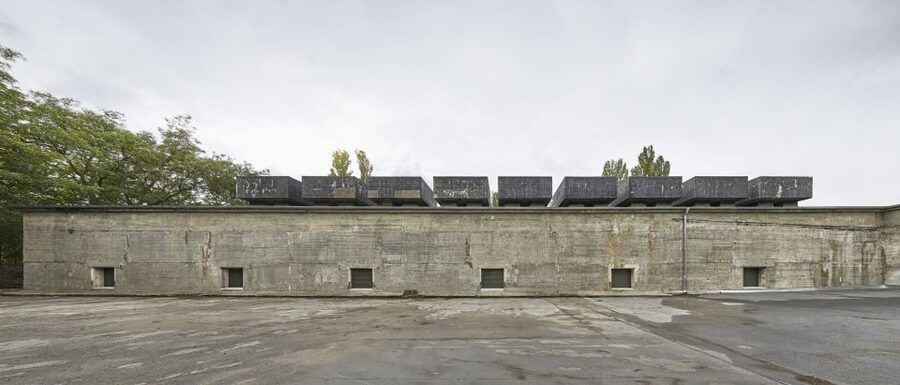
This experience is interesting because you step into a WWII telecommunications bunker redesigned by John Pawson, then see The Feuerle Collection set up like a quiet conversation across cultures and time. It is art, yes, but also architecture, light, and pacing.
I love the way the tour connects Imperial Chinese furniture with Khmer sculpture, then answers it back with modern art names like Nobuyoshi Araki and Adam Fuss. My one caution is that while it is scheduled for 1 hour, it can feel closer to 35 to 40 minutes depending on the group pace.
Key highlights to know before you go
- John Pawson’s bunker redesign makes the building part of the show, not just a container
- Imperial Chinese lacquer and stone furniture gives you a strong visual anchor right away
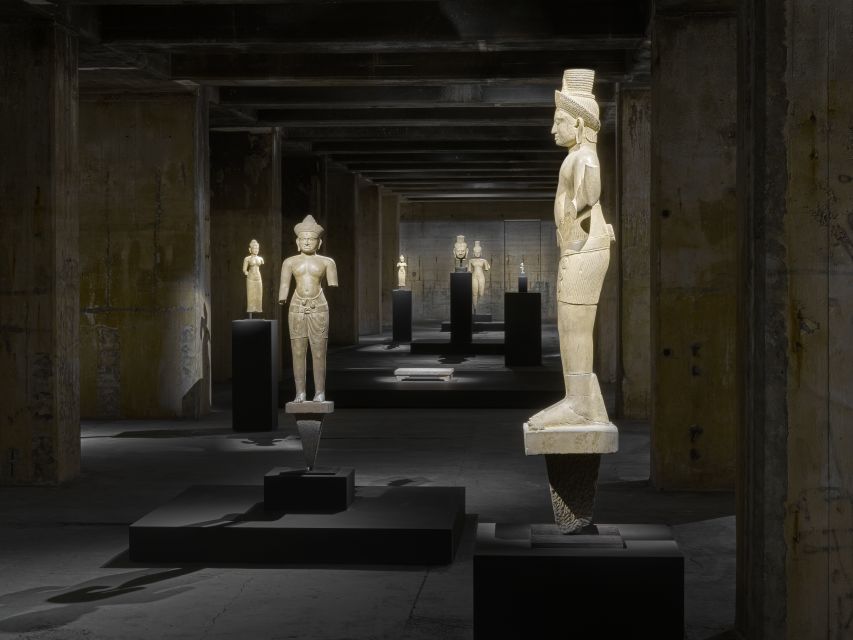
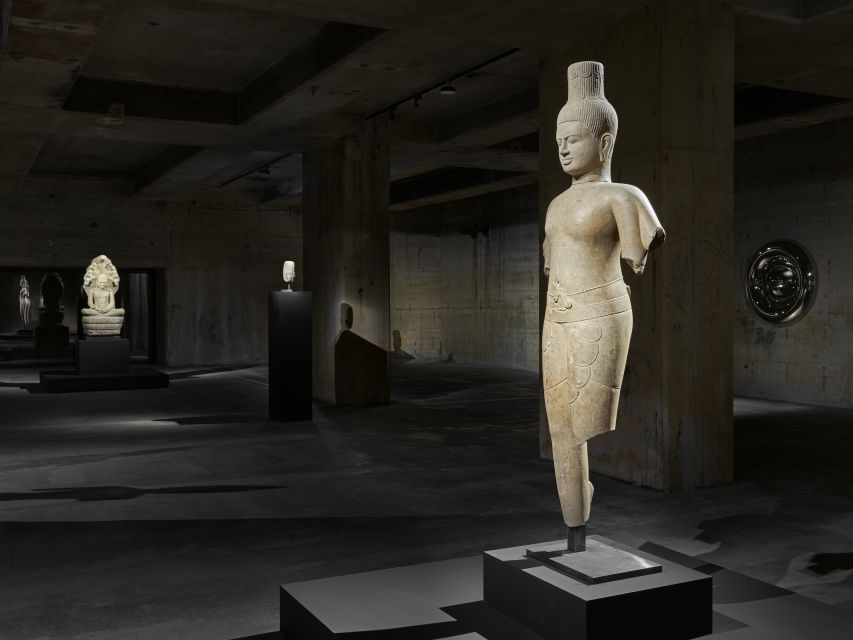
- Khmer sculptures (7th to 13th century) add weight, texture, and storytelling through materials
- Modern pairings with Araki and Adam Fuss help you see how ideas travel across time
- An underground lake appears through light and design choices, making the space feel almost staged
- A quiet tone lets the art register without feeling like you are rushing through crowds
Stepping into John Pawson’s bunker: Berlin’s most atmospheric art setting
The meeting point is straightforward. You go to the entrance of The Feuerle Collection, where you meet your English guide and start the walk in the space itself. What hits first is the mood. This is not a loud, gallery-hopping kind of visit.
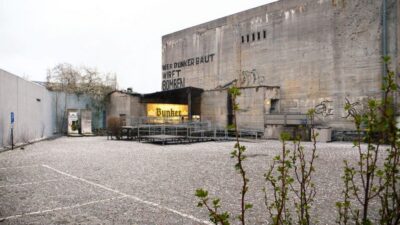
The tour takes place inside a former WWII telecommunications bunker, later renovated by architect John Pawson. Even if you are not an architecture person, you will feel the design choices working as you move from room to room. The building funnels attention, slows you down, and frames objects like they belong exactly where they are placed.
One thing I really like for practical reasons: the experience feels calm. That matters because a collection like this is about looking closely. You do not need to fight for space, and the pace helps you actually notice details in materials, surfaces, and forms.
Weigh these Berlin picks against each other
- Berlin: Reichstag, Dome and Government District Guided Tour
★ 4.7 · 18,288 reviews - Berlin: 1-Hour City Tour by Boat with Guaranteed Seating
★ 4.3 · 16,993 reviews - Berlin: TV Tower Standard Entrance Ticket
★ 4.4 · 15,883 reviews
What the guided hour really covers (and why that matters)
This is a guided museum tour with an entrance ticket included, and it runs for about 1 hour. That sounds short, but the layout and the way the guide directs your attention make it workable, especially if you are visiting Berlin with a packed schedule.
You should expect a focused route rather than a full self-guided marathon. The guide is there to connect dots: why certain ancient objects are placed next to certain modern works, and what that pairing suggests about taste, perception, and culture.
Here is the practical value for you: if you only have limited time, this ticket helps you get meaning fast. If you have extra time, you might want to plan a second visit for slower independent looking, since the guided portion can feel like it runs a bit briskly.
Imperial Chinese furniture and Southeast Asian art: where the conversation starts
The tour begins by easing you into a strong visual and cultural foundation. You will see remarkable examples of Imperial Chinese furniture, including intricate lacquer and stone pieces. I like this segment because it gives you craftsmanship to compare across the rest of the space. Lacquer and stone do not just look beautiful, they also teach you how light behaves on surfaces.
From there, the collection expands outward. You will encounter international contemporary art alongside ancient Southeast Asian objects, so the experience does not feel like one era is winning. Instead, you are nudged to compare: what stays compelling when tastes change, and what becomes newly readable when placed beside something from a different time and place.
This pairing is the core reason the tour feels more than a checklist. It is not just seeing objects, it is learning how the museum talks through them. You end up with a sharper sense of how curatorial thinking can feel like scholarship and design at the same time.
Khmer sculptures from the 7th to 13th centuries: texture, scale, and materials
One of the most satisfying parts is the encounter with Khmer sculptures, spanning the 7th to 13th centuries. Khmer sculpture can be visually dense, but the bunker setting helps. The lighting and room layout encourage you to slow your gaze down instead of rushing past.
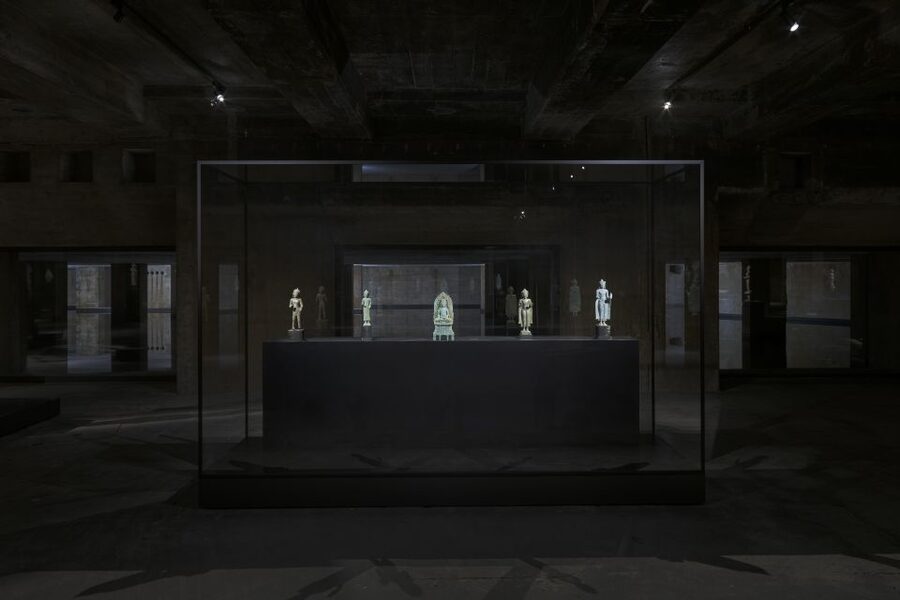
What you get from this stop is a stronger physical awareness of art materials. You are looking at works in stone, bronze, and wood. That range matters because it changes how you read form, ornament, and meaning. Stone often pulls you in through surface and weight. Bronze can feel both durable and luminous. Wood can feel intimate and human in a way that photographs do not always capture.
If you care about how art changes by medium, this is one of the best sections to focus on. Spend time here. It is the segment where the collection feels most grounded before the modern art starts reframing what you think you are seeing.
Another way to spend a Berlin afternoon:
- Berlin: Boat Tour Along the River Spree
★ 4.4 · 11,252 reviews - Discover Berlin Half-Day Walking Tour
★ 5.0 · 9,624 reviews - Berlin: Government District around the Reichstag Guided Tour
★ 4.7 · 8,447 reviews - Berlin: Reichstag, Plenary Chamber, Cupola & Government Tour
★ 4.6 · 8,422 reviews
Modern art pairings: Araki and Adam Fuss in the same visual language
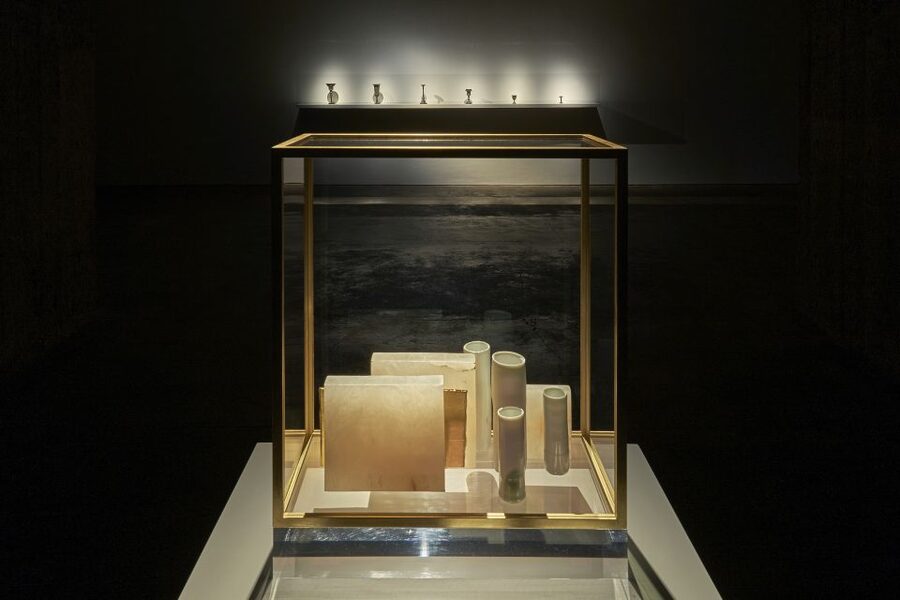
After the ancient anchor points, the tour turns to contemporary works and shows you how the museum encourages conversation between eras. You will see complementary works by modern artists, including Nobuyoshi Araki and Adam Fuss.
I like these pairings because they prevent the visit from becoming a museum of objects only. Modern art can sometimes feel like it is trying to shock you. Here, it feels more like it is asking questions back to the antiques. It nudges you to rethink themes like gaze, composition, and how meaning gets built when two works share space.
Also, the guide’s role matters here. A good guide does not just name artists. They help you notice why a contemporary piece was placed where it is. That is where you get real value from a guided hour, instead of seeing modern art as random “and then this.”
The underground lake and the building’s light design
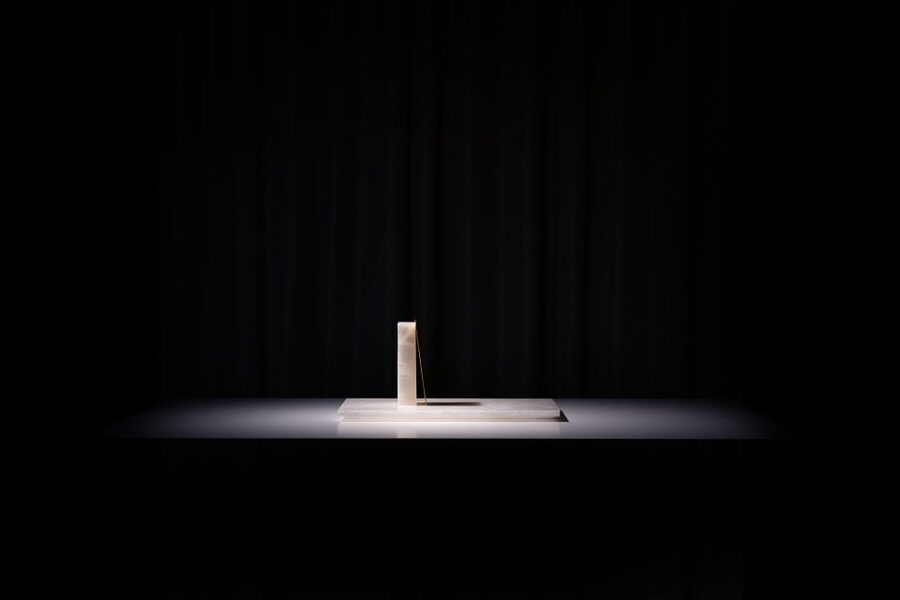
One of the most distinctive features is the underground lake, built into the space with a strong sense of design and lighting. You do not just pass by it. You experience it as part of the interior mood.
This is the kind of element that makes the collection feel like a total environment. The bunker shell and the renovated interiors create a setting where light behaves in a specific way, and the lake becomes a visual pause. Even if you are not a specialist, you will understand it with your eyes.
There is also a practical note to keep your expectations realistic. One spot called the Scent Room was reported as not available on at least one visit. So if you are coming specifically for that, be ready for the possibility that not everything is operating at all times.
Rules you should take seriously: no photos, no phones, no touching
This tour comes with clear on-site rules. You cannot bring pets, and you cannot eat or drink inside. More importantly for many people, you also cannot use cameras, cellphones, or video recording, and you cannot touch the exhibits.
This changes the experience in a good way. Without phones and cameras, the art stays the focus. You spend more time looking and less time checking a screen for the “right” shot. If you like taking photos, you will need to accept that here, your memories have to be visual, not digital.
Also, plan your body for looking. If you are the type who reads every label instantly and then snaps photos, this ruleset forces you into a slower rhythm. That is worth it, but it may not match how you normally tour.
Timing tips: how to get the most from a brisk 1-hour slot
You are buying a short guided experience, so timing is part of the value. The tour is 1 hour, in English, and you meet at the entrance. Starting times depend on availability, so pick the slot that fits your day without stress.
If you are someone who likes to linger, you might feel the pace is quick. One detail that matters: a few visitors have noted the time can feel shorter, around 35 to 40 minutes. That does not mean the tour is bad. It means you should go in knowing you are getting a guided highlight track, not a full, slow museum read.
My practical advice: use your hour to pick two zones to focus on, then let the guide handle the connections. For most people, those zones will be Khmer sculpture and the Imperial Chinese furniture. Then let the modern pairings broaden the meaning.
And because there is no food or drinks, eat before you go. That one choice keeps your visit comfortable and keeps you from feeling rushed halfway through.
Price and value: is $25 worth it?
At $25 per person, this is a straightforward entry price for a guided museum visit plus admission. It is not a “cheap and cheerful” free-for-all. You are paying for a guide-led route, access to the collection, and the ability to experience the space as designed.
The value really depends on what you want:
- If you like art pairings, especially cross-cultural ones, you will likely feel you get your money’s worth because the guide connects why the antiques and contemporary works sit together.
- If you prefer total self-direction and you want to read everything at length, you may wish you had more time on-site than a guided hour allows.
The collection has a strong reputation, with an overall 4.6 rating from 55 reviews, which lines up with what people tend to praise most: the overall sense of harmony and the architectural feel of the rooms.
Who should book this guided tour?
This is best for:
- Adults and teens 16 and up, since it is not suitable for children under 16
- People who like modern art but want it framed through something older and art-historical
- Fans of architecture and light, because the bunker renovation and the underground lake are not side attractions, they shape how you read the collection
- Anyone who wants a calm, focused hour without the usual museum noise
You might skip it if:
- You need to take lots of photos during your visit, since cameras and cellphones are not allowed
- You only enjoy museum time when you can stay for long periods, since the guided experience can feel faster than you expect
Should you book The Feuerle Collection guided tour?
I think you should book if you want a short, meaningful dose of art plus architecture, and you like the idea of seeing centuries talk to each other in the same room. The $25 price makes it a manageable add-on day activity, and the guided format helps you get the point without needing to do homework first.
Book it if you are prepared for the rules, including no photos and no touching. Book it if you can accept that the hour may feel brisk. And book it if the bunker setting by John Pawson and the underground lake and light design sound like the kind of experience you will remember.
If you are flexible, it is also easy to plan around, since free cancellation is available up to 24 hours in advance and reserve now, pay later is offered.
FAQ
How long is the Feuerle Collection guided tour?
The tour duration is 1 hour.
What language is the tour guide?
The live guide speaks English.
Where do I meet for the tour?
Meet at the entrance of The Feuerle Collection.
Is the tour wheelchair accessible?
Yes, it is wheelchair accessible.
Are cameras, cellphones, or video recording allowed?
No. Cameras, cellphones, and video recording are not allowed, and you also cannot touch the exhibits.
Is this tour suitable for kids, and what if I need to cancel?
It is not suitable for children under 16. You can cancel up to 24 hours in advance for a full refund. Reserve now and pay later is also offered.
Fresh reviews out of Berlin
- Berlin Uncensored: A History of Sex & Freedom★ 5.0 · 50 reviews
- Berlin Food & Cultural Tour: Must-Try German & Berliner Classics★ 5.0 · 51 reviews
- English Comedy Show with Pizza and Shots in Central Berlin★ 4.5 · 51 reviews
- Rude Bastards Tour of Berlin★ 4.8 · 51 reviews
- Private Taxi Tour of Berlin East and West and Neighbourhood approx. 4-6h★ 5.0 · 55 reviews
- Rickshaw Sightseeing City Tours Berlin – Rikscha Tours★ 4.0 · 55 reviews
- Berlin: City Highlights Express & Panorama Roof Terrace★ 4.9 · 55 reviews
- Berlin during Nazism – Tour in Italian★ 5.0 · 56 reviews
Tickets, compared.



Munich Hop-On Hop-Off Tour: 1-Day or 2-Day Ticket
Read our review →