
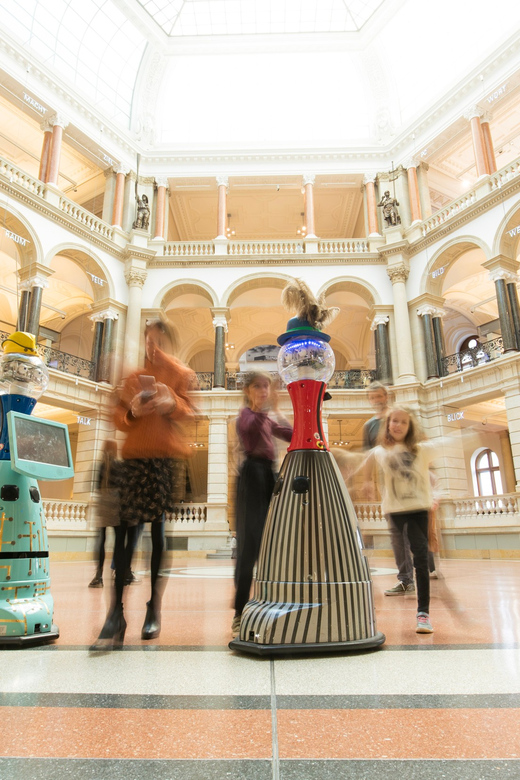
Reviewed · MUSEUMS
Berlin: Museum of Communication Entrance Ticket
The Museum für Kommunikation in Berlin is interesting because it turns everyday tech and old-school mail into one long story of how humans connect. I like how the exhibits cover communication history from the deep past to modern life, and I also love that you get to see the Blue Mauritius stamp, one of the most famous and rare in the world. One heads up, this is mostly a self-guided visit, so if you want a lot of live narration, you’ll need to slow down and read.
For the money, a 1-day entrance ticket at $9 is a strong deal, especially if you enjoy hands-on learning. You can explore at your own pace using the included audio-visual app, and the museum’s interactive terminals around the atrium are built for trying things, not just staring. The main consideration is that the museum is closed on Mondays and on specific December dates, so check your calendar before you plan your day.
Key highlights to look for inside

- Blue Mauritius stamp: A standout moment if you like rare postal treasures and stamp history.
- 40,000 years of communication: Framed across about 2,000 objects, so the story has real scale.
- Interactive terminals in the atrium: Try signals using smoke, light, and acoustic cues, plus digital displays.
- Greeting stations from around the world: A fun way to see how communication changes by place and custom.
- Hands-on learning feel: The museum leans into participation, and that’s what makes it work for kids too.
- Berliner Salon: A specific area that several visitors praise for its beauty and atmosphere.
Museum of Communication in Berlin, what this ticket really delivers
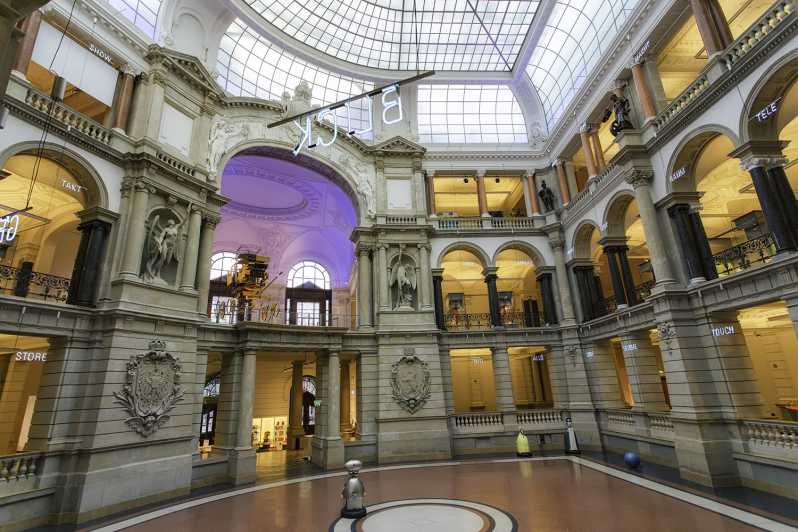
This museum is built for curious minds, not just stamp collectors. You’re looking at human communication as a single thread, from physical tools and messages you can picture, to the smartphone era. The big promise is right there in the design, you’re shown milestones through exhibits that feel meant to be interacted with, not just walked past.
Even better, the museum uses a learning format that includes current questions and multiple angles. The idea is not only to show the past, it also connects older communication debates to today, encouraging you to make up your own mind. If you’re the type who likes museums that ask questions, you’ll probably enjoy the tone.
Start by giving yourself time to get your bearings, because the atrium and surrounding galleries are where the hands-on parts are concentrated. Once you’ve found the rhythm, you can explore quickly when something grabs you, then slow down for the areas that need attention, like the postal displays.
More Museums in Berlin
- Berlin: Jewish Museum Berlin Entrance Ticket
★ 4.5 · 8,393 reviews - Berlin: DDR Museum Tickets
★ 4.3 · 3,443 reviews - Berlin: Natural History Museum Entrance Ticket
★ 4.6 · 3,382 reviews
Price and value, $9 for a whole day of communication history
At $9 per person for a valid 1-day ticket, this is one of those Berlin museum deals that feels fair. You’re paying for more than “a couple rooms.” The museum is structured around about 2,000 objects and a time span of 40,000 years, and that scale matters for value.
The audio-visual app being included is a quiet but important part of the cost-to-experience math. It helps you move through self-guided galleries with less guesswork, so you spend less time wondering what you’re looking at and more time understanding it. If you’ve ever visited a museum where you feel lost without a docent, this app is doing real work.
Also, there’s no need to reserve a time slot for your visit. That makes the ticket easy to plug into your day, which is a real benefit in a city where plans can shift.
The bottom line: if you like interactive museums and you want a meaningful Berlin stop that costs less than most major attractions, this one is a solid call.
Arrive and go straight to the atrium terminals for hands-on fun
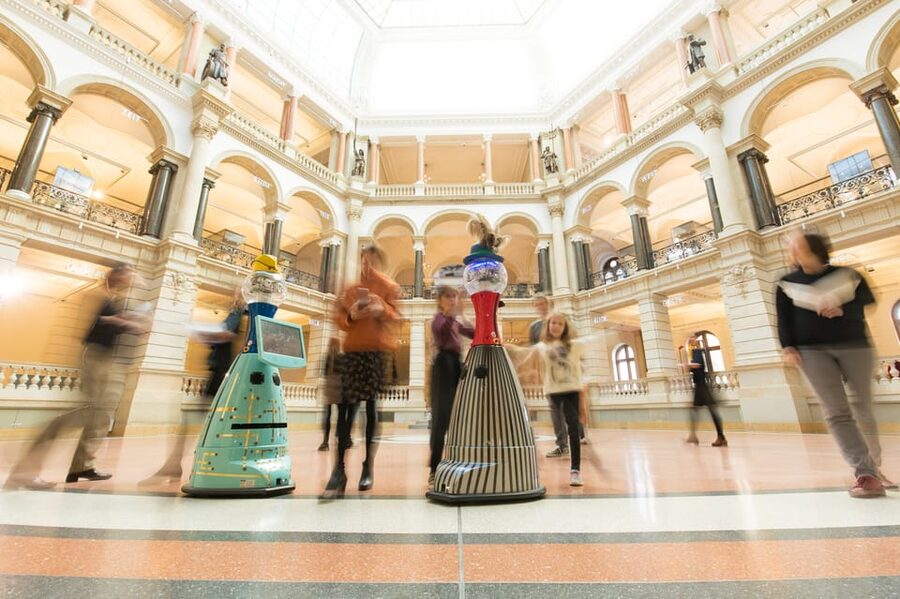
Your best first move is to aim for the interactive terminals around the atrium early. That’s where the museum nudges you from passive viewing to active learning. One set of experiences lets you exchange news by different kinds of signals, including smoke, light, and acoustic cues. It’s simple, but it’s exactly the kind of trial-and-error activity that makes the history feel real.
There are also digital displays that help you understand the basics of communication. Think of these as “practice spaces” that let you grasp the concept before you hit the deeper exhibits. You’ll get more out of the rest of the museum if you start by playing first.
The museum also includes activities related to greeting people from around the world. It’s not just cultural trivia, it’s a reminder that communication is more than technology. It’s behavior, context, and meaning, and that theme fits nicely with the museum’s overall approach.
Practical tip: if you’re visiting with kids, start here. The atrium activities tend to keep attention longer than a strictly glass-and-label display. One Polish-speaking review specifically highlighted that the museum has historical content you can touch, and that the postal side is especially great for families.
The communication galleries, from hand axe to smartphone
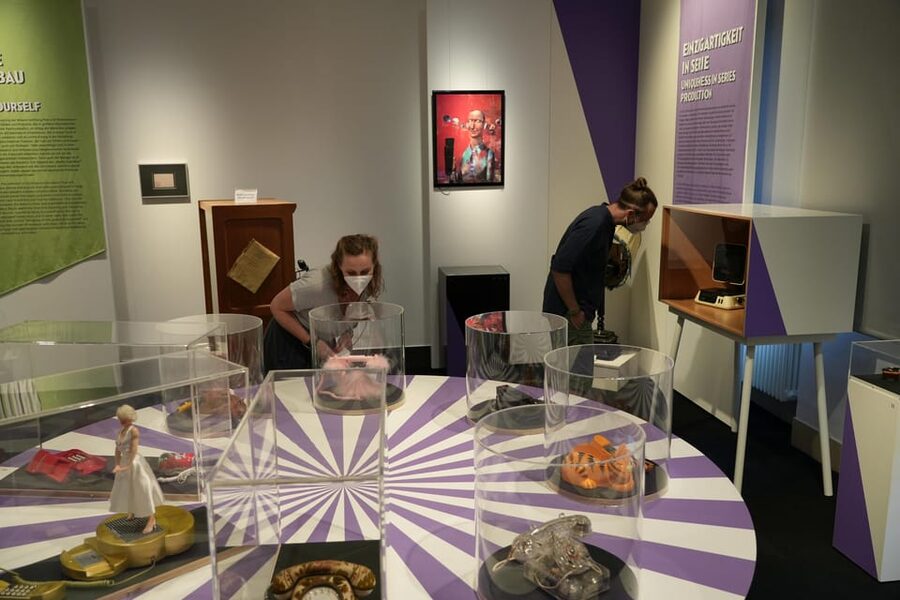
Once you’ve warmed up with the terminals, move into the communication galleries. The museum is described as mapping milestones of communication in a way that you can experience, and it also connects those milestones to current debates. That means you may notice exhibits that don’t just say what happened, but also invite questions about what those changes do to society.
A key strength is that the story spans an enormous timeline: from the hand axe to the smartphone. That framing helps you see communication as an evolving set of tools, not a single invention. You’re basically learning why people keep trying to send messages farther, faster, and with more accuracy, even when the tools change.
The museum’s layout is built around the idea of self-paced exploration. You’re not rushed into a group path, so you can linger when something catches your interest, like older postal methods or the social side of messaging. If you like reading labels and then checking an exhibit again with the app, this place works well.
One more detail that matters: the review feedback praises the museum as hands-on and tactile, not just visual. So if you’re the type who learns by doing, you’ll probably feel at home here.
Another way to spend a Berlin afternoon:
- Berlin: Reichstag, Dome and Government District Guided Tour
★ 4.7 · 18,288 reviews - Berlin: 1-Hour City Tour by Boat with Guaranteed Seating
★ 4.3 · 16,993 reviews - Berlin: TV Tower Standard Entrance Ticket
★ 4.4 · 15,883 reviews - Berlin: Boat Tour Along the River Spree
★ 4.4 · 11,252 reviews
Blue Mauritius and rare stamps, a must-see postal moment

The Blue Mauritius stamp is the headline you’ll want to plan for. Seeing it in person is one of those “museum magic” experiences because it turns an abstract name into a real object. The museum highlights it as among the world’s most famous and rarest stamps, so it’s not just displayed for decoration.
Even if stamps are not your main interest, this kind of artifact can change how you think about communication history. Stamps represent trust, logistics, and standardized systems, all of which are essential for mail to function. That’s the bigger theme behind why the museum includes it, it’s a symbol of an entire network working.
When you find the postal and stamp areas, slow down. Take a moment to look at how the museum explains the rarity and context. The point is not to turn it into trivia, it’s to use the object to understand how communication systems became reliable.
If you’re visiting with kids, this is a good “wow stop,” and it pairs well with the more playful atrium activities you did earlier. For families, one review praised the postal section as a hit for children.
Use the audio-visual app to guide your pace, not control it
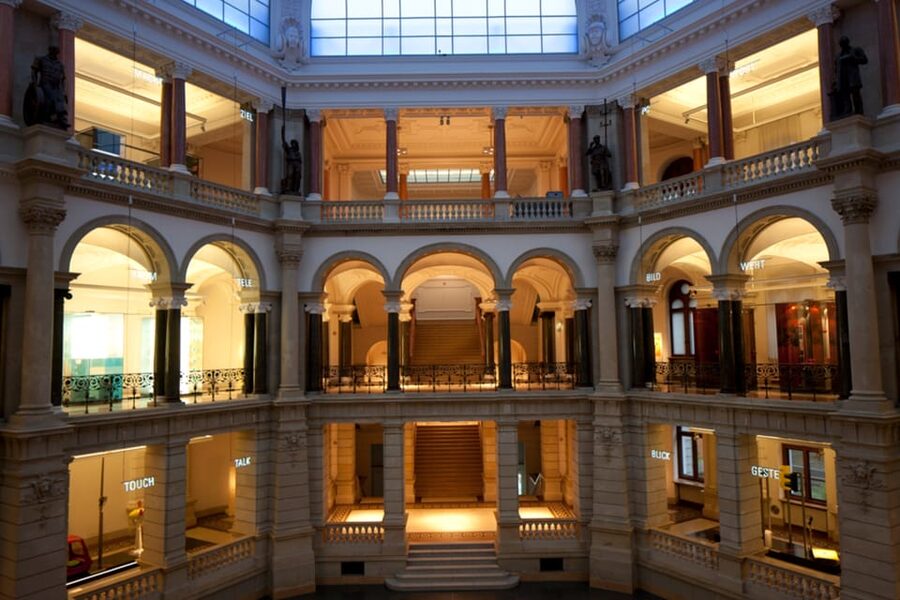
You get an audio-visual app with your admission ticket, and that’s one of the smartest parts of the experience. The museum positions it as a way to explore at your own pace while still having direction. That’s ideal when you don’t want a rigid tour schedule but you also don’t want to feel like you’re winging it.
I like using an app in a museum like this in two modes. First, when you see something that looks promising, use the app right then so the context sticks. Second, if you feel overwhelmed, use the app to confirm you’re in the right gallery before you keep walking.
Because the museum spans thousands of years, the app is especially helpful for helping you connect what you’re seeing to the bigger story. The museum also frames the exhibits as part of a dialogue with the community, so it can help you notice themes you might otherwise miss, like the difference between sending signals and building systems.
Simple tip: if you’re short on time, don’t try to cover everything. Pick 2 or 3 areas that catch your interest, and use the app to make those stops richer.
How long to plan in Berlin, and how to fit in a calm visit
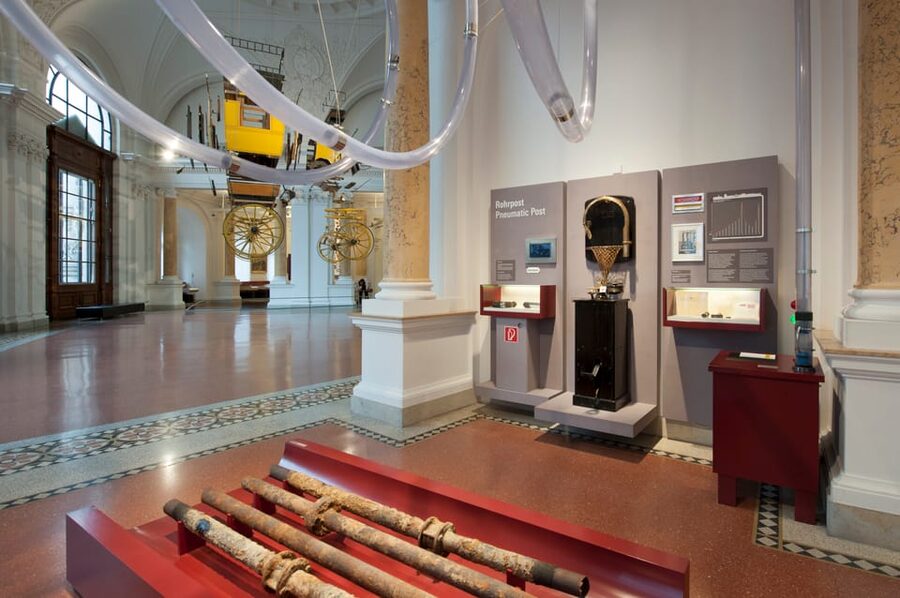
The visit is listed as fitting well into about a 1-day plan, with an itinerary that suggests roughly 1.5 hours of museum time plus time for a photo stop and nearby breaks. That’s enough if you choose your highlights, especially if you start at the atrium terminals and then follow your curiosity into the main galleries.
If you have a longer attention span, you can stretch it out, because self-guided exploration makes lingering easy. You can also add casual breaks during your outing, the itinerary listing suggests time for coffee or tea and even a drink stop if you want one.
Timing note: the museum is open 10:00 AM to 6:00 PM on public holidays, and it’s closed on Mondays and on December 24, 25, and 31. That’s not a minor detail in Berlin, so plan your visit around those closures and you’ll avoid disappointment.
Who is this museum best for?
This works especially well for families, thanks to interactive exhibits and a tactile feel. It also fits couples and solo travelers who enjoy learning through objects, play, and good interpretation. If you love stamps, rare artifacts, and how communication systems function, the Blue Mauritius stop is going to feel like a payoff.
Should you book the Museum für Kommunikation ticket?
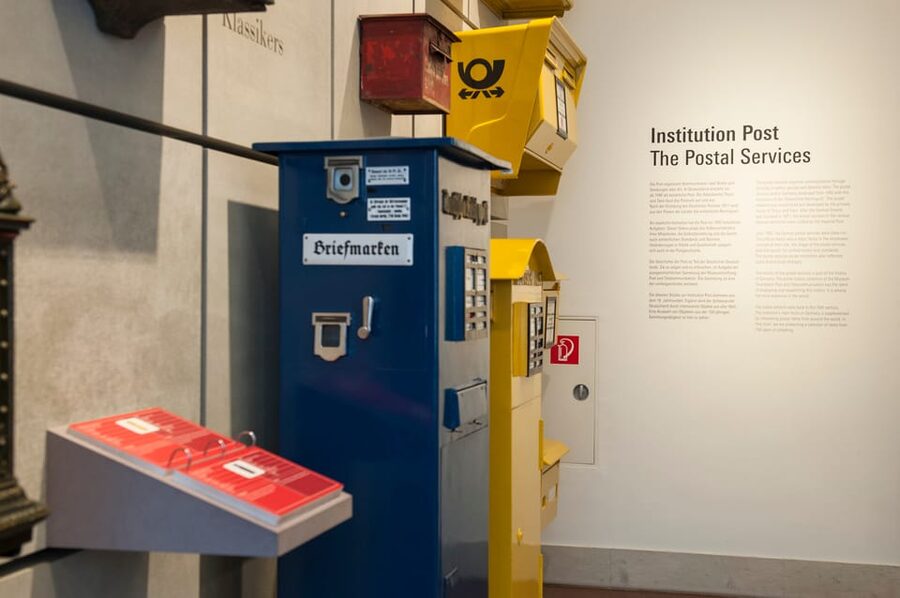
Book it if you want a high-value Berlin museum that mixes serious context with hands-on exploration. The included audio-visual app, the atrium interactive terminals, and the chance to see the Blue Mauritius make it feel worth more than $9. If you’re visiting with kids, it’s one of those places where they usually stay engaged because you’re not just looking, you’re trying.
Skip it or pair it with something else if you only like guided tours with lots of live explanation. This visit is designed for self-guided pacing, so plan to spend time reading and using the app rather than expecting constant narration.
If you have one free museum slot in Berlin and you want something that connects past and present through communication, this is an easy yes.
FAQ
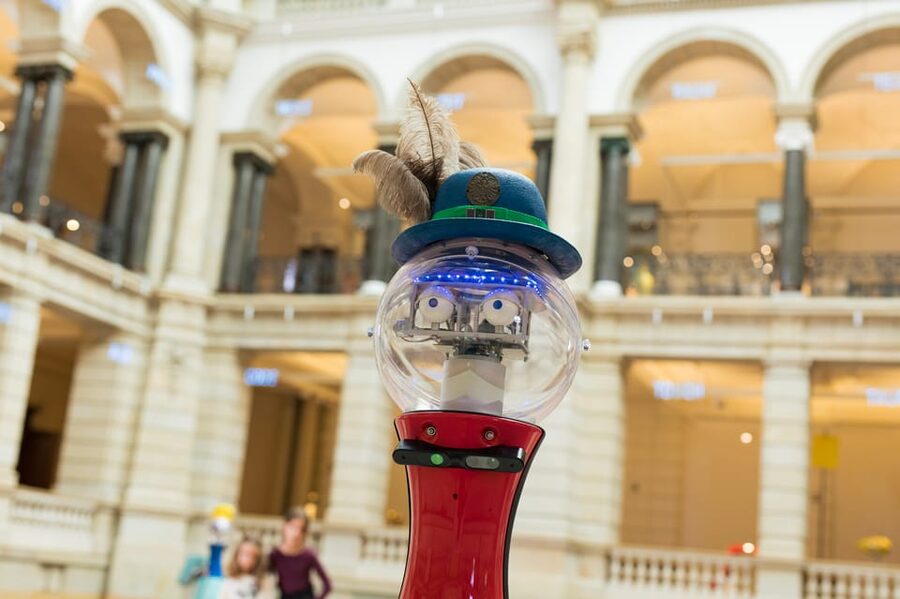
What is the price of the Berlin Museum of Communication entrance ticket?
The entrance ticket price is listed as $9 per person.
How long can I spend at the museum?
The activity is labeled as valid for 1 day, and the suggested itinerary timing is about 1.5 hours.
Do I need to reserve a time slot before I go?
No. You do not need to reserve time slots for your museum visit.
What’s included with the ticket?
The admission ticket and an audio-visual app are included.
What are some of the main things I can see and do?
You can explore the history of human communication through about 2,000 objects, including the Blue Mauritius stamp. You can also try interactive terminals around the atrium and use activities related to greetings.
When is the museum open, and when is it closed?
On public holidays, it is open from 10:00 AM to 6:00 PM. It is closed on Mondays and on December 24, 25, and 31.
Is the museum wheelchair accessible?
Yes, the museum is listed as wheelchair accessible.
Fresh reviews out of Berlin
- Berlin Uncensored: A History of Sex & Freedom★ 5.0 · 50 reviews
- Berlin Food & Cultural Tour: Must-Try German & Berliner Classics★ 5.0 · 51 reviews
- English Comedy Show with Pizza and Shots in Central Berlin★ 4.5 · 51 reviews
- Rude Bastards Tour of Berlin★ 4.8 · 51 reviews
- Private Taxi Tour of Berlin East and West and Neighbourhood approx. 4-6h★ 5.0 · 55 reviews
- Rickshaw Sightseeing City Tours Berlin – Rikscha Tours★ 4.0 · 55 reviews
- Berlin: City Highlights Express & Panorama Roof Terrace★ 4.9 · 55 reviews
- Berlin during Nazism – Tour in Italian★ 5.0 · 56 reviews
Museums, compared.



Skip-the-Line: Berlin Wall Museum at Checkpoint Charlie
Read our review →Browse the lists this tour appears in