
Reviewed · MUSEUMS
Berlin: Interactive DeJa Vu Museum Entrance Ticket
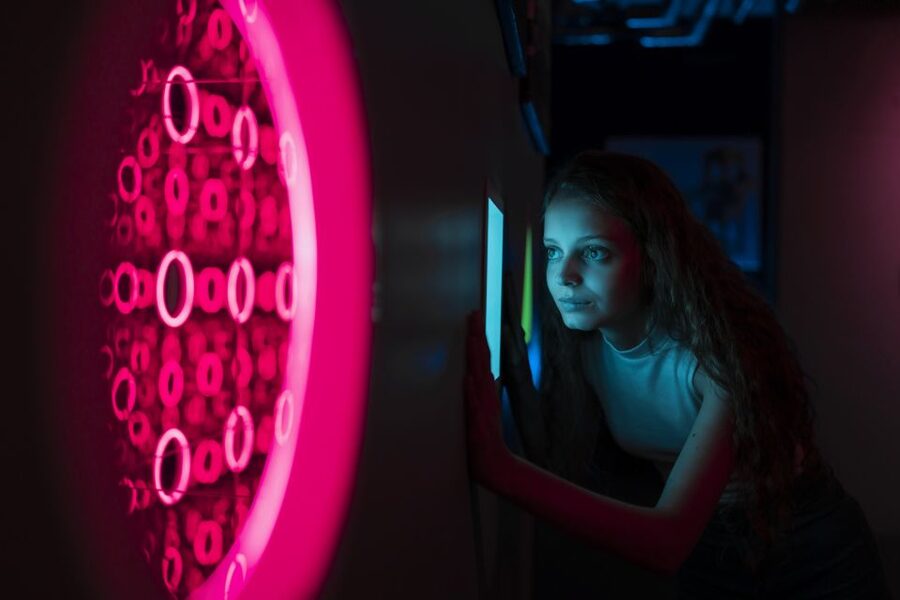
Berlin’s Deja Vu Museum is interesting because it turns you into the main character. Your eyes get challenged at every turn, and the experience keeps shifting from clever puzzles to rooms designed to trick your perspective. It is a brainy activity that still feels like play.
I especially like the interactive exhibits that make you move, test, and guess. I also like the themed mirror rooms and projection spaces, which are genuinely fun and easy to photograph. A key drawback is that some rooms can feel crowded or slow if you hit peak times, since a few setups seem built for small groups.
Why This Optical Illusions Museum Works
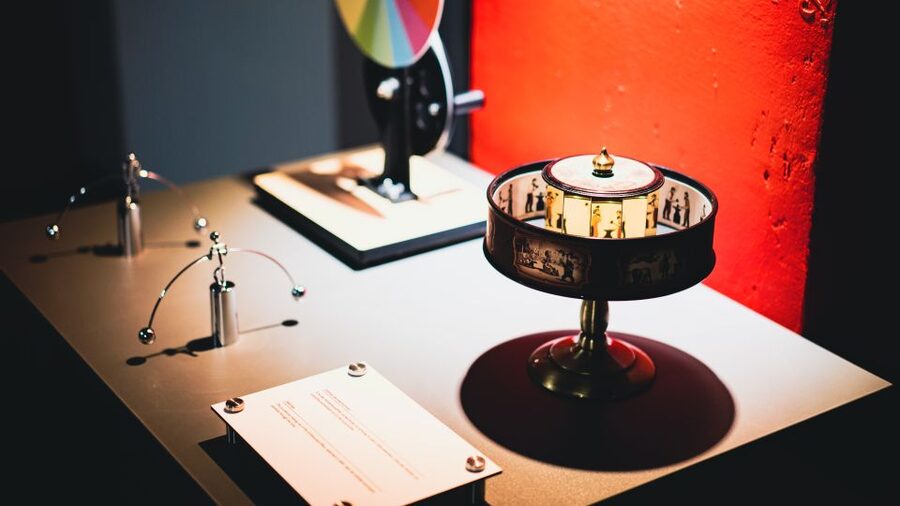
If you want a break from museums that are mostly about reading labels, this one hands you the controls. The point is not to learn a deep art theory lecture. The point is to watch your expectations get outvoted by what your eyes see.
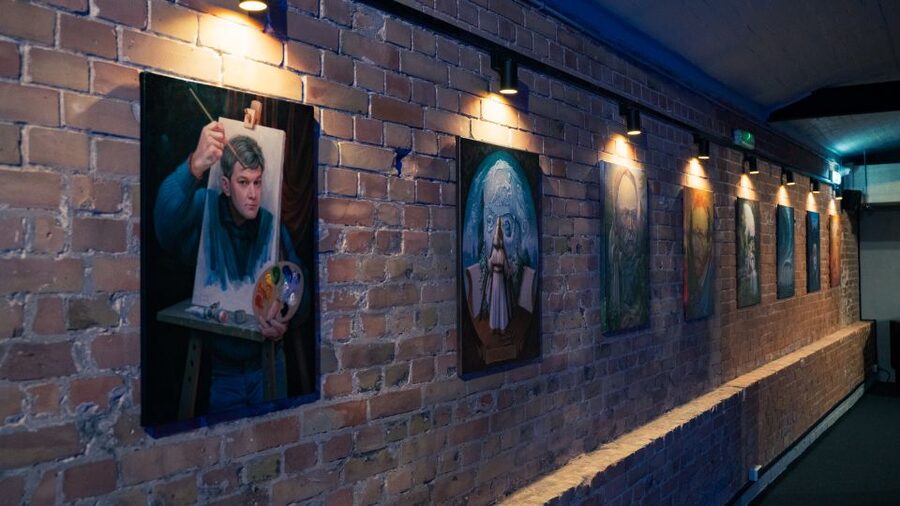
The museum spans two floors and mixes several types of experiences: interactive illusions, puzzle-style challenges, and an art gallery centered on painter Oleg Shupliak. You will also encounter darkened rooms and projector environments where the artwork focuses on you. Think of it as a guided walk through visual tricks, with plenty of moments where you stop, laugh, and re-check what you just saw.
One more practical note: the visit is built for about 1.5 hours, so it is a good “plug-in” activity. You can pair it with other Berlin sightseeing without losing half a day.
Key Highlights You Should Actually Care About
- Alexanderplatz location puts you within easy walking distance of Fernsehturm, so you can fit this in between sights.
- Two floors of interactive exhibits means you are not stuck repeating the same illusion style for the full visit.
- Oleg Shupliak art gallery adds an art layer to the experience, including portrait-style guessing.
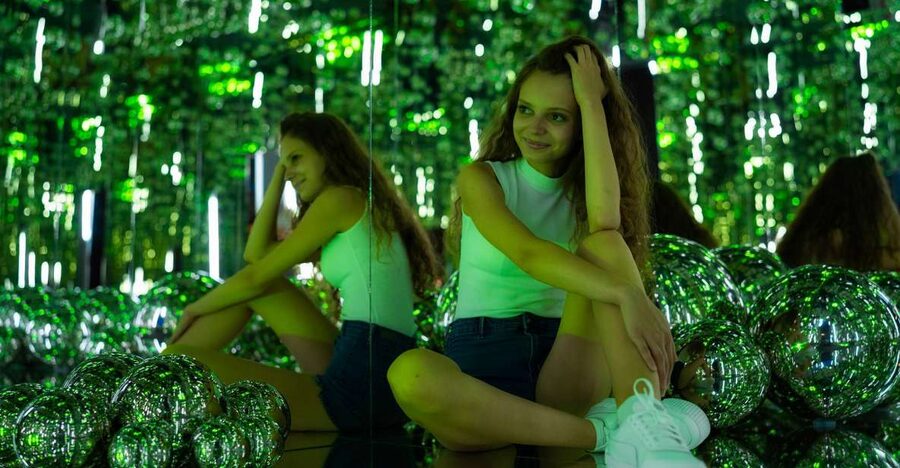
- Mirror rooms like the Starroom and Abyss are designed for both fun and photos.
- Photo-friendly projection and kaleidoscope areas make it easy to leave with more than just memories.
- Small-room setups can mean waits, so timing matters if you go on a busy day.
More Museums in Berlin
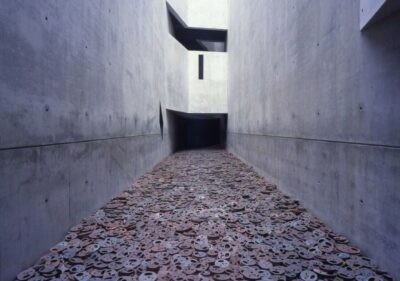
- Berlin: Jewish Museum Berlin Entrance Ticket
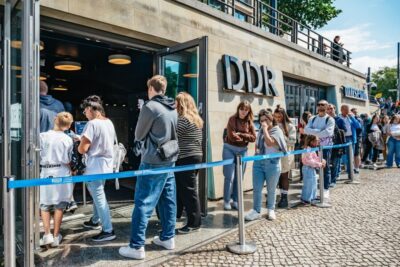
★ 4.5 · 8,393 reviews - Berlin: DDR Museum Tickets
★ 4.3 · 3,443 reviews - Berlin: Natural History Museum Entrance Ticket
★ 4.6 · 3,382 reviews
Entering Deja Vu Museum at Alexanderplatz
Your entry point is right by Alexanderplatz, about 300 meters from Fernsehturm. That matters more than it sounds. Berlin can be big, and getting across town just for one activity is a common pain point. Here, you can walk in, spend your time indoors, and still keep your day moving.
The museum offers staff support in several languages, including English, German, Polish, Spanish, and French. Even if you do not speak German, you should be able to navigate the spaces without trouble. And because many exhibits are visual, you can enjoy a lot even if you barely read anything.
At the front, you will likely feel the “hands-on” nature quickly. This is not a silent gallery where you stand still. It is closer to a self-paced route of “try it and see” visual experiments.
The 1.5-Hour Flow, From “Wait, What?” to Done
The experience is designed to take about 1.5 hours. In practice, you can stretch it a bit if you are photographing heavily, lingering for puzzles, or replaying projector rooms. If you move quickly, you may finish sooner. Plan for an hour and a half as your realistic target, then build a little buffer.
A smart way to enjoy it is to treat it like a sequence:
- Start with the most interactive illusions early, while you are fresh.
- Move into mirror rooms and projector areas when you are ready to slow down for photos.
- Finish with the art gallery by Oleg Shupliak, where you can take your time with portrait-style viewing and layered details.
That order helps you avoid the common “I’ll do photos last” mistake. Once you get into the mirror rooms, you will want time to try different angles.
Interactive Exhibits: Where Your Eyes Get a Say
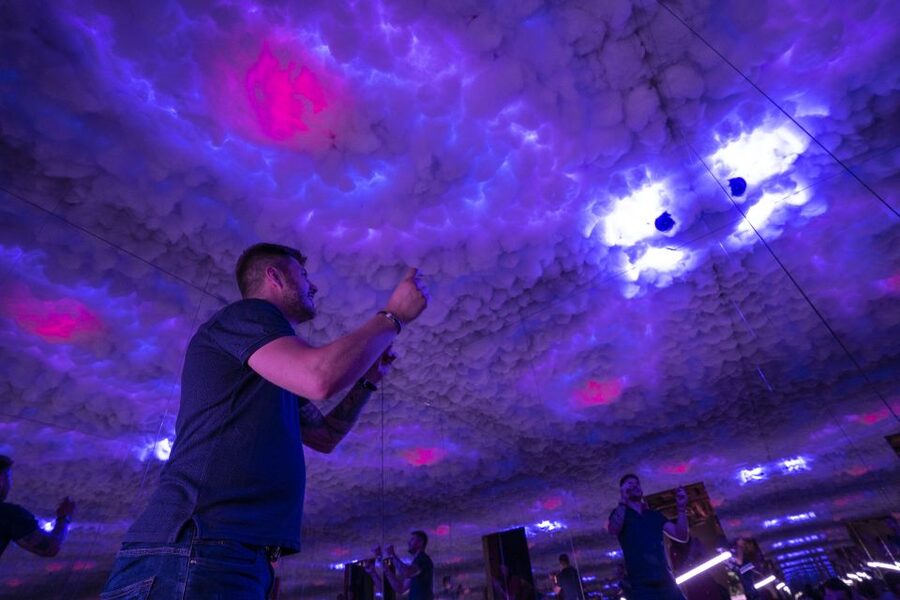
This museum is full of hands-on optical tricks, including named highlights such as the Beuchet-Stuhl, the Dark Room, and the Interactive Sandbox. You will also find other interactive displays and puzzles across the two floors.
What makes these exhibits worth your time is that they are built around a simple idea: perception is not a camera recording. It is your brain guessing. You will see how easily your expectations fill in gaps. And when the illusion changes based on your position or movement, it becomes more than a static trick. It feels personal.
The Beuchet-Stuhl type of exhibit is the sort of thing that usually looks strange the first time you stand in front of it, then clicks when you realize the illusion depends on perspective. The Dark Room adds contrast and removes distractions, which is often how museums make illusions stronger. The Interactive Sandbox-style element gives you a more playful texture, where you can experiment instead of just watch.
If you like puzzles, you are in luck. The museum includes puzzles throughout, so the experience is not just visual spectacle. It gives your brain something to do.
Another way to spend a Berlin afternoon:
- Berlin: Reichstag, Dome and Government District Guided Tour
★ 4.7 · 18,288 reviews - Berlin: 1-Hour City Tour by Boat with Guaranteed Seating
★ 4.3 · 16,993 reviews - Berlin: TV Tower Standard Entrance Ticket
★ 4.4 · 15,883 reviews - Berlin: Boat Tour Along the River Spree
★ 4.4 · 11,252 reviews
Mirror Rooms: Starroom, Abyss, and the Fun of Being Part of the Scene
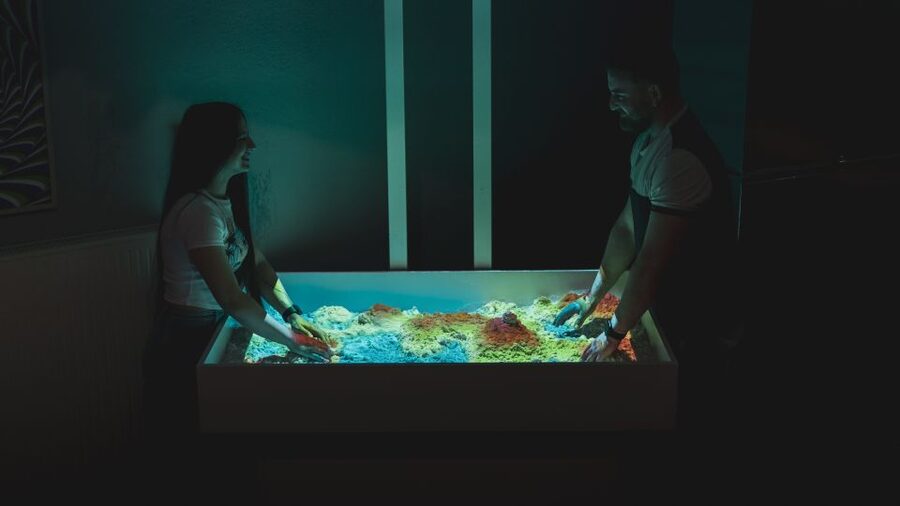
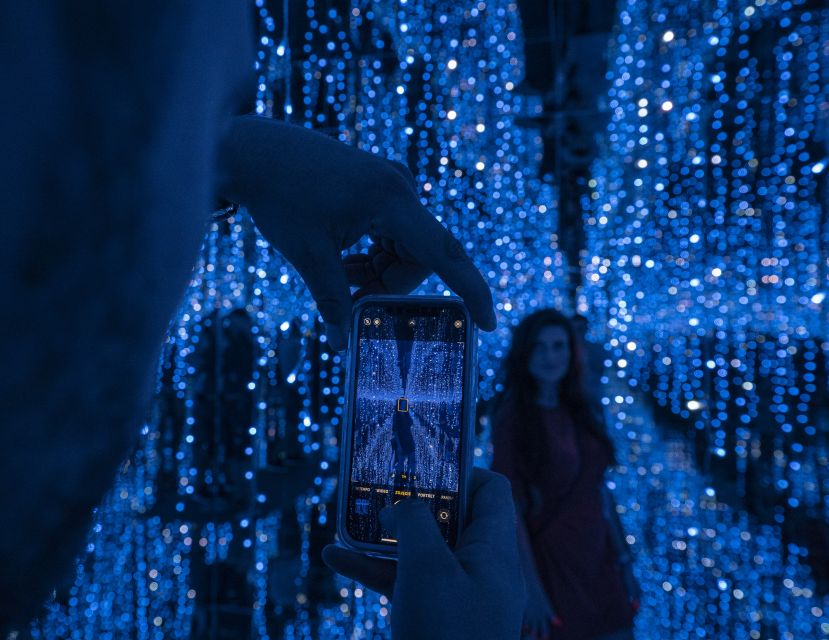
The mirror rooms are a huge reason people love this place. You can explore themed spaces such as the Starroom and the Abyss, and each one changes how you feel inside the room. Mirrors do more than multiply light. They distort distance, depth, and scale, which is exactly what your brain struggles to measure correctly.
For photos, mirror rooms are usually the easiest win. You can stand, rotate, and capture new perspectives without needing props. The museum specifically points out colorful, memorable photo opportunities in these mirror spaces, and kaleidoscope-style areas are also designed for camera moments.
A practical tip: wear comfortable shoes. You will likely shift positions a lot. Also, give yourself time to adjust your stance. In these rooms, small changes can create a totally different effect.
Projector Rooms: When the Artwork Reacts to You
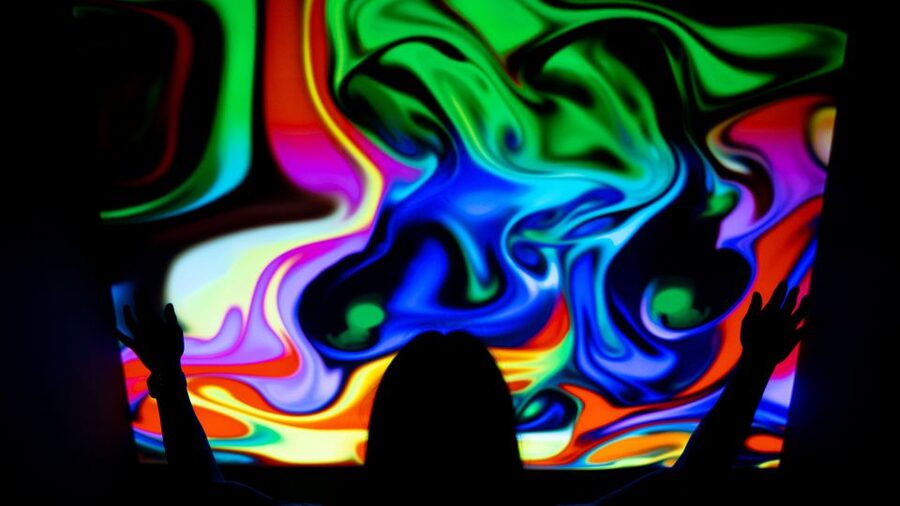
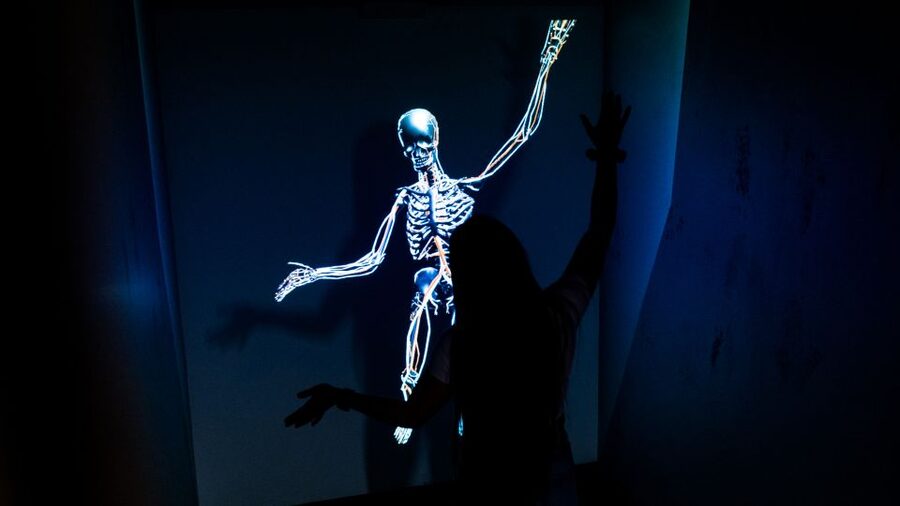
One standout category is the projector rooms, where you become the focus of the artwork and the illusion. This is where the museum moves from “look at the trick” to “you are the ingredient.” Your movement and placement influence what the projection does around you.
This is often the best section if you enjoy theater-like effects without the formality of a show. It can also be the most memorable part for groups, because it gives everyone something to do at once. You can take turns, try different positions, and compare how the illusion changes.
If you are sensitive to dim lighting, the projector and darker rooms can feel intense. The museum includes a Dark Room, and some projector setups likely keep light levels low for effect. If you prefer bright, airy spaces, you might want to start with the more open exhibits and come back to darker rooms later.
Oleg Shupliak Art Gallery: Layered Portraits and Visual Guessing
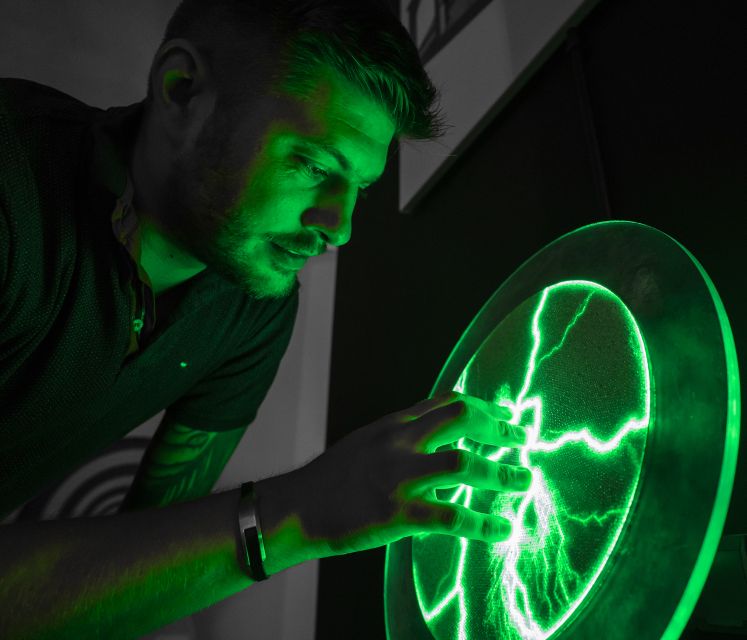
Not every illusion museum includes a serious art component. Here, you get an art gallery by Oleg Shupliak, and it brings another dimension to the experience. The museum highlights different layers of his artworks and includes portrait-style moments where you can guess who is portrayed.
This section matters because it helps you connect the illusion theme to something more grounded in art. Optical tricks can feel random if that is all you get. But layered artworks and portrait guessing give the experience a structure beyond “wow, cool visual.”
If you are the kind of person who likes to look twice, this gallery rewards patience. You may spot how different layers interact with your viewing angle. Even if you do not know anything about the artist, you can still enjoy the guessing part as a game.
Kaleidoscopes and Photo-Friendly Color Moments
You will find areas designed for eye-catching effects, including places where you can take photos or videos of colorful kaleidoscopes. Color illusions are popular for a reason. They are instantly gratifying, they look good in photos, and they do not require you to read anything to understand what is happening.
If you care about getting good pictures, try to plan for short bursts rather than long continuous shooting. Stand, frame, take a few shots, then move to a new angle. This keeps you from holding up other people and helps you capture the best version of the effect.
Puzzles, Wait Times, and How Crowds Change the Mood
Here is the honest part: some exhibits can be built for small groups, and that can mean waiting. If you go on a weekend or during busier hours, expect a more stop-and-go flow in certain rooms. One downside that can show up is that exhibits may feel somewhat repetitive if you hit every room in a rush, or if you cannot spend enough time at each station.
So, how do you avoid that? Go when Berlin is less “on.” If you have flexibility, choose a quieter time of day. If you notice one room has a line and you see others are open, switch rooms. You do not need to do everything in order.
The museum is also a great rainy-day activity, but rain can bring more people indoors. That is another reason timing helps.
Who This Experience Suits Best (And Who Might Skip It)
This museum is a strong fit for:
- Families with children and teenagers who like interactive experiences and photo moments
- Groups of friends who want a shared activity that stays light and fun
- Anyone who enjoys visual puzzles and being challenged by perception
It may be less ideal for:
- People with mobility impairments, since it is listed as not suitable
- People with epilepsy, since it is also listed as not suitable
- Anyone who hates dim or projection-style lighting effects
If you are traveling with older adults or people who want a calmer, more text-based museum, you might prefer a different kind of Berlin stop. This one is about movement, visuals, and quick transitions.
Price and Value in Plain Terms
The ticket price is $17 per person, and the experience typically lasts about 1.5 hours. That is not the cheapest activity in Berlin, but it is also not a “buy once, sit still” museum ticket.
The value comes from the format: interactive exhibits, mirror rooms, and projector environments give you multiple experiences in one ticket. You are not paying to look at one thing. You are paying to play with lots of different illusions and spend time doing a hands-on route.
If you think of it as a rainy-day alternative to a long indoor day with little to do, it makes more sense. You also get photo opportunities that you can turn into real memories, not just a few snapshots in front of a landmark.
The biggest value risk is if you are unlucky with crowds and wait times. If you hit busy hours, your time gets eaten up. That is why I recommend picking a calmer slot when possible.
Practical Details Before You Go
A few basic rules to keep your visit smooth:
- Pets are not allowed.
- Food and drinks are not allowed.
- Alcohol and drugs are not allowed.
The museum’s staff offers greetings in English, German, Polish, Spanish, and French, which can help if you need directions or clarifications.
Also, since the experience is designed for about 1.5 hours, dress for walking and standing. You will likely move between rooms and spend time in places where you adjust your position for the best illusion effect.
Should You Book the Deja Vu Museum Ticket?
Yes, book it if you want a fun, interactive Berlin activity that is easy to plan around. It is especially worth it if you like optical illusions, enjoy taking photos, or want something that works for mixed-age groups.
Skip or reconsider if you need wheelchair-friendly access, if you have epilepsy, or if you know you are uncomfortable with dark rooms or projection lighting. Also, if you dislike waiting and you cannot pick a quieter time, you might find the experience less relaxing.
If you are torn, here is my simple decision rule: if your idea of a great museum day includes trying things yourself and getting silly with perspective, this ticket is a good match. If you want quiet contemplation and long galleries, you will probably feel more satisfied elsewhere in Berlin.
FAQ
Where is the Deja Vu Museum entrance in Berlin?
The entrance is right by Alexanderplatz, about 300 meters from Fernsehturm.
How long does the visit take?
The experience is listed as about 1.5 hours.
How much is the ticket?
The price is $17 per person.
Can I cancel for a full refund?
Yes, the experience offers free cancellation, with refunds available if you cancel up to 24 hours in advance.
What languages are available for the host or greeter?
The host or greeter is available in English, German, Polish, Spanish, and French.
Is the museum suitable for people with epilepsy?
No, it is not suitable for people with epilepsy.
Is it suitable for mobility impairments?
No, it is listed as not suitable for people with mobility impairments.
Are pets, food, and drinks allowed inside?
No. Pets are not allowed, and food and drinks are also not allowed. Alcohol and drugs are not allowed either.
Fresh reviews out of Berlin
- Berlin Uncensored: A History of Sex & Freedom★ 5.0 · 50 reviews
- Berlin Food & Cultural Tour: Must-Try German & Berliner Classics★ 5.0 · 51 reviews
- English Comedy Show with Pizza and Shots in Central Berlin★ 4.5 · 51 reviews
- Rude Bastards Tour of Berlin★ 4.8 · 51 reviews
- Private Taxi Tour of Berlin East and West and Neighbourhood approx. 4-6h★ 5.0 · 55 reviews
- Rickshaw Sightseeing City Tours Berlin – Rikscha Tours★ 4.0 · 55 reviews
- Berlin: City Highlights Express & Panorama Roof Terrace★ 4.9 · 55 reviews
- Berlin during Nazism – Tour in Italian★ 5.0 · 56 reviews
Museums, compared.
Skip-the-Line: Berlin Wall Museum at Checkpoint Charlie
Read our review →Browse the lists this tour appears in