
Reviewed · MUSEUMS
Berlin: German Spy Museum Flexible Entry Ticket
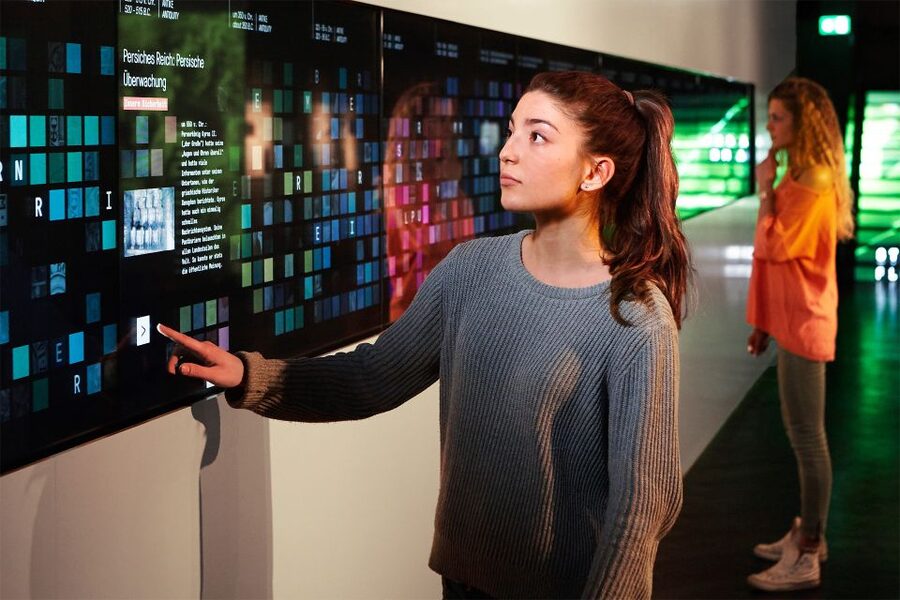
Berlin’s German Spy Museum is interesting because it turns spy history into a walk-through mission, with hands-on stations built for real play. I love the sheer scale of the exhibition, about 3,000-square-meters of interactive space. One possible drawback: if it gets busy, the most popular interactive moments can feel harder to enjoy.
My second favorite part is the laser maze, a classic try-your-spy-skills obstacle that makes the museum feel like an action game, not just a slideshow. Add in the Berlin Spy Map and other interactive stops, and it works for a wide range of ages and interests.
Key things to know before you go
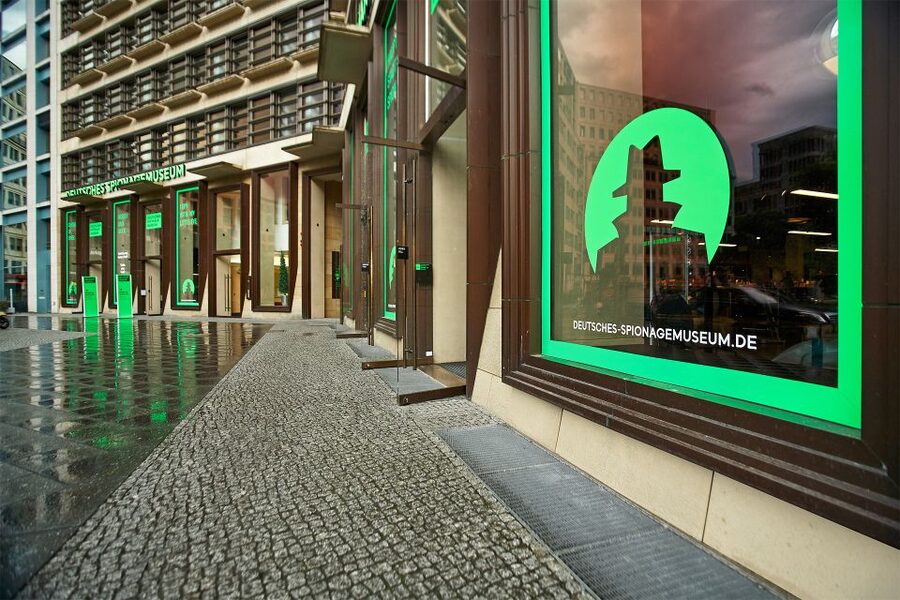
- Flexible entry, one-day visit: You can go during opening hours any day of the week, valid for 1 day from first activation.
- A large, interactive exhibition: Spread across roughly 3,000-square-meters with modern technology and multiple stations.
- Berlin Spy Map: A built-in way to connect espionage stories to real locations around the city.
- Laser maze obstacle course: One of the most fun, hands-on parts of the museum.
- Storytelling with context: Staff and exhibits aim to make secret services and their work easier to understand, with memorable anecdotes.
- Plan for text-heavy areas and crowds: Some sections rely more on reading than hands-on play, and peak times can be crowded.
German Spy Museum, a spy game built in 3,000 square meters
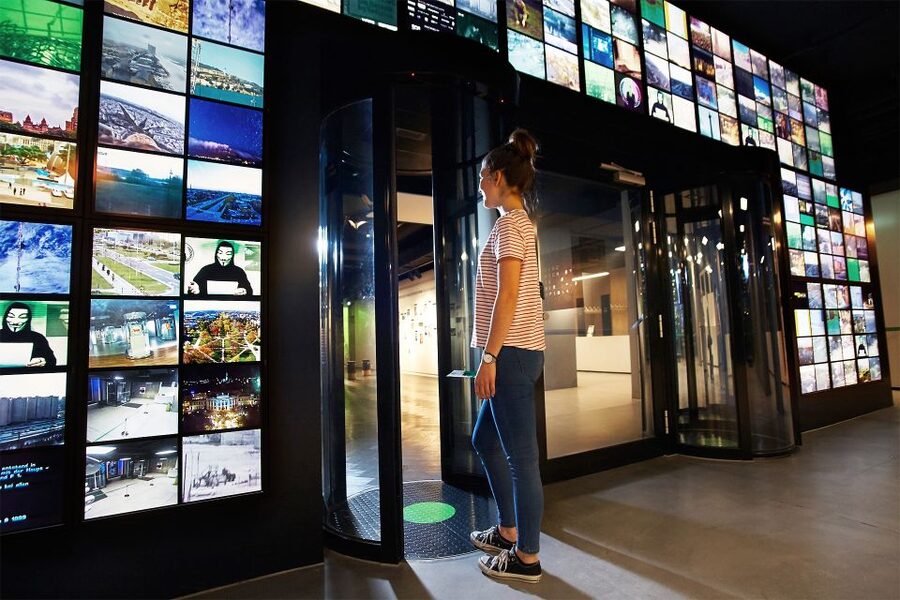
If you like Berlin for its history, but you also want your time to feel active, this museum hits the sweet spot. The German Spy Museum sets up a full exhibition flow, not just rooms with glass cases. You move through themed spaces that mix spy history with modern interactive technology, so you keep doing things instead of only reading.
The museum space is about 3,000-square-meters, which matters because big museums can either feel overwhelming or feel like an adventure. Here, the size gives you room to explore at your own pace, without feeling like you missed everything after an hour. The interactive stations are scattered throughout, so your route naturally breaks into short “missions” instead of one long slog.
The star feature is the laser maze, but don’t plan your day like it’s only about the maze. The exhibition also includes a Berlin Spy Map and interactive activities that help you see how espionage worked, not just how spies looked in movies. That combination is why the experience feels fun even if you are not a hardcore spy-history person.
The only thing to watch is your expectations for modern tech. Some people want more today-style gadgets, like the kinds of surveillance tech you see in current news. The museum definitely covers the broader life and history of spies, but if you go expecting a heavy dose of today’s drones and next-gen tools, you might want to mentally adjust.
More Museums in Berlin
- Berlin: Jewish Museum Berlin Entrance Ticket
★ 4.5 · 8,393 reviews - Berlin: DDR Museum Tickets
★ 4.3 · 3,443 reviews - Berlin: Natural History Museum Entrance Ticket
★ 4.6 · 3,382 reviews
Flexible entry timing, how to plan your one-day visit
This is a flexible ticket, meaning you do not have to lock your plans to a specific tour time. You can visit during opening hours Monday to Sunday, 10:00 AM to 8:00 PM. The ticket is valid for 1 day from first activation, so pick the day you want, activate it at the museum, and then enjoy the time you have within that window.
In practical terms, you are not trapped by a timed-group schedule. That makes a big difference in Berlin, where plans shift because of weather, transit delays, or simply deciding you want to eat lunch somewhere else. You can also time the visit around the rest of your day.
How long should you budget? One review highlighted that you should plan for a couple of hours to cover a lot. I’d treat that as a solid baseline. If you enjoy interactive challenges and want time to re-run the maze moments, lean longer. If you mostly want the stories and exhibits, a shorter visit can still work, as long as you focus on the key sections.
Where do you start? The meeting point is simple: begin your experience at the German Spy Museum. Bring your passport or ID card, and if you have one, the student card as well.
Also, the museum is wheelchair accessible, which is a real plus when you are budgeting time and comfort. If you use a wheelchair, you will likely find the environment manageable for a full visit, but it still helps to plan for a slower pace through interactive areas.
Your first mission on arrival, orient with the Berlin Spy Map
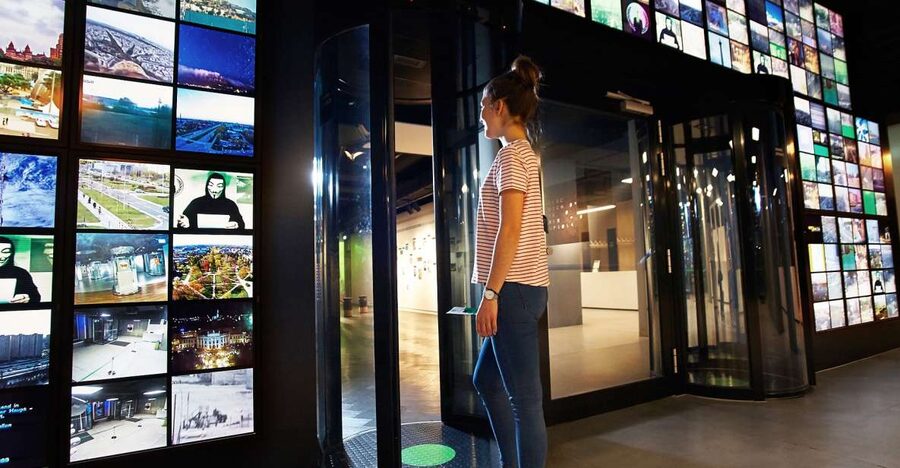
A smart museum experience starts before you even find your favorite room. At the German Spy Museum, the Berlin Spy Map is a great early anchor. Instead of only learning about spy work in the abstract, you get a Berlin-focused way to place stories into a real geography.
That map concept matters because Berlin history is everywhere, and it can be hard to know where espionage fits into the bigger picture. A map like this gives you context fast. You start thinking in terms of places, routes, and the idea that secret work depended on access and movement through the city.
When you use the map early, you can also guide your choices later. If you spot areas that spark your curiosity, you can circle back during your visit and connect the exhibit story to what you might notice outside the museum later.
The museum layout also encourages you to treat the visit like missions. You might start with general spy life and then move into more hands-on tasks as you go. That helps keep the museum from feeling like a long reading session.
The one possible drawback is navigation. Some visitors found the layout harder to follow, so if you like a clean, simple path, give yourself time to slow down and find your bearings. A good rule: do not spend your first 30 minutes rushing. Spend it orienting, then speed up.
Interactive stations and secret services, where the museum teaches without a lecture
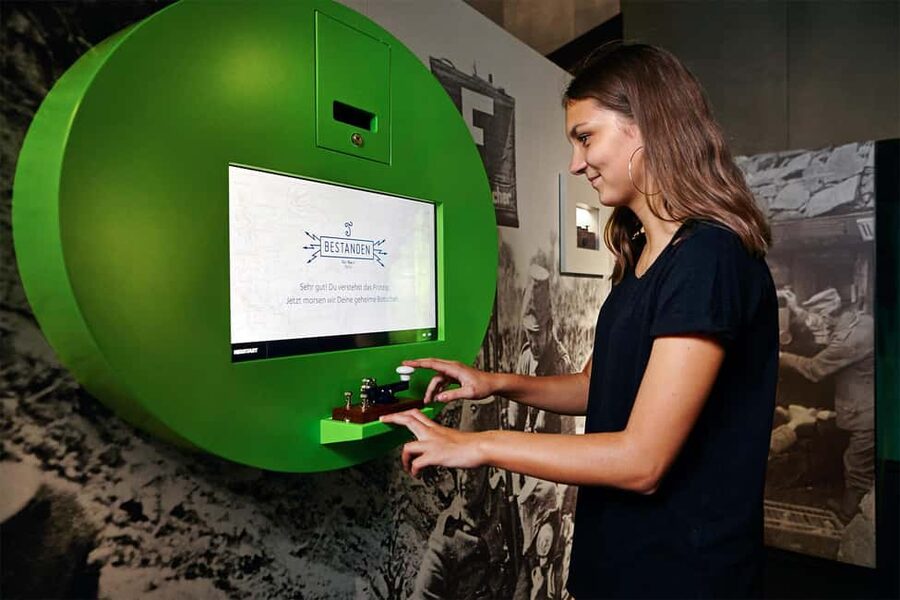
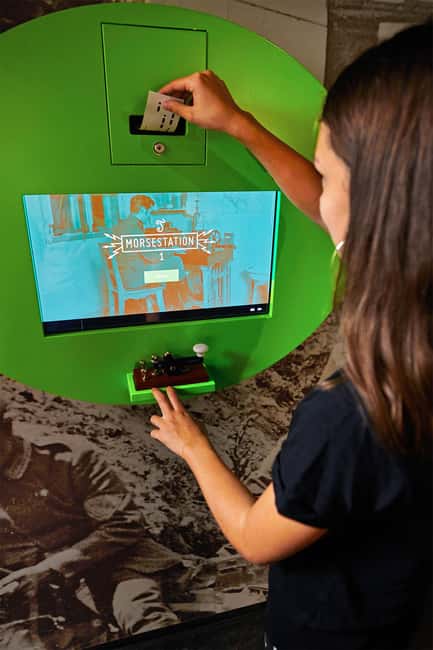
The core of the German Spy Museum is the mix of interactive stations and modern technology. The exhibition is designed to explain the work of secret services and the life and history of spies through activities, not just posters.
That approach is valuable for two reasons. First, it keeps you engaged even if you are tired of museum walls covered with text. Second, interactive stations make cause and effect clearer. You do an activity, you see a result, and the “why” feels more concrete than it would with only reading.
The museum experience is also family-friendly in tone. Multiple comments point out that interactive parts work for both kids and adults. That matters because Berlin museums can sometimes be either too technical or too slow for kids. Here, the balance seems intentional, with activities designed to be understood quickly.
That said, do not assume everything is pure hands-on fun. Some sections can lean on reading text off walls. If you prefer gadget-heavy exhibits over narrative panels, you may want to focus more time on the stations and less time lingering in text-heavy zones.
Another good expectation to set: you are learning about espionage history, not watching a documentary. The museum uses artifacts, setups, and activities to give context. For people who love facts and also love a bit of storytelling, that combination can feel more memorable than a straight lecture.
Another way to spend a Berlin afternoon:
- Berlin: Reichstag, Dome and Government District Guided Tour
★ 4.7 · 18,288 reviews - Berlin: 1-Hour City Tour by Boat with Guaranteed Seating
★ 4.3 · 16,993 reviews - Berlin: TV Tower Standard Entrance Ticket
★ 4.4 · 15,883 reviews - Berlin: Boat Tour Along the River Spree
★ 4.4 · 11,252 reviews
The laser maze obstacle course, how to make it the highlight of your day
If you want one moment that feels like real spy training, it is the laser maze. It’s a hands-on challenge where you test your skills under pressure, moving through an obstacle course tied to a laser-style concept. This is the kind of attraction that breaks up the museum visit, gives you a “wow” moment, and makes photos and laughs natural.
More than one review described it as a top experience, with one even calling the spy laser obstacle course a perfect score. That tells you something important: this is not a token game. It is a real attraction inside the museum.
How do you get the best experience? Give yourself space to repeat or try again if the museum has short lines. If it is crowded, you might only do it once, so try to be present mentally rather than rushing.
Also, one visitor mentioned they had not received their laser maze video after the session. That suggests the maze may produce a recorded result for participants. I would treat that as a heads-up: if you see any on-screen option related to your results, follow it carefully, then check what the museum asks for at the time (for example, where it sends or saves the output). If you do not see confirmation immediately, ask on site so you are not guessing later.
If you are visiting with kids, the laser maze is usually the easiest sell. If you are visiting as a couple or solo, it still works because it adds a physical and playful layer to the history. It keeps the museum from staying purely cerebral.
Artefacts, history context, and the storytelling style that sticks
A spy museum can easily become either too dark or too generic. The German Spy Museum aims for a balance: serious history and real artifacts, paired with interactive learning and sometimes amusing delivery.
One review specifically called out a guide named Peter, saying he brought the history to life with amusing anecdotes plus facts and context. Even if you do not get the same exact storytelling style, it signals how the museum tries to make the subject approachable, not dull.
That matters because espionage history has a lot of moving parts. You might hear about secret services and methods, but it’s the human angle that makes it stick. When the museum explains the work and then connects it to real situations, it becomes easier to understand why people did what they did.
You should also expect that the museum focuses on life and history of spies rather than trying to be a modern surveillance technology lab. Some visitors wanted more present-day tech like drones. If that is your main interest, you might treat the museum as a foundation for understanding the older world, then pair it with other Berlin experiences that cover modern Germany and current tech culture outside the museum.
For families, this kind of presentation tends to work because kids can play while adults can still read and learn. For adult travelers, it feels less like a chore because you are always moving toward the next interaction.
Price and value at $27, who should buy this flexible ticket
At about $27 per person for a 1-day ticket, you are paying for a full exhibition experience plus interactive attractions like the laser maze. That can be good value in Berlin, where many museum tickets only buy you quiet time in rooms. Here, you are paying for hands-on learning and a museum experience that feels closer to an activity than a lecture.
The flexible entry part also adds value. If your schedule is uncertain, you avoid wasting a timed slot. You can match the museum to your energy level and the rest of your day. In a city like Berlin, that flexibility often matters more than chasing a specific hour.
If you are traveling with students, bring your student card, since the museum notes it as something to have. If you are traveling with ID, bring your passport or ID card, since that is also listed as needed.
Who is this best for?
- Families who want a museum where kids can actually do things.
- Couples who like history but do not want to spend the whole day reading.
- Solo travelers who like interactive attractions and short challenges.
Who might not love it?
- If you only want modern surveillance tech and nothing else, the spy life and history focus might feel broad.
- If you hate crowds and interactive areas are your main goal, you may want to plan your timing carefully.
And one more “value” note: you get a full museum window from morning to evening, so if you arrive hungry, take a longer lunch, and still have time to return to the museum, the day does not collapse.
Practical tips for a smoother visit, from crowds to reading fatigue
To enjoy the museum at its best, I’d plan around two common friction points: crowds and pacing through text-heavy areas.
Crowds: one review mentioned it was too crowded to enjoy interactive parts. That tells me the museum can reach a level where people cluster around popular stations. If you prefer space and quiet focus, try to avoid the busiest windows of the day when possible. If you only have one available time, accept that you may need to queue briefly, then treat the waiting time as part of the strategy rather than a disappointment.
Reading fatigue: some parts can feel like lots of text on walls. If you know you zone out when you read, focus your energy on the interactive stations and let the narrative panels be optional. Use the station moments as your progress markers, not the walls.
Navigation: a visitor noted that the museum felt poorly set out and hard to navigate. To prevent frustration, move with purpose. Start with orientation, use the Berlin Spy Map early, then follow the natural flow of sections. If you feel lost, slow down and re-orient rather than trying to power through.
The laser maze: treat it like the highlight event. If you do it early, you might return later with new context from other exhibits. If you do it later, you might feel more confident because you have learned the museum’s spy framing first. Either approach works, so pick based on how you like to experience attractions.
Wheelchair access is listed, so if mobility is a factor for you, this is good to know. Still, interactive areas may require more space for turning, so give yourself extra time around those stations.
Should you book the German Spy Museum flexible ticket?

Yes, I think you should book it if you want a Berlin museum day that feels active, not passive. The 3,000-square-meters of interactive exhibits plus the laser maze make this a strong pick for families, mixed-age groups, and anyone who likes hands-on learning. The Berlin Spy Map is also a useful way to connect spy stories to the city around you.
Skip it or reconsider if your main goal is strictly modern surveillance tech and you are hoping for a heavy focus on today’s gadgets like drones. Also think twice if crowds are a deal-breaker for you, because interactive areas can get busy.
If you can be flexible with your timing, this flexible ticket format is a smart fit. You can treat the museum like a mission you schedule into your day, rather than a rigid appointment that steals time from the rest of Berlin.
FAQ
What does the German Spy Museum flexible entry ticket include?
Your ticket includes entry to the German Spy Museum.
How long can I visit with this ticket?
The ticket is valid for 1 day, starting from first activation.
Can I choose any day to visit?
Yes. With the flexible ticket, you can visit during opening hours on any day of the week.
What are the opening hours?
The museum is open Monday to Sunday, 10:00 AM to 8:00 PM.
Where do I begin?
Begin your experience at the German Spy Museum.
What do I need to bring?
Bring your passport or ID card. If you are a student, bring your student card as well.
Is the museum wheelchair accessible?
Yes, the museum is wheelchair accessible.
How much is it?
The price is $27 per person.
Is there free cancellation?
Yes. You can cancel up to 24 hours in advance for a full refund.
Fresh reviews out of Berlin
- Berlin Uncensored: A History of Sex & Freedom★ 5.0 · 50 reviews
- Berlin Food & Cultural Tour: Must-Try German & Berliner Classics★ 5.0 · 51 reviews
- English Comedy Show with Pizza and Shots in Central Berlin★ 4.5 · 51 reviews
- Rude Bastards Tour of Berlin★ 4.8 · 51 reviews
- Private Taxi Tour of Berlin East and West and Neighbourhood approx. 4-6h★ 5.0 · 55 reviews
- Rickshaw Sightseeing City Tours Berlin – Rikscha Tours★ 4.0 · 55 reviews
- Berlin: City Highlights Express & Panorama Roof Terrace★ 4.9 · 55 reviews
- Berlin during Nazism – Tour in Italian★ 5.0 · 56 reviews
Museums, compared.




Skip-the-Line: Berlin Wall Museum at Checkpoint Charlie
Read our review →Browse the lists this tour appears in