Reviewed · TICKETS
Berlin: Entry Ticket To The Kunstgewerbemuseum
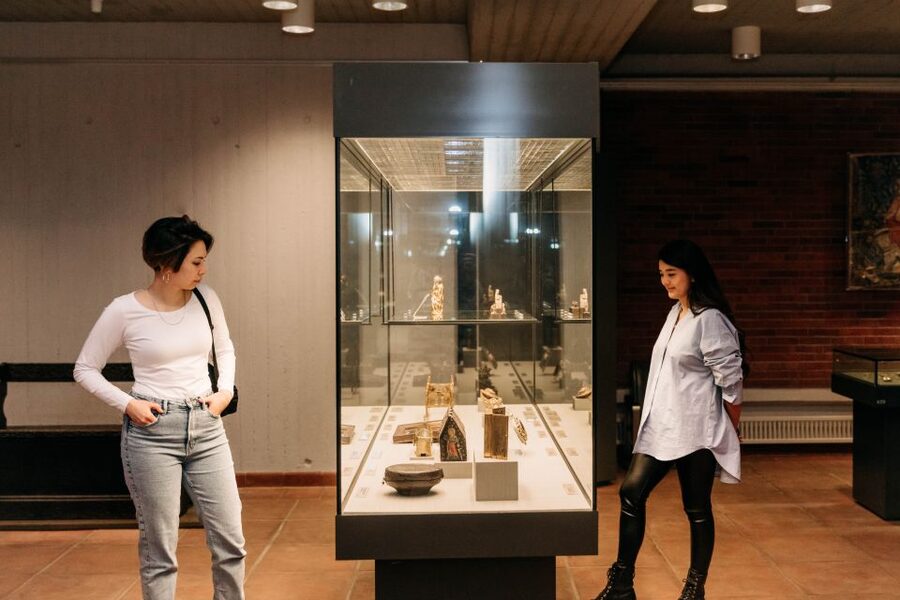
Berlin’s Kunstgewerbemuseum is interesting because it treats everyday objects like art, from medieval goldwork to fashion details you can study up close. I love the ornate reliquaries with gold and precious stones, and I also love the museum’s hands-on way of telling fashion history through real garments and textiles. One drawback to know ahead of time: the lighting can feel quite dark in parts, so bring patience for slower looking.
What makes this ticket especially useful is that you can see the museum’s exhibitions in two Berlin locations in one day. Plan your time and you’ll get the feel of different eras and design approaches, with showrooms that include an open staircase and greenery that links back to Tiergarten nearby. Since no audio guide is included, you will rely on labels and your own curiosity more than on commentary.
Key Highlights to Notice Before You Go
- Ornate reliquaries of gold and precious stones, plus other fine craft
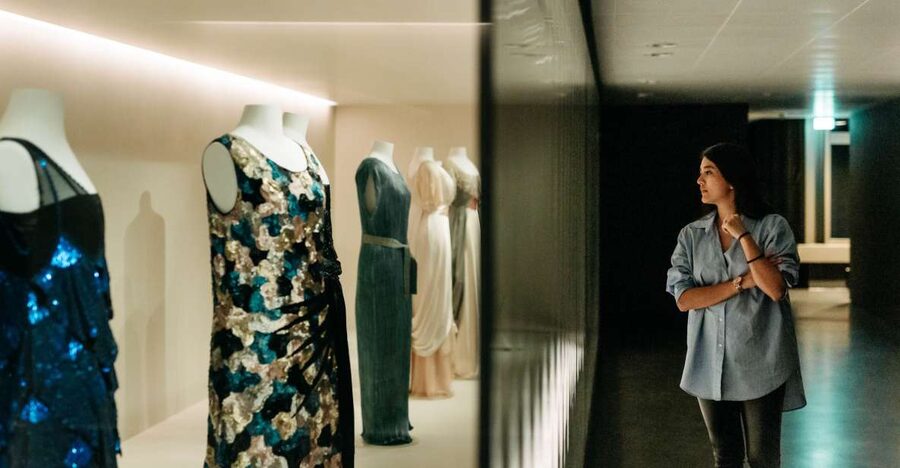
- Fashion history in physical form, including finely embroidered dresses
- Two exhibition addresses in Berlin, so you can shape your route
- Woodwork standouts, including carved or crafted works that catch the eye fast
- Open staircase and spacious rooms, built for lingering rather than rushing
- A smart value at about $11, especially for a ticket that covers entrance
Why the Kunstgewerbemuseum Ticket Is Such a Good Buy
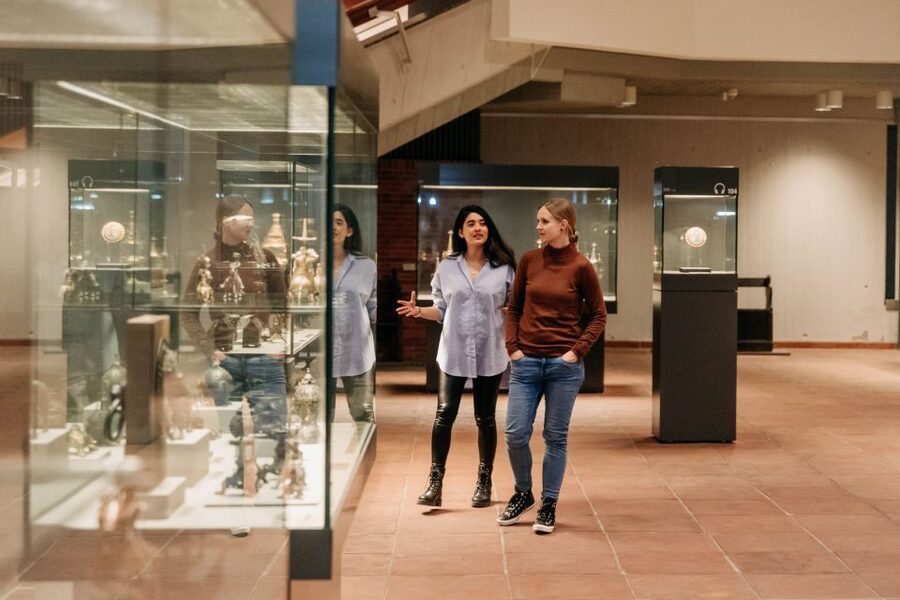
For about $11, you’re not just buying entry to a “decorative arts” museum. You’re buying time with objects that show how people actually made things, not just what they wanted the result to look like. That matters in Berlin, where you can easily spend an entire day bouncing between major museums. Here, the focus is more tactile and human: materials, techniques, and design decisions you can see and compare.
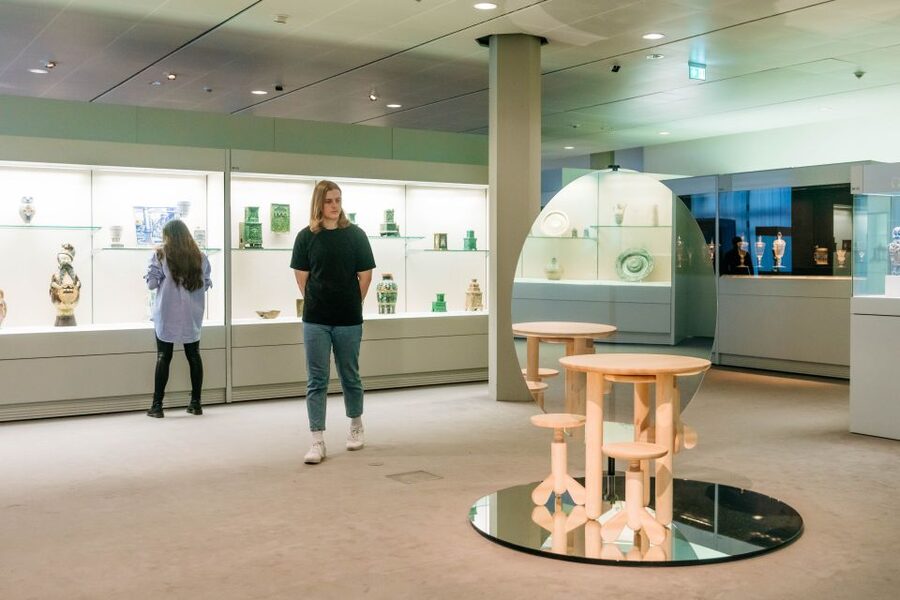
This museum is also one of the oldest institutions of its kind in Germany, the oldest museum of decorative arts in the country, which helps explain the depth you’ll feel. Even when the displays are organized, the objects themselves keep pulling you into details: metalwork catching the light, glass and porcelain showing texture, furniture and design pieces revealing how form served function.
There’s also a practical reason this ticket works well for independent travelers. You can choose how much to do, and you’re not forced into a rigid, scripted tour format. That freedom is great if you like slow looking.
Weigh these Berlin picks against each other
- Berlin: Reichstag, Dome and Government District Guided Tour
★ 4.7 · 18,288 reviews - Berlin: 1-Hour City Tour by Boat with Guaranteed Seating
★ 4.3 · 16,993 reviews - Berlin: TV Tower Standard Entrance Ticket
★ 4.4 · 15,883 reviews
Getting Started at Matthäikirchplatz (Your Meeting Point)
Your visit begins at the Kunstgewerbemuseum at Matthäikirchplatz, 10785 Berlin. If you like to arrive a few minutes early, do it. Not because you’ll need a guide, but because you’ll want an easy start for finding your bearings, entering calmly, and figuring out which galleries and stairways you want first.
Also, since the ticket is valid for one day, your first 30 to 45 minutes will set your mood. If you start by chasing one theme, like fashion, you’ll enjoy the rest more because you’re building a mental map. If you start by scanning for craftsmanship, like metal, wood, or ceramics, you’ll notice patterns across centuries. Either approach works, and both are worth doing.
One more note: there’s no audio guide included. That means signage becomes your best friend. If your German is basic, consider using a phone translation app for labels, especially for fashion and materials. It won’t be perfect, but it will help you connect the objects to time periods.
Two Locations in One Day: Kulturforum and Köpenick Castle
The Kunstgewerbemuseum isn’t only in one building for this ticket. Your exhibitions can be seen in two Berlin places: at the Kulturforum area near Potsdamer Platz, and at Köpenick Castle.
This setup is a big deal for how you plan your day. It means you can do a “focus route” instead of trying to cram everything into a single space.
Kulturforum near Potsdamer Platz
The Kulturforum site is useful if you want to stay more city-centered and keep your day efficient. It’s also a good choice if your priorities are the museum’s broad permanent collection themes and the modern side of craftsmanship and design.
Even without a guided route, you’ll usually feel oriented quickly in a larger cultural complex. Use that advantage to pick one or two goals for this leg of your day, like fashion pieces or furniture and decorative objects. Then move on before you fatigue yourself. This museum rewards attention, not exhaustion.
Another way to spend a Berlin afternoon:
- Berlin: Boat Tour Along the River Spree
★ 4.4 · 11,252 reviews - Discover Berlin Half-Day Walking Tour
★ 5.0 · 9,624 reviews - Berlin: Government District around the Reichstag Guided Tour
★ 4.7 · 8,447 reviews - Berlin: Reichstag, Plenary Chamber, Cupola & Government Tour
★ 4.6 · 8,422 reviews
Köpenick Castle on the Dahme Peninsula
Köpenick Castle is different in feel. It sits on a peninsula in the Dahme, and the displays here focus on “art of space” from the 16th to the 18th century. That phrase matters because it signals you’re looking at how people designed and imagined rooms, space, and visual experience, not just standalone objects.
If you enjoy historical interior thinking, stage-like arrangements, or how design communicates status and taste, this is the location to prioritize. It’s also the place where you’ll likely slow down, because the period focus gives you a clear theme to track while you walk.
A simple planning trick
If you’re the type who gets overwhelmed by too many galleries, choose one location as your main stop and treat the second as a bonus. If you’re comfortable with a longer museum day, you can split your time more evenly. Either way, aim to leave a little buffer. The museum is built for lingering, and you’ll want time for the objects that grab your attention.
What You’ll See: Reliquaries, Glass, Ceramics, Furniture, and Real Fashion
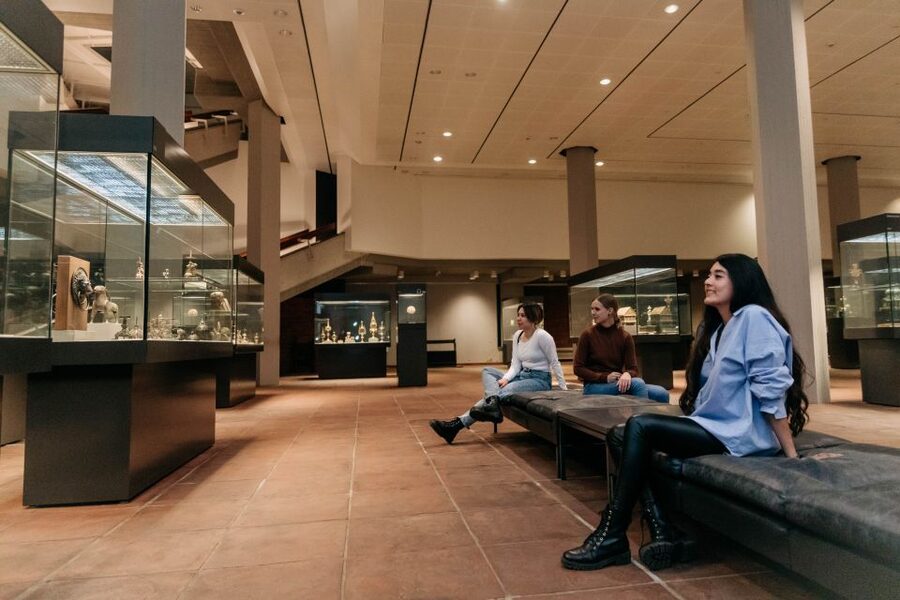
This museum’s strength is variety with a clear craft thread running through it. You’re looking at European craftsmanship and design across time, and the object types make that story visible.
Reliquaries and precious craft
One of the biggest “wow” categories is the museum’s reliquaries, including ornate examples made with gold and precious stones. These objects are more than decorative. They show how materials, labor, and belief intersected. When you stand in front of something like this, you can usually spot why it held attention for centuries: the metalwork and stone setting isn’t just decoration, it’s technique you can read with your eyes.
If you liked medieval artifacts, this section can become a highlight quickly. One review specifically called out delicate items starting in medieval times, with a collection large enough that it’s hard to stop looking once you find your favorites.
Ceramics, glassware, and porcelain-style craftsmanship
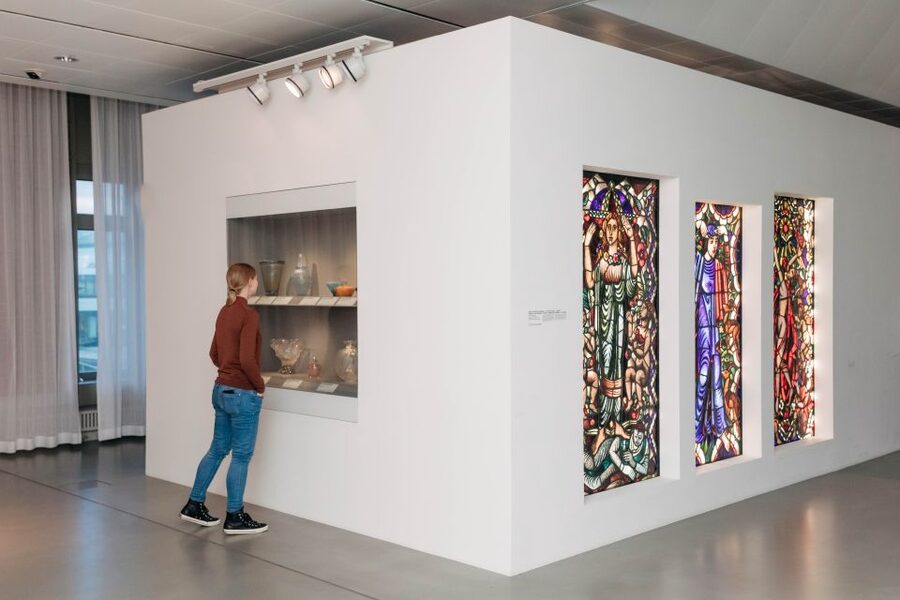
The museum also includes beautiful examples of ceramics and glass or porcelain pieces. These are great when you want a break from the heavy sparkle of metal and stones. Glass and porcelain often reward close viewing for color, thickness, and finishing. You might find yourself comparing styles across different objects and eras, even when they are displayed separately.
Furniture and industrial design connections
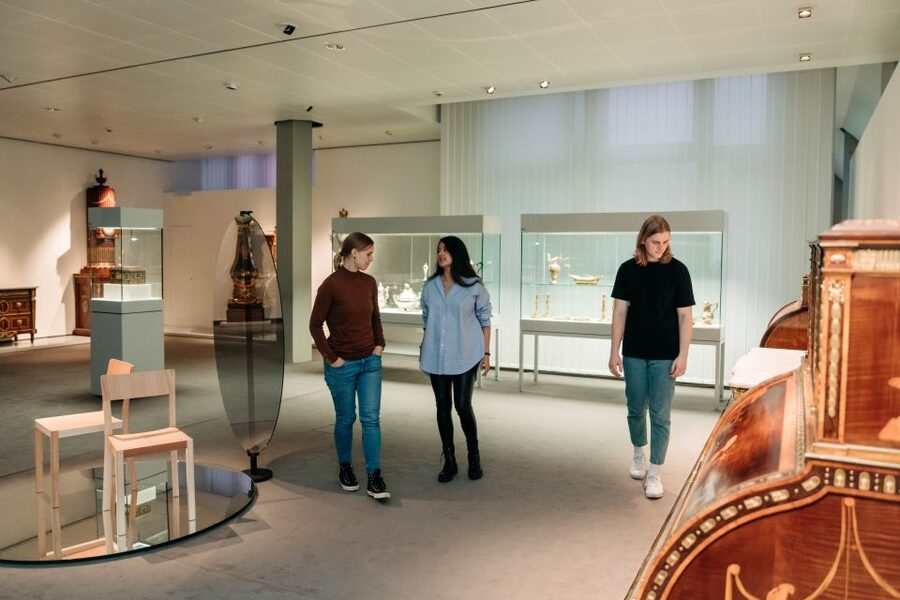
Furniture and designed objects show up too, including classics of modern industrial design. That matters because it gives you a bridge between “luxury handmade” and “design that scales.” In other words, you’re not only looking back. You’re also seeing how decorative arts language evolves into modern design thinking.
Fashion as physical history
If you care about clothing history, don’t rush this. Finely embroidered dresses and other fashion-related pieces are a core part of the experience. One review loved how fashion history is shown in physical form, with garments you can actually see and study, not just pictures.
Another review also pointed out that the museum gives you evidence of craftsmanship and skill starting over 1500 years ago. Fashion objects in particular can make that feel real, because you can see how textile work, decoration, and construction choices were carried out with serious care.
How to Enjoy It Without an Audio Guide
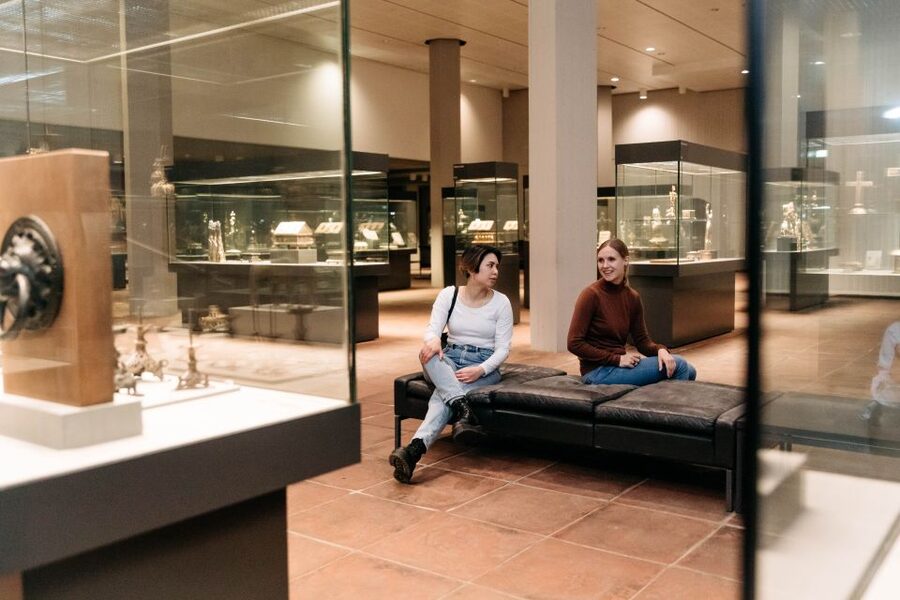
Because an audio guide isn’t included, your experience depends on what you bring to it: curiosity, patience, and a willingness to read.
Here’s what I recommend:
- Take your time with object labels, especially for material and date ranges. Even basic information helps you see connections.
- If you’re using your phone for translation, do it selectively. Translate the label for an object you find truly interesting, not every single one. You’ll keep your energy.
- Build a short list of themes before you enter. For example: woodwork, gold and stones, embroidery, furniture, or glass.
The museum can be dark in parts, so you might also benefit from this approach. When lighting is low, you want a plan that keeps you engaged. Labels can anchor you while you wait for your eyes to adjust.
And don’t worry if you miss something on your first pass. One of the advantages of a self-paced visit is that you can choose your route and repeat only what you care about.
Layout and Lighting: Why the Museum Feels Different Than Many Others
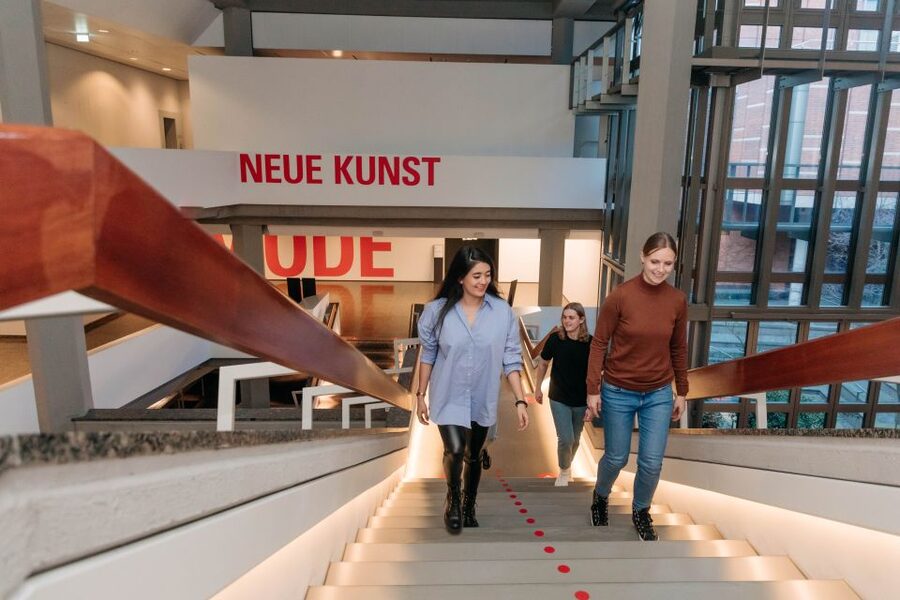
You’ll find spacious exhibition rooms, plus an open staircase that helps the collection feel connected rather than sealed into isolated boxes. That structure is helpful because it invites you to look up, not just forward.
There’s also a design detail that you’ll likely notice over time: the museum includes greenery that reflects the neighboring park Tiergarten. This kind of subtle integration changes your pace. You get small visual breaks while you walk, which can make the museum feel less exhausting than some all-indoor, all-day displays.
Now the downside again, the one worth planning for: lighting can be very dark in parts. If you’re sensitive to low light, wear comfortable clothes and keep an eye on your phone brightness. Also, if you rely on camera flash, test it first. Some museums discourage it, and even when it’s allowed, flash can flatten what you came to see. Your best tool in dark galleries is slow movement and steady looking.
Price, Value, and Who This Ticket Makes Most Sense For
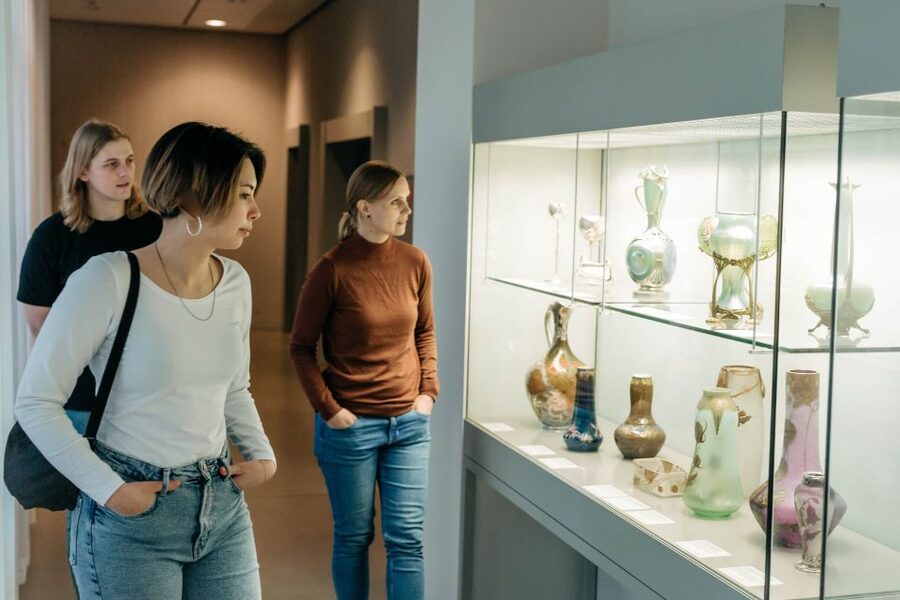
At about $11 per person, this is a solid value if you like objects and you like variety. Decorative arts museums can sometimes feel niche, but this one has enough categories to keep most people interested: reliquaries, precious materials, glass and ceramics, furniture, and fashion.
I also think it’s a strong pick if you’re traveling with mixed interests. Someone who likes craft will find plenty to focus on, and someone who prefers clothing and design will have real physical garments and textiles to anchor the day.
Who it fits best:
- You want a Berlin museum day that’s different from paintings-only stops
- You enjoy studying materials and how things are made
- You care about fashion history shown in real objects
- You have one day and want to shape it with two locations
Who might find it less satisfying:
- You expect bright, high-contrast galleries all day
- You want an audio guide or a structured narration
- You’re only in the mood for blockbuster paintings
It’s also worth noting the overall feedback strength: the ticket holds a 4.5 rating across 15 reviews. The most praised points cluster around craftsmanship and the variety of materials, plus the fashion and historical eras. The most common complaint angle is not about the object quality, but about exhibition lighting and wanting more fashion depth.
Should You Book This Kunstgewerbemuseum Ticket?
I’d book it if your goal is one memorable museum day that goes beyond the obvious. The price is friendly, the object range is wide, and the fashion and precious craft sections give you multiple ways to connect with the past.
I would not book it as a must-do if you are strictly focused on modern art highlights, or if low-light galleries frustrate you. Also, if you absolutely need an audio guide to enjoy museums, you’ll want to plan for that gap since it’s not included.
If you’re flexible and you like to see what people made with their hands, this ticket is an efficient, high-value choice.
FAQ
How long is the ticket valid?
It is valid for 1 day. You’ll need to check availability to see starting times.
What is included in the price?
The price includes the entrance ticket.
Is an audio guide included?
No. An audio guide is not included in the price.
Is there a tour guide?
No tour guide is included.
Where is the meeting point?
Kunstgewerbemuseum, Matthäikirchplatz, 10785 Berlin.
Is the museum wheelchair accessible?
Yes, it is wheelchair accessible.
Do I need to wear a mask?
A medical or FFP2 mask is recommended but not mandatory.
Is this ticket refundable?
No. This activity is non-refundable.
Fresh reviews out of Berlin
- Berlin Uncensored: A History of Sex & Freedom★ 5.0 · 50 reviews
- Berlin Food & Cultural Tour: Must-Try German & Berliner Classics★ 5.0 · 51 reviews
- English Comedy Show with Pizza and Shots in Central Berlin★ 4.5 · 51 reviews
- Rude Bastards Tour of Berlin★ 4.8 · 51 reviews
- Private Taxi Tour of Berlin East and West and Neighbourhood approx. 4-6h★ 5.0 · 55 reviews
- Rickshaw Sightseeing City Tours Berlin – Rikscha Tours★ 4.0 · 55 reviews
- Berlin: City Highlights Express & Panorama Roof Terrace★ 4.9 · 55 reviews
- Berlin during Nazism – Tour in Italian★ 5.0 · 56 reviews
Tickets, compared.

Munich Hop-On Hop-Off Tour: 1-Day or 2-Day Ticket
Read our review →