
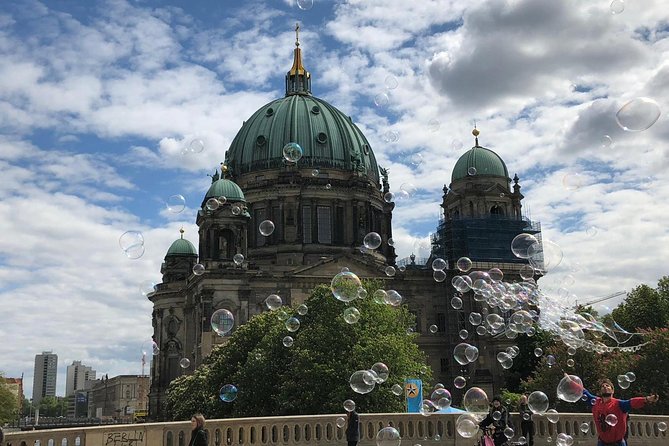
Reviewed · CITY TOURS
Berlin City Center: The Most Famous Sites (private 3 hours Walking tour)
Berlin’s center is a lot to take in, so this private 3-hour walking route is interesting because it sorts the city’s best-known sights into one easy plan. You start with hotel pickup, then your guide walks you right toward the core landmarks without the usual stress of figuring out where to begin.
I also love the way it’s built for first-time orientation. With a real guide (including English-speaking guides such as Aziz, who brings a conversational approach to German history), you get the big-name sites plus the story threads that connect them. One possible drawback: this is a mostly on-foot experience, so if your legs hate city walking, plan for a moderate fitness level and good shoes.
Key Highlights You Will Notice Right Away

- Hotel lobby pickup means you lose less time to logistics and more time to landmarks.
- A tight 3-hour “greatest hits” loop so you see a dozen-plus top sights without burning the whole day.
- English guide storytelling that explains what you’re looking at, not just what it is.
- Adjustable itinerary so you can lean toward the topics that interest you most.
- Conversations you can continue: the best guides (like Aziz) leave you with practical ideas to explore on your own afterward.
Why This 3-Hour Private Walk Makes Sense in Berlin
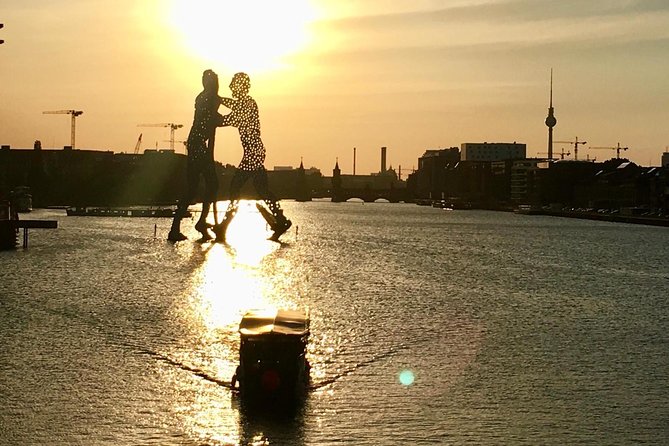
Berlin can feel like three cities in one day. You have the monumental government stuff, the places where people paid for freedom with their lives, and the elegant pre-war streets that still shape how the city looks. This tour helps you put those pieces together quickly.
The format is simple: you and your party move on foot, stops are short, and your guide connects the dots. You are not waiting for buses, and you are not constantly checking maps. That matters, because Berlin’s center rewards slow looking, but you only have so many hours.
Also, it’s private. That means you do not have to match your pace to a large group. If you want extra time near one sight, this itinerary can be tailored. That flexibility is one of the real value points, even though the schedule shows about ten minutes per stop.
The tour is in English and capped for small group participation, so you can actually ask questions without feeling like you’re interrupting a conveyor belt of tourists.
More City Tours in Berlin
- Berlin: 1-Hour City Tour by Boat with Guaranteed Seating
★ 4.3 · 16,993 reviews - Berlin: City Sightseeing Hop-On Hop-Off Bus Tour
★ 4.1 · 4,233 reviews - Berlin: 1-Hour City Sightseeing Cruise
★ 4.4 · 2,210 reviews
Hotel Pickup and the Central Start Point (Hackescher Markt to Pariser Platz)
The experience is designed to start cleanly. Your private guide picks you up at the lobby of your hotel, and you begin from there. Meeting points also show Hackescher Markt as a start reference area, and Pariser Platz near the Brandenburg Gate area as an end reference point.
Why this is practical: if you are jet-lagged, arriving by train, or just trying to keep the day simple, the “meet me at my hotel” setup is the difference between an easy morning and a stressful one.
The tour uses a mobile ticket, so you’re not hunting for printed vouchers. Just keep your phone charged.
One more small but important note: the tour lists operating hours Monday through Wednesday from 8:00 AM to 5:00 PM. If you are traveling outside those days, you’ll want to double-check availability for your date.
Brandenburg Gate and the Reichstag: Two Stops That Set the Tone
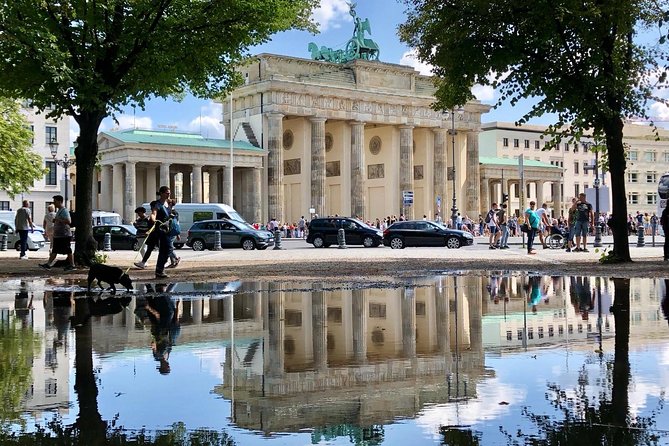
The walking plan starts with Brandenburg Gate, then heads to the Reichstag Building. These are the headline landmarks, but the smart part is what your guide can do with them in just a few minutes.
At the Brandenburg Gate, you’ll get the history and significance in plain language. It’s one of those places where you can take photos all day, but you might miss why it matters in modern Germany. A guide helps you read the site as a symbol, not just a backdrop.
Then you move to the Reichstag Building. Even if you know it’s about German politics, you may not know how the building’s story overlaps with Germany’s major political turning points. The tour keeps this quick, but focused, so you leave with a mental map for what you’ll later see in documents, museums, and memorials.
What to watch for: at both stops, use the short time to look around beyond the main view. The stories are tied to what the buildings represent in different eras, and your guide will point you toward the details that most people overlook.
Holocaust Memorial: A Brief Visit with Serious Context
Next comes the Holocaust Memorial, formally the Memorial to the Murdered Jews of Europe. This stop is short, but it’s placed right after the big political landmarks for a reason: it forces the theme from national power to human cost.
With only about ten minutes scheduled, your guide’s job is to give you enough context to understand what you’re seeing and why it is structured the way it is. You will pay tribute, but you should also walk through the space with the awareness that this is not a typical sightseeing stop.
A practical tip: if you tend to get emotional quickly at memorials, decide in advance how you want to handle it. You cannot linger for long here on a tight schedule. The goal is respectful understanding, not marathon contemplation.
More Walking Tours in Berlin
- Discover Berlin Half-Day Walking Tour
★ 5.0 · 9,624 reviews - Berlin: Third Reich and Cold War 2 Hour Walking Tour
★ 4.9 · 6,830 reviews - Berlin: Discover Berlin Walking Tour
★ 4.9 · 5,998 reviews - Berlin’s Best: 2 Hour Walking Tour Third Reich and the Cold War
★ 5.0 · 5,486 reviews
Gendarmenmarkt and Bebelplatz: Beauty, Then a Reminder
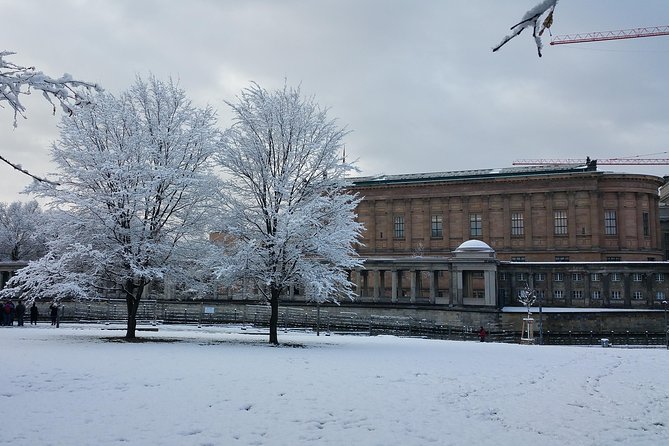
After the solemn memorial, you head to Gendarmenmarkt. This is where Berlin shows off its elegant, symmetrical side. It’s a great breath of air, visually and mentally, after the heavy subject matter.
Then you go to Bebelplatz. This stop pairs well with Gendarmenmarkt because it contrasts the outward calm of the square with a darker story tied to books and censorship. Your guide can explain the significance of the site and why it’s remembered.
Why this pairing works: Berlin’s central streets are layered. One minute you’re admiring architecture, and the next you’re confronting what societies tried to suppress. Doing both within a short walking stretch helps you feel Berlin’s contradictions without needing extra transport time.
Unter den Linden and Humboldt University: The Street as a Timeline
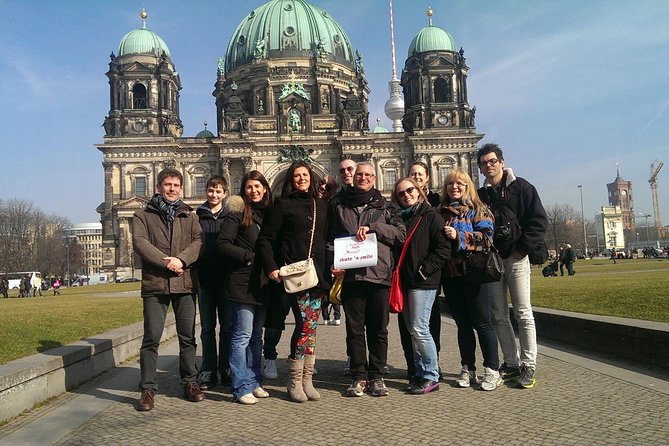
From there, the tour heads to Unter den Linden, the famous boulevard lined with institutions and major views. This is one of those streets where the walking itself becomes part of the story. Your guide’s job is to show you how the boulevard relates to how Germany taught, governed, and shaped public life over time.
Then you’ll see Humboldt University (Humboldt Universität) nearby. In a short stop, you won’t get a full course on academic history, but you can still learn why the university became such an important intellectual landmark. If you’re the type of traveler who likes to understand how ideas spread, this is a good pause.
Practical reminder: Unter den Linden is a major pedestrian corridor, so the walking can be smoother or busier depending on the time of day. Bring patience and let your guide keep you moving at a comfortable pace.
Neue Wache and the Deutsches Historisches Museum: Memory in the Middle of the City
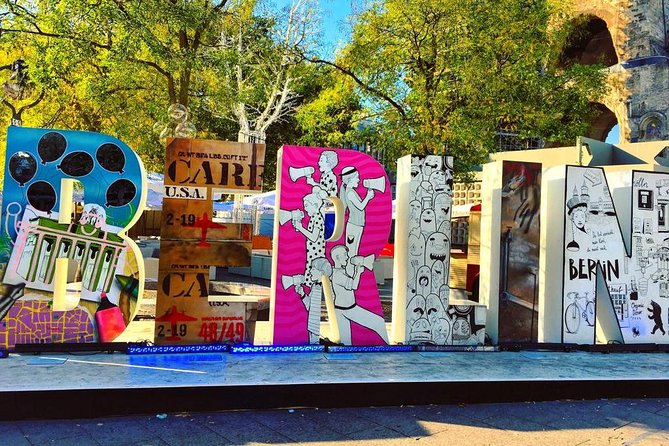
Two stops add another layer of “what happened here” thinking: Neue Wache and the Deutsches Historisches Museum.
At Neue Wache, your guide will cover its significance. This is a place where Berlin’s remembrance is built into public space. You get a clear sense that history is not locked behind glass here.
Then you move toward the Deutsches Historisches Museum. Even if you do not go inside during this short walk, seeing the museum’s presence in the area helps you connect the ideas from memorial sites to the broader story you can continue later with deeper museum time.
If you want value from the day, think of these stops as your “orientation to themes.” You’re learning what to focus on later, whether that means a bigger museum visit, a memorial revisit, or just reading signs with better context.
Lustgarten, Berliner Dom, and Stadtschloss Berlin: Where the View Gets Big
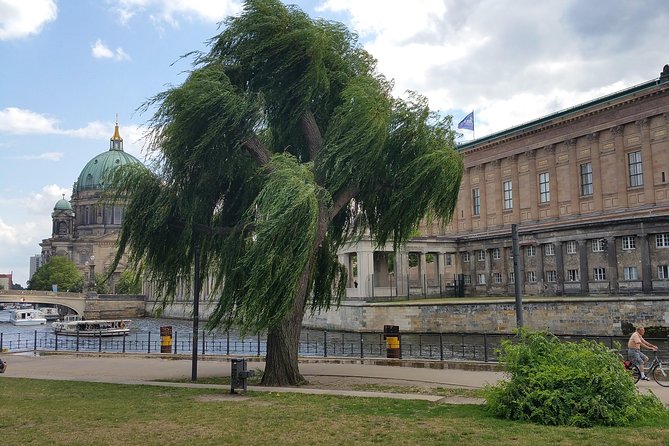
Now you reach the grand scenic stretch. You’ll stop at Lustgarten, then Berliner Dom, and then Stadtschloss Berlin.
Lustgarten gives you a sense of the open space and why this area became such a focal point. It’s not just pretty. It’s where you can feel the scale of the city center.
Then comes Berliner Dom, Berlin Cathedral. The tour keeps it quick, but you can still appreciate how the cathedral fits into the overall story of the city, including what different eras valued and built.
Finally, you’ll see Stadtschloss Berlin. This stop helps explain why rebuilding and reinterpretation matter in a city where layers of political power changed over time. Even a short look can help you understand what you’re looking at when you’re later reading about restoration and identity.
If you like photo stops, this is a stronger section for pictures. But don’t treat it as purely visual. Ask your guide how the site connects to the theme of Berlin’s changing political story.
Museumsinsel (UNESCO Weltkulturerbe): The Finale That Points You Toward More
The itinerary ends with UNESCO Weltkulturerbe Museumsinsel, part of Berlin’s Museum Island area. This is a great closing move because it naturally points you to the next step in your own trip planning.
Why this is a good finale: the earlier stops teach you how to read Berlin’s public spaces and political symbols. Museum Island is where you can keep going, with institutions that let you explore those stories in more depth. Your guide’s orientation helps you pick what to prioritize if you decide to add museum time later.
The tour schedule shows each stop at around ten minutes, so by the time you reach Museumsinsel, you are ready to use the day’s context to guide your next moves.
Pacing, Walking Comfort, and What You Can Do After
The tour is about three hours and includes more than a dozen top sights. That kind of schedule works only because the time at each stop is short. You’ll get context and a guided sense of direction, but you are not getting a slow, lingering experience at every site.
So here’s how I’d plan your day around it:
- Do this early if you can. It gives you bearings fast, and you’ll notice more when you wander afterward.
- Wear shoes you trust on city sidewalks. The tour explicitly asks for good walking shoes and mentions moderate physical fitness.
- Bring water and take bathroom breaks before you start, because the stops are brief.
The tour also states the itinerary can be adjusted to your needs. If you’re especially interested in architecture or memorials, tell the guide early so they can manage timing.
Finally, the experience mentions ending right at your hotel for easy logistics. Even if you’re starting near one central point and walking through the core, the intention is that you finish with minimal extra navigation.
Price and Value: What You’re Really Paying For
The price is $349.39 per group, up to 10, for about three hours. That can sound steep if you compare it to a museum ticket. But compare it to what you get: a private guide for a compact route that hits major landmarks plus memorial context, in English, with hotel pickup.
If you split it across a full group up to 10, the per-person cost can work out reasonably for a first-day orientation. If you’re booking just two people, it’s a bigger commitment, but you still gain the private pacing and the hotel-lobby pickup.
Where the value is strongest:
- First day in Berlin, when you need direction more than souvenirs.
- Groups who want to move fast and not get stuck in transit.
- Travelers who want the stories behind the landmarks without spending hours researching.
What you should consider:
- If you already have a strong guidebook plan and enjoy self-guided walking, you might not need a private guide.
- If you want long stays at one monument, this tight route may feel too structured.
Who This Tour Suits Best
This is a good match if you:
- Want a time-saving orientation to the city center.
- Prefer walking with a guide over public transport planning.
- Like asking questions and getting straight answers on the big landmarks.
- Are traveling with a small group and want the day to fit your pace.
It also tends to work well as a first activity. Guides like Aziz are described as turning the walk into a conversation, not a lecture, and that approach is exactly what makes a short tour land well. You come away with practical ideas to keep exploring after the tour ends.
Should You Book This Berlin City Center Private Walking Tour?
Yes, if you want a smart first pass at Berlin’s most famous central sights without juggling transit, meeting points, and timing. The hotel pickup and guide-led storytelling make it feel efficient, and the stop mix is balanced between big-symbol landmarks, memorial space, and classic central architecture.
Book it especially if your time is short, you’re trying to build a quick mental map of the city, and you want to leave with places to revisit later with better context.
Skip it if you want a slow, linger-and-photograph day, or if walking three hours through major central areas feels like a bad plan for your body. For most people, though, this is one of the cleanest ways to get oriented fast in Berlin.
Fresh reviews out of Berlin
- Gastro Tour with Klaus though the Wrangelkiez, Kreuzberg★ 5.0 · 9 reviews
- Wall Tour Berlin – Fates, Heroes & Love Stories★ 4.0 · 9 reviews
- Berlin City Tour with Hotel pick up and Drop off★ 4.0 · 9 reviews
- Berlin Private Street Art Tour – Off The Grid★ 5.0 · 9 reviews
- Romantic Berlin Rickshaw City and Photo Tour – incl. pick-up★ 4.0 · 9 reviews
- Quatsch Comedy Club Berlin: Quatsch Comedy Hot Shot★ 4.8 · 9 reviews
- Berlin Urbex Adventure and History Tour★ 5.0 · 9 reviews
- Stag Party Berlin: Celebration for Your Bachelor Party★ 3.4 · 9 reviews
City Tours, compared.
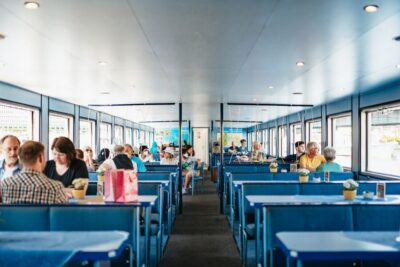
1-Hour City Tour by Boat with Guaranteed Seating
Read our review →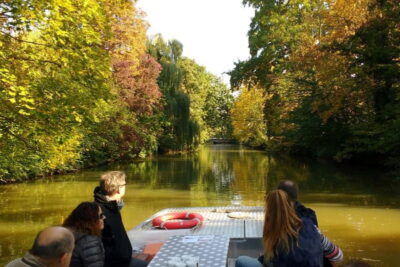
City History Canal Sightseeing Tour on a Motorboat
Read our review →
Browse the lists this tour appears in