
Reviewed · BEER & BREWERY TOURS
Berlin Beers & Battlefields Tour: War History & German Beer
Berlin makes history hard to ignore, and this tour leans into that fact by pairing Battle of Berlin street history with beer stops that keep your energy up. I like how the story is tied to real places, not vague background, so the final days of the war feel close and specific.
I also like the balance here: you get three beer tastings alongside clear explanations of Berlin’s brewing culture. If your guide is Cairan or Ken, you can expect someone who can talk both war detail and beer with real enthusiasm, and still make time for questions over a pint.
The main consideration is physical and practical. This is a moderate walking experience with outdoor stops, and it is not for everyone, including pregnant women or children under 18.
Key things I’d highlight before you book
- Hitler’s bunker escape story at Weidenammer Brücke helps the war feel personal, not abstract
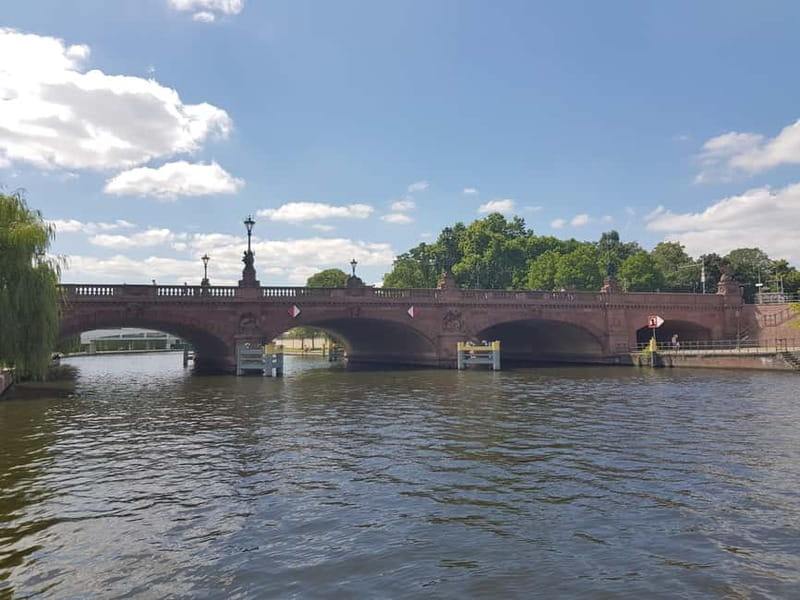
- Moltke Bridge and the Reichstag assault route connects Berlin’s terrain to the fighting that played out there
- Three beer tastings break up the walk in a natural way, with beer history woven into the stops
- The Sinti and Roma memorial brings the human cost into focus, not just military strategy
- Small-group format makes it easier to ask questions while you’re on your feet and later at the bar
Why this Berlin walk links the Battle of Berlin to what you sip
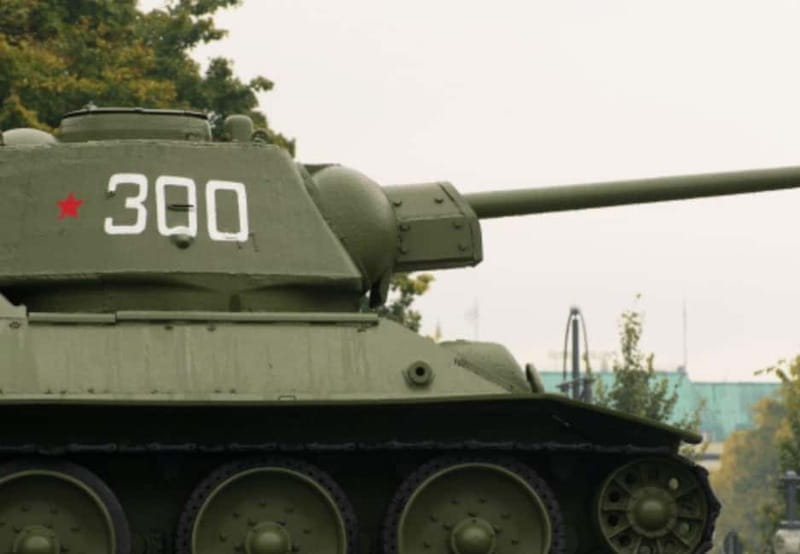
Berlin is one of the few places where you can walk from a memorial site to a lively beer room within minutes. This tour uses that contrast on purpose. You spend your afternoon seeing WWII landmarks tied to the Battle of Berlin, then you switch gears to German beer, where tradition and everyday life survived even after the worst years.
I like that the guide’s job is not just reciting dates. You get stories about resistance fighters, soldiers, spies, and survivors, plus the bigger arc of how the Nazi party rose and how the war closed in on the city. That way, the beer stops do not feel like a random detour, they feel like a reset after something heavy.
The war details are specific too. You hear about aerial warfare over Berlin, the Soviet assault, and the role of the Western Allies during this time, so you understand the pressure coming from more than one direction.
More Beer & Brewery Tours in Berlin
- Berlin City Bike Tour with Beer Garden Stop
★ 5.0 · 917 reviews - Berlin: BRLO BRWHOUSE Tour and Craft Beer Tasting
★ 4.4 · 654 reviews - Berlin Craft Beer & Cultural Tour With Snack
★ 5.0 · 343 reviews
Price and time: what $81 buys you in 3.5 hours
At $81 per person for about 210 minutes, you are paying for two things at once: guided walking and guided tasting. The walking part matters because the sites are spread out across central Berlin, and the guide turns them into a connected story. The tasting part matters because it gives you a structured break rather than leaving you to hunt down your own beers.
What you get is built for an afternoon, not a full day. Beer tastings are included at three Berlin breweries and or taverns, and your guide shares stories along the way. What you do not get is meals, and transportation to and from the meeting point is also not included, so budget a snack or meal plan around the tour start and end.
Also note the practical reality: bring comfy shoes and expect moderate walking. You will be outside for parts of the route, and winter Berlin can be brutally crisp.
Meeting outside Hopfingerbrau and getting your bearings fast
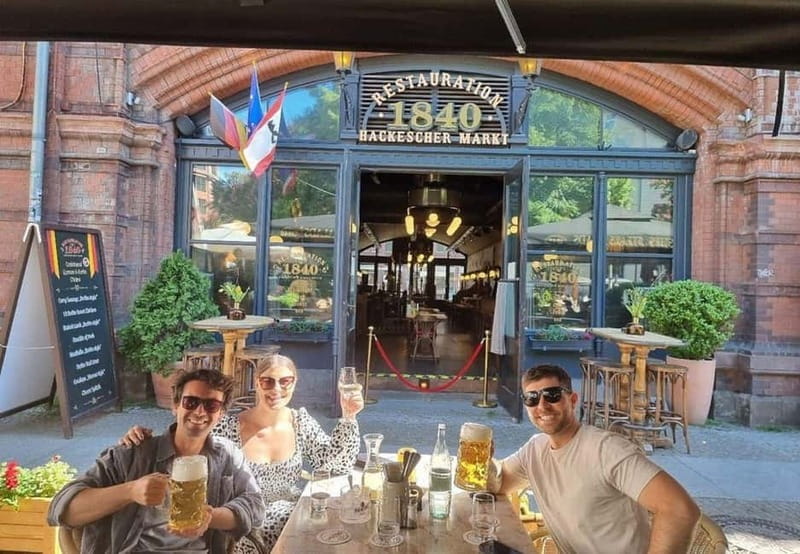
You meet outside Hopfingerbrau near the Brandenburg Gate. That is a smart starting point because you can see the broad sweep of central Berlin quickly, then the tour guides you into the historical specifics.
From there, the walk is set up as a sequence of meaningful pauses. It is not just “see this building, then that building.” You move through key WWII and Battle of Berlin sites, with beer stops spaced in so you can stay focused and not just slog through cold streets.
If you want a tour where you can talk, this structure helps. You hear the next chunk of history, then you get a chance to react and ask questions while you’re not immediately dealing with logistics.
Reichstag area: the scars you feel in the final approach
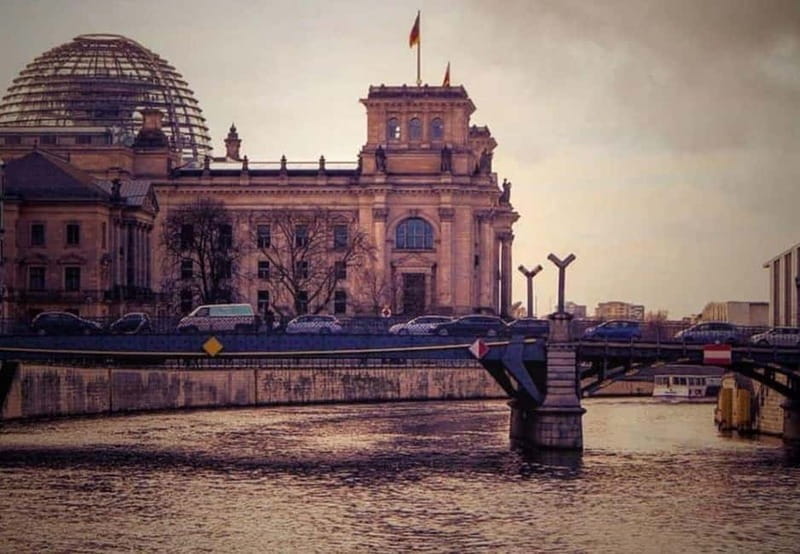
The Reichstag is the headline stop for a reason. You visit the Reichstag area for about 15 minutes, and the focus is on what the building symbolizes during the end of the war. You also get the feeling that the battle for Berlin was not one moment, but a prolonged approach that strained every side.
This is where the tour’s war narrative becomes concrete. The guide explains the lead-up to the assault and the larger picture of how Berlin’s defense and the attackers’ plans collided. It also helps that the route keeps referencing movement through the city, so you understand why these crossings and streets mattered.
One thing I like about how this kind of stop is handled is that it keeps your attention on what you can actually notice. The Reichstag is a visible landmark, so you can look around and connect the physical setting to the fighting described.
More Historical Tours in Berlin
- Berlin: Natural History Museum Entrance Ticket
★ 4.6 · 3,382 reviews - Berlin: 3-Hour World Heritage Cruise to Potsdam
★ 4.5 · 1,569 reviews - Berlin: History of the Third Reich Guided Walking Tour
★ 4.7 · 791 reviews - Berlin Historical Highlights Walking Tour
★ 4.9 · 657 reviews
The Reichstag meets the memorials: Sinti and Roma, not just soldiers
Right after the Reichstag visit, you stop at the Memorial to the Sinti and Roma Victims of National Socialism. This matters because it widens your understanding of what the Nazis did, beyond tanks and bunkers.
The tour treats this memorial as part of the same story you are walking through. The Battle of Berlin is often told through military movement, but this stop brings the human cost of Nazi persecution into the open. It is a reminder that civilians, and targeted communities, were part of what the war destroyed.
If you tend to feel overwhelmed by heavy sites, pace yourself here. Take a minute, look, then let the guide’s context land. This stop is brief, about 15 minutes, but it sets the tone for the rest of the afternoon.
Brandenburg Gate and the walk between power and daily life
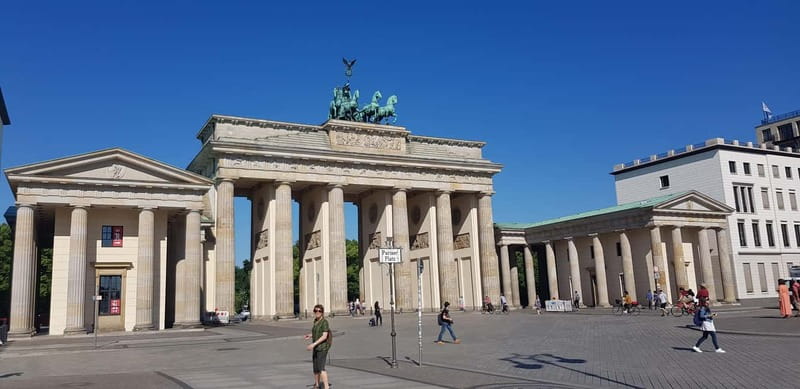
You visit Brandenburg Gate for a short stop. It is one of those places where you can see the layers of Berlin in a single glance. On its own, it is just a famous structure. On a Battle of Berlin tour, it becomes a waypoint in a city under pressure.
From there, you continue through the center with more WWII and city-specific context. A tour like this helps you understand how even famous landmarks sit inside everyday street networks, and how those networks become part of military planning.
Brandenburg Gate also gives you a visual anchor for later crossings and stops. When you learn why certain bridges and routes mattered, you can mentally map them back to this starting area.
Friedrichstraße and Tränenpalast: the feeling of a city under strain
Two of the more emotionally charged stops are Friedrichstraße and Tränenpalast (the latter roughly 15 minutes). Friedrichstraße is a major street, and the guide uses it to explain what Berlin looked like as the war tightened.
Then Tränenpalast adds another layer. Even without deep background, the site is tied to the experience of separation, waiting, and difficult departures. On this tour, it fits into the theme of survivors trying to navigate chaos, and families trying to escape what was coming.
I like that these stops are not just about military action. They bring in the city’s human movement, where the war shows up in daily choices: where you go, what you hear, and what you can still hope for.
Hitler’s bunker escape story at Weidenammer Brücke
One of the most striking narrative moments comes at Weidenammer Brücke. This is where the tour focuses on the infamous breakout from the Führer bunker, including what the escapees faced afterward.
This is the kind of stop where your brain tries to put yourself into a specific scene. Bridges are physical choke points in a city, and they also make the story feel immediate. Even if you know the broad facts about the bunker and the end, the guide’s framing helps you see how that final phase likely unfolded on the ground.
One reason I think this stop works so well on a walking tour is the contrast. You are outside, looking at a real bridge, while the guide connects it to a specific moment of desperation. Then you walk onward, and later you get that much-needed reset with a beer.
Sammlung Boros and the Boros Bunker: turning survival space into memory
You visit Sammlung Boros, including the Boros Bunker and the Boros Collection. This stop is about 15 minutes in the schedule and it shifts the tone from battlefield storytelling to how Berlin reuses survival infrastructure.
A bunker is not a museum piece by accident. It is literally made for protection, and that makes it powerful when repurposed. The tour uses the bunker space to help you understand how the war’s physical reality still echoes in Berlin today.
If you are curious about how cities metabolize trauma, this is a good place to pause. You do not just get the past, you see what a city chooses to do with it after the fact.
Moltke Bridge and the Reichstag assault with Zhukov’s forces
The tour then brings you to Moltke Bridge (about 15 minutes) and ties it directly to the fighting around the Reichstag. You follow the path connected to Zhukov’s 3rd Ukrainian Shock Army, including how they crossed the bridge and attacked the Reichstag building in a days-long battle.
This part is valuable because it gives you a route. The Battle of Berlin can feel like a blur of offensives. By mapping it to crossings and specific nearby landmarks, you understand how movement happened in practical terms.
Also, the guide’s mention of aerial war and the pressure from multiple directions makes the assault story feel more grounded. You can see how a city could be slowly squeezed from different sides, and how the Reichstag became the symbolic and tactical focus.
Three beer stops: why the tastings feel like part of the story
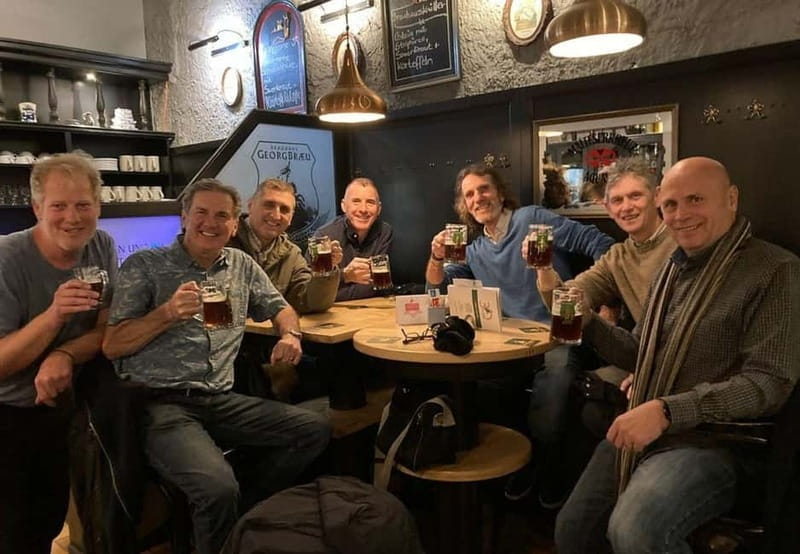
The tour includes beer tastings at three Berlin breweries and or taverns, each with about 25 minutes set aside. This is not just “walk, drink, repeat.” The guide connects beer culture to Berlin’s identity and historical atmosphere.
Beer in Germany is a social ritual, and that matters after a tour focused on spies, resistance, and survivors. You get a chance to talk in a normal human way again, and that contrast helps the hard parts of the afternoon stick in a healthier way.
Practically, there is one requirement you should plan for: bring ID for alcohol consumption verification. You will be drinking, and Berlin operators treat this seriously, so do not forget your passport or other approved ID.
If you are a beer person, this tour is a solid way to learn without turning your afternoon into a wandering food quest. If you are not a beer person, the tastings still work because they act like refresh breaks that keep you moving and thinking.
Moderation, pacing, and small-group dynamics
This is a small-group experience, built for a more intimate feel and for deeper conversation. That matters on a history tour because you have questions. You might want clarity on how the Nazi rise translated into action, or how the assault plans changed once the fighting intensified. A smaller group makes those questions possible without hijacking the day.
The pacing also keeps you from burning out. The 210-minute runtime is long enough to cover major sites, but the beer stops give your body and brain recovery time.
One more practical note: the tour is scheduled in a way that suits people who enjoy walking, but it is not a “stroll and see” style of tour. You should plan for cold waits, sidewalk time, and standing during short explanations.
Practical tips so your afternoon stays enjoyable
Bring comfortable shoes first. You will be on your feet across central Berlin, with time at memorials and viewpoints. Bring a camera if you like street-level photos and building details, and dress for weather because you will be outdoors.
If you are choosing between layers, think warm and movable. You do not want your jacket to slow you down on stair steps or on crowded sidewalks.
You also need to follow basic rules: no smoking indoors and no bare feet. These are standard “tour venue” rules, but it is good to know ahead so you do not get surprised at a stop.
Finally, the ID requirement is the biggest “prep” item. Get your document ready the moment you leave your hotel, because the tour includes alcohol tastings.
Who should book this, and who might skip it
This tour is a good fit if you want Berlin history with a human voice. It connects the rise of the Nazis, the Battle of Berlin, and the lived reality of resistance and survival, and then it gives you beer tastings as a structured reset.
It is also ideal if you like guides who can talk across topics. If you want both WWII storytelling and German beer culture in one afternoon, this format is efficient and fun.
That said, it is not suitable for pregnant women and children under 18. It also requires moderate walking, so if you struggle with longer standing periods, you may find it taxing.
Should you book Berlin Beers and Battlefields?
I think it is worth booking if you are the kind of person who likes history tied to walking routes and real landmarks. The pairing of WWII sites and three beer tastings is a practical way to keep your energy up while still taking the topic seriously.
I would pass if you want a purely military or purely museum-style experience. This tour intentionally blends war narrative, memorials, and beer culture, so it suits curiosity more than it suits people who want only one theme.
If you can handle moderate walking and you remember your ID, you should have a memorable afternoon in Berlin that feels both thoughtful and very drinkable.
FAQ
How long is the Berlin Beers and Battlefields Tour?
It runs for 210 minutes, about 3.5 hours.
Where do I meet for the tour?
You meet outside Hopfingerbrau, located by the Brandenburg Gate.
What is the main focus of the tour?
It is a guided walking tour of key WWII and Battle of Berlin sites, paired with beer tastings and stories from that period, including resistance fighters, soldiers, spies, and survivors.
Does the tour include beer tastings?
Yes. You stop at three breweries and or taverns for beer tastings.
Do I need to bring ID?
Yes. You are asked to bring ID for alcohol consumption verification.
Is the tour wheelchair accessible?
Yes, the tour is wheelchair accessible.
What should I wear or bring?
Bring comfortable shoes, a camera, and weather-appropriate clothing.
Is the tour suitable for children or pregnant travelers?
No. It is not suitable for pregnant women or children under 18.
What is included in the price, and what is not?
Included: the guided walking tour, beer tastings at three stops, and WWII stories. Not included: meals and transportation to or from the starting point.
What are the main booking and cancellation rules?
There is free cancellation up to 24 hours in advance for a full refund, and you can reserve and pay later.
Fresh reviews out of Berlin
- Berlin Uncensored: A History of Sex & Freedom★ 5.0 · 50 reviews
- Berlin Food & Cultural Tour: Must-Try German & Berliner Classics★ 5.0 · 51 reviews
- English Comedy Show with Pizza and Shots in Central Berlin★ 4.5 · 51 reviews
- Rude Bastards Tour of Berlin★ 4.8 · 51 reviews
- Private Taxi Tour of Berlin East and West and Neighbourhood approx. 4-6h★ 5.0 · 55 reviews
- Rickshaw Sightseeing City Tours Berlin – Rikscha Tours★ 4.0 · 55 reviews
- Berlin: City Highlights Express & Panorama Roof Terrace★ 4.9 · 55 reviews
- Berlin during Nazism – Tour in Italian★ 5.0 · 56 reviews
Beer & Brewery Tours, compared.


St. Pauli Highlights Guided Tour with Beer for 18+
Read our review →
Bavarian Beer and Food Evening Tour in Munich
Read our review →
Classic Mike’s Bike Tour daily @ 11.30 incl Beer Garden & Surfers
Read our review →


Beer and Food Tour with Dinner & Oktoberfest Museum
Read our review →Browse the lists this tour appears in