
Reviewed · MUSEUMS
Berlin: Jewish Museum Berlin Entrance Ticket
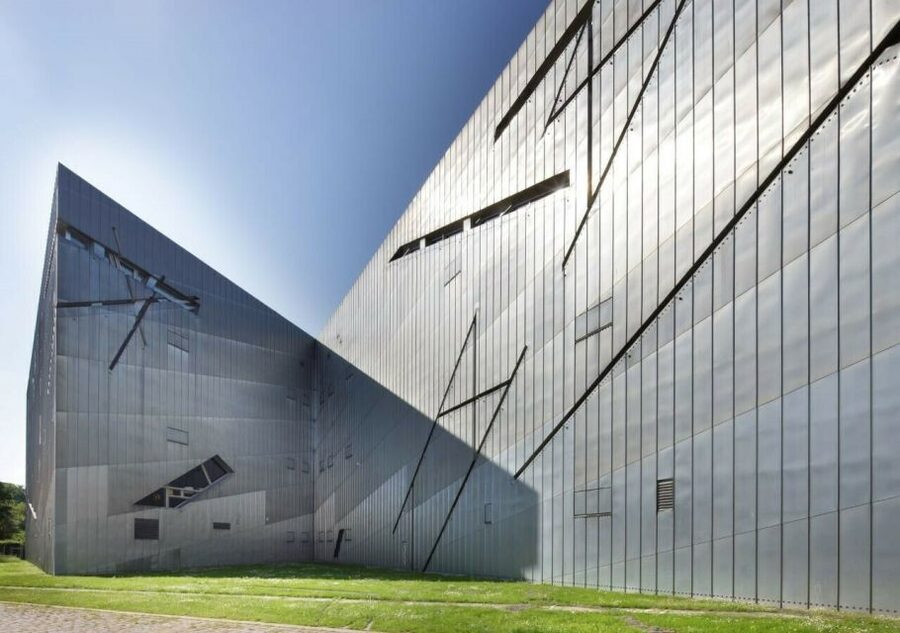
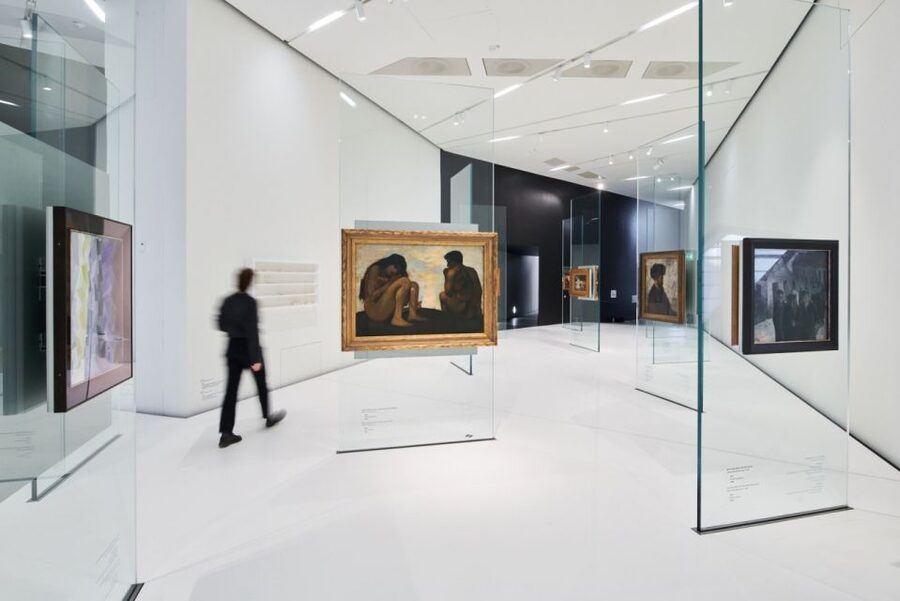
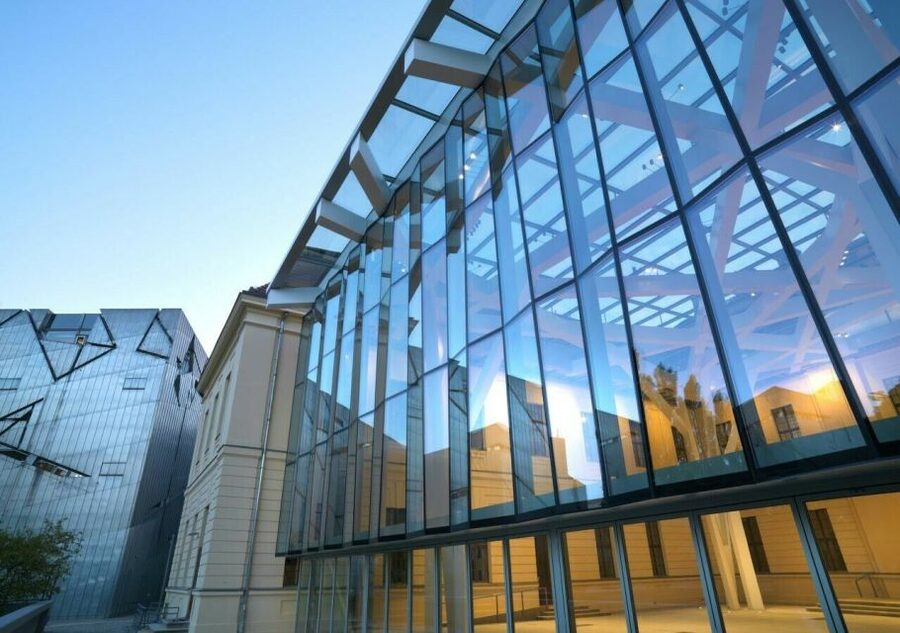
Berlin’s Jewish Museum is interesting in a way that goes beyond displays. Daniel Libeskind’s design turns the museum building into part of the story, with slanted walls, sharp angles, and unsettling voids that make you feel the disruption of history.
I love how the museum mixes big-picture context with everyday details, from dietary laws and Shabbat to Jewish holidays and how Jewish culture took shape over centuries in Germany. I also like the way special exhibitions add new angles, like the 2025 exhibition Inventories: The Legacy of Salman Schocken (free admission) and Defiance: Jewish Women and Design in the Modern Era.
One consideration: the site is not small, and some parts can feel a bit confusing to navigate. I’d plan on the full 2 hours and keep an eye on closing time (the museum shuts at 6pm), so you do not get rushed.
Key highlights to know before you go
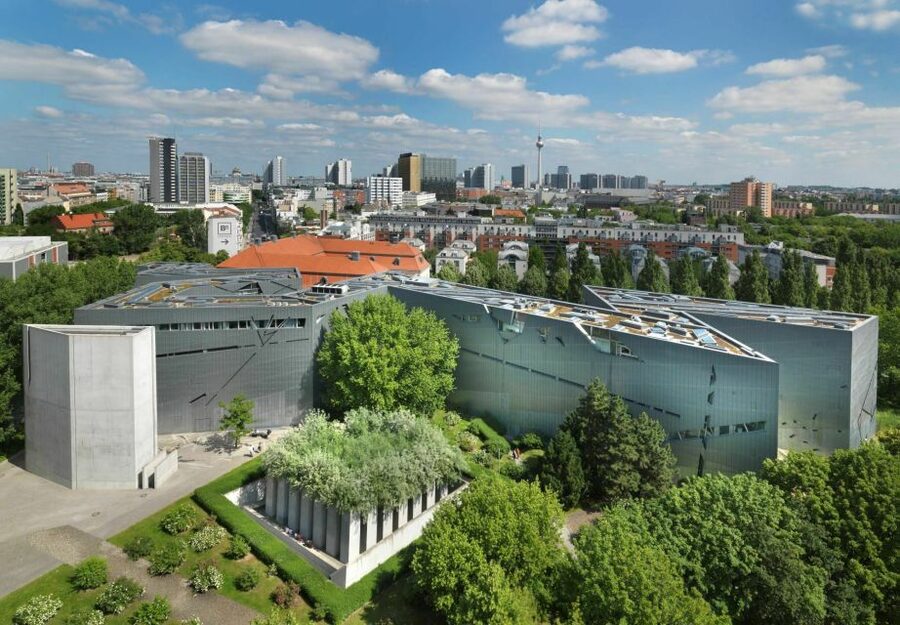
- Libeskind architecture as an exhibit, not just a background, with slanting surfaces and gaping voids
- Jewish life in Germany across centuries, including religious practice and daily customs
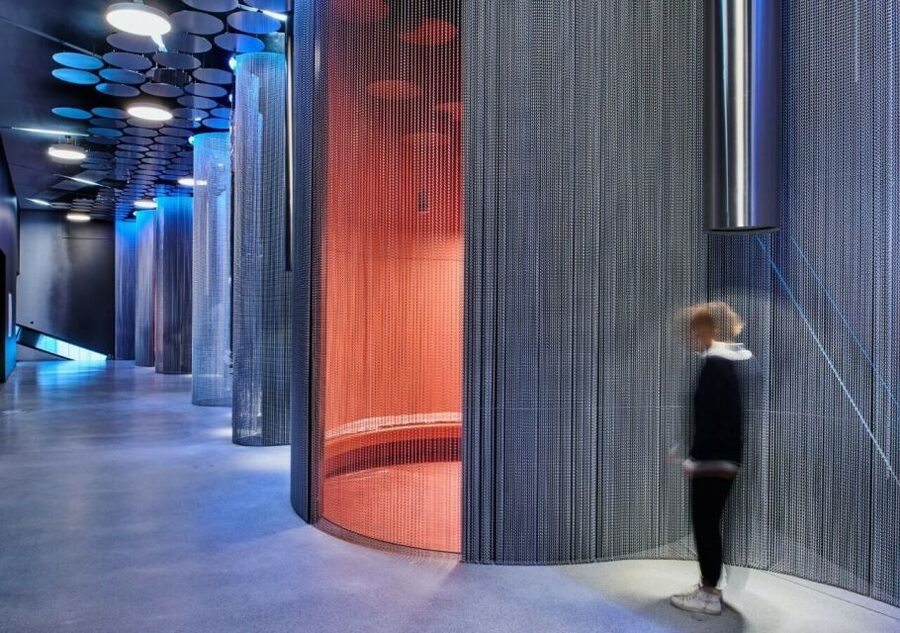
- A well-paced mix of artifacts, audio, video, and interactive stations
- Special exhibitions to look for, including free entry for Inventories: The Legacy of Salman Schocken
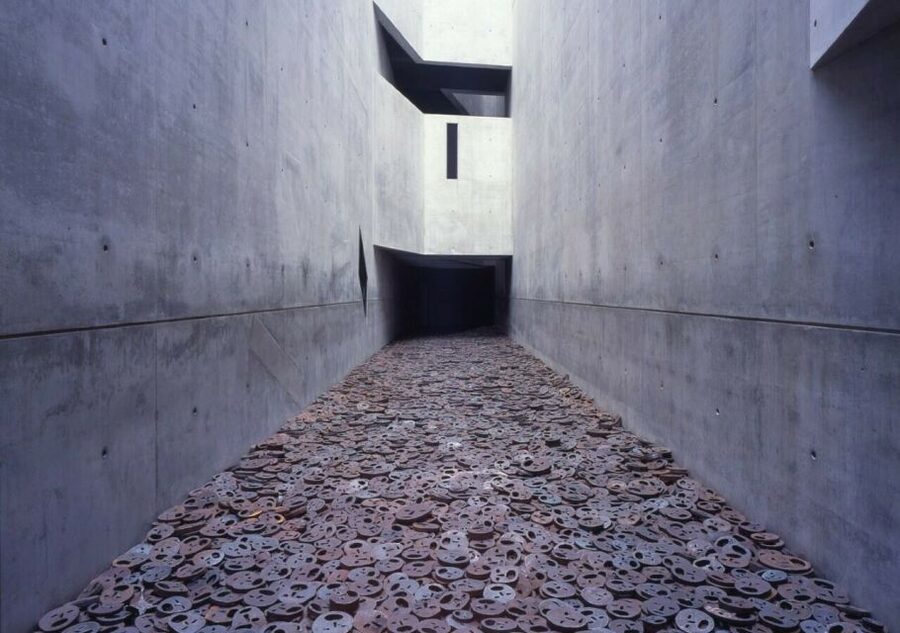
- Two standout spaces for emotion, the Holocaust Tower and the Memory Void with Shalekhet (Fallen Leaves)
- Good value, since the ticket is free and you also get a free download of the JMP app
Why this museum building feels like part of the lesson
The Jewish Museum Berlin earns its reputation fast. The moment you step inside, the building’s geometry starts talking. Walls tilt. Corridors feel sharp. Light behaves differently because the spaces were designed to carry meaning, not just to function smoothly.
It is a bold choice for a museum about identity and history. When you move through a zig-zag-shaped layout with voids and angles, you are not just seeing facts. You are experiencing the sense of interruption and disorientation that the Jewish experience in Germany was forced to endure.
I also appreciate that this is not architecture for architecture’s sake. The design supports the exhibits, especially around memory, absence, and loss. Even if you are not a design nerd, you still get why it works. And if you are a design nerd, you will probably spend extra time looking up and around.
More Museums in Berlin
- Berlin: DDR Museum Tickets
★ 4.3 · 3,443 reviews - Berlin: Natural History Museum Entrance Ticket
★ 4.6 · 3,382 reviews - Berlin: Neues Museum Entry Ticket
★ 4.6 · 3,261 reviews
A realistic 2-hour game plan inside the museum
This visit is built for about 2 hours. That is enough time to follow the main floor route, catch the biggest installations, and read enough to feel like you actually learned something. It also helps you avoid the most common mistake: trying to cram the entire museum into one frantic sprint.
Here is a practical flow that fits the typical pacing:
1) Start with the core story. Focus on the early-to-modern timeline and the big themes first. The museum covers Jewish history in Germany from the Middle Ages to more recent times, so you get footing before you hit the heavier spaces.
2) Then go where the culture details live. Look for sections covering Jewish daily life and religious practice. The museum highlights dietary laws, Shabbat, and Jewish holidays, which makes history feel lived-in rather than distant.
3) Save the most intense rooms for the later stretch. The Holocaust Tower and Memory Void hit hardest, so you want a little time after them to reset mentally and keep processing.
Even with a good plan, navigation can be tricky. A few people find signage could be clearer inside. I recommend you slow down early, get your bearings fast, and use the floor plan to keep from wandering.
Jewish history in Germany, from customs to community life
What I find most valuable here is that the museum does not reduce Jewish life in Germany to one moment in time. Yes, it is essential that the Holocaust is present and powerful. But the museum also puts Jewish culture in the frame of centuries, showing continuity, change, and everyday expression.
You can expect coverage that spans:
- Religious practice and observance, including Shabbat and Jewish holidays
- Diet and rules, including discussion of kosher practices and why they matter
- The diversity of Jewish culture, not just one narrow version of it
- Everyday objects and art, which help you picture real lives, not only historical categories
This combination is why the museum lands with such force. When you understand what life looked like, the later sections about violence and erasure carry more weight. If you only come for the darkest material, you will miss a key point the museum is making: history is not one chapter, it is a long, complicated sequence of people making meaning, building communities, and then facing catastrophic destruction.
Special exhibitions to watch for, including 2025 favorites
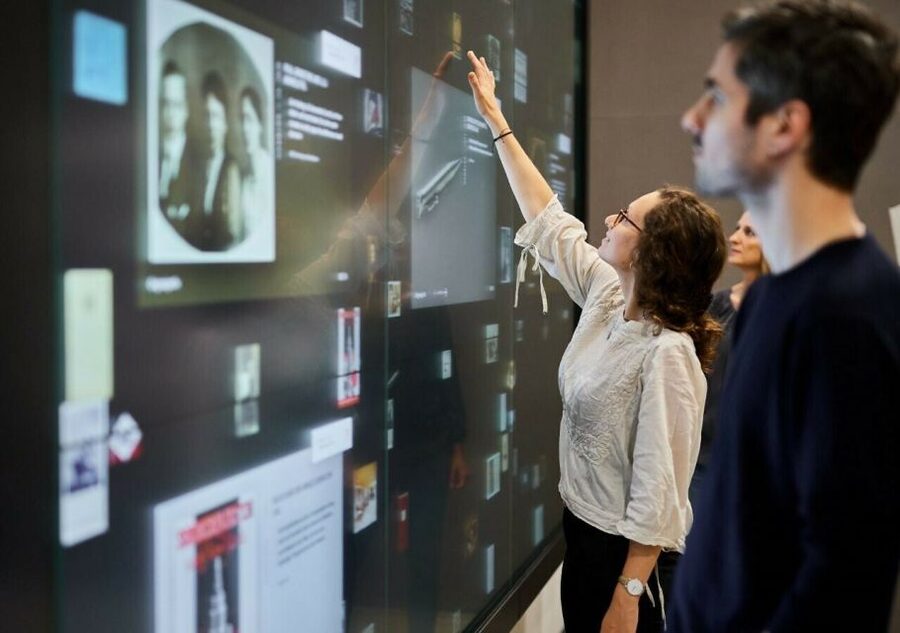
The museum regularly rotates or highlights special exhibitions, and this ticket gives you access to what is running during your visit. Two featured examples from the listed schedule are worth highlighting because they add a different lens on Jewish life and culture.
Another way to spend a Berlin afternoon:
- Berlin: Reichstag, Dome and Government District Guided Tour
★ 4.7 · 18,288 reviews - Berlin: 1-Hour City Tour by Boat with Guaranteed Seating
★ 4.3 · 16,993 reviews - Berlin: TV Tower Standard Entrance Ticket
★ 4.4 · 15,883 reviews - Berlin: Boat Tour Along the River Spree
★ 4.4 · 11,252 reviews
Inventories: The Legacy of Salman Schocken (free admission, specific dates)
This exhibition looks at Salman Schocken through books and objects connected to the Jewish Museum Berlin’s collections. It is tied to US author Joshua Cohen, who comments on Schocken’s publishing legacy, while also turning attention toward culture, capital, department stores, and the question of belonging and reacquisition.
What makes this one feel different is the angle. Instead of only looking at politics or persecution, you see the ecosystem around Jewish culture: publishing, collecting, museums, and how cultural power gets built.
The listing notes admission to this exhibition is free, and it runs from 11 July to 23 November 2025. If your dates overlap, it is an especially strong add-on.
Defiance: Jewish Women and Design in the Modern Era
This one zeroes in on Jewish women designers and their role in Germany’s process of emancipation and modernization in the early 20th century. It includes work by more than sixty designers, and it aims to correct a historical imbalance, since many careers were interrupted or destroyed under the Nazi regime.
Expect a mix of crafts and design media, including goldsmithing, textiles, ceramics, wood carving, fashion design, and graphics. You also get video or audio elements and interactive stations as part of the overall museum experience.
Practical note: for the best exhibition experience, the museum recommends bringing your own headphones.
Holocaust Tower and the Memory Void, where the museum changes you
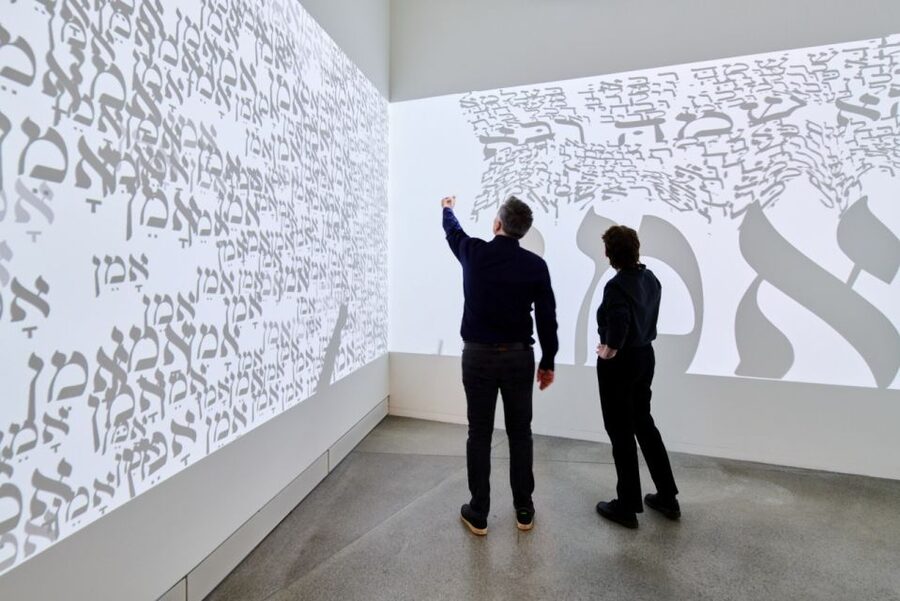
Two spaces tend to define the visit emotionally.
First is the Holocaust Tower. It is presented with a sense of gravity that many people describe as moving in a way that feels hard to reduce to words. If you are sensitive to heavy themes, this is the moment to slow down, breathe, and take breaks as needed.
Second is the Memory Void, with the Shalekhet installation (Shalekhet is listed as Fallen Leaves). People often mention this space as especially haunting, and it pairs well with the rest of the building. The design’s voids and angles stop feeling abstract. They turn into a visual language for absence and loss.
What I appreciate is the museum’s pacing. It does not try to shock you constantly. Instead, it builds meaning through context and then lets the heavy rooms do their work when you are ready for them. If you come in with a realistic timeline, you leave with more than a list of exhibits. You leave with a clearer sense of what was at stake.
Location in Kreuzberg, plus a smart add-on nearby
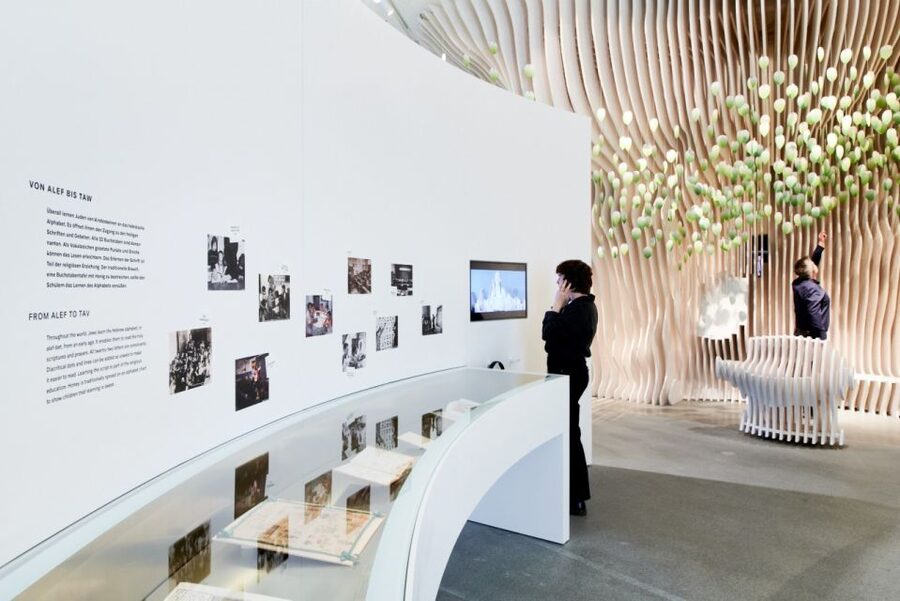
The museum sits in Berlin-Kreuzberg, and it is within walking distance of Checkpoint Charlie. That makes it easy to pair with other Central Berlin stops without spending half your day on transit.
There is also a practical bonus tied directly to your ticket: with your Jewish Museum Berlin ticket, you are eligible for reduced-rate admission to the Berlinische Galerie on the day of your visit and the two following days. The Berlinische Galerie is about a 5-minute walk away.
So if you like pairing history with art, this is a clean match. The museum gives you context about identity, memory, and culture. Then the gallery can shift you toward contemporary visual storytelling and modern art themes. Even if you do not go to the gallery immediately, the time window makes it easy to schedule.
Practical tips: headphones, lockers, and finding your route
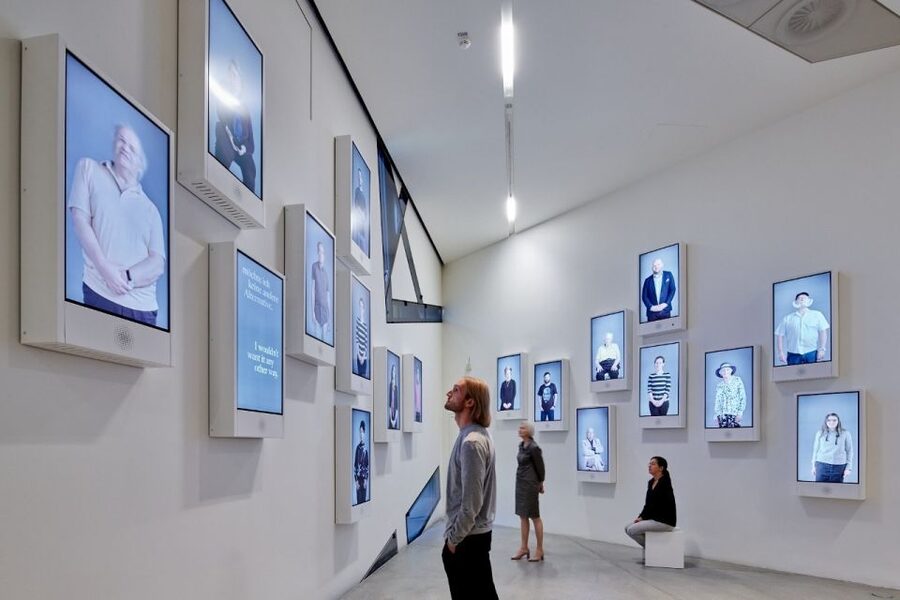
A few small things help a lot here.
- Headphones matter. The museum recommends bringing your own. You can also download the JMP app for free, which supports the audio experience.
- Plan around the 6pm closing time. Opening hours are 10am to 6pm, and many people come away surprised by how fast time moves once the installations start pulling you in.
- Bring coins for lockers, if you have bags. One helpful detail from people’s experience: you may need a euro coin to store larger bags in lockers. There is also mention of a coin compressor machine inside the museum, so having some change can save time.
- Navigation can be a little tricky. Some rooms are not always obvious at first glance. I recommend using the floor plan early, then letting the route guide you instead of second-guessing every turn.
Value-wise, the ticket being free changes the math. Even if you only spend the minimum time, you still get a museum-quality experience with symbolic architecture, strong exhibitions, audio support through the app, and installations you will remember. If you want to go even further, I’d consider leaving a donation if you have the means, since many people encourage that kind of support when entry is free.
Should you book the Jewish Museum Berlin ticket?
Yes, I think you should book it, especially if you want more than a single-note Holocaust visit. The museum offers a strong balance: it shows Jewish life and religious practice, then confronts the reality of Nazi persecution with spaces like the Holocaust Tower and Memory Void.
You might skip or postpone if you:
- only want a short, light museum stop and cannot handle emotional themes
- need very clear, simple wayfinding without any extra planning (this site can take attention to follow smoothly)
- have less than 2 hours and hate feeling rushed
If you do have the time, this is one of those Berlin experiences that works for both history lovers and design lovers. The architecture is not a gimmick. It is a tool for meaning, and it makes the exhibitions land harder, and with more clarity, than you will get from a more traditional museum layout.
FAQ
How long should I plan to spend at the Jewish Museum Berlin?
The typical visit takes about 2 hours, and the activity duration listed is 2 hours.
What are the museum opening hours?
The museum is open from 10am to 6pm, and it closes at 6pm.
Is the ticket really free?
Yes, the price is listed as $0.00 per person, and the entrance fee is included.
Do I need headphones?
The museum recommends bringing your own headphones for an optimal exhibition experience, and it also includes a free download of the JMP app.
Is the museum wheelchair accessible?
Yes, the activity is listed as wheelchair accessible.
Can I use my ticket for a discount at another museum?
Yes. With your Jewish Museum Berlin ticket, you are eligible for reduced-rate admission to the Berlinische Galerie on the day of your visit and the two following days.
Is this ticket refundable?
No. The activity is listed as non-refundable.
Fresh reviews out of Berlin
- Berlin Uncensored: A History of Sex & Freedom★ 5.0 · 50 reviews
- Berlin Food & Cultural Tour: Must-Try German & Berliner Classics★ 5.0 · 51 reviews
- English Comedy Show with Pizza and Shots in Central Berlin★ 4.5 · 51 reviews
- Rude Bastards Tour of Berlin★ 4.8 · 51 reviews
- Private Taxi Tour of Berlin East and West and Neighbourhood approx. 4-6h★ 5.0 · 55 reviews
- Rickshaw Sightseeing City Tours Berlin – Rikscha Tours★ 4.0 · 55 reviews
- Berlin: City Highlights Express & Panorama Roof Terrace★ 4.9 · 55 reviews
- Berlin during Nazism – Tour in Italian★ 5.0 · 56 reviews
Museums, compared.


Skip-the-Line: Berlin Wall Museum at Checkpoint Charlie
Read our review →Browse the lists this tour appears in