
Reviewed · TICKETS
Berlin: Deutschlandmuseum – Flexible Entrance Ticket
The Deutschlandmuseum is an eye-catching way to walk through Germany’s story across 2,000 years. I like the setup that uses interactive media alongside period details, so it feels less like reading dates and more like watching history switch gears. I also like the separate entrance idea, so you are not stuck waiting around. One thing to consider: it is built for broad accessibility, so if you want strictly deep, academic history, this may feel more “show and explain” than “study and argue.”
You start with major turning points spread across twelve eras, with interactive elements tied to what you are seeing. I found the “from Battle of Varus to the 2006 summer fairy tale” framing particularly smart, because it forces the timeline to cover both ancient and very recent culture. It can also get crowded at peak times, so plan your visit when you want a calmer pace.
Key things to know before you go
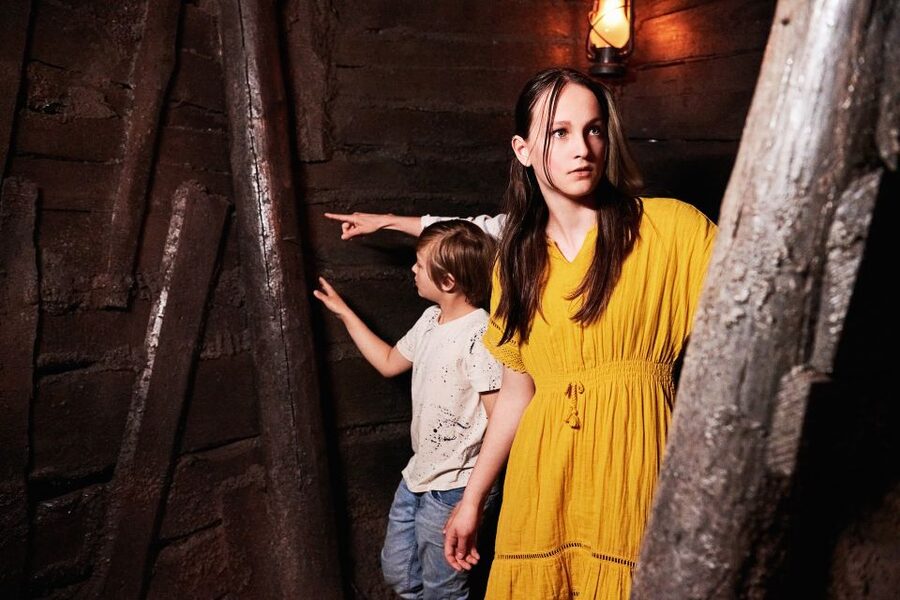
- Skip the line with a separate entrance, so your ticket matters beyond just admission.
- 12 eras, 2,000 years of German history, presented through staged scenes and period exhibits.
- Interactive media is part of the format, which makes it easier to follow than a wall of text.
- Battle of Varus to 2006 gives you both ancient roots and modern references.
- Family-friendly atmosphere is part of the appeal, since history is explained in a simple, approachable way.
- Crowding can happen, so go at a calmer time if you dislike busy rooms.
Berlin Deutschlandmuseum: what this ticket really gets you
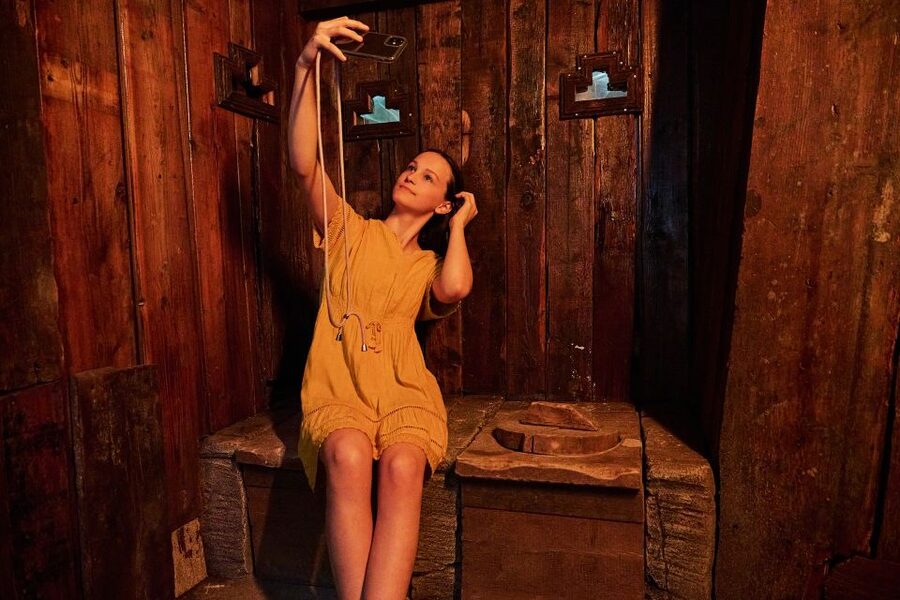
For $30 per person, you are not just buying entry. You are buying a way into the Deutschlandmuseum that is designed to keep things moving, with no waiting in line and a separate entrance. That matters in Berlin, where museum plans can fall apart if you get stuck in queues or arrive with zero patience.
Inside, the museum’s core promise is straightforward: you’ll see historical turning points staged across twelve eras, covering about 2,000 years of German history. The format pairs what looks like period-anchored exhibits with interactive media, so you are not limited to reading labels. It is a “learn by doing the looking” style, and it tends to work well if you like your history explained with visual context.
There’s also a practical benefit to how the ticket is sold. You get flexibility in how you show up, with no pre-registration required for a typical visit flow. That makes it easier to fit into a day that already has one or two other Berlin stops.
Weigh these Berlin picks against each other
- Berlin: Reichstag, Dome and Government District Guided Tour
★ 4.7 · 18,288 reviews - Berlin: 1-Hour City Tour by Boat with Guaranteed Seating
★ 4.3 · 16,993 reviews - Berlin: TV Tower Standard Entrance Ticket
★ 4.4 · 15,883 reviews
The 12 eras approach: a museum that moves like a timeline
The Deutschlandmuseum is organized around twelve eras, and the thinking behind it is clear. Instead of a single chronological hallway of dates, you experience the big shifts in Germany’s history as discrete scenes. Each scene includes detailed staging tied to the era, plus exhibits from the period itself. That combination helps your brain connect the historical moment with physical objects and visuals.
Here is what that usually feels like in practice: you walk in, then you start recognizing the structure as a chain of turning points. You are likely to notice the museum returns to the same themes, just at different moments in time. How authority changes. How society shifts. How culture and power reflect each other. The interactive media helps reinforce those connections while you are looking at the staged elements.
If you like museums that are more about “understanding the arc” than “collecting facts,” this structure fits your style. If you prefer a museum where you sit and read long-form interpretation, you might find yourself wanting slower pacing. That is not a flaw, just a mismatch in expectations.
From Battle of Varus to 2006: how the story spans ancient to modern

One of the best-known anchors in the museum description is the range from the Battle of Varus to the 2006 summer fairy tale. That pairing is doing heavy lifting. It signals that the museum treats history as a continuous thread, not a series of disconnected eras.
The Battle of Varus is the kind of reference that points you toward the deep past, when Rome and Germanic regions intersected in ways that shaped later narratives. The museum’s staging style means you are not only hearing about the event as a line on a timeline. You get visual and exhibit-based cues that help you imagine the period, even if you are not a specialist.
Then you jump forward to 2006, and the title alone hints at how the museum reaches modern cultural memory. That is where the interactive media can help, because it gives your modern context something to bounce against. You can leave with the feeling that history is not locked behind glass.
This span is also why the museum can feel fun. It gives you variety in themes and references, rather than repeating the same kind of room over and over.
Interactive media: what helps most, and what can disappoint
The museum’s format blends staged exhibits with interactive media, and that is a major reason people rate it highly. Interactive elements tend to do two things well here: they translate complexity into simpler prompts, and they keep you from zoning out while you read.
In a place that covers twelve eras, you need some structure to keep your attention. Interactive media is that structure. It also helps you connect what you see with what you are supposed to understand, which can make the visit feel less like “stand and guess” and more like “click, see, understand.”
Now the honest caution. Not everyone wants the same kind of history presentation. One critic-style sentiment you might relate to is the idea that it might not feel deep enough for people expecting heavier historical analysis. Another common snag is crowding, which can make interactive stations less enjoyable if there’s nowhere to pause.
So, my advice is simple: come ready to learn in a visual, guided-by-design way. If that fits you, you’ll probably have a strong time. If you want footnote-level depth, you may prefer pairing the museum with another Berlin history stop where the focus is more scholarly.
Another way to spend a Berlin afternoon:
- Berlin: Boat Tour Along the River Spree
★ 4.4 · 11,252 reviews - Discover Berlin Half-Day Walking Tour
★ 5.0 · 9,624 reviews - Berlin: Government District around the Reichstag Guided Tour
★ 4.7 · 8,447 reviews - Berlin: Reichstag, Plenary Chamber, Cupola & Government Tour
★ 4.6 · 8,422 reviews
What you actually do inside: your self-guided “route” for a 1-day visit
You do not need a full-day plan with a fixed schedule, because the ticket is valid for 1 day and starting times are tied to availability. That means you can shape the visit around your day in Berlin instead of the other way around.
Here is a practical way to plan your walk through the museum once you are inside, without pretending there is a rigid itinerary:
1) Start at a comfortable pace
Take the first rooms slower than you think you need. The museum uses twelve eras, and early on you are building the internal “timeline logic.” Once you get that, everything later reads faster.
2) Spend time at the staged turning points
These scenes are the backbone. If you only skim, the interactive media will feel disconnected. Give the staging a full look first, then use the interactive elements to confirm what you just saw.
3) Don’t get stuck at every interaction
Interactive media is a plus, but not every station will grab you equally. If you notice you’re losing time, move on. You’ll still get the overall story arc.
4) Do a second pass only if you love a specific era
The museum covers a lot. If you get a genuine hook from one era, you can circle back for details. If not, it is okay to keep moving and see the whole sweep.
This approach matches the museum’s intent: it is designed to be engaging, not a quiet library experience. If you want maximum enjoyment, treat it like a guided storyline you walk through on your own.
Is it worth $30: value compared to what you get
Price is the usual question, so let’s be realistic. At $30 per person, you should expect more than “a couple of rooms and a gift shop.” What you are buying is a ticket that includes admission, no waiting in line, and flexibility, with a separate entrance to keep your time efficient.
For value, the key is the museum’s content format. You are looking at staged turning points across twelve eras, plus interactive media to connect the scenes. That combination costs time and design effort, and it shows in how the museum feels built for understanding, not just display.
It also helps that the museum is positioned as enjoyable, not only educational. People who like history as a story tend to get more from it than people who only want strict interpretation.
Still, there’s a trade-off. If your personal style is deep reading and academic debate, the interactive, approachable format might feel like it is oversimplifying. And if the museum is crowded, your money buys less comfort at interactive stations, since your ability to pause and focus gets limited.
Who should book this Deutschlandmuseum visit
This museum tends to fit best if you want history in a visual, guided-by-design format.
You’ll likely enjoy it if:
- you like history that is explained with clear scenes and interactive prompts
- you want a one-day Berlin activity that covers a wide timeline
- you are visiting with kids or people who learn better by seeing than by reading
You might want to think twice if:
- you expect deep historical scholarship and long-form interpretation
- you dislike crowded museum spaces and need a very quiet environment
- you are only interested in one tiny slice of German history, since the museum moves across many eras
If you are pairing it with other Berlin museums, it works well as the “story engine.” Then you can add a more specialized stop for depth, depending on your interests.
Timing tips for a smoother, more enjoyable visit
The ticket is valid for a day, with starting times based on availability. The biggest timing lever you control is when you go. Crowding can be the difference between fun and frustration, especially around interactive media.
So, if you hate busy rooms, aim for earlier slots rather than the later ones. Build in a calm pace. If you come in already tired, the museum will still work, but you will probably miss some of the fun details.
Also, if you are traveling with a mixed group, this museum can balance attention styles. Some people will love the staging and scenes, while others will enjoy the interactive parts.
The practical bottom line: should you book?
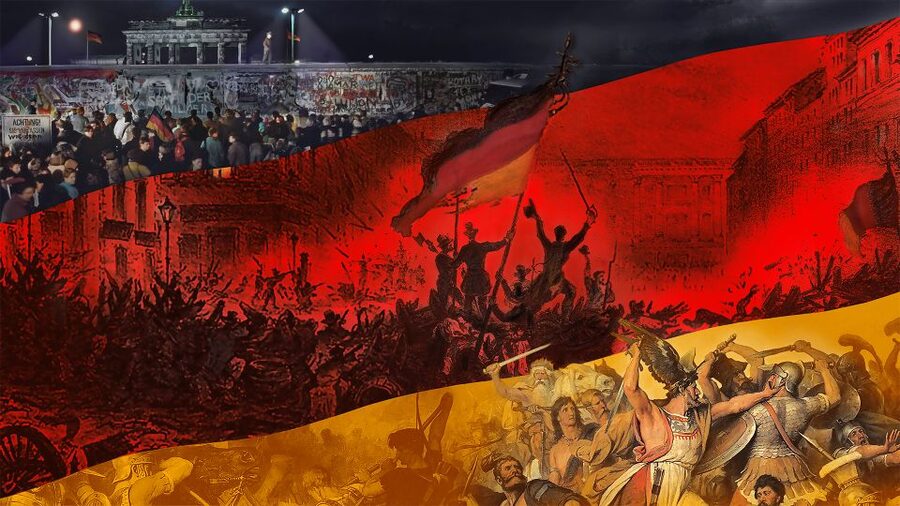
I think this is a strong pick for a first pass through Germany’s timeline, especially if you want history that feels like a story you can follow. The no waiting in line separate entrance is genuinely useful, and the mix of staged turning points with interactive media is the real reason the ticket gets good ratings.
Book it if you want variety, visual learning, and a fun way to understand how Germany’s story changes across time. Skip it or pair it with something more academic if you want very deep historical analysis or you know you dislike crowds.
FAQ
FAQ
Where is the Deutschlandmuseum?
It is in Berlin, Germany.
How much does the flexible entrance ticket cost?
The price is $30 per person.
How long is the ticket valid?
The ticket is valid for 1 day. You can also check availability to see starting times.
Do I need to wait in line to enter?
No. Your ticket includes skip the line through a separate entrance, with no waiting in line.
Is pre-registration required?
No pre-registration is required for the flexible appearance option.
What does the museum cover?
You’ll see historical turning points from twelve eras, covering about 2,000 years of German history, with examples ranging from the Battle of Varus to the 2006 summer fairy tale.
What kind of exhibits are inside?
The museum uses detailed staged depictions, period exhibits from the time periods, and interactive media.
Is it wheelchair accessible?
Yes, the venue is wheelchair accessible.
Can I cancel and get a full refund?
Yes, you can cancel up to 24 hours in advance for a full refund.
Is there a reserve now and pay later option?
Yes. You can reserve now and pay later, keeping your plans flexible while you book.
Fresh reviews out of Berlin
- Berlin Uncensored: A History of Sex & Freedom★ 5.0 · 50 reviews
- Berlin Food & Cultural Tour: Must-Try German & Berliner Classics★ 5.0 · 51 reviews
- English Comedy Show with Pizza and Shots in Central Berlin★ 4.5 · 51 reviews
- Rude Bastards Tour of Berlin★ 4.8 · 51 reviews
- Private Taxi Tour of Berlin East and West and Neighbourhood approx. 4-6h★ 5.0 · 55 reviews
- Rickshaw Sightseeing City Tours Berlin – Rikscha Tours★ 4.0 · 55 reviews
- Berlin: City Highlights Express & Panorama Roof Terrace★ 4.9 · 55 reviews
- Berlin during Nazism – Tour in Italian★ 5.0 · 56 reviews
Tickets, compared.


Munich Hop-On Hop-Off Tour: 1-Day or 2-Day Ticket
Read our review →