Reviewed · BERLIN TOURS
Understanding Kreuzberg: The roots of local (sub)culture
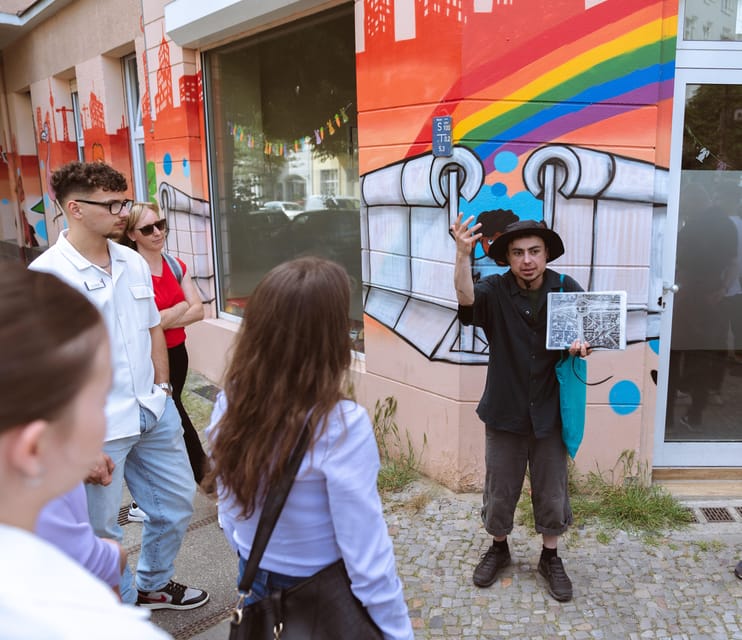
Kreuzberg has a reputation for creativity, underground scenes, and artists who seem to appear out of thin air. This tour answers the real question: how did that atmosphere form, and why does it still affect daily life in the district today? I like the way the guide connects squatter-era values to what you can actually spot now. I also love the practical payoff, the break for hot chocolate from a local chocolatier that’s treated like an event.
The tour is also guided by real human stories, including life around the Wall and the years right after, plus examples of street art and backyards you might miss on your own. One drawback to think about, it’s a walking format with guided segments, photo stops, and a short break, so plan to spend your time on your feet rather than sitting.
Key Points Before You Go
- Squatter roots, not vague vibes, with the “why” behind Kreuzberg’s subcultures
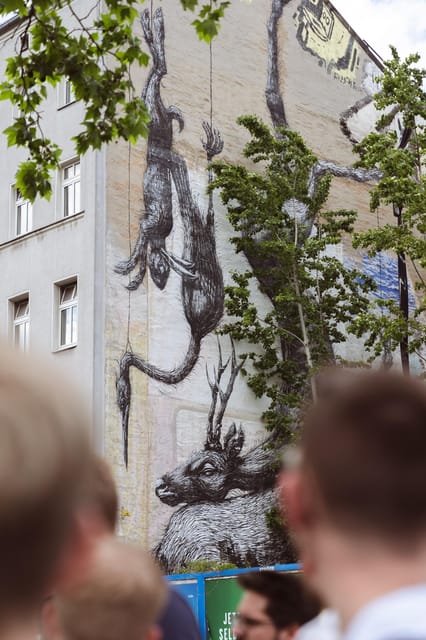
- Hidden backyards and street art cues so you know what you’re looking at in photos
- Rio-Reiser-Platz break, built in, so the tour has a rhythm instead of nonstop walking
- Guide-led city vision talk, showing how people shape local projects together
- Hot chocolate stop with a local chocolatier collaboration, not a random cafe detour
Why Kreuzberg Keeps Pulling People In
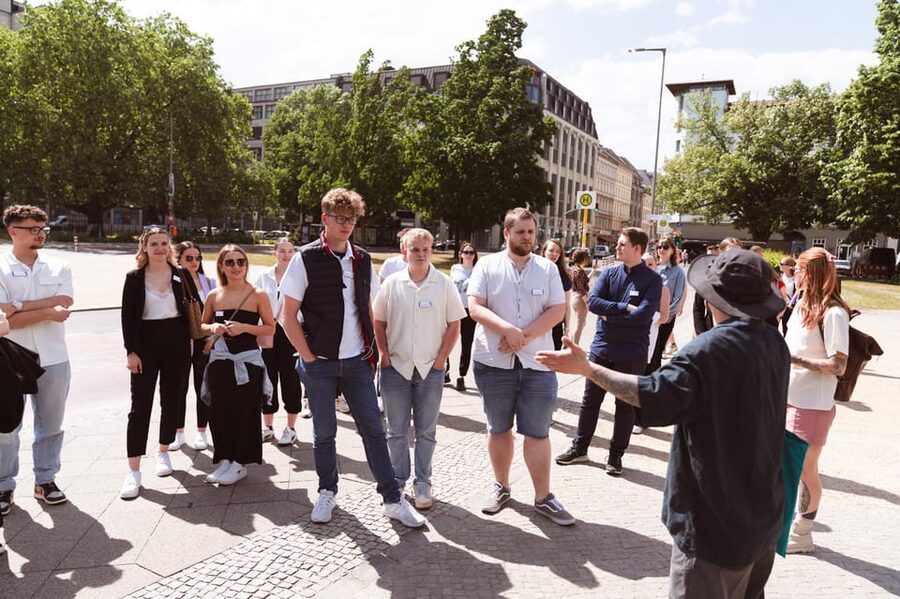
If you walk around Berlin without context, Kreuzberg can feel like a collage. One block is street art. Another is a backyard garden. Then you hit storefronts and conversations that sound multilingual and unbothered. What this tour does well is explain how that mash-up became normal.
Kreuzberg attracted creative people for decades, but the tour focuses on causes, not just results. You learn how the district’s identity grew from squatting, activism, and experimental arts. The big idea is simple: when a neighborhood has strong shared values, subcultures stop being “things that happen over there.” They become the everyday way people organize space, support each other, and argue for change.
One reason I find this subject so useful is that it changes how you read the street. After you understand the logic behind the social projects and the environmental initiatives that locals helped organize, you start noticing clues everywhere: community-minded gestures, art that feels political without being preachy, and public spaces that look used, not just decorated.
Weigh these Berlin picks against each other
- Berlin: Reichstag, Dome and Government District Guided Tour
★ 4.7 · 18,288 reviews - Berlin: 1-Hour City Tour by Boat with Guaranteed Seating
★ 4.3 · 16,993 reviews - Berlin: TV Tower Standard Entrance Ticket
★ 4.4 · 15,883 reviews
Your Route: YAAM to U Kottbusser Tor, with Rio-Reiser-Platz as the Break Point
This is not a far-flung, bus-and-museum style tour. It’s a neighborhood walk built around two guided sessions, a photo stop, and a short break.
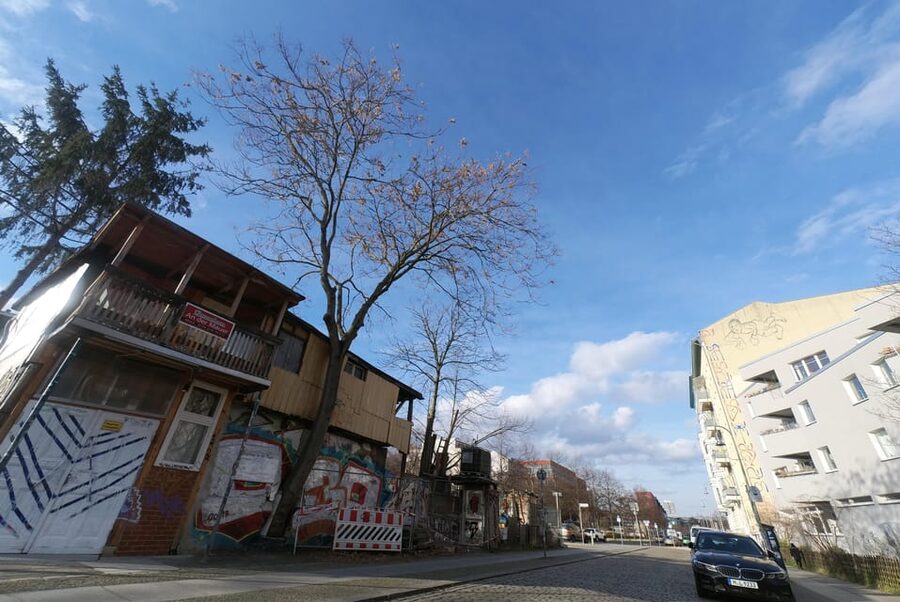
You meet at the YAAM entrance, very close to Ostbahnhof, at An d. Schillingbrücke 4. From there, you walk through Kreuzberg with scenic viewpoints along the way. The first guided segment is about 1.5 hours, so you get enough time to build context before the photo and break moments.
Later, you take a photo stop for a change of pace, then the tour includes a 15-minute free time break at Rio-Reiser-Platz. That’s where the hot chocolate fits in. If you like tours that don’t rush you through everything, this break is a welcome reset.
Finally, the tour ends at U Kottbusser Tor. That finish matters because Kottbusser Tor is a practical transit hub. You can continue exploring right away without needing to retrace your steps.
Practical note: because it’s a walking tour, bring comfortable shoes. Also, if Berlin weather is doing Berlin weather things, pack a layer. The tour timing is set for a steady pace, not for frequent long indoor stops.
Squatter-Era Values, and Why They Still Shape Daily Life
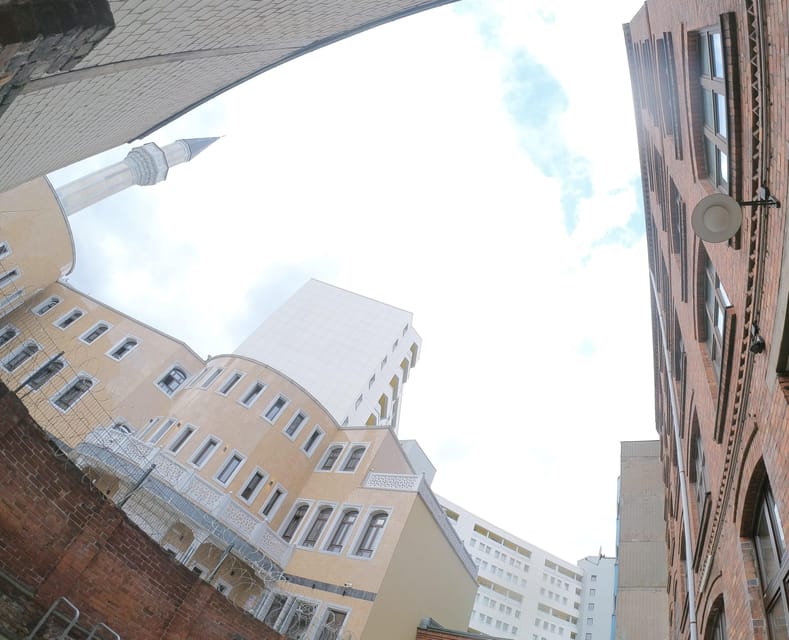
The tour’s core theme is that subcultures in Kreuzberg didn’t just decorate the district. They helped build it. You learn how the squatter scene connected with activism and creative experimentation in the 1970s, and how those ideas carried forward.
Here’s the part that feels most relevant for your day, even if you only have two hours: the guide shows the difference between history as dates and history as behavior. The behaviors are the important part. When you hear stories about how locals organized socially and pushed for environmental ideas, you start understanding why some places feel communal. You also understand why certain kinds of art or community projects show up again and again.
The tour also talks about how people shape Kreuzberg together now. That means you’re not left thinking the story is “then it ended.” Instead, you’re shown the present-day version of the same impulse, collaboration and neighborhood responsibility. You’ll hear about social and environmental projects organized by locals, and you’ll see how these values show up in the way people use their surroundings.
From a visitor perspective, this approach is a major win. Most tours either romanticize the past or treat the present like a blank page. This one links them.
Hidden Backyards, Street Art Clues, and What to Notice on Photos
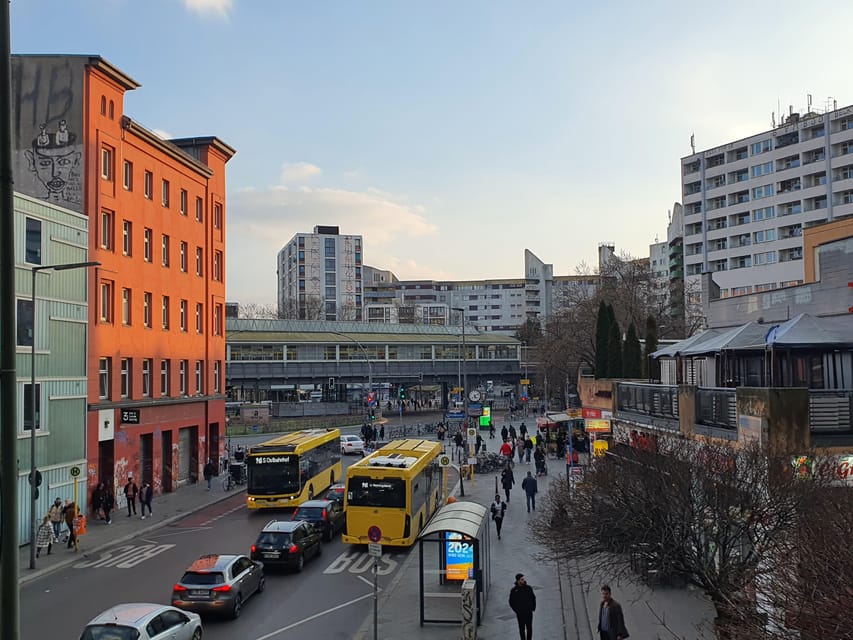
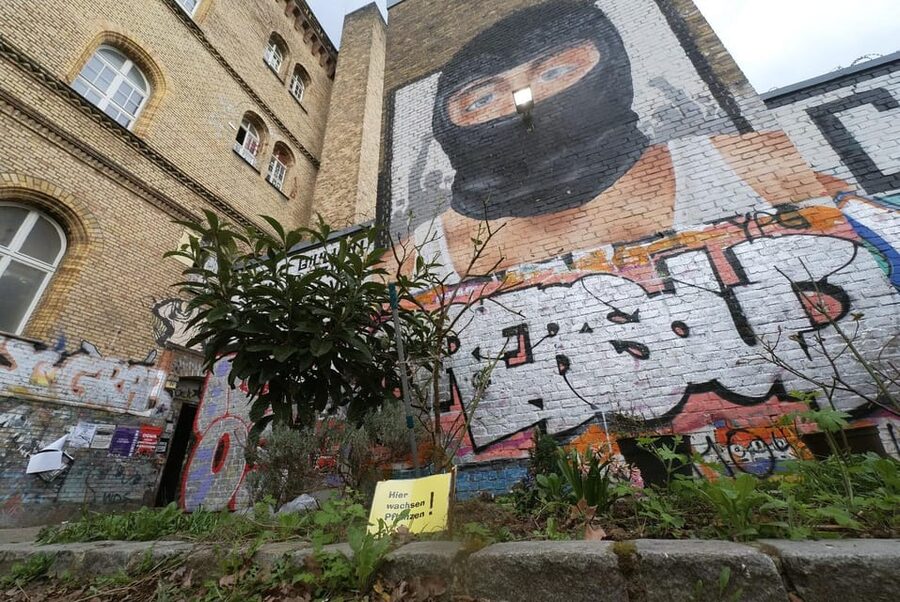
Kreuzberg is famous for street art, but this tour helps you look beyond the obvious. You’ll discuss examples of local street art and get pointers about what it often represents in this neighborhood, identity, critique, or simple public creativity.
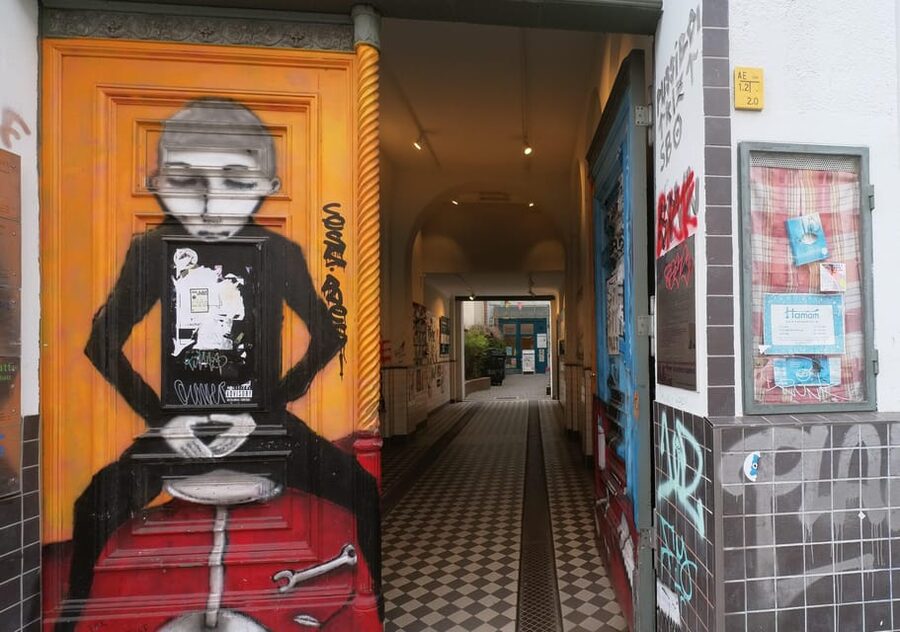
You also get the chance to turn corners and spot hidden backyards. That’s where Kreuzberg can surprise you. Backyards are like the district’s side language. From the street you might assume a block is “just buildings,” but inside courtyards you often see community gardens, art interventions, or spaces that feel designed for people rather than cars.
During the route, there are moments built for scenic viewing and a dedicated photo stop. Instead of just taking pictures, you’ll learn what to frame. I like when a tour makes your camera work smarter, not just faster.
And if you’re the kind of traveler who likes to revisit a place later and re-see it, this is exactly the sort of tour that changes that habit. After you learn the meaning behind the symbols and spaces, you tend to notice small details you’d normally walk past.
Another way to spend a Berlin afternoon:
- Berlin: Boat Tour Along the River Spree
★ 4.4 · 11,252 reviews - Discover Berlin Half-Day Walking Tour
★ 5.0 · 9,624 reviews - Berlin: Government District around the Reichstag Guided Tour
★ 4.7 · 8,447 reviews - Berlin: Reichstag, Plenary Chamber, Cupola & Government Tour
★ 4.6 · 8,422 reviews
The Wall Era Stories, and the Neighborhood That Rebuilt Its Self
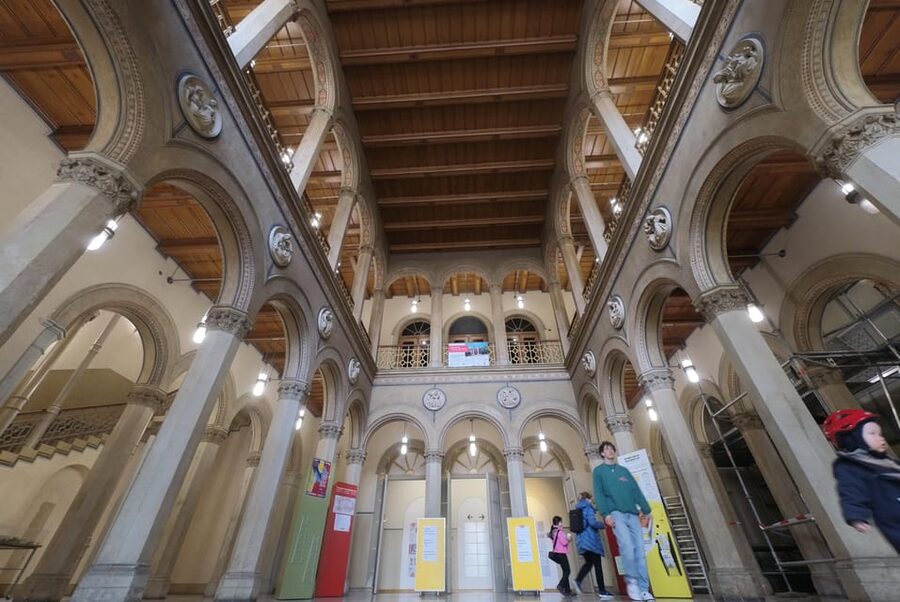
One of the tour’s strengths is that it doesn’t treat Berlin history like a separate chapter. You hear some crazy stories about life during the Wall and the period after. That part gives Kreuzberg context in a way that feels grounded, not like a lecture.
The value here is emotional realism. Berlin’s changes were not abstract. They affected daily routines, movement, and how people formed communities when normal structures felt unreliable. When you connect those pressures to later creativity and activism, Kreuzberg makes more sense as a place, not a myth.
This history angle also helps you understand why certain kinds of cooperation still matter. If people learned to survive disruption through mutual support, then community organizing is not just a trend. It’s a learned skill, something cultural.
In practical terms, those stories make the street art and community projects feel less random. You can look at a neighborhood and understand why it chose the path it did.
The Hot Chocolate Stop at Rio-Reiser-Platz
Let’s talk about the part you can taste.
The tour breaks at Rio-Reiser-Platz, and you treat yourself to chocolate from a collaboration with Berlin Chocolatiérs. The tour’s highlight list calls it the best hot chocolate in town, and while I’m not going to claim that title for every shop in Berlin, the point is that this stop is taken seriously.
Why it’s a smart inclusion: it gives you a human pause in the middle of a history-heavy walk. You sit, you reset your brain, and you get a break before you finish the second guided segment.
It’s also a good moment to ask questions without feeling like you’re slowing the group. If your guide is like Lee, you’re likely to get extra tips about where to eat or what to do next after the tour ends, since he considers your day planning as part of how he guides.
Price and Time Value, Is $35 Worth It?
At $35 per person for about 2 hours, this tour is priced like a neighborhood experience, not like a full-day production. The value comes from three things you actually get:
- A guided walk with focused context, not generic sightseeing.
- Time on the themes that matter, squatting, activism, experimental arts, and how those ideas still live in the district.
- One hot beverage included, specifically hot chocolate from a local small business collaboration.
If you’ve ever paid for a tour where the cost mostly buys transit and basic descriptions, this one feels different. It’s not just the stories, it’s the link between past and present. That’s what makes the “two hours” feel like more than a brief stroll.
Also, language options are built in: English, German, and Russian. If you’re traveling with someone who needs one of those languages, this is a practical advantage.
Guides, Group Feel, and How to Get the Most Out of It
The tour is led by an experienced local guide from Looking Glass Tours. The guide names mentioned in tour feedback include Lee, and the vibe that comes through is straightforward, friendly, and story-driven.
One thing I like about this format is that it’s not just about hearing facts. You’re guided to see patterns. The best tours do that, they teach you how to interpret the place while you’re standing in it.
Here are a few ways to get more from your time:
- Show up ready to walk, because you’ll spend a meaningful chunk moving between stops.
- Bring questions about what you see. If you spot street art or a courtyard style that catches your eye, ask what it means in Kreuzberg terms.
- If you care about food and the rest of your day, ask where the guide suggests you go next. The tour’s design supports that kind of follow-up, especially after the chocolate break and second segment.
And if you want a quieter, more personal experience, there is a private group option. Some groups can be small, which means more back-and-forth and less “listen and hope” energy.
Should You Book This Kreuzberg Subculture Tour?
Book it if you want Berlin that makes sense. This tour is ideal when you care about how neighborhoods develop, not just what landmarks look like. It’s a strong fit for first-timers who want the Kreuzberg story without getting stuck in generic “cool streets” talk, and it also works well for people who already live in Berlin and want to see familiar blocks with new context.
Skip it if your ideal tour is mostly big-ticket sights, museums, and indoor time. This experience is built around walking, street-level history, and social context. If that’s your thing, you’ll come away understanding why Kreuzberg feels the way it does.
If you’re choosing between tours, this one wins on the combination of subculture history, street-level details, and that well-placed hot chocolate break.
FAQ
Where is the meeting point for the tour?
The tour meets in front of the YAAM entrance, very close to Ostbahnhof. The listed starting point is An d. Schillingbrücke 4.
How long does the Kreuzberg tour take?
It lasts about 2 hours, with a duration range up to about 210 minutes.
What languages is the tour available in?
The live tour guide offers English, German, and Russian.
What is included in the tour price?
You get a guided tour and one hot beverage. The hot drink is hot chocolate, coffee, or tea, in collaboration with a local small business.
Where does the tour finish?
The tour finishes at U Kottbusser Tor.
Is the tour wheelchair accessible?
Yes, the tour is wheelchair accessible.
Is there an option for a private group?
Yes, private group availability is offered.
Is free cancellation available?
Yes, you can cancel up to 24 hours in advance for a full refund.
Fresh reviews out of Berlin
- Gastro Tour with Klaus though the Wrangelkiez, Kreuzberg★ 5.0 · 9 reviews
- Wall Tour Berlin – Fates, Heroes & Love Stories★ 4.0 · 9 reviews
- Berlin City Tour with Hotel pick up and Drop off★ 4.0 · 9 reviews
- Berlin Private Street Art Tour – Off The Grid★ 5.0 · 9 reviews
- Romantic Berlin Rickshaw City and Photo Tour – incl. pick-up★ 4.0 · 9 reviews
- Quatsch Comedy Club Berlin: Quatsch Comedy Hot Shot★ 4.8 · 9 reviews
- Berlin Urbex Adventure and History Tour★ 5.0 · 9 reviews
- Stag Party Berlin: Celebration for Your Bachelor Party★ 3.4 · 9 reviews
Berlin Tours, compared.
Reichstag, Dome and Government District Guided Tour
Read our review →
1-Hour City Tour by Boat with Guaranteed Seating
Read our review →
Government District around the Reichstag Guided Tour
Read our review →
Reichstag, Plenary Chamber, Cupola & Government Tour
Read our review →