Reviewed · TOURS
Torchlight tour of the old ironworks
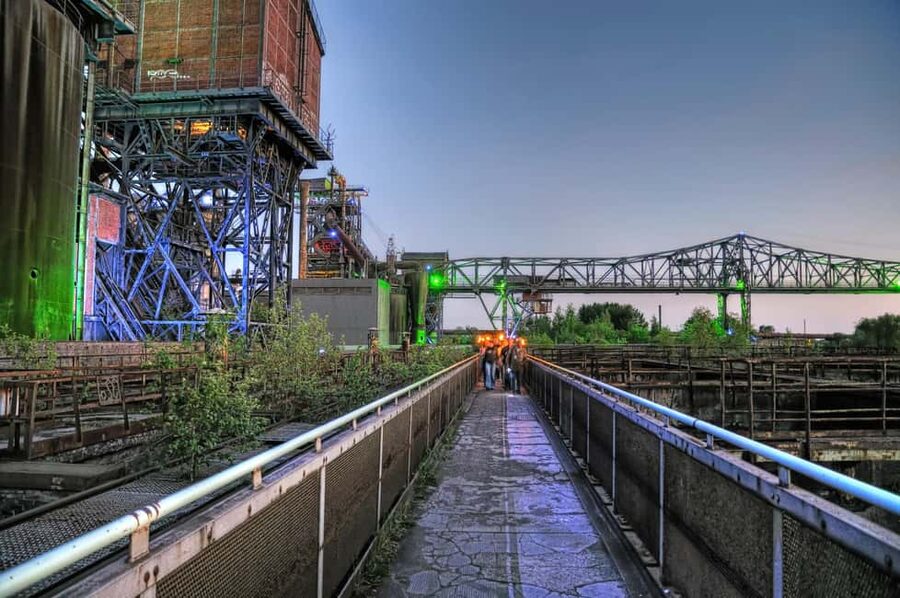
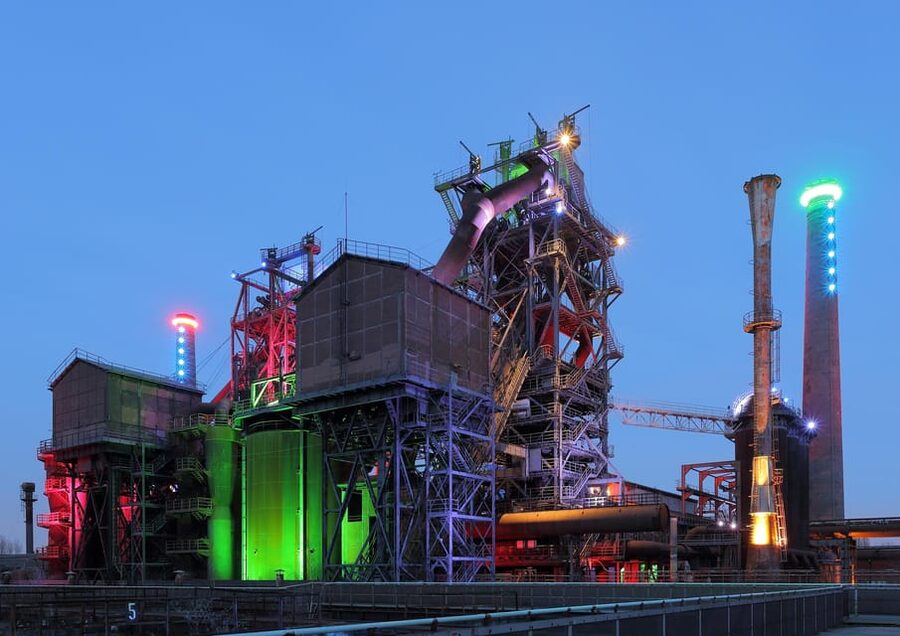
There is something powerfully human about watching an industrial site come alive after dark. This torchlight tour of the old ironworks uses firelight, cold air, and firsthand stories to make steelmaking feel real, not textbook.
I like two things most. First, the industrial history focus is specific and grounded in what workers actually did. Second, the evening mood is the point, especially with torchlight and the extra light displays on weekends.
One consideration: the tour is not barrier-free. Plan for lots of walking and stairs, and know it is designed for adults, with limits for children under 12.
Key points to know before you go
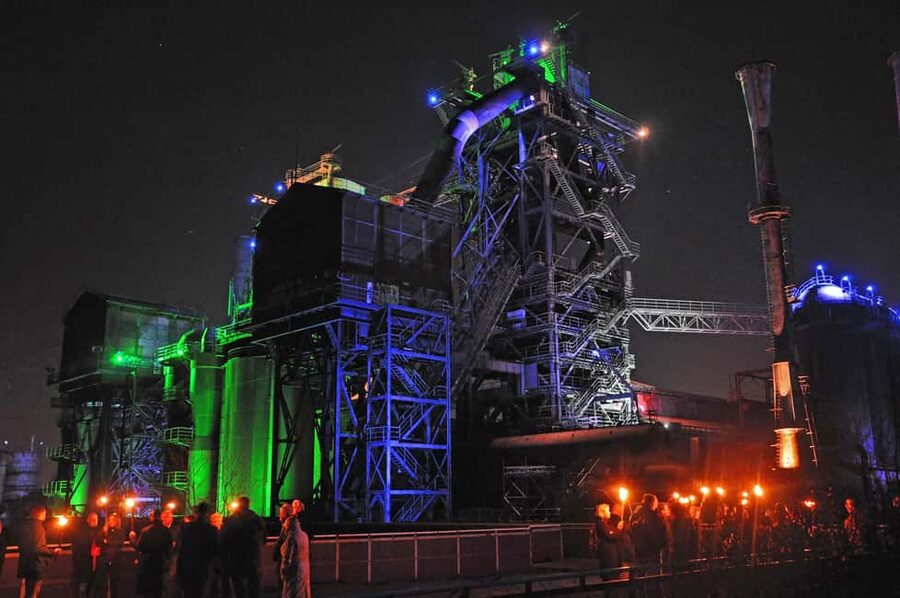
- Torch loan included: you get a torch for the tour, so you do not need to bring one
- Industrial history, not general sightseeing: blast furnace work, casting areas, and bunker pockets are the focus
- Atmosphere after dark: the site feels different once it is lit for the evening
- Weekend light displays: the torch walk is even more visual on weekends
- Stairs and uneven footing: this is not a good pick for mobility impairments or wheelchair users
- German-only guide: your experience depends a lot on understanding German
Entering The Visitor Center Scene, Then Moving Into 105 Minutes of Industrial Drama
The tour starts at the Visitor Center, where you get oriented before heading into the old ironworks grounds. From there, the structure is straightforward: you walk, you stop, you listen, you look up and around, then you finish with the torchlit part.
The total time is 105 minutes, which is a sweet spot for this kind of experience. Long enough to feel the place, short enough that you are not trapped outside too long in winter weather.
Also note the language. The live guide speaks German, so if you are not comfortable in German, bring patience and a willingness to pick up the big ideas visually. The stories and the sights work together, but comprehension will still shape how much you enjoy it.
Industrial History Up Close: Blast Furnace Work, Cold Wind, and Real Conditions
What makes this tour worth your time is how it frames the industrial past. You are not just told that iron was made here. You get the sense of what it cost physically and mentally.
The guide focuses on the worker experience. Think of people up high filling a boiling blast furnace in biting wind, wearing only basics like hats and gloves, then moving down below to open the tap hole. The tour emphasizes the sounds and sensations of the work: hellish noise, poisonous gases, and sticky dust that would wear on lungs.
That approach changes how you see everything. Once you understand the conditions, the buildings stop being cool backdrops and start reading like machines. You can also connect the dots faster between why parts of the complex were built the way they were, and why certain areas mattered for production and safety.
I also like that the tour reminds you of the harshness without turning it into fear-mongering. It is more “this is what people endured” than “only factories are important.” That balance matters.
Casting Hall Stops and Bunker Pockets: Where You Actually Imagine the Process
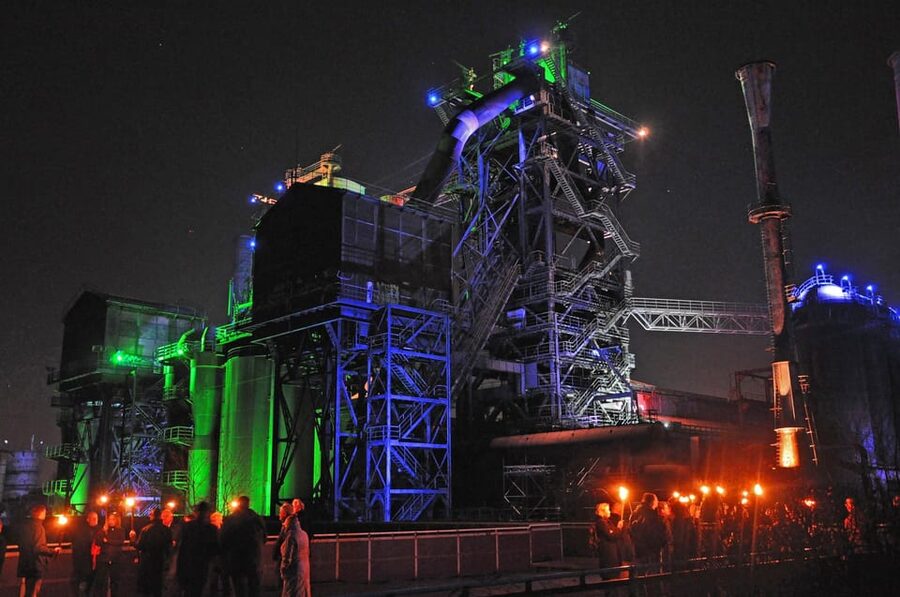
During the walk, you explore key spaces such as the casting hall and bunker pockets. These are the kinds of industrial locations that usually look mysterious from a distance, especially if you do not know what you are looking at.
On this tour, the guide points your attention at how metal work moved through the site. You start to connect the geometry and layout to a job that had to happen in sequence. Even if you do not remember every term, you come away with a clearer mental map of how production likely flowed and where work was concentrated.
This is where the tour’s value is strongest for first-time visitors. Many people visit industrial monuments and enjoy the scale, but they miss the logic. Here, you get enough explanation to make the scale meaningful.
The one drawback to keep in mind is that some parts may feel more like general site commentary than laser-focused engineering. One participant felt the torch portion did not add much original insight and that the guide spent time on films and events. That does not mean the tour is weak, just that you should expect a mix of industrial storytelling and site background, not a full technical lecture.
The Tower Views and the 200+ Steps Question
A big practical factor is the amount of stair climbing. One account describes a first part that includes 200-plus steps up to a tower area for views. Even if your route and exact count differ, the core idea holds: you should be ready for stairs early in the tour.
Why this matters: torchlight tours are fun because you are outdoors, but stairs add strain when it is cold and dim later. If you hate climbing, or if your legs need time to warm up, plan accordingly.
This is also tied to the accessibility guidance. The tour is not barrier-free, and it is not suitable for wheelchair users or people with mobility impairments. If you are deciding between this and a different kind of visit, be honest about what you can handle on uneven ground and in winter.
Torchlight Time: Firelight Makes the Industrial Monument Feel Like a Stage
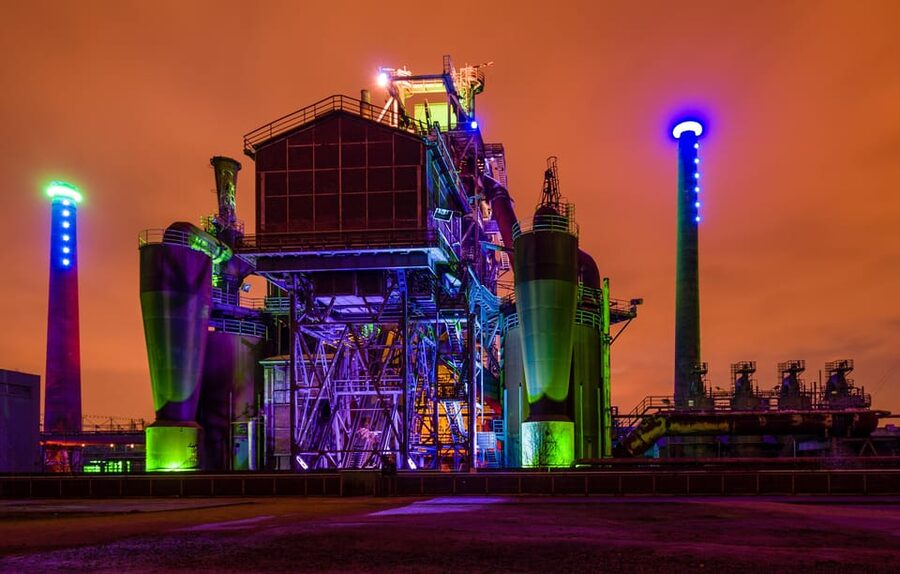
Once the torches come out, the site changes. That is the point of the whole experience.
The torches are available on loan for the duration of the tour, so you are not left figuring out logistics with your own gear. You get the simple benefit: you can see where you are walking and you can take in the atmosphere without freezing while also carrying something extra.
Torchlight also changes how you understand industrial spaces. Angles that look flat in daylight suddenly show depth. Surfaces and edges take on texture. The complex feels more like a lived-in working environment rather than a quiet monument.
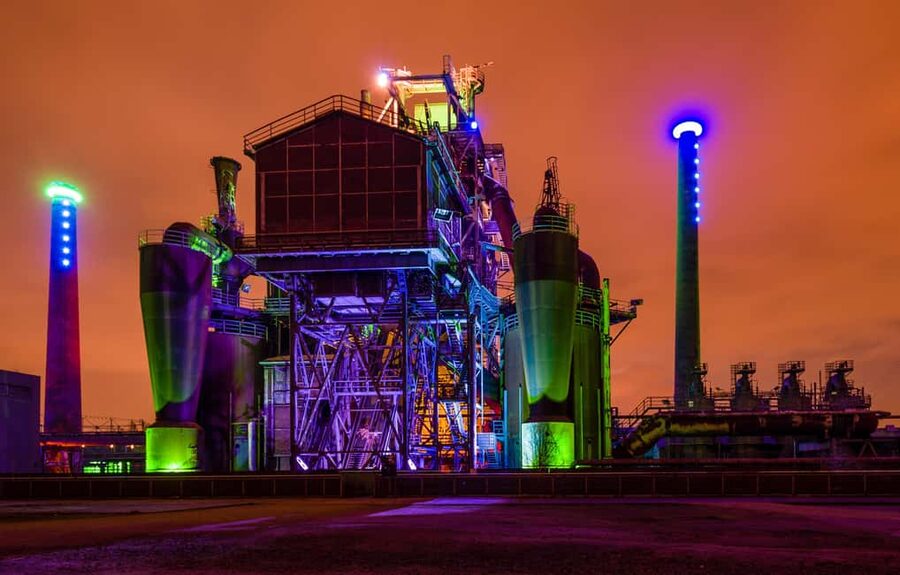
On weekends, there is an added bonus. The tour includes additional fascinating light displays. If you have flexibility, that is your best bet for maximum visuals.
One more thing: you are still walking, still outside, and still listening to a guide. So the torchlight segment is not a passive show. You get movement plus storytelling, which is usually more satisfying than a “stand and watch” format.
Weekend Light Displays: When the Evening Gets Extra Visual
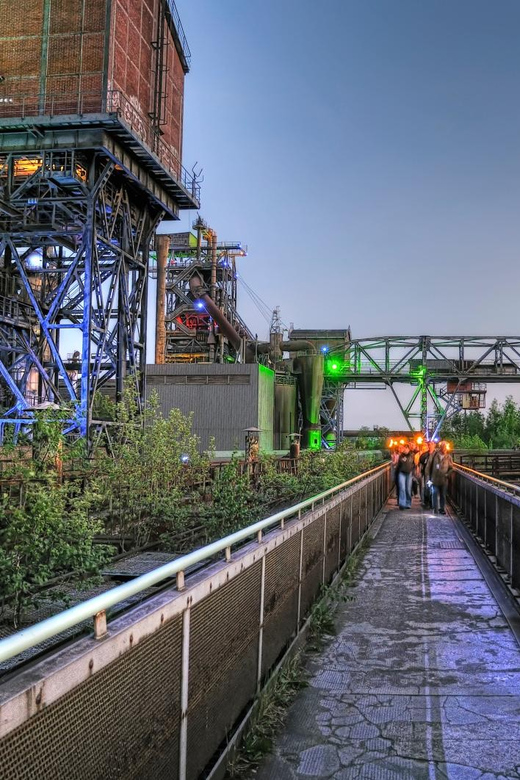
If you are going on a weekend, you get more than torchlight. The tour includes extra light displays on weekends, which adds a layer of theater to the already dramatic setting.
This matters if you are the kind of traveler who likes photos, sure, but also if you appreciate mood. Industrial sites can feel harsh or empty after hours. Light displays soften that emptiness and create a stronger sense of occasion, especially paired with the historical message about harsh working conditions.
It is worth planning around. If your schedule allows, weekends give you the version of the tour that feels most like a full evening experience.
Price and Value: Is $29 Worth 105 Minutes of Torchlit History?
At $29 per person for 105 minutes, this is priced like an activity, not a museum ticket. You are paying for three things: a live guide, a torch, and access to an atmosphere-led route through the complex.
That value holds up best if you want guided context. This is not just a self-walk through “interesting buildings.” The tour intentionally focuses on what ironworking felt like, including worker hardship and the steps in the process.
It also helps that reviews are strong. The tour averages 4.7 out of 5 across 164 ratings, and the most praised comments repeatedly highlight the guide’s explanations and the way the experience stays engaging even in winter.
Do keep expectations realistic. If you want a hands-on workshop or a deep technical engineering class with no digressions, this may feel too conversational. But if you want a guided, atmospheric, historically focused walk, this price-to-experience ratio is hard to beat.
Who Should Book This Torchlight Tour, and Who Might Want to Skip It
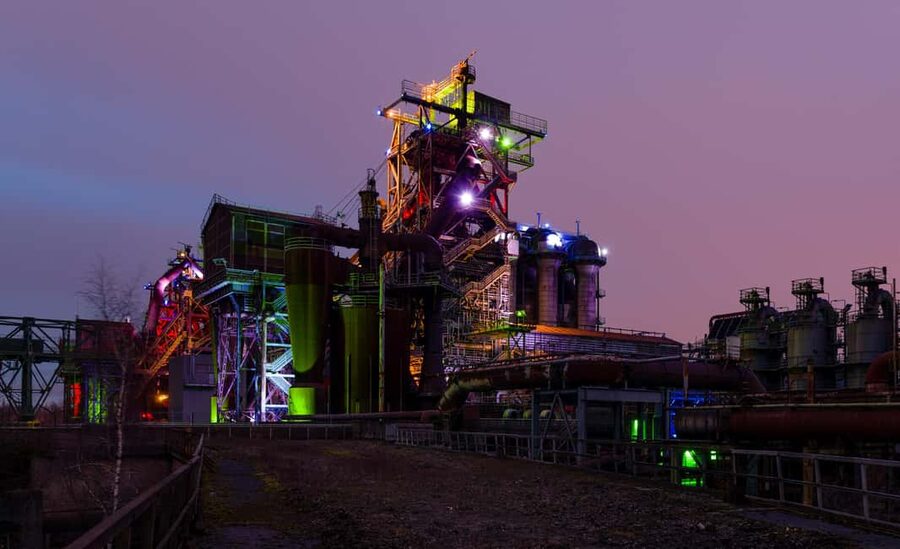
This tour fits best if you want an evening with story, mood, and real industrial context. It is also a strong fit for travelers who enjoy history when it is practical, tied to human work, and anchored in places like the casting hall and bunker pockets.
You should consider it especially if:
- You like industrial heritage and want it explained
- You enjoy walking routes with a guided narrative
- You visit in cold season and do not mind bundling up
You should think twice if:
- You have mobility impairments, because the tour is not barrier-free
- You use a wheelchair, since it is not suitable for wheelchair users
- You are traveling with children under 12, because the torchlight tour is not or only partially suitable for younger kids
One more family rule to understand: children aged 12 and over only receive a torch if they are accompanied by at least one adult per child. So if you are thinking of bringing a teen and another adult is not in your group, torch access may be limited.
Practical Tips for a Dark, Cold, Stair-Heavy Evening
Torchlight tours sound romantic, but your body still has a job to do. Plan for cold, uneven footing, and stairs.
First, dress for real winter walking. Layer up. Use warm gloves. Wear shoes with solid grip. If you struggle with stairs, take it slow at the beginning.
Second, bring the right mindset for a torch route. You will not be reading tiny signs in the dark. Your experience depends more on what the guide tells you and what you can spot with the torchlight.
Third, if you do not speak German, it is still doable, but manage your expectations. You will likely get more value if you can follow the big ideas, not every detail.
Finally, if you are going on a weekend, treat it as the “extra visual” version. Plan to arrive ready to enjoy the light displays and the evening mood, not just the industrial history.
The Guide Makes the Difference: Jürgen’s Storytelling Energy
A standout theme in the feedback is the quality of the guide. One named guide, Jürgen, is praised for knowing a lot, explaining clearly, and adding anecdotes that make the history stick. Another positive note highlights guides who bring humor and charm while staying fachlich on point, mixing experience with knowledge.
That matters because industrial history can go two ways. It can be flat, or it can feel alive. When the guide has a lively style, you walk away with more than facts. You feel the place.
The counterpoint is also useful. One participant felt the second part was less original and more about the site’s event use, films, and general commentary. So while you can expect a strong guide experience, it is smart to think of this as a guided walk that blends history with site background.
Should You Book the Torchlight Tour of the Old Ironworks?
Book it if you want an evening that teaches you how ironworking worked, using torchlight and the actual spaces where the work happened. Industrial history plus atmosphere is the winning combo here, and the high rating backs that up.
Skip it if stairs and mobility issues are a problem, because the tour is not barrier-free and not suitable for wheelchair users. Also skip it if you need an English-only experience, since the live guide speaks German.
If you can handle cold weather and a guided outdoor walk, this is a memorable way to experience Northern Germany’s industrial past after dark.
FAQ
Where is the meeting point for the torchlight tour?
You meet at the Visitor Center.
How long is the torchlight tour of the old ironworks?
The tour lasts 105 minutes.
Is the tour guided, and what language is it in?
Yes, it is a live guided tour. The guide speaks German.
Are torches provided?
Yes. Torches are included as a loan for the duration of the tour.
Is the tour suitable for children?
The torchlight tour is designed for adults and is not or only partially suitable for children under 12. Children aged 12 and over only receive a torch if they are accompanied by at least one adult per child.
Is the tour barrier-free?
No. The tour is not barrier-free and is not suitable for wheelchair users. It is also not suitable for people with mobility impairments.
Does the tour include extra features on weekends?
Yes. There are additionally fascinating light displays on weekends.
What is the price, and can I cancel?
The price is $29 per person. You can cancel up to 24 hours in advance for a full refund, and you can also reserve now and pay later.
Tours, compared.
Reichstag, Dome and Government District Guided Tour
Read our review →
Sex and Crime in St. Pauli Tour for Ages 18 +
Read our review →
1-Hour City Tour by Boat with Guaranteed Seating
Read our review →
Government District around the Reichstag Guided Tour
Read our review →