
Reviewed · ROSTOCK TOURS
Rostock: Warnemünde and Rostock Half-Day Shore Trip
A half-day in Warnemünde and Rostock feels interesting because you go from seaside character to Hanseatic city sights in one smooth port day. I especially like the half-timbered streets in Warnemünde and the chance to see the astronomical clock inside St. Marien in Rostock. The trade-off is that this is mostly a walking tour on cobblestones, so comfortable shoes and steady pace are part of the deal.
I also like the local-transport touch. You ride the public train and commuter tram, so the day feels like transit with a plan, not a bus loop with stops. Guides like Cornelia, Tobias, Yvonne, and Bernd are repeatedly praised for clear English, good group control, and getting everyone through the transit bits together.
You’ll get guided time for the big sights, then you have about one hour on your own in central Rostock to browse shops or grab a snack. If you need a slow, sit-down experience, or you cannot manage repeated walking segments, consider a different option.
Key Things I’d Focus On
- Warnemünde half-timbered lanes and the Old Stream canal, with brightly painted boats and easy “wander-friendly” streets
- Public train and commuter tram rides, which make this feel like a real Mecklenburg day
- St. Marien church visit with the astronomical clock, a very specific highlight that’s worth planning around
- Rostock market squares and core landmarks, including the medieval monastery of the Holy Cross
- Guides who manage timing well, especially around transit and tight shore schedules
- A real hour of free time in Rostock, enough to shop, snack, and reset
Why This Warnemünde and Rostock Combo Works on a Cruise Day
This is a strong choice when your ship gives you a limited window but you still want more than one “pretty walk.” Warnemünde gives you salt-air atmosphere, compact streets, and harbor scenes. Rostock adds the fuller-city feel, with medieval church interiors, Hanseatic layout, and university-town energy.
The biggest win is balance. You get guided context so the places stop feeling generic, then you get some breathing room so the day doesn’t feel like a checklist. It’s also value-minded: you are paying for a guide plus included public transit tickets and an entry fee for St. Marien, which adds up quickly if you do it alone.
The other big factor is pacing style. This tour is built for people who can walk in chunks of about 15 to 20 minutes. If that’s you, you’ll likely feel like you “saw the important parts” without it turning into a slog.
Weigh these Rostock picks against each other
- Rostock: Full-Day, Half-Day, or Sunset Sailing Experience
★ 4.7 · 174 reviews - Rostock: Half-Day, Full-Day or Sunset Catamaran Cruise
★ 4.8 · 162 reviews - Discover Berlin Half-Day Walking Tour
★ 5.0 · 9,624 reviews
From the Port at Am Passagierkai 6 to Warnemünde Harbor
The day starts with pickup right at your cruise ship area, near Am Passagierkai 6 in Warnemünde. You look for your guide holding a sign with the tour name, and meeting at the berth matters, because cruise days can be chaotic.
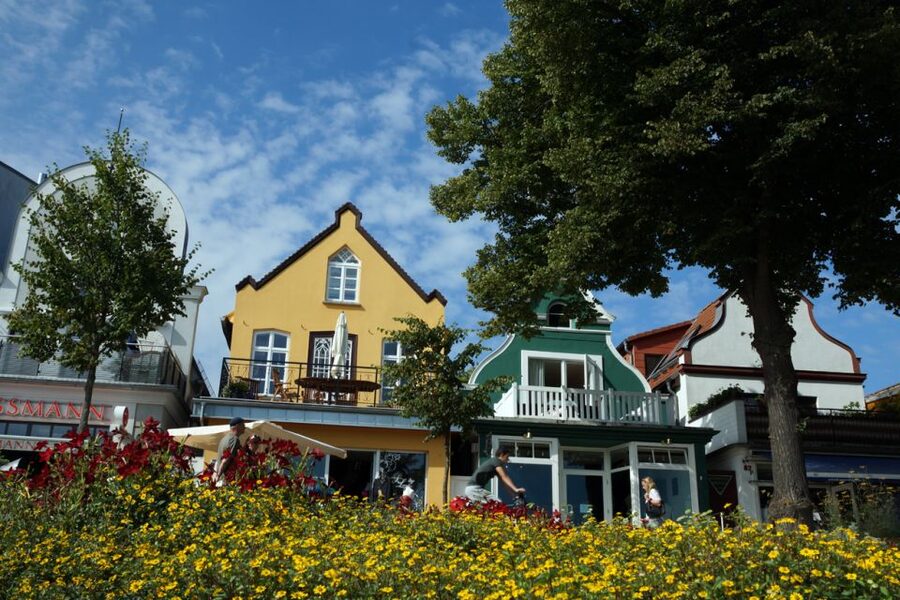
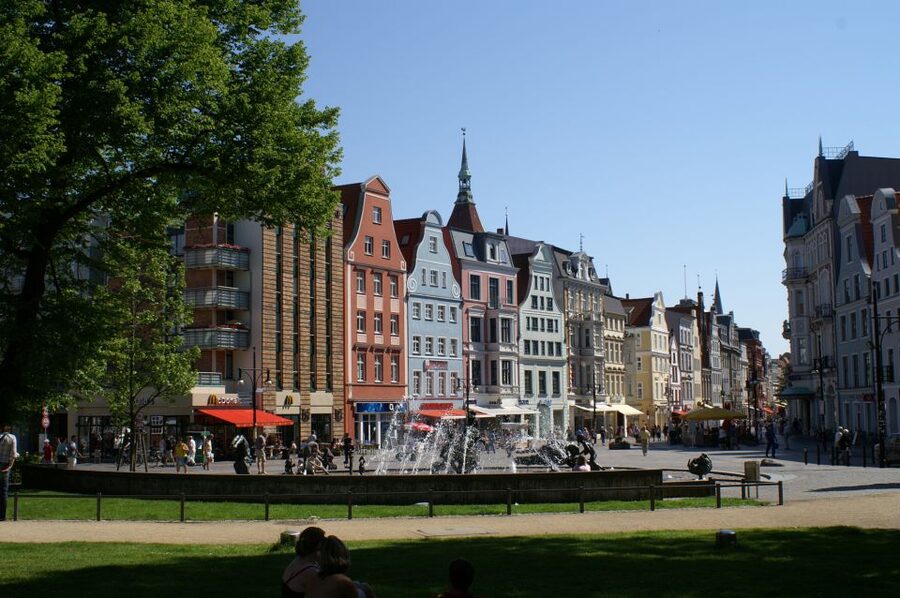
From there, you transition into Warnemünde as a former fishing village. I like this start because you’re not racing into a big city right away. Instead, you ease into the atmosphere, with gabled houses, half-timbered facades, and small-town details that reward slow looking.
One practical thing to note: luggage or large bags are not allowed. That’s a big deal on port days, because stowing bulky bags can eat into your sightseeing time. Plan on a small day bag only, and put essentials like water, sunscreen, and a light layer where you can access them during the walks.
Warnemünde Walking Highlights: Gabled Houses, Half-Timbering, and the Old Stream
Warnemünde is designed for wandering. The tour’s guided walk focuses on the historic core, including the typical 18th- and 19th-century look: gabled houses, half-timbered facades, and ornamental doors. It sounds niche, but once you see it in person, it becomes a quick way to read the town’s past.
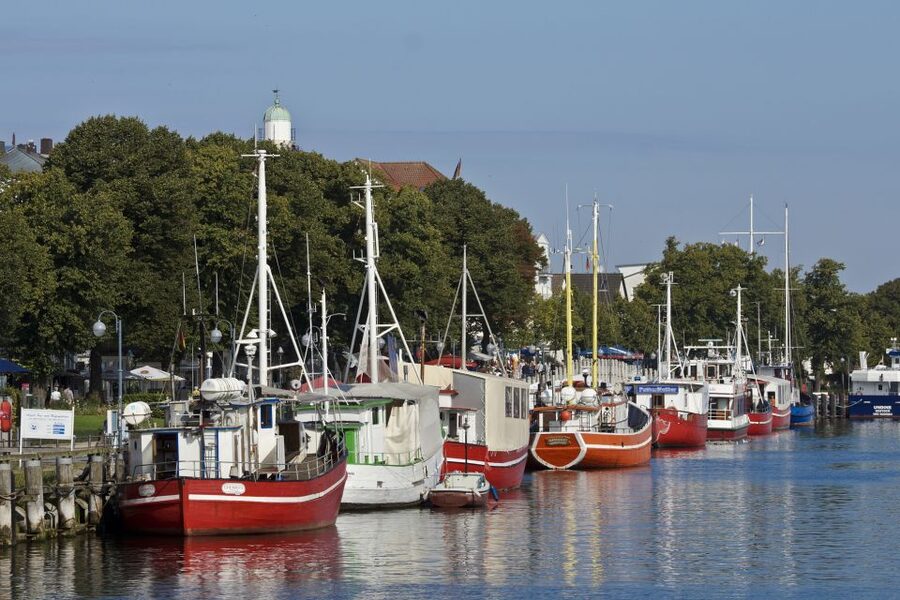
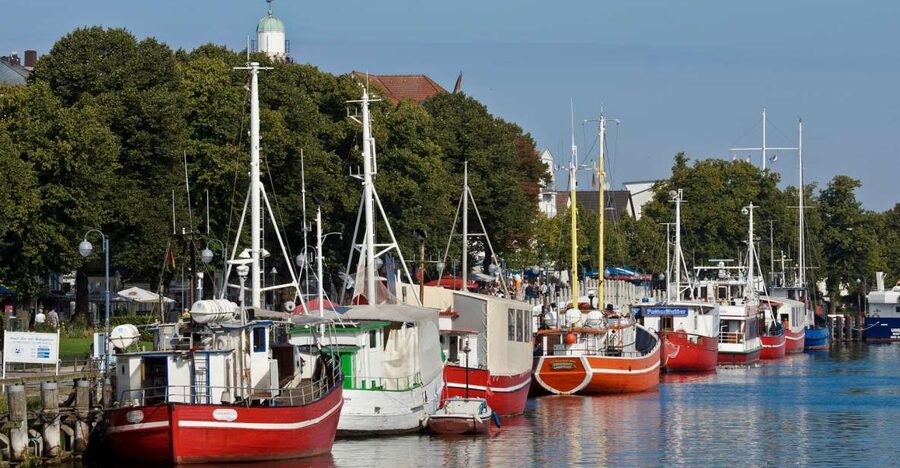
You’ll also spend time by the Old Stream canal. This is where the seaside personality shows up in practical, visual ways: brightly painted boats along the water and plenty of casual café spots nearby. Even if you don’t stop for coffee every time, the canal gives you a natural route with a lot of photo angles.
The harbor stop is another strong moment. You’ll see brightly painted fishing boats, and the views are the kind you’ll want to linger over for a few minutes at a time. If the weather is good, Warnemünde feels like a postcard, but with real streets and real movement.
The Public Train and Commuter Tram Ride: How You’ll Feel the Local Rhythm
This tour earns points for using real public transport. After the initial Warnemünde walk, you travel to Rostock by public train and commuter tram. You’re not just moving between sights, you’re getting a taste of how people commute and navigate the city.
That matters because Rostock isn’t just one “must-see.” It’s a place with a medieval core, a university presence, and everyday life happening alongside old stone. Riding the tram helps you understand the layout and makes the center feel less like a set.
What to expect practically: plan for a few stairs and some standing time. Announcements may be in German, which is exactly where having the guide at your side helps. Guides such as Cornelia and Tobias are praised for helping the group move smoothly through transit, so no one ends up separated at the wrong platform or stop.
Also keep your timing mindset on. Shore tours run on cruise schedules, so you’ll follow the group’s pace rather than stopping whenever you feel like it.
Another way to spend a Rostock afternoon:
- Rostock: Guided tour of the historic city center
★ 4.5 · 311 reviews - Best Berlin Shore Excursion from Warnemunde or Rostock Port
★ 4.8 · 200 reviews - Rostock: City Walking Tour
★ 4.9 · 198 reviews - Rostock: Electric Boat Rental on the Warnow River
★ 4.8 · 106 reviews
Rostock’s Core Sights: Market Squares, Holy Cross Monastery, and the Old Town Shape
Once in Rostock, the focus shifts from seaside charm to a larger Hanseatic city structure. You’ll stroll the central streets of this Mecklenburg city, often described as a university town with a Hanseatic past, which is a useful mental frame as you walk.
A key stop is the medieval monastery of the Monastery of the Holy Cross. Even if you only catch a piece of the building from the outside, you can feel how old institutions shaped the city layout. This is the kind of stop that helps you understand why Rostock feels “older” than its size.
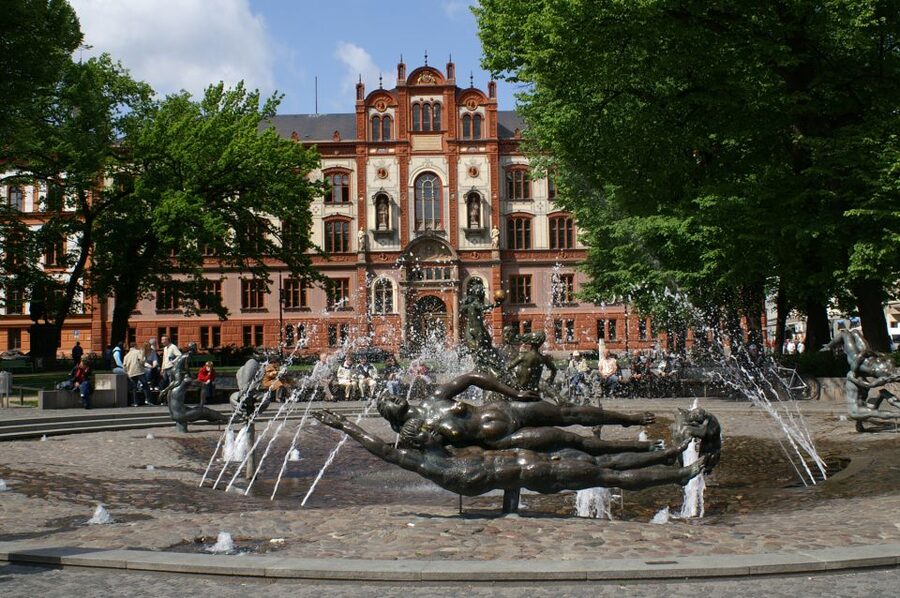
You’ll also spend time around lively market squares. These areas help you connect the medieval city pattern to modern daily life. Shops, snack options, and pedestrian movement tend to cluster here, so it’s a good place to ask your guide questions about what to see next.
If you’re into city walls and boundary history, you may also learn about the medieval town wall and how the city evolved over time. The town hall and university-related points can round out the story, giving you a sense of how governance and education shaped the present-day feel.
St. Marien Church Visit: Astronomical Clock Time Is the Money Shot
The St. Marien church visit is the centerpiece. You get the entrance included, and once you step inside, the payoff is that the astronomical clock is the type of detail you can miss if you’re just passing through. The value here is not only seeing the clock, it’s seeing it as part of a guided moment with timing.
I love how specific this highlight is. It turns the visit from generic church sightseeing into a “wait for the moment” experience. Guides in particular are praised for timing well, so you’re not stuck hoping you catch the right operational moment.
Inside, you’re also in a space where the architecture and interior details make the city’s Hanseatic identity feel real. If you care about how European cities signal status through churches, this will land. Even if you are not religious, the clock and the church setting are worth the stop.
Tip for your photos: bring your phone camera ready, but be respectful of others. Busy church interiors can be tight, so keep moving only when your guide says it’s time.
Your Hour of Free Time in Rostock: Shop, Snack, and Plan Your Walk Back
After the guided sightseeing, you get time at leisure in central Rostock. This is where you decide how you want to spend your energy: browse shops, look around the market area, or grab a quick snack.
I’d treat this hour like a mini self-guided loop. Start with one anchor point you want to return to, then walk outward. That way, if something catches your eye, you still have enough time to regroup and make it back for the ride.
You do not get food included on the tour, so bring budget for a snack or a light meal. If you want the most “Rostock experience” per minute, focus on easy items you can eat while walking, then save a longer sit-down for after you’re back onboard or later off-ship.
When you’re ready to head back, the tour uses public transportation again. This is the part where having followed the transit directions earlier pays off. It’s also why guides are so focused on keeping the group together during the rides.
Pacing, Cobblestones, and What to Wear for a 5-Hour Shore Day
This is a walking tour built around ability to walk in segments of 15 to 20 minutes. All told, that often means cobblestones, uneven pavement, and some standing time during transit.
Here’s what I’d do to make it comfortable:
- Wear shoes you trust on slick cobblestones.
- Carry a light layer, because coastal towns can shift in temperature.
- Keep your day bag small since larger luggage is not allowed.
The maximum group size is 20, which helps. Smaller groups tend to move with fewer delays, and it makes questions easier. You’ll also feel less rushed if your guide is good at spacing everyone out on the sidewalks.
One caution if you’re traveling with older family members: the structure is friendly, but the ground is not smooth. You still cover distance, and you still follow a timed flow between Warnemünde and Rostock.
Value Check: Is $81 Worth It for This Route?
At $81 per person for about 5 hours, the value comes from what’s included. You get pickup and drop-off at the port area, an English-speaking guide, public train and tram tickets, and an entrance fee to St. Marien. Food and drinks are not included, so plan a budget for a snack.
If you try to do this on your own, you end up paying for transit tickets anyway and spending time figuring out what matters once you arrive. The guide is the shortcut here, because Rostock’s medieval layout can be confusing if you don’t know where the landmarks sit. The church visit is also the kind of stop where a guided timing moment adds value, not just information.
This tour also reduces risk on a cruise day. Instead of improvising transit and trying to match city walking with a ship deadline, you operate under a set rhythm with included transit. When weather cooperates, it tends to feel like a “best use of limited time” kind of outing.
Should You Book This Half-Day Shore Trip?
Book it if you want a first-timer-friendly taste of both towns, with guided context and real local transit. It suits people who can comfortably walk on cobblestones and who like history that you can actually point at, like half-timbered house details and the clock inside St. Marien.
Skip it if you need step-free routes or you are unable to manage repeated walking segments. It is not suitable for wheelchair users, and the overall structure is not designed for slower mobility.
If you are on a Baltic cruise with limited daylight and you want something smarter than a single-city port wander, this combo is a solid pick. You’ll leave with two distinct flavors of northern Germany: the sea-side scenes of Warnemünde and the medieval-city core of Rostock, tied together by a day that moves at a human pace.
FAQ
What’s included in the price?
The tour includes pickup and drop-off at the cruise ship port, an English-speaking guide, public train and tram tickets, and the entrance fee to St. Marien (St. Mary’s Church). Food and drinks are not included.
Is there time to shop in Rostock?
Yes. You’ll have leisure time in central Rostock, which is designed for wandering, shopping, and grabbing a snack.
How do you get from Warnemünde to Rostock?
You take public transportation, using a public train and a commuter tram to reach Rostock and return back to the port area.
How much walking is involved?
This is a walking tour. You should be able to walk for about 15 to 20 minutes at a time, and the day includes multiple walking segments.
Is the church of St. Marien included?
Yes. The tour includes the entrance fee to St. Marien (St. Mary’s Church), where you’ll see the astronomical clock.
Is this tour suitable for wheelchair users?
No. It is not suitable for wheelchair users.
Fresh reviews out of Rostock
- Warnemünde: Guided Walking Tour★ 4.3 · 102 reviews
- Rostock: Electric Boat Rental on the Warnow River★ 4.8 · 106 reviews
- Rostock: Half-Day, Full-Day or Sunset Catamaran Cruise★ 4.8 · 162 reviews
- Rostock: Full-Day, Half-Day, or Sunset Sailing Experience★ 4.7 · 174 reviews
- Rostock: City Walking Tour★ 4.9 · 198 reviews
- Rostock: Guided tour of the historic city center★ 4.5 · 311 reviews
- Brewery tour with guide!★ 4.8 · 13 reviews
- Best Berlin Shore Excursion from Warnemunde or Rostock Port★ 4.8 · 200 reviews
Rostock Tours, compared.

Best Berlin Shore Excursion from Warnemunde or Rostock Port
Read our review →
Full-Day, Half-Day, or Sunset Sailing Experience
Read our review →

Electric Boat Rental on the Warnow River
Read our review →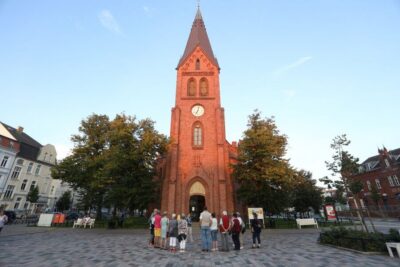
Browse the lists this tour appears in