
Reviewed · CITY TOURS
Rostock: City Walking Tour
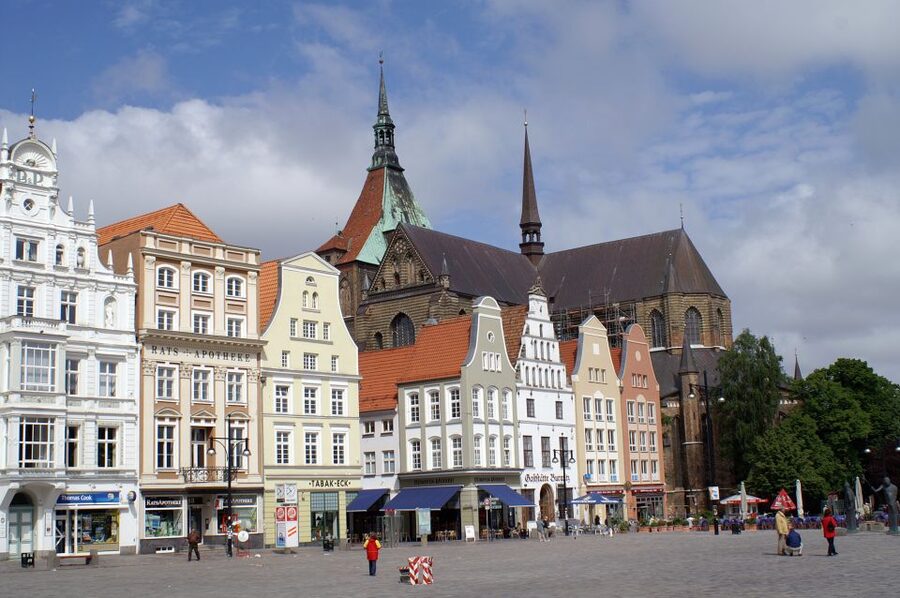
Rostock is one of those northern German cities where the street scenes tell the story fast, and this walk is a smart way to see it without getting lost. You start at the Rathaus, then move through medieval streets and the harbor area with a guide who keeps the route moving.
I especially like how the tour balances major sights with smaller streets, so you get both the headline landmarks and the everyday details. I also like the focus on practical explanations, the kind that help you look at a church, a wall, or a quay and instantly understand what you are seeing.
One key consideration: this tour is not suitable for people with mobility impairments, since it is a walking route through the old town.
Key things to know before you go
- Anne Kirchmann’s insider-style guidance: clear explanations without turning it into a long lecture.
- A tight 2-hour route: you cover old town highlights plus the harbor area.
- Meeting at the Rathaus with the Greif (griffin) symbol so you can find the group quickly.
- Town Hall, gothic churches, and the medieval city wall are part of the core sights.
- Old-town alleys and riverside boulevards help you see Rostock beyond just the big squares.
- Private group up to 6 means the pace can fit your group.
Rostock’s old town and harbor are made for walking
If you like cities where architecture changes by the block, Rostock delivers. In about two hours, you can connect the Hanseatic-era feel of the center with the harbor side of town, where the city’s later chapters show up. The result is an easy overview that helps you decide what to explore next on your own.
This tour is also a good match for people who want context, not a textbook. The guide approach, based on what the tour is set up to do, keeps things conversational and focused on what you will see as you walk. You get the quick “why it matters,” plus the kind of small pointers that turn a photo stop into real understanding.
More Walking Tours in Rostock:
- Warnemünde: Guided Walking Tour
★ 4.3 · 102 reviews - Discover Berlin Half-Day Walking Tour
★ 5.0 · 9,624 reviews - Berlin: Third Reich and Cold War 2 Hour Walking Tour
★ 4.9 · 6,830 reviews
Starting at the Rathaus, under the Greif (griffin)
Your tour begins at the front of the Rathaus (town hall). Look for the main entrance and the symbol of the Greif, the griffin. That matters more than it sounds. Meeting at a landmark like this helps you orient immediately, so the first part of the walk feels like you are getting bearings fast instead of hunting for the group.
Also, the Rathaus is not just a convenient address. It is one of Rostock’s center-of-gravity points, so beginning here sets the tone for everything that follows. From there, the guide can connect civic life in the medieval city with what you see in the nearby streets and squares.
Town Hall views and the city’s civic rhythm
Early in the walk, you will spend time around the Rathaus and town center areas, where the city’s role as a Hanseatic power shows up in the look and layout of the place. Even if you do not know much about Rostock yet, this is the kind of stop where you can quickly learn how the pieces fit together: the center for administration, the nearby religious buildings, and the street network that pulls you deeper into the old town.
What makes this part valuable is the way a guide can point out patterns. The tour is designed to help you notice relationships between buildings and space, not just name-drop landmarks. That is what makes a short walking tour feel useful later, when you wander on your own and recognize what you saw.
Gothic churches: what to look for without the overload
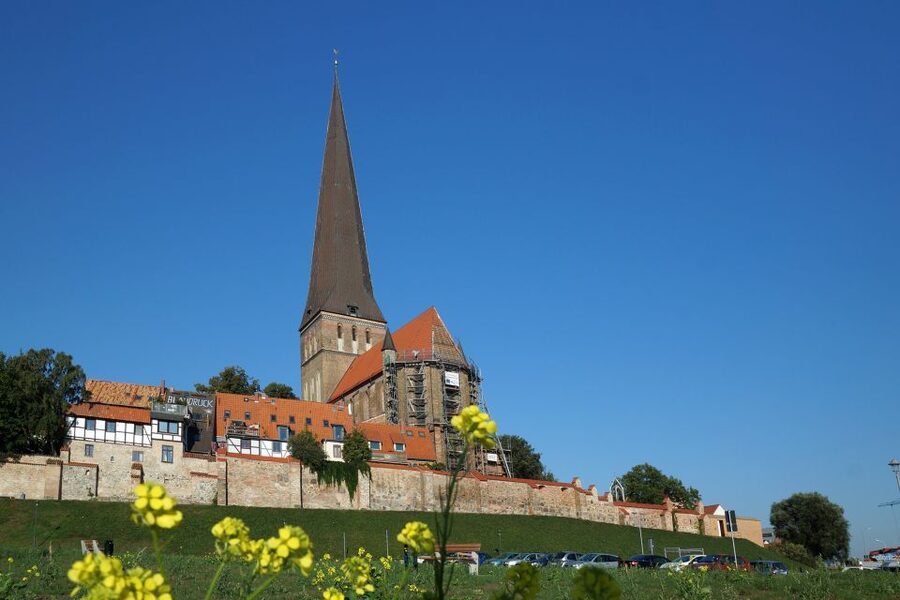
Rostock’s church buildings bring the medieval look into sharp focus, and this tour includes major gothic church sights. You will not just pass by. You get an explanation of why these churches matter in the city story and what visual clues to look for.
In a two-hour tour, there is always a risk of getting stuck in too many details. The good news here is that the emphasis stays practical. You should expect the guide to keep the pace light enough that the tour still feels like a stroll through the city, with enough background to make the sights click. This is ideal if you want understanding but you also want to keep moving.
Weigh these Rostock picks against each other
- Rostock: Guided tour of the historic city center
★ 4.5 · 311 reviews - Best Berlin Shore Excursion from Warnemunde or Rostock Port
★ 4.8 · 200 reviews - Rostock: Full-Day, Half-Day, or Sunset Sailing Experience
★ 4.7 · 174 reviews - Rostock: Half-Day, Full-Day or Sunset Catamaran Cruise
★ 4.8 · 162 reviews
The medieval city wall: seeing protection as a design feature
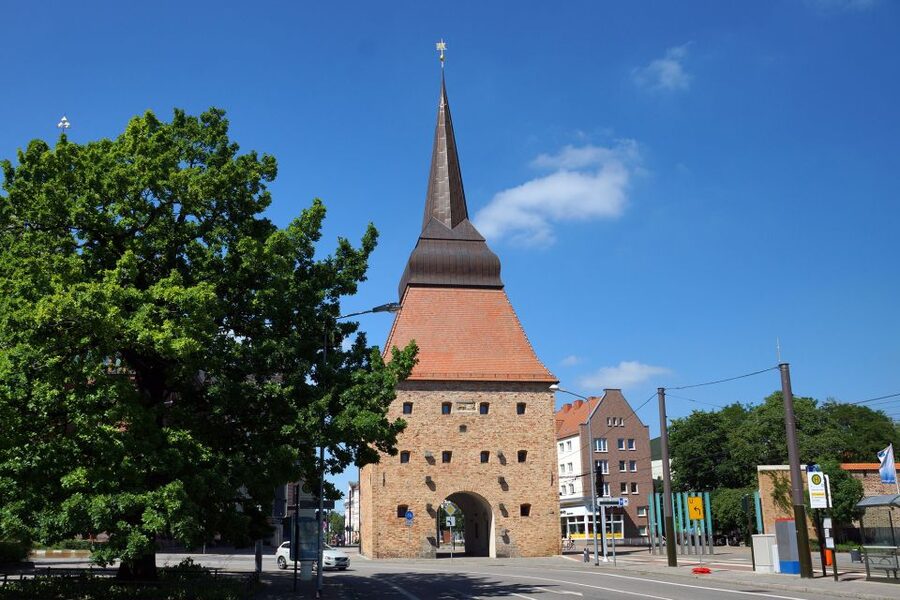
One of the more meaningful parts of the walk is the segment tied to the medieval city wall. City walls are easy to treat like scenery, but with the right explanation, you start seeing them as a system. They shaped how people entered, where authority sat, how close trade and daily life happened to the edges of the city.
The tour includes this as part of your overview, so you do not need a long research project to get value. The guide’s job is to help you connect the wall to the streets around it. If you like the logic of urban planning, this stop will make the surrounding streets feel less random.
Old-town alleys and riverside boulevards: the feel of daily Rostock
Between the big sights, the walk threads through old-town alleys and moves into areas with riverside boulevards. This is where a city tour becomes more than a checklist. Alleys show you the scale of the place and the everyday human rhythm: narrower passages, older street lines, and that sense of “this is how people actually moved before cars existed.”
Then you shift toward the riverside atmosphere, which helps balance the medieval feel with something more open. Even without specific harbor-by-harbor details in the overview, the riverside segments set you up to understand the harbor area later in the walk.
What I like about this structure is that it gives your brain a break. When the tour includes both tight alleys and broader waterfront viewpoints, you get mental variety while still staying on the same theme: Rostock’s center and its water-linked life.
Historic harbor area and the 20th-century shift
A key promise of the tour is that it spans from medieval architecture to the 20th-century. In practical terms, that means you will see how Rostock did not freeze in the past. The harbor area adds a second layer to what you understand about the city.
The harbor side tends to show you the economic spine of a place, the part of town tied to shipping, trade, and movement. Even if you do not know the details yet, the contrast between older sections and later development helps you build a timeline in your head. That matters because it makes future wandering more interesting. You can spot which parts feel older, which feel like later growth, and why the city might have looked that way.
University square: the city as a living place
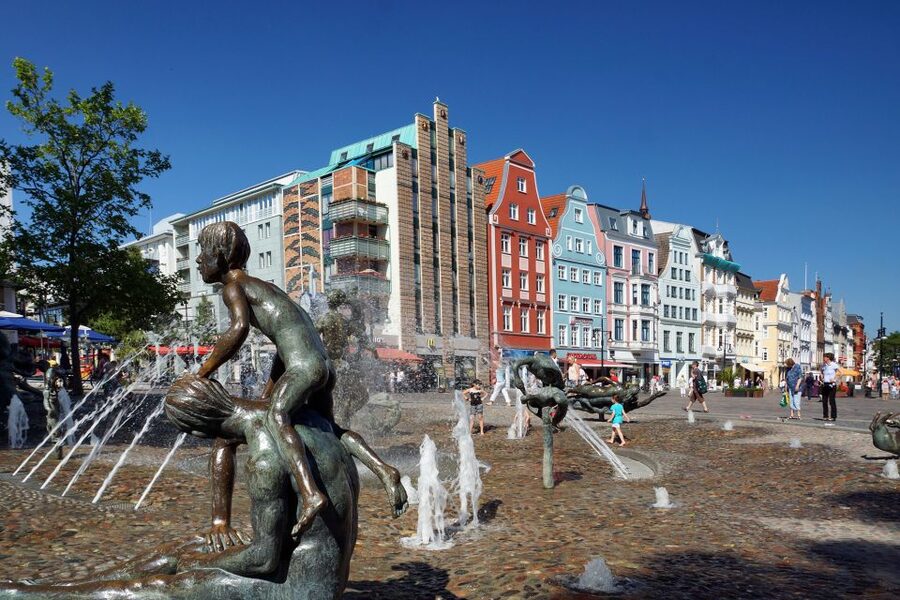
Your walk also includes the university square. This is a smart inclusion, because it keeps the tour from becoming only medieval-and-harbor scenery. Even if you are not there to study, the university area signals that Rostock is still a working city with present-day energy, not only a place you visit for old buildings.
For me, adding a university square stop is what makes a short overview feel complete. It rounds out the story you are building on the walk: civic life, religious landmarks, medieval defense, water-linked trade, and education or contemporary public space.
How the guide keeps a two-hour pace
This tour is built around an expert guide who speaks German. The pacing matters here because two hours can turn into either a fast primer or a long lecture. Based on the way the tour experience is described, the guide focuses on a real walk through the city, with insider explanations woven in rather than dumped all at once.
You should also expect a conversation feel. The tour is set up so you can ask questions and get the info you want without feeling rushed. That is a big deal if you care about one specific thing, like architecture, city planning, or how the Hanseatic era shaped urban life.
If your German is limited, you might still enjoy it, especially if you use a translation app for key points. The structure should still help you connect what you see to what you learn.
Price and value: $147 per group up to 6
The price is $147 per group for up to six people. That is not the cheapest way to see a city, but it is also not meant to be. It is a private-group experience with a professional guide for a set route and time.
Here is how I think about value in a case like this:
- If you have a group of 4 to 6, the per-person cost drops quickly, and you get the benefit of a private guide.
- If you are traveling solo or as a couple, you may feel the cost more, because you are effectively sharing the guide fee with fewer people.
- If your top priority is efficiency, the 2-hour format is also part of the value. You get an overview that helps you choose what to do next without spending half a day.
For couples, friends, or small families who want a guided orientation without spending longer in structured sightseeing, it often feels like a fair deal.
Who this tour suits best
This works well if you:
- want a two-hour overview that connects old town and harbor areas
- like walking tours that explain what you are seeing, not just where to stand for photos
- prefer a guide who keeps the pacing comfortable and lets you ask questions
It may not be the best match if you need mobility-friendly routing, since it is not suitable for people with mobility impairments.
Language is another factor. The live guide is German, so plan for that. If you rely on English only, you might want to arrange a translation tool in advance so you do not miss the key points.
Quick practical tips before you meet Anne Kirchmann
This is a straightforward walking tour, but a few small choices can improve the experience:
- Go to the meeting point early enough to locate the Greif symbol at the Rathaus entrance without stress.
- Wear comfortable shoes. The route is in the old town, where surfaces and footing can be uneven.
- If you care about a particular theme, think of a question before you start. The guide’s style supports Q and A.
- Bring a phone or small device for quick translation, especially since the tour guide is German.
Should you book this Rostock city walking tour?
I would book it if you want a focused introduction to Rostock that covers the town center sights, gothic church areas, the medieval city wall, and the harbor-side shift in just two hours. The best reason is the combination of route efficiency and guide explanation that stays readable, not a heavy history slog.
Skip it if mobility is an issue, or if you need an English-only tour and do not want to use translation tools. If those are not dealbreakers, this is a strong way to get your bearings and leave with a better sense of what to explore next on your own.
FAQ
FAQ
Where is the meeting point for the tour?
Meet your guide in front of the Rathaus (town hall) at the main entrance, under the symbol of the Greif (griffin).
How long is the Rostock city walking tour?
The tour lasts 2 hours.
How much does the tour cost?
The price is $147 per group, for up to 6 people.
Is the tour private?
Yes, it is listed as a private group.
What language is the live guide?
The live tour guide is German.
What will the tour cover in Rostock?
You will explore the old town and historic harbor area, including key sites such as the town hall, gothic churches, the medieval city wall, old-town alleys, riverside boulevards, and the university square.
Is this tour suitable for people with mobility impairments?
No, it is not suitable for people with mobility impairments.
Can I cancel and get a full refund?
Yes. You can cancel up to 24 hours in advance for a full refund.
Is there an option to pay later?
Yes. The tour offers a reserve now & pay later option, so you can book your spot and pay nothing today.
Fresh reviews out of Rostock
- Warnemünde: Guided Walking Tour★ 4.3 · 102 reviews
- Rostock: Electric Boat Rental on the Warnow River★ 4.8 · 106 reviews
- Rostock: Warnemünde and Rostock Half-Day Shore Trip★ 4.7 · 158 reviews
- Rostock: Half-Day, Full-Day or Sunset Catamaran Cruise★ 4.8 · 162 reviews
- Rostock: Full-Day, Half-Day, or Sunset Sailing Experience★ 4.7 · 174 reviews
- Rostock: Guided tour of the historic city center★ 4.5 · 311 reviews
- Brewery tour with guide!★ 4.8 · 13 reviews
- Best Berlin Shore Excursion from Warnemunde or Rostock Port★ 4.8 · 200 reviews
City Tours, compared.
1-Hour City Tour by Boat with Guaranteed Seating
Read our review →
City History Canal Sightseeing Tour on a Motorboat
Read our review →
Browse the lists this tour appears in