
Reviewed · CITY TOURS
Quedlinburg: Guided City Highlights Walking Tour
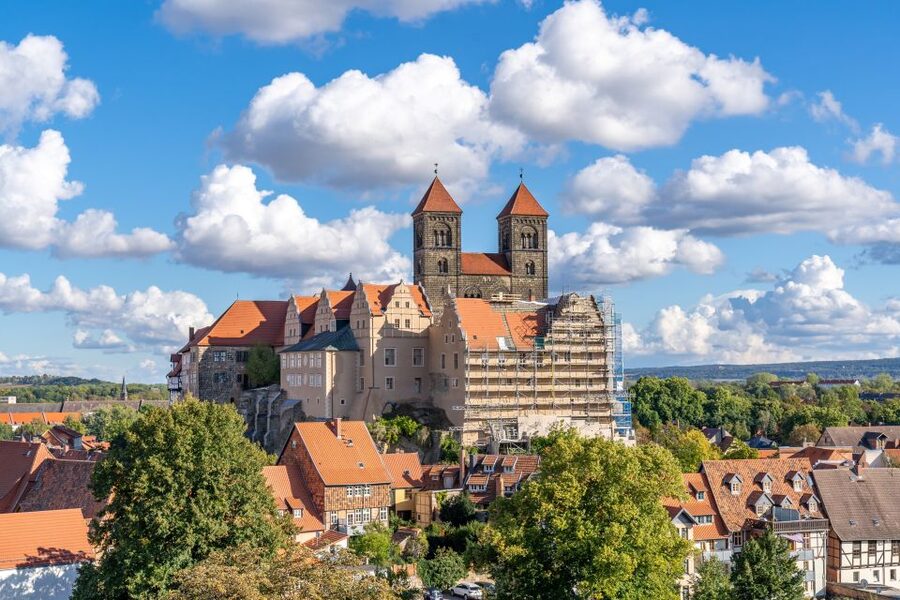
Quedlinburg is one of those places where history feels physical, not museum-deep. This guided highlights walking tour strings together about 1,100 years of story as you move through the UNESCO-listed old town, from the era of Henry I to what you see today.
What I like most is how the guide makes the town readable. You are not just passing pretty buildings, you are learning why they matter. Second, I love the focus on the details you actually care about: the town hall, churches, and a big slice of the timber-framed house character that Quedlinburg is famous for.
One thing to keep in mind is the route includes a steep path up to Castle Hill. If you hate climbing on old cobbles, or if your knees need mercy, plan accordingly.
Key things you will notice on this Quedlinburg walk
- UNESCO World Heritage in just 2 hours, with an easy start right at Market Square
- Town Hall and churches that anchor the old town story as you walk
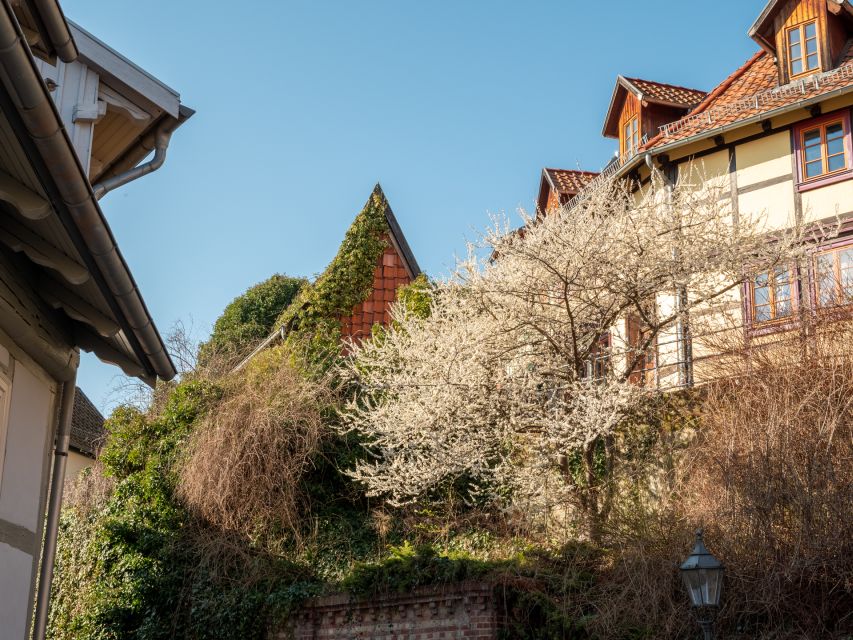
- More than 2,000 timber-framed houses and how to spot their importance
- A guided storyline from Henry I to the present, so you understand what you’re seeing
- Castle Hill near the collegiate church as the natural end point
- Local famous names like Erxleben, Klopstock, and GutsMuths, tied to the city
Quedlinburg’s UNESCO World Heritage feels real on a 2-hour walk
If you have a short day in Northern Germany and you want your first taste of Quedlinburg to count, this tour is a smart way to do it. Instead of wandering and hoping the pieces connect, you get a guided path through the historic core, with context that turns scenery into understanding.
The biggest value here is pacing. Quedlinburg is packed with old-town layers, from medieval power and religious life to the long continuation of the community. A two-hour walking format forces focus, and that makes it easier for you to remember what matters when you leave the castle hill area.
You also get a tour that is clearly built for people who want the highlights, but not a scripted blur. The narration is praised as interesting and wide-ranging, and there’s a sense the guide genuinely enjoys explaining the city.
More Walking Tours in Quedlinburg:
- Quedlinburg: Historical Old Town Evening Walking Tour
★ 4.5 · 148 reviews - Discover Berlin Half-Day Walking Tour
★ 5.0 · 9,624 reviews - Berlin: Third Reich and Cold War 2 Hour Walking Tour
★ 4.9 · 6,830 reviews
Where the walk starts at Market Square (and why it’s a good plan)
You begin right in the center, in front of the tourist information area at Market Square, looking for Quedlinburg-Information. That matters more than it sounds. Quedlinburg is compact, but the old town can feel like a maze if you arrive without a starting point. Starting at the square helps you orient fast and keeps your first impressions grounded.
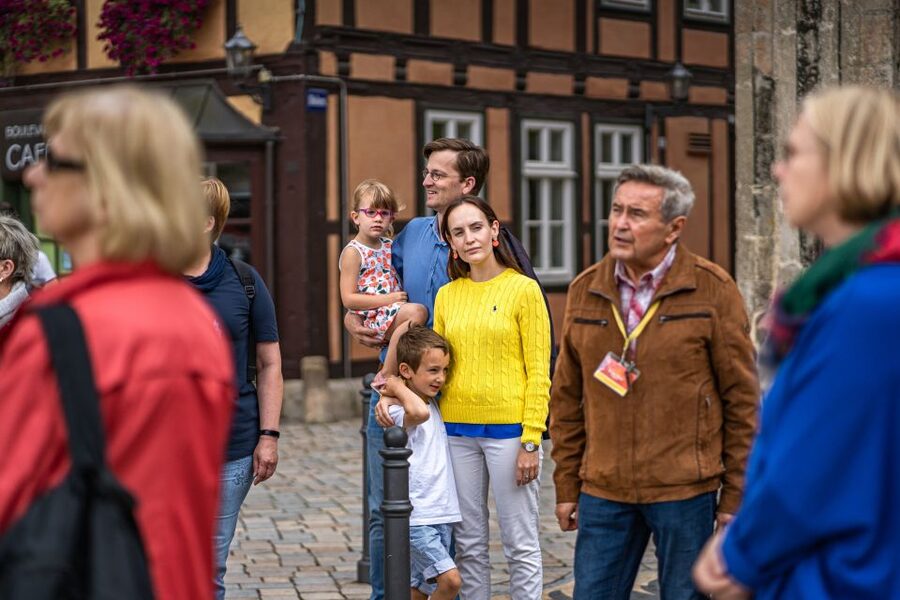
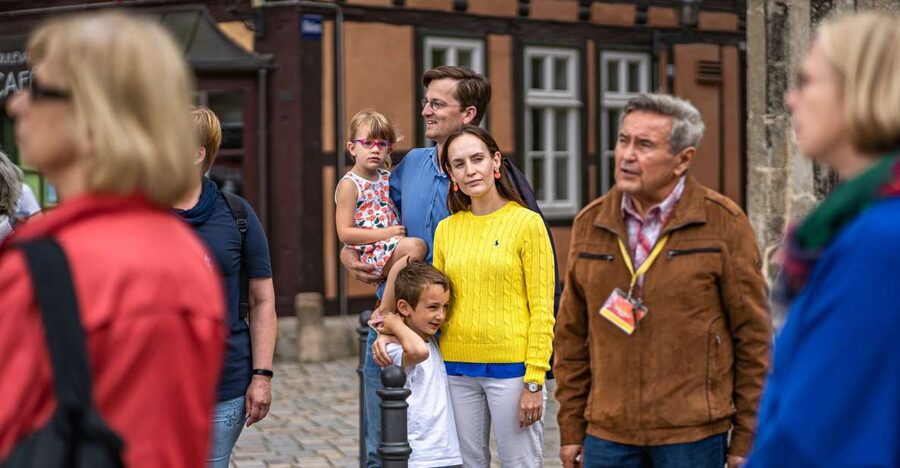
Your guide is easy to spot because they wear a name tag on a (usually) yellow loop. There is no need to exchange a voucher. You simply hand or show it to your guide. That is ideal when you want to spend your limited time walking, not standing in line.
The tour is in German, so if you speak at least basic German or you are comfortable with guided listening, you will get the full benefit. If your German is rusty, you might still enjoy the sights, but the story thread will go fastest when you can follow the guide’s language.
Town Hall, churches, and the old town you can actually make sense of
As you walk through the historic old town, you will focus on the anchors of Quedlinburg life: the town hall and multiple churches. These are not random stops. They help you understand how power, administration, and faith shaped the city over time.
One reason this part works so well for visitors is that these buildings function like landmarks for your mental map. When you later look at timber-framed houses, you can connect them back to what you learned: who built, who maintained, and what kind of community stood behind those walls.
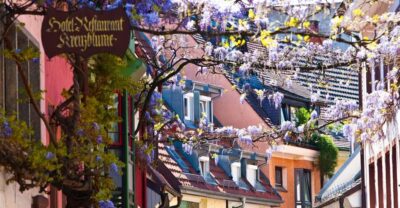
You also get a curated look at the defining visual feature of Quedlinburg: the selection of more than 2,000 timber-framed houses. Even if you already like old architecture, seeing this at walking speed with explanations helps you move beyond surface charm. You start to notice patterns, not just pretty facades.
A practical note: you will be on foot in town streets. The good news is that this is a guided route designed for highlights, so you are not left to guess what to see next.
How the guide ties together 1,100 years, from Henry I to now
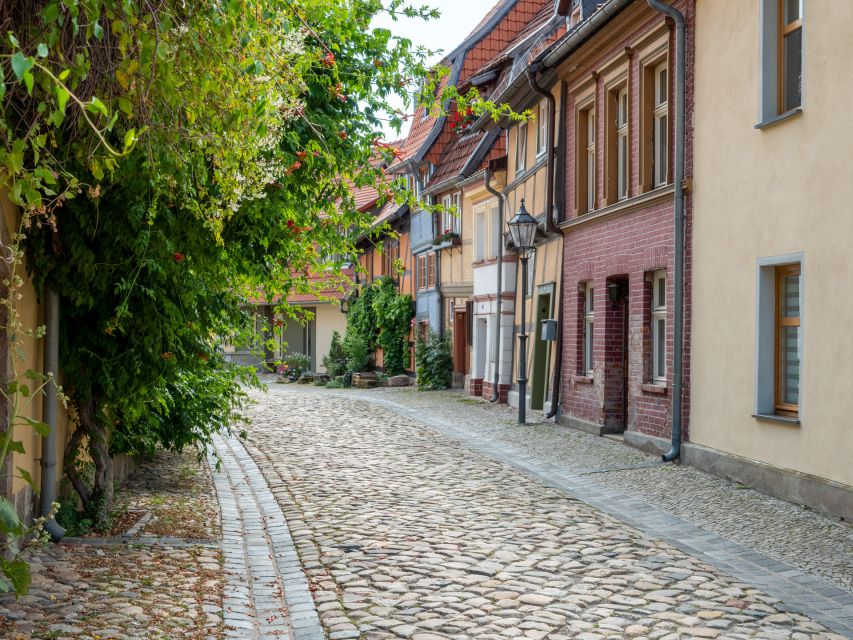
Quedlinburg’s story is long, and the tour is built to make it manageable. The tour frames the experience as roughly 1,100 years, starting with Henry I and continuing to the present. That chronological backbone helps you understand why buildings look the way they do and why the city’s identity didn’t just start yesterday.
This is a big deal for your first visit, because without a guide, old towns can feel like a catalog of architecture. With the explanation, you start to see cause and effect. Medieval rule and early city development set the stage, then later generations carried the culture forward, keeping the historic character alive.
This also explains why the tour calls out “around castle hill” as a key area. Castle hill is not only a scenic ending point. It is one of the town’s structural ideas, a reminder that the city’s layout grew around power and protection. When you connect that to the buildings in town, the whole place clicks.
Famous Quedlinburg names: Erxleben, Klopstock, GutsMuths
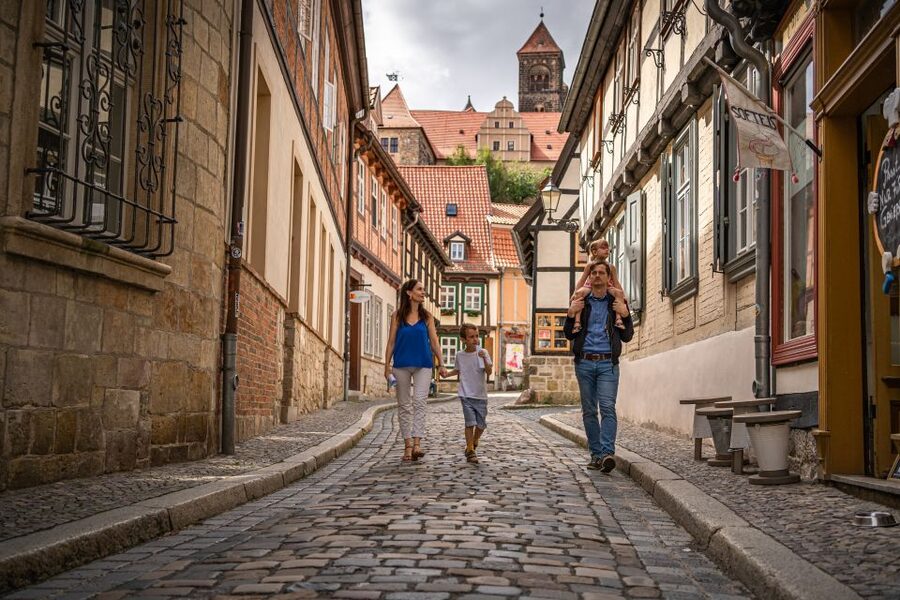
One of the most fun parts of this walk is that it is not only about stone and dates. The tour includes famous sons and daughters connected to Quedlinburg, including Erxleben, Klopstock, and GutsMuths.
Why I think this matters: people bring a city to life. You can walk past a building and still feel nothing, but when the guide ties architecture to real names, the place stops being abstract. It becomes a community that produced writers, thinkers, or innovators, depending on the person, and that gives you something to carry home.
It also gives you a way to keep learning after the tour. If any of these names catch your interest, you can later read up on them and reconnect what you heard to what you saw.
If you like history that goes beyond rulers, this is a nice balance.
Castle Hill and the collegiate church: the natural end point
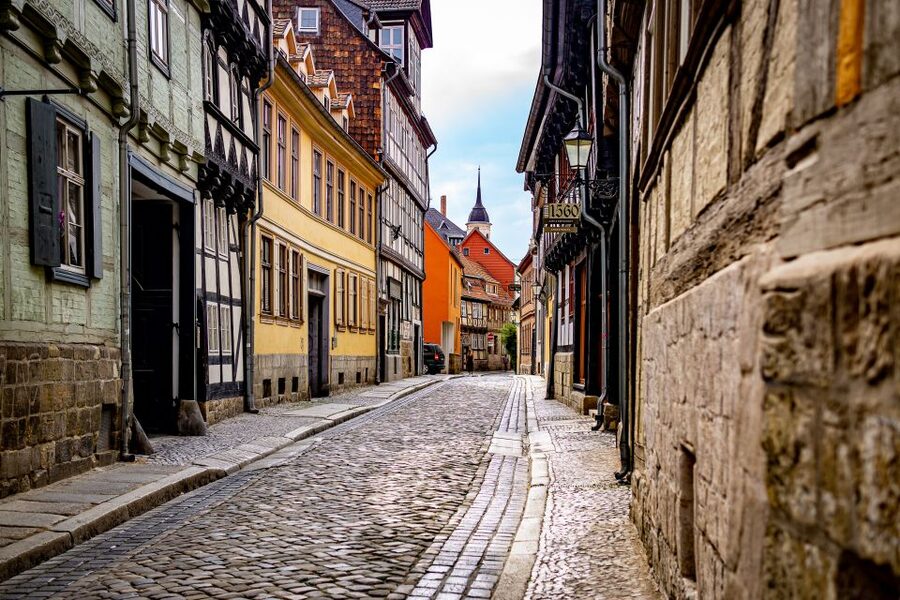
The tour ends at Castle Hill, right next to the collegiate church. That pairing makes sense. Castle hill gives you the setting and the scale, while the collegiate church anchors the religious and civic meaning in the area.
You also get time to make a personal choice at the end. The tour mentions that you have an opportunity to visit the most famous sight after the walk. Since specific options can vary by day and opening hours, think of this as a gentle handoff from guide storytelling to your own exploration.
Now, here’s the consideration to plan around. The route includes a steep path up to the castle. Even if you are fairly fit, you will feel it. Wear shoes with grip and expect a short uphill effort. This is also where rain can change the experience, because slippery surfaces make any climb slower.
What the tour feels like in real life: rain, dogs, and walking shoes
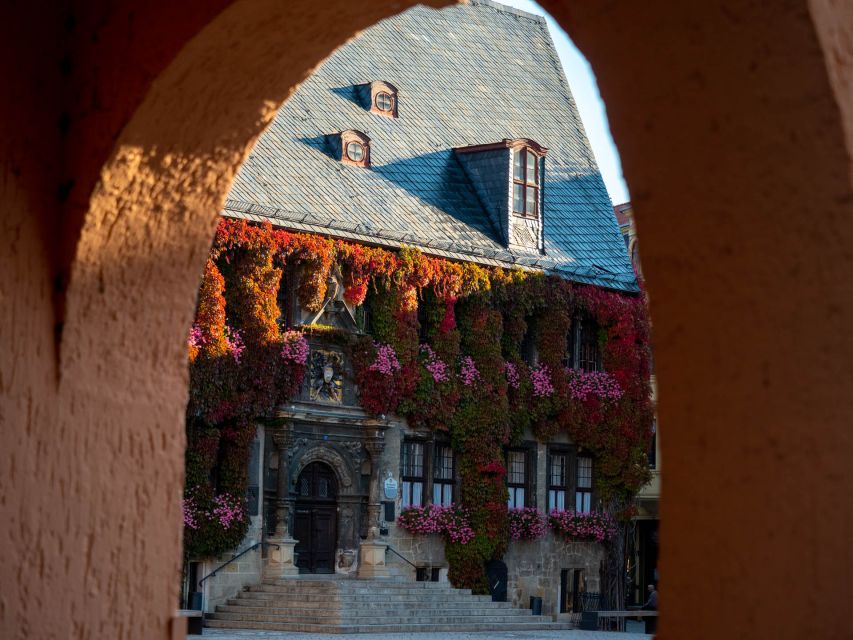
This tour runs rain or shine, so bring a rain layer. If it is wet, slow your pace, especially on the approach to the castle hill path. You do not want to turn a guided highlights walk into a cautious shuffle because you dressed for comfort but not conditions.
Good news: dogs are welcome on the tour. That means the group vibe is less formal and more practical for real life. If you are traveling with a pet, this is a big plus.
One more practical point: the tour is about two hours. That is long enough to learn a lot, short enough to stay energetic. It is ideal when you want to see the key parts of Quedlinburg without turning your whole day into one long logistics marathon.
Price and value: why $11 makes sense for a guided UNESCO highlights walk
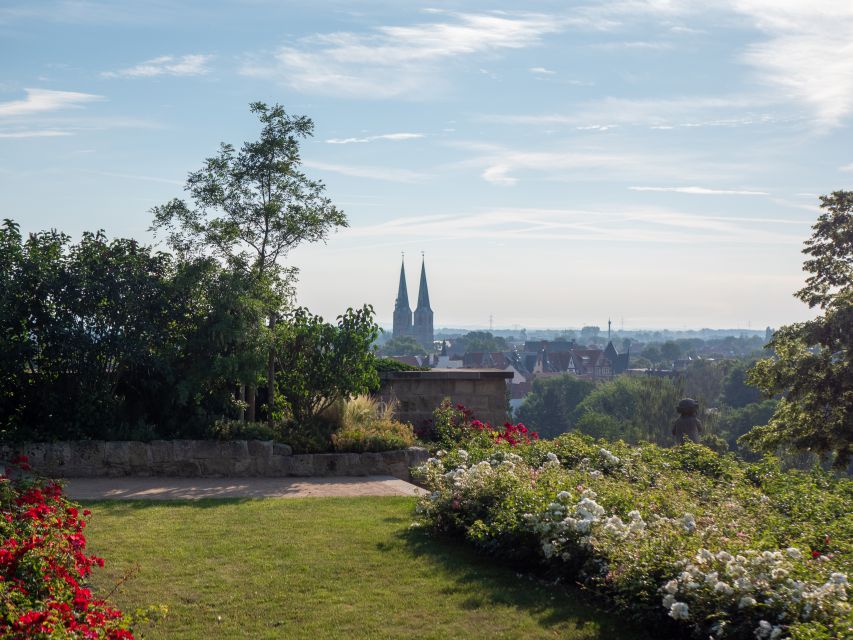
At $11 per person for a 2-hour guided walking tour, the value is mostly in the time you save and the context you gain. Quedlinburg is the kind of place where self-guided sightseeing can be pretty, but slow. You end up spending time figuring out what each building represents.
A guide reduces that friction. You get a clear route, you learn what to pay attention to, and you leave with a better sense of the city’s identity. That matters most on a first visit, when you don’t yet know what to look for.
Also, the cost is low enough that you can pair it with other experiences that do not depend on guided interpretation. For example, after the tour ends near castle hill, you can decide how much time you want for independent exploration based on your energy and interests.
Tickets, entry fees, and how to think about what’s included
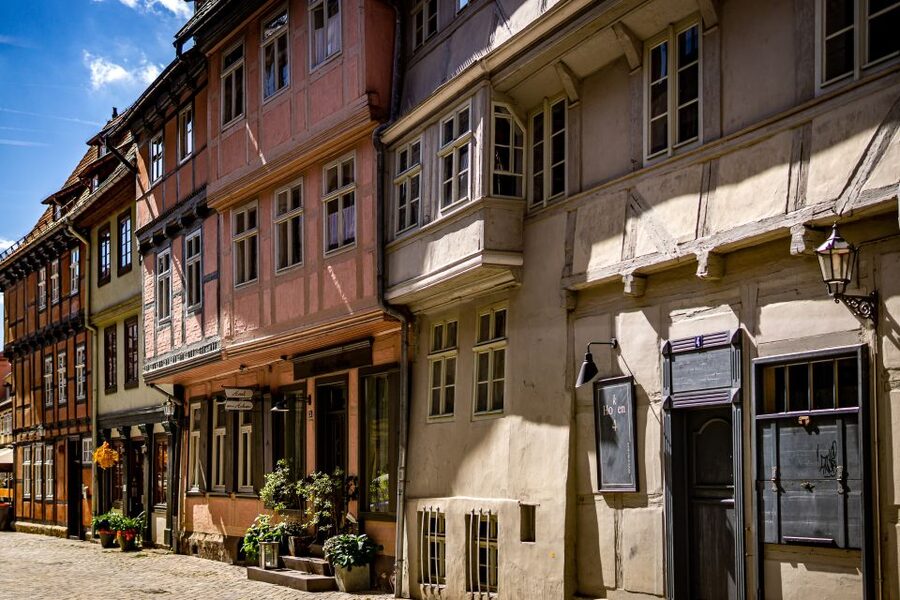
The tour includes a walking tour and a guide. It does not include entry fees, so if you plan to go into paid attractions at the end, budget extra.
It also notes skip the ticket line. I read that as helping you avoid unnecessary waiting connected to the tour experience. Just be aware that entry fees are still not included, so you may still face a payment step if you choose to enter a sight.
If you want the maximum return on your time, plan to finish the tour near castle hill, then choose one main attraction to spend time on, instead of trying to do everything at once.
Who this tour is best for (and who should consider alternatives)
This fits you best if:
- You want a first-time overview of Quedlinburg’s UNESCO old town without getting lost
- You like history explained in a straight, human way, starting with Henry I and moving forward
- You care about understanding why the town looks the way it does, especially the timber-framed architecture
- You want a guide who can point out highlights like town hall and churches while keeping you moving
It might be less ideal if:
- You cannot handle uphill walking, since the steep castle hill path is part of the route
- You prefer a fully self-paced visit, because the tour timing is fixed at about two hours
If you are traveling with kids, it can still work well because the guided storytelling can break up the walk. Just be mindful of the climb and rain.
Should you book this Quedlinburg guided highlights walk?
I would book it if your goal is a smart, efficient first look at Quedlinburg. The combination of UNESCO context, a clear focus on town hall and churches, and a walk that connects the city to people like Klopstock and GutsMuths is exactly what makes a guided highlights tour worth the time.
Book it especially if you want to come away with more than photos. You want a mental map, a sense of why the old town is significant, and a direction for what to explore on your own after the tour ends near castle hill.
If you are traveling on a day with rain or if your knees are sensitive, bring the right shoes and expect the uphill section. Then you will get the best of what this tour is built to deliver: a guided walkthrough that turns Quedlinburg from old buildings into a story you can follow.
FAQ
How long is the Quedlinburg guided city highlights walking tour?
It lasts about 2 hours.
Where do I meet the guide?
Meet at the market square, looking for Quedlinburg-Information.
What language is the tour in?
The live guided tour is in German.
Do I need to exchange a voucher?
No. You can hand or show your voucher to the guide.
Does the tour run in bad weather?
Yes, it takes place rain or shine.
Is there a steep climb during the tour?
Yes. There is a steep path up to Castle Hill.
Are dogs allowed on the tour?
Yes, dogs are welcome.
Are entry fees included?
No, entry fees are not included.
Fresh reviews out of Quedlinburg
- Quedlinburg: Historical Old Town Evening Walking Tour★ 4.5 · 148 reviews
- Premiumstadtführung (historische Altstadt und Schlossberg)★ 4.4 · 627 reviews
- Night Watchman Tour through Quedlinburg★ 4.5 · 1,040 reviews
City Tours, compared.

1-Hour City Tour by Boat with Guaranteed Seating
Read our review →
City History Canal Sightseeing Tour on a Motorboat
Read our review →
Browse the lists this tour appears in