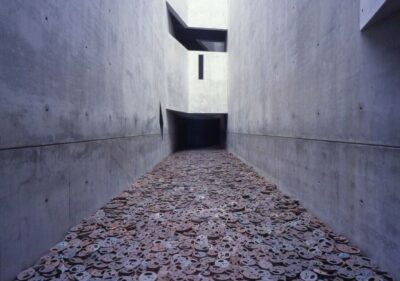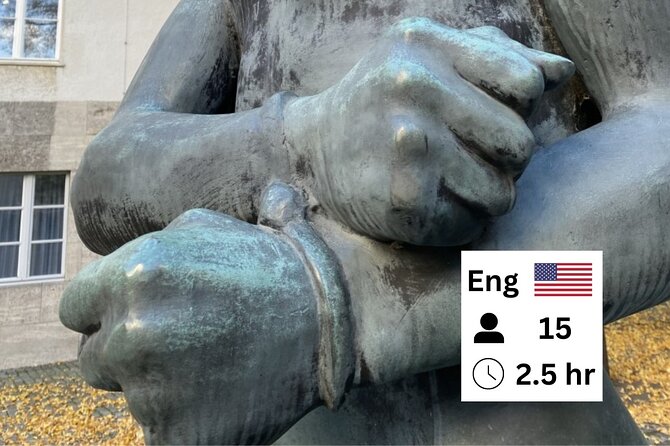
Reviewed · BERLIN TOURS
Path of Resistance: Berlin’s Hidden Holocaust Stories
Berlin can feel like a museum city, but this tour is different because it stays human. You walk through the Jewish old quarter and the surrounding center of Berlin with WWII specialists, and you learn how resistance showed up in daily life, not just in dramatic movies. I especially love the way the guide connects ideology to real people, and the tour’s small group size keeps the Q and A respectful and useful. The main drawback is simple: it is serious material, and the route involves steady walking, so come prepared for emotional weight and good shoes.
Two stops I kept thinking about were Otto Weidt’s workshop, and the memorial ground around the 1933 book burning. The stories of courage are also grounded in real places, like courtyards, plaques, and quiet memorial sites that you would otherwise miss. If you want only the most famous Berlin landmarks, this one may feel more focused and less postcard-like, but it is built for understanding.
Key highlights worth circling
- WWII specialist guides who explain how antisemitism turned into policy and then genocide
- Rare locations in Berlin’s old Jewish area, including memorial traces you might overlook on your own
- Otto Weidt’s workshop and its focus on protecting blind and deaf Jewish workers
- Rosenstraße protest context at the women’s protest site, showing resistance beyond weapons
- May 10, 1933 book burning memorial tied to the Nazi attack on free thought
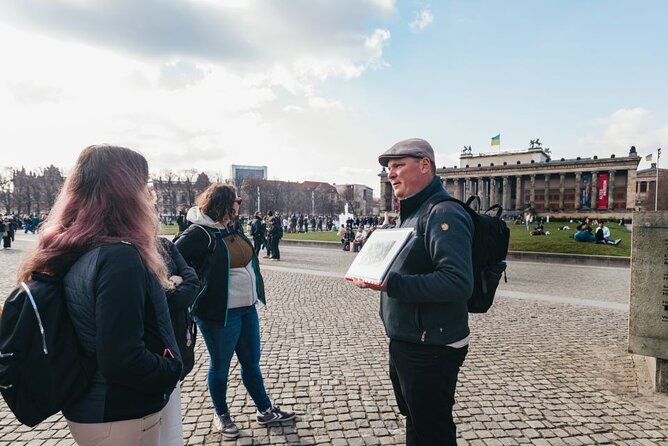
- Then and now visuals with photographs and historical maps to lock the story into the street
A 150-minute walk where Berlin’s streets tell the story
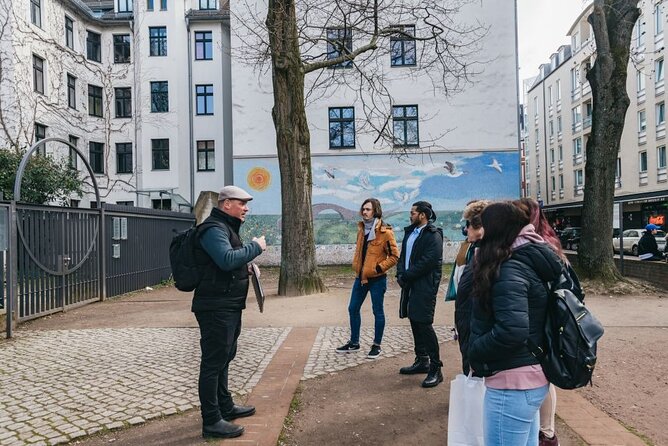
This experience is built as a guided walking tour through locations tied to Jewish life, Nazi persecution, and resistance in Berlin. You are moving through the city’s older fabric, where you can still picture what used to be here, even after the war reshaped so much. The guide keeps the pace conversational, then turns the volume up when it matters, especially when discussing how the Nazis defined who counted as human enough.
One thing I like right away is the framing. The tour doesn’t just list tragedies. It explains how Nazi beliefs worked, including the Nazi idea of Aryan superiority and how they categorized people into so-called sub-groups. When you understand that mindset, the later deportations and persecutions make more sense, even though the reality is still horrifying.
And it is not all doom. You also hear stories of resistance, defiance, and hope. That balance is important. If you only focus on what was taken, you end up with helplessness. If you also see how people tried to resist, you leave with a clearer sense of human agency, even under extreme danger.
Weigh these Berlin picks against each other
- Berlin: Reichstag, Dome and Government District Guided Tour
★ 4.7 · 18,288 reviews - Berlin: 1-Hour City Tour by Boat with Guaranteed Seating
★ 4.3 · 16,993 reviews - Berlin: TV Tower Standard Entrance Ticket
★ 4.4 · 15,883 reviews
Price and time: $57 for entry sites and expert storytelling
The price is $57 per person for about 150 minutes. That time slot matters because it is long enough to connect multiple historical threads, but not so long that you spend the whole day dragging yourself across town. You also get museum and memorial entry included, plus supporting materials like then and now photographs and historical maps.
What really drives value here is the guide format. You are in a small group, and the tour includes interactive discussion and Q and A. You can ask the basic questions that matter, like how resistance looked in everyday German life, or how Berlin’s Jewish community was structured before the Nazi crackdown. For a topic this heavy, that kind of guided explanation is worth paying for.
If you are trying to maximize value in a short Berlin stay, this tour fits well. It is also a strong choice if you already plan to visit major memorials, because it adds the missing layer of neighborhood context and human-scale stories.
What makes the guide approach effective
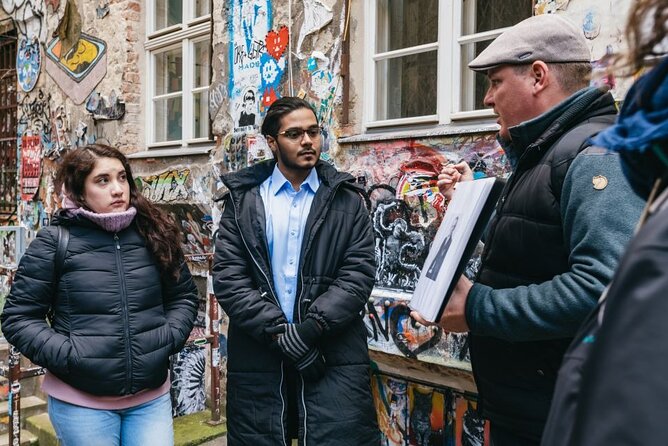
This is described as being led by Berlin’s WWII specialists, and the results show in how the story is delivered. The guide does not just name locations. He ties each place to a specific human thread, then uses maps and photos to help you see continuity and change across time. In one sample guide experience, the historian Johan stood out for explaining not only Jewish and German resistance to Nazi rule, but also how German Jews in Berlin had origins that shaped community life. That kind of context helps you avoid treating the Holocaust like a single isolated event. It was a process that crushed an existing world.
You can also tell the tour is designed to be respectful. You are not asked to rush or take the focus away with jokes. The small group format supports that tone. The guide can slow down when you need clarity, especially around difficult topics like deportations and how antisemitism became state-sponsored policy.
Finally, the tour offers insider recommendations for what to see next. That is useful because, after a tour like this, you usually want one or two follow-ups. The guide’s suggestions help you turn learning into action, not just a one-time experience.
Start at the Former Imperial Post Office, then read the neighborhood
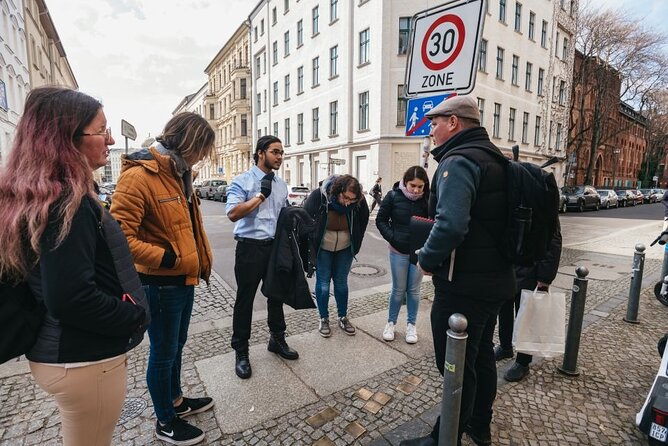
You meet at the former Imperial Post Office, and the guide will be holding a blue umbrella at the main entrance. Arrive about 10 minutes early so you can get oriented before the story begins. It is also a good moment to check that you have the basics: comfy walking shoes, water, and rain protection.
From the start, the tour makes a key point: you are not only moving between memorials. You are moving through Berlin’s geography of memory. Even the first steps help you understand that this part of town had a deep community life before Nazi persecution tore it apart.
Another way to spend a Berlin afternoon:
- Berlin: Boat Tour Along the River Spree
★ 4.4 · 11,252 reviews - Discover Berlin Half-Day Walking Tour
★ 5.0 · 9,624 reviews - Berlin: Government District around the Reichstag Guided Tour
★ 4.7 · 8,447 reviews - Berlin: Reichstag, Plenary Chamber, Cupola & Government Tour
★ 4.6 · 8,422 reviews
New Synagogue Berlin, Jewish Centre
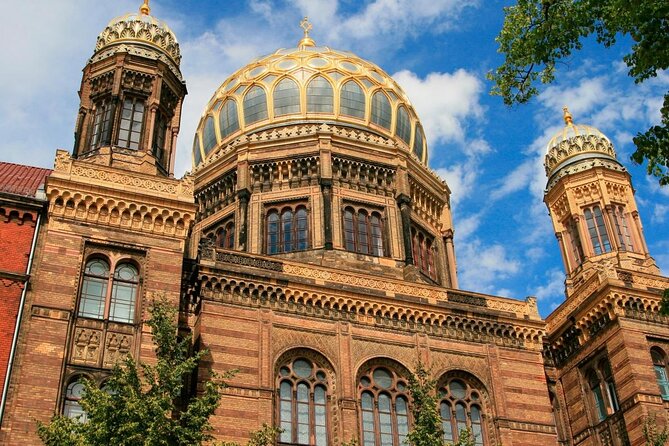
The tour spends time at the New Synagogue Berlin – Jewish Centre. This stop matters because it gives you a visible marker of Jewish presence and community space. You are not just starting with loss. You are starting with the fact that there was a living community here, with institutions that anchored daily life.
If you only visit a few memorials, you might accidentally treat the Holocaust as a blank space where history ended. Starting with a Jewish center helps prevent that. You learn that persecution came after years of established Jewish life in Berlin.
Jüdisches Gymnasium Moses Mendelssohn
Next comes the Jüdisches Gymnasium Moses Mendelssohn. Schools and education buildings are powerful story tools because they sit at the intersection of identity and future. When the Nazis targeted Jewish communities, education and cultural development were part of what they tried to erase.
What I like about this tour is the way it keeps shifting scale, from buildings to policies to personal lives. You are constantly asked to imagine what it meant to grow up with a future, and then have it stolen.
Grosse Hamburger Strasse Cemetery, Berlin’s oldest Jewish cemetery
Then you reach the Grosse Hamburger Strasse Cemetery, described as Berlin’s Oldest Jewish Cemetery. Cemeteries are heavy places, but they also bring clarity. Names, dates, and the physical stillness force you to slow down.
This is where the emotional tone of the tour begins to lock in. The guide gives you historical context, but you also get a chance to pause. If you tend to move through memorials fast, this stop will likely demand your attention, in the best way.
Otto Weidt’s workshop: courage in a practical, human shape
One of the most moving stops is Otto Weidt’s Workshop for the Blind. This is the place where the tour turns from documentation into everyday moral action. Weidt is remembered for shielding blind and deaf Jewish workers from persecution. That detail matters because it shows resistance with limitations and constraints, not superhero fantasy.
It is also a reminder that survival often depended on small decisions made by people who could have looked away. When you stand at the site and hear how he used his workshop life as protection, you get a different lens on resistance. It was not only protests and hiding places in movies. Sometimes it was work, structure, and targeted help.
Hidden Jewish memorials and Stolpersteine
The tour also points you toward hidden memorial traces in Berlin’s older quarters, including Stolpersteine memorials. These small brass markers are easy to miss, which is exactly why a guided walk helps. You start noticing how the city itself carries reminders in plain sight, like footnotes embedded in sidewalks.
A practical tip: when you see Stolpersteine, stand still and read. Don’t treat it like a quick photo moment. The guide will help you connect those traces to the broader story, but you also need a minute to let the names and dates register.
The women’s protest at Rosenstraße and what resistance looked like
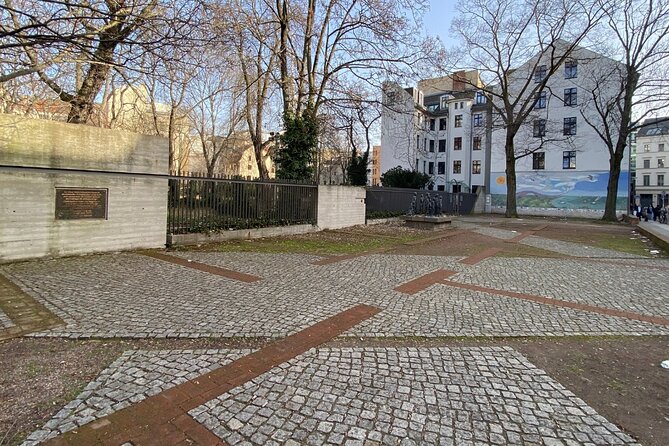
The tour includes time at the Block of Women, tied to the Rosenstraße protest. This is one of those moments where you see resistance as collective action, not just individual bravery.
Rosenstraße is remembered because German women stood up to demand the release of their Jewish husbands. Hearing this as you walk nearby makes the history feel less abstract. It also challenges a common misconception that resistance always looks like armed conflict. In this story, resistance includes courage in public, organized pressure, and refusing to accept the Nazi narrative as normal.
This stop also helps you understand something the tour does repeatedly: resistance took many forms, from quiet bravery to collective action. The guide keeps the emphasis on what people did, not just what happened to them.
Deportation themes and the shift from harassment to removal
The tour also references a former deportation centre and the grim machinery of Nazi persecution. You will connect these ideas through the walk, rather than learning them as a separate history lesson. When the story shifts toward deportation, you can see how early persecution set the stage for mass removal.
That is one reason the tour’s pacing works. It builds understanding so the later sites do not feel like isolated shocks.
Museum Island and Neue Wache: where memory asks for your pause
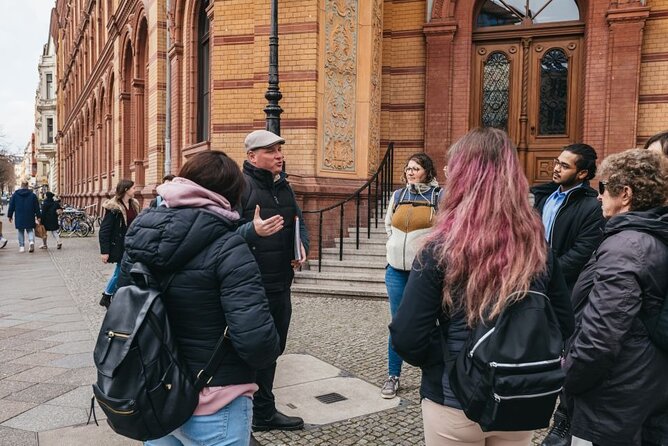
After the Jewish quarter stops, the tour moves toward Berlin’s center of memorial space.
Museum Island
The stop at Museum Island gives a different kind of context. Museums and cultural spaces matter here because the Nazis also attacked knowledge and cultural institutions. The tour uses the city’s major cultural geography to connect past and present, and to show how public memory works in Berlin today.
This part of the tour is also a useful “reset” after intense stops. You get a moment of wider view, before the story returns to the Nazi campaign against ideas.
Neue Wache
Then you reach Neue Wache, where the tour encourages reflection. This is not the kind of stop you rush. Even with a guided explanation, you need to give yourself space to absorb what you are looking at.
I appreciate that the guide does not overload you with facts here. Instead, the stop helps you shift gears from learning to processing. For many people, that is where the tour becomes memorable, because your brain finally catches up with your feet.
May 10, 1933 book burning at Bebelplatz: when Nazis targeted thought
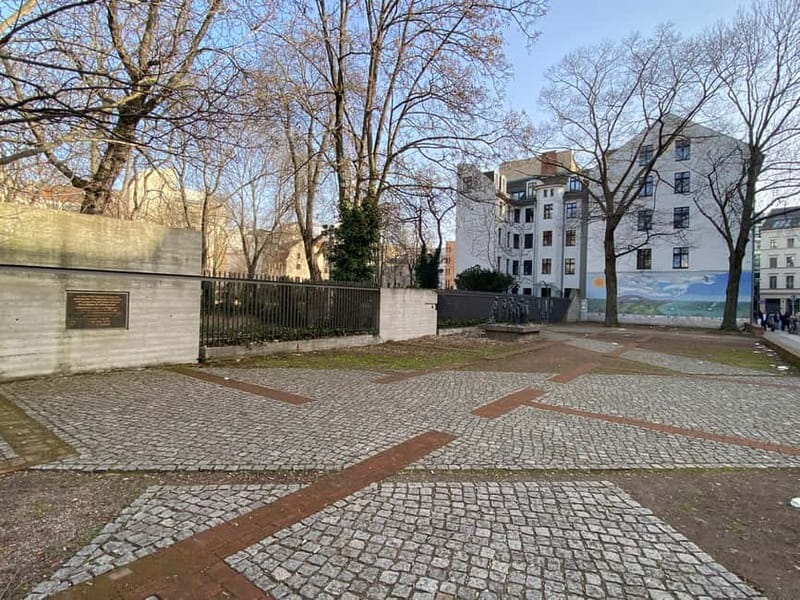
One of the most direct Nazi-to-street moments is the Memorial to May 10, 1933 Nazi Book Burning. This is tied to Bebelplatz, the site where the 1933 book burning became a signal. The Nazi campaign against free thought and intellectual freedom is not treated like symbolism. It is presented as a step in the same system that later targeted human lives.
It is a sobering way to learn. You stand in the place where books and ideas were treated as enemies, and you can feel how ideology becomes enforcement. When you connect that to the earlier discussion of Nazi racial thinking, it clicks: the same state logic that categorized human beings also tried to control what people could believe and know.
If you care about freedom of expression, this stop will land hard. The guide makes clear this is not just about the past. It is about the way authoritarian movements use fear to control language, learning, and culture.
Trains to Life and Trains to Death, ending at Friedrichstraße
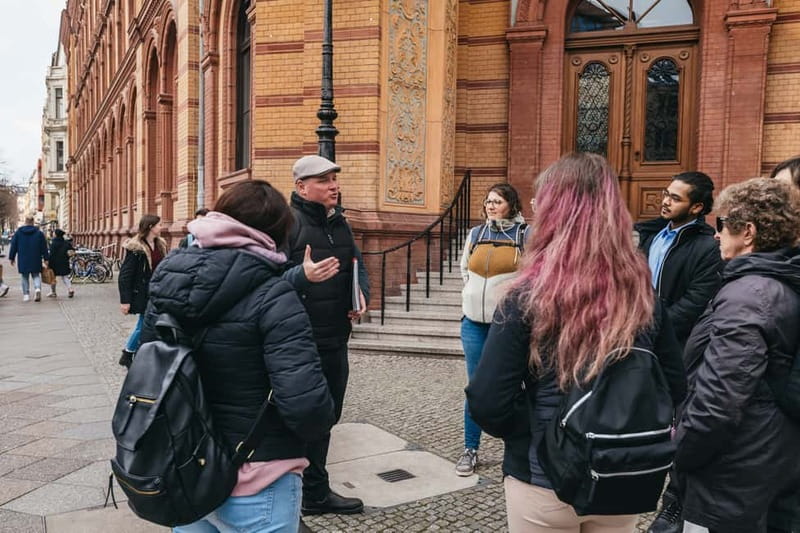
The final stretch includes Trains to Life – Trains to Death. Even from the title, you get the contrast the guide wants you to see: what the Nazis did to families, and what certain individuals did to help people escape.
This is also where the tour brings in the story of Nicholas Winton, often called the British Schindler. Winton helped hundreds of Jewish children escape the Holocaust. Connecting that rescue story to the transport theme helps you see the timeline more clearly. It also keeps the tour from becoming purely one-directional despair.
You finish at Berlin Friedrichstraße station. Ending near a major transit hub is practical. You are not stuck on the edge of nowhere after an intense walk. It also gives you an easy next step, whether you want to head back to your hotel or continue exploring nearby areas on your own.
Who should book this tour, and who might want something else
I think this tour is a great match if you:
- want a small group WWII-focused walking experience with serious historical context
- care about Jewish community life, not only the aftermath
- like when a guide uses then and now photos and maps to make the past visible
- want resistance stories that include ordinary people, including women, workers, and helpers
You might choose something different if you:
- prefer light and broad sightseeing, because this walk is emotionally heavy and focused
- want only the most famous Berlin stops, because the best value here is in the lesser-known, street-level memorial sites
Still, if you come ready to walk and ready to listen, the tour leaves you with more than dates. You leave with names, places, and a clearer sense of how resistance can look like a decision made at street level.
FAQ
Where is the meeting point, and how do I find the guide?
The tour meets at the former Imperial Post Office. The guide will be standing at the main entrance holding a blue umbrella. Please arrive about 10 minutes early.
How long is the walking tour?
The tour lasts about 150 minutes.
How much does it cost?
The price is $57 per person.
How big is the group?
It is a small group, limited to 10 participants.
Is the tour wheelchair accessible?
Yes, the tour is listed as wheelchair accessible.
What language is the tour in?
The tour is in English.
What should I bring, and is food included?
Bring comfortable shoes, an umbrella, and water. Food or drinks are not included.
Can I cancel and get a refund?
Yes. You can cancel up to 24 hours in advance for a full refund.
Is the tour affected by weather?
Yes, it runs in all weather conditions, so dress appropriately and bring rain protection or sun coverage if needed.
Fresh reviews out of Berlin
- Gastro Tour with Klaus though the Wrangelkiez, Kreuzberg★ 5.0 · 9 reviews
- Wall Tour Berlin – Fates, Heroes & Love Stories★ 4.0 · 9 reviews
- Berlin City Tour with Hotel pick up and Drop off★ 4.0 · 9 reviews
- Berlin Private Street Art Tour – Off The Grid★ 5.0 · 9 reviews
- Romantic Berlin Rickshaw City and Photo Tour – incl. pick-up★ 4.0 · 9 reviews
- Quatsch Comedy Club Berlin: Quatsch Comedy Hot Shot★ 4.8 · 9 reviews
- Berlin Urbex Adventure and History Tour★ 5.0 · 9 reviews
- Stag Party Berlin: Celebration for Your Bachelor Party★ 3.4 · 9 reviews
Berlin Tours, compared.
Reichstag, Dome and Government District Guided Tour
Read our review →
1-Hour City Tour by Boat with Guaranteed Seating
Read our review →
Government District around the Reichstag Guided Tour
Read our review →
Reichstag, Plenary Chamber, Cupola & Government Tour
Read our review →