
Reviewed · MUSEUMS
Heusenstamm:tour of the Depot of the museum of communication
If you think communication history is just old gadgets in glass cases, this tour will fix that idea fast. The Museum Depot in Heusenstamm turns tech into something you can see up close and even pose with before it becomes a story.
I like two things most. First, the world’s largest collection of telephones is the backbone of the visit, so you leave with a clear sense of how messaging and sound traveled over time. Second, you get to photograph yourself with rare historic vehicles and big display pieces, which makes the past feel oddly personal. The main drawback is simple: with so many objects, 1.5 hours means you will not see everything, even though you might want to.
You also get a practical bonus: the guided depot time is short, but the ticket includes entry to the Museum of Communication Frankfurt, so you can connect the dots at your own pace. Best move: give yourself enough buffer time, especially if you plan to come on a Friday afternoon when roads can be crowded.
Key points to know before you go
- A guided walk through Heusenstamm’s Museum Depot focused on the history of communication and design
- 375,000 objects represented in one place, so the scale hits quickly
- Historic TVs, radios, and telephone technology from early receivers to later networking themes
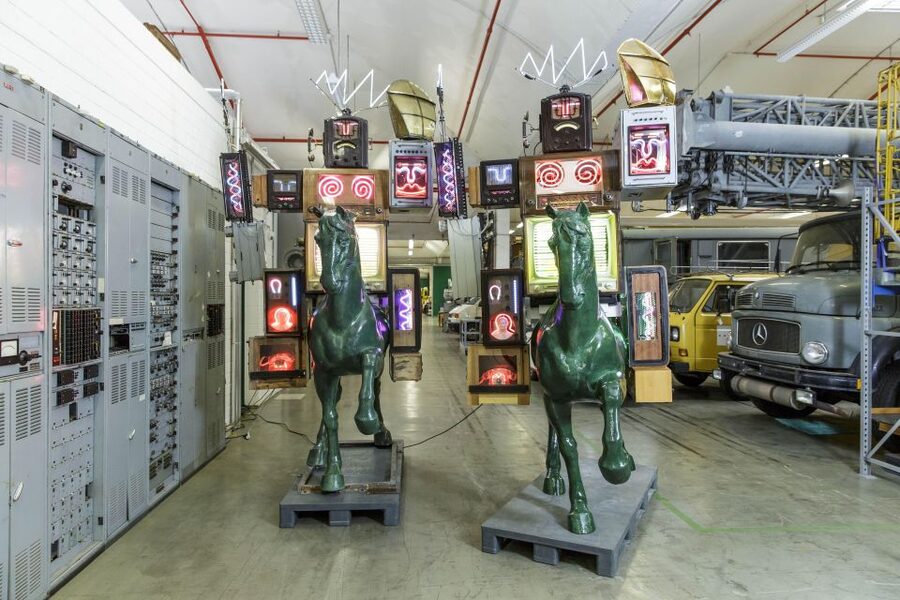
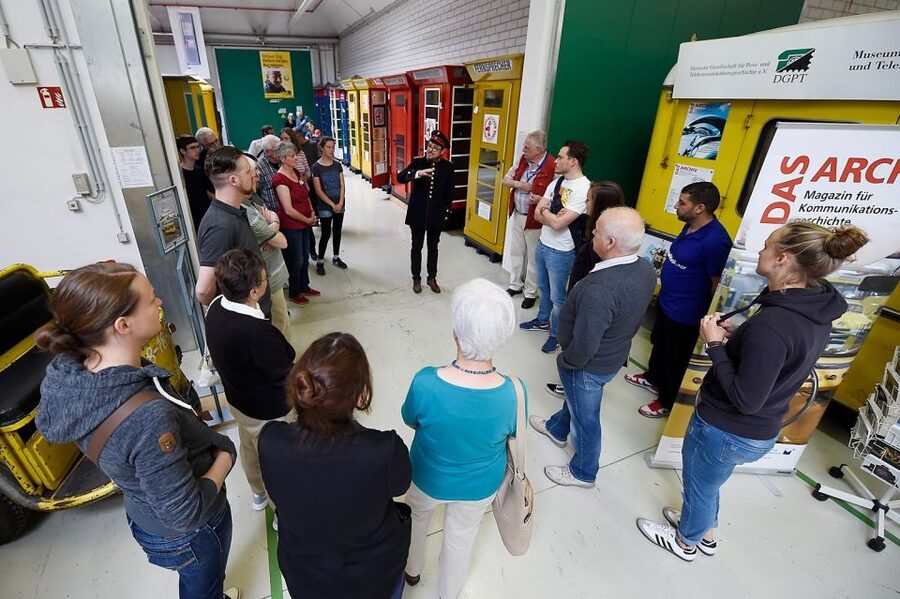
- Big display pieces like telephone boxes, buses, and even sleigh-like objects
- Art included too, with paintings spanning from the 17th century to contemporary works
- German live guide, so come ready for guided context in German
Heusenstamm Depot: why communication history feels real
What makes this experience special is that it treats communication as more than a timeline. You do not just learn dates. You get surrounded by the physical evidence of how people talked, listened, wrote, and moved information.
The Museum Depot in Heusenstamm is built for that feeling. Even if you know a little about phones and radios, the depot format changes your perspective. Old equipment sits in an environment that makes it easier to understand how bulky, mechanical devices shaped everyday life. You can almost imagine the workflow: someone turns a dial, a message changes hands, a network expands, and suddenly communication is not just local.
One practical reason I’m a fan of guided time here is that the guide helps you pick what to notice. You are surrounded by objects, but you still need a thread to follow. The tour gives you that thread around the evolution of communication and the creativity behind it, not only the shiny headlines.
What you will see: TVs, radios, huge objects, and the telephone story
The tour experience is anchored by one big idea: communication technologies changed shape, size, and purpose over time. That shift becomes visible as you move through the depot.
1930s television and radio design icons
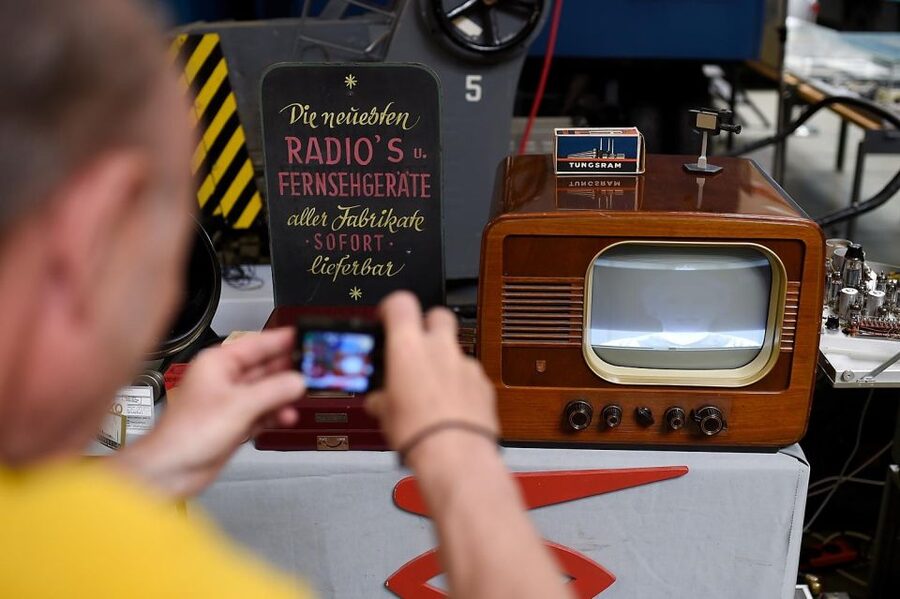
Expect to encounter rare television sets from the 1930s, along with radio design that looks like industrial design history, not just electronics. You can stand in front of these pieces and notice how form followed function. Buttons, dials, speaker placement, and cabinet shapes tell you what engineers expected people to do with the device.
Even if you are not an electronics person, this part works because it teaches you to look. Early media tech had a different relationship with the household. The design choices weren’t random. They reflect where signals came from, how sound traveled, and what users needed.
Large objects that turn everyday infrastructure into museum pieces
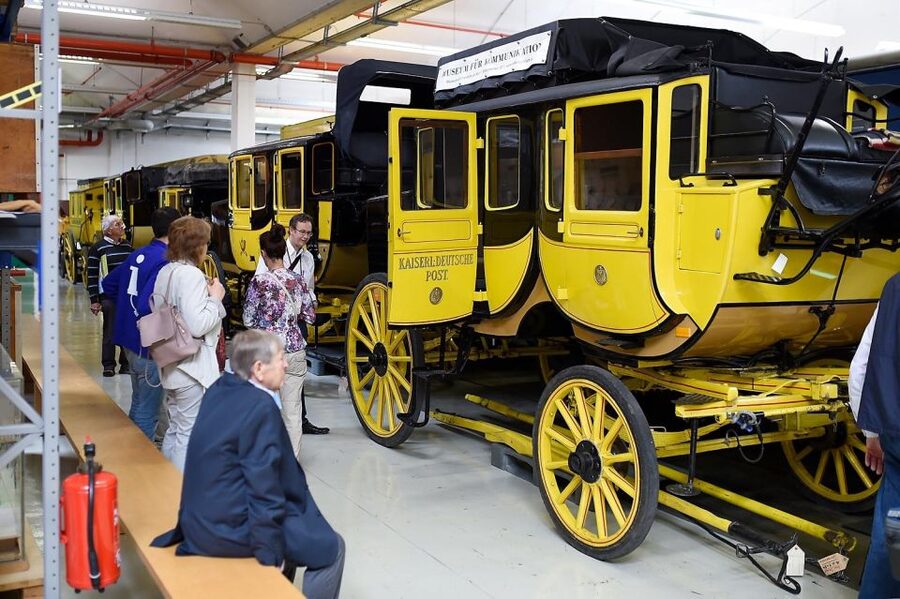
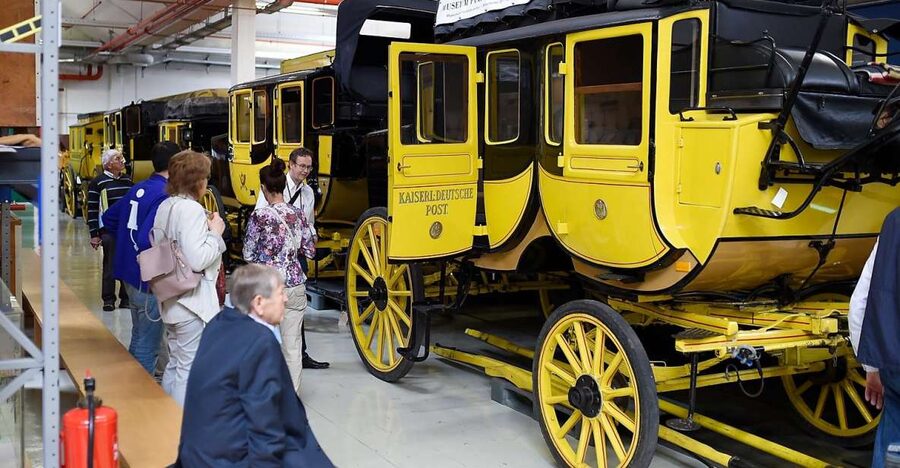
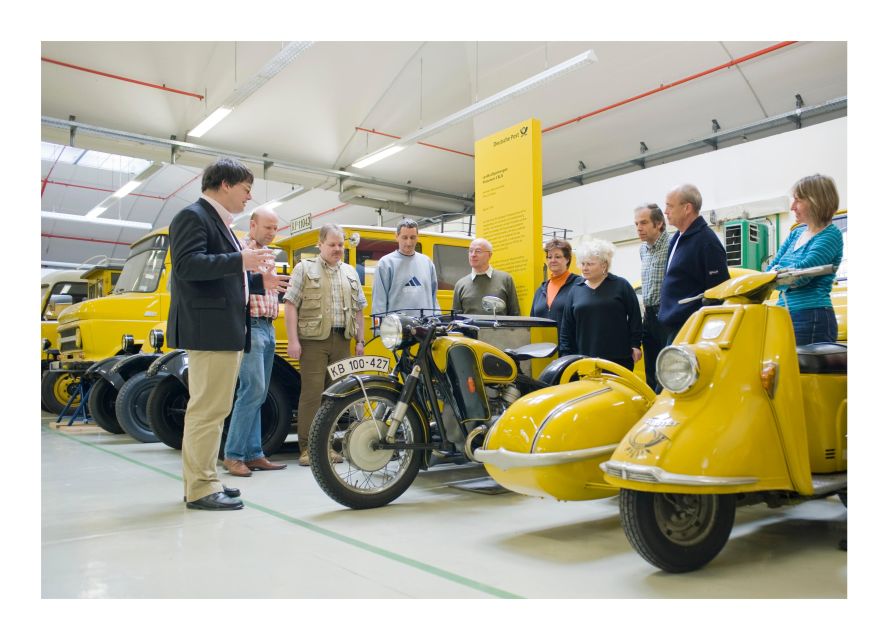
The museum depot is also where communication becomes physical scale. You might see large display objects such as sleighs and buses, plus telephone boxes. The point is not nostalgia for its own sake. These big pieces help you understand how communication systems were built into public life, not just private homes.
And yes, the tour includes a moment where you can photograph yourself with rare historic vehicles. That is more than a fun photo stop. It also helps you remember the “human size” of older communication setups. They were not always small, sleek, and pocketable.
The telephone collection: from tube receivers to later networking themes
The headline feature is the telephone collection, described as the world’s largest. As you move through it, you’ll see the development from tube receivers to later themes that connect to modern media ideas, including internet radio and global networking.
This is where the tour earns its value. Phones are not just tools. They are symbols of connection. And as the forms change, you can track how communication became easier, faster, and more connected across distance. The guide helps you interpret why those changes mattered, not just what the devices look like.
1.5 hours on 375,000 objects: how to get the most value
Let’s be honest. 375,000 objects is so large it sounds impossible to fit into 1.5 hours. The trick is that this is not a “see everything” tour. It is a guided highlights walk through enough of the collection to give you a strong starting point.
Here’s how to think about the time: your goal is not to memorize models. Your goal is to build a mental map. The guide’s context helps you understand the categories, the evolution, and what makes certain items important. Once you have that map, you can use your own curiosity afterward, either in the depot areas you want to linger longer in or when you visit the Frankfurt museum entry included with your ticket.
The reviews back up this idea: people often say there is much more to see than you can fit in the slot. That is not a complaint if you treat the tour like a strong first look. I’d even call it a smart way to avoid museum fatigue. You get momentum, not overload.
A small but real practical consideration
Friday afternoons can get slow. Roads can be busy, and one review noted that the entrance area can be partly obscured by a roadside agricultural sales setup. Translation: plan extra time, and do not wait until the last minute to find parking or an approach route.
The art side: paintings in a communication museum
One surprise that makes this tour better than a typical “tech museum” visit is the art component. The collection includes more than 300 paintings, spanning from the 17th century to contemporary works.
Now, you might wonder why paintings belong in a place focused on messages and networks. The value is that communication is cultural, not only technical. Art often captures how people imagine the world, how they represent distance and information, and how technology changes everyday life. Even if you only spend a few minutes with these works, they broaden the visit beyond gadgets.
I like this mix because it balances your brain. After looking closely at electronics, you get a chance to shift to color, style, and subject matter. That mental change helps you carry the story longer, instead of treating the tour as a checklist of devices.
Photographing historic vehicles and posing with the past
If you enjoy travel photos, you’ll probably appreciate the tour’s built-in chance to photograph yourself with rare historic vehicles. It’s not the kind of photo stop that feels random. It connects to the depot’s main theme: communication systems were tied to movement and public spaces.
A quick tip: treat the photo moment like a “pause” in the tour rhythm. Do not rush it. Spend ten extra seconds looking at how the vehicle display ties into the wider collection. When you come home and sort photos later, those small observations will help you remember the bigger story.
Also, check the overall pace of your group. Since the tour is only 1.5 hours, you’ll want your photo timing to fit the flow so you do not end up feeling behind.
Frankfurt access: connect the depot story to a larger visitor museum
Your ticket does not stop at Heusenstamm. It also includes entry to the Museum of Communication Frankfurt. This matters because it helps you avoid one of the most common museum annoyances: seeing a tiny slice and then wondering what you missed.
The depot visit gives you depth through scale and specialized objects. Frankfurt can then serve as your bridge into a more visitor-friendly museum layout. Even if you do not plan to read every label in Frankfurt, you’ll likely recognize themes you just learned about at the depot. That makes your time feel less scattered and more like one continuous learning journey.
People sometimes notice that the Frankfurt museum display can feel like only part of the total collection. That is exactly why the depot tour is such a good match. You get the sense that the real “volume” of objects exists somewhere else, and you get to see why that matters.
Price and value: is $16 worth it?
At about $16 per person, this tour is priced like a smart add-on rather than a major splurge. The best part is what you get for that money.
You receive:
- Entry to the Museum Depot in Heusenstamm
- A 1.5-hour guided walking tour
- Entry to the Museum of Communication Frankfurt
For value, the key is the combination. Many museums give you one building. Here you effectively get two experiences, one guide-led and one self-paced. In addition, the depot visit is structured around interpretation. You are not just walking around alone. A German live guide helps translate why objects matter.
The value gets even better if you are the kind of person who enjoys learning the “why” behind design choices. If you only want quick entertainment, it might feel more educational than casual. But if you like seeing technology turn into human story, the price feels fair.
Who this tour suits best
This experience is a strong fit if you like:
- technology and design history, especially in everyday objects
- museums that explain systems, not just showcase items
- photography moments that are tied to the theme
- a mix of art and tech in one place
It may be less ideal if you want a long, slow visit with lots of free roaming time. The guided part is only 1.5 hours, and the collection scale is huge. You will likely need a second visit later if you catch the bug.
Should you book this tour?
I think you should book this tour if you want a fast, guided way to understand communication history in a place built for serious collections. The combination of depot focus, telephone evolution themes, historic media devices, and art is a good deal for the money.
Book it with confidence if you value context from a live German guide and want the chance to photograph yourself with historic vehicles. Plan extra arrival time, especially on Fridays, and treat the 1.5 hours as a strong kickoff, not the final word. If you do, you’ll leave with more than photos. You’ll leave with a clearer sense of how communication shaped everyday life, step by step.
FAQ
How long is the guided tour?
The guided walking tour in the Museum Depot Heusenstamm lasts 1.5 hours.
How much does it cost?
The price is $16 per person.
What language is the tour guide?
The live tour guide is German.
What does my ticket include?
Your ticket includes entry to the Museum Depot in Heusenstamm, the 1.5-hour guided walking tour there, and entry to the Museum of Communication Frankfurt.
What will I be able to see during the depot visit?
You can expect rare television sets from the 1930s, radio history design highlights, large objects like sleighs, buses and telephone boxes, and a guided look through the world’s largest collection of telephones, plus an art collection with more than 300 paintings.
Are food and drinks included?
No. Food and drinks are not included.
Can I cancel for free or pay later?
Yes. You can cancel up to 24 hours in advance for a full refund, and the option to reserve now and pay later is available so you can keep plans flexible.
More Museums in Heusenstamm
- Berlin: Jewish Museum Berlin Entrance Ticket
★ 4.5 · 8,393 reviews - Berlin: DDR Museum Tickets
★ 4.3 · 3,443 reviews - Berlin: Natural History Museum Entrance Ticket
★ 4.6 · 3,382 reviews - Berlin: Neues Museum Entry Ticket
★ 4.6 · 3,261 reviews
Museums, compared.


Skip-the-Line: Berlin Wall Museum at Checkpoint Charlie
Read our review →Browse the lists this tour appears in