
Reviewed · HISTORICAL TOURS
Hamburg: UNESCO-World Heritage Sites Tour
Hamburg is a city where trade literally shaped the streets, so it feels more like walking through a timeline than sightseeing. I love how the Kontorhäuser office buildings are explained as real business tools, from clerks to money counting tables. I also like the Speicherstadt warehouses, with their red-brick character plus hands-on details like old rope winches and carpet storage.
The main thing to plan for is practical. The tour runs in all weather, and it’s a German-language guided walk, so you’ll want to be comfortable following German narration. With just 2 hours, you’ll cover a lot of ground, which is great if you like efficient tours, but it means comfy shoes and staying focused.
Key highlights you will actually feel on the walk
- UNESCO focus without museum fatigue: you get architecture and port context, not just standing and pointing.
- Kontorhäuser explained like a workplace: clerks and counting tables make the buildings make sense.
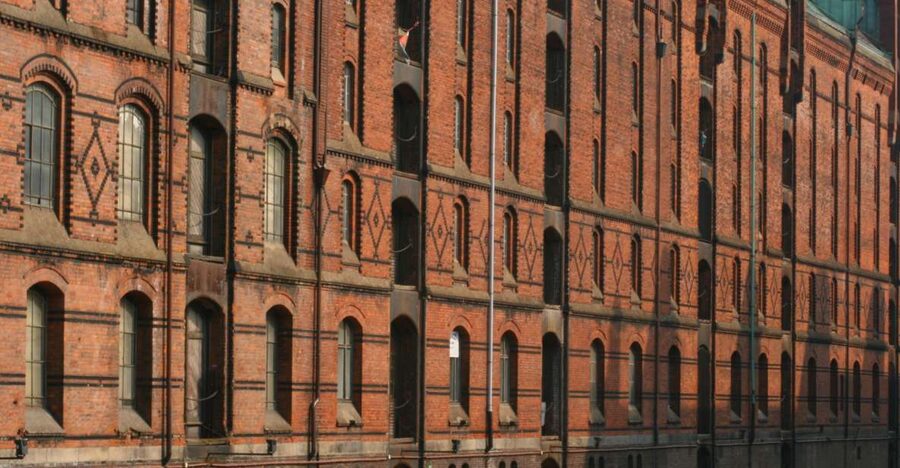
- Speicherstadt visuals at street level: red-brick warehouses, canals, and dock promenades for real atmosphere.
- Old technology details: rope winches and carpet storage add texture beyond photos.
- Port stories with sensory props: pictures and spice samples help you connect global trade to what you see.
- Saturday ferry shortcut: a short ferry ride is added only on Saturdays for a different perspective.
Starting at Jacobikirche: where the UNESCO story begins
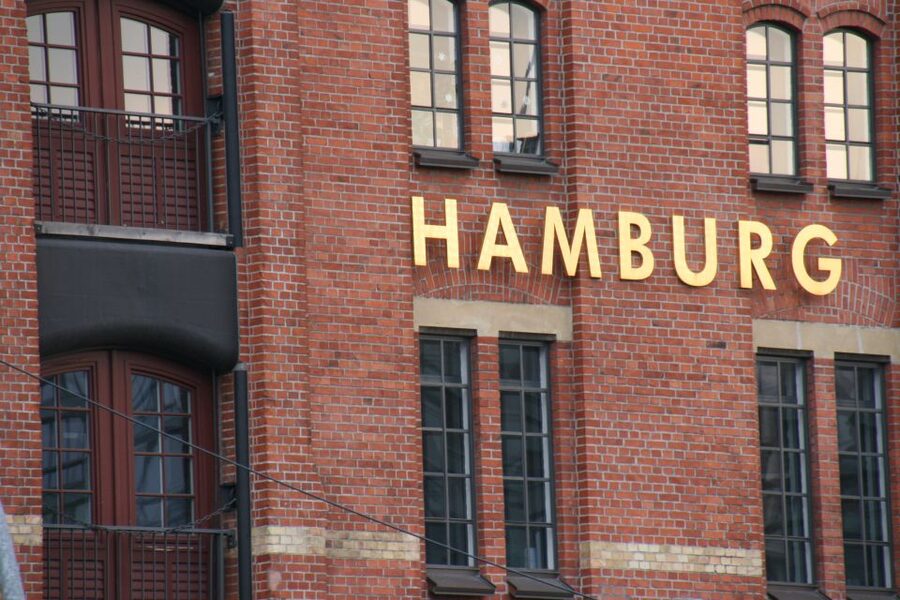
The tour starts at Jacobikirche, at the corner of Bugenhagenstraße and Barkhof, in the Jakobikirchhof area. That spot matters because you begin in the historic city fabric, not at the edge of a modern development. It’s an easy anchor point for your route, and it helps you get your bearings fast before the walk starts moving.
If you come in cold or tired, fix that before you meet your guide. Arrive a few minutes early, take a quick look around, and remind yourself that you are walking through two different Hamburg worlds, the office-city and the warehouse-and-port city.
More Historical Tours in Hamburg
- The Local Tour of Hamburg Historic Centre
★ 5.0 · 1,058 reviews - Sightseeing Tour – Free Tour – Historic Center-Hamburg On Foot
★ 5.0 · 112 reviews - Hamburg: Speicherstadt Historical Guided Walking Tour
★ 4.7 · 71 reviews
Sprinkenhof and Chilehaus: Kontorhäuser as working city power
Sprinkenhof is where the tour’s “business behind the beauty” theme starts to click. You will learn how the Hanseatic city grew and why the Kontorhäuser became such a big deal in that era. These weren’t decorative statements. They were economic engines built for worldwide influence, designed around the needs of offices and trade work.
Then you move to the Chile House, the kind of building that makes you slow down even if you think you are a fast walker. The guide’s job here is to explain the logic behind the architecture, not just describe shapes. That is where the Kontorhäuser story becomes personal: you hear about clerks, money counting tables, and the routines that turned global commerce into daily work.
A bonus on this stop is pacing. The guidance style comes through clearly in the feedback, with a steady tempo and a voice that carries. If you like tours where you can actually hear the details without straining, this one tends to deliver.
Meßberg: the transition from counting houses to warehouses
Meßberg is a smart mid-route stop. It works as a bridge between what you learned about office life and what you are about to see in the Speicherstadt. This is where your brain starts linking purpose to place.
You will be thinking about why ships mattered, how goods moved, and how a city organizes itself when trade is the main event. That transition is the hidden value of this tour. If you only look at buildings, you miss the reason Hamburg built them this way.
You’ll also get clearer on the contrast that defines Hamburg’s UNESCO zones. Old brick facades and traditional warehouse structures sit near newer port-era architecture, so the city reads like a timeline of commerce tech, not a single frozen snapshot.
Speicherstadt: red-brick storehouses, rope winches, and canal views
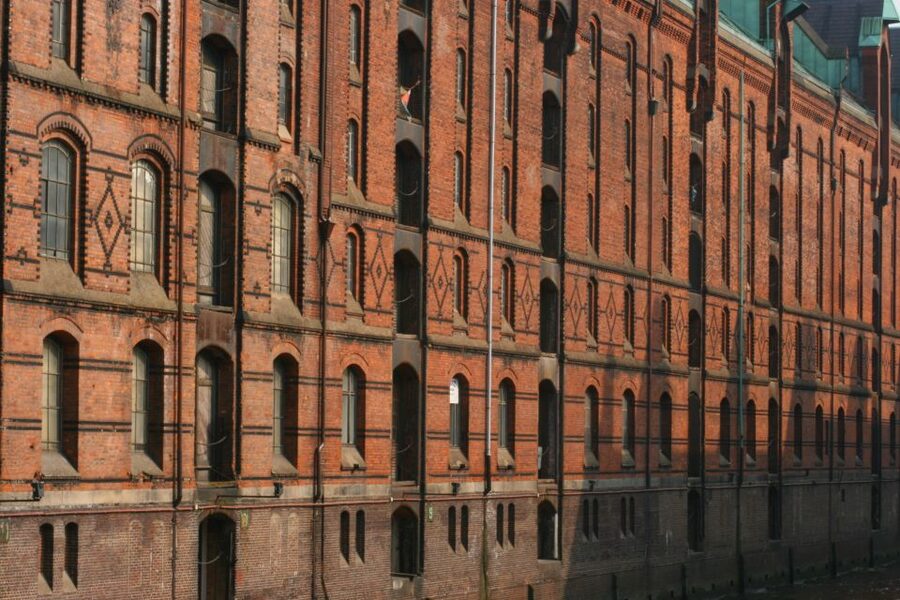
The Speicherstadt is the star, and you experience it as a walkable district, not a single landmark. The famous red-brick storehouses are the headline, but the tour does a better job than most by giving you practical details you can spot with your eyes.
Look for the old rope winches and other storage-related elements. These details make the warehouse system feel tangible, like you can almost picture goods being handled and moved. You will also hear about carpet storage, which is a great reminder that warehouses were not just generic boxes. They often served specific kinds of goods and specific handling needs.
As you move through the district, you’ll see the canals, the dock promenades, and fantastic views toward the river Elbe. That river outlook matters because it connects the architecture to the movement of goods. The warehouses only tell half the story without the water and the docks.
And don’t rush this part. The best learning comes when you compare contrasts: older brick facades next to modern port development, traditional structures against newer riverfront lines. The guide’s commentary helps you see that difference as intentional, not accidental.
Another way to spend a Hamburg afternoon:
- Hamburg: Sex and Crime in St. Pauli Tour for Ages 18 +
★ 4.7 · 17,793 reviews - Hamburg: 1.5-Hour Harbor and Speicherstadt Day Cruise
★ 4.6 · 14,200 reviews - Hamburg: 90-Minute Evening Lights Harbor Cruise
★ 4.5 · 7,728 reviews - Hamburg: 2-Hour XXL Port of Hamburg Cruise Tour
★ 4.7 · 6,979 reviews
Dar es Salaam Square: port workings explained with spices and pictures
Dar es Salaam Square is where the tour shifts from buildings to the bigger machine of the port. You will hear how the port works, and the explanation is supported with pictures and spice samples. That combination is surprisingly effective because it keeps the story grounded in real trade goods and real logistics, not just general history.
The spice samples are more than a novelty. They give you a sensory way to think about what those warehouses stored and why the port mattered to global connections. When you then look back at the brick structures and canal geometry, you understand how the city’s design served that flow.
This is also the point where the Saturday-only ferry ride may come into play. If you are on a Saturday, keep an eye out for that short ferry trip. It’s a quick way to change your viewpoint, especially around the port edge, without adding a long detour to your day.
Magdeburg Harbour finish: International Maritime Museum and Überseequartier
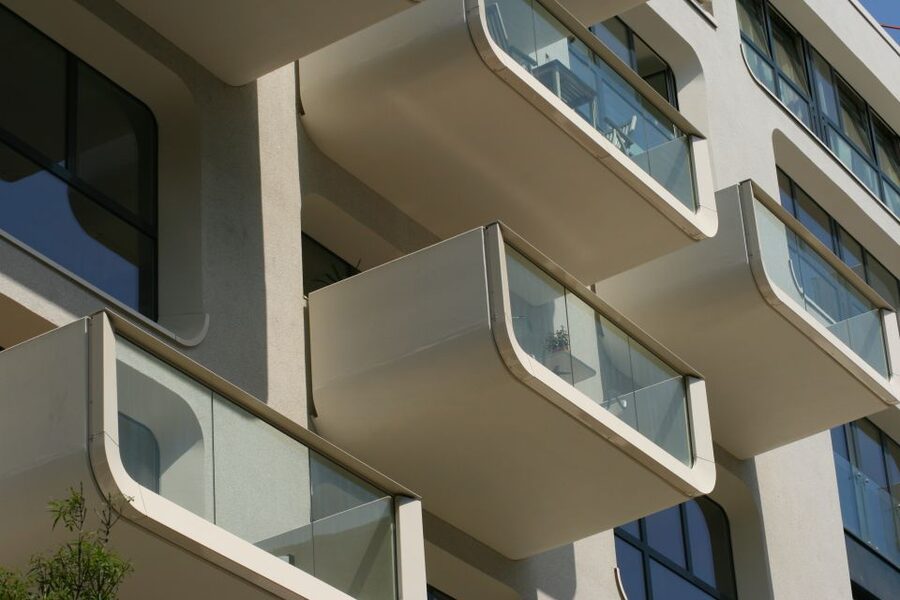
You end at Magdeburg Harbour, and that finish is useful because it frames everything you saw earlier. In the Magdeburg Port area, you will cover major highlights like the International Maritime Museum and the Überseequartier. Even if you are not going inside anywhere for this specific walk, seeing these names in context helps you understand Hamburg’s port identity in past and present terms.
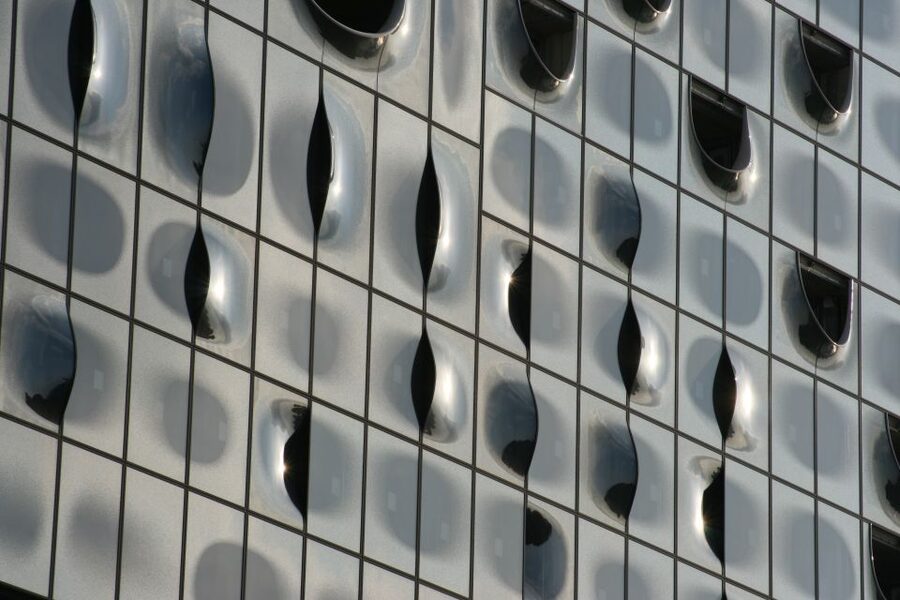
The Überseequartier area is also part of why this tour feels balanced. You get older warehouse logic in Speicherstadt, then you see newer dock promenade lines and modern architecture working alongside it. The city feels like it is still doing the job it was built for.
By the time you reach Magdeburg Harbour, your mental map should feel clearer. You will be able to point at how the port, the warehouses, and the office districts connect into one system.
Price and value: why $18 for 2 hours can be a smart use of time
At $18 per person for a 2-hour guided walk, the value is strong if you want a first pass through the UNESCO core without spending half your day planning. You are paying for interpretation, and that is what makes architecture and port history click.
What you get for the price is not just walking. You get a guide who ties the Kontorhäuser office story to the Speicherstadt warehouse system, then brings it to life with port workings, pictures, and spice samples. That kind of guided linking is hard to replicate if you go completely independent, because you would need to do the same kind of reasoning yourself.
Also, the walk is short enough to fit into a busy itinerary. If Hamburg is one stop on a broader trip, this is the kind of tour that lets you see the big UNESCO names and understand what makes them meaningful, before you decide what to explore longer on your own.
One cost-saving angle: this is a single guided experience that covers multiple iconic areas, so you avoid paying for separate mini-tours or scrambling to connect everything with transit on your own. If you like efficient sightseeing with a storyline, it fits.
Who this tour suits best, and who should be cautious
This tour is a good match for you if you:
- Enjoy architecture when it comes with the “why,” not just the “what”
- Want a clear connection between the port and the city’s building choices
- Like short tours that still teach you how to look
- Are comfortable walking for about 2 hours in a city setting
It might be less ideal if you:
- Don’t speak German, since the tour is German-language
- Prefer very slow tours with lots of stops to sit and read
- Have mobility limitations that make uneven, weather-affected walking hard
One more practical tip: because it runs in all weather, dress for rain or wind if that is possible during your dates. Even a short walk becomes unpleasant if you are underdressed.
Should you book the Hamburg UNESCO World Heritage Sites Tour?
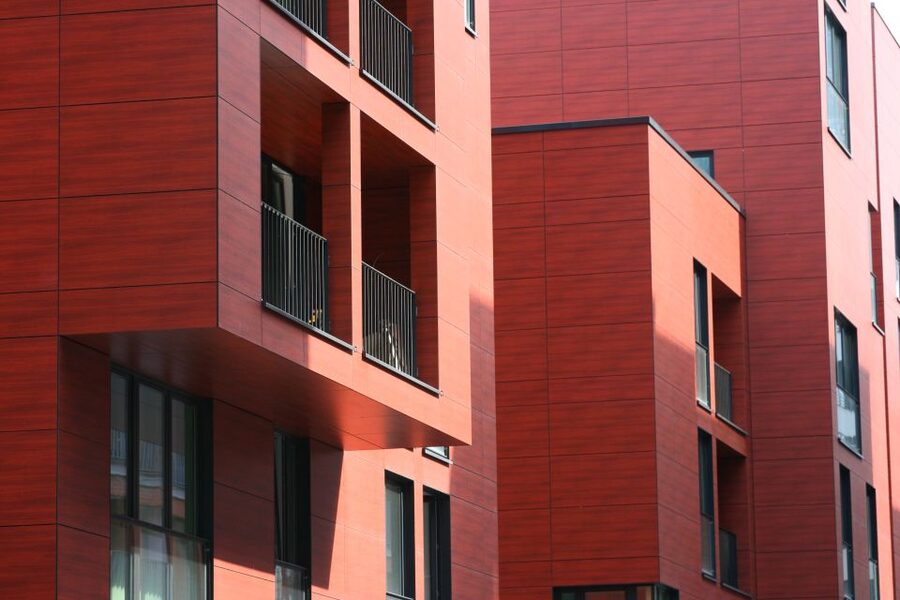
I’d book it if you want an organized, guided route through Hamburg’s UNESCO zones that teaches you how the Hanseatic trading system shaped the city. It’s especially appealing when you like learning to recognize details, like old warehouse tech and the logic behind office architecture.
Two reasons this one feels like good planning: the guidance style is reported as engaging and clear, with a manageable pace, and the route gives you both the Kontorhäuser workplace story and the Speicherstadt warehouse-and-port experience. If those themes match your interests, the $18 ticket for a 2-hour walk is a very practical buy.
FAQ
How long is the tour?
The duration is 2 hours.
Where does the tour start?
It starts at Jacobikirchhof, at Jacobikirche, corner of Bugenhagenstraße and Barkhof.
What is included in the price?
You get a German-speaking tour guide and a sightseeing tour.
How much does the tour cost?
The price is $18 per person.
Is the tour offered in all weather?
Yes. The tour takes place in all weather conditions, so dress appropriately.
Is there a ferry ride?
There is a short ferry trip only on Saturdays.
What language is the tour guide?
The tour is guided in German.
Where does the tour finish?
The tour finishes at Magdeburg Harbour.
What is the cancellation policy?
You can cancel up to 24 hours in advance for a full refund.
Is there an option to pay later?
Yes. You can reserve now and pay later, which means you pay nothing today.
Fresh reviews out of Hamburg
- Hamburg: Neighborhood tour with a former dominatrix★ 4.7 · 51 reviews
- Hamburg: Ice-Cream Workshop★ 4.7 · 52 reviews
- Hamburg: Reeperbahn tour with Daniel Schmidt from the Elbschlosskeller★ 4.7 · 52 reviews
- Hamburg: Grand Harbor Tour by Traditional Barge★ 4.3 · 55 reviews
- Hamburg Private Walking Tour with a Local: Icons & Hidden Gems★ 5.0 · 55 reviews
- Dialogue in the Dark (German Tour)★ 4.8 · 56 reviews
- Hamburg: 3-Hour Limousine Tour with Driver-Guide★ 4.5 · 56 reviews
- Ticket for the Emigration Museum BallinStadt Hamburg★ 4.0 · 57 reviews
Historical Tours, compared.
City History Canal Sightseeing Tour on a Motorboat
Read our review →
Night Watchman Historic Adventure Tour
Read our review →
Browse the lists this tour appears in