
Reviewed · MUSEUMS
Friedrichshafen: Zeppelin Museum Entry Ticket
Airship travel has a specific kind of magic, and this museum leans hard into it with real hardware, big visual storytelling, and a partial reconstruction of the LZ 129 Hindenburg. I love the mix of hands-on scale (you can climb into full-size replica passenger areas) and the technical detail (propellers, nacelles, gears, and more) that explains how lighter-than-air machines worked. One consideration: the ticket is timed and the museum has a clear closing rhythm, with last admission at 4:30 pm, so you do want to plan your arrival.
The art side is not an afterthought, either. I like that you get serious collections that run from the Middle Ages and Baroque period, plus a focused look at how Lake Constance became a refuge for avant-garde artists during the Third Reich, including Otto Dix, Max Ackermann, Erich Heckel, and Willi Baumeister. If you are only in town for one quick stop, you may find it a little more spread out than a pure aviation museum, since you’ll bounce between airships and galleries.
Key Things I’d Circle Before You Go
- Climb into the Hindenburg replica passenger areas, so the story is physical, not just behind glass
- Over 1,500 original exhibits plus historical film and image recordings to set the scene
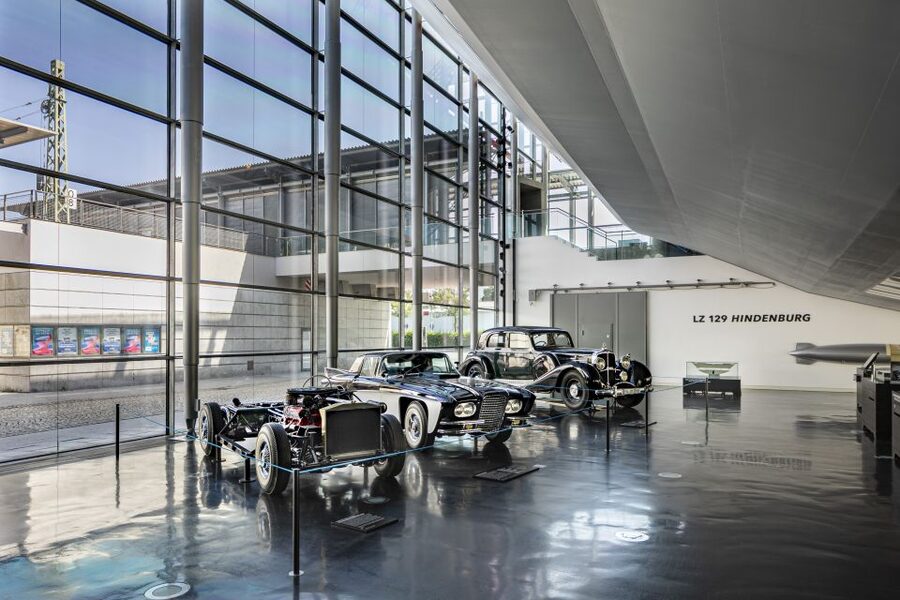
- World-sized airship focus, including partial reconstruction elements of the LZ 129 Hindenburg
- Real airship fragments and technical objects, from propellers to elevator motors and gears
- Art collections that connect to the same place and era, from Middle Ages and Baroque to Lake Constance avant-garde
Zeppelin Museum at Friedrichshafen Harbor: What You’re Really Paying For

This ticket is basically your key to two museums in one. The Zeppelin Museum Friedrichshafen, named for the airships developed by Graf Zeppelin in Friedrichshafen on Lake Constance, mixes airship technology with major art collections, and it tries to show how both shaped life, not just how they looked on postcards.
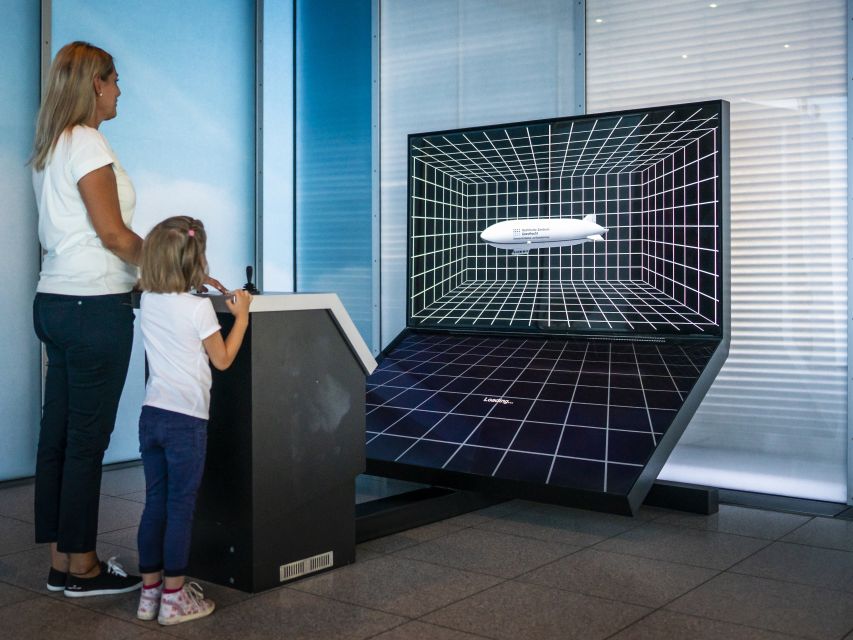
You’re paying for access to a big collection of original material, including historical film and image recordings, plus the museum’s signature aviation centerpiece, the partially reconstructed LZ 129 Hindenburg. The value is strongest if you like interpretation, because the displays are multimedia and not limited to static plaques.
Location helps, too. The museum sits right on the shore at Friedrichshafen Harbor, in a striking white building that was the former harbor railway station. The lakeside tower and large glass façade facing the city make it easy to spot, and you can pair it with a walk along the waterfront before or after your visit.
Where the value gets even better is timing. Your visit window is about two hours, which is long enough to see the big-ticket items without feeling like you need to devote a half day or more. Just remember you cannot drag it out indefinitely, because last admission is 4:30 pm.
Two Hours Inside: A Practical Walk-Through Plan
Plan for about 2 hours in the museum. That sounds short, but it’s realistic because the galleries are designed to keep moving: you’ll hit technology objects, multimedia storytelling, and then switch gears to art.
I’d start with the airship-focused areas first. Even if you mainly come for the Hindenburg, it helps to understand what you are looking at before you climb into the replica passenger areas. You’ll see the world of lighter-than-air flight presented through originals, films, and visuals, so the later replica feels more meaningful.
Next, I’d switch to the art collections. The museum holds a large art collection spanning from the Middle Ages to the modern age, with strong representation from the Baroque period. Once you’ve seen the aircraft story, the art galleries give you a different lens on innovation and culture, tied to the same Lake Constance setting.
If you’re short on time, don’t try to read everything. Instead, aim for the items that create momentum: the replica passenger areas, the largest technical objects, and the clearest art focal points tied to that Lake Constance refuge story.
One more small thing I appreciate: the museum includes not just “the finished airship,” but also fragments and design material. That means you can have a satisfying visit even if you only focus on certain types of displays, like technical parts and drawings.
Climbing Into the LZ 129 Hindenburg Replica Passenger Areas
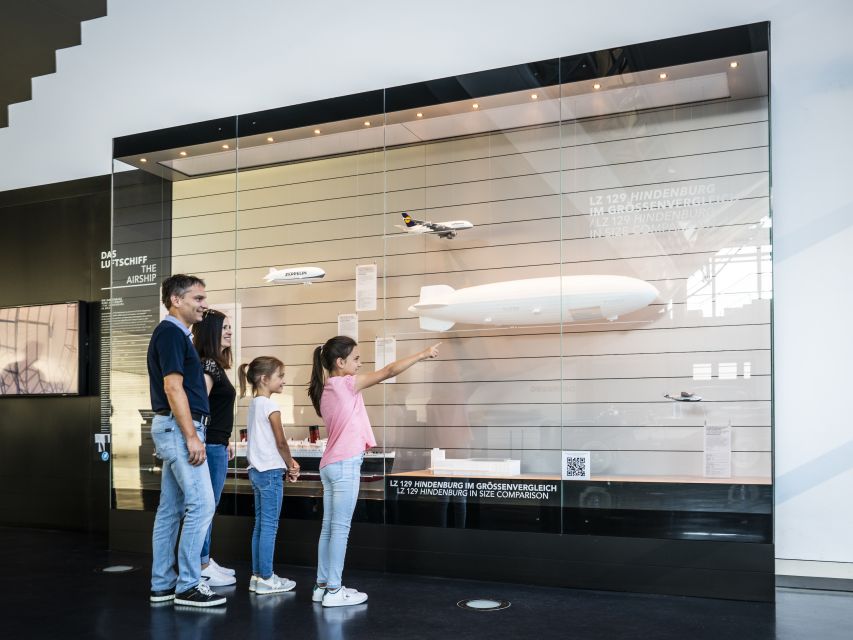
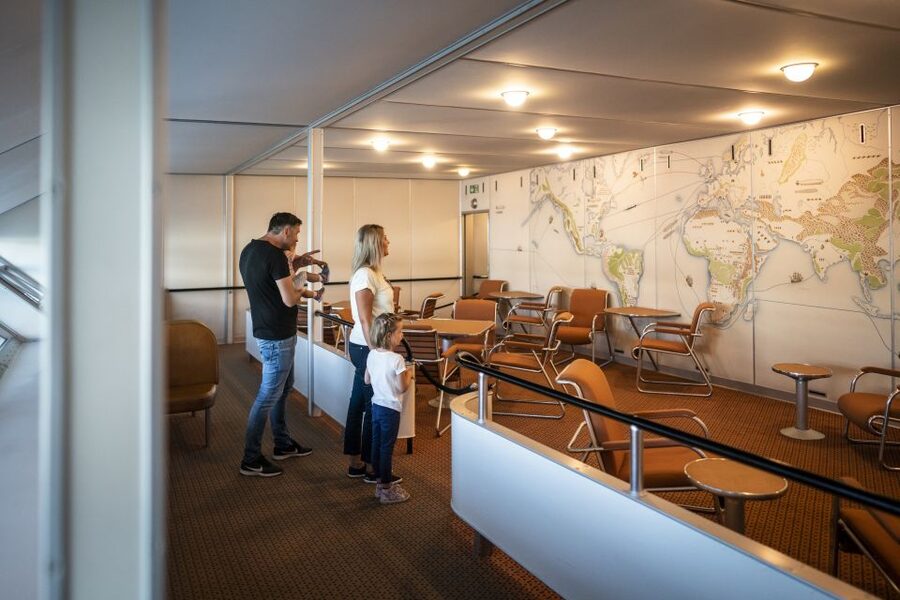
This is the moment that makes the ticket feel special. You can climb into the full-size replica passenger areas of the LZ 129 Hindenburg, so you experience scale in a way photos never do.
The museum’s approach is smart: it doesn’t just show you what passengers might have imagined, it gives you the physical layout of the space. Even if you are not a hardcore aviation person, you’ll likely pick up the feel of luxury travel, the way the interior space is built, and how the airship experience was sold as comfortable, connected, and modern.
I recommend taking a few minutes just to look around from different spots in the replica areas. The story lands better when you see how the passenger spaces relate to the idea of air travel as a “liner,” not a stunt. Then, when you step back out and look again at the technical objects elsewhere in the museum, the two halves of the experience start linking together.
Drawback to keep in mind: this is one of the most popular features, so if you arrive late, you might feel rushed. Last admission is 4:30 pm, so aim for earlier in the day if you can.
Original Airship Parts, Technical Drawings, and Aerophilately
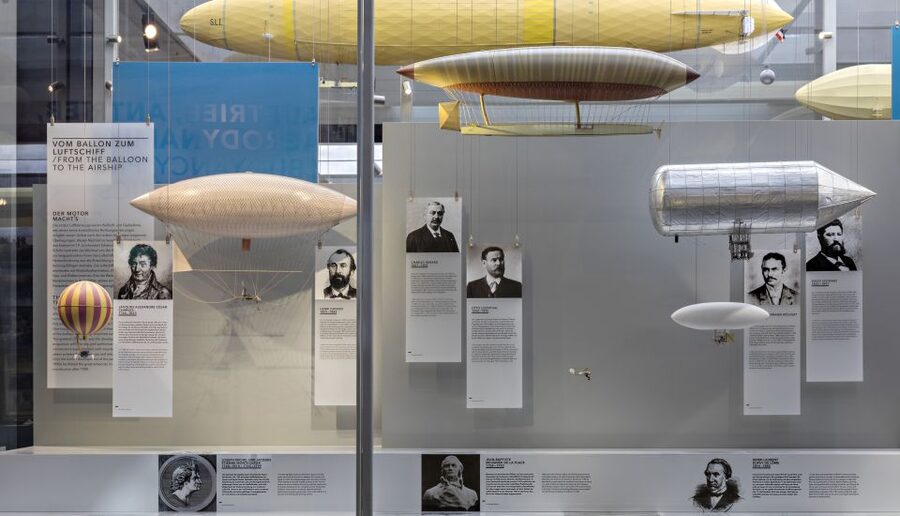
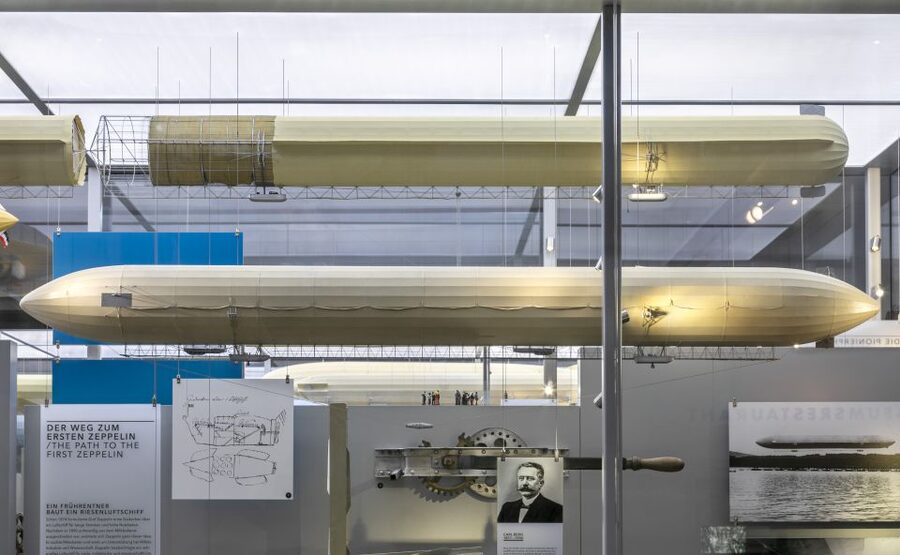
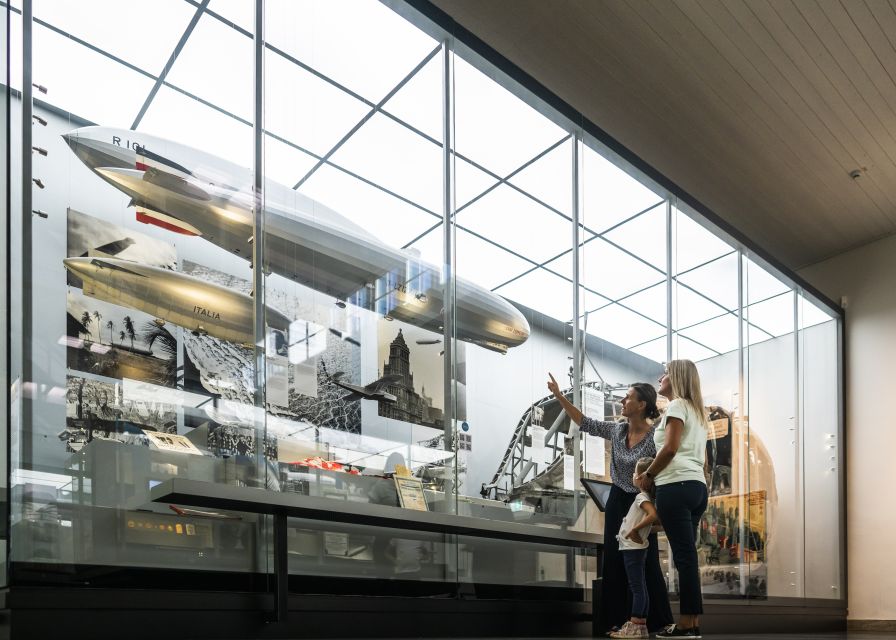
One reason this museum works as a serious aviation stop is that it doesn’t limit itself to a single vessel on display. You’ll find technical objects and large-scale elements, including fragments of airships such as skeletons, propellers, nacelles, elevator motors, and gears.
That matters because it shifts the question from what the airship looked like to how it was built. When you can see the kind of hardware that made flight possible, the technology story becomes more than nostalgia.
You’ll also run into construction documents and technical drawings, along with posters, postcards, newspapers, photos, and material connected to aerophilately, the study and collecting of airship mail and related items. If you like how history is told through everyday objects, this is a great section. It shows how airships fit into real communication networks and public imagination.
If you prefer hands-on context rather than lab-like detail, don’t worry. The museum’s presentation is built to be lively and multimedia, and it uses these materials to tell a bigger narrative about airship travel as a technology of its time.
A practical consideration here is movement and focus. Since you have about two hours, pick a lane early. If the fragments and drawings attract you most, spend longer in that area, and let the art section be your pace reset.
The Art Collections: Middle Ages, Baroque, and Lake Constance Avant-Garde
The art side can surprise people in a good way. This isn’t a small corner of the museum, it’s a major collection, with works ranging from the Middle Ages to the modern age, and a strong set of works from the Middle Ages and the Baroque period.
I like the way the museum ties art to place and innovation. During the Third Reich, Lake Constance became a refuge for leading avant-garde artists, and the museum highlights a group of names including Otto Dix, Max Ackermann, Erich Heckel, and Willi Baumeister. Seeing those artists in the same building that also tells the airship story helps you feel how technology and culture were both shaped by the same geography and the same social pressures.
If you’re an art lover, you’ll probably gravitate to this section and want extra minutes. I’d treat it as a second anchor, just like the Hindenburg replica, not as a break between aviation rooms.
If you’re more into aviation than art, don’t skip it. Even a quick pass through the Middle Ages and Baroque pieces plus the avant-garde focus gives you a broader sense of why the museum exists. It’s named for airship development, but it’s also clearly interested in how innovation in technology, art, and society can run in parallel.
Practical Tips for a Smooth Visit (and What Not to Bring)
To keep things easy, plan for a light visit. Food and drinks are not allowed, and luggage or large bags are also not allowed. The museum also lists restrictions on pets (assistance dogs allowed), selfie sticks, and items like backpacks, umbrellas, and bags.
That means you should pack like you’re going to a museum where you want to move fast and not manage gear. I’d show up with minimal carry, maybe just what fits in pockets. If you usually rely on a daypack, consider leaving it behind or making a plan with your accommodation.
Timing matters more than people think. Last admission is 4:30 pm, so you don’t want to arrive at the end of the day hoping to still see everything comfortably.
Good news if you have mobility needs: the museum is wheelchair accessible. The building is also straightforward to orient in, since it’s right by the harbor and easy to spot with that lakeside glass façade and tower.
One more logistics point that affects your day: your ticket is valid for one day, and you should check availability to see starting times. So you’ll want to build your schedule around your selected entry slot, not the other way around.
Who This Ticket Fits Best
This works especially well if you enjoy one or more of these:
- Airship history and the real mechanics behind it, including technical drawings and fragments
- Experiencing the Hindenburg interior space, not just reading about it
- Art across eras, from Middle Ages and Baroque through modern avant-garde connected to Lake Constance
It’s also a good choice when you want a compact plan. Two hours is enough to see the main attractions without turning your day into a full-day museum marathon.
If you only want a quick aviation hit and you are allergic to art galleries, you might feel pulled in two directions. That said, the museum’s whole concept is the cross-over between technology and art, and that contrast is part of the value.
Should You Book This Zeppelin Museum Ticket?
Yes, if you want a strong mix of the Hindenburg replica experience and a serious aviation collection, with the bonus of major art galleries in the same visit window. The price, at about $16 per person, feels reasonable for the scale of what you can see, especially the full-size replica passenger areas and the heavy emphasis on original exhibits and technical material.
I would book it if your timing can fit the day, since last admission is 4:30 pm and you only have about two hours. I would skip it only if you want a purely aviation experience that never changes gear, because the art collections are clearly designed as a core part of the museum, not a side stop.
If you are in Friedrichshafen or the Lake Constance area and you like real objects, clear storytelling, and a place that connects technology to culture, this ticket is an easy win.
More Museums in Friedrichshafen
- Berlin: Jewish Museum Berlin Entrance Ticket
★ 4.5 · 8,393 reviews - Berlin: DDR Museum Tickets
★ 4.3 · 3,443 reviews - Berlin: Natural History Museum Entrance Ticket
★ 4.6 · 3,382 reviews - Berlin: Neues Museum Entry Ticket
★ 4.6 · 3,261 reviews
Museums, compared.


Skip-the-Line: Berlin Wall Museum at Checkpoint Charlie
Read our review →Browse the lists this tour appears in