Reviewed · BERLIN TOURS
Berlin WelcomeCard: Discounts & Transport Berlin Zones (AB)
Berlin WelcomeCard: 2 to 6 Days of Zones A and B Transit Plus Discount Tickets
Berlin is big, and the best way to see it is to move on public transport without thinking too hard. The Berlin WelcomeCard gives you that freedom by pairing unlimited rides in zones A and B with discounts at a long list of popular attractions, tours, and museums. It is also available in multiple validity lengths, so you can match it to a fast weekend or a slower deep dive.
I especially like two things about this card. First, the zones are designed for efficient sightseeing, with zone A covering the inner city up to the S-Bahn Ring and zone B reaching out to the city limits. Second, the discount side matters, because you can save 25% to 50% when you do paid sights like the German Spy Museum, Madame Tussauds Berlin, and the TV Tower.
The main drawback to plan around is simple: this card does not cover zone C. If your must-see stops or day trips reach beyond zones A and B, you may need an extra ticket or adjust your route.
Key highlights you will actually use
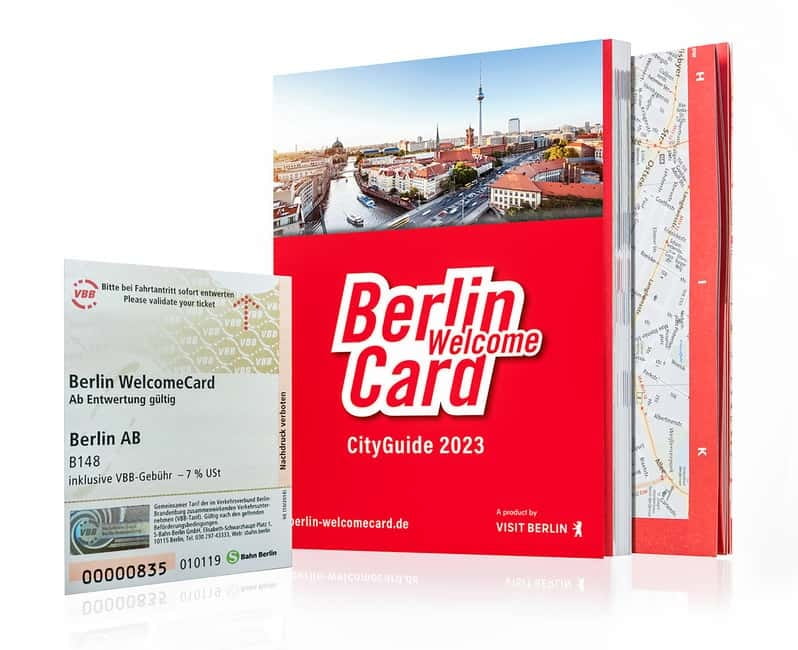
- Zones A and B transit, ready for daily sightseeing that does not require constant rethinking.
- 2-day to 6-day validity, so your card matches your schedule.
- Discounts up to 50% across museums, theaters, tours, and even restaurants and bars.
- A pocket travel guide with a map in multiple languages to help you navigate fast.
- Free kids transport for up to three children ages 6 to 14 when traveling with an adult.
- Wheelchair accessible, with the card itself designed for smooth use on public transport.
Berlin AB Transit: Why This Card Makes Sightseeing Easier
If you want Berlin in bite-sized chunks, this card fits how most visitors really move. You ride trains, trams, and buses in fare zones Berlin AB, then you spend your time choosing what to see instead of calculating fares every time you switch lines. It is a practical setup for a city where neighborhoods connect in layers, not in a straight line.
Here is the key geography. Zone A covers the inner city up to and including the S-Bahn Ring. Zone B sits outside the ring, reaching out to the city limits. In plain terms, that covers most of the iconic central sights you will want, plus a good chunk of Berlin’s major museum and culture areas without leaving you stuck.
The “not included” part is equally important. Zone C is not covered, so you should check your plan before you buy. If your itinerary includes places that fall outside zones A and B, you might need a separate public transport ticket for those specific legs.
Weigh these Berlin picks against each other
- Berlin: Reichstag, Dome and Government District Guided Tour
★ 4.7 · 18,288 reviews - Berlin: 1-Hour City Tour by Boat with Guaranteed Seating
★ 4.3 · 16,993 reviews - Berlin: TV Tower Standard Entrance Ticket
★ 4.4 · 15,883 reviews
Discounts Up To 50%: Where You Can Turn the Card Into Real Savings
The WelcomeCard is not only about transit. The value really shows up when you pair rides with paid attractions and guided experiences. Discounts range from 25% to 50%, and they cover a wide mix, not just one type of ticket.
You can use the card for sightseeing tours and guided city tours, plus things like bike tours and boat rides. Museums, theater and stage performances, palaces, and cultural venues are all included in the discount network. If you enjoy a full day out with a couple of booked stops, these discounts can quickly offset the card cost.
You can also find discounts tied to fun and downtime: shopping and souvenirs, plus fun and sport type activities. And yes, restaurants and bars are listed too, which is useful when you want to eat near major attractions without paying “I am stuck tourist-spot pricing” for every meal.
What’s Included: Transit, Pocket Guide, and Discount Access
This card includes three practical pieces that you will feel right away.
First, you get public transportation in fare zones Berlin AB. That means your main travel tool is already handled, which reduces planning stress on arrival day.
Second, you get an electronic pocket travel guide with a map, available in German, English, French, Spanish, and Italian. The big win here is not the number of languages, it is that you get orientation support without hauling paper around.
Third, the discount access is built in. You do not need to buy separate discount products, you just use the WelcomeCard when participating partners are involved for the eligible sights and activities.
A 2 to 6 Day Plan: How to Use the Card Without Over-Scheduling
Since this is a card, not a fixed guided route, your “itinerary” is really your strategy. I recommend building days around transit clusters and pairing one major paid stop with nearby free sights.
Another way to spend a Berlin afternoon:
- Berlin: Boat Tour Along the River Spree
★ 4.4 · 11,252 reviews - Discover Berlin Half-Day Walking Tour
★ 5.0 · 9,624 reviews - Berlin: Government District around the Reichstag Guided Tour
★ 4.7 · 8,447 reviews - Berlin: Reichstag, Plenary Chamber, Cupola & Government Tour
★ 4.6 · 8,422 reviews
2 days: hit the icons, then add one culture stop
Use Day 1 for classic central landmarks and city viewpoints. You can comfortably connect stops like Brandenburg Gate, Unter den Linden, and Reichstag, then finish near Potsdamer Platz and Alexanderplatz. For Reichstag visits, pre-booking is required, so that is a smart anchor if it is on your list.
For Day 2, focus on one paid headline attraction plus surrounding sights. Madame Tussauds Berlin and the TV Tower are both listed, so pick one as your “big ticket moment” and then stitch in nearby free walking areas such as Gendarmenmarkt or Kurfürstendamm.
3 days: add a museum or two, plus one guided experience
On Day 3, introduce a museum day. The German Historical Museum and the German Museum of Technology are both in the discount list, and they give you two very different angles on Berlin. You can also include the German Spy Museum if you want something more hands-on and themed.
If you like guided time, you can add a guided city tour or one of the comedy options listed, like a QUATSCH Comedy Club experience or Comedy tour Berlin. Just keep at least half a day unbooked so your plan can adapt if you discover a neighborhood you want to linger in.
4 to 5 days: go broader with East Berlin and a palace
Once you have a few days, the card becomes even more valuable because you can afford a slower pace. Add East Berlin stops such as the East Side Gallery and the Berlin Wall Memorial. Then pair those with a major museum or themed visit like the DDR Museum or Asisi Panorama Die Mauer.
For a west-side classic, Charlottenburg Palace (listed as charlottenburg+) is a strong candidate. If you do a palace, plan lighter around it so you do not feel rushed in the gardens or rooms.
6 days: mix tours, theaters, and a couple of niche stops
With a full week, you can add more variety without feeling forced. You can include theater or stage performances via the discount partners, or swap one museum for a bike tour or a boat ride.
This is also where you can slot in some of the more specific attractions listed, like the Berlin Dungeon, the Legoland Discovery Centre Berlin, or the Berlin-style “big view” stop at Panoramapunkt. Do not try to stack too many “ticket attractions” in one day. You will get better results by spreading them out.
Free Sights You Should Build Your Days Around
The WelcomeCard already includes a key advantage: you can plan paid tickets, then keep most of your walking days grounded by free stops. Think of the paid sights as anchors and the free ones as the connective tissue.
From the free list, you should seriously consider building around:
- Brandenburg Gate and Unter den Linden
- Reichstag and German Parliament (pre-booking required)
- Checkpoint Charlie
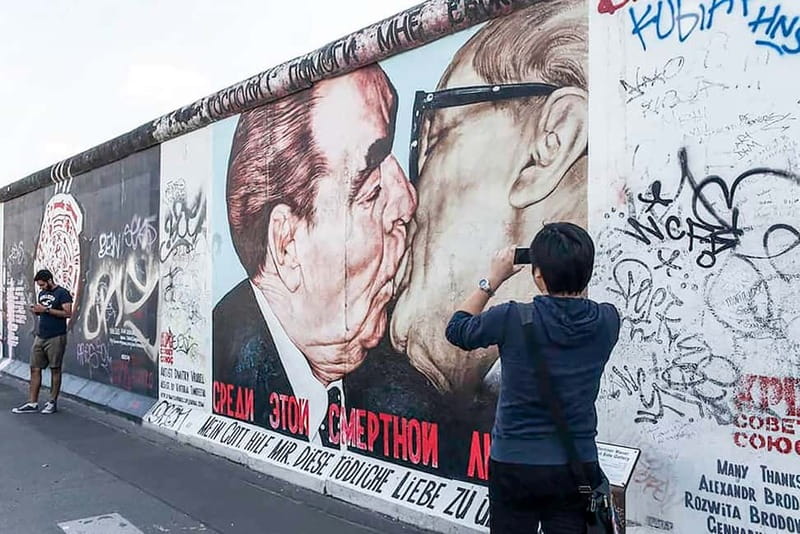
- East Side Gallery
- Gendarmenmarkt
- Kurfürstendamm
- Potsdamer Platz and Alexanderplatz
- Berlin Wall Memorial
This combination is useful because it gives you multiple “loop” options. You can walk between districts in the areas you want, then use your zone A and B rides to hop to the next cluster. That keeps your days efficient without turning Berlin into a checklist sprint.
Paid Highlights That Pair Well With Zone A and B
The card list includes a lot of top names, so here are the ones that typically make the most sense to pair with transit convenience.
TV Tower and Panoramapunkt: skyline time with a clear payoff
If you like city views, plan one skyline day. The TV Tower is in the discount list, and Panoramapunkt is too. These tend to turn into a memorable “final stop” because you can use the view to orient yourself for the rest of the trip, or to close the loop at the end of a day.
Madame Tussauds Berlin: good for quick, self-paced fun
Madame Tussauds Berlin is listed, and it is often a solid choice when you want a timed entry attraction that does not require extra planning beyond arriving and going in. Pair it with other nearby central sights so you do not spend too much time in transit just to cover one building.
Berlin Wall themes: DDR Museum and Die Mauer
If Berlin’s 20th-century story is a focus for you, the discount list includes DDR Museum and Asisi Panorama Die Mauer, plus you also have Berlin Wall Memorial and the East Side Gallery from the free list. Put these together logically and you will feel less like you are bouncing between unrelated topics.
A good approach is to use the themed paid stops for context, then follow up with the outdoor memorial and wall art when the lighting and walking conditions feel right. You get both learning and atmosphere.
Palaces and culture: Charlottenburg Palace and more
Charlottenburg Palace (charlottenburg+) is one of the biggest traditional sights named in the discount list. If you choose it, plan for a relaxed pace before and after, then use transit to connect you to dinner without extra ticket math.
You can also mix in German Historical Museum or the German Museum of Technology for a day that balances culture with something more hands-on.
Pocket Guide and Wayfinding: A Small Tool That Matters

Maps are not a luxury in Berlin. They are how you save time, and the card includes an electronic pocket travel guide with a map plus language options. That matters most on your first day, when you are still learning how lines connect and where the major walking corridors are.
Use it in a very simple way. Before you leave your accommodation, check which area your day is centered on, then decide your first “anchor” stop. After that, you can fill in the rest with nearby free sights and one discounted paid ticket.
This is also where flexibility pays off. The card is built to help you respond when you spot something you want to do on the spot, rather than when you already booked your whole schedule.
Price and Value: Is $31 a Good Deal?
At about $31 per person, the WelcomeCard can be an excellent value, but only if you use it the right way.
Transit is the foundation. Since it covers public transport in zones A and B for 2 to 6 days, the card tends to be worth it if you will ride more than a couple of times per day. If you plan to walk most of the trip and only use transit once or twice, your savings may shrink.
The discount side is what can make it a standout deal. With discounts listed at up to 50% at many attractions and cultural highlights, you are not just paying for transport, you are paying for easier entry into paid experiences. If you do two or three discount attractions during your validity window, the card can feel like a smart bargain rather than a gamble.
So my rule of thumb is this: book it if your plan includes several paid stops, especially museums, towers, themed attractions, or theater. Consider it carefully if your trip is mostly free sights and walking, because you might not use enough of the card’s core features to justify the cost.
Practical Tips: How to Avoid Common Mistakes

You will get the most out of the WelcomeCard when you treat it like an active planning tool, not just a ticket.
1) Mind zone coverage. Stick to zones A and B, and double-check anything you are unsure about. Zone C is the one you do not have.
2) Pair paid and free. Use the free sights listed as your walking backbone, then plug in one or two paid attractions that are on the discount list.
3) Pre-book where required. Reichstag visits require pre-booking, so if that is on your list, do it early rather than hoping it works last minute.
4) Bring the required items. You will want your passport or ID card. The information also calls for an FFP2 mask.
5) Use it for families too. Up to three children ages 6 to 14 can travel free when accompanied by an adult, and children under 6 generally travel free. If you are traveling with kids, that can significantly reduce your overall cost.
Who This Card Is Best For
This card is a great fit if you want to explore Berlin independently, move quickly across neighborhoods, and take advantage of discounts without buying a separate set of tickets for every museum or tour.
It is also a strong choice for first-time visitors because zones A and B cover a lot of the core experience. It works well for couples, friends, and solo travelers who want freedom rather than a tightly guided plan.
If you are the kind of traveler who likes to decide day-of what feels right, this is especially practical. The transit coverage makes it easy to pivot when your energy level or interests change.
Should You Book the Berlin WelcomeCard?
Yes, you should book it if your trip includes multiple paid sights, tours, or museums and you will ride public transport in central areas. The combination of zones A and B transit plus 25% to 50% discounts is where the card earns its keep.
You might skip it or reassess if your plan mostly stays in one neighborhood, relies heavily on walking, or includes stops outside zones A and B where you would need additional transport tickets. The good news is that the card’s flexibility options from 2 to 6 days let you match it to your pace.
If you want an easy Berlin system where you can see the big landmarks, mix in a few ticket attractions, and still have room to wander, the Berlin WelcomeCard is a smart, value-focused move.
FAQ
Which zones are included in the Berlin WelcomeCard?
The ticket is only valid in public transport zones A and B. Zone A covers the inner city up to and including the S-Bahn Ring, and zone B is outside the S-Bahn Ring up to the city limits.
Does the Berlin WelcomeCard include zone C?
No. Zone C is not included, so you will need another ticket for any travel that falls into zone C.
How long is the Berlin WelcomeCard valid?
You can choose 2, 3, 4, 5, or 6 days. The duration starts based on the option you book.
What discounts does the card offer?
The card offers exclusive discounts of up to 50% at many participating sights and attractions. It lists discounts for categories like museums, theater, guided city tours, bike tours, boat rides, and more.
Are children covered for free?
Yes. Up to three children age 6 to 14 can travel for free with an accompanying adult. Children under 6 years old generally travel for free.
What do I need to bring, and is it refundable?
Bring your passport or ID card, and an FFP2 mask is mentioned. The activity is non-refundable.
Fresh reviews out of Berlin
- Berlin Uncensored: A History of Sex & Freedom★ 5.0 · 50 reviews
- Berlin Food & Cultural Tour: Must-Try German & Berliner Classics★ 5.0 · 51 reviews
- English Comedy Show with Pizza and Shots in Central Berlin★ 4.5 · 51 reviews
- Rude Bastards Tour of Berlin★ 4.8 · 51 reviews
- Private Taxi Tour of Berlin East and West and Neighbourhood approx. 4-6h★ 5.0 · 55 reviews
- Rickshaw Sightseeing City Tours Berlin – Rikscha Tours★ 4.0 · 55 reviews
- Berlin: City Highlights Express & Panorama Roof Terrace★ 4.9 · 55 reviews
- Berlin during Nazism – Tour in Italian★ 5.0 · 56 reviews
Berlin Tours, compared.

Reichstag, Dome and Government District Guided Tour
Read our review →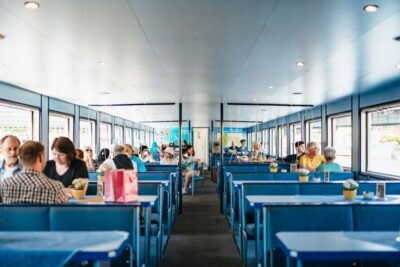
1-Hour City Tour by Boat with Guaranteed Seating
Read our review →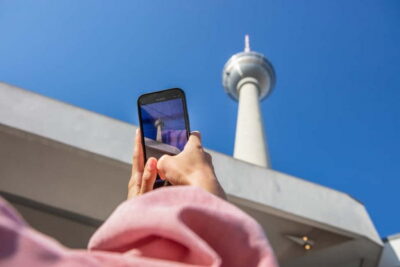

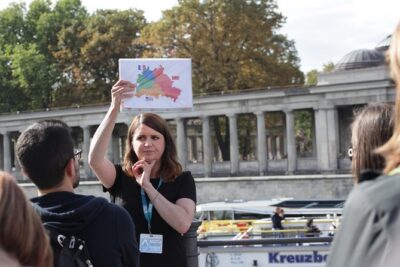

Government District around the Reichstag Guided Tour
Read our review →
Reichstag, Plenary Chamber, Cupola & Government Tour
Read our review →