Reviewed · BERLIN TOURS
Berlin: The Feuerle Collection Meditation Experience
The Feuerle Collection Meditation Experience is interesting because you are not there to be talked at. You’re there to slow down, go quiet, and let the rooms and artworks do the work. I love the silent, mobile-detox format, and I love the unexpected art mix, from early Khmer sculptures and Imperial Chinese furniture to major contemporary names.
The one drawback to consider is that this is not a standard exhibition visit. The collection is open only for meditation, so you will not get a guided tour or that typical browse-and-read-at-your-own-pace museum experience, and it is not suitable for kids under 16.
Key things that make this experience worth your time
- A silent, mobile-detox hour that actually gives you permission to pause
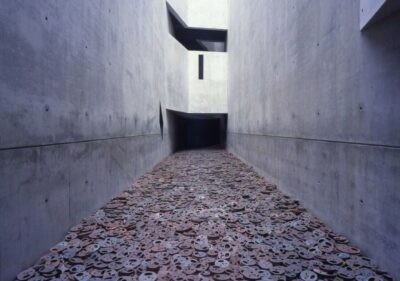
- Sound Room passage + Lake Room walking, so meditation happens in different atmospheres
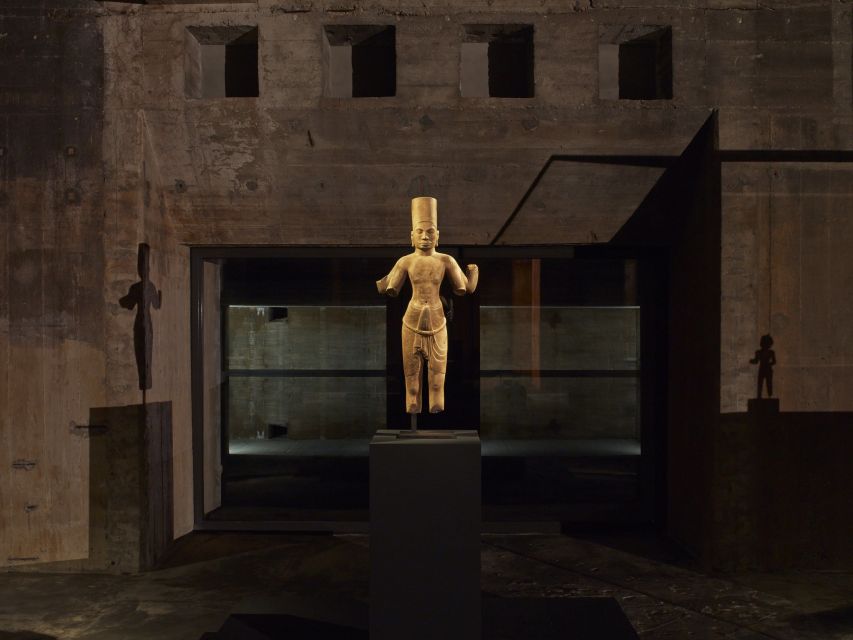
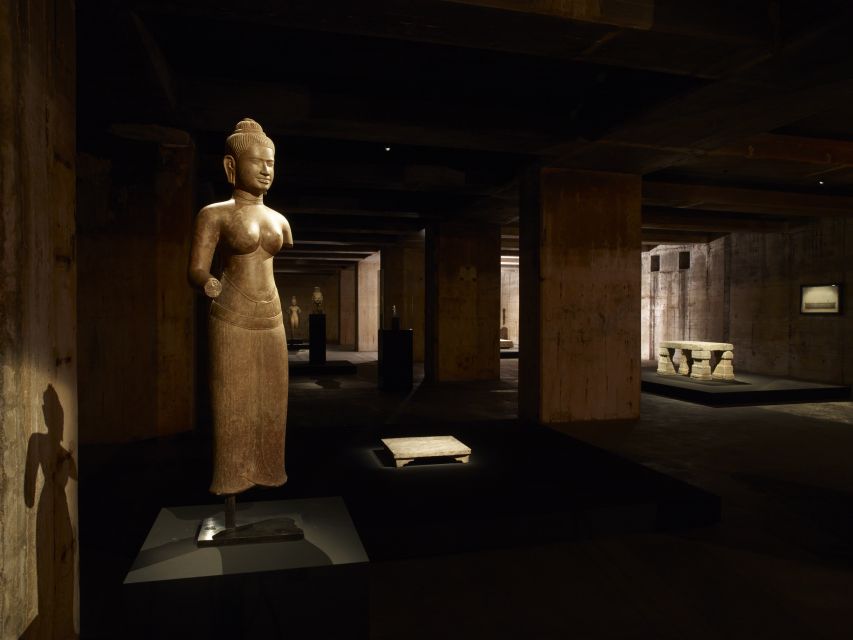
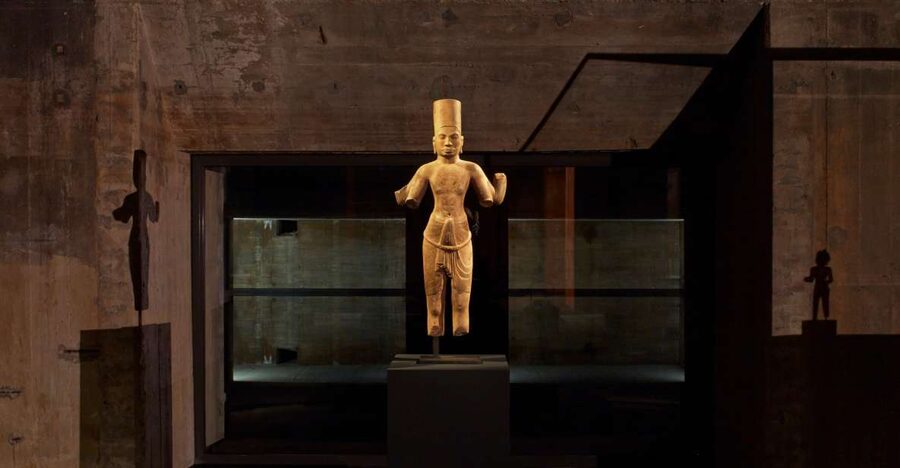
- Early Khmer sculpture focus from the 7th – 13th century A.D.
- Imperial and Scholar Chinese furniture from the 2nd century B.C. – 17th century A.D.
- Contemporary art by Anish Kapoor, Cristina Iglesias, Adam Fuss, Zeng Fanzhi, James Lee Byars, and Nobuyoshi Araki
- Meditation is optional, you can also move quietly and simply look
A quiet art experience that feels like a reset
This is one of those Berlin experiences that sounds simple on paper and then surprises you once you’re inside. The core idea is a silent, mobile-detox visit where you spend an hour with works that span centuries and cultures. Instead of collecting facts, you give your senses time to catch up.
What makes it click is the way the space is structured around calm. You are not pushed to talk, read labels fast, or follow a guide’s storyline. You’re offered a yoga mat and blanket, then directed through the experience at a respectful pace. If you’ve been burning your days on sightseeing, this is a good counterweight.
The art selection also helps. You move between early Khmer sculptures, Chinese furniture made for scholars and imperial life, and contemporary works that can be intense and physical. That clash of eras and styles is not random. It gives your mind a new rhythm: less history homework, more stillness with meaning.
Weigh these Berlin picks against each other
- Berlin: Reichstag, Dome and Government District Guided Tour
★ 4.7 · 18,288 reviews - Berlin: 1-Hour City Tour by Boat with Guaranteed Seating
★ 4.3 · 16,993 reviews - Berlin: TV Tower Standard Entrance Ticket
★ 4.4 · 15,883 reviews
Price and time: why $25 can feel like good value
You’re paying $25 for a 1-hour experience in Berlin. At first glance, it might seem short, but the point here is focus. This is not a half-day museum hit. You’re buying the chance to step into a guided-by-silence structure, with basic comfort provided (mat and blanket), and with access to specific areas like the Sound Room and Lake Room.
Also, there’s no requirement that you sit and meditate the whole time. You can choose a quieter path: pause, look, sit if you want, then return to stillness. That flexibility means you get value even if meditation is not your usual thing.
How the hour is paced, from silent entry to the rooms
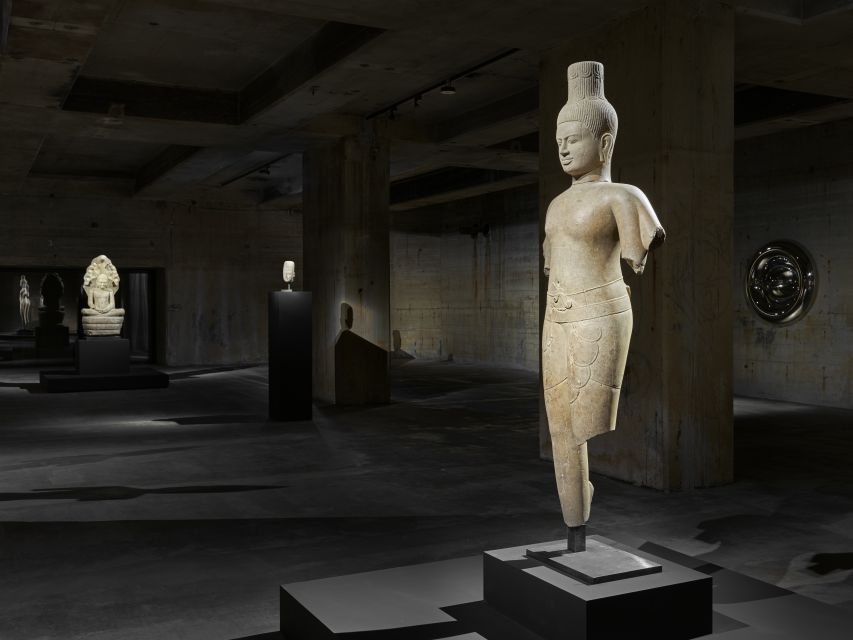
Think of the experience as a one-hour walk through atmosphere, not a museum route. You enter into a silent environment designed for contemplation, and you follow a sequence that includes the Sound Room passage and then walking in the Lake Room.
Along the way, you get to stop and meditate in front of artworks spanning the collection. The key practical detail is that the collection is open only for meditation. In other words, you’re not dropping in for a general viewing session. Plan to treat it like a dedicated hour, not a quick detour.
If you enjoy structured moments to reset, that suits you. If you prefer reading every label and comparing details at length, you might find the silence and the lack of a guided tour a bit restrictive. But if you want calm and art in the same breath, the format is a strong fit.
The Sound Room passage: using quiet with intention
One of the most distinctive parts is the passage to the Sound Room. Even without a guide narrating what you should feel, the setup encourages you to shift modes. You’re moving from regular museum energy into an environment built around sound, attention, and restraint.
Here’s how I’d approach it if you want the most out of it: keep your breathing steady and give yourself a full minute before you decide what to do. You can sit on the mat if it helps, or simply stand still and listen. The silence is the instruction.
Practical note: because you’re in a quiet space, you’ll want to avoid doing the things that break the spell, like checking your phone. This is exactly where the mobile detox idea becomes real. Even if you don’t think you’re addicted to your screen, the first few minutes will remind you how often you reach for distraction.
Another way to spend a Berlin afternoon:
- Berlin: Boat Tour Along the River Spree
★ 4.4 · 11,252 reviews - Discover Berlin Half-Day Walking Tour
★ 5.0 · 9,624 reviews - Berlin: Government District around the Reichstag Guided Tour
★ 4.7 · 8,447 reviews - Berlin: Reichstag, Plenary Chamber, Cupola & Government Tour
★ 4.6 · 8,422 reviews
Walking the Lake Room: meditation that includes motion
Then you move into the Lake Room, where you walk as part of the experience. That detail matters. Meditation here is not only about sitting. It’s also about moving slowly and staying present while your surroundings do the talking.
A room like this can change your sense of time. When you walk quietly and repeatedly return your attention to your breath or footsteps, you stop thinking like a tourist and start thinking like a visitor to a place you respect.
If you tend to get restless in meditation sessions, this can be a helpful option. Movement gives you a job to do, while the environment gives you permission to do it gently. The same is true if you like art but struggle to stand still. Use the walking portion to stay grounded, then return to stillness whenever you feel ready.
Khmer sculptures and Chinese furniture: what to focus on while you pause
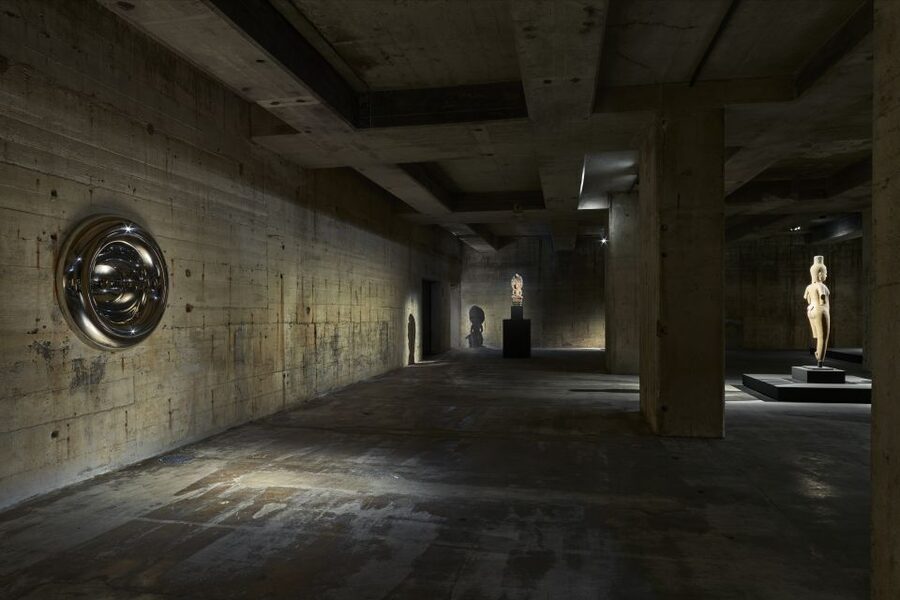
The exhibition includes early Khmer sculptures from the 7th – 13th century A.D., and Imperial and Scholar Chinese furniture from the 2nd century B.C. – 17th century A.D. That’s a wide timeline, and it can be tempting to treat it like a facts project.
Instead, use the meditation format to make it feel personal. Khmer sculpture invites slow looking, especially if you focus on the shapes, posture, and the way the work holds space. Chinese furniture invites a different kind of patience. These pieces were not made just to fill a room. They were made for use, for living, and for thinking, and that function tends to show up when you stop rushing.
Try a simple approach: pick one detail per artwork, then return to a relaxed breath. For example, you might focus on how the form turns in space, or how the material seems to absorb light. When your attention stays simple, you’ll notice more than if you try to understand everything at once.
Contemporary works by major names, and how they fit the quiet
One of the best surprises is that the contemporary works are not there to “modernize” the room. They sit alongside much older pieces, and they change the mood of your hour.
You can encounter works by Anish Kapoor, Cristina Iglesias, Adam Fuss, Zeng Fanzhi, James Lee Byars, and Nobuyoshi Araki. That mix can be emotionally and visually strong, so it helps to remember the rules of this visit: silence, stillness, and personal pacing.
If you usually find contemporary art intimidating, this setting can actually make it easier. When you are not being asked to interpret on command, you can just let the work land. If a piece feels intense, sit with that intensity instead of forcing a quick reaction. If it feels calm, stay with the calm.
And if you want a practical filter, use your body as your compass. Notice what you feel in your chest, shoulders, or belly when you approach a work. Meditation here is not about having the perfect mindset. It’s about becoming aware of your own reaction without needing to fix it.
You control the level of meditation, so plan your mindset
Meditation is not mandatory. You can choose to meditate, or you can walk around quietly and enjoy the art. That freedom is a big reason this experience earns such strong marks. It removes the pressure to do it right.
Before you go, decide what you want the hour to be. If you want a true disconnect, aim to sit longer and keep your attention narrow. If you want a softer version, use the walking and stopping points like a slow gallery visit, just in silence.
Also, don’t underestimate the value of being given a yoga mat and blanket. You’re not fighting for comfort, and you’re not forced to sit on cold surfaces. That reduces friction, and less friction means your mind can actually settle.
What to wear and bring so you stay comfortable for the full hour
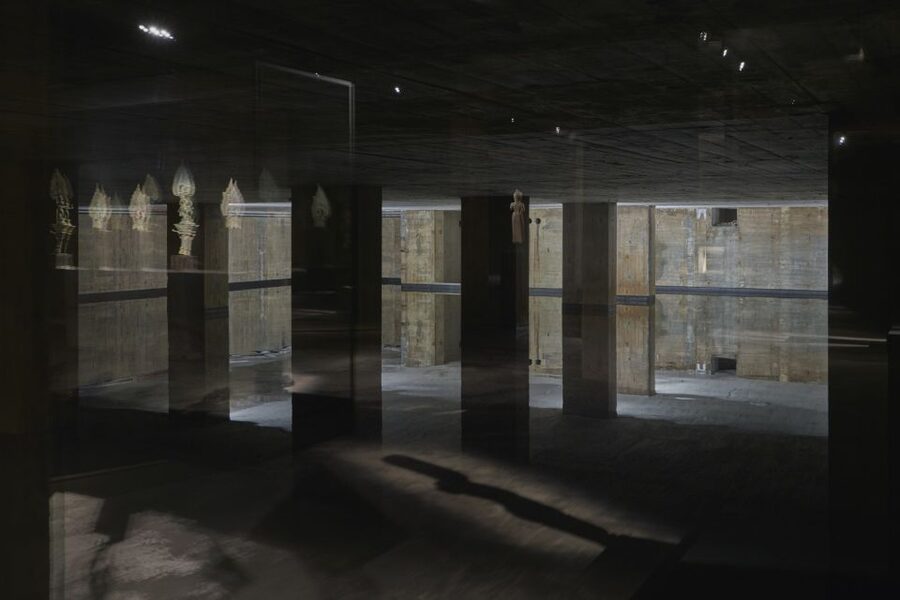
Because the visit is built around stillness and breathing, comfort matters more than style. Wear something you can sit in comfortably for a while. If you get cold easily, the blanket helps, but it’s smart to dress in layers.
Bring an open mind about silence. This is not a place to talk, plan a detailed museum route, or take calls. The experience works best when you treat it as a small ceremony.
If you arrive feeling tense, give yourself a minute before you enter the meditation flow. Even a short pause outside can help you transition from street noise to room silence.
Who this Berlin experience is best for
This is a good fit if you want art in a different register. You’ll like it if you enjoy contemplating rather than collecting trivia. The art lineup also means it suits people who care about Asian art traditions, but also anyone curious about contemporary artists.
It’s especially appealing if you want a mobile detox. The silent environment and the structured quiet give you a reason to stop checking your phone and just be present.
It is not for everyone. If you want an in-depth guided explanation of the artworks, you should skip this and choose a traditional tour. There is no guided tour here.
It is also not suitable for children under 16, so plan this as an adult-focused outing.
The atmosphere is the point, and that is why people return
A lot of the positive energy around this experience comes from the way it changes your relationship to art. The collection is presented in a meditative context, so you’re not just looking at objects. You’re practicing attention.
That is why people describe it as a disconnect moment and a sensor-driven experience, not an exercise in thinking your way through labels. The quiet setup helps you focus on what you feel and notice, not just what you memorize.
Even the structure helps. Passing through the Sound Room and walking the Lake Room gives your brain transitions. Those transitions make it easier to stay present for the full hour.
Should you book the Feuerle Collection Meditation Experience?
Book it if you want a calm, art-forward break from typical Berlin touring. For $25 and 1 hour, you get a structured silent visit, comfort items (mat and blanket), and access to the Sound Room and Lake Room. The way the experience mixes Khmer sculptures, Chinese furniture, and contemporary works by major names gives you variety without turning it into a noisy museum scramble.
Skip it if you want a guided tour, heavy interpretation, or a browse-at-your-own-pace exhibition session. If you need lots of talking and explanations to enjoy art, the lack of guidance may feel limiting.
If you’re an art lover who also craves quiet, this is one of those rare experiences where silence is not empty. It becomes part of the artwork.
Fresh reviews out of Berlin
- Berlin Uncensored: A History of Sex & Freedom★ 5.0 · 50 reviews
- Berlin Food & Cultural Tour: Must-Try German & Berliner Classics★ 5.0 · 51 reviews
- English Comedy Show with Pizza and Shots in Central Berlin★ 4.5 · 51 reviews
- Rude Bastards Tour of Berlin★ 4.8 · 51 reviews
- Private Taxi Tour of Berlin East and West and Neighbourhood approx. 4-6h★ 5.0 · 55 reviews
- Rickshaw Sightseeing City Tours Berlin – Rikscha Tours★ 4.0 · 55 reviews
- Berlin: City Highlights Express & Panorama Roof Terrace★ 4.9 · 55 reviews
- Berlin during Nazism – Tour in Italian★ 5.0 · 56 reviews
Berlin Tours, compared.
Reichstag, Dome and Government District Guided Tour
Read our review →
1-Hour City Tour by Boat with Guaranteed Seating
Read our review →

Government District around the Reichstag Guided Tour
Read our review →
Reichstag, Plenary Chamber, Cupola & Government Tour
Read our review →