

Reviewed · CITY TOURS
Berlin: Hansaviertel “The City of Tomorrow” Guided Tour
Hansaviertel, Berlin’s City of Tomorrow neighborhood, turns postwar planning into walking theatre, with 1957 IBA buildings you can spot block by block. I love the way the guide ties each facade to Berlin’s turbulent past, and I especially like the architectural anchors at the Berlin Pavilion and Müller-Rehm/Siegmann House.
You do need some patience for a mostly exterior walk, and in winter the 2-hour route can feel long before you reach standouts like Gropius-Haus and the Kaiser-Friedrich Memorial Church. The upside is that guides such as Tobias or Mr Schwabe often keep things upbeat with humor and clear answers.
Key highlights worth your time
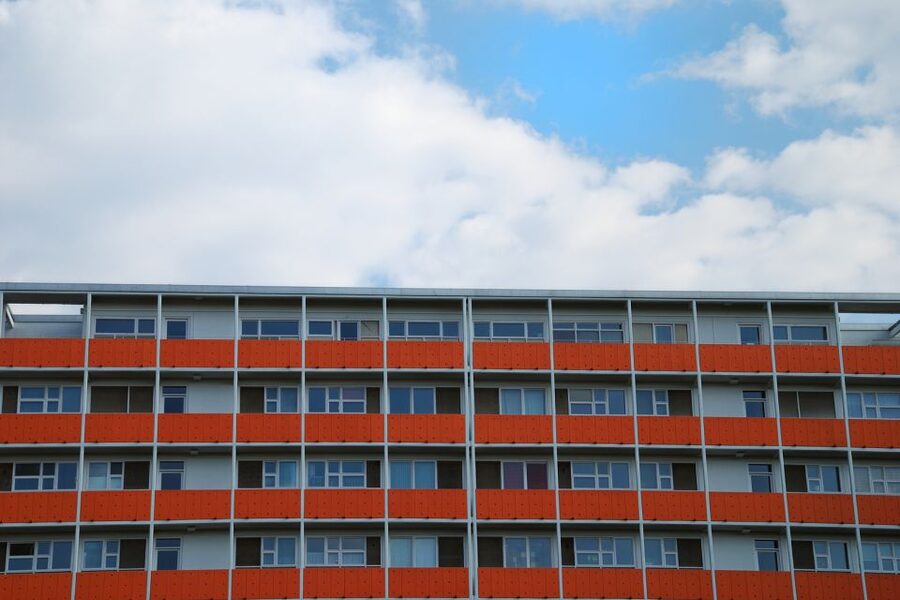
- 1957 IBA planning in real street form: learn how the district was laid out as a structured, spacious city that still exists today
- Big architecture, short walking distance: Berlin Pavilion, Müller-Rehm/Siegmann House, Gropius-Haus, and the Kaiser-Friedrich Memorial Church
- More than pretty buildings: you also pass Hansaplatz U-Bahn station, the Hansaviertel Library, and the Hansaviertel Hospital
- A part of Berlin that feels less toured: this area has only recently opened up more widely to the public
- Guides who handle questions well: Tobias and Mr Schwabe are noted for lively storytelling and answering lots of queries
Walking into Hansaviertel, Berlin’s City of Tomorrow
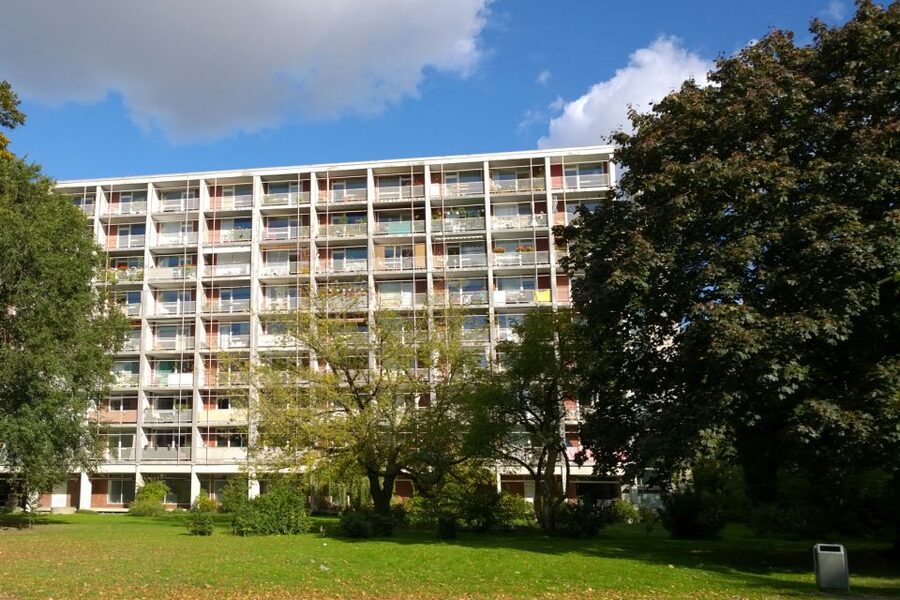
Hansaviertel is one of those places where Berlin shows its scars and its ambitions in the same frame. The city rebuilt with big ideas after the war, and this neighborhood was designed with modern principles in mind. On this tour, you move at a steady walking pace and the guide keeps steering you from building to building with context, so you are not just looking at shapes, you are understanding why they were made.
If you like Berlin for the details, this is a strong match. You get the feel of a “planned city” without it turning into a museum. And because you are walking, you can see how the blocks connect, where the open space sits, and how the architecture relates to everyday life around Hansaplatz.
It is also a very practical pick for a short visit. At 2 hours, you can fit it even on a busy day, and the price is low enough that it feels like a smart add-on rather than a splurge. (At $23 per person, you are paying mainly for a guide who can translate design choices into plain language.)
More City Tours in Berlin
- Berlin: 1-Hour City Tour by Boat with Guaranteed Seating
★ 4.3 · 16,993 reviews - Berlin: City Sightseeing Hop-On Hop-Off Bus Tour
★ 4.1 · 4,233 reviews - Berlin: 1-Hour City Sightseeing Cruise
★ 4.4 · 2,210 reviews
The 1957 International Building Exhibition idea you’ll actually remember
The heart of the tour is the story of how Hansaviertel was redesigned for the International Building Exhibition of 1957. The tour explains that it was once conceived as a structured, spacious city, built on principles of modern urban development. That phrase matters. It is not just marketing. It tells you what to watch for as you walk.
Here is what you will start noticing when your guide sets the scene:
You will pay more attention to layout, not just individual buildings. You will look at spacing between structures and the way the neighborhood flows rather than treating each stop like a separate postcard.
You will also start linking architecture to history. Berlin’s “turbulent past” is not handled with heavy drama, it is handled with cause and effect. The design answers a question: how do you create a livable, forward-looking city after shock and upheaval?
This is the kind of explanation that changes what you see. You will stop thinking, This looks like mid-century modern, and start thinking, This is urban planning trying to solve real problems.
Berlin Pavilion and Müller-Rehm/Siegmann House: the tour’s early anchors
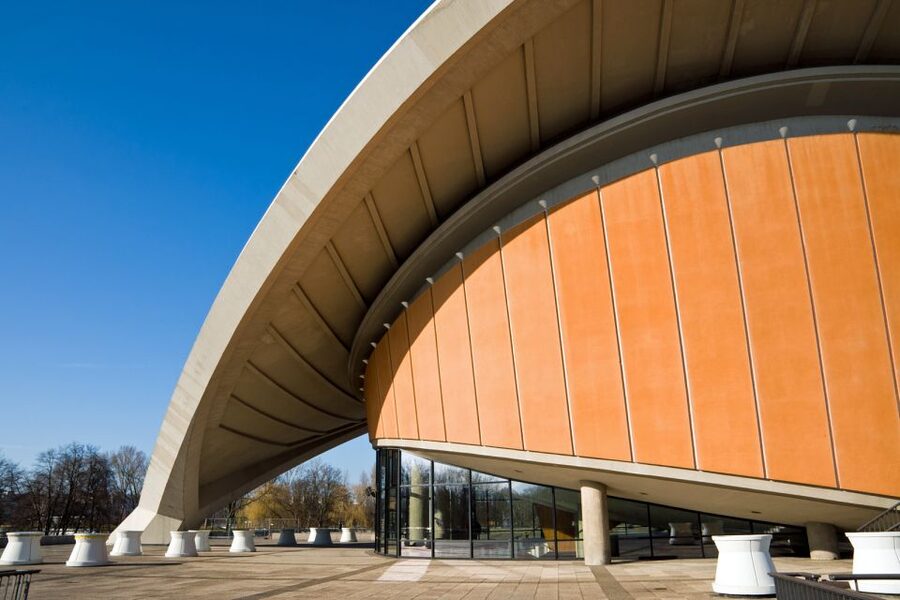
Most tours start by pointing at the obvious highlight. This one starts by building your understanding first, then landing you at key architectural statements.
The Berlin Pavilion is one of those stops that helps you “get” Hansaviertel quickly. It signals the exhibition mindset, the idea that new buildings could represent a future worth believing in. Even if you do not catch every detail, you will recognize the role it plays in the overall plan.
Then you move to the Müller-Rehm/Siegmann House. This is one of the names that turns the neighborhood from a general story into something specific. When the guide points out what makes the house notable, it usually connects back to the 1957 goals: modern design, functional thinking, and the idea that architecture could shape better urban living.
What I like about this early pairing is that it gives you two angles right away. The Berlin Pavilion helps you understand the public-facing, exhibition energy. The house gives you the human scale, the proof that the planning ideas were meant to apply to real residences, not just showpieces.
Gropius-Haus and Kaiser-Friedrich Memorial Church: where style meets Berlin’s contradictions
Once you have the background, the next stops feel more rewarding. The tour highlights the design of the Gropius-Haus, and it also brings you past or to view the Kaiser-Friedrich Memorial Church.
The way this works best is simple: your guide connects form to intention. Gropius-Haus is a name you may have heard elsewhere in Europe, but here it lands in a Berlin context. You can see how the broader modernist language fits within Hansaviertel’s planned neighborhood concept.
The Kaiser-Friedrich Memorial Church adds contrast. Churches often carry a different kind of meaning than houses and exhibition buildings, and the tour uses that contrast to keep the story grounded in Berlin itself. You are reminded that the city’s redevelopment was happening alongside existing cultural and civic identities.
I also appreciate that you do not just get architectural trivia. The guide threads the stops together. By the time you reach these two, you understand the bigger picture, so the buildings stop being isolated facts and start being parts of a single urban argument.
Weigh these Berlin picks against each other
- Berlin: Reichstag, Dome and Government District Guided Tour
★ 4.7 · 18,288 reviews - Berlin: TV Tower Standard Entrance Ticket
★ 4.4 · 15,883 reviews - Berlin: Boat Tour Along the River Spree
★ 4.4 · 11,252 reviews - Discover Berlin Half-Day Walking Tour
★ 5.0 · 9,624 reviews
Hansaplatz U-Bahn, the library, and the hospital: the neighborhood still works
A big reason this tour feels authentic is that it does not confine itself to a list of iconic facades. It also takes you through the everyday infrastructure that makes Hansaviertel feel lived-in.
On your walk, you pass:
- Hansaplatz U-Bahn station
- the Hansaviertel Library
- the Hansaviertel Hospital
Even if you are not going inside any of these places, seeing them in sequence matters. A planned district can look cool on paper. But a library and a hospital tell you whether the neighborhood serves people. Passing Hansaplatz also helps you understand how the district connects to the rest of Berlin, so this is not a bubble.
This portion is ideal if you like the practical side of city travel. You get design, yes, but you also get the reality that a city is made by daily routines and public services, not just architecture headlines.
Swedish House, Van den Broek House, and Schwippert House: the architecture keeps changing its voice
As the tour continues, you start to see that Hansaviertel is not one uniform style. It is a collection of ideas, created by national and international architects as part of the overall exhibition-era vision.
The route includes the Swedish House, plus stops for the Van den Broek House and the Schwippert House. Those names are useful because they pull you out of generic mid-century modern descriptions and back into a specific place with specific designers behind it.
What you should take away from this “variety” section is not just that the buildings look different. It is that the neighborhood was meant to present a range of solutions. The tour frames this as part of the broader “city of tomorrow” concept: multiple approaches, under one modern planning umbrella.
If you are the type who loves comparing buildings, this is where your eyes will start working in pairs. You will look for what changes from one structure to the next, then listen for how your guide connects those differences back to the postwar design mindset.
Academy of Art: finishing with a creative anchor
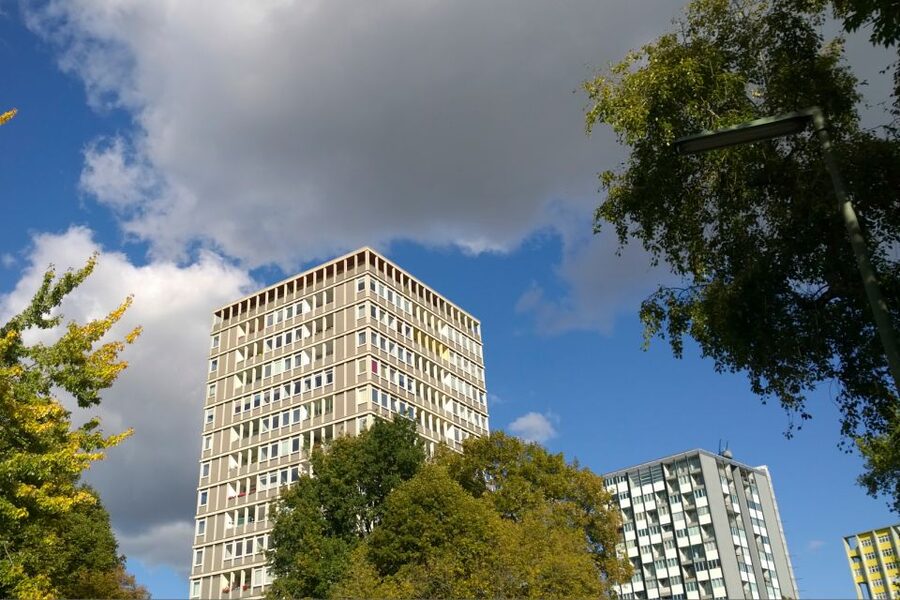
Near the end, the tour includes the Academy of Art. This stop helps close the loop between planning and purpose. Architecture is not only about shelter and streets. It is also about culture and creative life.
Even if you are not an art student, the Academy stop gives you a satisfying endpoint: you leave with the sense that Hansaviertel was designed to be more than a reconstruction project. It was designed to represent future thinking, including how a city supports learning and creativity.
It is also a good final mental reset. By this point, you have heard multiple design stories. Finishing at a place tied to art makes the entire neighborhood feel less technical and more human.
Price, timing, and what to wear for a 2-hour walk
Let’s talk value, because at $23 per person, you are not paying for a long museum day. You are paying for an informed guide who can make the architecture readable without sending you home with homework.
At 2 hours, you should treat this like an efficient orientation to Hansaviertel. It works especially well if:
- you already like architecture and design
- you want Berlin context beyond the usual big sights
- you are visiting in a smaller window of time and want something focused
Timing is worth thinking about. One review note suggested that winter starts could be a bit earlier, which makes sense because winter daylight changes fast. If you do this in colder months, dress for a comfortable walk and plan to stay outside longer than you think you will. Even when the pace is steady, the experience is outdoors.
Also, the meeting point can vary based on the option booked. So when you confirm your tour, check the exact pickup location and arrive a few minutes early so you are not stressed before you start learning.
Who should book this Hansaviertel tour, and who might pass
Book it if you want architecture with context, not just a list of names. This tour is a solid fit for anyone interested in:
- 1950s and postwar modern design
- the International Building Exhibition of 1957
- how urban planning shows up in real neighborhoods
It is also a good choice if you prefer walking tours that feel like a guided story. Many comments highlight guides who are personable and engaging, and there is a clear pattern of guides who keep things light, funny, and responsive, with patience for questions.
You might skip it if you only want grand, crowded tourist landmarks. This tour is very specifically about a designed district. If you do not care about architecture or city planning, the experience might feel slower than the city’s headline attractions.
Wheelchair accessibility is supported, which makes it a practical pick for mobility needs, as long as you check the route expectations for comfortable walking.
Should you book this Hansaviertel City of Tomorrow tour?
Yes, if you like having someone translate buildings into meaning. For the price, you get a focused 2-hour walking tour that touches major architectural names, plus real city institutions like the Hansaviertel Library and Hansaviertel Hospital. You also leave with a clearer idea of what the 1957 IBA vision meant, and why the neighborhood still looks the way it does.
The deciding factor for me is the guide experience. Names like Tobias and Mr Schwabe show up in strong feedback for keeping explanations lively and answering lots of questions. If that style of guidance appeals to you, you will likely enjoy this one a lot.
If you are in Berlin for a short time and want one thoughtful, design-forward activity, this is an easy yes.
FAQ
How long is the Hansaviertel guided tour?
The tour runs for 2 hours.
What is the price?
The price is $23 per person.
What will we see during the tour?
You will explore Hansaviertel architecture and key stops including the Berlin Pavilion, Müller-Rehm/Siegmann House, Gropius-Haus, Kaiser-Friedrich Memorial Church, Swedish House, Hansaplatz station, the Hansaviertel Library, Hansaviertel Hospital, Van den Broek House, Schwippert House, and the Academy of Art.
Is the tour wheelchair accessible?
Yes, the tour is wheelchair accessible.
What languages are offered?
The live tour guide is available in English and German.
What is included in the tour price?
The tour includes a walking tour and a tour guide.
Can I cancel or reserve without paying right away?
Yes. You can cancel up to 24 hours in advance for a full refund. You can also reserve now and pay later, keeping your travel plans flexible.
Fresh reviews out of Berlin
- Berlin Uncensored: A History of Sex & Freedom★ 5.0 · 50 reviews
- Berlin Food & Cultural Tour: Must-Try German & Berliner Classics★ 5.0 · 51 reviews
- English Comedy Show with Pizza and Shots in Central Berlin★ 4.5 · 51 reviews
- Rude Bastards Tour of Berlin★ 4.8 · 51 reviews
- Private Taxi Tour of Berlin East and West and Neighbourhood approx. 4-6h★ 5.0 · 55 reviews
- Rickshaw Sightseeing City Tours Berlin – Rikscha Tours★ 4.0 · 55 reviews
- Berlin: City Highlights Express & Panorama Roof Terrace★ 4.9 · 55 reviews
- Berlin during Nazism – Tour in Italian★ 5.0 · 56 reviews
City Tours, compared.
1-Hour City Tour by Boat with Guaranteed Seating
Read our review →
City History Canal Sightseeing Tour on a Motorboat
Read our review →
Browse the lists this tour appears in