
Reviewed · CONCERTS
Berlin: Classical Concert at Kaiser Wilhelm Memorial Church
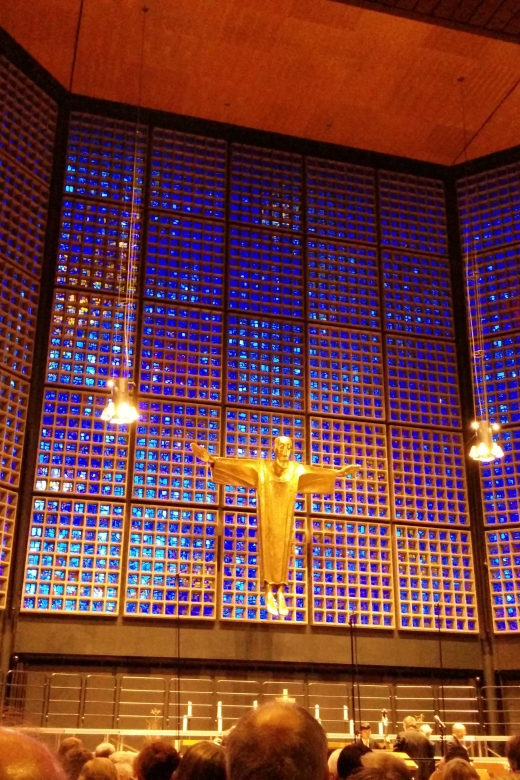
Berlin’s Kaiser Wilhelm Memorial Church is an instant conversation starter, even before you hear a note. You get to spend about an hour inside one of the city’s most famous landmark interiors, where the organ, strings, and voice turn famous classical pieces into something you can feel in your chest.
I especially like the way this concert mixes big-name music with standout soloists. I’m also a fan of the program choices, because it travels from drama and prayer like Mozart’s Requiem (Lacrimosa) to the “I know this one” energy of Beethoven’s Symphony No. 5 (Allegro). One thing to keep in mind: the performance is not a full, giant symphony orchestra, so if you expect a massive orchestra sound, adjust your expectations.
Key Things To Know Before You Go
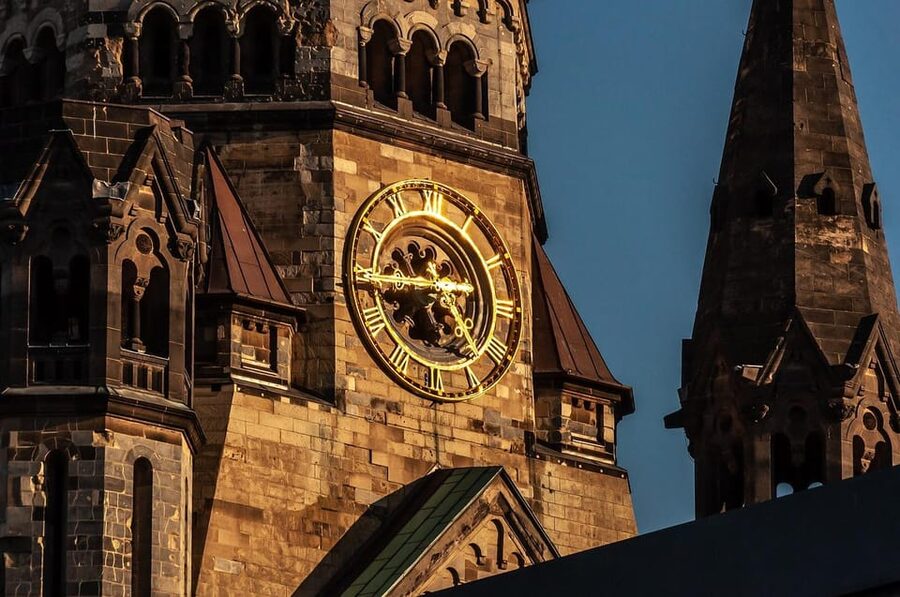
- Iconic venue: You’re listening in the Kaiser Wilhelm Memorial Church, a landmark setting made for reverberation and atmosphere.
- Well-known masterpieces: The program includes Vivaldi, Bach, Mozart, Schubert, Handel, and Beethoven.
- Two featured stars: Thai soprano Duangamorn Fu and organist Vladimir Magalashvili are the headline soloists.
- More than one texture: You’ll hear strings, a soprano, and organ pieces, often back-to-back so the sound stays varied.
- Room for improvement in sound: Some audience feedback points to seating and acoustics being hit-or-miss depending on where you sit.
- Plan for timing and entry: Show up early, and give yourself extra minutes in case the check-in line moves slowly.
Kaiser Wilhelm Memorial Church: the setting that does half the work

If you’ve ever walked around Berlin at night, you know it can feel both grand and a little strange in the best way. This church fits that vibe. It’s dramatic, recognizable, and it naturally pulls your attention upward and inward. That matters, because this concert is designed around the church’s sound. Even if you don’t follow every musical term, you still get the point.
The venue is also practical for a comfortable evening. During summer, the church is air-conditioned, which you’ll be grateful for if you’re sweating your way across town before the start. There’s no official dress code, so you can dress for the weather and spend your effort on enjoying the music rather than thinking about what to wear.
One detail I like for real-world planning: it’s about 70 minutes total. That’s long enough to take in several major works, but short enough that you won’t feel like you need to block out your whole evening.
Weigh these Berlin picks against each other
- Berlin: Reichstag, Dome and Government District Guided Tour
★ 4.7 · 18,288 reviews - Berlin: 1-Hour City Tour by Boat with Guaranteed Seating
★ 4.3 · 16,993 reviews - Berlin: TV Tower Standard Entrance Ticket
★ 4.4 · 15,883 reviews
Meet the soloists and the small-but-serious ensemble
This concert is advertised as featuring the Berlin Orchestra, and the overall sound matches that promise, even though it’s not a huge full-orchestra setup. Based on what you’ll experience in the room, think chamber-style strings plus featured soloists and organ. A smaller ensemble can sound tighter and more focused, and it often makes the musical “conversations” between voice, violin, and organ clearer.
Two names matter most here.
Duangamorn Fu is a soprano with training that includes Vienna and Berlin. She’s built an international following and has won major competitions. In this concert, she brings that big, controlled vocal power you want for pieces like Schubert’s Ave Maria and Mozart’s Requiem moments, where the emotional curve is everything.
Vladimir Magalashvili handles the organ, and people consistently highlight the organ as a favorite part of the evening. If you like music that feels physical, organ passages do that well in this setting. Reviews also point out that organ selections are a standout, with the organ taking real center stage during the program rather than just providing background color.
You’ll also hear a violinist as part of the featured solo line-up. Bach’s Air on the G String is the kind of piece where violin tone can sound almost conversational, especially in a reverberant church.
And yes, there may be a host figure involved. One audience note mentions a guide named Ross who was super passionate and knowledgeable. You may or may not get any spoken introduction, but it’s a good sign that the event often comes with people who genuinely care about helping you enjoy what you’re hearing.
What you will hear in 70 minutes, from Four Seasons to Symphony No. 5
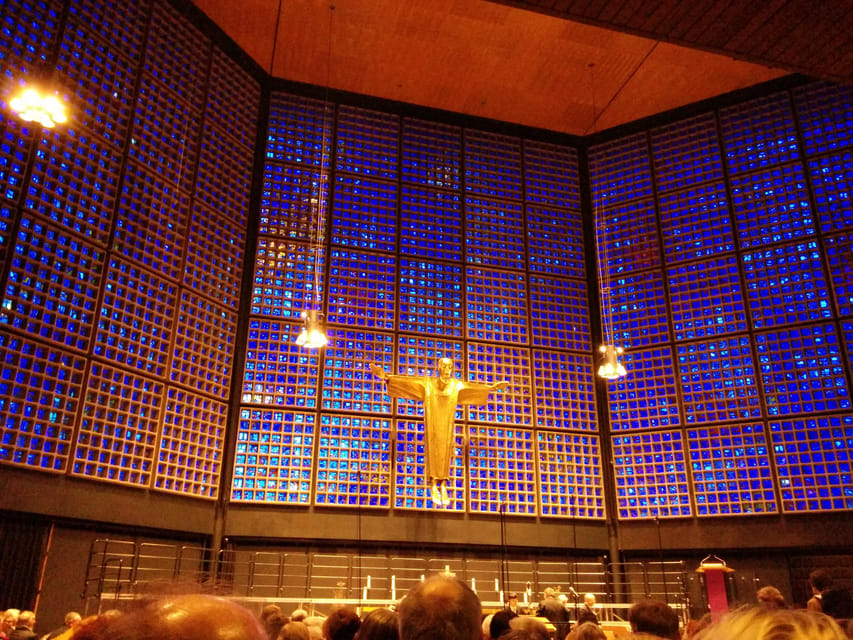
The program is a highlight on paper, but what makes it work in real life is the sequencing. It keeps shifting mood and sound palette, so you’re not stuck in one emotional lane for the whole hour.
Here’s the core set list (the program can change, so treat this as your best guide):
Vivaldi, The Four Seasons (Spring and Summer)
Vivaldi is fast, vivid, and full of rhythmic momentum. This is the kind of music that helps you settle into listening mode right away, especially if you’re not sure where to place your focus. Expect bright energy and clear phrasing that makes the church’s acoustics feel like part of the performance instead of a distraction.
Mozart, Requiem (Lacrimosa)
Then the tone drops into something heavier. Lacrimosa is built for tension and release. In a church, the resonance can make the sorrow feel larger, almost cinematic. Even if the language is unfamiliar, the vocal lines and orchestral writing do the emotional translating.
Bach, Toccata and Fugue in D minor
Bach brings structure and intensity. This is one of those pieces where the counterpoint feels like it’s weaving itself together in real time. In the church, you’ll likely notice how individual lines “stick” in the air after they’re played.
Bach, Air on the G String
This is the calm, lyrical reset button. It’s simple in concept, but it’s not simple to perform well. If you’re sitting close enough to see the soloists clearly, you can catch how delicate bow control and timing create that floating sound.
Schubert, Ave Maria
Schubert is where you start to feel the personal warmth of the soprano line. Ave Maria is recognizable even for casual classical fans, and in this setting it tends to land emotionally.
Handel, Largo from Xerxes
Handel’s Largo gives you space to listen. It’s slow, expressive, and it helps your ear adjust to the quieter dynamics. In a reverberant church, this is a nice time to stop multitasking and actually let the music fill the room.
Beethoven, Symphony No. 5 (Allegro)
Then comes the famous Beethoven drive. Symphony No. 5 is built to sound like momentum, and the Allegro movement is perfect for keeping the energy up. This is one of the easiest “classics wins” in the whole list because it’s so recognizable in rhythm and attitude.
Mozart, Salzburg Symphony K136 (Allegro)
Mozart’s quickness follows naturally. You’ll hear clarity in phrasing and a bit of sparkle in the ensemble playing. It helps keep the concert from ending on a single intense high point.
Widor, Toccata, Symphony No. 5
Finally, Widor’s toccata is the kind of organ writing that feels like fireworks, even if you keep your eyebrows down and stay dignified. This is a strong closer, and it’s also the part people often mention as the favorite. The organ can sound huge here, especially when the architecture is doing its job.
A quick note on listening expectations: some people feel the acoustics could be better from certain seats. That doesn’t mean the concert is bad, it means your position matters. If you’re sensitive to sound quality, plan your seat choice.
Seating, sightlines, and getting the best listening experience

Because this is a church setting, sound depends on where you sit. That’s not a complaint, it’s how older landmark rooms work. The strongest advice I can give is simple: arrive early and get situated so you can settle your focus before the first notes.
Some audience feedback points to this being a case where acoustics can be mixed depending on seating. Others say the acoustics are fabulous. That difference usually comes down to distance and angle. If you want to hear every detail and not just enjoy the general vibe, sit closer rather than farther back when you have the option.
There’s also a practical visual factor. One comment notes it would have been nice to move closer to view the organ from where they were seated. If organ visuals matter to you, consider selecting seats that give you both sound and sightline.
One more real-world tip: check whether your ticket indicates a seat category and verify it at entry if something seems unclear. A few people reported confusion at the door about how tickets were issued and which category they actually received. You don’t need to panic, just don’t plan to arrive at the last second.
Another way to spend a Berlin afternoon:
- Berlin: Boat Tour Along the River Spree
★ 4.4 · 11,252 reviews - Discover Berlin Half-Day Walking Tour
★ 5.0 · 9,624 reviews - Berlin: Government District around the Reichstag Guided Tour
★ 4.7 · 8,447 reviews - Berlin: Reichstag, Plenary Chamber, Cupola & Government Tour
★ 4.6 · 8,422 reviews
What the evening feels like, and who will enjoy it most
Even if you’re not a die-hard classical fan, you’ll likely have a good time here. The program includes mainstream staples like Beethoven’s Symphony No. 5 and Mozart choices that many people recognize by style. Then it layers in voice and organ, which can make the music feel more accessible because it gives your ear clear anchors.
The event also works well if you want a “Berlin night” that’s not just dinner and a walk. It’s a planned cultural moment with a set start, a clear duration, and a landmark backdrop.
This concert fits especially well for you if:
- you like classics but don’t want a full-day commitment
- you want a famous Berlin church experience that’s more than sightseeing photos
- you enjoy hearing the organ in a live, focused way
- you’re traveling in a group and want a shared activity that most people can enjoy without homework
It might be less ideal if you’re expecting a huge, full symphony orchestra with dozens of players on stage. The core setup is closer to a smaller ensemble, with soloists and organ taking major roles.
One final fit check: unaccompanied minors are not allowed, so this is aimed at adults and accompanied families. It’s also wheelchair accessible, which is a big plus if you need that option.
Price and value: why this feels like a smart Berlin evening
At $27 per person for a 70-minute concert in a famous Berlin landmark, the value is pretty strong. What makes the price feel reasonable is that you’re not just paying for music. You’re paying for a specific kind of listening environment, plus named soloists, plus a printed program included in the ticket.
Also, no food or drinks are included, so you should treat this as a cultural event you either attend before dinner or pair with something close by afterward. That’s not a downside, it’s a planning clarity: you can choose what you want to eat without being locked into a package.
If you compare mentally to other “big city culture” options, this is one of the easier ways to get a classical evening without spending a fortune. And since the set list includes both sacred and dramatic works, you get variety without needing intermissions or a long multi-part event.
Practical tips for a smooth visit
A few small details can make this concert feel effortless instead of stressful.
- Arrive early so you can find your seat and settle in. The instruction is to come ahead of the start time.
- Bring water and consider a hat if you’re heading there early and the weather is sunny. One audience note specifically suggests this.
- Dress casually. There’s no official dress code.
- For summer trips, remember the venue is air-conditioned, so you may not need to overbundle once you’re inside.
- If you’re sensitive to sound, try to sit closer if possible and aim for seats that give you a direct view toward the organ area.
If the church area is active around holidays, you might see extra atmosphere in the surroundings. One audience note mentions a Christmas market in that area at least at times, so the neighborhood can feel lively before you enter.
Should you book this Kaiser Wilhelm Memorial Church concert?
I’d book it if you want a classic Berlin evening that’s simple to plan and actually feels special once you’re inside. The biggest reasons to say yes are the location and the quality focus: you’re getting a respected program with featured soloists, plus real organ moments that audiences consistently call out as a favorite.
I’d think twice only if you’re dead set on a full-size symphony orchestra sound or if you strongly need perfect acoustics from any seat. Since seating can affect how the sound lands, treat seat choice and early arrival as part of the experience.
If you want one-hour culture with major composers, a stunning church interior, and a strong chance of leaving happier than you arrived, this is an easy pick.
Fresh reviews out of Berlin
- Berlin Uncensored: A History of Sex & Freedom★ 5.0 · 50 reviews
- Berlin Food & Cultural Tour: Must-Try German & Berliner Classics★ 5.0 · 51 reviews
- English Comedy Show with Pizza and Shots in Central Berlin★ 4.5 · 51 reviews
- Rude Bastards Tour of Berlin★ 4.8 · 51 reviews
- Private Taxi Tour of Berlin East and West and Neighbourhood approx. 4-6h★ 5.0 · 55 reviews
- Rickshaw Sightseeing City Tours Berlin – Rikscha Tours★ 4.0 · 55 reviews
- Berlin: City Highlights Express & Panorama Roof Terrace★ 4.9 · 55 reviews
- Berlin during Nazism – Tour in Italian★ 5.0 · 56 reviews
Concerts, compared.
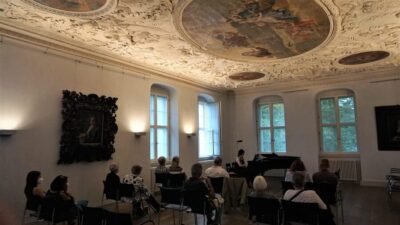
Classical concerts in Köpenick Palace – Aurora Hall
Read our review →
Browse the lists this tour appears in