Reviewed · BERLIN TOURS
Berlin: 2.5-Hour Neighborhood Tour of Neukölln
Neukölln can look like everyday Berlin, but this 2.5-hour walk turns the streets into a story of housing, religion, and power. You’ll get architectural variety fast, from the area around Richardplatz to major civic buildings tied to the district’s past.
Two things I really like are the Town Hall exterior, which makes the neighborhood’s official side hard to miss, and the way the guide connects each stop to real context, like the shift from Rixdorf to Neukölln in 1912. You’ll also see design-minded social housing, including the housing complex on Innstrasse and the housing around Rollberg.
One possible drawback: it’s an outdoor walk, so plan for weather and bring water, since food and drinks aren’t built into the tour.
Quick hits I’d plan around
- Rixdorf became Neukölln in 1912 after Wilhelm II’s approval, part of an image problem
- Bohemian Exulanten (Protestant refugees) shaped everyday life in the 18th century
- Rollberg history explained through what you can actually see, including housing on the way
- Innstrasse housing architecture worth slowing down for, not just passing by
- Richardplatz village feel plus a visit to the Bethlehem Church
Neukölln Turns Into a Time Machine in 2.5 Hours
I love a neighborhood tour when it does two jobs at once: it shows you places, and it explains why those places exist. This one does that in Neukölln, a part of Berlin that carries Middle Ages roots and still keeps a village-like mood around Richardplatz.
The tour’s spine is simple. You move through layers of the district, then you get the facts that make the architecture click. You start with older structures tied to law and civic life, then you shift to the housing story, and you end with the religious and refugee history that helped define the area.
If you want Berlin history without museums for every stop, this format works. You’re walking, looking closely, and getting the human reasons behind what’s on the streets.
Weigh these Berlin picks against each other
- Berlin: Reichstag, Dome and Government District Guided Tour
★ 4.7 · 18,288 reviews - Berlin: 1-Hour City Tour by Boat with Guaranteed Seating
★ 4.3 · 16,993 reviews - Berlin: TV Tower Standard Entrance Ticket
★ 4.4 · 15,883 reviews
Time, Price, and What $23 Buys You
At $23 per person for a 2.5-hour guided walk, you’re paying for two things: expert interpretation and route efficiency. Without a guide, you can absolutely wander Neukölln, but it’s much harder to connect the dots between a courthouse, a prison, and the broader housing and refugee history that brought people here.
This tour includes an expert guide, and it’s led live in German and English. That matters because the architectural features are easier to understand when someone points out what to notice, like the logic behind the design of housing complexes or why certain civic buildings matter.
Also, the tour can feel small. One recent experience I learned from was essentially private, with no other guests. If you prefer a more conversational pace over a big-group rush, that’s a big plus.
Finding Your Bearings Around Richardplatz
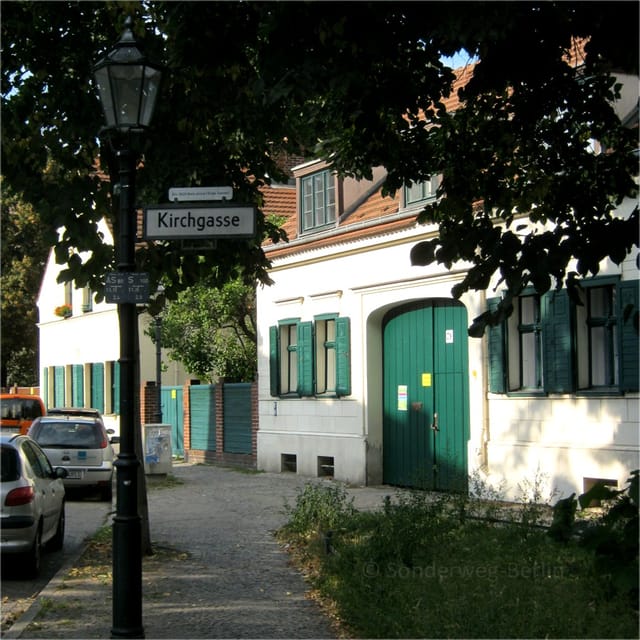
The heart of the tour runs through Richardplatz, where the vibe still feels more like a neighborhood village than a high-speed city grid. The area connects the refugee and religious side of Neukölln to the later civic and residential development that followed.
You’ll be able to recognize the difference between seeing a landmark and understanding it. Richardplatz isn’t just a point on a map here. It’s the emotional center of the story, because it’s where the tour frames what life was like after Protestant refugees, the Bohemian Exulanten, settled there.
From a practical standpoint, walking tours like this reward you for arriving ready to look. Keep your phone away for a bit and just watch how the buildings sit against the street, because that’s where the guide’s explanations land best.
Neukölln’s Old District Court and Former Prison
Not every neighborhood tour starts with something cheerful, and that’s the point. Seeing the old district court and the former prison in Neukölln gives you the district’s hard edge early on. These aren’t random stops. They’re part of how Berlin organized law, authority, and discipline at street level.
When a guide talks about these buildings, the history becomes concrete. You stop thinking about justice as an abstract concept and instead you see how the city made systems visible in stone and layout.
A quick consideration: if you’re sensitive to darker themes, keep that in mind going in. The tour is factual and architectural, but it does not shy away from the area’s past.
Another way to spend a Berlin afternoon:
- Berlin: Boat Tour Along the River Spree
★ 4.4 · 11,252 reviews - Discover Berlin Half-Day Walking Tour
★ 5.0 · 9,624 reviews - Berlin: Government District around the Reichstag Guided Tour
★ 4.7 · 8,447 reviews - Berlin: Reichstag, Plenary Chamber, Cupola & Government Tour
★ 4.6 · 8,422 reviews
Town Hall Architecture, and the Politics of Looking Official
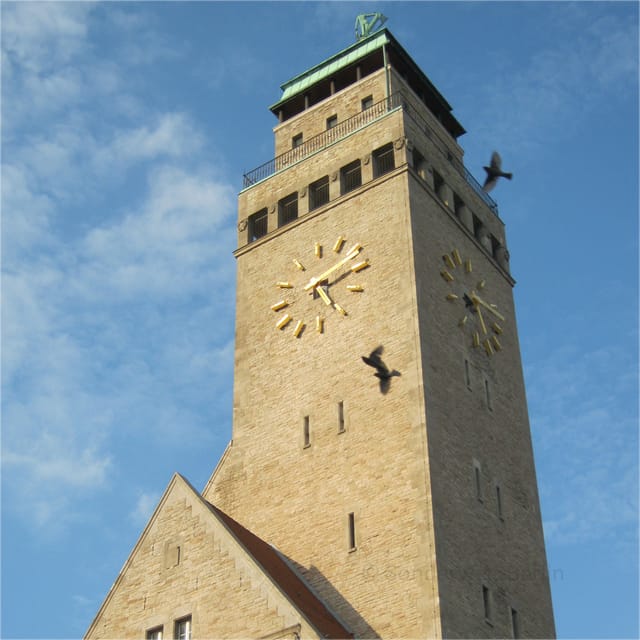
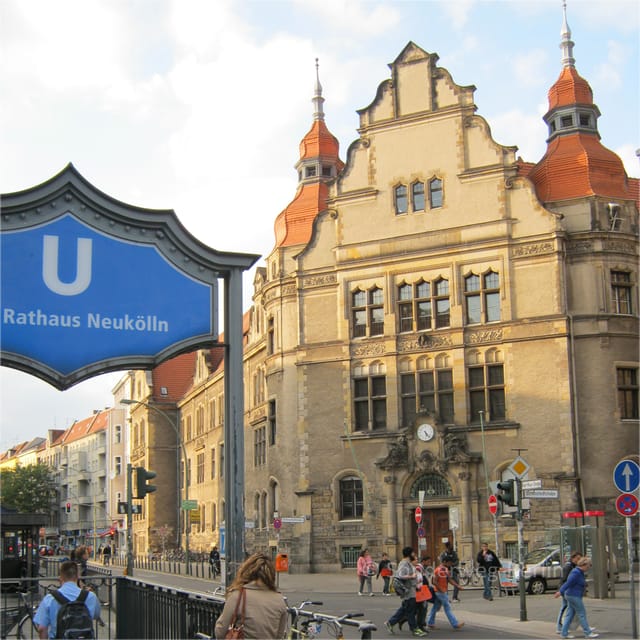
The Town Hall is one of those buildings that makes you slow down, even if you usually speed through photos. The tour asks you to look at the magnificent architecture of the Rathaus, and that’s smart, because civic architecture is never neutral.
In a district like Neukölln, the Town Hall represents how authority tried to project stability and order. Once you hear the guide’s context, the building’s presence makes more sense. It’s not just pretty or imposing. It’s part of how the city framed itself.
I like this stop because it also balances the earlier prison and court imagery. You get both sides of governance: punishment and administration, handled through the built environment.
Rollberg’s Proletarian Residence District: Housing With a Story
Rollberg is where the tour’s social history becomes especially clear. You’ll learn interesting facts about the history of the proletarian residence district there, and you’ll see how the city housed workers, families, and newcomers.
This is also where the guide’s job really matters. The architecture can look like standard apartment blocks if you treat it like background. With the history in your head, you start seeing decisions: who the buildings were for, what kind of community life they supported, and why this kind of dense housing became a defining feature of Neukölln.
From the experiences I picked up along the way, the tour also includes the atrium houses on Rollberg. Those internal courtyards and designed passage spaces help explain how people lived together in a crowded city, not just how a building looks.
Innstrasse Housing Complex: Where Design Meets Everyday Life
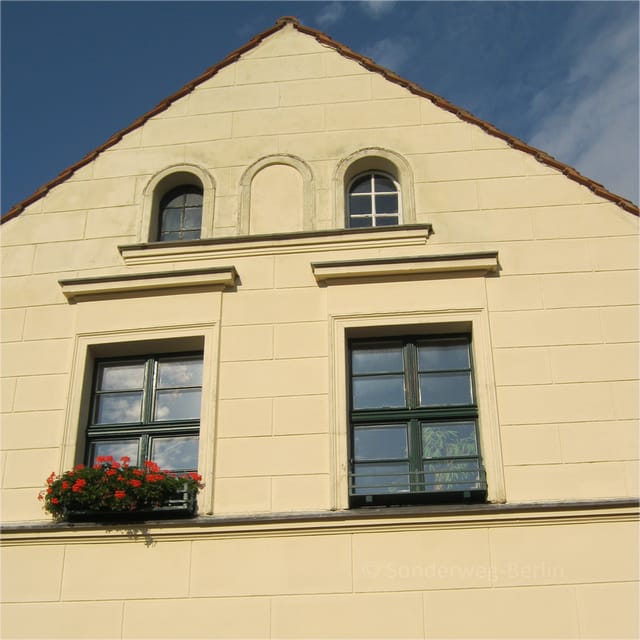
The housing complex on Innstrasse is another architecture moment that’s easy to appreciate once you know what to look for. The tour calls it outstanding architecture, and you can see why when you slow down for details like the rhythm of facades and the way the buildings handle street space.
This stop is valuable because it challenges the common travel habit of treating housing blocks as scenery. In Neukölln, housing architecture is actually part of the district’s identity, tied directly to the proletarian roots the guide explains.
I like that you’re not just touring for sights. You’re learning a way to read the city, street by street. After Innstrasse, you’ll probably start noticing how other Berlin neighborhoods organize public space, even on your own.
The Old Public Pool Facade and Saalbau Neukölln
Civic life shows up in unexpected buildings, and that’s why the old Neukölln public pool façade is on the route. Even if you’re not thinking about pools as history, the façade signals the district’s priorities: public services for everyday residents, not only grand monuments.
Then you move to Saalbau Neukölln, which keeps the civic theme going through a performance and gathering space. Together, these stops remind you that communities build shared spaces. They’re places to meet, watch, learn, and belong.
A small tip from my own way of touring: when the guide points out architectural choices, try to translate them into function. Ask yourself what the building was meant to do for the neighborhood, and you’ll understand the design faster.
Karl-Marx-Strasse Arcade: A Passage That Feels Like a Shortcut Through Time
Karl-Marx-Strasse is the kind of Berlin street where you can spot layers of commerce, movement, and local life. The tour includes an arcade on Karl-Marx-Strasse, and it’s a clever choice because an arcade is both practical and symbolic.
Practically, it’s a covered pedestrian passage that changes how people experience a busy street. Symbolically, it reflects an era when cities planned spaces for shopping and strolling in a semi-protected, semi-public way.
This is one of the stops where I’d pay attention to how people use the space. Even if you don’t speak German, you’ll learn a lot just by watching how the area funnels foot traffic and how long residents pause.
Bohemian Rixdorf Exile Houses and the Bethlehem Church on Richardplatz
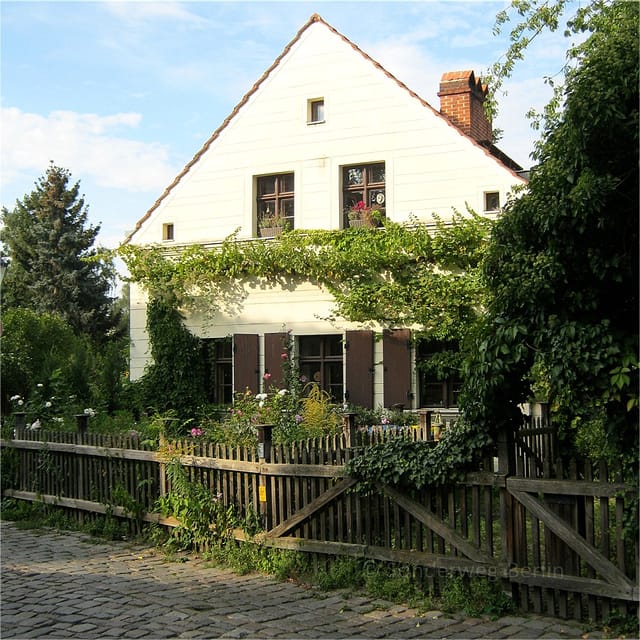
Now you reach the story’s roots. Rixdorf is the earlier name for the area, and in 1912 it became Neukölln with Wilhelm II’s approval. The reason was an image problem, because the city south of Berlin was viewed as the epitome of frivolous entertainment.
But the tour also stresses something more important: the origins of Rixdorf go back much further, and they don’t fit into stereotypes. You learn about religious faith and puritanism shaping everyday life for the Bohemian Exulanten, Protestant refugees who settled here as early as the 18th century.
The exile houses in Bohemian Rixdorf make that personal. These aren’t just dates and names. They’re evidence of settlement and survival. Then you visit the Bethlehem Church on Richardplatz, giving the religious side a place to land in your mind.
If you want a final moment that ties everything together, this is it. The neighborhood stops feeling like random districts and starts feeling like a community shaped by belief, refuge, and city planning over centuries.
What Makes the Guide Matter, Especially With Tobias
A tour like this succeeds or fails on communication. I especially like that the guide brings background facts to life without turning it into a lecture.
In one experience I learned about, the guide, Tobias, led a personal tour with lots of Sachwissen and a sense of humor, even on Weihnachtstag. That combination matters because architecture and history can be dry when the guide reads everything off a page. Here, it sounds like the guide knows how to make the story feel human.
You’ll also hear details that help you understand symbolism, including backgrounds connected to the city’s coat of arms. That kind of explanation helps you connect what you see on buildings to what the city wanted to project.
And if you get a small group, even better. Smaller groups make it easier to ask questions, pause for photos, and get clarifications right away.
Who This Tour Is Best For
This tour is a great fit if you:
- Want history tied to buildings, not just dates
- Enjoy architecture that has a social purpose, like housing and civic structures
- Prefer a walking format that covers a lot of ground in a short time
- Like multicultural Berlin stories that explain how communities formed
It’s also a strong choice if you’re already seeing the big Berlin sights but want a neighborhood angle that feels lived-in and specific.
Should You Book This Neukölln Neighborhood Tour?
Yes, if you want a guided way to understand Neukölln’s layers in a short, efficient window. The $23 price feels fair because you’re getting expert guidance plus a route that hits court and prison history, major civic architecture, housing design, and refugee-and-church context around Richardplatz.
I would skip it only if you hate walking or you only want museums and interior visits. This is about streets, facades, and what they mean. When you’re ready to read the city like a story, it’s a very good use of a morning or afternoon in Berlin.
If you book, wear comfortable shoes and keep some patience for weather. Then follow the guide’s focus. You’ll leave with Neukölln feeling less like a blur and more like a place with a clear past you can actually see.
FAQ
How long is the Berlin Neukölln neighborhood tour?
It lasts 2.5 hours.
How much does the tour cost?
The price is $23 per person.
What is included in the tour price?
The price includes an expert tour guide.
Is the tour wheelchair accessible?
Yes, the tour is wheelchair accessible.
What languages are the live guides?
The tour is available with live tour guides in German and English.
Where do we meet for the tour?
The meeting point may vary depending on the option booked.
Can I reserve now and pay later?
Yes, you can reserve your spot and pay later.
Can I cancel for a full refund?
Yes, you can cancel up to 24 hours in advance for a full refund.
Can the tour meeting details be arranged for a group?
Yes. A meeting point, date, and time of your choice can be arranged for your group upon request when booking.
Fresh reviews out of Berlin
- Berlin Uncensored: A History of Sex & Freedom★ 5.0 · 50 reviews
- Berlin Food & Cultural Tour: Must-Try German & Berliner Classics★ 5.0 · 51 reviews
- English Comedy Show with Pizza and Shots in Central Berlin★ 4.5 · 51 reviews
- Rude Bastards Tour of Berlin★ 4.8 · 51 reviews
- Private Taxi Tour of Berlin East and West and Neighbourhood approx. 4-6h★ 5.0 · 55 reviews
- Rickshaw Sightseeing City Tours Berlin – Rikscha Tours★ 4.0 · 55 reviews
- Berlin: City Highlights Express & Panorama Roof Terrace★ 4.9 · 55 reviews
- Berlin during Nazism – Tour in Italian★ 5.0 · 56 reviews
Berlin Tours, compared.
Reichstag, Dome and Government District Guided Tour
Read our review →
1-Hour City Tour by Boat with Guaranteed Seating
Read our review →
Government District around the Reichstag Guided Tour
Read our review →
Reichstag, Plenary Chamber, Cupola & Government Tour
Read our review →