
Reviewed · SCAVENGER HUNTS
Bautzen: Scavenger Hunt Self-Guided Walking Tour
Bautzen can be a pretty easy town to tour, but this game makes it more fun and more memorable. I like the self-paced puzzle format and the fact that each stop comes with clear background info, not just coordinates. One thing to consider: the envelopes can feel a bit fiddly to take out and there is no built-in way to stash the ones you finished.
You can start anytime you like once your box arrives, and you decide how long to spend in each spot. That flexibility matters in a place where you may want extra time for photos, a coffee, or just wandering the inner streets at a slower pace.
If you want a “click-and-go” sightseeing tool with minimal planning, this fits. If you want a spoken, live guide leading a fixed route, this will feel different, because there is no guide waiting at the start.
Key things to know before you play
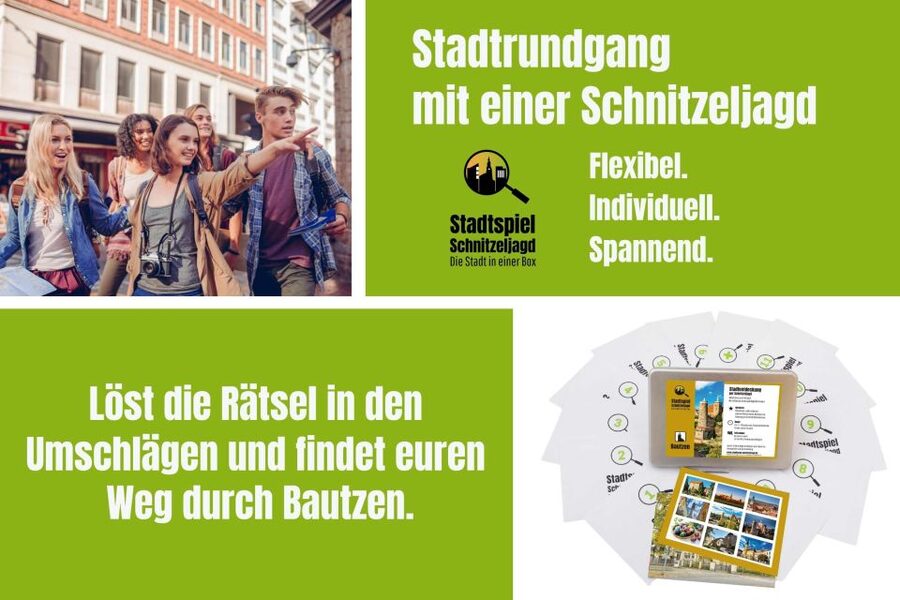
- 11 sealed numbered envelopes with puzzles that tell you which envelope opens next
- Built-in history at every stop, so you’re not just chasing sights
- Major Bautzen sights are included, including the Ortenburg, the Hammermühle, and the Bautzen II memorial
- Flexible timing lets you pause for breaks and keep going whenever you want
- Weather-ready box (it’s described as waterproof), helpful for real-world conditions
- Emergency envelope with solutions for when a puzzle stalls you
A Puzzle Box Walk That Turns Bautzen Into Your Game Board
This scavenger hunt is basically a walking tour with built-in motivation. You’re not handed a map and told to follow it. Instead, you work through tasks in a box, and the puzzles generate the next step. That simple structure changes the whole experience because you’re actively looking at the streets, not just passing through them.
The big payoff is that the route feels like discovery. Bautzen has its own rhythm, with quiet corners and strong visual landmarks, so the puzzle format nudges you from one meaningful view to the next. And because each envelope includes background information, you get context without needing to stop and research later. You’re reading while you’re standing there, which is exactly when history sticks.
I also like that it’s genuinely flexible. You can slow down, sprint ahead, or take a break whenever you want. You can even continue on a different day, which is a gift if your walking pace or energy level is unpredictable.
The main “watch out” is small but real: the envelopes are meant to be opened in a sequence you don’t know in advance, and some people find them a bit hard to lift out cleanly from the box. Also, there’s no dedicated compartment for the envelopes you’ve completed, so you’ll want to plan a simple spot for finished ones (a small pocket, a zip bag, or a tote works).
How the 11 Envelopes Become a Real Walking Route
Here’s the mechanics, and once you understand them, you’ll feel in control the whole time.
Your Scavenger Hunt box contains 11 sealed and numbered envelopes. Each envelope includes small tasks, and solving each puzzle gives you a number. That number tells you which envelope to open next. So the order is not “1 to 11” in a straight line. You’ll criss-cross through the inner city following the clues.
Each envelope also includes directions and background information about the attraction you reach. The goal is twofold: you get to the sights, and you learn why they matter. The descriptions cover the history of each site, how it’s used today, and extra interesting facts. That means your walk stays interesting even if a street looks similar to another street, because the story changes as the puzzle chain changes.
You’ll get the most out of the format if you treat the puzzles as part of the sightseeing. Don’t rush through just to finish. When the clue points you toward a tower, a castle-related area, or a memorial, take the extra 60 seconds to match what you’re reading to what you’re seeing. That’s where the “Aha” moments happen.
And if you get stuck, there’s an emergency envelope with all solutions. That keeps the experience from turning into a long frustration loop. You can keep moving and still enjoy the sights rather than spending the day stuck on one step.
The Ortenburg: Fortress Feeling With Context You Can Read on the Spot
One of the clearest major themes of the hunt is the fortified side of Bautzen. The Ortenburg comes up as a key stop, and it’s the kind of place that changes how you understand the city. Even if you don’t think of yourself as a “castle person,” you’ll likely appreciate how the puzzle sets you up to look for the right angles and features.
Because your envelopes include background on each site, you’re not just standing near a castle area wondering what you’re looking at. You get the context that turns the building into a story. And that is the real value of doing it this way: you’re not relying on a guide’s memory or your own ability to read plaques later. You’re getting the explanation at the right time, while the place is still right in front of you.
Practical tip: plan to slow down here for photos and for the reading. Even though the game is structured, the Ortenburg moment feels like the kind of stop where you’ll want to linger. If you breeze through the envelope and keep walking, you’ll miss some of the atmosphere that makes this stop work.
Hammermühle and the City’s Water Supply Story
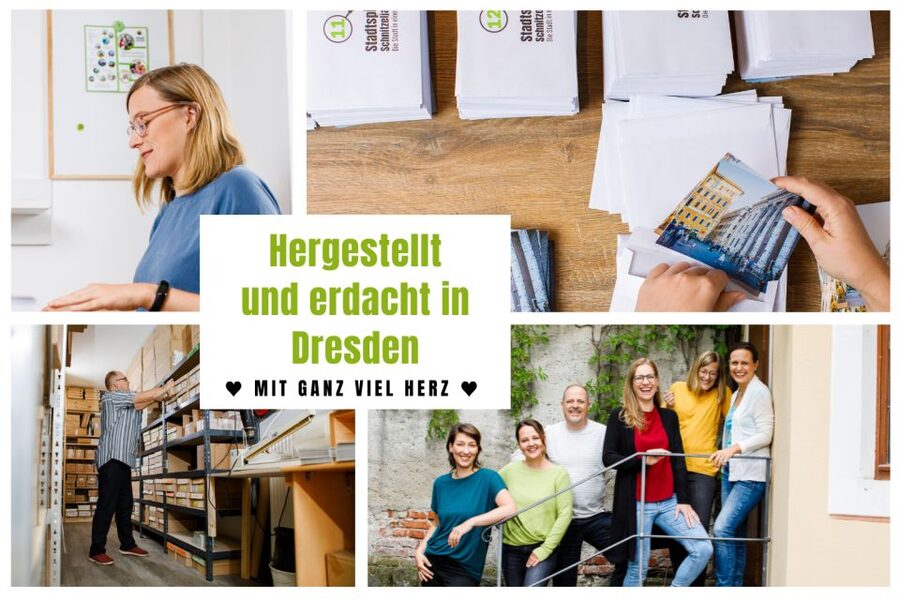
The hunt also connects Bautzen to something very human: how a city got its water. It includes the Hammermühle and background on how Bautzen was supplied with water from the Spree in earlier times.
That water story is one of the best ways to understand a historic town, because it explains how daily life used to run. Instead of thinking of history as a list of dates, you’re learning what the city needed to function and how systems formed around that need. Mills and waterways are practical history, the kind you can picture easily, even if you’re not an engineer.
This is also a great example of why the scavenger hunt approach works. It gives you a reason to move to the next spot, and the next spot has a clear topic. When you hit the Hammermühle-related area, the puzzle and the reading line up, so it feels like you earned the explanation.
If it’s raining, you’ll appreciate that the box is described as waterproof. You can still keep playing and reading without panicking over a sudden shower, which is a small thing that makes a big difference when you’re on foot for over three hours.
Bautzen II Memorial, Legends, and Sorbian Traditions

Some walks keep it simple, old stones on one side, shopping streets on the other. This one mixes categories, and that mix can be a strength if you like a rounded view of a place.
The memorial Bautzen II is one of the standout stops. That matters because the hunt doesn’t only frame Bautzen as medieval and scenic. It also points you toward remembering and understanding what happened in the city’s more recent past. The envelope descriptions are where you’ll get the background and current use details, so you’re not left guessing what you’re looking at.
Then there’s the cultural thread. The hunt highlights Sorbian traditions that are cultivated here. Bautzen is linked with Sorbian identity in the region, and getting that perspective as part of a puzzle route makes it feel less like a sidebar and more like an integral part of the city’s character. You’ll be more likely to notice cultural cues because the game keeps reminding you that this place has a living identity, not only preserved monuments.
Legends also come into play. Along the way, the envelopes include numerous legends that surround the city. Legends can be fun, but they also do a serious job: they show how people made sense of places before modern explanations took over. You’ll feel the difference between “this is old” and “this is old and people have been telling stories about it for generations.”
One caution for the memorial moment: even with a self-guided format, take a respectful pace. Read the envelope content, look around, and give yourself enough time to absorb it. The game allows breaks, so you don’t need to rush through a heavier stop just to keep the chain moving.
Timing the Walk: What 210 Minutes Feels Like in Real Life
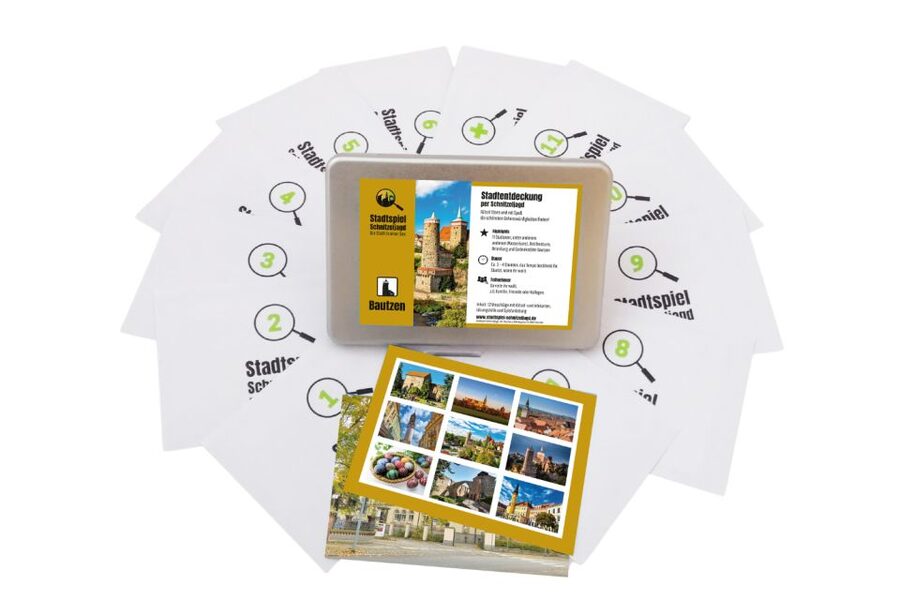
The duration is listed as 210 minutes, which is about 3.5 hours. That’s enough time to walk, read the info, solve puzzles, and still enjoy pauses for photos or coffee.
The best part is you control how that time gets spent. You can decide when to start, how long to stay at each location, and whether to take breaks. That flexibility is especially useful if you’re traveling with kids, if your walking pace varies, or if you want time for a snack without guilt.
Here’s how I suggest pacing it:
- Treat each envelope like a mini stop, not a quick checklist.
- When you arrive at a sight, read the background, then look up for 30 seconds and match the words to the surroundings.
- If you hit a puzzle that slows you down, don’t panic. Use the emergency envelope if you need to, then keep moving.
If you’re an experienced self-guided traveler, you can probably keep a steady rhythm and finish close to the 210-minute mark. If you read everything carefully and linger for photos, plan a bit longer. The good news is the game won’t punish you for that. It’s designed for stopping.
Price and Value: Why $47 Per Group Can Be a Good Deal
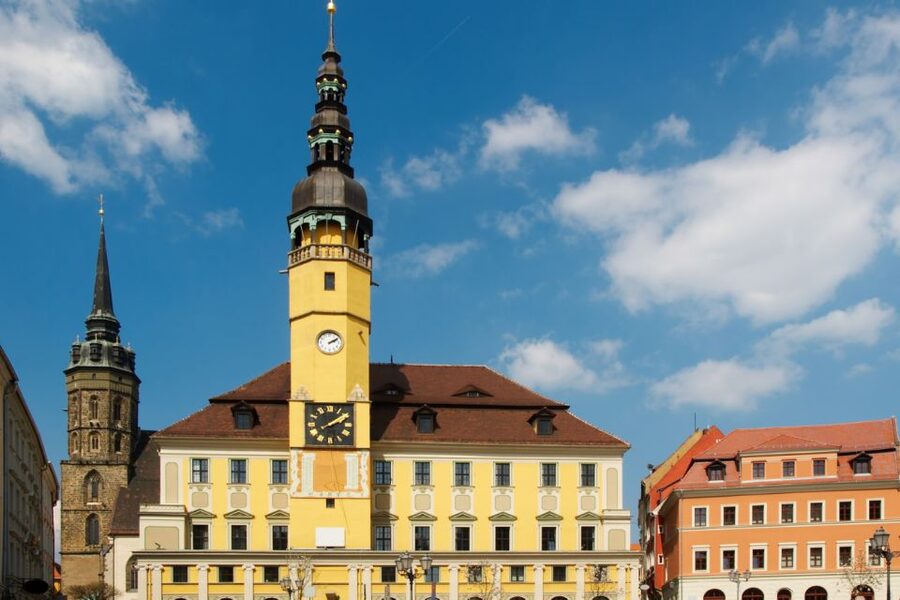
The price is $47 per group up to 10. That’s not “per person,” which is where the value gets interesting.
If you’re traveling as a couple, it can work out to a higher per-person cost. If you’re a small group of up to 10, it becomes surprisingly reasonable because you’re splitting the cost. On top of that, the box includes what you’d normally pay for separately in a traditional tour: directions, puzzle materials, and background content tied to each stop.
What you get for your money:
- A self-guided box with 11 envelopes and puzzle tasks
- Detailed directions and facts for each major attraction
- An emergency envelope with solutions
- Shipping is included in the price
What you don’t get:
- A tour-guide
- Food and beverages
- Entrance fees for sights
That last point is important for your planning. The hunt may bring you close to places where there could be entrance fees, but those fees are not included. So if you want to go inside anything ticketed, budget for that separately.
Overall, this is best value when you want a structured walking route but prefer flexibility over a fixed guided schedule.
Getting the Box, Using It, and Handling Weather Without Stress
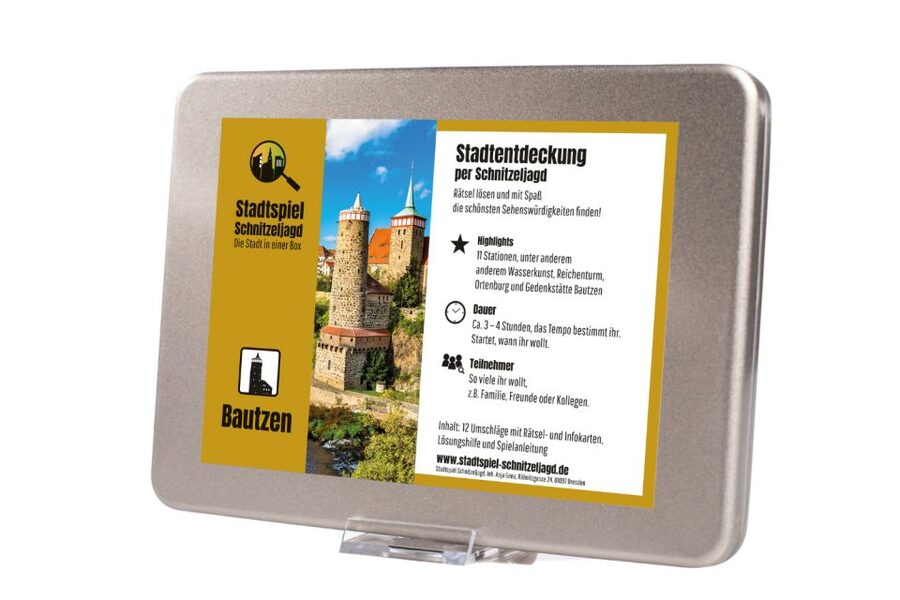
This is a self-guided experience, so your “meeting point” is really about where the hunt begins once you open your box instructions. There’s no guide waiting there, so you should arrive ready to follow the directions that come with the box.
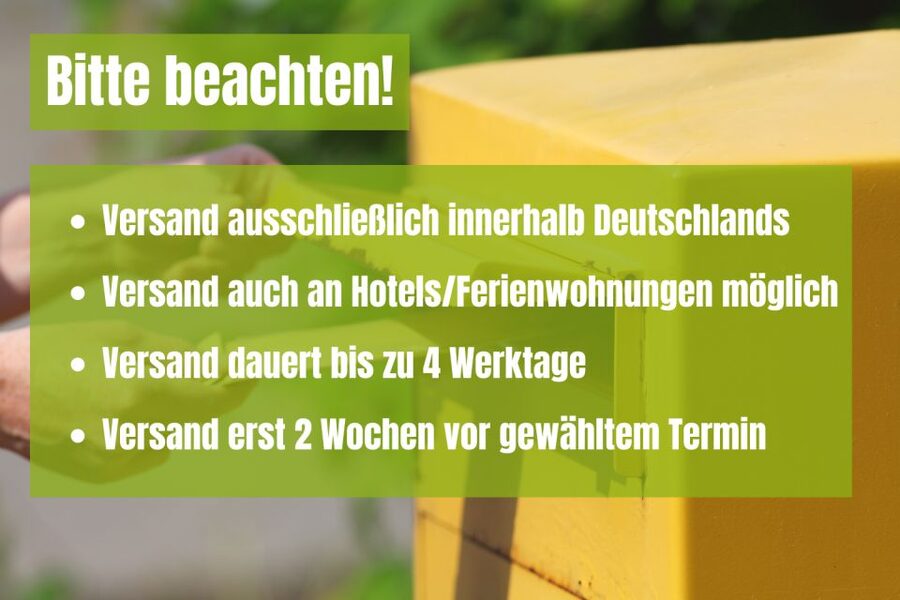
You also need to plan for shipping. The scavenger hunt box is mailed to you, and delivery takes roughly 4 working days within Germany. It’s recommended to allow enough time so you can use it on the date you want.
A practical tip: keep your box flat and protected when you’re traveling. The review detail that the box is weatherproof is great, but paper and envelopes still handle best when you’re not folding or crushing them between other bags.
And because some envelopes can be tricky to lift out and there’s no built-in storage for completed tasks, I recommend you bring a small zip bag or a piece of paper to hold opened envelopes as you go. That keeps the flow smooth and helps you avoid losing a numbered envelope mid-game.
Where You Can Pause for Coffee, Photos, and Side Shopping
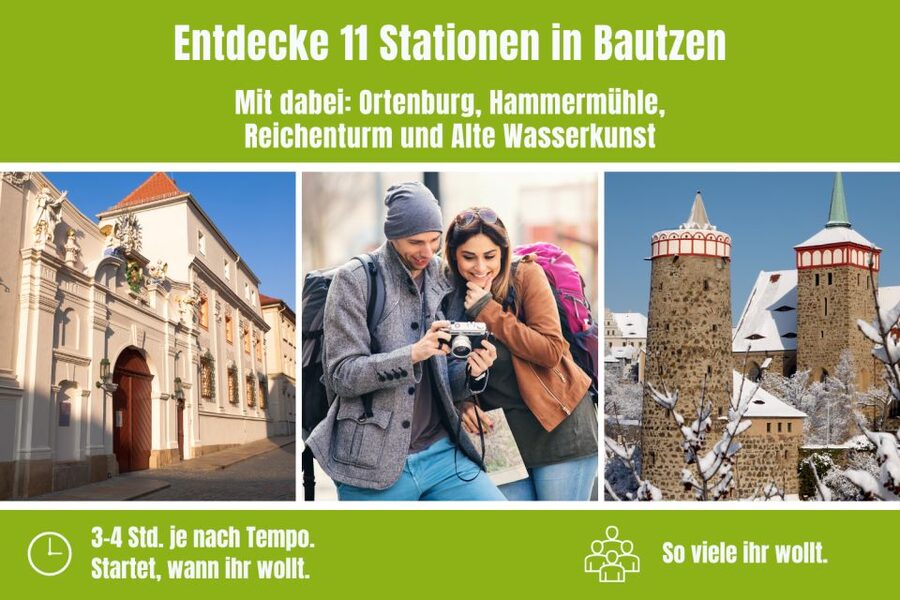
One of the reasons I’d choose this format in Bautzen is that it respects real travel rhythm. You can pause the tour at any time, take photos, and stop for a snack or coffee. The puzzle chain continues to exist even if you step out for a while.
You’re also not forced into one rigid timeline. If you want to keep going on a different day, you can. That’s a practical advantage in a city where streets and sights are all relatively close, but energy levels might not be.
Also, you’re exploring without a city map or travel guide in your hand, because the envelope instructions provide the direction. That reduces decision fatigue. Instead of constantly checking where you are and what to do next, you’re doing one thing at a time: solve, read, walk.
If you love spontaneity, you can also use the game as a framework and still wander a little. Just keep an eye on where the next clue is guiding you, so you don’t accidentally get off track.
Who This Self-Guided Hunt Works Best For
This is a strong match if you:
- Want a fun way to explore Bautzen on foot
- Like interactive sightseeing more than passive museum-style walking
- Enjoy reading short pieces of history tied to places you’re actually seeing
- Prefer freedom over group schedules
It’s also a good option if you’re traveling with mixed ages, because the pacing is yours. If someone needs a slower moment, you can pause without stopping a real guide.
Where it may not fit as well:
- If you want a live guide to answer questions on the spot
- If puzzles frustrate you quickly and you’d rather follow a map than solve tasks
- If you strongly dislike the idea of managing physical envelopes during a walk
Should You Book This Bautzen Scavenger Hunt?
Book it if you want your time in Bautzen to feel more like a game you play with the city, not a checklist you complete. The combination of puzzle steps and on-the-spot background is the core strength, and the walk covers major sights like the Ortenburg, Hammermühle, and memorial Bautzen II with added context including Sorbian traditions, water history from the Spree, and local legends.
Skip it if you’re the type who needs a guide to keep you moving or you’re only looking for straightforward sightseeing with zero mental effort. This experience asks you to participate.
If you get a box, lace up comfy shoes, and give yourself permission to pause, you’ll likely come away with a much stronger feel for Bautzen than you would from just walking from one photo spot to the next.
FAQ
How long is the Bautzen scavenger hunt walking tour?
It lasts about 210 minutes.
How much does it cost?
It costs $47 per group, up to 10 people.
Do I need a guide at the start?
No. There’s no tour-guide at the meeting point. You use the Scavenger Hunt box you received by mail.
How does the puzzle route work?
You open the numbered envelopes and solve puzzles. Each solution gives a number that tells you which envelope to open next. The order is not known in advance.
What’s included in the box?
The box includes 11 sealed and numbered envelopes with riddles, directions, information, and facts, plus an emergency envelope with all solutions. Shipping is included.
Will the box be mailed to me, and when?
Yes, it’s shipped to your address. Shipping within Germany takes about 4 working days, so plan ahead to receive it before you start.
More Walking Tours in Bautzen
- Discover Berlin Half-Day Walking Tour
★ 5.0 · 9,624 reviews - Berlin: Third Reich and Cold War 2 Hour Walking Tour
★ 4.9 · 6,830 reviews - Munich: Third Reich & WWII Walking Tour
★ 4.6 · 6,181 reviews - Berlin: Discover Berlin Walking Tour
★ 4.9 · 5,998 reviews
More Scavenger Hunts in Bautzen
- Hamburg: Scavenger Hunt Self-Guided Tour for Children
★ 4.5 · 319 reviews - Dresden: Old Town Self-Guided Scavenger Hunt Tour
★ 4.5 · 151 reviews - Escaping and spying on the Berlin Wall Scavenger hunt
★ 4.5 · 128 reviews - Berlin: Self-Guided Family and School Class Scavenger Hunt
★ 4.6 · 128 reviews
Scavenger Hunts, compared.

Scavenger Hunt Self-Guided Tour for Children
Read our review →
Old Town Self-Guided Scavenger Hunt Tour
Read our review →
Escaping and spying on the Berlin Wall Scavenger hunt
Read our review →
Self-Guided Family and School Class Scavenger Hunt
Read our review →


Leipzig City Centre: Scavenger Hunt Self-Guided Tour
Read our review →
Scavenger Hunt Self-Guided Tour for Children
Read our review →Browse the lists this tour appears in