
Reviewed · JAPAN
Blick hinter die Kulissen – Führung: Staatstheater Darmstadt
Staatstheater Darmstadt is one of those places where the magic is built, not just performed. What makes this 90-minute tour interesting is that it shows the real teamwork behind Opera, Tanz, und Schauspiel productions, across workshop floors and planning areas. I love how you get to see stage sets and costumes in the making, not just finished results. I also like that it is wheelchair accessible and run by a live guide in German. The one drawback to consider: the biggest stage viewing depends on what is going on during theater operations, so you might not always see the full showfloor view.
If you like hands-on creativity, this is a smart use of time in Hessen. For 17 dollars per person, you are paying to understand how a major theater runs day to day, with craft work like painting, sewing, assembly, and even welding all connected to performance schedules. One small caution from the overall experience data: one booking reported the tour did not happen due to cancellation without prior notice, so plan to double-check close to the start time.
Key highlights you should care about
- Backstage workshop route through the places where sets and costumes are created
- Hands-on crafts you can see including assembly, painting, tailoring, and welding
- Many professions working together from artists to administrative staff
- Planning and rehearsal areas where the show takes shape before it hits the stage
- The big stage only when available, so your outcome depends on performance schedules
What this Staatstheater Darmstadt backstage tour is, and what it is not
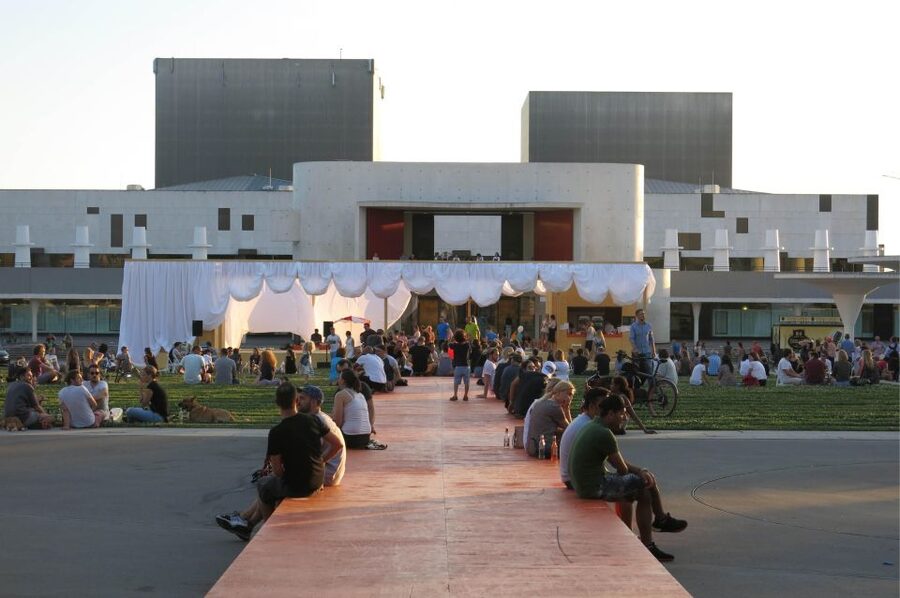
This is not a sit-and-listen history lecture. The value comes from watching how theater actually gets produced. Staatstheater Darmstadt is a Mehrspartenhaus, meaning it covers multiple forms in-house: opera, dance, and plays. That matters because the tour is not only about one style. You get a sense of how one building supports different kinds of performances using shared workshop talent.
Think of it like a working factory for art. You are not just seeing props and costumes. You are seeing the systems behind them: planning, building, fitting, and rehearsal. For many people, the surprise is how many steps sit between an idea and what you see from the audience.
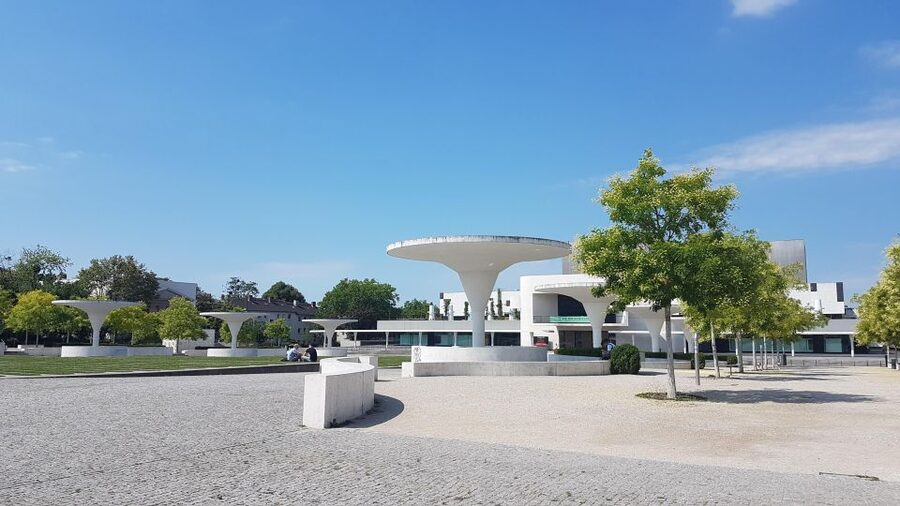
The other thing I like is that the tour is a true behind-the-scenes walk, starting at the artist entrance on Hügelstraße. You get that subtle change in atmosphere right away, from public streets into production mode.
More to plan into a Darmstadt stay:
- Darmstadt: Mathildenhöhe UNESCO Site Guided Visit
★ 4.7 · 124 reviews
From the Künstlereingang to your 90-minute rhythm
The tour meets at the Künstlereingang on Hügelstraße. That is important because it sets expectations. You are starting where staff and production traffic makes sense, not at a front ticket hall. In practice, that means you should arrive a bit early, so you do not feel rushed in a space that is designed for staff timing, not tourist timing.
Duration is 90 minutes, and it runs with set start times depending on availability. Since you cannot count on the large stage tour at all times, the route makes its promise through the workshops and backstage areas first. In other words, even if the big-stage viewing changes, you still have the core experience of seeing where the work happens.
Group size is not specified, so go prepared to move through a real workplace where people are busy. For comfort, keep your day simple. Wear shoes you can walk in for an indoor tour and bring minimal items.
One practical rule to keep in mind: oversize luggage is not allowed. If you are connecting from another stop and you have a bulky bag, plan to store it before you go.
Workshop floors: how Bühnenbilder are built from workstations
This tour is at its best when you notice the building blocks. The theater does not create sets as one giant project. It creates them through a chain of specialized tasks, often in different workshops.
Here is what you should expect to see as you move through the process:
- Assembling and constructing the basic set elements, the parts that give a production its physical world
- Painting workshops, where surfaces, textures, and visual effects get created before opening night
- Tailoring areas, closely tied to costumes but also to how fabric works in performance demands
- Welding and metal work, showing how structure can be both practical and stage-ready
- Planning areas, where ideas are translated into buildable plans
- Rehearsal connection points, where final timing matters and pieces must match stage reality
What I like about this setup is that it teaches you to watch differently when you return to the auditorium. After seeing how sets get painted and assembled, you stop thinking of scenery as decoration. It becomes a tool built for sightlines, movement, and stage logistics.
Also, you get a real appreciation for how many hands touch one production. The tour description highlights that hardly any place has as many different professions working together on a single product. That is the heart of the value here. You see the cross-over between craft and art, plus the administrative work that keeps the machine running.
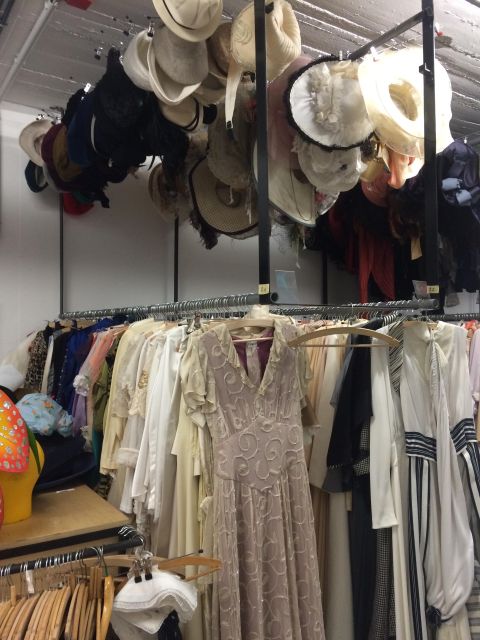
Costumes up close, from sewing to fitting logic
Costumes can feel like magic from the audience. Backstage, they look like engineering. You should expect to encounter a range of costume-making work, with a focus on creation and production craft.
The tour specifically points to tailoring and the wider costume production process. Even without seeing every single garment step, the overall message is clear: costumes are built to survive performance, support character design, and move with performers. Fabric choices, construction decisions, and finishing work all matter.
If you are the kind of person who watches for details like seams, closures, and how costumes move on stage, this portion is likely to be satisfying. And if you usually do not pay attention to wardrobe, you will start to.
There is also a psychology benefit. Watching costumes being made right before they are used helps you understand what production schedules do to creativity. You see that the goal is not just to make something beautiful. It is to make something reliable, repeatable, and stage-safe across multiple performances.
Welding, paint, and the real reason stage looks believable
Welding is one of those tasks most visitors never see. That is why it is one of the most compelling parts of the tour. Even if you are not an engineer, seeing metal work connected to theater makes it obvious that stage illusion has a foundation.
After a tour like this, you will likely look at scenery differently. Instead of asking, How did they make it look like that, you will ask, How did they build it to work. That shift is what makes the tour more than a quick look behind a curtain.
Painting is another big one. Theater painting does not just cover a surface. It creates depth and mood under stage lighting. It can hide seams, blend textures, and create the kind of visual world audiences instantly read.
So when the tour guides you through workshops tied to painting and assembly, you are seeing the behind-the-scenes translation from design to stage reality. That is useful whether you want to attend a performance later or you are just curious about how art production works.
Planning and rehearsal: where schedules meet creativity
A standout part of this tour is that it is not limited to making things. It includes places connected to planning and rehearsals. That matters because theater production is not only craft. It is also timing.
When you see rehearsal connected to the production workflow, you start to understand why details matter. A set piece does not just need to exist. It needs to land correctly, move safely, and work for blocking and performance timing. Costumes do not just need to be designed. They need to work for movement and quick changes.
Even if your tour route emphasizes workshops more than rehearsal rooms, the description makes it clear that planning and rehearsal are part of the experience. That is a smart choice by the theater because it frames the backstage work as an ongoing conversation between builders, artists, and performers.
If you enjoy process, not just products, this is where the tour earns its 90 minutes.
The big stage viewing: the one variable you should expect
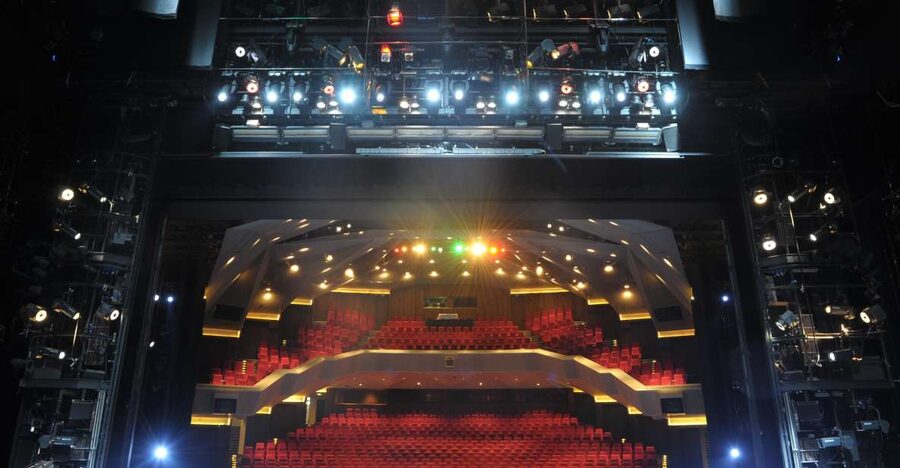
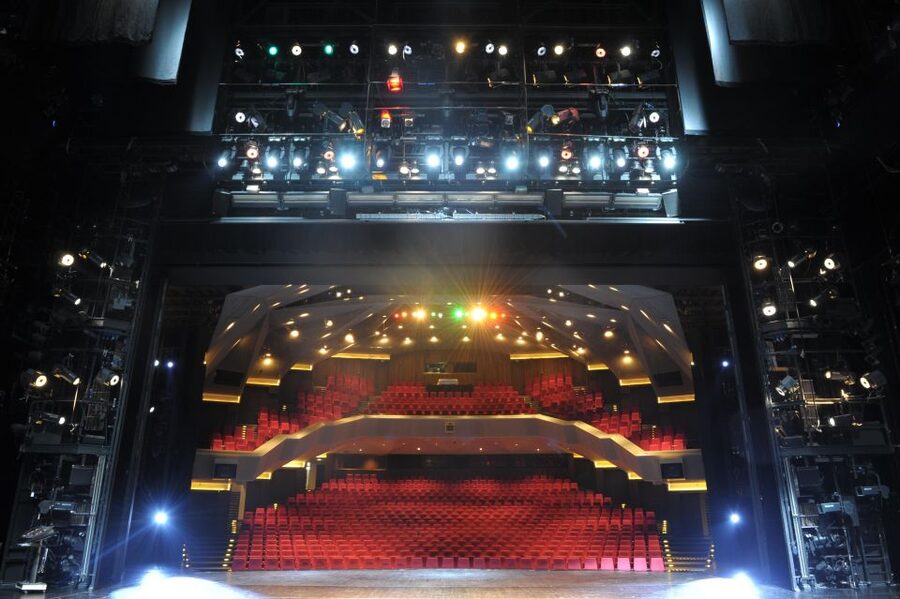
Here is the practical truth: during ongoing theater operations, the large stage is only accessible when availability allows. The tour does not guarantee it. That means your experience may include a peek at the main stage area, or it might focus entirely on workshops and backstage spaces.
You should treat the big stage as a bonus, not the core promise. The tour’s real value is the workshop work you can see regardless, because sets and costumes have to be built for every production whether or not the main stage is open.
When the big stage is available, it can change the feeling of the tour. Seeing the scale of the space ties together what you saw in workshops. You can picture how a painted surface will read from far away, how assembled elements will fit into stage angles, and how costume design plays with performance lighting.
Language and pace: what “German live tour guide” means for you
The tour includes a live guide in German. If you speak only a little German, you can still enjoy a lot of this. Visual craft work is universal: welding sparks, painting steps, sewing logic, and staged rehearsal flow all communicate without heavy translation.
But for maximum value, bring basic interest in German theater terms. The tour description uses terms tied to theater production areas and workshop tasks, and having a bit of language helps you follow the guide’s explanation.
The pacing is designed for a working environment. Expect to walk from the meeting point into production spaces, then follow the guide’s route through the workshops and planning areas. It is not likely to be a slow museum stroll. Build in a little flexibility.
Price and value: why 17 dollars can actually be a good deal
At $17 per person for 90 minutes, this is priced like a tour, not like a private workshop or exclusive production access. The best value angle is that it gives you real production insight. You see how sets and costumes come to life through multiple trades, and you learn what a multi-disciplinary house looks like in practice.
Is it expensive? No, especially compared to other cultural add-ons that often spend most of the time on viewing, not on process. Is it cheap enough to be disposable? Not really. If you go with the right mindset, you get a lot out of it because you leave knowing the names of workshop tasks and seeing how they connect to performance.
Also, the tour is run by Darmstadt Marketing GmbH, and that usually translates to a structured, ticketed experience with a clear schedule. That structure helps you plan.
Who should book this, and who might prefer something else
This tour is a great fit if you like:
- theater, but also the making behind theater
- behind-the-scenes access that stays grounded in real work
- seeing multiple disciplines under one roof, since it covers opera, dance, and theater
- craft curiosity, especially around costumes and set build processes
It might be less ideal if you want:
- guaranteed main-stage access every time
- a long lecture format or a deep dive into artistic biography
- an English-language tour, since the guide is German
If you are traveling with kids, it can be fun because children often enjoy seeing tools, construction work, and dramatic costumes. Just keep expectations realistic: it is still a workplace, so the pace and access are guided by production needs.
A small reality check from the experience rating
The overall rating shows 4.6 out of 5 based on 10 reported bookings. Most of the feedback you are likely to care about is about how informative and interesting the tour felt, including the fact that the guide kept calm and the group got to see and learn a lot.
There is also one important negative datapoint: one booking reported the tour did not take place and they were not informed that it was canceled. You cannot assume it will happen again, but it is enough to justify a simple habit. Check your tour status close to departure time and keep your schedule flexible when you can.
The quick decision guide: should you book?
Book this if you want a practical, hands-on look at how Staatstheater Darmstadt runs as a production machine. You will come away with a clearer sense of how sets and costumes are created through real trades like painting, tailoring, and welding, and how planning and rehearsal connect to the final performance.
I would skip it or look for alternatives if your main goal is guaranteed access to the large stage. Because that part depends on availability, it is smart to treat the big stage as a bonus. Also, if you cannot follow a German-led tour at all, your enjoyment will depend more on visuals than on explanations.
FAQ
How long is the Staatstheater Darmstadt backstage tour?
It lasts 90 minutes.
Where is the meeting point?
The meeting point is the Künstlereingang on Hügelstraße.
How much does the tour cost?
The price is $17 per person.
Is there a live guide?
Yes, there is a live tour guide in German.
Is the tour wheelchair accessible?
Yes, the tour is wheelchair accessible.
Is the large stage always included?
No. As part of theater operations, the large stage is only viewable when available.
Are oversize bags allowed?
Oversize luggage is not allowed.
What should I do if my language level is limited?
The guide is German, so your understanding will rely mostly on the explanations, with the workshop visuals helping too.
Is free cancellation available?
Yes, you can cancel up to 24 hours in advance for a full refund.
Should you book this backstage tour?
If you like theater but prefer process over speeches, this is a solid buy. The 90 minutes are focused on where sets and costumes are made and how planning and rehearsals fit in. Just go in knowing the main stage depends on what is available that day, and you will be a happy audience member either way.
Fresh reviews out of Darmstadt
- Darmstadt: Mathildenhöhe UNESCO Site Guided Visit★ 4.7 · 124 reviews