
Reviewed · ESCAPE GAMES
Weimar: “Illuminati”, unique Escape Room, Goethe’s secret
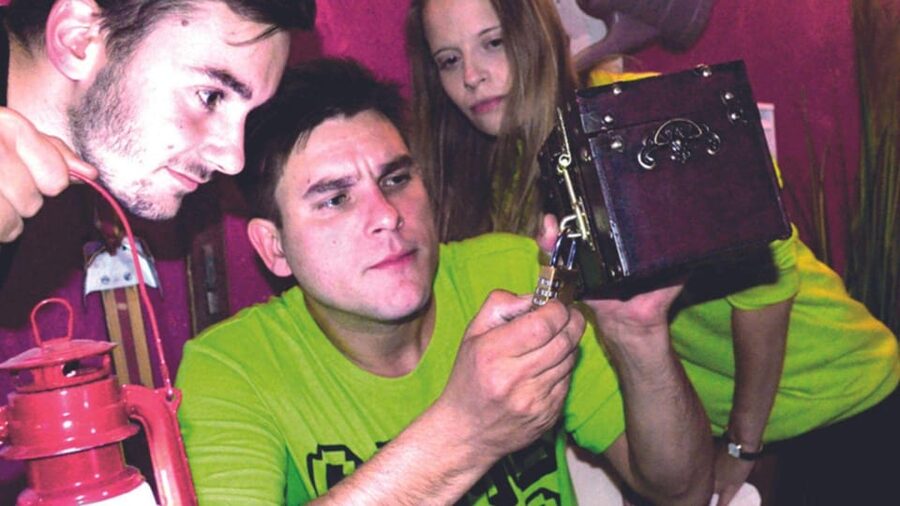
A secret-society plot tied to Goethe, played out inside a real Weimar pub that looks like a sailing ship, is the kind of indoor challenge that feels different from the usual museum routine. I like the live story framing, because it gives your group momentum right away.
I also like that the game is built around team problem-solving, not just one person “being smart.” The one drawback to keep in mind is that the theme can take a few minutes to click, and if you get stuck early, you may need some support to finish smoothly.
Key highlights

- A real pub location in Weimar that’s designed like a sailing ship, so the setting does half the work
- Secret order storyline with a Goethe connection, built to keep you curious while you search
- 60 minutes of timed action that makes it easy to fit between sightseeing stops
- Semi-difficult puzzles that are challenging but meant to be solvable with teamwork
- Drink-friendly atmosphere, so you can keep the experience relaxed while you play
- German-led live instructor who guides and keeps the game moving
Why the sailing-ship pub setup makes this escape room special

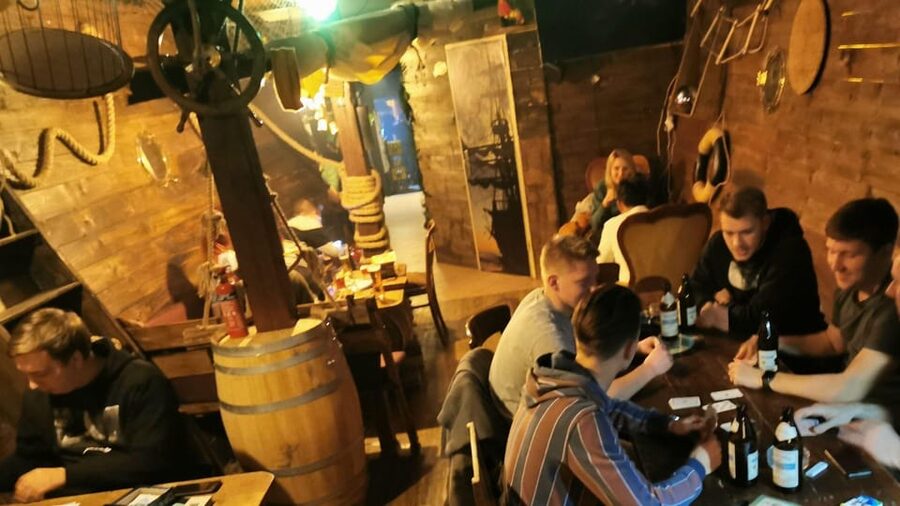
In Weimar, you can absolutely do the classic sightseeing circuit. But if you want something that feels more hands-on than “look and read,” this escape room hits a sweet spot. The big reason is the setting: it runs inside a real pub in the old town, and the place is styled like an old sailing ship. That matters more than it sounds. When your room looks like part of the story, you stop treating the puzzles like random riddles and start treating them like clues in an actual adventure.
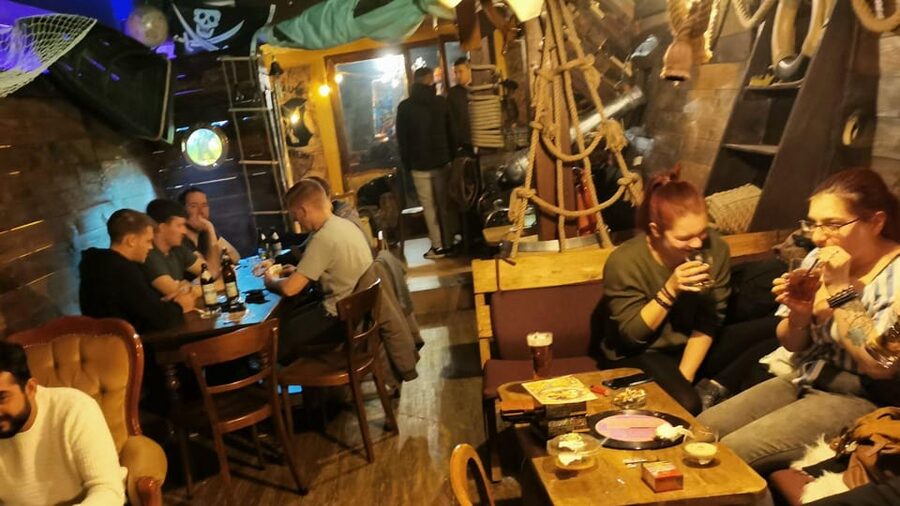
It also makes the experience feel social in a good way. Even though it is a structured game with a clock and tasks, the pub atmosphere keeps it from feeling like a sterile escape-room factory. You’re not in a windowless box. You’re in a genuine meeting spot for the town, which is a rare find for an escape room in Germany.
Finally, this format is a nice change of pace for couples and small groups. You get an activity that is clearly “for you,” not an open-ended walk. One hour later, you have a shared win, a shared frustration (hopefully minor), and a few great stories to repeat over dinner.
More Escape Games in Weimar:
- Leipzig’s Mystery Morning: Breakfast & Escape Game
★ 4.2 · 108 reviews - Berlin: “Shadow of the Rubber Duck” Escape Room Experience
★ 4.7 · 95 reviews - Nuremberg’s Mystery Morning: Breakfast & Escape Game
★ 4.4 · 57 reviews
The story premise: a secret society, successor tests, and Goethe’s missing piece
This game is built around a secret order that is basically recruiting and testing new successors. The background has that classic, slightly conspiracy-flavored vibe, the kind that escape rooms use because it gives you a reason for searching, decoding, and comparing details. In other words, the plot is not there just to sound cool. It gives structure to what you’re doing.
The setting is the hideout for this society, and you enter the “world” through the live story you hear during the game. The mission includes several mysterious tasks prepared for you, plus a specific goal: finding the missing piece from Goethe’s secret and legendary collection.
One thing I appreciate about this kind of story is that it creates a clear arc. You start in exploration mode, then gradually move into pattern-finding mode, and you end with a final assembly or conclusion tied to the Goethe element. That rhythm is exactly what keeps most groups engaged, even if you don’t finish every puzzle with perfect speed.
You should also know the tone is mysterious and puzzle-driven, not lecture-driven. If you like games where the atmosphere carries you while you figure things out, you’re going to enjoy this more than you would a quiz show. And if you are traveling for “Goethe facts,” treat the Goethe angle as part of the game’s theme, not as a guided historical lecture.
What happens in the 60 minutes: your practical game flow
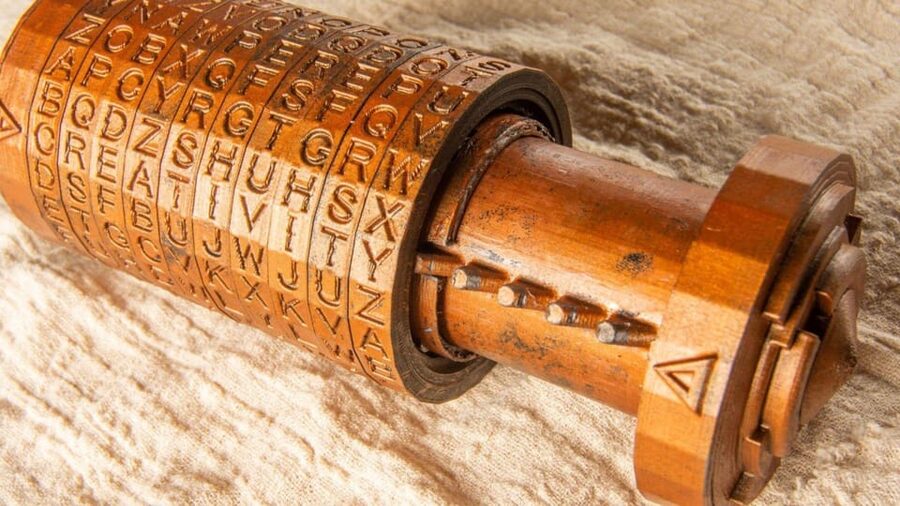
You have 60 minutes total, guided by a live instructor. For an escape room, that timeline is pretty standard, but this particular one is designed around searching and solving in sequence, not just solving one big brain-teaser at the end.
Here’s the flow you can expect:
First, you get oriented and you begin with the story setup. You’ll hear the background and the mission framing, and then you move into action. In the early minutes, your job is mostly to get oriented and start scanning. The room is the clue. Many escape rooms hide the real progress in plain sight, and this one uses the pub-sailing-ship setting to do that visually. Don’t rush. Give yourself a couple minutes to understand the theme language and what kind of thinking the game wants.
Next comes the main loop: solve riddles, complete creative tasks, and search the room. The game is semi-difficult, so expect some puzzles to feel straightforward, and others to require a shift in how you’re reading the information. This is where you’ll want teamwork. One person can handle looking closely, another can work on decoding, and another can keep track of what you already tried.
As the minute hand gets closer to the end, you’ll likely start connecting the results of different puzzles. That is when the Goethe goal starts to feel concrete. The mission is not just “complete tasks,” it is to find the missing piece tied to Goethe’s secret and legendary collection. So even if you’re stuck in the middle, keep checking whether the puzzle you’re working on is feeding that final objective.
Finally, there’s a conclusion, plus the satisfaction of having turned a physical space into a solved mission. The best part of a timed escape room is the shared pressure. It forces collaboration instead of wandering around asking each other what to do next.
Puzzles, difficulty level, and how to stay unstuck
The game is listed as semi difficult, and the experience matches that feel in a practical way. Some puzzles are the kind you can solve with common logic and careful reading. Others demand that you stop and switch tactics, because the clue might not be where your brain expects it to be.
That connects directly to what people highlighted in their feedback. A common early experience is that it can take a little time to get fully in the theme. That’s normal, and it matters because the first minutes determine whether you feel confident or lost. If your group is slow to start, you’re not doomed, but you should correct quickly.
Here are the best ways to avoid getting stuck too long:
- Assign roles in the first five minutes. One person searches visually, one works on the riddle logic, and one keeps track of partial progress.
- When you hit a wall, do not keep hammering the same wrong approach for ten minutes.
- If you need help to keep moving, use the instructor. Some groups mention that without a bit of support they would not have finished, which tells me help is there for a reason.
Also, semi difficult is a good sign for mixed-skill groups. If you have one person who loves puzzles and another who is more casual, you can still contribute. Searching and spotting patterns is a real skill, not just “being good at math.”
And because this is set in a pub, you might be tempted to relax too much. Don’t. The environment is fun, but the clock is real, and the mission is specific. Treat it like a playful operation where your job is to find connections.
Weigh these Weimar picks against each other
- Weimar: Old Town Guided Walking Tour
★ 4.7 · 1,080 reviews - Weimar: Die Highlights auf eigene Faust entdecken
★ 4.3 · 125 reviews - Weimar: DunkelWeimar, true crime citytour and game
★ 4.0 · 64 reviews
Value and pricing: $116 per group, up to 7 people
The price is $116 per group, up to 7 people, and the duration is about one hour. On paper, that can sound expensive until you break it down by how many people you bring.
If you book with 2 people, you’re paying about $58 per person for an hour of live entertainment. If you book with 4 people, it drops to around $29 per person. With 6 to 7 people, it becomes close to the mid-teens per person.
That’s why this works best for groups that actually want to play together, not just “one person might try.” It’s also private, so you’re not splitting your money with strangers or losing control of the pacing. For couples, it can still be worth it if you’re the type who enjoys teamwork and want a memorable indoor activity while in Weimar.
One more value point: this is not a generic escape room backdrop. The setting inside a pub styled like a sailing ship is part of what you pay for. It changes the feel of every clue you pick up. And the Goethe secret angle gives you a strong storyline hook, which increases the satisfaction at the end because you’re closing the loop on a mission, not just grabbing keys and moving on.
Location in Weimar old town: timing and getting started smoothly

The game takes place in a real pub in Weimar, and your meeting point is BezahlBar. You should arrive about 10 minutes ahead of your booked time.
That early arrival matters more than you might think. The game starts with the story and orientation. If you walk in late, you lose those minutes where you learn how the theme wants you to think. And since some teams need a little time to get into the topic, arriving early protects you from that early confusion.
Also, plan to keep your first 15 minutes focused. This is not a “figure out the rules slowly” experience. Listen to the instructor, ask questions if something is unclear, and then start searching.
The pub setting also means you might be tempted to settle in like you would for an evening drink. Instead, treat it like you are starting an activity. You can enjoy the atmosphere, but stay in mission mode.
Who this escape room is best for (and who should reconsider)
This one is highly suited to:
- Couples who like shared challenges and don’t want another quiet sightseeing day
- Small friend groups who can spread tasks across people
- Teams that enjoy puzzles but also like story and atmosphere
The recommended team size is 2 to 6. Even though the price covers up to 7 people, 6 is usually a comfortable ceiling for escape-room collaboration. With more people, you risk duplicated effort and less focus per person, unless you manage roles.
Language matters here. The instructor is German. If your German is limited, you might still follow some game cues through actions and diagrams, but you should expect less understanding during the story framing. In that case, plan to rely more on teamwork and the instructor’s guidance on the spot.
If you hate anything timed or hate teamwork, this is probably not your best match. Semi difficult plus a clock means the experience rewards groups that communicate and make quick decisions.
Tips to make it more fun: how to get better results fast
Even without knowing the exact puzzle sequence, you can prepare your mindset. Here’s what will make your group enjoy the hour more.
First, decide on a communication style immediately. One person should be able to say what they found without over-explaining. The goal is speed and clarity.
Second, treat every puzzle result as information for the next step. Escape rooms often reuse clues in later puzzles, even when it doesn’t feel obvious in the moment. If you keep notes mentally or physically (only if the game setup allows it), you’ll do better.
Third, take advantage of the fact that it is semi difficult. That means there is enough challenge to feel rewarding, but not so much that you need a puzzle genius. Stay calm and rotate attention when you feel stuck.
Fourth, remember the environment: real pub, sailing-ship look, and the option to have a drink while you solve. If you choose to order, do it early. You do not want the drink to become a distraction right when you need to hunt for a small clue.
Finally, if your group is stuck, use the instructor. Some teams mention that a bit of help was the difference between finishing and falling short. So rather than stubbornly insisting you can solve everything alone, ask for a nudge that helps you get moving again.
Should you book this escape room in Weimar?
If you want a one-hour activity that feels genuinely Weimar, not generic, I’d book it. The pub-as-sailing-ship setting is a real differentiator, and the story mix of secret society intrigue plus a Goethe-themed mission gives you a clear reason to keep going.
Book it especially if you:
- have 2 to 6 people and want a true team challenge
- enjoy puzzles with atmosphere and a live instructor
- want something indoor that still feels adventurous
I’d think twice if:
- your group expects English support, because the instructor is German
- your team hates timed puzzles or you’re traveling with people who prefer passive activities
Overall, this is a smart use of an hour in Weimar. You get a memorable shared mission, creative problem-solving, and a setting you won’t find at most sightseeing stops.
Fresh reviews out of Weimar
- Weimar: Adventure Date, Walk with Quiz and Dinner for Couples★ 3.8 · 12 reviews
- weimar card – Abholung in der Tourist Information Weimar★ 4.6 · 31 reviews
- Weimar: Die Highlights auf eigene Faust entdecken★ 4.3 · 125 reviews
- Weimar: DunkelWeimar, true crime citytour and game★ 4.0 · 64 reviews
- Weimar: Old Town Guided Walking Tour★ 4.7 · 1,080 reviews
- Weimar: Old Town Tour Classical Weimar★ 4.5 · 33 reviews
Escape Games, compared.
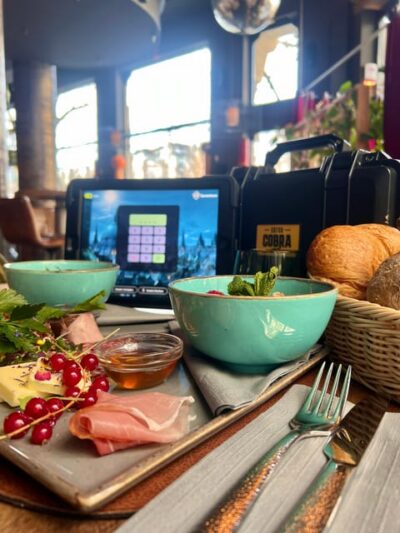
Leipzig’s Mystery Morning: Breakfast & Escape Game
Read our review →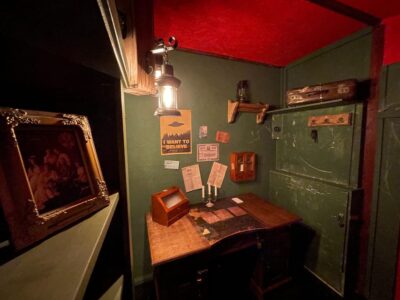
“Shadow of the Rubber Duck” Escape Room Experience
Read our review →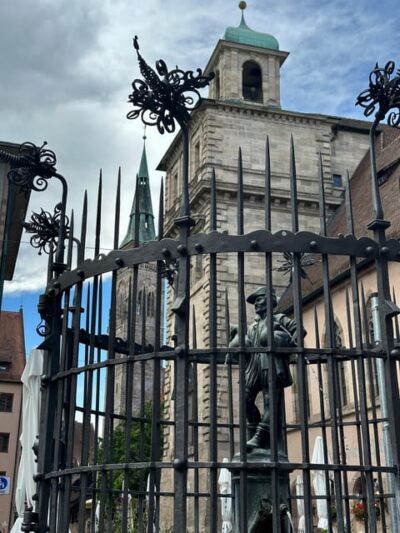
Nuremberg’s Mystery Morning: Breakfast & Escape Game
Read our review →



“SoKO Leipzig”, unique Escape Room, 60 minutes
Read our review →Browse the lists this tour appears in