Reviewed · TOURS
Weimar: Old Town Tour Classical Weimar
Weimar: Old Town Tour Classical Weimar is interesting because it turns a small, walkable center into a focused guided story of classical Weimar. In about 90 minutes, you get a neat circuit of the places tied to Goethe, Schiller, Herder, and the thinkers of the period.
I like the old-town focus. You are not bouncing around the city for random sights, you are staying on the historic core. I also like that the guide gives an informative overview of the major landmarks, so the monuments and squares make more sense as you move.
One consideration: this is a mostly outside look. All sights are viewed from outside, and it is not suitable for people with mobility impairments. If you need indoor access or a slower pace with lots of time inside buildings, you may want a different type of tour.
Why this 90-minute classical Weimar route works so well
This is a classic orientation-style tour, built for people who want context fast. You start in the city center at the Weimar Tourist Information Office by the Neptune Fountain, then walk a loop that hits the biggest squares and the key names tied to the era.
The route is also a smart match for how Weimar feels in person. The center is compact enough that you can connect the dots between the political, cultural, and literary landmarks without rushing through traffic. The guide keeps the pacing tight, with a few photo stops and guided segments timed so you still have time to look around on your own.
A very practical bonus: the tour runs in German. If you are comfortable with German narration, you will get more out of the explanations. If not, you might still enjoy the architecture and street-level atmosphere, but you may miss the finer points.
Starting at the Neptune Fountain: find your bearings first
You begin at the Weimar Tourist Information Office at the Neptune Fountain. That matters more than it sounds. You are dropped into the heart of town right away, so you can orient yourself visually before the tour starts naming the major squares.
From this starting point, the tour’s structure becomes clear: you are moving between public spaces (market, democracy, theater) and the cultural institutions that helped shape the classical period. This is one reason the whole experience feels coherent. It is not a list of stops. It is a theme-based walk.
Weigh these Weimar picks against each other
- Weimar: Old Town Guided Walking Tour
★ 4.7 · 1,080 reviews - Weimar: Die Highlights auf eigene Faust entdecken
★ 4.3 · 125 reviews - Weimar: DunkelWeimar, true crime citytour and game
★ 4.0 · 64 reviews
Markt Square Weimar: town hall, Cranach House, and the human scale of the center
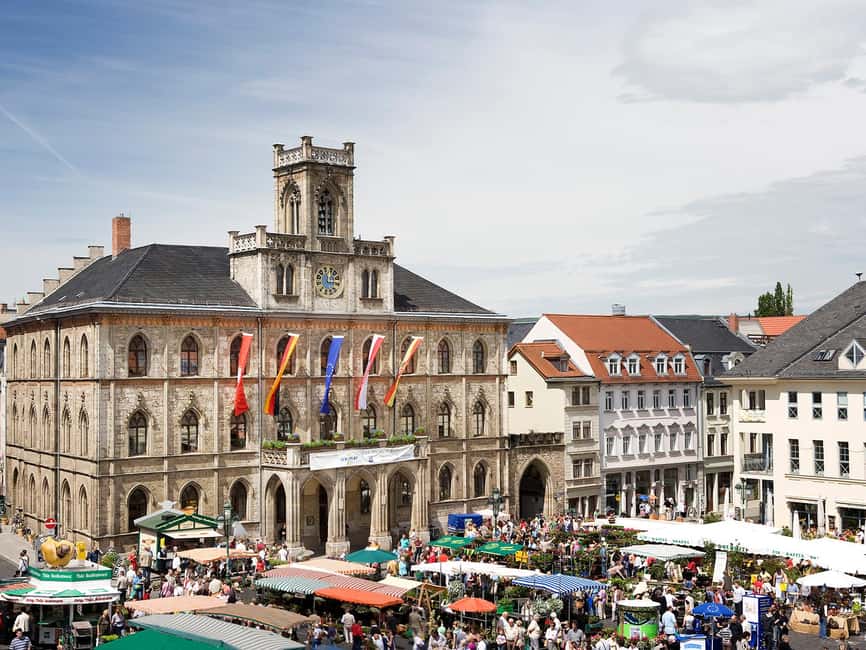
Your first real stop is the Market Square, with guided time to take in the space and its standout buildings. This is the part of the tour where you get your bearings and the story begins to click.
At the Market Square, you are looking at a cluster of landmarks that anchor old-town life: the town hall area, the Cranach House, and Hotel Elephant. Even if you only see them from the outside, the buildings around the square help you understand why this location matters. A market square is where commerce meets civic identity, so it fits perfectly with the tour’s theme.
What I like here is how the guide uses the setting. You are not just photographing façades. You are learning what each place represents in the overall Weimar picture, so you start seeing the city as a designed set of stages for cultural life.
Herderplatz: photo stop done right, quick meaning, good photos
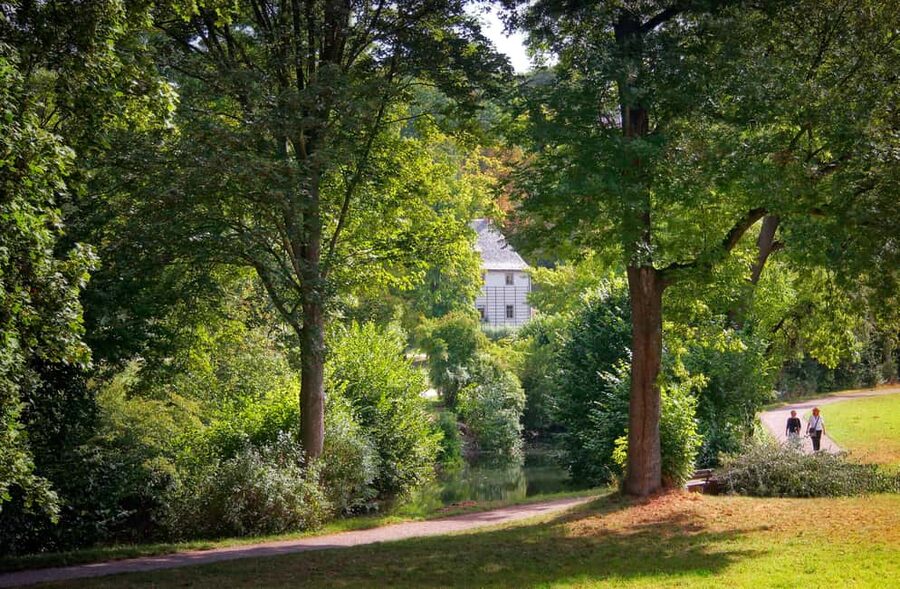
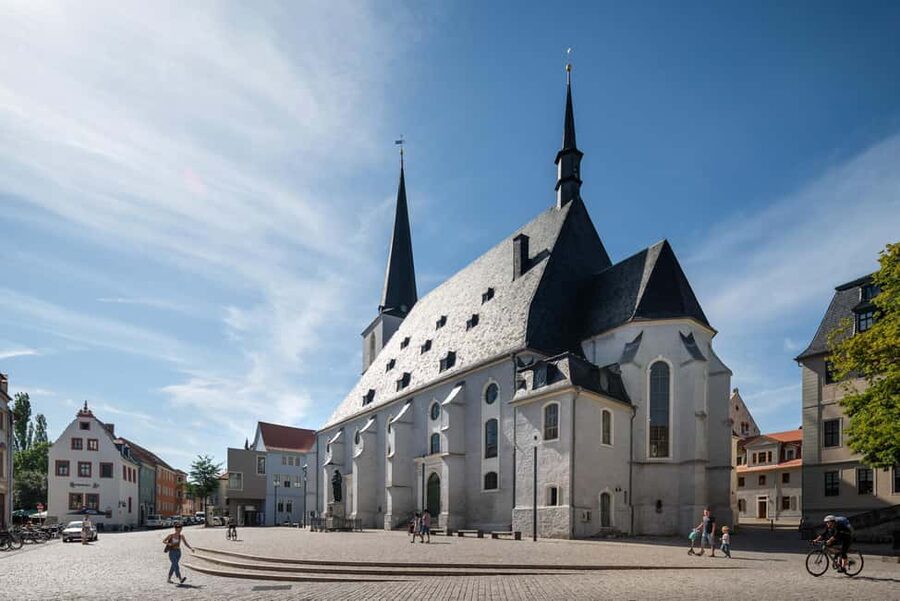
Herderplatz is one of the stops that is listed as a photo stop plus guided commentary. That format works well in a timed tour. You get just enough time to orient yourself, grab a few good angles, and move on without the tour dragging.
This is also where the tour’s focus on the classical thinkers becomes visible. Johann Gottfried Herder is part of the tour’s core theme, and the stop ties him to the civic and cultural landscape of the city center.
If you care about photos, this is the moment to slow down for 60 seconds and frame the square, not just the building. Squares often look different depending on which corner you stand on, and the guide’s explanation helps you pick where the “story” visually lands.
Democracy Square: the tour turns political and cultural at the same time
Next up is the Square of Democracy, another photo stop with guided sighting time. This is where Weimar’s identity becomes more than literature and monuments. You start connecting art and public life.
The big features here include the Duchess Anna Amalia Library and the Princely House area. Even from the outside, you can feel the difference between a purely commercial square and one that functions as a symbol of learning and governance.
What’s useful is that the tour does not treat these places as separate trivia. It links them, so you understand why a library and a princely residence belong in the same conversation. In classical Weimar, ideas mattered, and the city’s institutions were built to support them.
Duchess Anna Amalia Library and Princely House: seeing why ideas needed buildings
The Duchess Anna Amalia Library and the Princely House are two of the most important stops on this walk. The tour includes guided viewing of these sights from outside, and that is not a problem here. The exterior presence matters, because these are anchor buildings for the era.
I like this stop for two reasons. First, it gives you a sense of scale and stature that is hard to get from a quick photo alone. Second, the guide’s overview helps you understand how a library fits into the overall world of writers and thinkers. It is one thing to know the names. It is another to see the civic space where learning was valued.
If you are the type who likes to know why a building exists and not just what it looks like, you will probably enjoy this segment. It is the closest the tour gets to explaining the “engine” behind the classical period.
City Palace and St. Peter and Paul Church: where art meets everyday faith
The route also includes the City Palace and St. Peter and Paul’s Church. These are listed as sights the tour views from the outside, so you should think of them as context stops rather than interior visits.
That said, they are still valuable. A City Palace represents power, administration, and the official side of public life. A church represents community rhythms and values. When the tour places both types of landmarks in the same walk, it shows how cultural life sat within normal city life.
Possible drawback: if you expected a heavy focus on interiors or museum-style exhibits, this tour is not built for that. But if you want to understand the relationships between institutions, squares, and monuments, these two stops do their job well.
Theaterplatz and the Goethe and Schiller monument: the classical era made visible
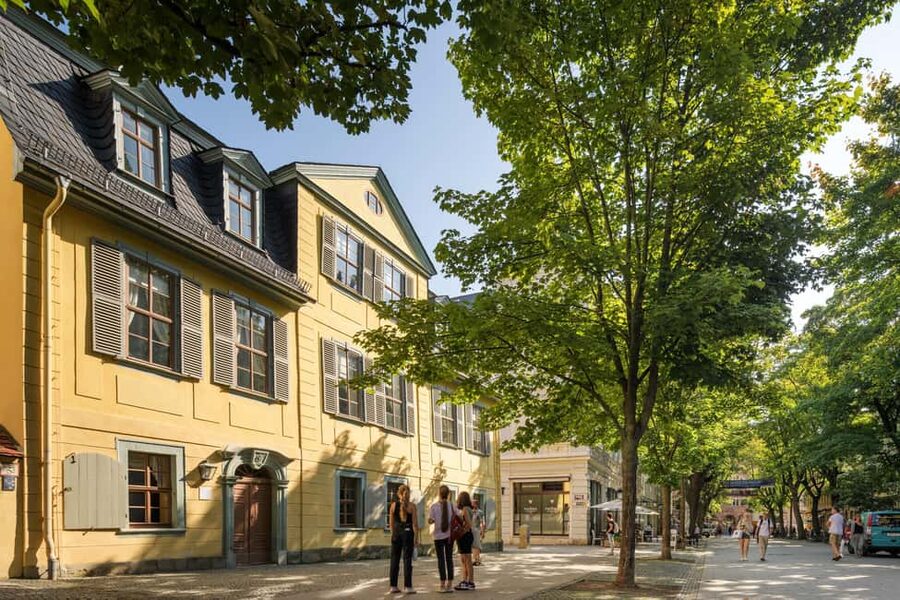
Your walk culminates at Theater Square, with the Goethe and Schiller monument in view. The theater area is one of the most satisfying parts of Weimar for many people because the names are literally set into public space.
The tour’s structure makes sense here. After you have visited civic and learning-related sites, you arrive at the cultural stage. Theater is where the public meets ideas, not just in books but in performance. Seeing the monuments near the theater zone is a clean emotional payoff.
If you like reading the city through its landmarks, take your time at Theaterplatz even if the tour timing is tight. Stand in a spot that lets you see more than one element at once. That is how the area’s “classical Weimar” vibe makes sense.
Schiller’s and Goethe’s residences: why two writers still shape a whole city
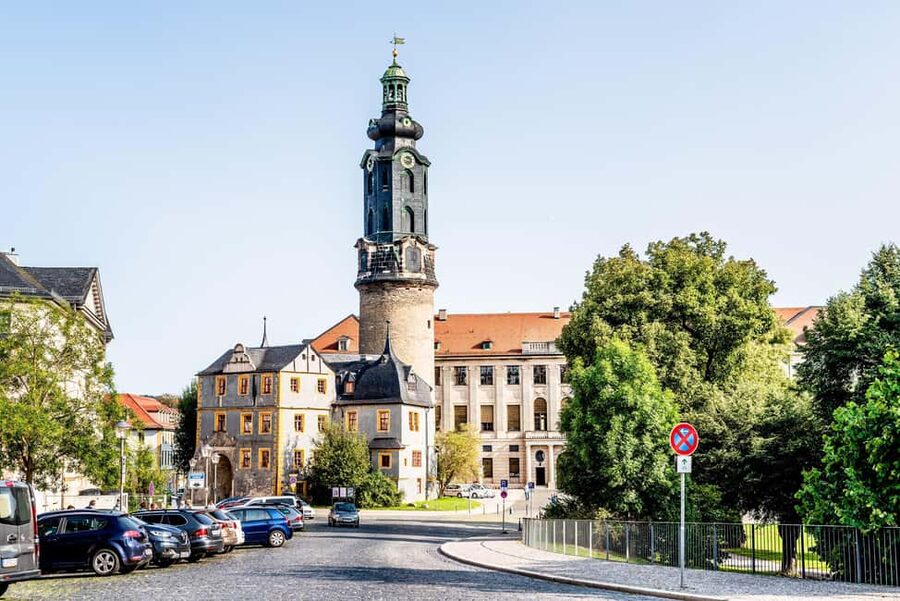
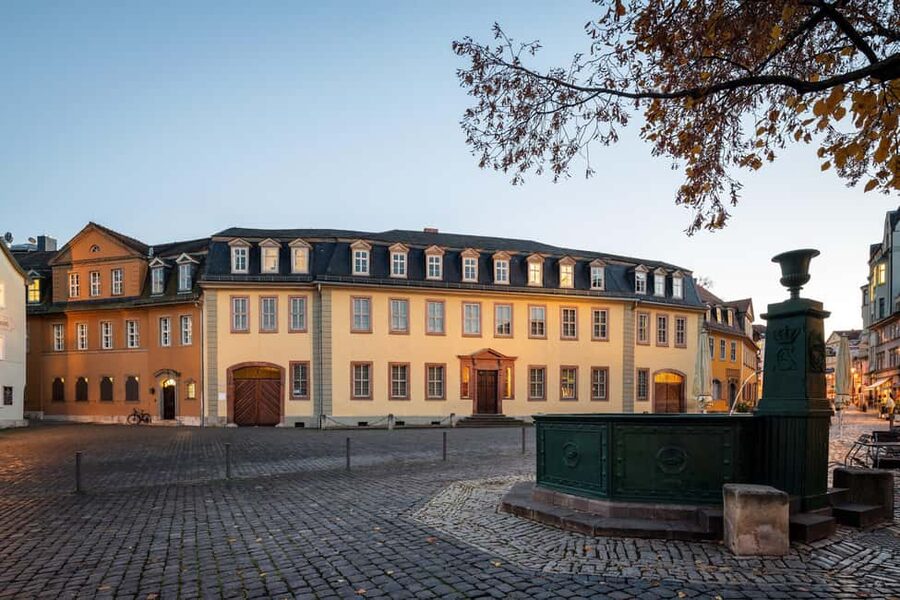
The tour includes Schiller’s residence and Goethe’s residence. These are not random house photos. They are part of the tour’s central promise: the places where the writers of the classical era worked and lived, and the idea that you can still trace their influence in the urban layout.
Even though the tour focuses on outside viewing, the context helps. You can look at a house façade and connect it to what the tour told you about the classical thinkers. That connection is the value here. Otherwise, it would be just architecture.
I would also treat these segments as a reminder to slow down and notice details. Streets and entrances in historic centers often have small clues to daily life: alignment, door placement, how buildings face the square. That is where your understanding grows.
Ilm park flanking paths and Goethe’s garden house: a quieter, greener pause
The itinerary also includes a flanking park on the Ilm and Goethe’s garden house. This is a nice contrast to the hard edges of squares and façades.
A park stop does two things for a short tour like this. It gives you a mental reset, and it helps you understand that writers lived in a world that included gardens, walking paths, and open air. The classical era was not just speeches and poems. It also involved the everyday practice of attention.
If your feet get tired easily, this part can feel like a relief. You are still walking, but the tone shifts. Use that shift to take a breather and let the names sink in.
Pacing, timing, and what you should do with your time
The tour is about 90 minutes focused on the old town. Reviews also suggest that the guide can go very deep, and the time can feel substantial. Plan for a brisk but meaningful walk.
Because the tour is limited to the old town, it is a great way to anchor your day. If you arrive early, do this first to learn what to look for later. If you have only part of a day, you still get a strong orientation: major squares, key landmarks, and the central figures of the classical period.
A small practical tip: wear comfortable shoes. Even with a guided route, you will be covering multiple blocks and standing for photos. Weimar’s historic center is walk-friendly, but it still adds up within 90 minutes.
Who this tour is best for
This fits you if:
- You want a tight, guided route through the central sights tied to Goethe, Schiller, Herder, and the classical era
- You enjoy explanations with context, not just photo stops
- You speak or read enough German to follow a German guide
It may not fit you if:
- You want lots of interior access, the tour views sights from outside
- You need accessibility support, since it is not suitable for people with mobility impairments
- You prefer longer stops for individual sightseeing or museum time
Language matters. The guide is German, so the quality of your experience will depend on how well you can follow that narration.
Booking, cancellation, and flexibility, in plain terms
The tour offers free cancellation up to 24 hours in advance for a full refund. It also uses a reserve now and pay later option, which is handy if your plans might shift.
Starting times can vary, so check availability for the day you want. Since this is a short route, timing matters. I recommend picking a slot that gives you room to explore afterward, not one that forces you to rush to the next commitment.
Should you book Weimar: Old Town Tour Classical Weimar?
If you want a quick, high-value way to understand why Weimar matters in the classical era, I think this is a strong choice. The route covers the big civic and cultural points: Market Square, Herderplatz, Democracy Square, Duchess Anna Amalia Library, Princely House, churches, Theaterplatz, and the residential sites connected to Goethe and Schiller.
Book it if you like guided context, you can follow German narration, and you are happy with an outside-view format that helps you connect the city’s landmarks into one story. Skip it if you need step-by-step accessibility support or you expected more interior time.
FAQ
How long is the Weimar old town classical tour?
The tour is about 90 minutes, with the listing showing 1 day duration. Exact starting times depend on availability.
Where does the tour start?
It starts at the Weimar Tourist Information Office at the Neptune Fountain.
Where does the tour end?
The activity ends back at the meeting point.
Is the tour focused on the old town only?
Yes. The tour is limited to the old town and covers key sights in the center.
Will I be going inside the buildings?
No. The guided tour views all listed sights from the outside.
What language is the live guide?
The live tour guide is German.
Is the tour suitable for people with mobility impairments?
No, it is not suitable for people with mobility impairments.
What are the cancellation terms?
You can cancel up to 24 hours in advance for a full refund.
Fresh reviews out of Weimar
- Weimar: Die Highlights auf eigene Faust entdecken★ 4.3 · 125 reviews
- Weimar: DunkelWeimar, true crime citytour and game★ 4.0 · 64 reviews
- Weimar: Old Town Guided Walking Tour★ 4.7 · 1,080 reviews
Tours, compared.
Reichstag, Dome and Government District Guided Tour
Read our review →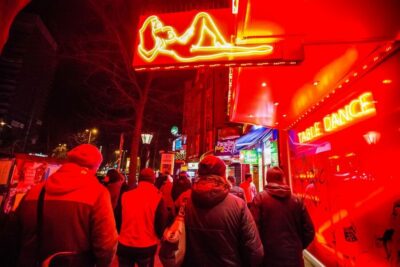
Sex and Crime in St. Pauli Tour for Ages 18 +
Read our review →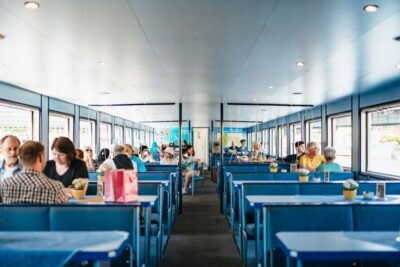
1-Hour City Tour by Boat with Guaranteed Seating
Read our review →
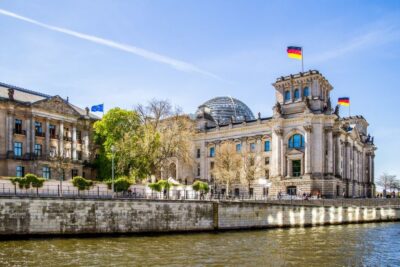
Government District around the Reichstag Guided Tour
Read our review →