Reviewed · BERLIN TOURS
Berlin: Entry to Alte Nationalgalerie
Berlin’s Alte Nationalgalerie is interesting because it is not just a pile of masterpieces. The museum sits on Museum Island, in a UNESCO World Heritage setting, and the building and collection grew out of a big 19th-century idea: bringing art and learning together. I especially love the way you can trace an art timeline in one visit, and I also like how the museum blends major names with sculpture you can really stand in front of. One possible drawback: if a gallery section on your visit day is closed, you may miss part of the Impressionist-focused space.
I also like that this ticket is straightforward. You get skip-the-line entry and an audio guide, so you can move at your own pace but still get context. And since it is a one-day ticket, you can fit it into a busy Berlin day without turning your plans into a spreadsheet.
Key things to look forward to
- Museum Island UNESCO setting: you are touring in the same complex that makes this part of Berlin special.
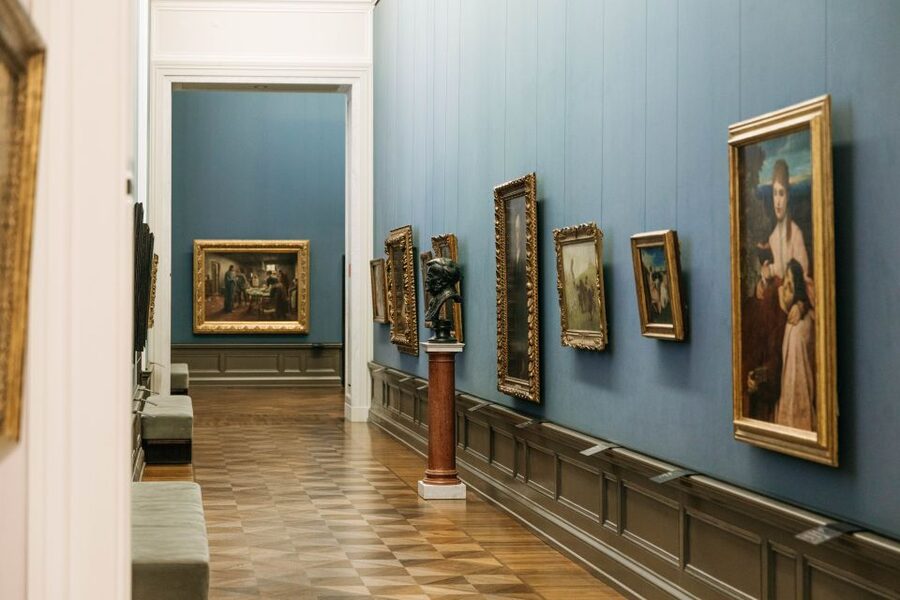
- Art spans major 19th-century styles: Classicism, Romanticism, Biedermeier, Impressionism, and early Modernity.
- Big-name highlights: Caspar David Friedrich, Adolph Menzel, plus works like The Monk by the Sea and the Group of Princesses.
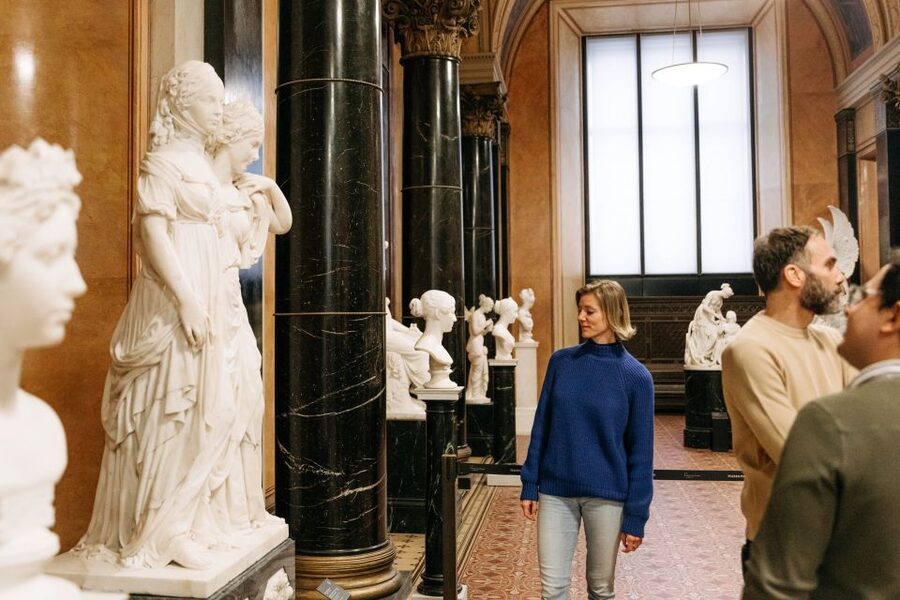
- Impressive sculpture stops: including Sleeping Beauty and the marble tomb of Count Alexander von der Mark (1790).
- French Impressionists on your route: Manet, Monet, and Renoir, so you get a satisfying later-period payoff.
- Self-guided with support: audio guide plus occasional exhibition talks and guided tours for kids and adults.
Alte Nationalgalerie on Museum Island: the setting you should plan around
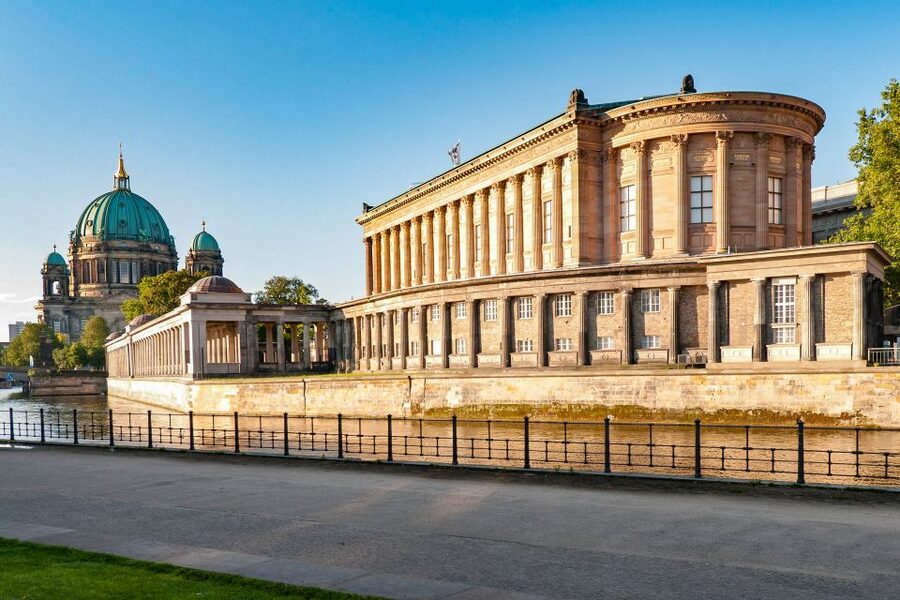
This stop is worth building into your day because you are visiting more than a museum room. The Alte Nationalgalerie is part of Museum Island, a UNESCO World Heritage site on Berlin’s Spree. That matters because it changes the feel of the visit. You arrive to a whole museum quarter, not a random city block.
The museum also has a story that explains why it feels like a “sanctuary for art and science.” The idea traces back to King Friedrich Wilhelm IV, and the collection took shape through a major donation from banker Joachim Heinrich Wilhelm Wagener. His gift helped seed the museum with works linked to the Dusseldorf school of painting and Belgian history painters.
One more historical detail that helps you understand the place: the National Gallery opened in 1876 as the third museum on the island. After the fall of the Berlin Wall, it was used as the Alte Nationalgalerie of the 19th century. So when you walk through today, you are stepping into a building that has been re-aimed at the same broad goal for a long time, and that long continuity is part of the charm.
Weigh these Berlin picks against each other
- Berlin: Reichstag, Dome and Government District Guided Tour
★ 4.7 · 18,288 reviews - Berlin: 1-Hour City Tour by Boat with Guaranteed Seating
★ 4.3 · 16,993 reviews - Berlin: TV Tower Standard Entrance Ticket
★ 4.4 · 15,883 reviews
What you’ll actually see: a clear path through Classicism to early Modernity
If you like art that comes with an understandable evolution, you will get a lot from this museum. The Alte Nationalgalerie collection is organized around major 19th-century currents, so you can see how styles change as the century moves forward.
Here is what you can expect to run into:
- Classicism and its orderly seriousness
- Romanticism and its emotional, often dramatic mood
- Biedermeier, which often feels more domestic and personal
- Impressionism, where artists chase atmosphere and light
- Early Modernity, where the century starts to break from older rules
That style spread is the main reason this ticket makes sense. You are not buying admission to a single school. You are getting a tour of how European art thought changed over time. Even if you are not an art-scholar, you will notice the shift as you move from earlier works toward the later Impressionist and post-Classic scenes.
You will also see paintings and sculpture that come from the German and international orbit of 19th-century art. The museum’s later-period French Impressionists are a highlight on many visits, but the earlier rooms matter too because they give you contrast. Without that contrast, Impressionism can feel like “pretty paintings with light.” With the full sweep, it feels more like a turning point.
Masterpieces to plan your route around: Friedrich, Menzel, and the Group of Princesses
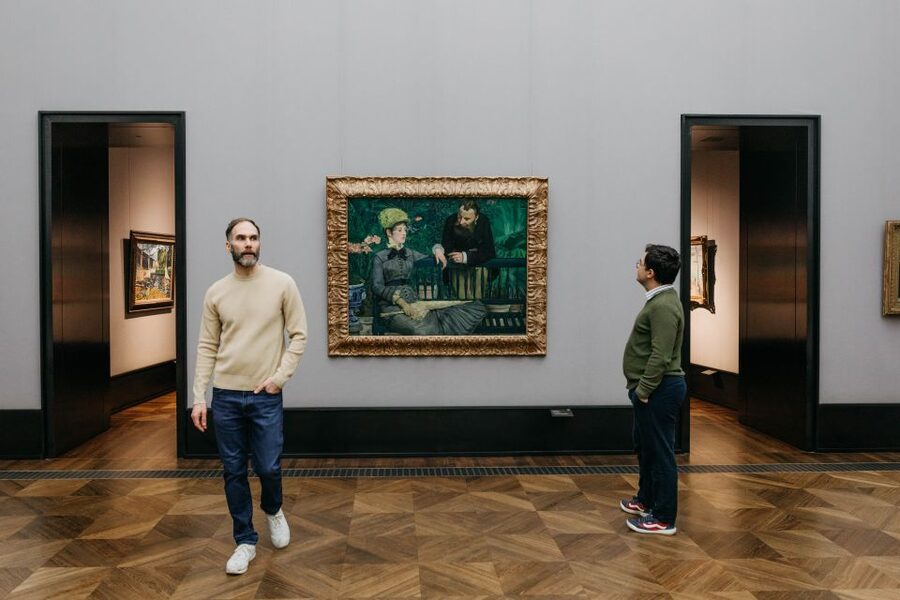
When you only have one day, I recommend you anchor your visit to a few named works. The Alte Nationalgalerie gives you several strong anchors.
The Monk by the Sea (Caspar David Friedrich)
This is a major Romantic stop, and it is the kind of painting that rewards patience. I like Friedrich because he makes you do a small mental workout. You do not just look, you interpret. If you like art where mood and setting do most of the talking, this is one you should slow down for.
You can also use it as your mental warm-up for other Romantic works. Once you have seen the kind of quiet seriousness Friedrich brings, it is easier to notice how later artists change their relationship to light, subject matter, and emotion.
Another way to spend a Berlin afternoon:
- Berlin: Boat Tour Along the River Spree
★ 4.4 · 11,252 reviews - Discover Berlin Half-Day Walking Tour
★ 5.0 · 9,624 reviews - Berlin: Government District around the Reichstag Guided Tour
★ 4.7 · 8,447 reviews - Berlin: Reichstag, Plenary Chamber, Cupola & Government Tour
★ 4.6 · 8,422 reviews
Gothic Cathedral at the Water and the Goethe era vibe
Another Romantic landmark mentioned as part of the museum’s highlights is Gothic Cathedral at the Water. Romantic art often leans toward mystery and awe, and this kind of subject helps you feel why the period was so popular with writers and thinkers of the time, including the era of Goethe.
The Group of Princesses
Then there is the so-called Group of Princesses. I like having a work like this on the list because it prevents the visit from becoming only landscapes and big scenes. It gives you a human scale. Even if you cannot tell every detail, you can still read the relationships, posture, and composition.
Eisenwalzwerk (Adolph Menzel)
Menzel’s Eisenwalzwerk is your bridge into a different kind of 19th-century interest. Instead of a purely idealized world, it pulls you toward modern life and work. When you place it near your Romantic stops, you start to see the broader story of the century: not only changing art styles, but changing interests and subject matter.
A small but smart tip
Do not try to “cover everything” in a sprint. Pick your anchors first, then let the rest of the collection fill in the gaps between them. That approach is how you avoid fatigue and still come away feeling like you saw the point of the museum.
Sculpture and funerary art: Sleeping Beauty and the 1790 marble tomb
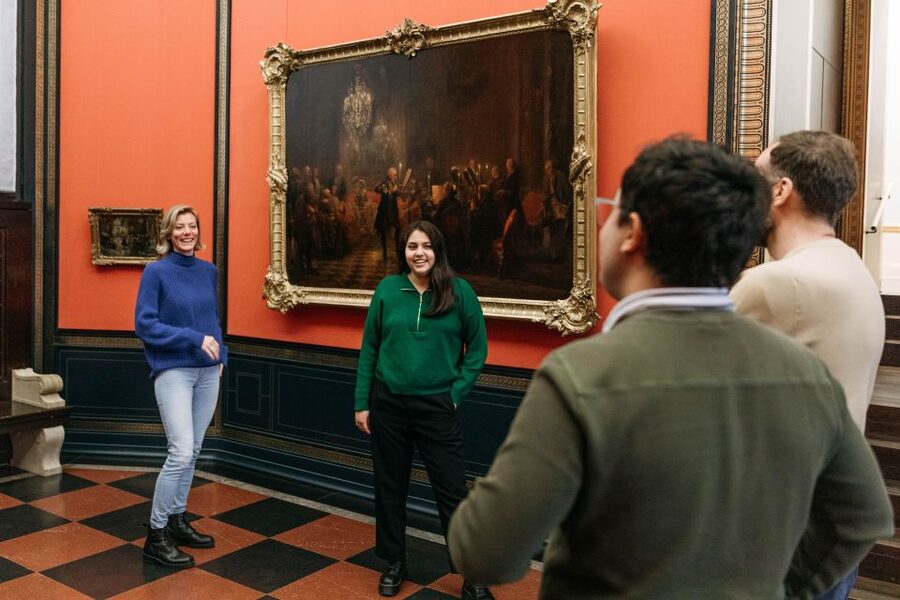
Paintings get the headlines here, but the sculpture is worth your time. Two mentions from the highlights list stand out.
Sleeping Beauty
The museum includes sculptures like Sleeping Beauty. I love these moments in a gallery because sculpture makes you adjust your viewing angle. You step back, you lean in, you notice how the surface and form sit in real space. It is a different kind of visual thinking than flat painting.
The marble tomb of Count Alexander von der Mark (1790)
The other standout is Shadow’s marble tomb for Count Alexander von der Mark from 1790. Funerary monuments can be heavy, but they are also excellent for understanding craftsmanship and symbolism.
This is also a good place to switch from “style-hunting” to “story-reading.” Ask yourself what kind of message the monument is trying to send, and how that message fits into the wider 18th and 19th-century world. Even without a deep background, you will feel the intention. It is memorial work made of stone and time.
If you like art that connects to human history, these sculptural works give the visit a second emotional layer.
Impressionists at your pace, plus what to do if part of the museum is closed
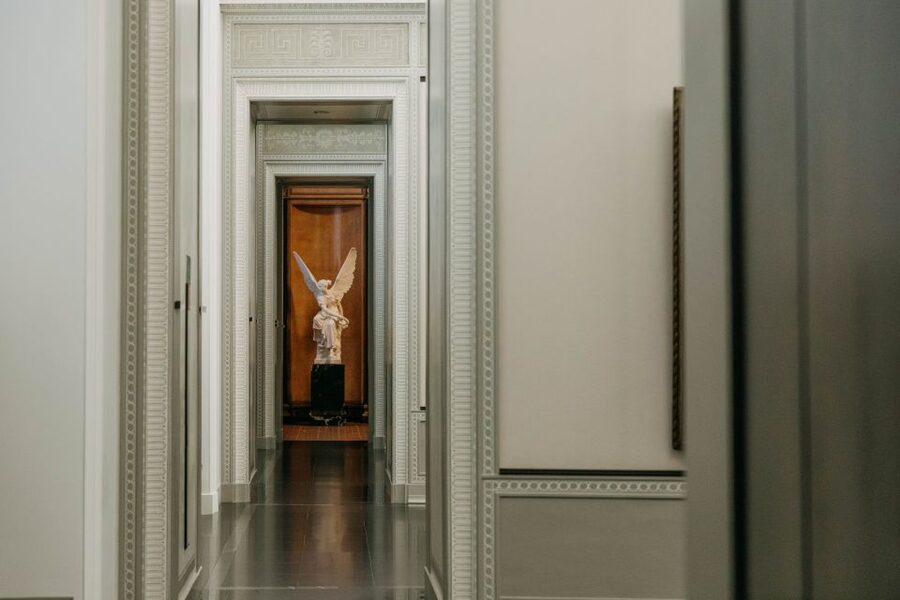
French Impressionists are a big reason people pick the Alte Nationalgalerie, and the museum’s highlights specifically mention Manet, Monet, and Renoir.
This is where your visit often turns from “learning the styles” to “enjoying the moment.” Impressionist works can feel more relaxed on first contact because you see light and atmosphere so directly. And if you have already seen earlier movements, you can appreciate what the Impressionists changed, and what they kept.
One practical consideration: it is possible for part of the museum to be closed during your visit date, including sections that focus on Impressionist paintings. If you arrive and find a room you planned around is shut, do not panic. The museum still has plenty of worth in other rooms, especially if you have already anchored to works like Friedrich and Menzel.
To handle that well, arrive a little early, look at the signage, and ask staff what is open right now. Then re-route on the spot. This keeps your day from feeling ruined by a single closed room.
Audio guide and guided talks: making your one-day ticket feel complete
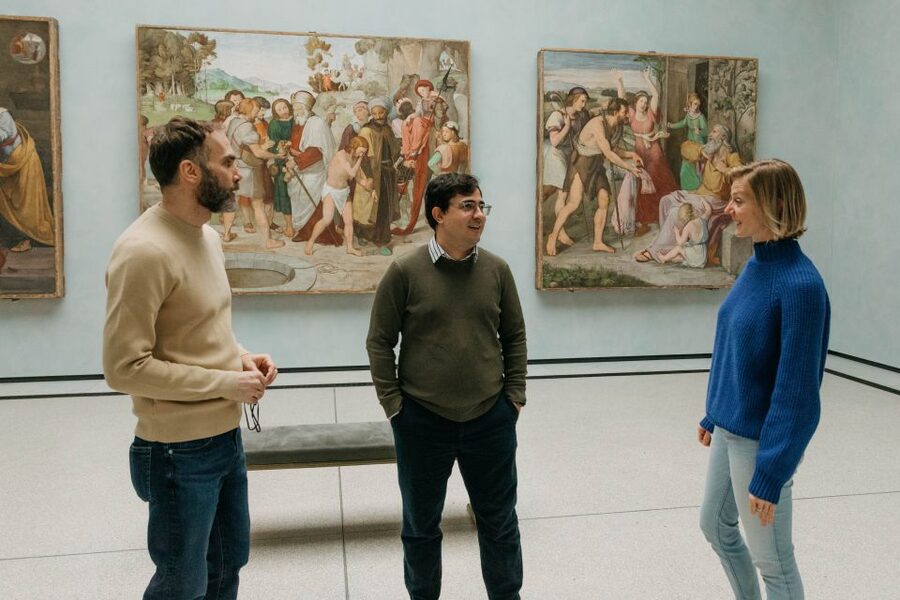
This ticket includes an audio guide, and that is a big value point. At $14, you are not just paying for entry. You are buying a chance to get context without hiring a private guide or reading long wall text.
How to use the audio guide so it actually helps:
- Listen in short bursts, then look with your own eyes.
- When you hear a name you recognize, slow down for that piece first.
- If you get overwhelmed, switch to listening only when you approach a main highlight.
This works especially well at a museum like this, where the collection moves across styles. The audio can help you understand why a piece fits where it does. Without that, it is easy to treat the museum like a “great art greatest hits list.” With it, you start noticing patterns.
Also keep an eye out for exhibition talks and guided tours. The museum offers themed talks and tours for children and adults. You do not need to plan your whole day around them, but they are a nice bonus if your timing matches. A good talk can turn a familiar painting into something you understand in a new way.
Price and value: is $14 a good deal for a Museum Island day?
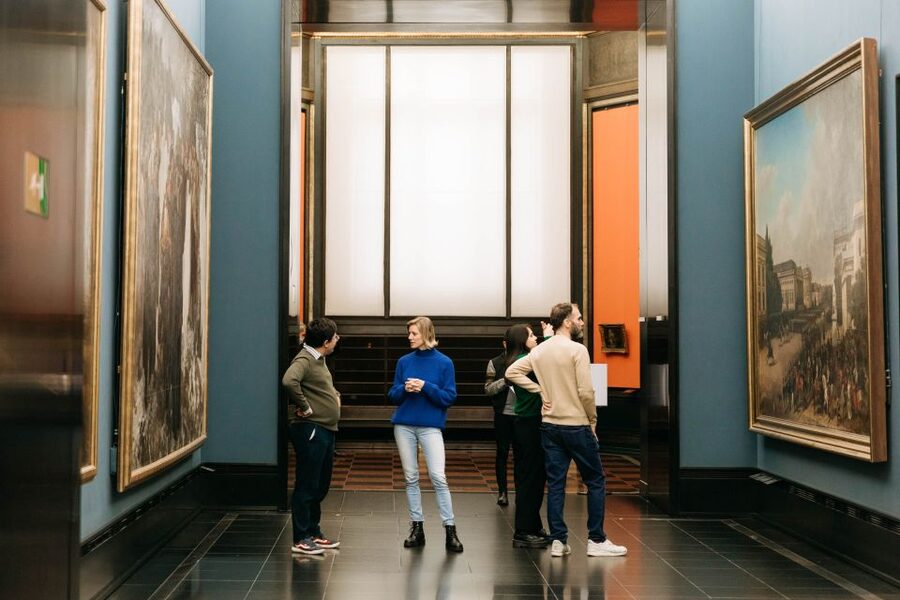
At $14 per person, this is a relatively affordable way to experience one of Berlin’s most central museum institutions. The value comes from the combination:
- Skip the ticket line
- Audio guide included
- A collection that spans multiple major 19th-century style movements
In other words, you are paying for a museum that gives variety in one roof. If you are doing Museum Island as part of a bigger itinerary, this ticket can act like the art core of your day. You will get enough masterpieces to feel satisfied, even if you do not want to hop between multiple sites all afternoon.
You should treat it as a focused art visit, not a casual walk-through where you sample one or two rooms. If you go in with a small plan, you get the best return on your time and money.
Practical tips for entry at the Visitor’s Entrance (and the backpack rule)
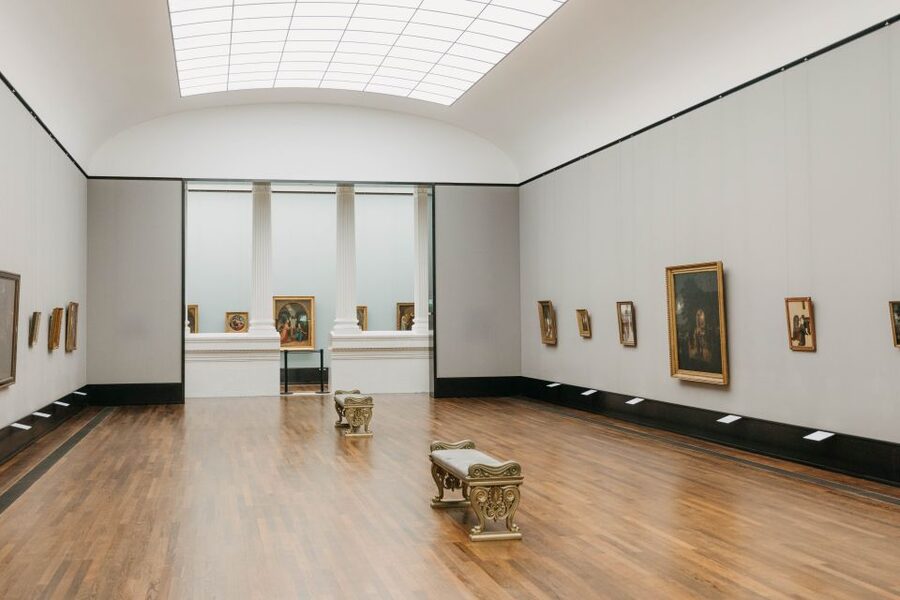
Plan your arrival around the timeslot you book. You need to enter the museums within 15 minutes of your booked time. That is not a “nice to have.” It matters because you want to walk into the galleries, not spend your trip stalled at the entrance.
Your meeting point is simple and specific: the Visitor’s Entrance of the Alte Nationalgalerie, Bodestraße, 10178 Berlin. The activity ends back at the meeting point.
Two other practical points:
- Backpacks are not allowed. If you travel with one, have a smaller bag or store it before you arrive.
- The building is wheelchair accessible, and the entire building is wheelchair accessible.
If you are using discounted tickets, the discounted rate is only valid with appropriate identification. Bring the ID you need so there are no surprises at entry.
Who should book this Alte Nationalgalerie entry?
This is a great fit for you if:
- You want a single museum that covers Romanticism through Impressionism and into early Modernity
- You like having named masterpieces to guide your day, like Friedrich’s The Monk by the Sea and Menzel’s Eisenwalzwerk
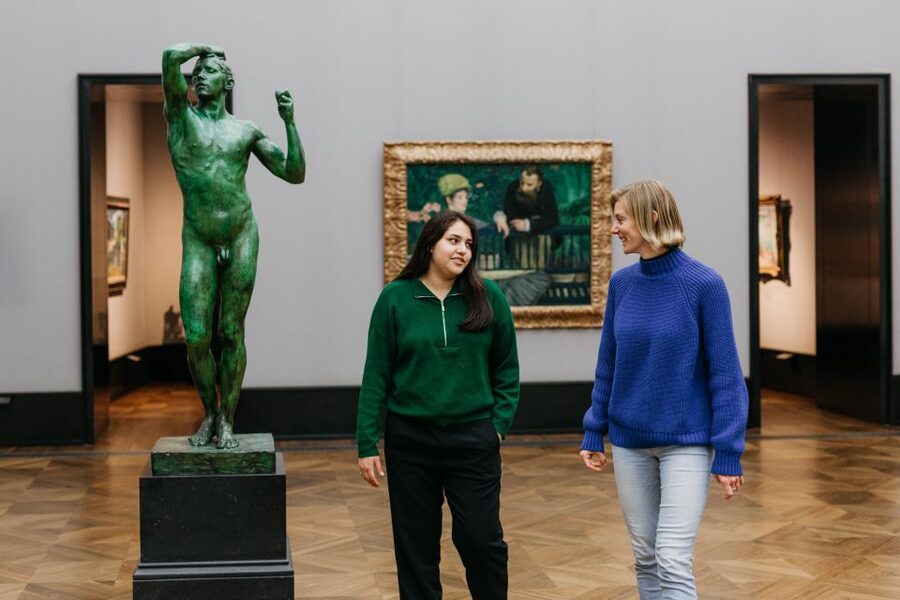
- You enjoy sculpture as part of your museum rhythm, especially when it includes works like Sleeping Beauty and a major marble tomb
- You are traveling with kids or teens who might enjoy exhibition talks and guided tours for children
It is also a solid choice if you want value and structure. The audio guide inclusion helps you understand what you are seeing without adding extra costs.
Should you book this ticket to Alte Nationalgalerie?
Yes, I would book it if you want a high-impact, one-day museum visit on Museum Island. The price is reasonable for the amount of artistic ground you cover, and the audio guide helps you get more meaning from the paintings and sculpture, not just more minutes in front of them.
Skip this only if you already know for sure you only care about one tiny slice of 19th-century art, or if you need a super flexible plan because a closed gallery would ruin the purpose of your visit. Otherwise, this is one of those Berlin tickets that pays off fast, especially if you start with a few clear highlights and then let the rest of the collection surprise you.
FAQ
What is the price for entry to the Alte Nationalgalerie?
The price is $14 per person.
How long is the ticket valid?
The ticket is valid for 1 day. Starting times depend on availability.
What is included with the ticket?
Your ticket includes entry to the Alte Nationalgalerie and an audio guide.
Do I need to buy tickets for other museums on Museum Island?
No. Tickets to other museums on the island are not included.
Where do I meet for this activity?
You start at the Visitor’s Entrance of the Alte Nationalgalerie at Bodestraße 10178 Berlin, and the activity ends back at the same meeting point.
Is the Alte Nationalgalerie wheelchair accessible?
Yes. The entire building is wheelchair accessible.
Are backpacks allowed?
No. Backpacks are not allowed.
When should I enter after booking a timeslot?
Please enter the museums within 15 minutes of your booked timeslot.
Fresh reviews out of Berlin
- Berlin Uncensored: A History of Sex & Freedom★ 5.0 · 50 reviews
- Berlin Food & Cultural Tour: Must-Try German & Berliner Classics★ 5.0 · 51 reviews
- English Comedy Show with Pizza and Shots in Central Berlin★ 4.5 · 51 reviews
- Rude Bastards Tour of Berlin★ 4.8 · 51 reviews
- Private Taxi Tour of Berlin East and West and Neighbourhood approx. 4-6h★ 5.0 · 55 reviews
- Rickshaw Sightseeing City Tours Berlin – Rikscha Tours★ 4.0 · 55 reviews
- Berlin: City Highlights Express & Panorama Roof Terrace★ 4.9 · 55 reviews
- Berlin during Nazism – Tour in Italian★ 5.0 · 56 reviews
Berlin Tours, compared.
Reichstag, Dome and Government District Guided Tour
Read our review →
1-Hour City Tour by Boat with Guaranteed Seating
Read our review →

Government District around the Reichstag Guided Tour
Read our review →
Reichstag, Plenary Chamber, Cupola & Government Tour
Read our review →