
Reviewed · MUSEUMS
Frankfurt: Museum of Communication Exhibitions
The Museum of Communication in Frankfurt is interesting because it treats communication like a living system, not just old gadgets behind glass. I like the way the permanent exhibition maps the story from cuneiform tablets to data glasses, and I love that you get interactive moments while you learn. One thing to consider: the museum can get noisy, so if you want quiet focus, plan your timing carefully.
You’ll walk through a media-history framework built around four themes: acceleration, networks, control, and participation. I also like how the exhibits give you a hands-on feel for earlier tech, from telegraphs and phones to fax machines, radios, and TV sets. The main drawback is practical, not educational, since one café note suggests it may not accept Mastercard or Visa, and the lobby can be loud with kids.
Key Highlights You Should Aim For
- Interactive media-history exhibits that make you try the concepts, not just read them
- The arc from ancient to future communication, spanning tablets to modern devices
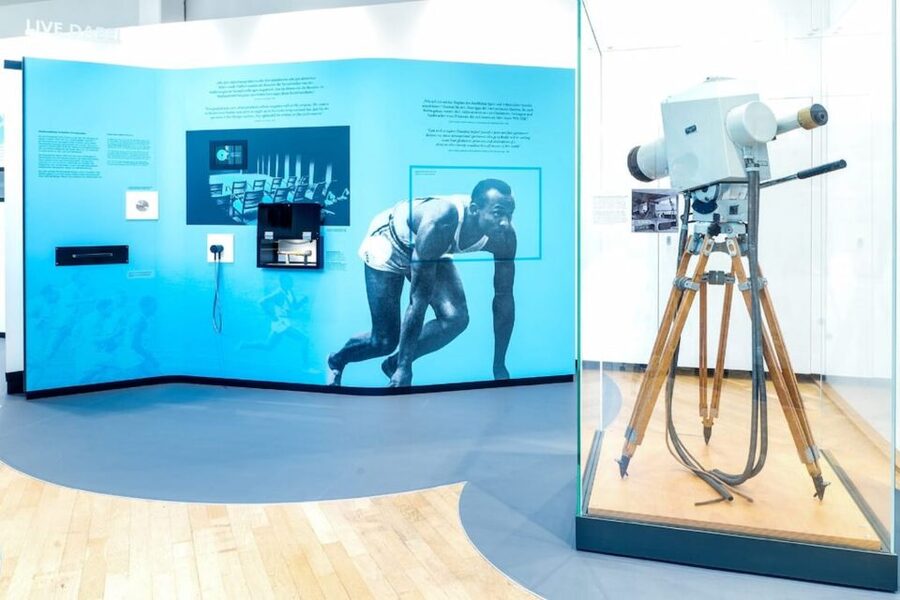
- A focused look at old communications hardware, including telegraphs, phones, fax machines, radios, and TV sets
- KLIMA_X, the temporary exhibit that turns climate thinking into personal action
- A calm break on the café terrace, with a view of the Main River
- Worth-the-price entry at about $10 for a full day visit
A Frankfurt Museum Built for How We Talk to Each Other
If you have ever wondered why communication tech changes societies as much as it changes devices, this museum gives you a clean answer. You’re not just seeing inventions, you’re seeing what those inventions do to speed, reach, and power. That framing makes the whole visit feel logical, even when the content covers centuries.
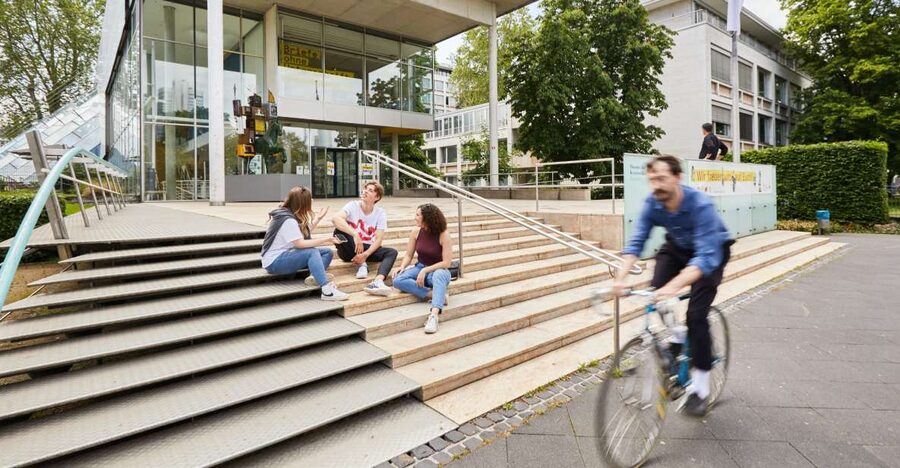
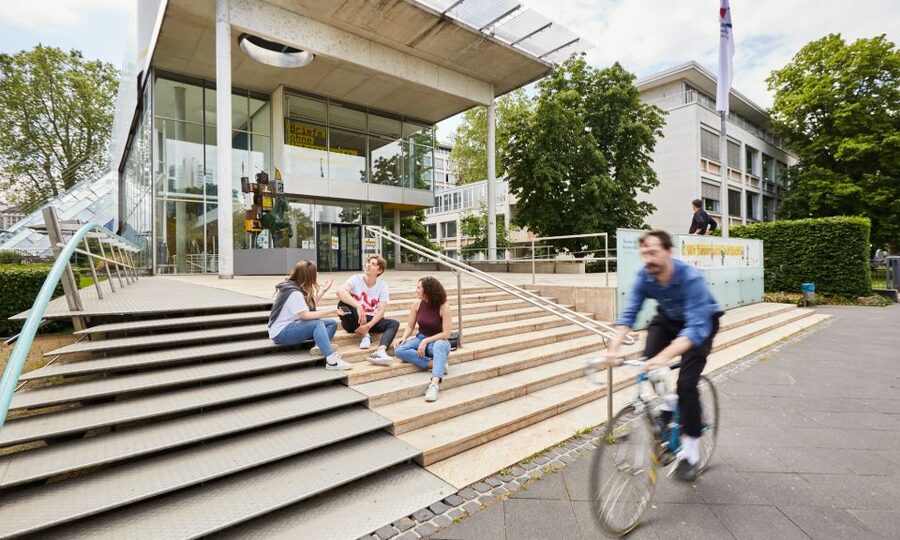
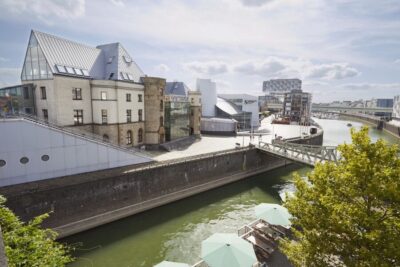
The museum is based in a multiple award-winning building on Schaumainkai in Hessen, right by the Main River. That location matters because you can pair a brainy indoor visit with an outdoor pause that feels like a proper Frankfurt rhythm.
Think of your day like this: you learn the big story, then you get concrete with older machines, then you reconnect it to today through the climate-focused temporary exhibit.
More Museums in Frankfurt:
- from Frankfurt: Heidelberg, Mercedes Museum / Schwetzinger Schloß
★ 5.0 · 35 reviews - Frankfurt: Struwwelpeter Museum Entry Ticket w/Audio Guide
★ 4.5 · 22 reviews - Berlin: Jewish Museum Berlin Entrance Ticket
★ 4.5 · 8,393 reviews
Entering the Permanent Exhibition: From Cuneiform to Data Glasses
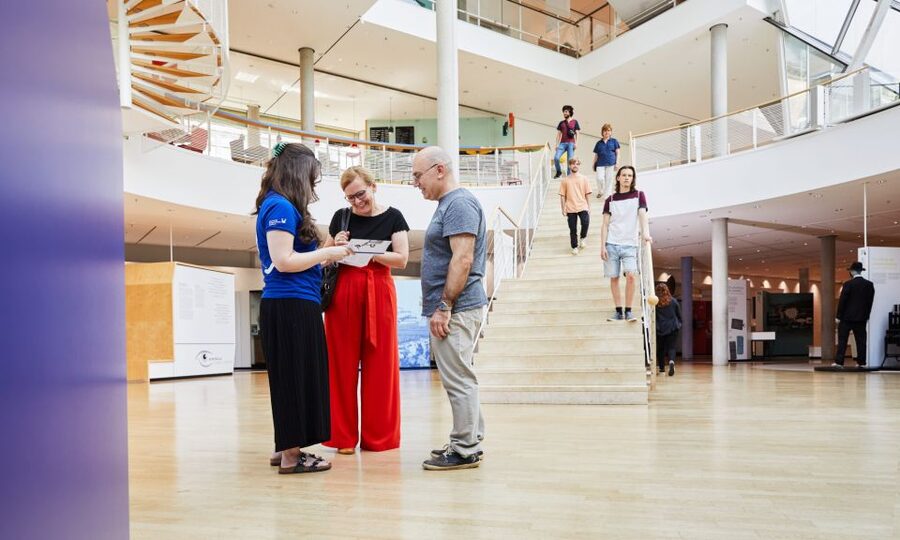
The permanent exhibition, called Mediengeschichte|n neu erzählt!, covers about 2,500 square meters. That’s a lot of space, which means you can take your time without feeling like you must speed-run everything in one hour.
What I find especially useful is the way the museum moves across eras without losing its theme. You get the sense that communication keeps evolving, but the underlying questions stay familiar. Who controls the message, who can participate, how fast information travels, and how networks shape what’s possible.
As you move through, you’ll encounter the arc from cuneiform tablet communication to future-facing devices like data glasses. Even if you only pause at a handful of stations, that timeline does a great job of giving you bearings fast.
The Tech You Can See Up Close: Telegraphs, Phones, Fax Machines, Radios, TV
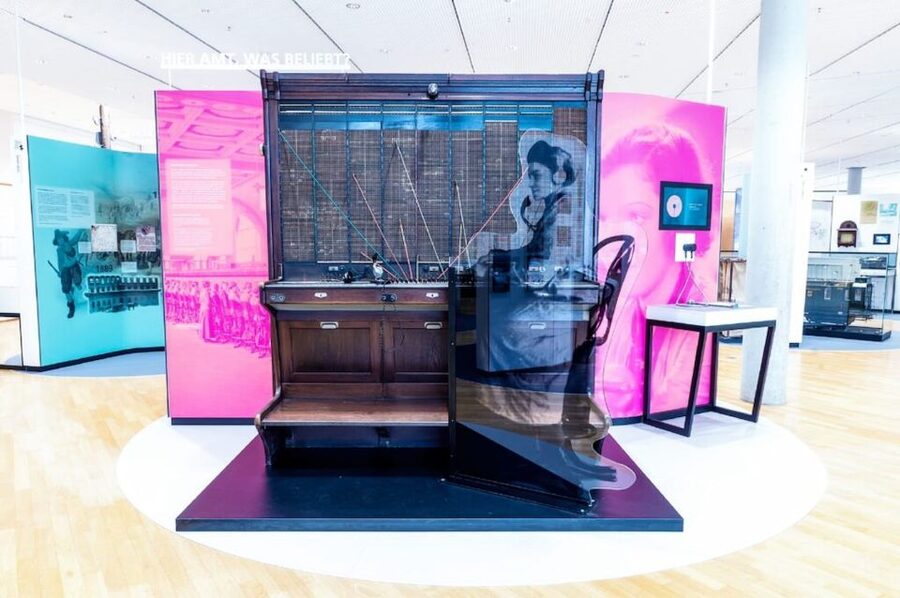
One of the most satisfying parts of the visit is the variety of old communications equipment. You can expect to see telegraphs, phones, fax machines, radios, and TV sets, which helps you understand that communication has always had hardware limits.
It’s also a good way to calibrate what you already know. Modern messaging feels instant, but the museum nudges you to remember how much effort used to be required just to transmit a signal. That change in effort is a big part of why people used communication differently in different times.
If you’re the type who likes details, slow down at the equipment areas. Look for how devices represent information, how they handle delays or failures, and how “normal” use was shaped by the technology of the moment.
Four Big Themes That Explain Communication Better Than Most Books
The museum explains media history through four major phenomena: acceleration, networks, control, and participation. You don’t need to memorize them, but you do want to keep them in the back of your mind as you walk.
Acceleration is the sense of speed. When communication gets faster, everything else changes, from expectations to decision-making. Networks are the connections that make messages travel beyond one person or one place.
Control is about who sets rules and who has leverage. Participation is about who gets to join the conversation and how easily they can do it. This four-part lens is practical because it applies to old tech and new tech alike.
If you’re into media studies, politics, or just how society works, these themes turn the museum into more than a collection of interesting gadgets. You’ll start reading exhibit interactions as real-world cause-and-effect.
Weigh these Frankfurt picks against each other
- Frankfurt: River Main Sightseeing Cruise with Commentary
★ 4.3 · 5,127 reviews - Frankfurt: Hop-On, Hop-Off Grand or Express Bus Ticket
★ 3.9 · 2,088 reviews - Frankfurt: 1-Hour Panorama Boat Cruise on the river Main
★ 4.4 · 1,822 reviews - From Frankfurt: Rhine Valley Day Trip
★ 4.4 · 1,317 reviews
KLIMA_X Temporary Exhibit: Climate Action Through the Way We Share Messages
The temporary exhibition KLIMA_X focuses on our actions around climate change. It’s designed to invite you to explore what you can do to help change the world for the better, with reminders that simple steps can matter.
This section is worth your time because it shifts the museum from history into responsibility. Communication isn’t only about transmitting data. It’s also about shaping attention, building motivation, and getting people to act.
What you might find most useful is the way the exhibit connects thinking to concrete behavior. Even if you leave without new information, you may leave with clearer priorities for what kind of climate communication you can support in your own life.
Plan extra time here if you like exhibits that make you reflect. If you tend to skim, you can still get value by focusing on the parts that connect to actions you could actually do.
Suggested Flow for a Smooth 1-Day Visit
This museum doesn’t require you to follow a strict route, so you can build your own day. But a simple flow helps you avoid decision fatigue.
Start with the permanent exhibition because it gives you the big picture. Once you understand the timeline from cuneiform tablets to data glasses and the four themes, the rest of the visit clicks into place.
Next, focus on the “old hardware” moments, like telegraphs, phones, fax machines, radios, and TV sets. This is where you translate concepts into objects you can see and compare.
Then go to KLIMA_X while you still have the communication lens fresh. Finishing with the climate-focused section can make your last hour feel more grounded and less abstract.
Finish with a break outside, because the museum’s setting helps. The café terrace gives you a view of the Main River, which is the kind of payoff that turns a museum visit into a full travel memory.
The Café Terrace by the Main River: A Real Part of the Experience
One of the nicest details here is the chance to make yourself comfortable on the café terrace with a view of the Main. After a day of information, that outdoor pause is not an afterthought, it’s part of how you process what you just saw.
A practical note from recent feedback: the café may not accept Mastercard or Visa. If card payment is your default, it’s smart to bring a backup method like cash or another card type, just to avoid a late-day snag.
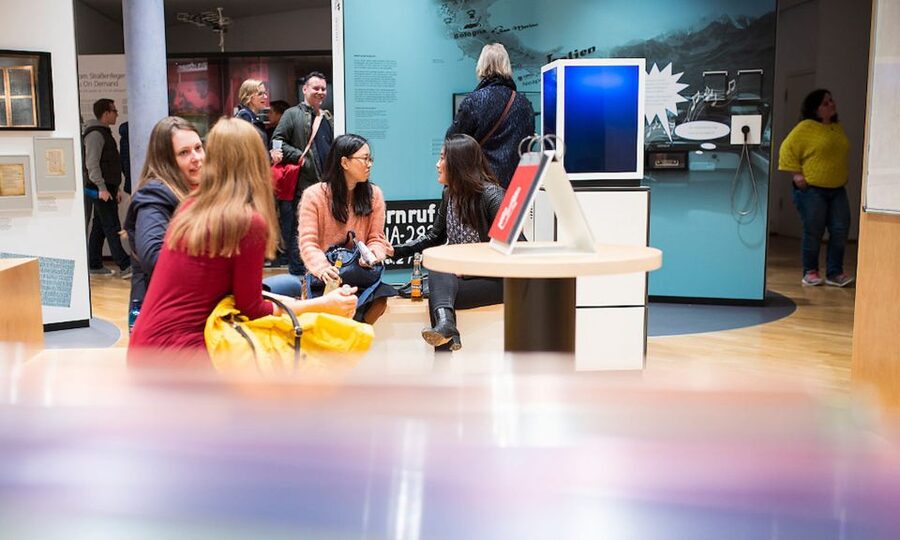
The terrace is also a smart strategy if you want a breather from noise. Indoors can get loud, especially in areas where kids gather. Outside tends to feel calmer and more forgiving on your focus.
How Long It Takes and When to Go for a Better Mood
The museum is designed for a 1-day visit, and the scale supports that. If you want a relaxed pace where you read more than you rush, you’ll likely spend multiple focused chunks inside rather than trying to do everything in one long sweep.
Timing matters. Some people have noted it can be extremely loud in the lobby area, and kids can add noise. If you’re sensitive to sound or you want quiet concentration, a weekday visit tends to be the better bet.
If your schedule is flexible, public holiday hours are useful to know. On public holidays, the museum is open from 10:00 AM to 6:00 PM, so you can still plan a full day if you’re traveling during a holiday window.
Price and Value for a Full Day of Media History
At about $10 per person, the price feels fair for what you get. You’re paying for a full day’s worth of content across 2,500 square meters, plus interactive experiences and a temporary exhibition.
What makes it good value is not just the variety of devices, it’s the way the museum explains why communication matters. You get context for the arc from old to future tech, with an educational framework that connects to today through KLIMA_X.
If you are doing a “one museum day” in Frankfurt, this is the kind of ticket that doesn’t trap you into a guided-only experience. The site is set up so you can wander, pause, and choose your level of detail.
Who This Visit Fits Best (and Who Might Want a Different Plan)
This museum works especially well if you like technology, society, or the way information shapes behavior. The four themes, the interactive stations, and the mix of old and modern communication tools make it a solid choice for curious solo travelers, couples, and older teens.
It’s also a good fit for people who like museums with hands-on moments. You’re not limited to reading panels, and the equipment examples give you something physical to anchor your learning.
If you need quiet environments, plan your day with extra care. The loud lobby feedback is real enough to treat as a consideration, not a minor detail. You might still enjoy the exhibits, but you may want to arrive when crowds are lower.
And if you’re traveling with people who get bored by “screens and stories,” the museum hardware sections can keep things moving. Seeing real telegraph and phone-era devices adds a tactile element that helps different interests share the same space.
Should You Book This Museum of Communication Visit?
Yes, I’d book it if you want a practical, idea-driven museum day that also feels like Frankfurt. For around $10, you get a big permanent exhibit across centuries, plus a temporary climate-focused experience, plus a relaxing terrace stop with a Main River view.
Book it sooner rather than later if your trip includes a public holiday, since hours can shift and you’ll want to start your day with less uncertainty. Also, if you’re the type who hates noise, plan for a weekday and choose a time when the lobby is less hectic.
Skip it only if you strongly prefer quiet, guided, or art-focused museums. This one is about communication systems and media history, with interactive learning and enough foot traffic to make noise management part of the day.
FAQ
Where is the Museum of Communication Frankfurt located?
It’s in Frankfurt, Hessen, Germany, in the museum building on Schaumainkai. Your meeting point is to head directly to Museum for Communication Frankfurt.
How much does the entry cost?
The price listed is $10 per person.
How long should I plan for?
The duration is 1 day.
Does the ticket include a guide?
No. Museum entry is included, but a tour guide is not included.
Is there a skip-the-ticket-line option?
Yes, the experience includes skip the ticket line.
Is the museum wheelchair accessible?
Yes, it is listed as wheelchair accessible.
What can I see in the permanent exhibition?
The permanent exhibition covers 2,500 square meters and tells the evolution of communication from cuneiform tablet to data glasses, using interactive displays and focusing on major themes in media history.
What is KLIMA_X?
KLIMA_X is a temporary exhibit that invites you to explore actions around climate change and how you can help improve the world for the better.
When is the museum open on public holidays?
On public holidays, the museum is open from 10:00 AM to 6:00 PM.
Fresh reviews out of Frankfurt
- Fairytale Rüdesheim and Monastery Eberbach Tour★ 5.0 · 9 reviews
- Arrival Transfer from Frankfurt Airport FRA to Frankfurt by Sedan★ 5.0 · 9 reviews
- A Frankfurt Meander: A Self-Guided Audio Tour in Germany’s Cradle of Democracy★ 4.5 · 9 reviews
- Frankfurt: Guided walk between palm trees and skyline★ 4.8 · 9 reviews
- from Frankfurt: historic treasure Rothenburg, private 1 day Tour★ 5.0 · 9 reviews
- Frankfurt: Old Town Horror Stories Walking Tour in German★ 2.9 · 10 reviews
- Airport Transfer: Airport FRA to Frankfurt by Luxury Van★ 4.0 · 11 reviews
- Heidelberg and Baden-Baden Tour from Frankfurt★ 3.5 · 11 reviews
Museums, compared.

Skip-the-Line: Berlin Wall Museum at Checkpoint Charlie
Read our review →Browse the lists this tour appears in