
Reviewed · FOOD & DRINK
Wiesbaden: Sparkling Winemaking Tour with 3-Glass Tasting
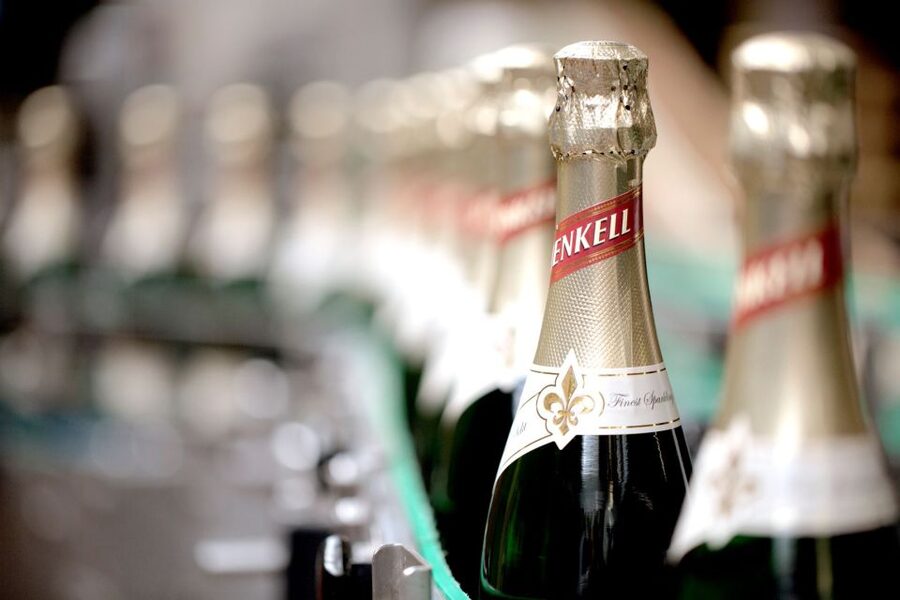
If you like the science and pageantry behind sparkling wine, this Henkell Freixenet tour in Wiesbaden is a fun, practical way to understand how bottle-fermented sparkle happens. I like that you walk through the process with a live guide, not just a video loop. I also like that the experience ends with something concrete, a tasting, so the lesson has a payoff.
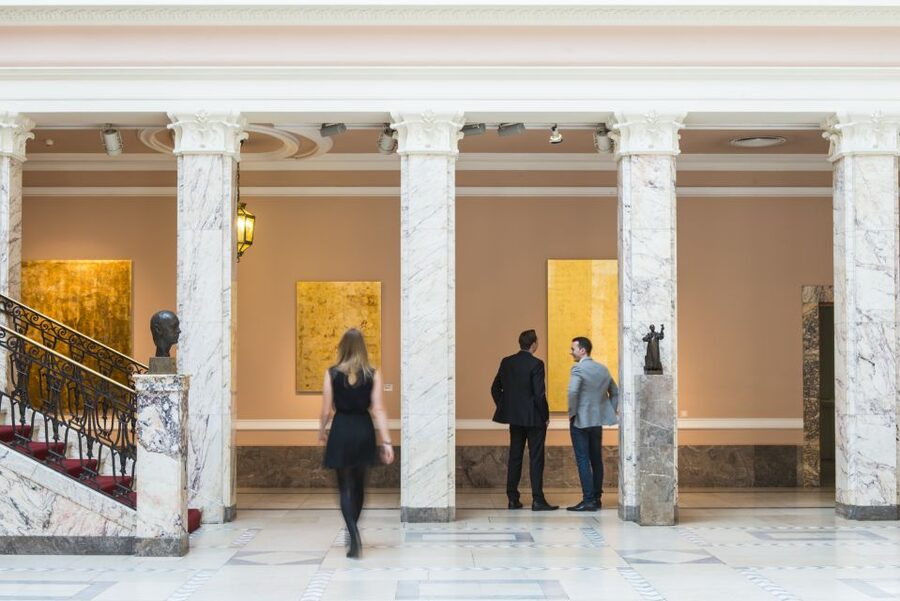
Two things I really like are the marble hall setting and the hands-on production moment you get to see. The hall is a real wow factor, and it frames the whole visit as more than a quick drink stop. I also like that you get a clear look at disgorging, including how yeast is separated from the liquid.
The main drawback to think about upfront is physical: there are 90 steps up and down with no elevator. If stairs are an issue for you, this is not a good fit, and you should look for another tour format.
Key highlights worth showing up for
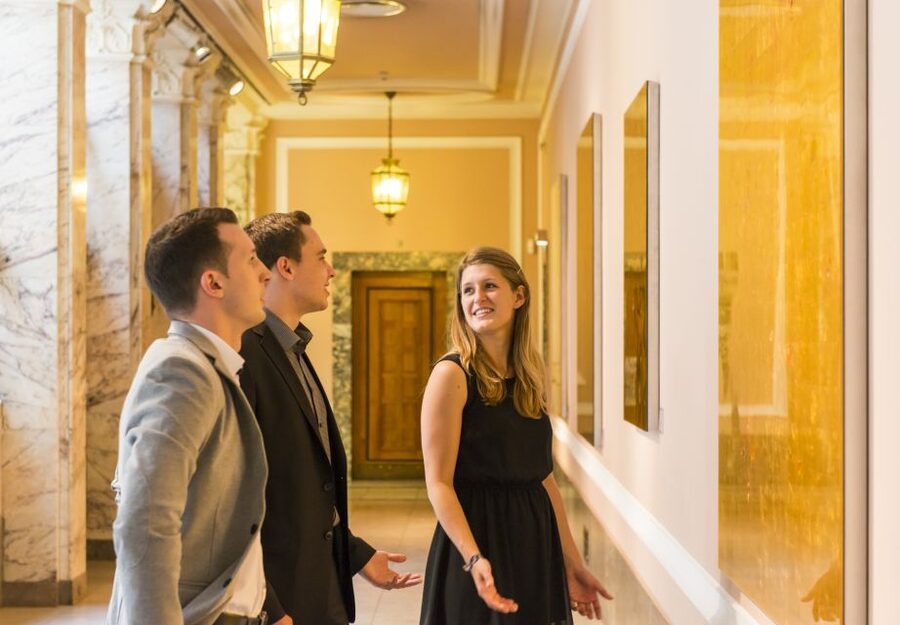
- Marble hall entrance at the Henkell Freixenet headquarters, impressive the moment you walk in
- German-language live guide who keeps the focus on how these wines are made
- Production stages explained across multiple sparkling styles, including sekt, cava, champagne, and Crémant
- Disgorging demonstration where yeast freezes in the bottle neck and gets separated from the wine
- 3-glass tasting to compare different sparkling wines right after learning the process
Why this Wiesbaden sparkling wine tour is more than just drinking
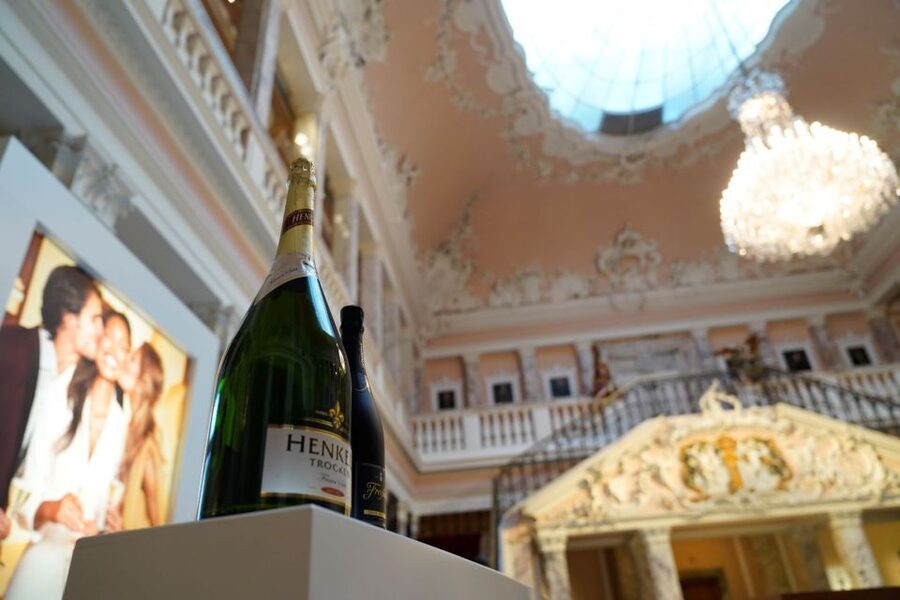
Wiesbaden sits in Hessen, and it’s an easy, sensible base if you want a day focused on wine culture without hopping all over Germany. This tour hits a sweet spot between education and enjoyment, because the tasting is built into the experience instead of tacked on at the end.
What makes it interesting is that you learn the bottle fermentation story, the part that turns normal wine into the kind of sparkle people argue about at brunch. You also get to see a key step in the classic method, the moment where yeast and wine are separated. That is the sort of practical knowledge you can take home and actually use when you taste.
I like that the tour is only 2 hours. You get enough time to connect the production steps to what is in your glass, but you are not stuck all day inside a factory schedule.
Weigh these Wiesbaden picks against each other
- Cologne: Brewery Tour with 3 Kölsch Beer Tastings
★ 4.7 · 3,108 reviews - Hamburg: St. Pauli Highlights Guided Tour with Beer for 18+
★ 4.7 · 2,353 reviews - Hamburg: Elbphilharmonie Plaza and HafenCity Food Tour
★ 4.7 · 1,711 reviews
Entering the marble hall at Henkell Freixenet headquarters
The experience starts at the activity provider’s premises, and you head into a marble hall that immediately changes the tone. It feels more like arriving at a proper headquarters than joining a casual tasting line. If you care about atmosphere, this part matters.
From there, you meet your guide and set expectations for what you will learn. The tour runs with a live guide in German, so you will want to be comfortable following instruction even if your German is limited. If you speak some wine vocabulary, you will probably find it easier to keep up.
One note on pacing: the explanations can feel structured and detailed. That is not automatically a bad thing. It just means bring curiosity, not expectations of a casual, chatty walk.
The guided facility walk: how sparkling wine styles connect
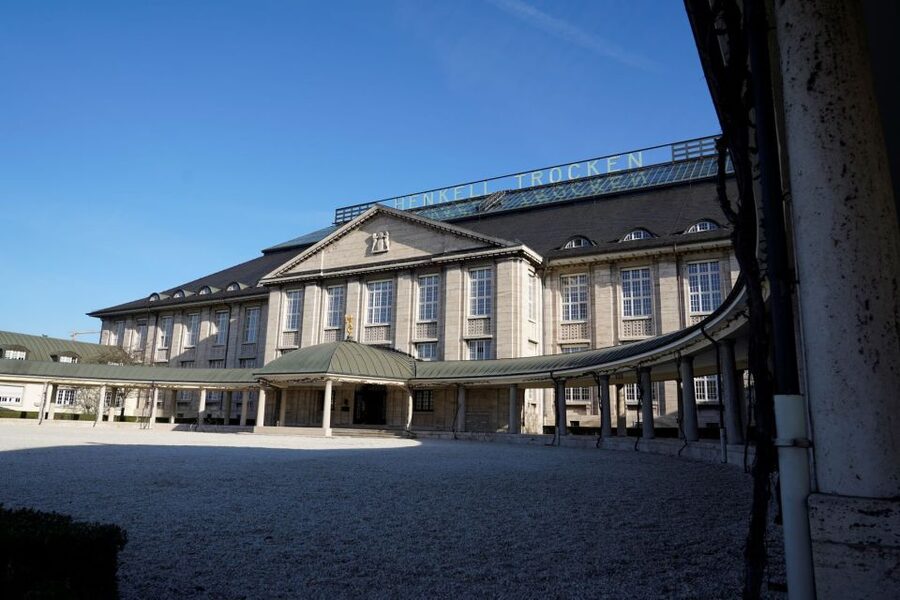
Once you are inside the production world, the guide focuses on how sparkling wines are made from selected grapes into finished bottles. You are not only learning the steps you see. You’re also getting the big picture that connects several styles that people often lump together.
The tour highlights include how the process relates to sekt, cava, champagne, and Crémant. Even if you do not know the differences between these categories yet, hearing them framed as variations on a shared sparkling-wine theme helps your brain sort what you taste later.
Here’s what makes this valuable for your trip. When you understand the production logic, you taste with intention instead of guessing. You start to notice things like how the wine’s texture and character can follow from method, not just from the label.
At the same time, do not expect a personal wine lab tour. This is a guided group experience. You’ll see important stages, and you’ll hear explanations, but you are not controlling the route or slowing everything down.
Disgorging on display: the frozen yeast neck moment
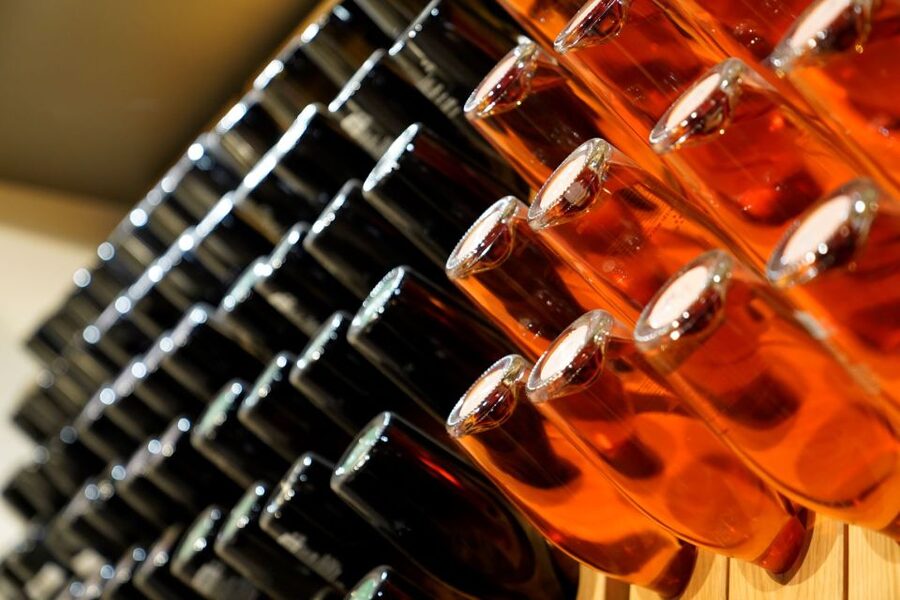
The most memorable production moment is the disgorging demonstration. This is where the tour turns from lecture to something you can actually picture.
You will encounter the practice where yeast and liquid are separated, with a demonstration that shows how yeast freezes into the neck of a bottle. Watching that step live makes the whole bottle-fermentation story feel real, because it shows the method as something physical and mechanical, not abstract.
What to do as you watch: keep your focus on the concept of separation. You’re trying to connect a visible action in the bottle to the end goal, a clear, finished sparkling wine. The demo is the kind of moment that helps you remember the process later when you’re pouring your own glass at home.
A small consideration: because this is a demonstrated stage, you will be dealing with a group flow and limited viewing angles. If you are tall or you have good positioning, great. If not, just be ready to shift your stance a little while you watch.
The 3-glass tasting: turning facts into flavor
After the facility walk and the disgorging demonstration, you finish with a tasting of three sparkling wines. This is where the tour becomes more than sightseeing, because you get to compare while the process is still fresh in your head.
Since the tasting includes three different sparkling wines, I recommend you taste like you are doing a mini comparison at a bar. Start with the first glass slowly, notice texture and impression. Then use the second and third glasses to look for change, not just enjoyment.
You also get a stronger appreciation for German sparkling wine when you taste it in an environment built around it. This is one of the reasons the tour works so well for people who love wine styles beyond one label. You get a lesson in how sparkle is made, then you see how that lesson shows up in the glass.
Keep in mind that the tastings are glasses, not full pours of everything. You’re sampling enough to make connections, but you should still plan to enjoy the rest of your day responsibly.
Price and time: is $34 a good deal for this 2-hour stop?
At $34 per person for about 2 hours, this is priced like a focused experience rather than a long, heavy excursion. The value comes from what’s included: entry, a guide, the guided tour, and 3 glasses of sparkling wine.
If you’ve ever done wine tourism where you pay for a building tour and end up with a small sip or two, this format is more balanced. Here, the tasting is part of the design. That usually means you’re paying for education and sampling together, not education alone.
Think of it like buying the time you would otherwise spend researching how these methods work. In a couple hours, you get guided explanations, a production moment you can visualize, and a short tasting to tie it all together.
The main thing to weigh is your interest level. If you do not care about method and process, you might view it as just another wine stop. If you do care, it feels like money well spent because you learn something you can apply immediately.
Language, pace, and the walking part that can matter
This is a German-language tour with a live guide. If you’re traveling with limited German, you might still enjoy it by focusing on what you can observe, especially during the disgorging demonstration. But you should know the guide is not marketed as multilingual.
The other practical factor is movement. The tour includes walking up and down 90 steps and there is no elevator. That makes it unsuitable for wheelchair users and not a good fit for people with mobility impairments. It’s also not suitable for children under 16.
If you fall into any of those categories, I would skip this specific tour. Not because it’s bad, but because the physical demands will squeeze the enjoyment right out of the experience.
Who this tour is best for (and who should skip it)
This is a strong choice if you love sparkling wine and want to understand it beyond personal preference. You’ll appreciate the method-focused approach, especially if you enjoy comparing different sparkling styles like sekt and cava, or if you’re curious how German sparkling fits into a wider family of wines.
It’s also a good pick if you like “see it, then taste it.” The disgorging demonstration and the three-glass tasting are close enough in time that you can make connections while your brain is still in learning mode.
I would skip it if you want a totally informal tasting. The tour can feel a bit lesson-like at times, not loose and spontaneous. If you prefer a relaxed, casual drink experience with minimal instruction, you might find the structure too academic.
The honest booking checklist before you go
Before you book, check your stamina for stairs. If stairs are tough, you’ll be happier with a different type of winery visit that doesn’t require step-heavy walking.
Also check your wine expectations. This tour is built for people who genuinely like sparkling wine and want to learn about the production approach. If you are only mildly interested, you may still enjoy the marble hall and the tasting, but you might not feel you got your money’s worth.
Finally, look at timing. With a 2-hour duration, plan this earlier in your day if you want to keep your energy. It’s also smart to schedule it so you can enjoy the rest of Wiesbaden without feeling rushed.
Should you book this Henkell Freixenet sparkling wine tour?
I’d book this tour if you want a compact, method-focused sparkling experience with a real payoff in the tasting. The marble hall start, the production walk, the disgorging demonstration, and the 3-glass tasting combine into a coherent story that makes your glass make sense.
Skip it if you cannot handle stairs, because the 90-step requirement with no elevator is a dealbreaker for many people. Also skip it if you do not care about how sparkling wines are made, since the tour is clearly built around process, not just drinking.
If you fall into the happy middle, German sekt lovers, sparkling-nerds, and curious wine tourists, this one is a strong bet for Wiesbaden.
FAQ
How long is the Henkell Freixenet sparkling wine tour in Wiesbaden?
The tour lasts 2 hours.
What is included in the ticket price?
Your ticket includes entry, a guided tour, and a tasting of 3 glasses of sparkling wine.
Do I get to taste wine during the tour?
Yes. You’ll enjoy a tasting of 3 different sparkling wines.
Is the tour suitable for children?
No. It is not suitable for children under 16.
What language is the guide speaking?
The live tour guide speaks German.
Is the tour accessible for wheelchair users or people with mobility impairments?
No. The tour involves walking down and up 90 steps with no elevator available, so it is not suitable for wheelchair users or people with mobility impairments.
Is there free cancellation?
Yes. You can cancel up to 24 hours in advance for a full refund.
Fresh reviews out of Wiesbaden
- Wiesbaden: City whispers★ 4.8 · 17 reviews
- Wiesbaden: Private Walking Tour with a Guide★ 4.8 · 22 reviews
- Wiesbaden: Schnuppertour – public tour★ 4.6 · 29 reviews
Food & Drink, compared.


St. Pauli Highlights Guided Tour with Beer for 18+
Read our review →
Elbphilharmonie Plaza and HafenCity Food Tour
Read our review →
Bavarian Beer and Food Evening Tour in Munich
Read our review →
Classic Mike’s Bike Tour daily @ 11.30 incl Beer Garden & Surfers
Read our review →
Berlin Center Food Tour with 8+ Authentic Local Tastings
Read our review →
Browse the lists this tour appears in