
Reviewed · CITY TOURS
Wiesbaden: Culinary city tour through the Bergkirchenviertel
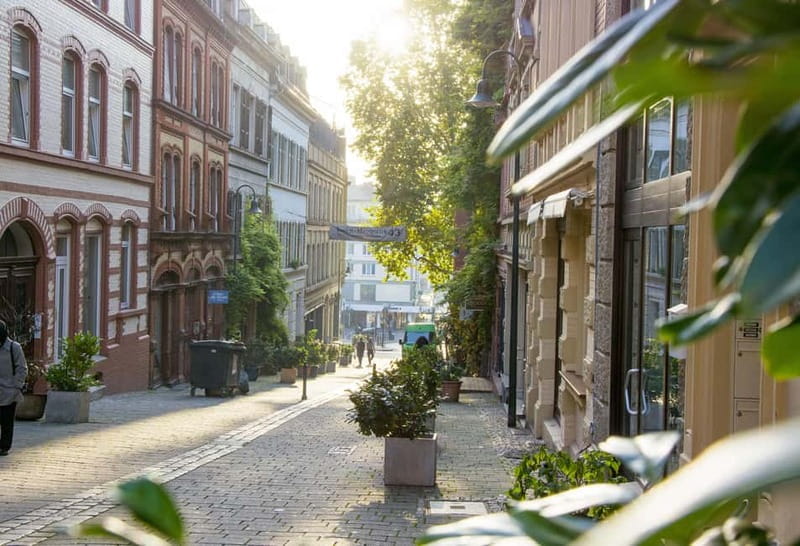
If you like your travel plans to taste like a place, this culinary city tour in Wiesbaden through the Bergkirchenviertel is a smart pick. You walk through a neighborhood that still feels like a local hangout, then stop for bites and sips while your guide connects the streets to real people and real change.
What I like most is the pairing of food stops with clear storytelling. I especially enjoy the way you get to know the quarter’s past, from the old worker flats that earned it the nickname Katzenloch, to the late-1960s protests that helped shape how the area was redeveloped. On top of that, guides like Michael can make the walk feel both relaxed and informative.
One thing to consider: the plan can shift. On one recent day led by a substitute guide, the group did not get Bergkirche entry, and the tour ran about 1.5 hours with only 3 tasting stops visited instead of 4.
Key highlights worth getting excited about
- Bergkirchenviertel backstory: the Katzenloch origin and the 1960s fight against large-scale demolition
- A walking route with character: streets, squares, atmospheric backyards, and a noticeable Kiez feeling
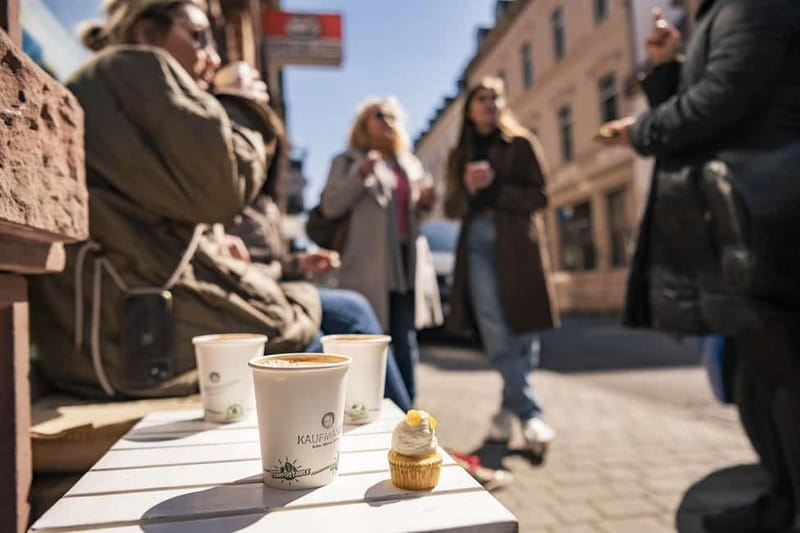
- Tastings at known local spots: including Café Dale, Kaufmanns Rösterei, and Wine in the hood (depending on the day)
- Wine and something savory: the tour is built around bites plus a drink stop
- A guide who sets the tone: Michael was praised for making it interesting and fun, while substitutions can change pacing
Why the Bergkirchenviertel is a food-walk kind of place
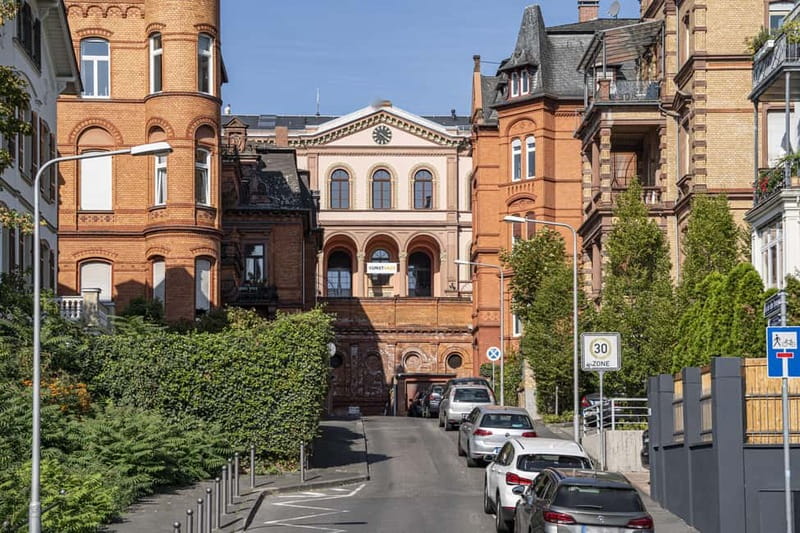
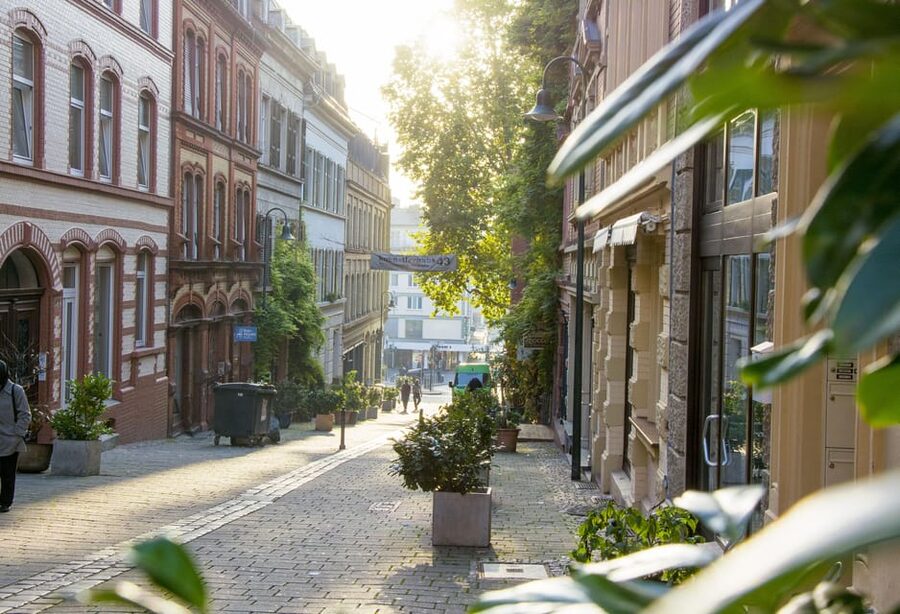
Wiesbaden can look orderly at first glance, but the Bergkirchenviertel plays by different rules. This is the kind of neighborhood where you feel the day-to-day energy: cafés, small independent shops, bars, cabarets, galleries, and enough street life to make your walk interesting even before the tastings start.
The area earned its nickname Katzenloch because workers once lived in very small flats. Later, residents fought back when demolition was planned on a big scale, especially in the 1960s. The result is a quarter with a cautious redevelopment story behind it, and that history helps explain why it feels lived-in instead of staged.
That’s exactly why a culinary walking tour works here. Food belongs to the everyday. When the guide points out a square or a back courtyard, you understand why it matters. The tour isn’t just about eating, it’s about learning how this neighborhood stayed itself.
Weigh these Wiesbaden picks against each other
- Wiesbaden: Sparkling Winemaking Tour with 3-Glass Tasting
★ 4.8 · 155 reviews - Wiesbaden: Schnuppertour – public tour
★ 4.6 · 29 reviews - Wiesbaden: Private Walking Tour with a Guide
★ 4.8 · 22 reviews
The 2-hour route: what the timing really means
The tour is listed for 2 hours, which is a good length for people who want flavor without committing to a whole afternoon. In practice, your experience will depend on how smoothly the group moves between stops, plus whether you get access to every planned visit.
One important reality from a recent account: the tour ran about 1.5 hours and included fewer tasting stops than advertised on that date. That doesn’t mean the tour is unreliable. It does mean you should treat it as a walking experience with stops, not a strict clock with guaranteed entry to everything.
How to make the timing work for you:
- Wear comfortable shoes. This is a neighborhood walk, not a hop-on bus.
- Come hungry, but not ravenous. You want to enjoy each bite, not just speed through them.
- If you’re scheduling a later plan, keep a little buffer. A short delay or access issue can happen in any working neighborhood.
Bergkirche and the quarter’s protest-era story
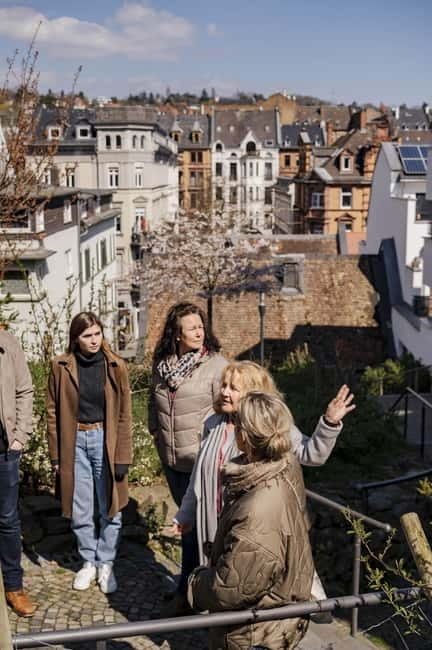
The Bergkirche is the landmark that gives the neighborhood its name, so it naturally shows up as one of the anchors of the tour. Even when you only pass by, the church helps you understand why the area feels “named” and not just random streets.
What I love about the way this tour frames the Bergkirchenviertel is that it connects architecture to civic action. Residents pushed back when plans for large-scale demolition became known, and the political disputes that followed led to a cautious redevelopment approach. That context changes how you read the neighborhood on foot. You stop seeing it as just a set of cafés, and start seeing it as a place shaped by people who refused to disappear.
Now the caution: on at least one date, the group did not get entry to the Bergkirche. If the church interior matters a lot to you, I’d plan your expectations accordingly. You can still get strong value from the walk and tastings, but you might not get the full church visit.
The café-and-courtyard vibe: what you’ll feel on the walk
This neighborhood has a distinct Kiez feeling, meaning it doesn’t feel like a polished tourist district. It feels like residents live here and visitors blend in for a bit. You’ll move through streets and squares that have a French charm, plus atmospheric backyards that make the walking route feel like it has scenes, not just checkpoints.
You’re also seeing the quarter as it is today: trendy eateries, individual shops, and places with personality. That matters because the tour is partly about modern neighborhood life. The tastings are the reward, but the walking context is what makes the food feel specific to Wiesbaden rather than generic German snacking.
Small tip for getting more out of it: pause briefly in the backyards and courtyards when the group stops. Those are often the moments when your guide’s stories land the hardest. You’ll get the sense of why residents fought for the place they could call home.
Another way to spend a Wiesbaden afternoon:
- Wiesbaden: City whispers
★ 4.8 · 17 reviews - Wiesbaden Biebrich: Outdoor Escape Game
★ 4.7 · 13 reviews
Taste stops: Café Dale, Kaufmanns Rösterei, and the kind of food you’ll want
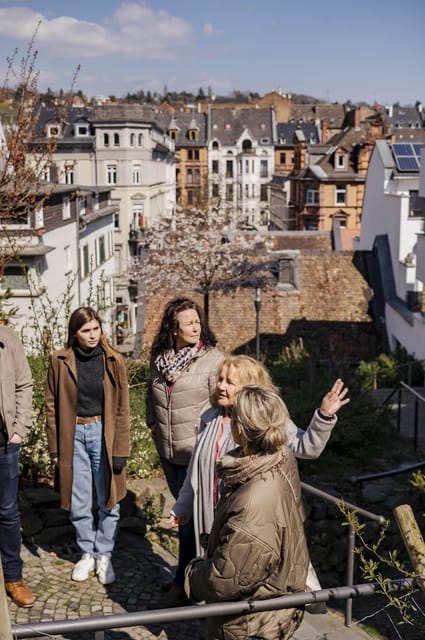
The tour is built around different tasting stops, and some of the named places give you a strong clue about the style of the experience. One person highlighted friendly welcomes at Café Dale and at Kaufmanns Rösterei, along with the pleasure of eating something tasty at both.
Here’s why those kinds of stops are valuable: you get variety without menu chaos. A tasting format lets you sample without the pressure of picking a full entrée. You can also compare flavors across places, which is exactly what you want on a short walking tour.
At Café Dale, you’re likely to experience a casual café stop. At Kaufmanns Rösterei, the name alone suggests a food experience rooted in roasting, and you can expect the tasting to focus on something concrete and satisfying rather than just a drink.
What you should keep in mind:
- Tastings are portions, not full meals. Plan to eat dinner after.
- If you have dietary needs, this tour format can sometimes be tricky. The data here doesn’t list options, so it’s smart to ask when you book.
Even with the occasional change in the number of stops, the people who rated the tour highly tended to mention that the tastings were excellent. That’s a good sign that the food portion is not an afterthought.
Wine in the hood: sipping, but also pay attention to comfort
Wine plays a role in this tour, and Wine in the hood is one of the spots that has shown up in accounts of the route. One review mentioned feeling like the group was not made to feel welcome there, including an issue with a too-small assigned space, which affected comfort.
I’m not going to sugarcoat it: wine stops can come with crowd logistics. A small seating area can be fun when it’s lively, but not so fun when your group feels squeezed. If you’re sensitive to space or you prefer calm tasting moments, this is the one part of the route where I’d keep expectations flexible.
The good news is that the overall tour still holds strong value because the wine is paired with savory bites and neighborhood context. When the tour runs smoothly, the wine stop becomes part of the pacing. When it doesn’t, it can feel like a speed bump.
A practical approach for you: if the group feels tight once you arrive, just stay patient and make it a quick social moment. The walk soon moves you back into the open air of the neighborhood.
What happens when a stop is missed or the route changes
Let’s talk reality for a second. Your tour might not match every detail perfectly on the day you go. In one account, there was a substitute guide, and the group did not get Bergkirche entry. Another issue mentioned: only 3 out of 4 advertised tastings were visited, and the tour ran around 1.5 hours instead of 2.
What that means for you:
- Don’t build the entire day around a single must-see, like church interior access.
- Treat the tastings as the main promise, and the church as a bonus if access works out.
- If you care about getting every planned tasting stop, consider going at a time when you can remain flexible and not rush afterward.
The positive side of this: even with changes, other accounts describe the tour as informative and worth it. One 5-star experience praised the guide Michael for making it interesting and fun, and another highlighted that the information and short consumption breaks were handled well.
So yes, there can be variation. But the structure of the experience still tends to deliver, especially if you go in with the right mindset.
Price and value: is $44 worth it?
At $44 per person for a 2-hour walk, you’re paying for three things:
1) a guided neighborhood route,
2) multiple tastings,
3) a wine component plus savory bites.
For a short duration, that can be a fair deal if the food stops are genuinely part of the experience and not just small samples. The strongest signals here come from higher ratings that mention excellent tastings and a guide who made the quarter feel understandable and lively.
Where the price can feel less justified is when something important changes, like fewer tastings than expected or missing a church stop you were counting on. If you’re the type of traveler who books specifically for a set list, then a day with reduced stops can sting.
My advice: if you’re excited by the neighborhood story and you’re happy to see, taste, and learn in one go, $44 feels reasonable. If you’re scheduling tight sightseeing and church entry is non-negotiable, build in flexibility.
Who should book this culinary tour in Wiesbaden
This tour fits best if you:
- want a walk-first way to understand Wiesbaden,
- enjoy tasting local food without planning restaurant schedules,
- like neighborhood history that connects to what you see on the street.
It also works well as a gift. One account described it as a gift for a special occasion and said it turned into a genuinely surprising, enjoyable experience, even for people who already knew Wiesbaden.
Who might want to skip or choose differently: if you need a guaranteed church interior visit every time, or if you’re very particular about tasting counts, you may find the variation annoying. In that case, you can still enjoy Bergkirchenviertel on your own, then add a tasting experience separately.
Should you book? My honest call
Book it if you want a guided walk that mixes Bergkirchenviertel stories with real tastings, and you’ll enjoy learning while you eat. The guide quality seems to make a noticeable difference, and when it clicks, the tour is described as interesting, entertaining, and worth the money.
Skip it or reconsider if you’re pinning your day on a guaranteed Bergkirche entry or if you cannot tolerate a possible change in tasting count. On at least one recent day, those elements didn’t happen as expected.
If you do book, go in hungry, wear good shoes, and treat the church visit as a bonus. You’ll still get the main idea: a neighborhood with personality, a guided route that helps you read it, and food stops that make Wiesbaden feel like a place you can taste.
FAQ
How long is the culinary city tour through Bergkirchenviertel?
The tour lasts 2 hours.
What is the price per person?
The price is $44 per person.
What does the tour include?
It includes a guided tour with an experienced guide and different tasting stops, with walking through the Bergkirchenviertel.
What language is the live guide?
The live tour guide is in German.
Where do I meet the guide?
You meet your guide, who will wear a name tag.
Is the tour wheelchair accessible?
Yes, the tour is wheelchair accessible.
Is there a cancellation option if my plans change?
Free cancellation is available up to 24 hours in advance for a full refund.
Fresh reviews out of Wiesbaden
- Wiesbaden Biebrich: Outdoor Escape Game★ 4.7 · 13 reviews
- Wiesbaden: Schnuppertour – public tour★ 4.6 · 29 reviews
- Wiesbaden: Sparkling Winemaking Tour with 3-Glass Tasting★ 4.8 · 155 reviews
- Wiesbaden: City whispers★ 4.8 · 17 reviews
- Wiesbaden: Private Walking Tour with a Guide★ 4.8 · 22 reviews
City Tours, compared.
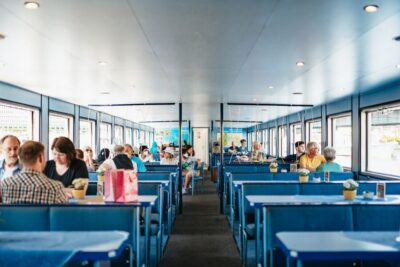
1-Hour City Tour by Boat with Guaranteed Seating
Read our review →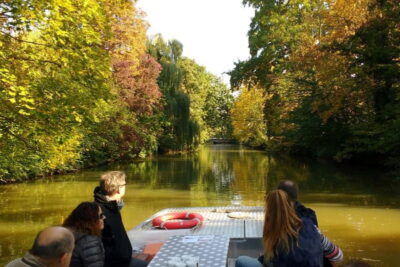
City History Canal Sightseeing Tour on a Motorboat
Read our review →
Browse the lists this tour appears in