Reviewed · TOURS
Small Group Rheingau Vineyards Tour with Castles and Abbeys
The Rheingau is one of Germany’s great wine areas, and this tour gives you the story and the sips in the same half-day. You start at the legendary Kloster Eberbach, often linked with Riesling’s early rise, then you work your way along the Rhine to tastings in standout wine settings. It’s a fun, easy way to understand why German wine tastes the way it does.
What I like most is the real wine variety packed into the day. You’ll sample 4-6 wines at Kloster Eberbach, then 5 wines at RheinWeinWelt in Rüdesheim, then a 6-wine flight at a family estate, so you get a strong sense of styles from Riesling through Pinots. The guide also brings the history alive, and in the reviews the host Jérôme comes through as both engaging and very good at matching the tastings to what people enjoy.
One consideration: this is not a sit-in-comfy-bus-and-sip situation. Expect walking on uneven surfaces and stairs, and it is not recommended if you have restricted mobility.
Key things to know before you go
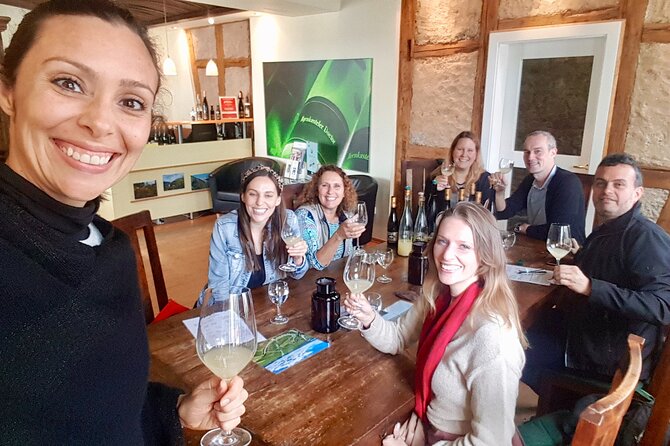
- Kloster Eberbach tasting room first, including multiple pours linked to the origins of Riesling
- Rhineland scenery plus a quick castle moment, with passes by Johannisberg Palace
- RheinWeinWelt lunch and tasting in Rüdesheim, with tastings drawn from a large Rhine selection
- Family-run winery visit, with a flight designed to show representative styles from Riesling to Pinots
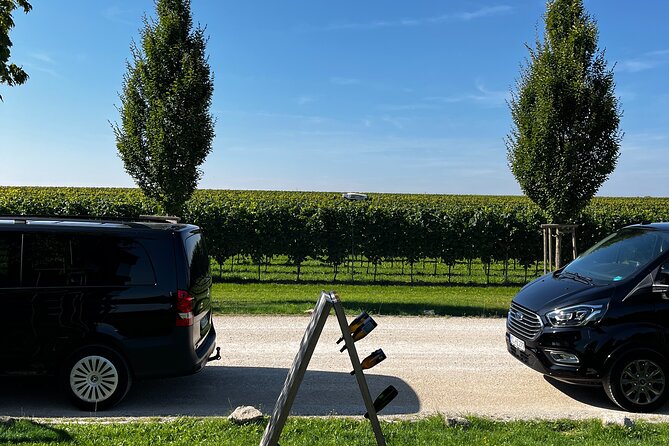
- Small group size (max 7) with air-conditioned transport, keeping the day personal and paced
- Walking with stairs means good shoes matter more than good looks
Rheingau vineyards plus abbeys and castles, the smart way
If you’re already in the Mainz area, this tour is a practical way to see more than one “wine stop” without trying to plan like a logistics manager. You get transport, timing, and a guide who connects the dots between geology, history, and what’s in your glass.
I love that the day is structured around three different tasting environments. Kloster Eberbach sets the scene in a monastery that dates back about a thousand years. RheinWeinWelt adds a modern, social tasting experience paired with lunch. Then a family-run estate gives you a close-up look at how a winery thinks about its wines.
The drawback is that the schedule expects movement. You’ll be on your feet, and there are stairs at at least one stop. You can still do it, just plan for it and wear shoes you trust.
Weigh these Mainz picks against each other
- Guided tour in Mainz on the Rhine in german and english
★ 4.9 · 163 reviews - Mainz: guided evening tour of the Rhine riverbank/old town in German and English
★ 4.9 · 106 reviews - Exclusive Wine & Food Tasting in Historic Cellar | Mainz Old Town
★ 5.0 · 42 reviews
Kloster Eberbach: where the wine story starts
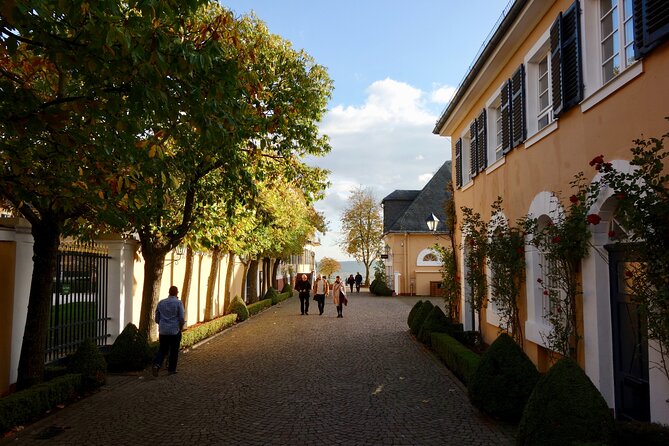
Your first stop is Kloster Eberbach, a monastery that’s about 1000 years old and famous as the cradle of Riesling. This is the kind of place where you quickly understand that wine in the Rheingau is not a trend. It’s a centuries-long craft shaped by monks, farming, and careful land use.
The focus here is not just pretty buildings. You’ll explore the historic setting with an emphasis on the monks’ role in how winemaking evolved. Then you head into the tasting room for 4-6 wine tastings as part of the ticket price.
This is a strong start for your brain. If you begin with one winery and one style, you miss the bigger picture. Starting at Kloster Eberbach gives you context first, then the rest of the day feels like a progression rather than random sips.
A small practical note: this is also where you’ll want to slow down your pace a little. The first tastings are often the ones where people accidentally overdo it. I’d treat the first pours as orientation. Decide what flavors you like before you start chasing every glass on the table.
Rhine views and the Johannisberg Palace moment
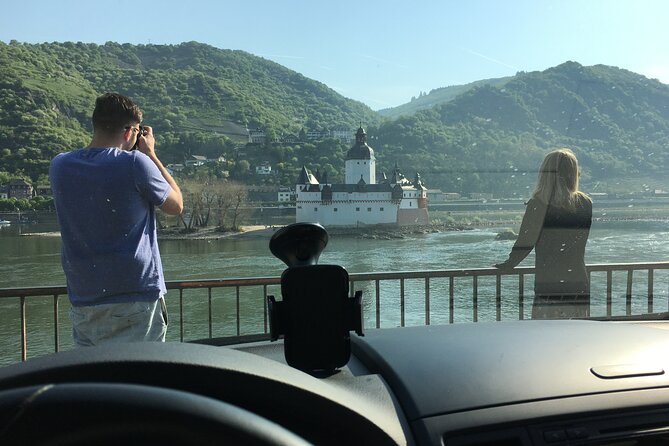
Between stops you cruise past the setting of Johannisberg Palace, and the plan allows for a brief stop if timing works out. Even when you only catch it from the road, this kind of scenery matters because it shows what the Rheingau looks like from the river side, where towns and vineyards sit close together.
This portion of the day is the palate break your body asks for. You’ll shift from tasting rooms to open air views, then back into another structured tasting. It’s also a helpful reminder that German wine quality is tied to place, not just technique.
If you tend to enjoy landscape photos, this is where you’ll get the best chances. Just don’t make it your only goal. The real value is what you learn, then tasting it again later.
RheinWeinWelt Rüdesheim: lunch plus a big selection tasting
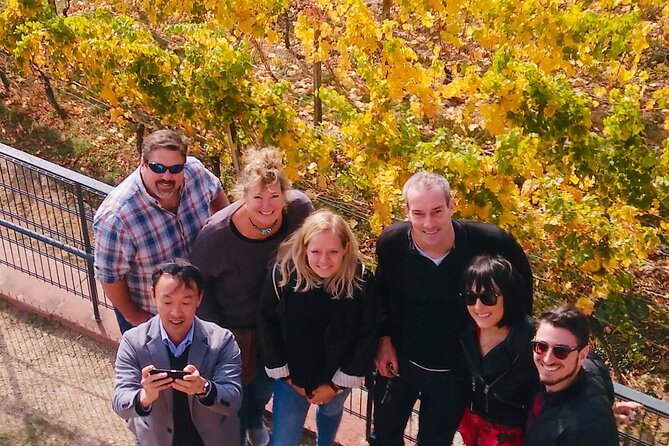
Next up is Vinothek Rheinweinwelt Ruedesheim, where lunch and tasting happen together. This is one of the more “social” segments of the day, and I like that it breaks up the earlier, more historic feel.
Lunch is not included, but you’re given options on a beautifully curated menu using locally sourced produce. You can go for a freshly cooked meal, or choose one of the cheese or charcuterie boards. Either way, it’s built for wine, meaning it gives you flavors that stand up to what you’ll be tasting.
While food is getting ready, you explore the tasting room and sample 5 wines from a selection of 80 winemakers. That is a big pool, and it helps you understand what “top Rhine estates” means in practice. You can also tell the guide your preferences, and they’ll point you toward wines worth your attention.
What this stop does well is balance. You’re not stuck tasting blindly. You get guidance, food support, and a sense of how Rhine styles relate to each other.
Practical tips so you enjoy this part more:
- Pace your lunch choices so you can still taste with clarity.
- If you find one style you love, ask for a similar direction for your remaining pours.
- Use your water between wines. It’s not glamorous, but it keeps the last tasting enjoyable.
Weingut Kaufmann: the family estate flight that makes it click
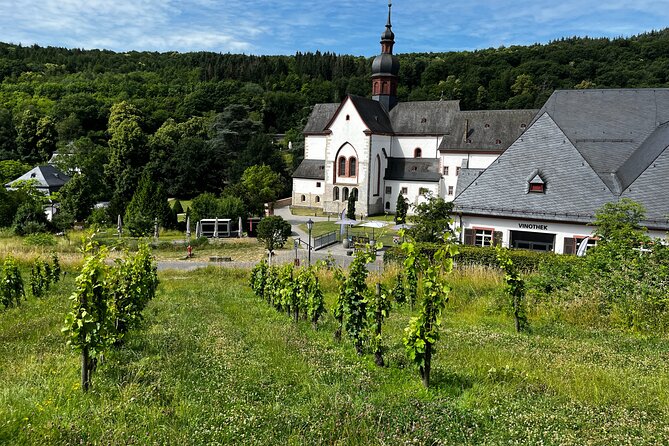
Your final tasting is at Weingut Kaufmann, a family-run estate. The plan is a flight of 6 wines, designed to show representative wines from Riesling to Pinots.
This is a good ending because it turns your day from “look at the region” into “experience how a single winery expresses the region.” Riesling sets the theme, but moving through Pinots helps you see how the Rheingau’s cooler-climate tradition can produce different flavors and textures depending on the grapes and approach.
The time you spend here is also about conversation. In the reviews, the guide is repeatedly praised for being responsive to people’s preferences. That matters at the estate stop because it’s where you can ask, taste, compare, and get a better handle on what you personally like, not just what you’re told is important.
If you’re the type who wants a souvenir you can actually enjoy later, this is where you’ll likely feel confident making choices. By the time you get here, you’ve already sampled multiple styles and have a sense of what “works” for your palate.
The guide and small group size, why the day feels personal
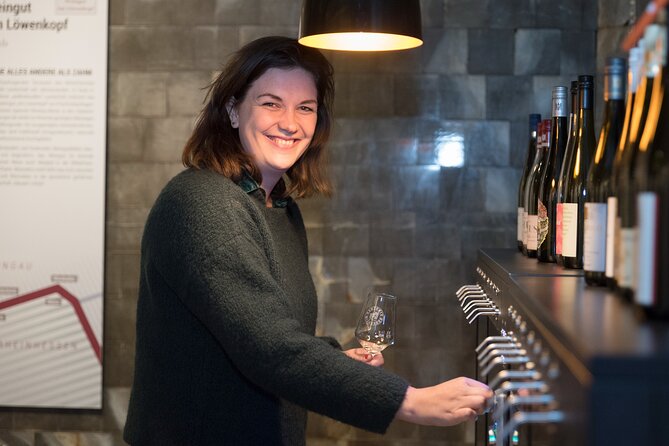
This tour runs with a maximum of 7 travelers. That size is a sweet spot. Large groups can feel like you’re waiting your turn. Here, you can actually talk, ask questions, and stay on the same mental page while you taste.
The reviews highlight something important: Jérôme is praised not just for being friendly, but for blending wine with history and keeping the day at a good pace. That’s exactly what makes this kind of tour worth paying for. If someone just reads off labels, you forget half of it by the next stop. When the story fits the glass, it sticks.
A detail I’d pay attention to is the way the guide adapts to preferences. If you like crisper Riesling, tell them. If you’re more into softer, fruit-forward styles, say so. The tasting plan is flexible enough that you should be able to steer your pours in a direction that makes you happy.
Also, transport is included, and it’s air-conditioned. In warmer months, that alone can make the day feel more comfortable. You’re not stuck sweating your way between tastings.
Timing, walking, and what to wear for a stress-free half-day
The duration is about 5 to 6 hours. That’s long enough to feel like a real day trip, but not so long that you’re bored or drained.
Still, you should plan for movement. The tour involves walking over uneven surfaces and stairs, so good shoes are not optional. If you have restricted mobility, this tour is not recommended.
I’d also suggest you keep your bags simple. You’ll be in and out of buildings and tasting rooms, and you’ll want your hands free for a glass, a phone, or a quick photo.
Tasting strategy tip, from someone who learns the hard way:
- Try one wine, then let it settle before racing to the next.
- If you find a favorite, note what you like, then compare it to the next flight.
- Eat lunch before you start buying ideas in your head.
Value check: is $199.55 worth it?
At $199.55 per person, you’re paying for more than a tasting. You’re paying for three organized tasting stops, transport, and the guide who connects the day together.
Here’s why I think the value holds up:
- You get multiple tasting flights across different settings, starting with a historic monastery and ending at a family-run estate.
- Entry fees and taxes are included, which helps avoid surprise costs at each location.
- The group stays small, so your experience is not diluted.
The one item that isn’t included is lunch. Since lunch is part of the RheinWeinWelt stop, you should budget extra for food. If you’re the kind of person who prefers to travel with a set budget, decide ahead of time what kind of lunch you want, then treat it as your one planned splurge.
If you already know you love Riesling and want a structured way to taste more than just one winery’s style, this tour is a strong fit for the price. If you only want a quick sip and zero walking, you might prefer a lighter tasting format.
Should you book this Rheingau Vineyards tour?
If you want a small-group day in the Rheingau that mixes the history of German wine with real tastings, I’d book it. It’s built for people who like learning while they taste, not for people who want to freestyle every hour.
Book it if:
- You love wine and want to compare multiple styles in one day.
- You like history settings like Kloster Eberbach, not just modern tasting rooms.
- You’re okay with some walking and stairs, and you can wear proper shoes.
Skip it if:
- You have mobility limitations that make stairs and uneven surfaces hard.
- You only want a short, low-effort tasting and would rather avoid a structured schedule.
One last thing: your best experience will come from telling the guide what you like early. If you do, the day will feel like it’s designed around you, not around a fixed script.
FAQ
How long is the Rheingau Vineyards Tour?
It runs about 5 to 6 hours.
What is included in the tour price?
The tour includes private air-conditioned transport and all fees and taxes. Wine tastings are included at Kloster Eberbach and Weingut Kaufmann, and the RheinWeinWelt tasting is also included.
Is lunch included?
No. Lunch is an additional expense at the RheinWeinWelt stop. You choose from a menu, including cooked options or cheese and charcuterie boards.
Is the tour offered in English?
Yes, it is offered in English.
How big is the group?
The maximum group size is 7 travelers.
Is the tour suitable for limited mobility?
It is not recommended for travelers with restricted mobility because the tour involves walking over uneven surfaces and stairs.
Fresh reviews out of Mainz
- Guided tour in Mainz on the Rhine in german and english★ 4.9 · 163 reviews
- Mainz: guided evening tour of the Rhine riverbank/old town in German and English★ 4.9 · 106 reviews
- Exclusive Wine & Food Tasting in Historic Cellar | Mainz Old Town★ 5.0 · 42 reviews
Tours, compared.
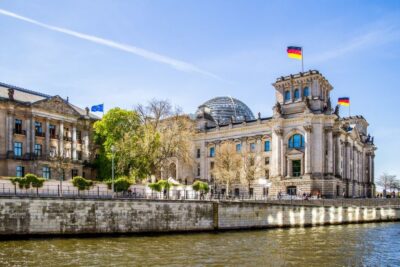
Reichstag, Dome and Government District Guided Tour
Read our review →
Sex and Crime in St. Pauli Tour for Ages 18 +
Read our review →
1-Hour City Tour by Boat with Guaranteed Seating
Read our review →
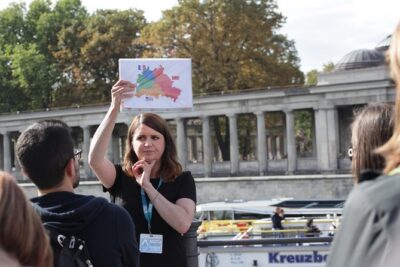
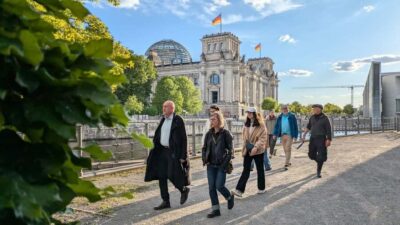
Government District around the Reichstag Guided Tour
Read our review →