
Reviewed · MUNICH TOURS
Mystic Munich – Sagas and Legends of the Old Town
Munich can be all beer halls and lederhosen, but this tour turns the Old Town into a legend you walk through at a human pace. You’ll hear why a dragon shows up on the New Town Hall, and how stories attached to real buildings can make the city feel freshly strange.
What I like most is the mix of myth and reality. The guide connects the spooky stuff to places you can actually point at, so you’re not just collecting spooky sentences, you’re learning how Munich symbolically thinks.
One thing to plan for: the tour runs through busy central streets, and it can get crowded near the end. If you wander even a little, you might have trouble finding the group in the dark bustle, so keep close and agree on a meet point if you need a quick pause.
Key things you will notice on this tour
- Legend-linked landmarks at dusk, so the stories hit when the streets look their most theatrical
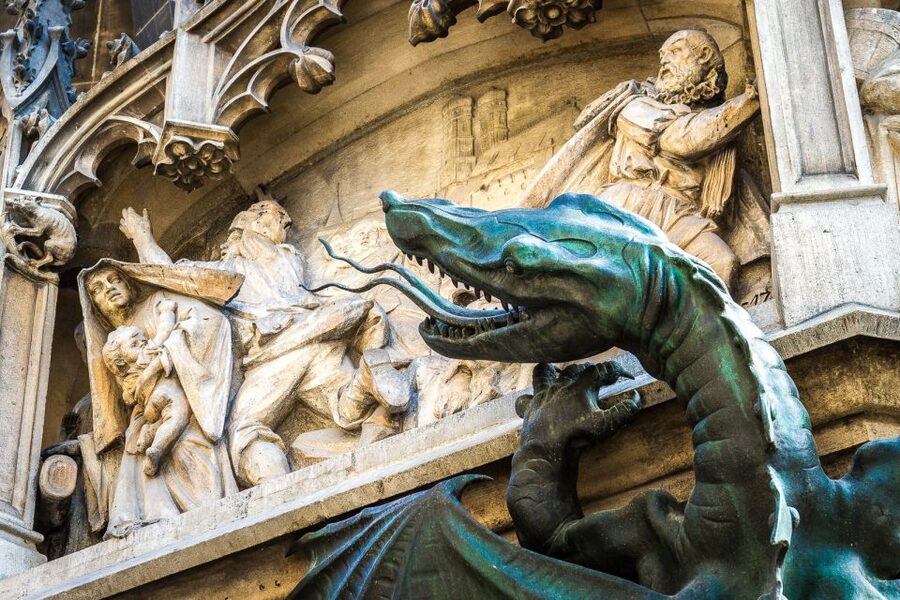
- New Town Hall Lindwurm and other Munich “creature” details tied to specific sites
- Marian Column Putti and monsters, where the tour separates what’s symbolic from what’s factual
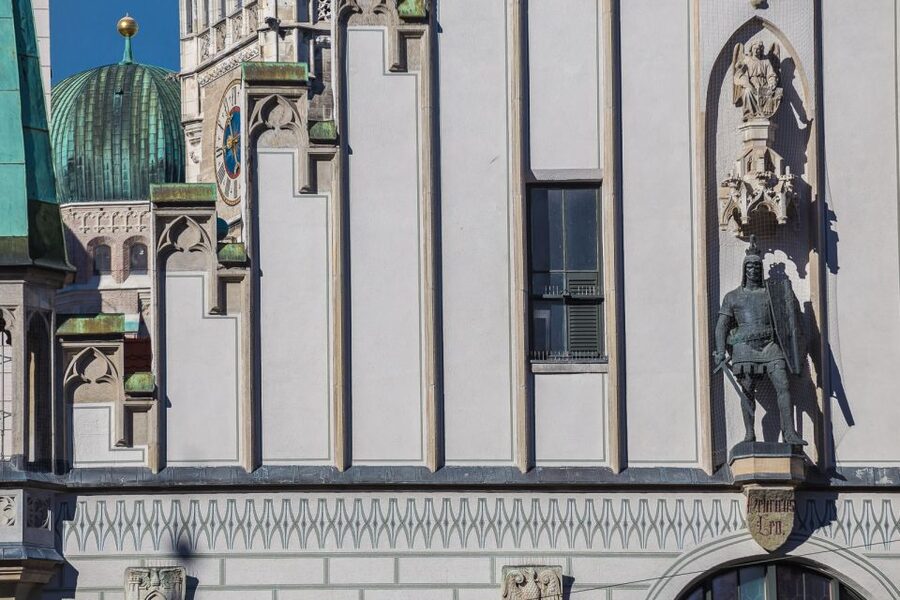
- Old Peter, the devil, and St. Onuphrius, for darker myths with clear visual anchors
- A compact 105-minute loop that still covers big hitters like Marienplatz and Frauenkirche
- A local German guide plus a small gift at the end, for good value and a friendly wrap-up
Old Town stories you can walk through, not just read about
This experience is all about doing something simple but surprisingly effective: you take Munich’s most famous corners and you treat them like clues. Instead of memorizing facts, you listen for patterns. Why do people in Munich believe in certain guardians? Why do they warn about certain evils? Why do statues and architectural details get interpreted as living characters?
The tour’s big promise is that you’ll hear stories, legends, and mysteries, and then you’ll learn the reality behind them. In practice, that means you’re not forced to choose between folklore and history. You get both, and you get them attached to real stone. That matters in Munich, where so many landmarks are beautiful, but also oddly specific in the way they reference power, protection, and fear.
And yes, dusk is part of the design. Even if you’ve seen Marienplatz a dozen times in daylight, at evening the details feel sharper. Shadows make faces look more serious. The city sounds different. You’re more likely to notice small carvings and odd shapes, because the light makes them stand out.
Weigh these Munich picks against each other
- From Munich: Neuschwanstein & Linderhof Castle Full-Day Trip
★ 4.6 · 14,646 reviews - Neuschwanstein & Linderhof Castle-Fairytale Day Tour from Munich
★ 4.5 · 7,275 reviews - Munich: Third Reich & WWII Walking Tour
★ 4.6 · 6,181 reviews
Where it starts at Marienplatz, and how to keep your group in sight
You meet at Marienplatz 15, right in front of the entrance of the Toy Museum. The toy museum entrance is under the Old Town Hall, between Marienplatz and Tal.
That location is convenient because it’s central, and it’s easy to orient yourself fast. It also means you start in a spot where people constantly stream past. If you’re going to take pictures, do it close to the beginning, not mid-story, because you’ll lose the thread faster than you think.
A practical tip from the kinds of issues people run into with tours like this: keep your spot near the front or close to the guide, especially in the final stretch. If you’re traveling with friends, pick a quick “if we separate, we regroup here” landmark in advance. In dense pedestrian areas, that saves time and stress.
The tour runs for about 105 minutes, and it’s wheelchair accessible, which is great if you want the story without the strain of a long, complicated route.
Marienplatz and the Old Town Hall area: the “why” behind the center of Munich
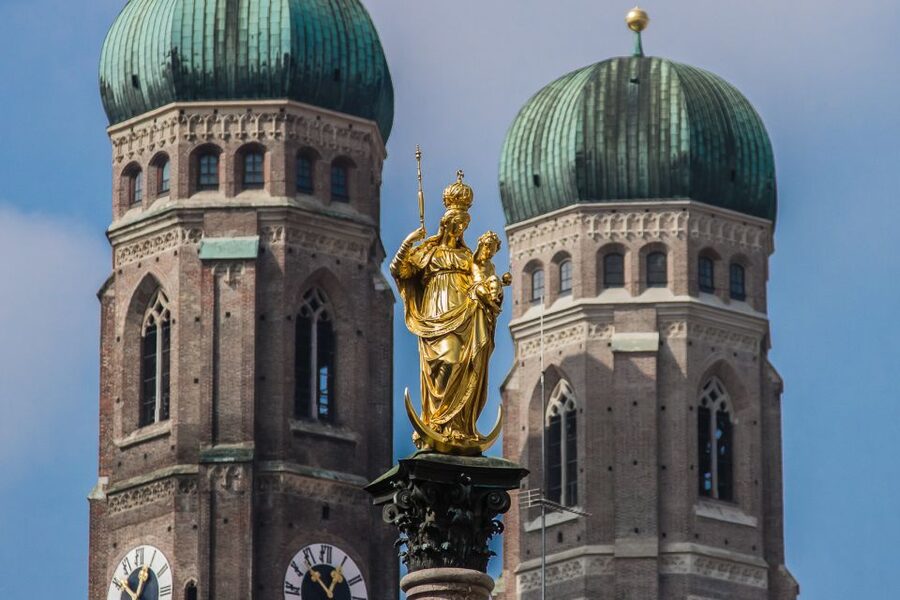
Your first landmark world is Marienplatz, the heart of Munich’s old political and cultural life. The tour treats it like more than a square. It’s a stage where Munich’s identity is constantly reinterpreted through art, architecture, and the way people tell stories about the city’s protection.
Because you begin near the Old Town Hall, you’re also primed to connect the myth-telling to civic power. That civic connection comes up again and again in this tour. It’s not only about saints and churches. It’s also about who guarded Munich, who threatened it, and how the city chose to represent those ideas in public spaces.
At this point, you’ll likely start seeing a pattern: the tour’s myths often come with a “look here” moment, like when a carving is described as a creature or a figure is read as a guardian. If you’re the type who normally walks through squares without noticing details, this is where the switch flips.
Lindwurm on the New Town Hall: how a dragon becomes city folklore
One of the tour’s most specific story moments is the Lindwurm on the New Town Hall. A lindwurm is a kind of dragon-like creature in German folklore, and the tour uses it to explain how Munich turned local belief into something you can see in stone.
The real value here is not just the creature itself. It’s the logic. Munich took dramatic, frightening folklore and anchored it to a visible civic landmark. That’s how a legend survives across centuries: it becomes part of the city’s artwork, and then part of everyday viewing.
What you can do as you listen: slow down when the guide mentions the Lindwurm, and actually look for the detail. The story will make more sense when you can match the myth language to the form on the building. You’ll end up leaving with a better eye for decorative symbolism.
The only drawback with stops like this is that the area can be busy. Even when you stand still to look, you might feel pressure to move along. Try to stay focused on the “look for this shape or figure” moments so you’re not just standing in a crowd.
Another way to spend a Munich afternoon:
- Dachau Concentration Camp Memorial Site Tour from Munich by Train
★ 4.5 · 5,637 reviews - Neuschwanstein Castle Tour from Munich
★ 4.5 · 5,117 reviews - Third Reich Walking Tour Munich
★ 4.5 · 4,291 reviews - Munich Hop-On Hop-Off Tour: 1-Day or 2-Day Ticket
★ 4.3 · 4,161 reviews
Marian Column, Putti, and the monster fights: scary stories with a moral
Another highlighted stop is the Marian column, where the tour talks about monsters the hero Putti fought. Putti figures are often childlike or cherub-like in European art, and in stories they can act as symbols of courage, order, and divine protection.
Here’s why this works as a tour experience instead of just a “cool myth” stop: the Marian column is a public artwork that invites interpretation. Once you know the legend angle, you’ll recognize how Munich uses art to teach people what to fear and what to trust.
As you stand at the column, you’re likely to hear how the story’s meaning ties back to religious and civic ideas. It’s not only about “monsters existed.” It’s about why people wanted the idea of a protector in the first place.
If you’re the kind of person who likes city art but dislikes vague commentary, you’ll probably appreciate how this tour aims for clarity. The legends are colorful, but you’re also taught the reality behind them, which helps you place the art in a broader context.
Old Peter and the devil: the myth you can almost trip over
The tour doesn’t skip the darker material. One of the most pointed stories involves Old Peter and the question of why you should look straight in the eye of St. Onuphrius. It also describes how it was possible to stop the devil from destroying Old Peter.
This is classic “Munich legend” energy: fear, protection, and the idea that evil shows up in stories because humans wanted a way to explain danger and recover confidence. When you hear it attached to a real church, the story becomes less like fantasy and more like cultural memory.
If you want a simple way to get the most out of this part: don’t just listen. Follow the guide’s prompts to where the figure or detail is located. Staring matters here because the guide frames it as part of the lesson. You’ll leave with a stronger connection to the space, not only the narrative.
A practical note: church exteriors and entryways can be dim. If your tour time is later, or if it’s cold out, you might find yourself distracted by comfort. Dress for the weather so your attention stays where it should, on the guide’s pointing and the visible details.
St. Onuphrius and the stare test: why the guide pushes eye contact
St. Onuphrius is one of the tour’s most “do something with your eyes” moments. The tour literally frames the viewing experience like a small challenge: why you should look him straight in the eye.
This kind of instruction is more than theater. It nudges you to stop treating religious sculpture as background decoration. It becomes a conversation, even if the conversation is only you trying to interpret what the sculptor wanted you to feel.
This is also where the tour’s promise about separating story from reality shows its teeth. You’ll hear explanations about what the figure is, how it’s typically interpreted, and how legend shaped the way people read the site over time.
The payoff is personal. Even if you don’t care about saints, you’ll still remember the moment because it changes your posture. You don’t just walk past. You look.
Old Court and Frauenkirche: when legends meet power and awe
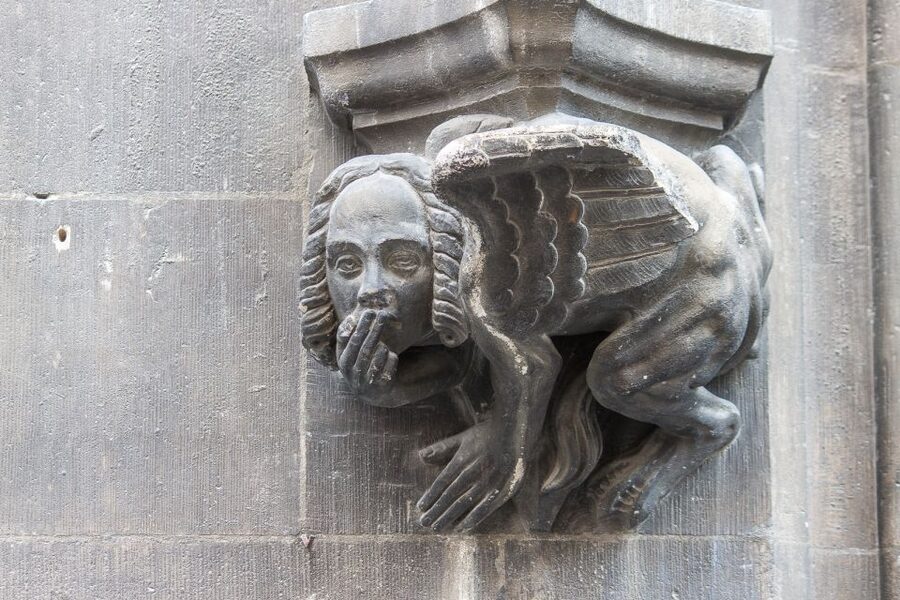
Later in the tour, you’ll pass through or near the Old Court and the Frauenkirche. These stops shift the mood. Earlier, you’re chasing dragons, monsters, and devils. Here, you get a more civic and spiritual atmosphere.
The Old Court connects your legend stories to Munich’s history as a place where rulers mattered, decisions were made, and symbols were public. The tour uses it to keep reminding you: these stories live in real civic spaces.
Then Frauenkirche brings the tour into a different kind of intensity. It’s one of Munich’s best-known church landmarks, and it can feel almost too familiar. That’s where the legend framing helps again. When you hear the story logic behind the architecture, you tend to notice proportions, placement, and the way the building dominates the surrounding city blocks.
This isn’t the kind of tour where you walk away with one big fact dump. Instead, you finish with a mental map of meaning. You can still see the skyline as tourist landmarks, but you also see them as parts of a symbolic system Munich built over time.
What 105 minutes feels like, and who will like it most
This tour is about 105 minutes, which is a good time window. Long enough to slow down and feel like you’re learning something, short enough that you won’t hate your feet by the middle.
It’s also German only. If you read and understand German, you’ll probably find the story pacing smooth. If you don’t, you might still enjoy it, but you may miss some of the specific legend-to-reality connections.
Because it covers major sites like Marienplatz, Old Peter, Old Town Hall, Old Court, and Frauenkirche, it works for both tourists and Munich residents. The format is friendly for people of different ages, and the tone is geared toward keeping you engaged rather than lecturing.
If you like stories but also hate when tours are pure fantasy, this one fits your taste. The guide aims to show how the legend grew and what sits under the myth layer.
And if you hate standing around in silence waiting for a guide to catch up, you’ll be happier here. You’re always walking and always listening to something that matches what you see.
Price and value: why $26 makes sense for this kind of tour
The price is listed at $26 per person for a 1.75-hour walking tour. In Munich, that’s not a bargain for a DIY stroll, but it is reasonable for what you get: an experienced local guide who tells the stories in a structured way, plus a small gift.
The real value is time and interpretation. You could certainly wander the Old Town on your own, and you could spot major landmarks. But you probably wouldn’t connect Lindwurm symbolism to the New Town Hall, connect Putti monster fights to Marian column storytelling, and understand why someone would say look St. Onuphrius straight in the eye.
When you buy a tour like this, you’re paying for the translation between “I see a building” and “I understand why people in this city care about this building.”
Practical tips so you get the most out of the dusk atmosphere
A few things I’d tell you before you go:
- Wear layers. Dusk walks in Munich can turn chilly fast, especially if you’re on a later slot.
- Keep your camera ready, but don’t film the whole time. Watch when the guide is pointing, then take photos right after.
- If you’re with friends, pick a reunion point near Marienplatz before you start, just in case you get separated in crowd traffic.
Also, check the time you booked. The route timing matters because dusk is part of why the stories land. If it’s too early in the day, you might miss some of that “everything looks a little haunted” feeling.
Should you book Mystic Munich? My honest verdict
Book it if you want Munich to feel like a living place. You’ll like it if you enjoy folklore, enjoy city symbolism, and want your landmark photos to come with meaning, not just names.
Skip it if you only want straight, academic history. This tour is built around legend and the emotional reasons people told stories about their city. It explains reality behind the myths, but it doesn’t pretend the myths aren’t the point.
If you speak German, you’ll likely feel the strongest connection because the tour is German guided. If you don’t, you can still enjoy the visuals and overall mood, but plan to rely more on what you can follow rather than every detail of the narration.
Bottom line: for $26 and 105 minutes, it’s a smart way to see the Old Town and leave with a new set of eyes, especially around Marienplatz, Old Peter, and the Frauenkirche area.
Fresh reviews out of Munich
- Munich: Christmas Markets Food & Drink Tour★ 4.6 · 50 reviews
- Munich: Walking tour of the old town with all your senses★ 4.5 · 51 reviews
- Munich: Scavenger Hunt Self-Guided Tour★ 4.1 · 51 reviews
- Hidden Architectural Gems of Munich (Max. 16 guests)★ 4.9 · 52 reviews
- Shared Departure Transfer: Munich Central Station to Munich Airport★ 3.5 · 54 reviews
- Hard Rock Cafe Munich with Set Lunch or Dinner★ 3.5 · 54 reviews
- Quatsch Comedy Club München: Die Live Show★ 4.6 · 56 reviews
- From Munich: Royal Fairytale Tour★ 4.9 · 56 reviews
Munich Tours, compared.

Neuschwanstein & Linderhof Castle Full-Day Trip
Read our review →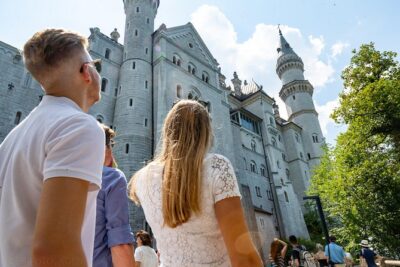
Neuschwanstein & Linderhof Castle-Fairytale Day Tour from Munich
Read our review →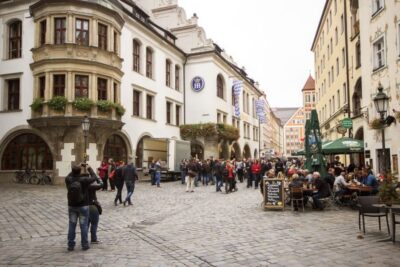
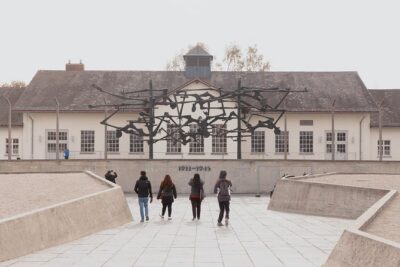
Dachau Concentration Camp Memorial Site Tour from Munich by Train
Read our review →
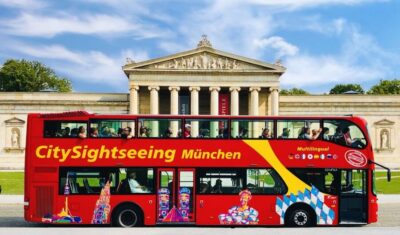
Munich Hop-On Hop-Off Tour: 1-Day or 2-Day Ticket
Read our review →
Browse the lists this tour appears in