
Reviewed · MUNICH TOURS
Munich – Illuminati & other Secret Societies, Tour in German
If you like your city sightseeing with a side of clues, this Munich Illuminati and secret societies tour hits the sweet spot. I love that you focus on secret symbols you can actually spot on buildings, and I also love the way the guide’s teaching style can handle participant questions well, like a guide named Albert described in one German review. The only real drawback: it is a German-language experience, and if you want pure, nonstop Munich facts with no wider context, you may feel the emphasis is not always tightly local.
You start right where Munich’s old gates still feel present in the street layout, and you end at another central landmark. Over 2 hours, you walk through the city center and piece together a set of stories around the Illuminati, the Freemasons, Knights Templar, and local Bavarian power plays.
Key Highlights You Will Actually Feel During the Walk
- Start under the Karlstor arch at Neuhauser Str. 47, then get oriented fast
- Symbol spotting on real buildings, not just theory in a classroom
- Freemasons explained from the medieval dombau huts, with practical context for where the craft took shape
- Bavarian Elector story tied to ending the Illuminati and Freemasons once and for all
- Golden Fleece clues you encounter across Munich
- Stops at Frauenkirche, Michael’s Church, and Promenade square to keep the story anchored in place
Why Secret Societies Make Munich Feel More Real
Munich is a city of churches, gates, and grand façades, but this tour asks a different question. Not who built what first, but who wanted influence, how ideas traveled, and why symbols matter in public spaces.
You hear the usual big names, Illuminati and Freemasons, but you also get the Bavarian angle, which is where the experience becomes more than a global rumor mill. The tour connects these groups to local institutions and to the political world that shaped Bavaria. That matters because it turns a spooky theme into a story about power, patronage, and networks.
And yes, you will spend real time looking at buildings. That is the part I like most. When you train your eye to spot emblems and patterns, Munich becomes a puzzle you can carry after the tour is over.
Weigh these Munich picks against each other
- From Munich: Neuschwanstein & Linderhof Castle Full-Day Trip
★ 4.6 · 14,646 reviews - Neuschwanstein & Linderhof Castle-Fairytale Day Tour from Munich
★ 4.5 · 7,275 reviews - Munich: Third Reich & WWII Walking Tour
★ 4.6 · 6,181 reviews
Getting There: Meet Under Karlstor and Start With the Right Focus
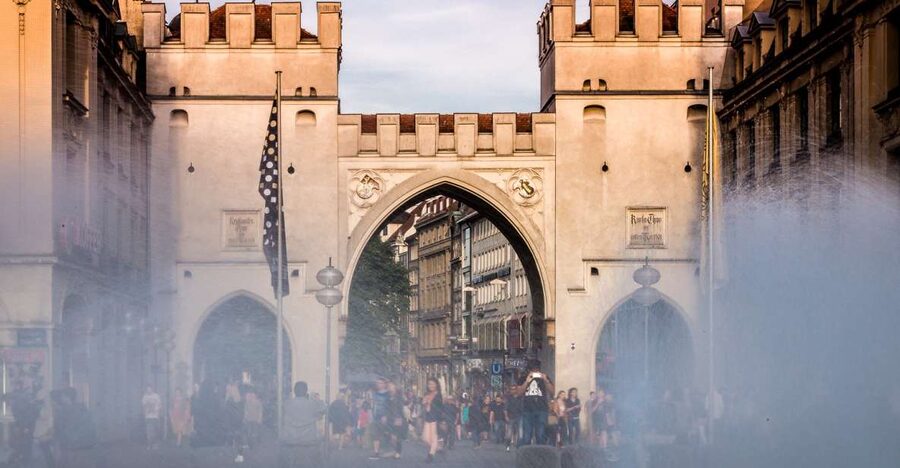
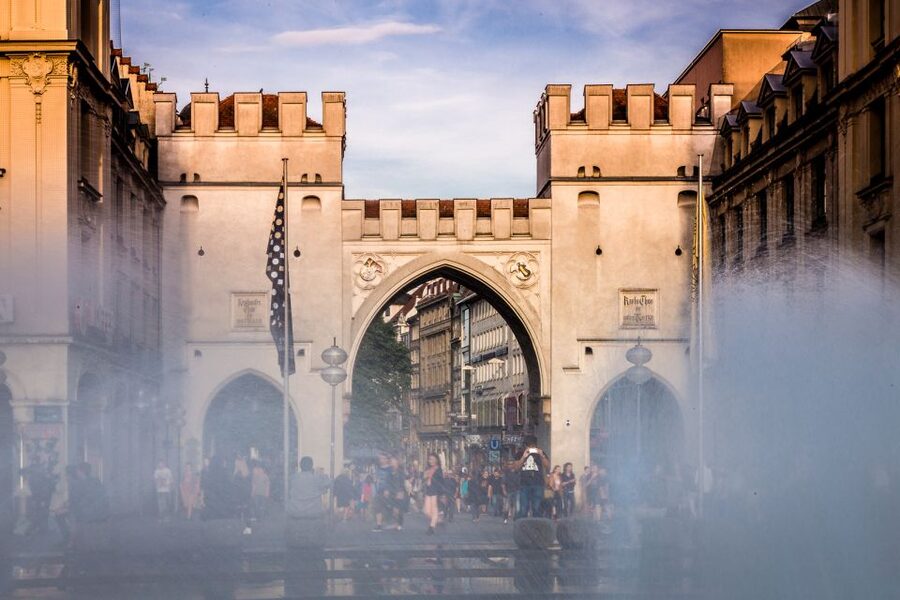
The meeting point is directly under the arch of Karlstor, at Neuhauser Str. 47, 80331. That is a smart start point because it is central, walkable, and it sets you up to move through the historic core without wasting time on long transfers.
Plan for a focused walking experience rather than a long sightseeing circuit. The total duration is 2 hours, so the guide will keep the pace moving. You will get the best value if you show up ready to look closely, not just ready to listen.
Also, this is a German tour. English is only available for a private tour, so if you need English, you should plan that decision up front. If you are comfortable in German, you will likely find the flow works well because the guide can explain symbols as you stand in front of them.
Karlplatz and Karlsgate: The Story Begins in the Street Layout
Your tour kicks off at Karlsplatz, directly under the arch of Karlsgate. From the first minutes, you get a framework for how the guide will teach this theme: some secret societies are framed as wanting to improve the world, while others are presented as trying to manipulate events from the shadows.
That framing is useful because it keeps you from treating every symbol as the same kind of clue. Instead, you learn to think in categories, motives, and eras. It is not just a list of groups. It is a narrative of intention.
In practical terms, this first stretch also helps you adjust your expectations. You are not walking through Munich looking for generic tourist facts. You are walking with an active job: noticing details and hearing how the guide interprets them.
Old Academy and the Freemasons: Where Medieval Dombau Huts Enter the Plot
Next, you move toward the Old Academy area. This is one of the tour’s key educational pivots, because it tackles the Freemasons question in a more grounded way.
You hear about the origins of the Freemasons in the medieval dombau huts. That phrase matters because it points away from the modern pop-culture idea of secret handshakes and toward actual medieval building culture and craft organization. When the guide links masonry traditions to medieval workspaces, the whole subject becomes less mystical and more human.
What you should watch for here is how the tour connects craft, knowledge, and institutions. Even if you already know the names, the emphasis on origins helps you understand why later groups could build networks, spread ideas, and maintain influence.
If you are the type who likes to connect story to real-world structures, this section is a strong match for you.
Another way to spend a Munich afternoon:
- Dachau Concentration Camp Memorial Site Tour from Munich by Train
★ 4.5 · 5,637 reviews - Neuschwanstein Castle Tour from Munich
★ 4.5 · 5,117 reviews - Third Reich Walking Tour Munich
★ 4.5 · 4,291 reviews - Munich Hop-On Hop-Off Tour: 1-Day or 2-Day Ticket
★ 4.3 · 4,161 reviews
Michael’s Church: Symbols, Stories, and Why Context Is King
From there you head to Michael’s Church. Churches are never just religious buildings in a city like Munich. They are also stages for art, power, and public messaging.
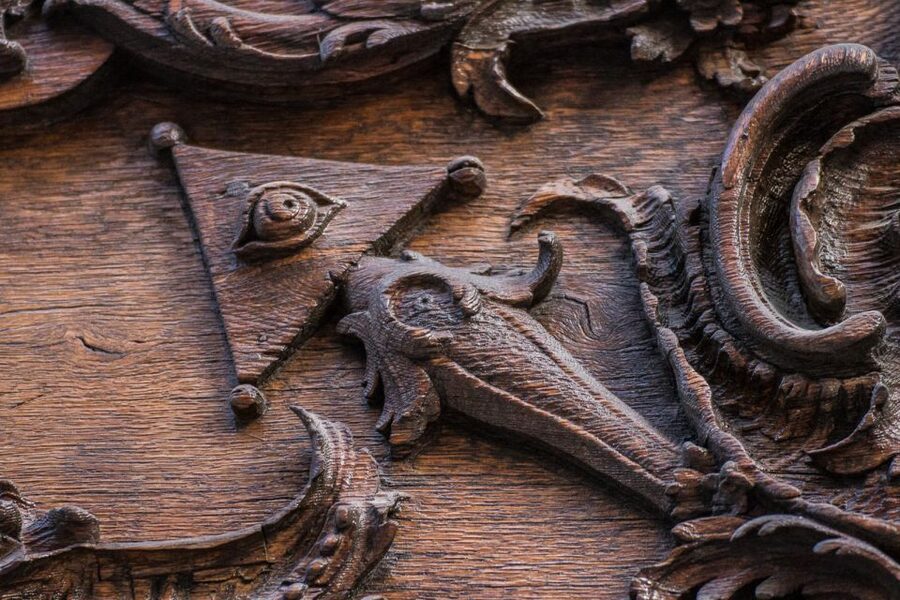
This is where the tour’s symbol focus tends to click. The guide points out things passersby may miss, and you practice deciphering symbols tied to secret societies and their myth-making. Knights Templar comes into the conversation as well, adding another layer beyond Illuminati versus Freemasons.
The practical value is that you learn a way of looking. You start asking: what does this emblem suggest about identity or affiliation? Is it a craft symbol, a patron signal, or a political statement?
One consideration: if you expect a strictly linear timeline with no thematic detours, you may find this part feels more like a guided pattern-recognition exercise. That is not a flaw if you like stories that connect across locations.
Frauenkirche: Where the Golden Fleece Becomes Something You Can Spot
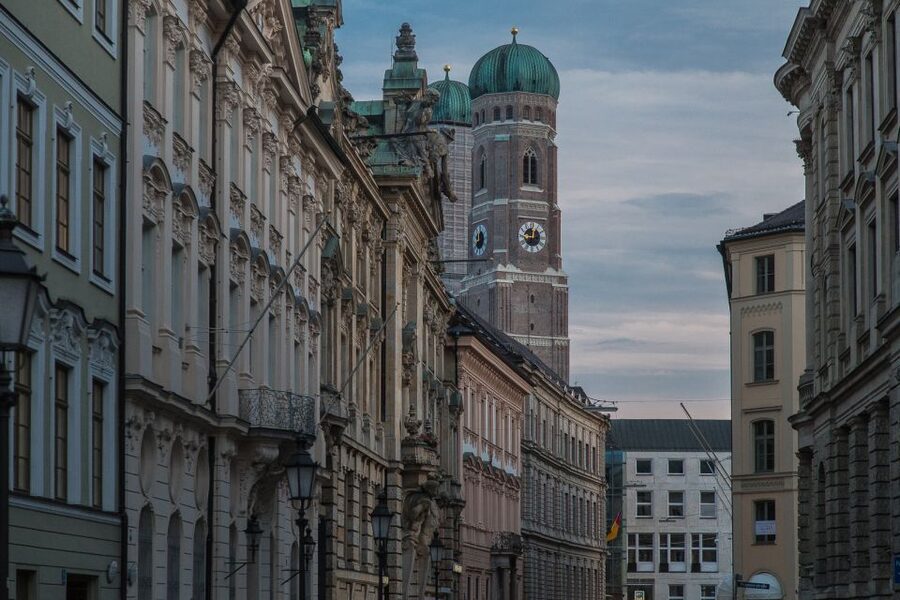
Then you reach Frauenkirche, one of Munich’s best-known landmarks. Here the theme expands from origins into signs that are meant to be seen.
You are told about the Order of the Golden Fleece and its insignia, and you learn how that insignia shows up around the city. This is one of the tour’s most practical payoffs: you stop thinking of these orders as only historical footnotes and start noticing how the symbols linger in the urban environment.
Golden Fleece is also a useful bridge between the tour’s two big threads. One thread is secrecy and coded symbolism. The other thread is state power and legitimacy. By the time you reach this stop, you have enough context to see why symbols can function like political branding.
And because Frauenkirche is so recognizable, it gives your mind a strong reference point. You will remember the symbol associations because you experienced them at a major visual anchor.
Promenade Square: The Bavarian Elector Ends the Conspiracy
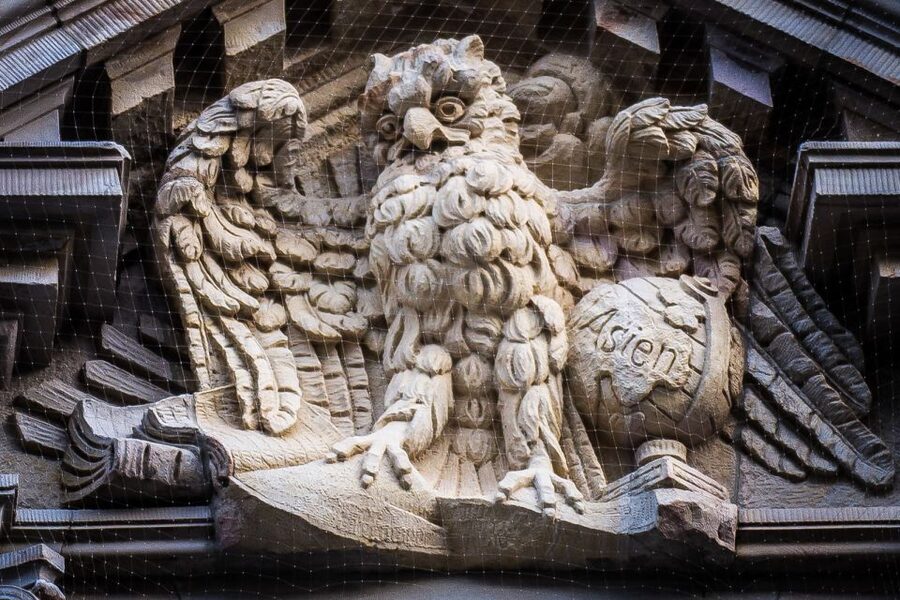
The tour finishes at Promenade square, bringing you to the part of the story that many people come for: the claim that a Bavarian Elector helped end the conspiracy of the Illuminati and Freemasons once and for all.
This ending element does a lot of work. It ties the theme back to Bavaria’s own power structure, rather than leaving everything in international rumor space. Whether you treat every claim as literal history or as a framework for how people imagined hidden influence, the tour uses the story to show how authorities could push back, regulate, or reshape networks.
This finale also helps you consolidate the whole walk. You started with gate-and-city geometry. You moved through craft origins. Then you landed on visible insignia and public-facing landmarks. By the end, you can see how the city center itself becomes a map of influence.
What You Will Learn, and How to Get More Out of the Guide
This is a guided symbol-and-story walk. That means your job is to pay attention, ask questions when something clicks, and be willing to hold two ideas at once: intrigue and context.
Here is what the tour is designed to deliver:
- A look at secret societies connected to Munich, including Illuminati, Freemasons, and Knights Templar
- Explanations of the Freemasons’ medieval dombau hut origins
- The local twist around Bavaria and how a Bavarian Elector fits into the story
- Connections to the Order of the Golden Fleece
- Mentions of groups like the Guglmen and other named threads the guide unpacks during the walk
If you want to maximize the experience, come with one question you care about, for example: How did craft traditions become organized societies? Or, why do certain insignia show up in public spaces? A good guide will use your questions to sharpen the narrative and tie the symbols to meaning.
Based on the way the tour is described as well-structured and responsive in German-language feedback, you are likely to get helpful answers when you ask.
Price and Value: Is $29 Worth a 2-Hour Walk?
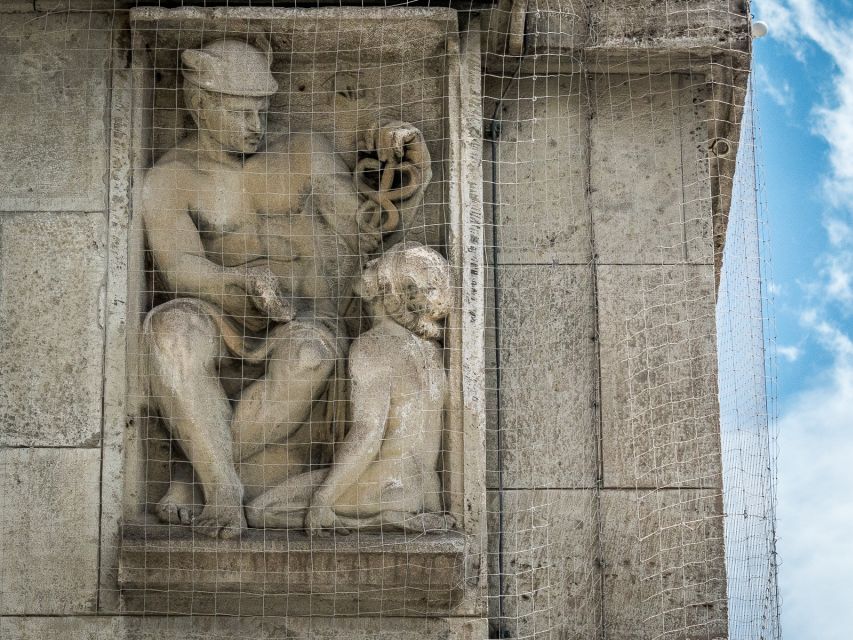
At about $29 per person for 2 hours, this is priced like an activity that aims to be accessible. The value comes from two things you cannot replicate easily on your own: a guide’s interpretations and a route that intentionally strings together landmarks tied to the theme.
If you are a casual passerby, you might see some symbols and still miss the deeper connections. This tour fixes that by telling you what to look for and why it matters. You also get a small gift included, which is a minor detail, but it adds a bit of fun.
Where it may not be perfect: if you want a long, strictly sightseeing-driven tour with lots of standard Munich background, you might prefer something more traditional. This is more focused on the secret-society lens, even when it touches big landmarks.
Who This Tour Suits Best
This tour is a good match if you:
- Like walking tours where the guide trains your eye
- Enjoy decoding symbols in real places
- Want the Munich-specific angle on groups like Freemasons and Illuminati
- Speak enough German to follow a live guide without switching to English
It is not ideal if you:
- Need English during the main tour
- Want a purely straightforward city highlights itinerary with minimal thematic interpretation
- Get frustrated when a tour uses storytelling rather than strict dates and facts only
The good news is that the structure is designed to keep you moving between recognizable sites, so even if you do not buy every legend, you will still come away with a better read on what Munich is showing you.
Final Decision: Should You Book This Munich Secret Societies Tour?
If your idea of a great Munich outing is to walk through the center and learn how symbols can carry history, politics, and myth, book it. It gives you a manageable 2-hour time box, a clear starting point under Karlstor, and a route that lands at major landmarks like Frauenkirche and Michael’s Church.
I would especially recommend it to German speakers and to anyone who likes thematic tours that change how you see a city after the fact. Just make sure you are comfortable with the German-only format, and keep your expectations aligned with a guided clue-and-meaning walk, not a full English city encyclopedia.
FAQ
Is the tour offered in English?
This tour is in German. English is only available for a private tour.
Where does the tour meet?
You meet directly under the archway of Karlstor, at Neuhauser Str. 47, 80331.
How long is the tour?
The tour duration is 2 hours.
How much does the tour cost?
The price is $29 per person.
What is included with the tour?
A small gift is included.
Can I cancel for a refund?
Yes. You can cancel up to 24 hours in advance for a full refund.
Fresh reviews out of Munich
- Munich: Christmas Markets Food & Drink Tour★ 4.6 · 50 reviews
- Munich: Walking tour of the old town with all your senses★ 4.5 · 51 reviews
- Munich: Scavenger Hunt Self-Guided Tour★ 4.1 · 51 reviews
- Hidden Architectural Gems of Munich (Max. 16 guests)★ 4.9 · 52 reviews
- Shared Departure Transfer: Munich Central Station to Munich Airport★ 3.5 · 54 reviews
- Hard Rock Cafe Munich with Set Lunch or Dinner★ 3.5 · 54 reviews
- Quatsch Comedy Club München: Die Live Show★ 4.6 · 56 reviews
- From Munich: Royal Fairytale Tour★ 4.9 · 56 reviews
Munich Tours, compared.
Neuschwanstein & Linderhof Castle Full-Day Trip
Read our review →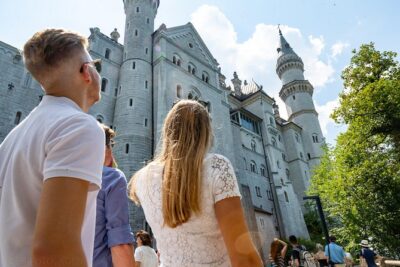
Neuschwanstein & Linderhof Castle-Fairytale Day Tour from Munich
Read our review →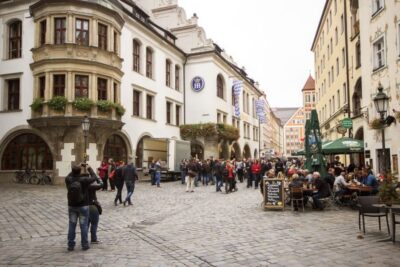
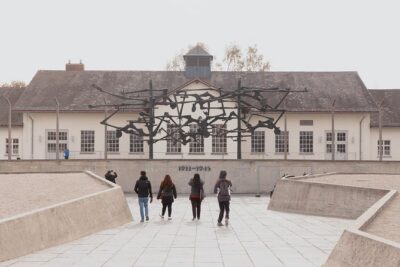
Dachau Concentration Camp Memorial Site Tour from Munich by Train
Read our review →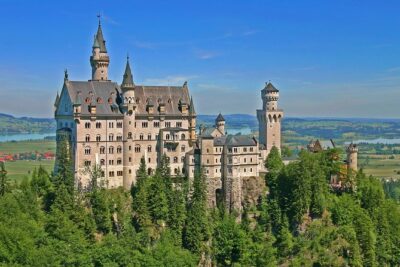
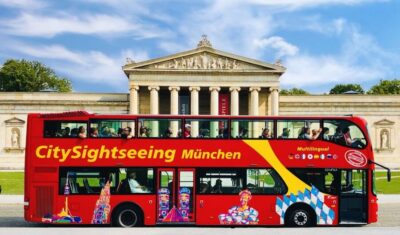
Munich Hop-On Hop-Off Tour: 1-Day or 2-Day Ticket
Read our review →
Browse the lists this tour appears in