
Reviewed · LüBECK TOURS
Lübeck: Entertaining Tour Through Hidden Courtyards
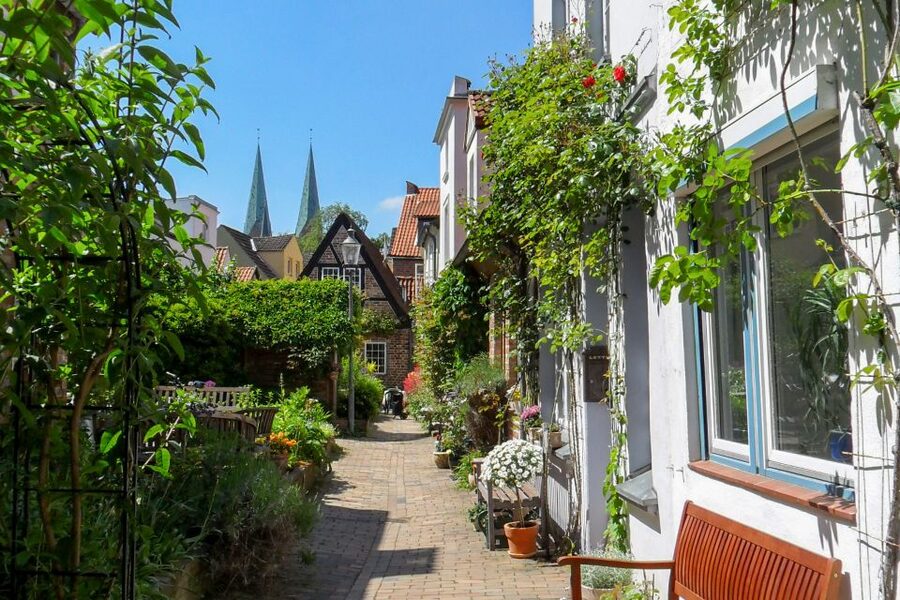
Lübeck’s reputation usually comes from postcard sights, but this tour gets you to what most visitors miss: tight courtyards and crooked corridors tucked between older buildings. You get a guided walk that connects those spaces to the daily pressures of medieval city life.
I love how the walk turns architecture into a story you can picture right away. I also like the way the guide explains the Hanseatic League setting and how fast Lübeck’s population grew, then ties that growth to why living space was squeezed into awkward corners.
Key details before you go
The big consideration is simple: this tour is held in German. If you want every detail, you will do best with at least some German listening comfort.
Hidden courtyards you can actually reach
Small, picturesque spaces that most people never notice from the street.
Weigh these Lübeck picks against each other
- Lübeck: 1-Hour Splash Bus City Tour
★ 4.0 · 2,626 reviews - Lübeck: entertaining guided tour to old town highlights
★ 4.7 · 594 reviews - Lübeck: Electric Boat Rental – without driving licence
★ 4.8 · 174 reviews
A walking route with a non-standard feel
It is not just a highlight loop. You move along narrow paths and tucked-in passages.
Medieval city planning explained in plain terms
Why living space had to be created, leading to crooked corridors between front buildings.
Stories tied to real roles in the old merchant world
You learn about housing for merchant and shipper widows, plus small living stalls for workers.
Another way to spend a Lübeck afternoon:
- Lübeck: Classic Tour of the Hanseatic City
★ 4.8 · 64 reviews - Lübeck: Hanseatic League History Walking Tour
★ 4.9 · 57 reviews
Monastery courtyards on the schedule
You get a change of pace from trade and residential spaces to monastery-style courtyards.
Small-group energy for questions
The format tends to feel interactive, with room for you to ask follow-ups.
Why Lübeck Courtyards Feel Like a Secret You Can Walk Into
This tour is interesting because it changes your pace of seeing. Instead of scanning big facades, you shrink your attention. You watch how narrow connections funnel you from one enclosed pocket to the next, and suddenly Lübeck stops feeling like a list of landmarks and starts feeling like a place where people had to solve problems.
That is where the courtyards matter. They are not just pretty backdrops. They show how space, privacy, light, and work life all got negotiated in a dense medieval city. And because the guide links these spaces to why they were built, you are not just looking at architecture, you are understanding decisions people made centuries ago.
You also get plenty of context on the city’s growth. Lübeck’s story includes the Hanseatic League world and a sharp population increase in the Middle Ages. When a city grows that fast, living space has to appear quickly. On this walk, you learn what that pressure looked like on the ground: narrow, awkward corridors squeezed between front buildings, plus small spaces used for daily living.
Meeting at Burgtor: Start Where the City Still Has a Boundary
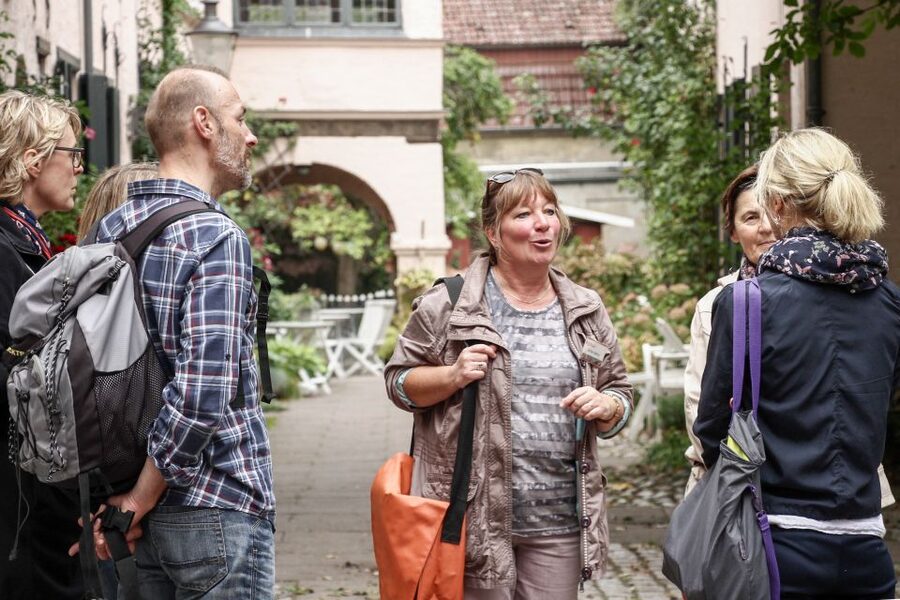
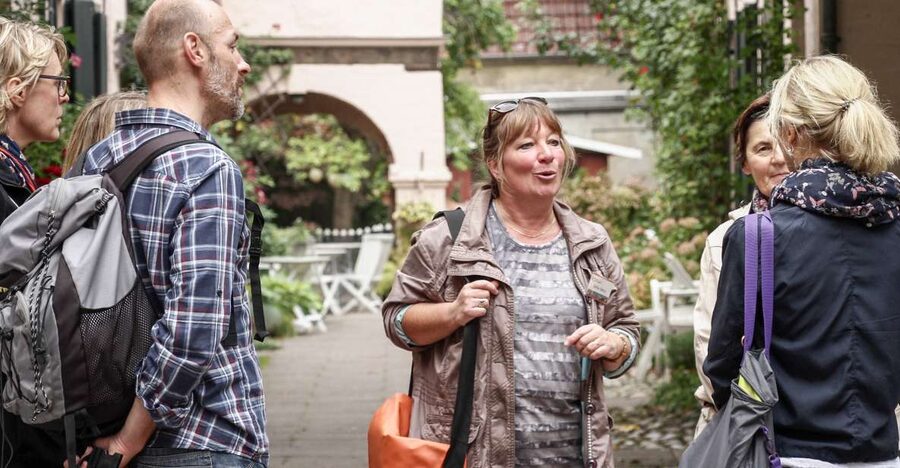
You meet your guide in front of the Burgtor, at Burgtorbrücke 2, outside the city. Look for an orange bag with the k3 logo. That makes the meetup easy, even if you are arriving a little earlier and feeling jet-lagged.
I like starting at a gate. It gives you a sense of entering the old city rather than just drifting through it. And once you’re moving, the tour stays focused on the exact type of Lübeck that is hard to find on your own: the in-between places where you have to go looking.
If you are the type who likes to orient yourself before walking, do a quick glance at the area when you arrive. Then let the guide lead. You will cover a lot of ground in 1.5 hours, and the tight route means you will not want to constantly stop and ask where to go next.
The Narrow Corridor Moment: Where Medieval Density Shows Up
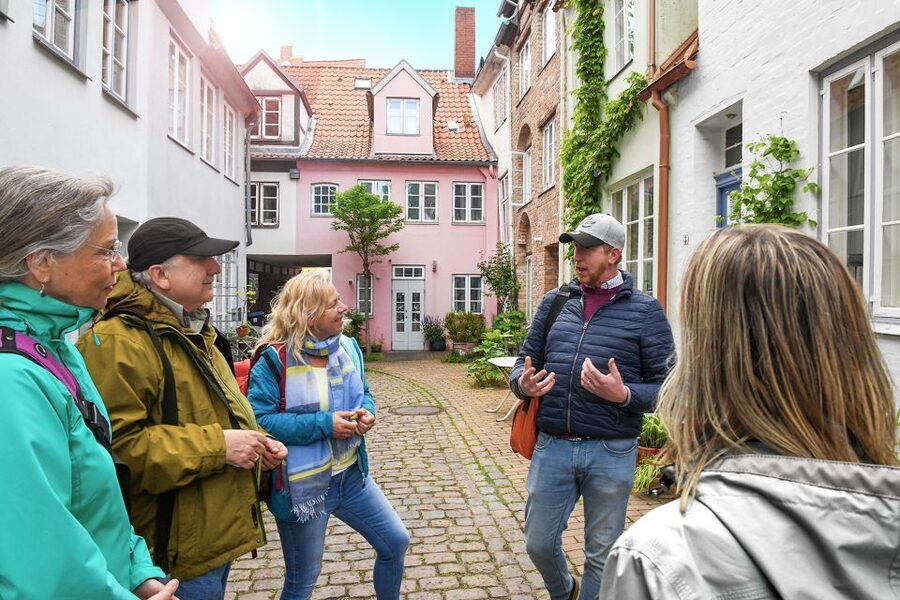
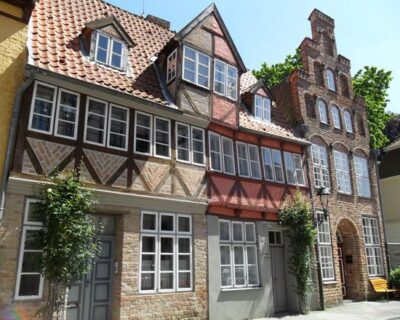
The heart of the experience is how you travel through the old-town fabric. You will follow narrow paths to small courtyards and corridors that Lübeck is famous for. That description sounds simple, but the effect is strong: these are spaces designed for life at human scale.
The guide explains the logic behind it. In the Middle Ages, the population rise meant living space had to be created. But there was limited room to spread out, so the solution often involved building close to the street and using the gaps between front buildings. That is why corridors could become narrow and crooked. They are not random quirks. They are city math made visible.
You will probably notice something else too. When you walk a tight corridor, you slow down naturally. You get closer to details that you would normally miss: worn edges, the way light falls into passages, and the sense of order and constraint that comes from living in compact quarters.
Practical tip: wear shoes you trust. A 1.5-hour walking tour is not long, but it is very much on foot, and the route is built around narrow paths.
Hanseatic League Stories You Can Place in the Streets
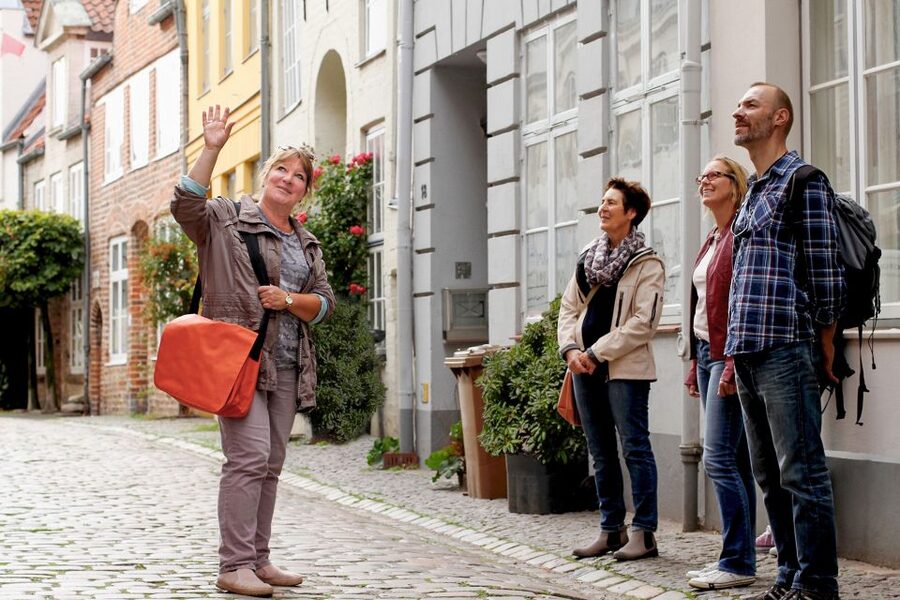
The tour keeps linking the physical places to larger historical forces. You learn about the Hanseatic League and how Lübeck’s population increased sharply in the Middle Ages. Those points matter because they explain the pressure behind the buildings.
Here is the value for you: the tour does not treat history like a distant lecture. Instead, it shows how the Hanseatic era translated into everyday outcomes, like the demand for housing and the need to pack more people into existing urban space.
I like that the guide’s explanations connect causes to results. First, you get the big-picture context about the city growing quickly. Then you see how the city responded. That makes the courtyards feel less like decorations and more like tools that supported a dense community.
And if you enjoy asking questions, this is a good fit. The small-group format helps. You should feel comfortable raising curiosity, especially if a detail about a courtyard, corridor, or building use sparks a follow-up.
Small Stalls and Worker Life: Courtyards as Everyday Infrastructure
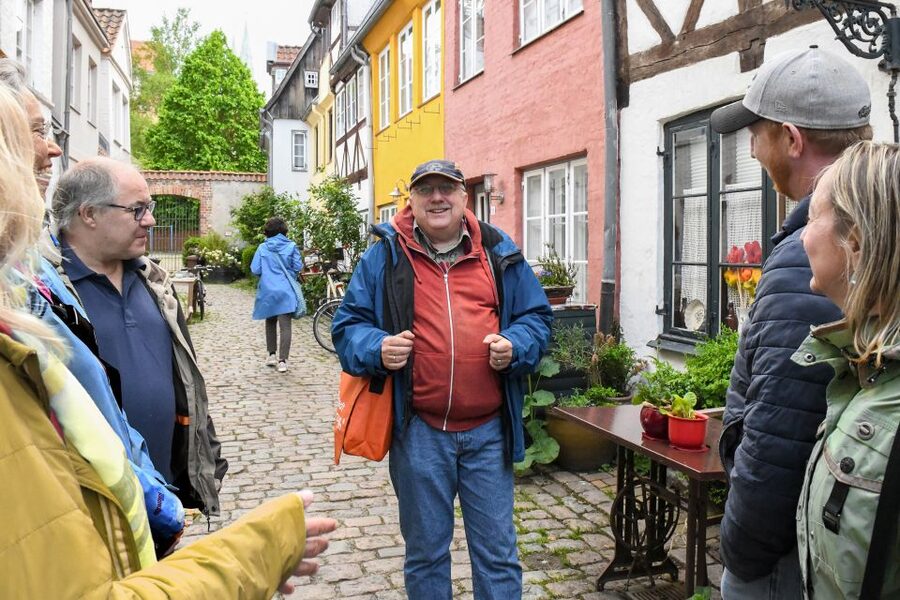
One of the most interesting parts is the focus on how ordinary people lived. You see references to small stalls where workers used to live. The exact arrangement can be hard to picture from outside, but on the walk, you can connect what you see to the idea that courtyards and side spaces weren’t just for show. They supported the working city.
This is where Lübeck’s enclosed spaces become more than scenic stops. Courtyards can function as shared light wells, service areas, and practical hubs for daily routines. Corridors can shorten walking distances between street and interior spaces. In a dense medieval city, small differences in layout could make a big difference in life.
If you like tours that explain what the space was used for, this section tends to land well. You are not waiting for the next big view. You are learning why the city was built like this in the first place.
Monastery Courtyards: A Different Mood, Still Part of the Same Story
You also visit monastery courtyards. That matters because it gives the tour a tonal shift. Trade and residential crowding can feel intense. Monastery spaces often read as calmer, more structured, and more inward-focused.
In practical terms, the change of setting breaks up the walking so the route does not blur together. But it also adds variety to the historical picture. You see how Lübeck’s enclosed courtyard style appeared in different parts of life, not only in merchant housing.
When you move from corridor to courtyard to courtyard, the architecture becomes a theme. Courtyards show up again and again as key spaces. Your understanding grows with every stop, because the guide can compare how different kinds of institutions needed different kinds of enclosed room.
Merchant and Shipper Widows: Housing Built Into the City’s Human Story
One especially memorable theme is how the guide explains housing for merchant and shipper widows. In the medieval world, widowhood could change social and economic roles. When you hear it connected to where people lived, it stops being an abstract note and becomes a real piece of city life.
This is the kind of detail that makes a tour feel worth it. It gives you a human anchor for the architecture. Instead of only learning about walls and layout, you learn about how the city made space for specific groups.
Even if you are not a history specialist, you will likely find this section relatable in spirit. When a community depends on shipping and trade, its families experience ups and downs. The buildings you see reflect that. A courtyard corridor is not just a design choice. It is a sign of how society had to adapt.
What I Think Makes This Tour Good Value at $20
At $20 per person for a 1.5-hour walking tour with a live guide, you are paying for something you cannot easily replace with a self-guided stroll. You can wander and take photos in Lübeck, sure. But you would likely miss why these courtyards exist, why corridors became narrow and crooked, and how the Hanseatic League era connects to the city’s growth pressures.
The value also comes from the format. It is private group and tends to feel small, which helps you get more out of the route. When a group is small, your questions do not feel like a disruption. You also get a more conversational pace, which makes the time feel tighter and more satisfying.
The satisfaction rate supports that. The tour sits at a 4.8 rating with 483 reviews, which is a strong signal that the guide style and route choice land well.
One more practical point: the tour is in German. If you are comfortable with the language, you will feel the benefit of live explanations more strongly, which increases your value-per-minute.
Who This Tour Suits Best (and Who Might Skip It)
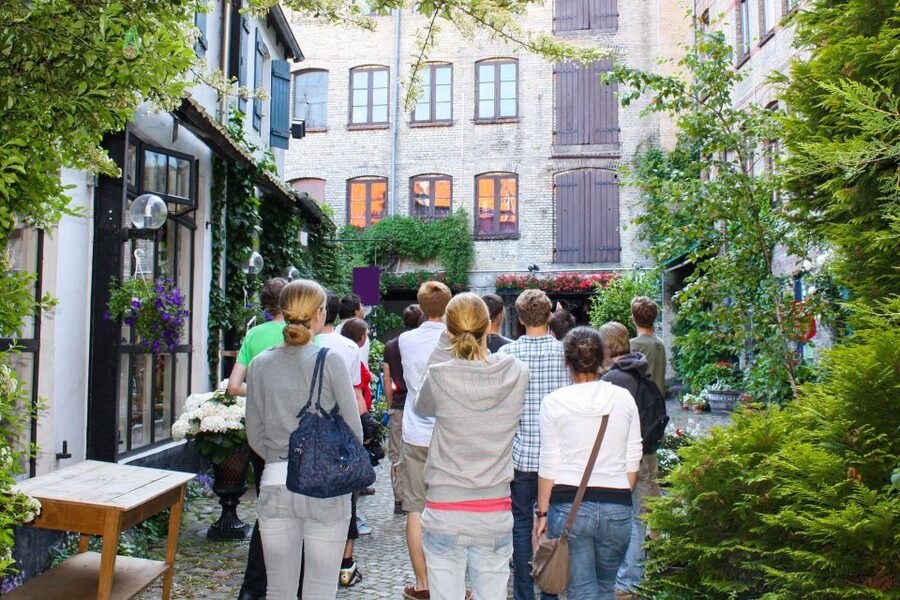
This is a great pick if you like old towns but prefer the story behind the streets. If you enjoy medieval life details, the Hanseatic League context, and the way buildings were shaped by crowding, you will probably enjoy the focus.
It also suits you if you like small-group interactions. The tour style works well when you want to ask a question and get context in real time.
You might consider skipping if German is a problem for you. The tour is held in German, and there is no hint of an alternate language format in the details you have. In that case, you could still see courtyards on your own, but you would miss the connecting narrative.
Before You Book: Simple Ways to Get More Out of It
If you book, plan for a concentrated walk. You are spending 1.5 hours in tight, enclosed spaces and narrow paths, so arrive ready to move.
Bring:
- Comfortable shoes for a walking tour
- A small water bottle, if you tend to get thirsty while walking
Then bring one mindset: curiosity about why things are shaped the way they are. This tour rewards that mindset. When you notice a corridor is crooked or a courtyard feels tucked in, you will get the explanation that makes it click.
Also, if you want flexibility, the offer includes free cancellation up to 24 hours in advance for a full refund. And you can reserve first and pay later, which can help if your Lübeck schedule is still a bit fluid.
Should You Book the Lübeck Hidden Courtyards Walk?
Book it if you want Lübeck beyond the postcard routes. This tour is built around courtyards and corridors that explain how medieval living worked under pressure. The Hanseatic League context and specific human details like housing for merchant and shipper widows make the architecture feel purposeful, not random.
Skip it only if you are not comfortable with German or you strongly prefer long, scenic stops over a tight guided route. Otherwise, it is a solid use of time for a compact, story-rich afternoon in Lübeck, with a live guide who keeps the walk entertaining and information-heavy without turning it into a textbook.
FAQ
How long is the Lübeck hidden courtyards walking tour?
The tour lasts 1.5 hours.
Where do I meet the guide?
Meet your guide in front of the Burgtor, Burgtorbrücke 2, on the outside of the city. The guide wears an orange bag with the k3 logo.
What language is the tour in?
The live tour guide speaks German.
How much does it cost?
The price is $20 per person.
Is this tour private?
Yes, it is listed as a private group.
Can children join?
Children up to 5 years old can join for free.
Is there free cancellation?
Yes. You can cancel up to 24 hours in advance for a full refund.
Fresh reviews out of Lübeck
- Lübeck: Hanseatic League History Walking Tour★ 4.9 · 57 reviews
- Lübeck: Classic Tour of the Hanseatic City★ 4.8 · 64 reviews
- Lübeck: 1-Hour Splash Bus City Tour★ 4.0 · 2,626 reviews
- Lübeck: entertaining guided tour to old town highlights★ 4.7 · 594 reviews
- Lübeck: Electric Boat Rental – without driving licence★ 4.8 · 174 reviews
Lübeck Tours, compared.
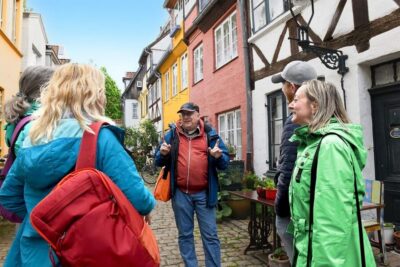
entertaining guided tour to old town highlights
Read our review →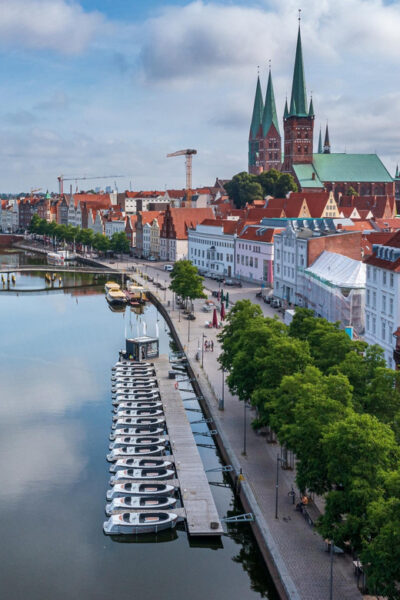
Electric Boat Rental – without driving licence
Read our review →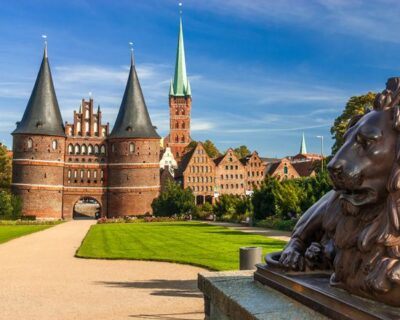
Browse the lists this tour appears in