
Reviewed · DRESDEN TOURS
Dresden: 360° Panorama Amazonia Entry Ticket
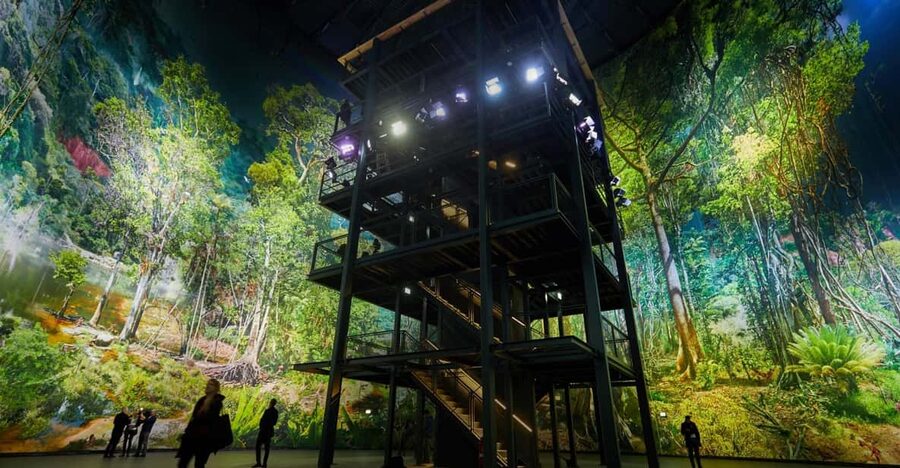
The Panometer Dresden experience is interesting because you stand inside a giant, cylindrical 360° painting that turns a rainforest from static art into changing light, sound, and motion cues. I love the hyper-real details (from giant ants to brightly colored carnivorous plants), and I also love the day-to-night effect that makes the whole place feel alive. One possible drawback: you are indoors and seated or standing in a viewing space, so if you want fresh air and real hiking, this is not that kind of outing.
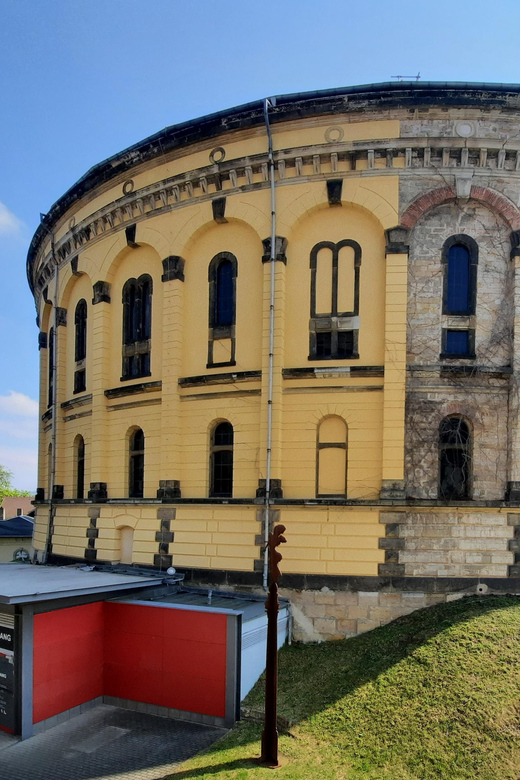
A big part of the appeal is the setting. The panorama sits in a historically protected building, a former gasworks site, so the architecture adds weight to what you see. Plan on about two hours total, because the timing includes more than just staring up at art, you also want time to study the fine details.
If you’re the type who enjoys science-like explanations but hates boring lectures, you’ll probably click with the included exhibition approach. The only real “watch out” is your attention span, because Amazonia rewards slow looking.
Key things I’d circle before you go
- Former gasometer setting: You’re viewing the rainforest inside a protected historic structure, which makes the whole room feel special.
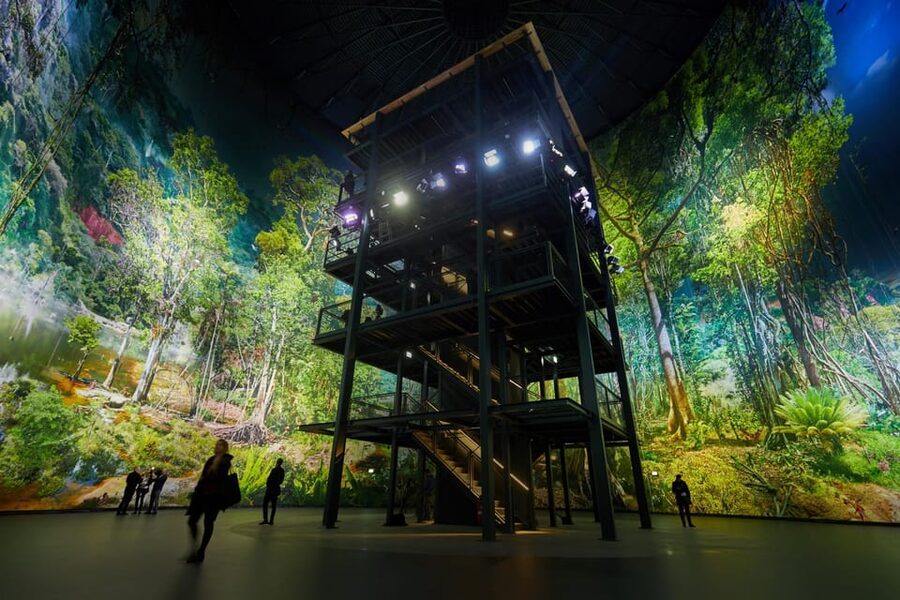
- Day and night change: The simulated shift in lighting is a core part of the experience, not a side effect.
- Minute wildlife details: Expect eye-level moments, like giant ants and insect-scale life, that you can spot only when you look closely.
- Plants that look almost too specific: The panorama includes bright, detailed carnivorous plants and other jungle vegetation.
- Sound and lighting effects: These help sell the illusion, especially when the scene transitions between daylight and darkness.
- Optional upgrades: You can add an extra-fee guide or rent binoculars if you want to zoom in on details.
A 360° rainforest you can actually take your time with
What I like most about this kind of panorama is that it works for lots of travel styles. You can go for the “wow” factor in the first few minutes, or you can go full slow-tourist and spend the whole visit hunting down tiny things. Either way, the room gives you a fixed viewpoint, so it is easier than you might expect to find your bearings and keep your eyes busy.
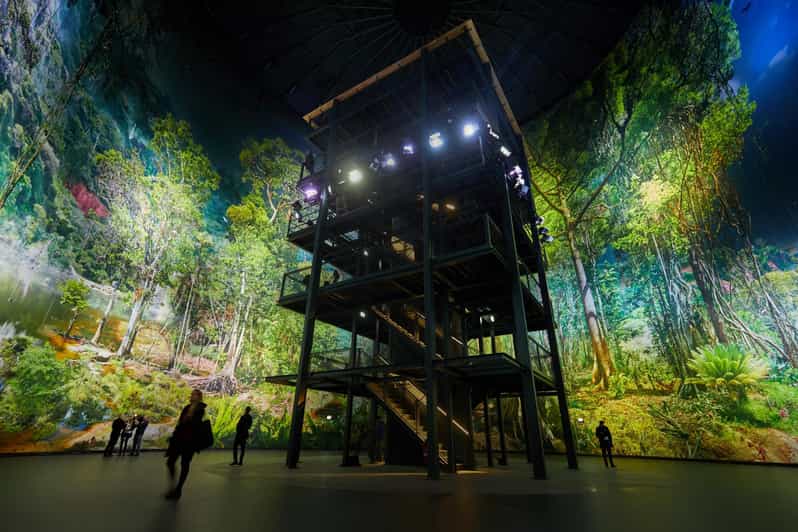
Amazonia is built to compress a lot of rainforest complexity into a single cylindrical scene. You’re not just looking at trees. You’ll see rainforest mountain areas and river valleys, plus clearings and bodies of water. It also includes different dense green areas and visible natural forms like giant trees and openings in the valley.
That combination matters. It turns rainforest viewing into something closer to geology and ecology, even though the medium is art. If you usually only associate museums with labels and reading, this one stays more playful, with the exhibition component giving you a fun way to understand what you’re seeing.
Weigh these Dresden picks against each other
- Dresden: Semperoper Tickets and Guided Tour
★ 4.7 · 12,102 reviews - Dresden: The Original Night Watchman Tour in Lantern Light
★ 4.6 · 6,653 reviews - Dresden: Semperoper and Old Town Tour
★ 4.8 · 5,735 reviews
Inside the Panometer Dresden, the gasworks building does half the work
The Panometer Dresden panorama experience is housed in a historically protected former gasworks structure, specifically a former gasometer setting. That helps a lot. You get a sturdy, industrial feel around you, which makes the tropical world inside the panorama feel more dramatic. In other words, the contrast does the storytelling.
This is also a place where lighting matters. You can feel how the room is designed to control your eyes, so the panorama lighting changes land when they are supposed to. Instead of “random dim lights,” the effect is timed to the scene you are watching, including the shift from simulated day to night.
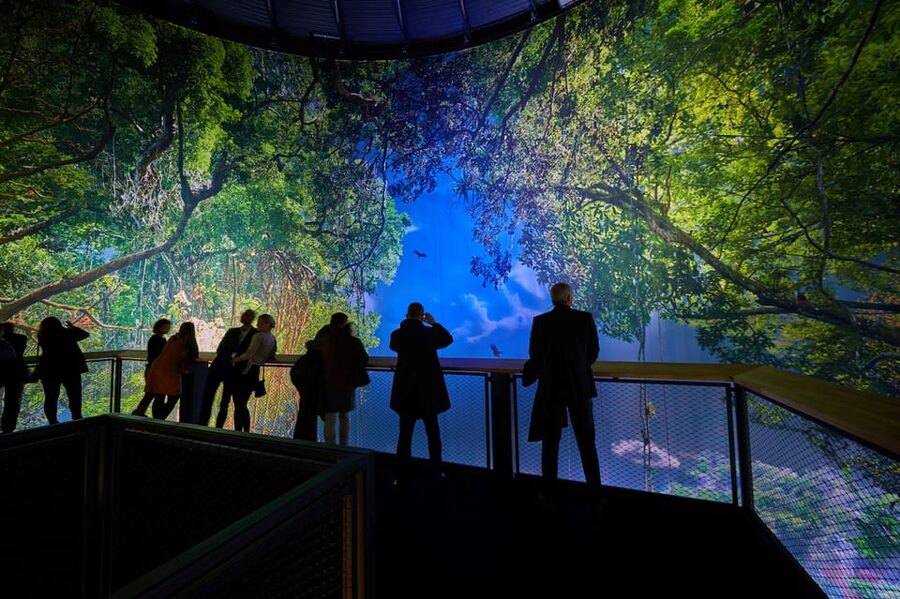
The room also feels built for viewing. You are essentially surrounded by the artwork, so you are not turning your head constantly like you would in a gallery where everything is flat on walls. You can scan, pause, and return to the same spot without losing your context.
Your roughly 2 hour flow, what happens during the visit
This ticket is for a visit that runs about two hours. That time is long enough to get the full effect, including the simulated transition from day to night, but not so long that it drags if you do not love museum pacing.
Here’s the natural rhythm I’d expect you to follow when you arrive:
- Enter and get oriented
Show your ticket at the museum entrance. Then you’ll settle into the panorama viewing setup. The early minutes are where you decide what kind of viewing you want to do, fast wow, or slow detail hunting.
- Take in the full 360° scene
In the beginning, I’d keep your eyes moving. The panorama includes multiple elements: rainforest mountain regions, river valleys, clearings, water surfaces, and large tree forms. Your first pass helps you understand what the scene contains so your later close-ups feel meaningful.
- Watch the day to night change
A major highlight is the simulation of day and night, supported by sound and lighting effects. This is where the art stops feeling like a single still image and starts feeling like a staged environment. When the lighting shifts, look for changes in contrast around plant colors and the way shadows define the terrain.
- Spend time on the “hidden” details
Giant ants, carnivorous plants, and dense green patches are the kinds of details that reward a second pass. If you go only once and rush, you’ll miss some of the miniature-life moments that make the panorama fun.
- Exhibition time and then a break
The accompanying exhibition adds a more educational layer in a fun way, so you leave with more than a memory of pretty images. After that, you’ll have time for a snack or drink at the cafe and a chance to browse the gift shop.
The fact that the experience is structured around those transitions is a big part of its value. You’re not just paying to look, you’re paying to experience how the scene changes.
What you actually see in Amazonia, and why it feels more real than it sounds
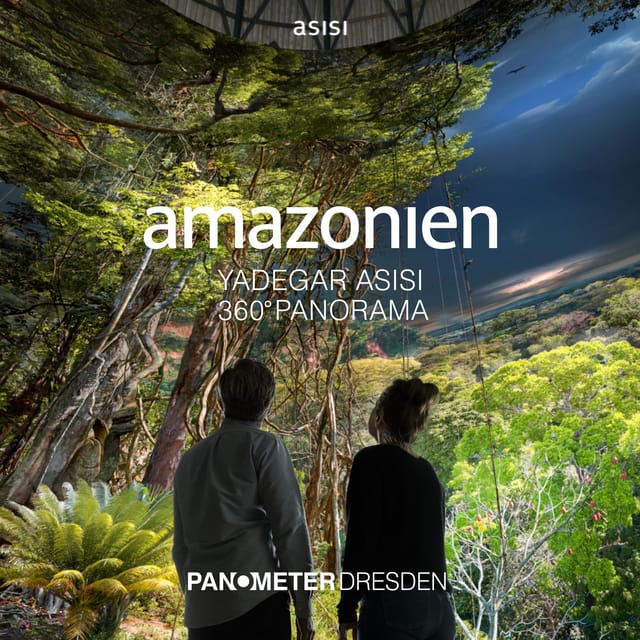
Amazonia is a hyper-realistic art space created by Yadegar Asisi. The panorama is cylindrical, which helps the illusion. Instead of looking at a huge painting from a distance, you feel like you are inside the scene and the scene wraps around you.
The panorama compresses different kinds of terrain and rainforest formations. You’ll see mountain rainforests and river valleys, plus clearings and bodies of water. You might also notice changes in the density of greenery, which is part of how the scene manages complexity in a limited space.
Now for the moments that really stick in your head:
Another way to spend a Dresden afternoon:
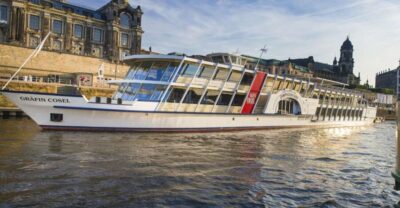
- Dresden: River Sightseeing Boat Cruise
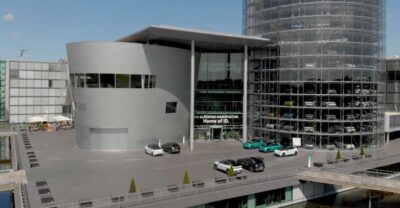
★ 4.3 · 5,323 reviews - Dresden: Tour of VW’s Transparent Factory
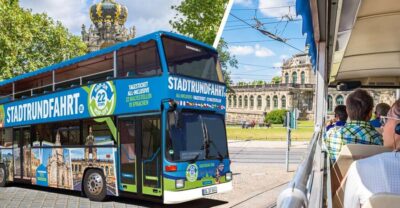
★ 4.5 · 4,058 reviews - Dresden: 1-Day Hop-On-Hop-Off Bus Tour
★ 4.5 · 2,813 reviews - Terrifying Tour of Dresden Led by a Dungeon Master
★ 4.4 · 2,503 reviews
Giant ants and small-life scale moments
The panorama includes meticulous detail, including giant ants. That sounds like a gimmick, but it works because the art makes the scale readable. You can spot ant-like movement cues and specific forms that make the scene feel like it contains an active food chain, not just scenery.
Bright carnivorous plants
The “tangle of carnivorous plants” is another highlight. The plants are described as bright colored, and that matters because color contrast helps you locate them in the wider environment. When the lighting shifts toward night, those color cues can become even easier to notice.
Animal and plant interactions you can hunt for
A big part of the fun is how different elements connect. The panorama design shows plants folding into the environment and also ties them into insect life. That gives you a more story-like experience without requiring you to read every label.
A practical tip: when you see an interesting detail the first time, note roughly where it sits in your field of view. Then do a later pass during the day-night transition, and compare what changes. You’ll start to “read” the rainforest the way you would read a real habitat.
Lighting and sound effects, the part that makes it feel like a living place
The simulated day and night shift is paired with sound and lighting effects that help the panorama come to life. You do not need to be a movie person to enjoy this part. It’s basic sensory storytelling: light changes cue a different time of day, and sound adds atmosphere.
Why this is valuable: most 360° art can feel static, like a wallpaper you are standing inside. Here, the room actively supports the illusion. The lighting tells you when you’re in daylight versus nighttime. The sound helps you feel the environment rather than just see it.
That also means timing matters. If you rush and arrive late, you’ll miss some of the most interesting transitions. So I’d aim to be there a bit ahead of your scheduled entry time, especially if you are choosing between the daily tour times.
Do you need binoculars or an extra guide?
Binoculars are available to rent for an extra fee. An optional guide is available for an extra fee too. Neither is included in the base ticket.
So, should you add them? It depends on how you like to travel:
- If you enjoy detailed looking and you often take close photos, binoculars can be worth it. The panorama includes meticulous details, so a closer look can help you catch things you might miss with the standard viewing distance.
- If you learn best with spoken explanations, the extra guide can help connect what you see to how the rainforest environment works.
If you’re unsure, here’s a useful middle approach. You can start without extra tools for the first pass, then decide during your visit whether you want the binocular upgrade or the guided angle. The panorama is detailed enough that you can still enjoy it fully without paying more, but the optional extras help if you want to focus on micro-details.
Cafe snacks and gift shop time, when you want a reset
The ticket includes panorama entry, and there’s also an on-site cafe. After you’ve spent time staring at rainforest details, you’ll likely appreciate a snack or drink break.
There is also a gift shop on-site. This is useful if you want a souvenir that actually matches what you just experienced. Even if you skip souvenirs, the shop area can be a good place to decompress and regain your energy before you head out.
Price and value at about 18 dollars for two hours
At around $18 per person, this is priced like a solid museum add-on, not an all-day, high-budget attraction. What makes it good value is that the experience is timed and includes the biggest “wow” moment: the simulated day and night transition plus sound and lighting effects.
You’re paying for several things at once:
- entry to a major panorama experience
- time inside a designed viewing environment
- an accompanying exhibition component that adds context
- the freedom to spend time studying details like giant ants and carnivorous plants
If you compare it to other indoor attractions, the main value is the combination of scale and interactivity, even though it is still “art.” It feels like a guided experience in how it’s staged, but you are not forced into a long tour script.
I’d also say it is friendly for mixed groups. One person can chase details, another person can enjoy the day-night show, and both are engaged.
Getting there, parking, and the 11:00 and 1:00 public tours
This is in Northern Germany, at Panometer Dresden. Parking for cars and busses is available free of charge, which makes a big difference if you are traveling by car.
Public tours take place at 11:00 AM and 1:00 PM. That matters because your best experience depends on seeing the scene transition properly. Pick a time that fits your day so you are not rushing in a stressed mood.
Wheelchair accessible is listed, so the venue is set up for visitors who need that.
One more practical note: public tour timing suggests you should check for the exact start times on the day you plan to go. Build in a buffer, so you’re not sprinting when you want to actually enjoy the first viewing pass.
Who this fits best, and who might want to think twice
This works especially well if you:
- like art that has a scientific or nature angle without being dry
- enjoy 360° experiences and want to look slowly
- want something indoor that still feels like a full environment
- travel with mixed interests, because different people can focus on different details
It might be less satisfying if you:
- want a walking, outdoor adventure
- hate controlled indoor lighting
- prefer a very active, hands-on workshop style
It is also a good option for a calm, weather-proof plan. A rainforest panorama in a historic gasworks building is a fun kind of contrast.
Should you book the Panometer Dresden Amazonia ticket?
Yes, if you want a distinctive, well-staged indoor experience that pays off in both your first impression and your second look. For the price, you get the big show element, the day-night effect with sound and lighting, plus a nature-themed exhibition and tons of fine detail to spot.
I’d book it if you enjoy close looking or if you love nature stories told through visuals. And I’d consider binoculars or the optional guide if you know you want to study the smaller moments, like the giant ants and the carnivorous plants.
If you are short on time, still go. Two hours is long enough to feel the change, but not long enough to trap you in an all-day plan.
FAQ
How long does the Panometer Dresden Amazonia entry last?
The experience is listed as lasting about 2 hours.
What do I need to bring or do when I arrive?
Show your ticket at the entrance to the Panometer Dresden museum.
Is a guide included in the ticket price?
No. A guide is available for an extra fee.
Are binoculars included?
No. Binoculars are available to rent for an extra fee.
When are the public tours?
Public tours take place at 11:00 AM and 1:00 PM.
Is parking available?
Yes. Parking for cars and busses is available free of charge.
Is the museum wheelchair accessible?
Yes, wheelchair accessibility is listed.
What is the cancellation policy?
Free cancellation is available up to 24 hours in advance for a full refund.
Fresh reviews out of Dresden
- Dresden: 2 day ticket for museums of the Dresden State Art Collections★ 4.7 · 54 reviews
- Big Sightseeing Tour in Dresden with Liveguide★ 4.5 · 55 reviews
- Dresden Sightseeing Treasure Hunt★ 5.0 · 57 reviews
- Public guided tour of the old town including a tour of the Frauenkirche★ 5.0 · 59 reviews
- Dresden: Walking Tour with Virtual Reality elements★ 4.5 · 63 reviews
- Dresden: Bootstour im Schlauchboot durch die Altstadt★ 4.9 · 64 reviews
- From Dresden: Bohemian & Saxon Switzerland Day Trip★ 4.8 · 64 reviews
- 1.5 hours Segway Elbe Mini Tour★ 5.0 · 66 reviews
Dresden Tours, compared.

The Original Night Watchman Tour in Lantern Light
Read our review →

Terrifying Tour of Dresden Led by a Dungeon Master
Read our review →
Browse the lists this tour appears in