
Reviewed · DACHAU MEMORIAL TOURS
Dachau Concentration Camp Memorial Site And Third Reich Day Tour From Munich
Dachau plus Nazi Munich in one day is an intense combo, because you leave the city and see how the regime worked in real places, not just in books. I like that this tour is led by a licensed guide who keeps the tone respectful, and I also like the small-group size that makes it easier to ask questions. The main drawback is obvious, but worth saying up front, this is emotionally heavy and it involves a lot of walking.
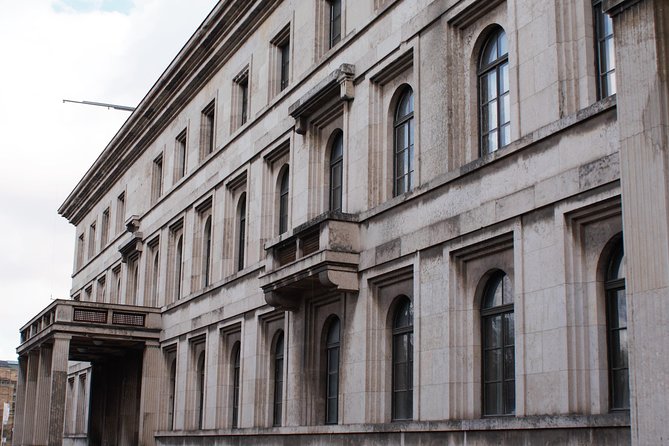
You start in central Munich, then take a short train ride north to the Dachau Concentration Camp Memorial Site. After that, you’re back in Munich for a guided walk that connects the city streets to Nazi power, including key spots tied to Hitler, the SS, and the beer hall coup. If you want a day that’s structured, guided, and time-efficient, this format fits.
Quick take: what makes this tour work
- Licensed guide with a sensitive approach to a painful subject, including room for questions
- Dachau time plus museum focus, so you see more than a quick walkthrough
- Small group of up to 15, which helps you hear details and stay engaged
- Round-trip train transport from central Munich, so you are not figuring trains all day
- Third Reich walking tour in Munich, linking street-level locations to the bigger story
Price and Logistics: what you are really paying for
At $145.18 per person for about 8 hours, you are paying for two things that are hard to replicate on your own: a strong guide and a well-paced route. The route includes round-trip transportation from central Munich, plus guided time at the memorial and across multiple Munich sites. You are also dealing with a subject where context matters, and a good guide can turn a difficult visit into something you actually understand.
One detail that helps with value is that Dachau admission is listed as free on the tour schedule. Even if you compare ticket-only costs, the guide-led museum focus and the city walking portion are where the money goes. For me, that is the point of a guided day like this: you buy time, structure, and interpretation.
Do keep in mind the practical side: high walking is part of the experience, and it runs in all weather. Wear shoes you trust. Bring layers, because Munich mornings can be cool and afternoons can change fast.
Other Dachau memorial visits:
- Dachau Concentration Camp Memorial Site Tour from Munich by Train
★ 4.5 · 5,637 reviews - From Munich: Dachau Memorial Site Day Tour
★ 4.8 · 2,723 reviews - From Munich: Dachau Memorial Site Half-Day Trip
★ 4.7 · 2,526 reviews
From Marienplatz to Dachau: how the day starts
You meet at Marienplatz, Munich’s main square, with a 9:00 am start. From there, you board a train and head north for about 20 minutes to Dachau. This is a smart way to do it. You get out of the city early, you avoid the “how do we get there” stress, and you arrive with the day still fresh.
A nice touch here is that the tour uses a mobile ticket, which is exactly what you want on a day with trains, timed meeting points, and long stops. Also, the meeting point is near public transportation, so it is not a maze to reach before the start.
Because you are starting in central Munich, this also works well if you are staying near the city core. You will have less need for hotel pickup, which keeps the day smoother.
Dachau Concentration Camp: what a licensed guide changes
Dachau is not a place where you want to guess. The memorial site can feel overwhelming, especially if you show up with only general knowledge. What helps most is having a licensed guide who can point you toward the right details in the right order.
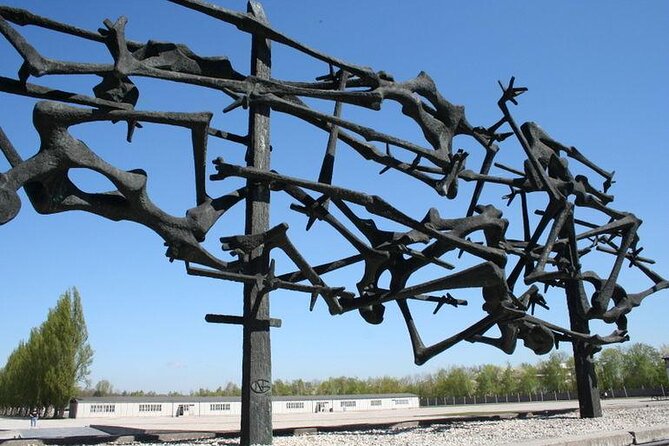
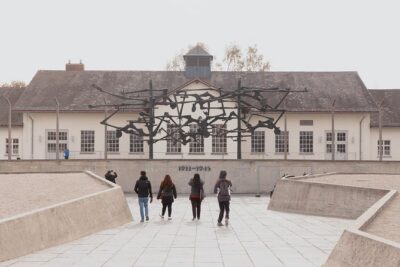
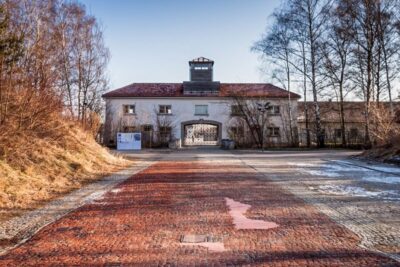
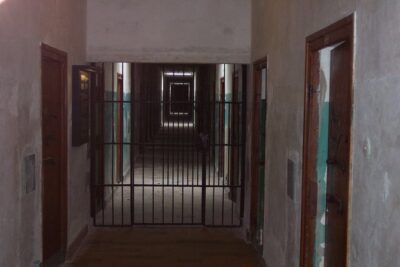
The Dachau portion is planned for about 5 hours, including time at the excellent museum exhibit. You are shown the structures and key areas that shaped prisoner life and camp administration, including cell blocks and the crematorium, plus the broader story told through photographs and documents. The tour’s focus is not only on what happened, but also on how the Nazi system functioned, and what made Dachau a template for later camps.
One thing I particularly respect is the emphasis on the range of victims connected with this site. You hear about prisoners such as communists, German dissidents, gay men, Jehovah’s Witnesses, and Jewish and Polish men and women. When a guide names groups directly and carefully, it keeps the memorial from turning into vague tragedy. It becomes specific, which is the only honest way to remember.
How to handle the pace without rushing yourself
A memorial visit has its own rhythm. If you try to “power through,” you miss the weight of what you are seeing. The tour’s structure helps because it builds in time for museum content and on-site context, so you are not trapped in a too-fast checklist.
That said, come prepared for the emotional nature of the subject. You can treat this like a hike in terms of stamina, but in your head and heart, it is a different type of journey. The guide’s job is to balance facts with respect, and the reviews around Alun Evans repeatedly highlight that he manages the topic with thought and care.
More Third Reich history tours:
- Munich: Third Reich & WWII Walking Tour
★ 4.6 · 6,181 reviews - Third Reich Walking Tour Munich
★ 4.5 · 4,291 reviews - Munich: Birthplace of the Third Reich Guided Walking Tour
★ 4.6 · 771 reviews - Munich World War II Sites Including Dachau Concentration Camp
★ 4.5 · 570 reviews
Museum time: the difference between facts and understanding
The camp grounds are one part of the experience. The museum exhibit is where many people get the “so that is how it worked” understanding. This tour schedules time for the museum, and that matters, because the camp’s physical layout only tells part of the story.
Here is what to look for while you are in the museum area: documents and photographs that explain how the camp operated, and the administrative side of the system that made atrocity possible at scale. You will also hear context tied to the camp’s role as the first Nazi concentration camp in Germany during the Holocaust, and as a model for later camps.
If you want to get more meaning from the museum, do one practical thing: don’t try to read everything. Instead, choose a couple of themes your guide points out, then let those guide your attention. That keeps you from information overload and helps the story land.
The Nazi connections in Munich: moving from camp to power
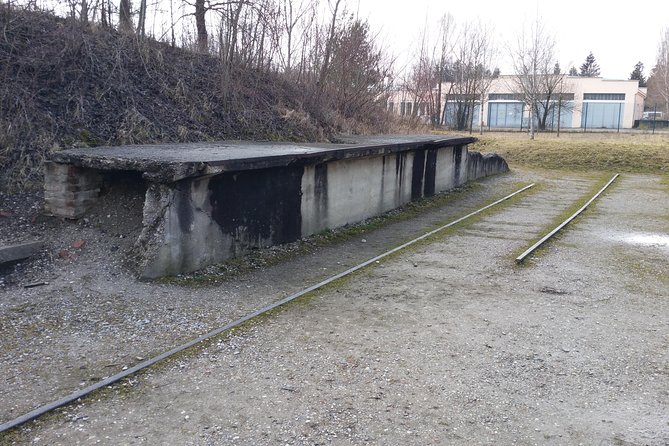
After Dachau, you return to the meeting point area by train with your guide, then take a lunch break on your own before the walking portion. The schedule includes this gap for a reason. It gives your brain a chance to reset a little before switching from camp life to how Nazi power grew in Munich.
Then you start the Munich portion at Marienplatz and work through several key locations tied to Hitler and the Nazi Party. This is not a random walk. Each stop is there to show you how political momentum built through speeches, institutions, and public events.
A core idea I like here is that you see a timeline in motion. You start with Nazi-linked Munich landmarks in central areas, then step through places where historic decisions and public displays of power took place. It helps you understand how the system got normalized before it became monstrous.
Marienplatz to the Old Town Hall decision: the story in street-level details
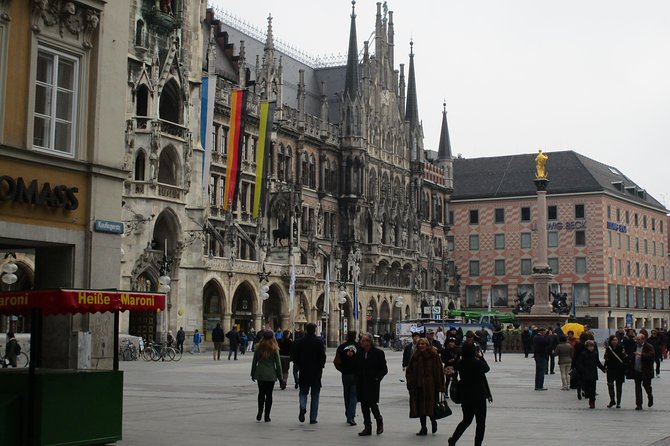
The Munich walk starts with an extended look around Marienplatz for about 2 hours, with your guide pointing out locations connected to Adolf Hitler and the Nazi Party. This gives you a base map of the city’s political footprint before you zoom in on the most specific sites.
Then you hit Old Town Hall, where a decision in 1938 is tied to carrying out a pogrom against the Jewish population of Germany. Even though you are spending only about 10 minutes here, that time is used for context, not a photo stop. If you remember only one lesson from this portion, it should be this: policy and violence were connected, and public authority mattered.
Next you walk past Staatliches Hofbräuhaus, where Hitler regularly gave speeches. Again, the focus is what these buildings represented. In that era, public gatherings were not just culture. They were tools.
Odeonsplatz and the beer hall coup, Königsplatz and the Munich agreement
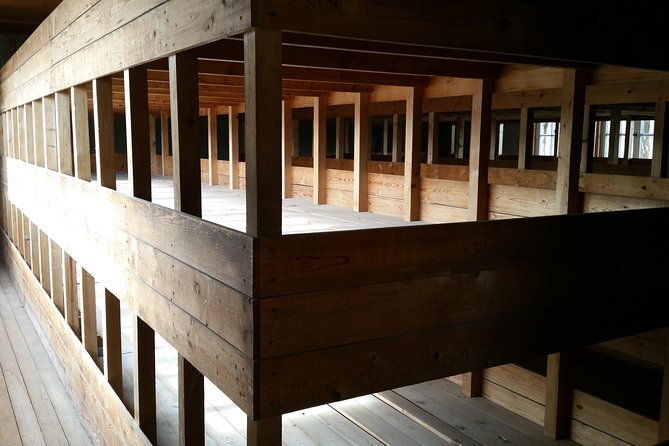
At Odeonsplatz, you learn about the location tied to the beer hall coup of 1923. This is one of those Munich sites where the stone itself feels normal, but the story is anything but. A good guide matters here, because otherwise it is easy to treat it like a museum label on a sidewalk.
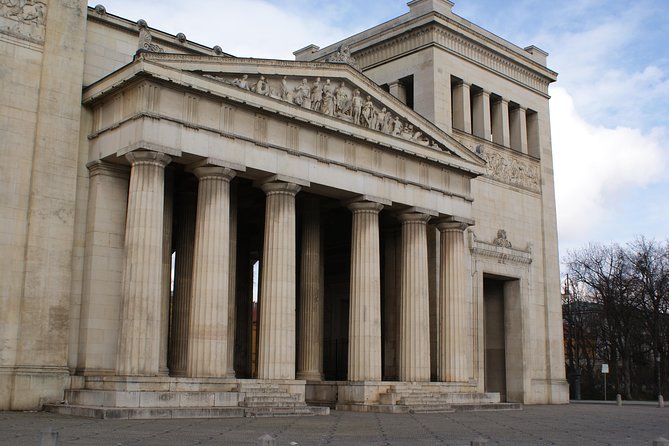
Then comes Königsplatz for about 15 minutes, tied to events like the Munich agreement of 1938 and also to places where Nazi ceremonies took place. The value of stopping at Königsplatz is that it shows how ideology used space. The city was part of the performance, and the regime understood that symbols create belief.
Optional museum stop at the end: National Socialism
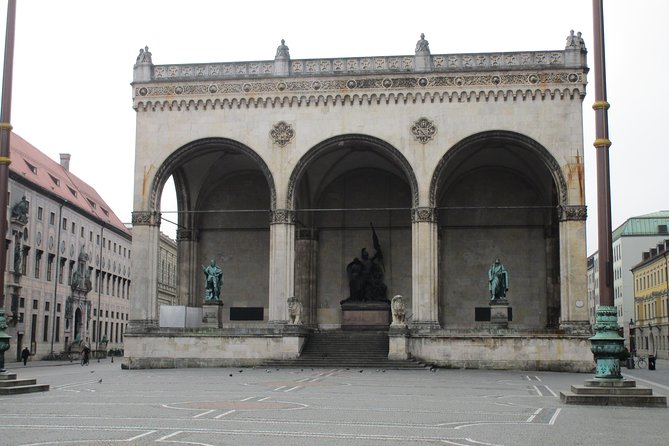
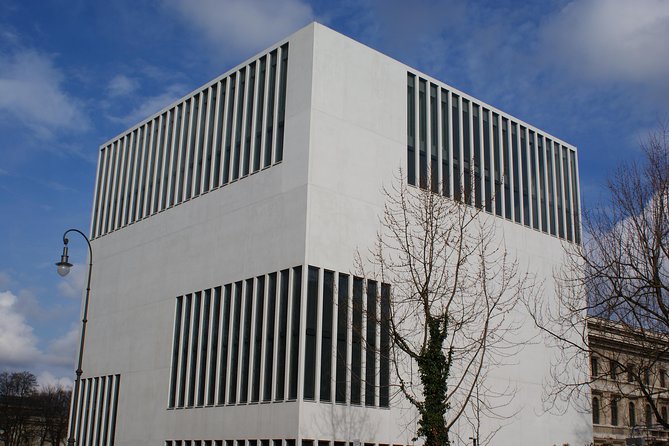
At the end of the tour, you have an option to go into an excellent museum exhibit about National Socialism. This is worth considering if you want more depth after the walking portion. It is also helpful if you feel the need to review what you saw while the ideas are still fresh.
Since it is optional, it also gives you control. If you are mentally saturated after Dachau, you can skip it. If you want more structure after a long day, you can use it as a closing anchor.
Who this tour is best for, and who should think twice
This is a strong fit if you want:
- A guided Dachau visit with museum context, not just a self-guided route
- A small-group experience where questions are realistic
- A day that connects Dachau to how the Nazi Party gained power in Munich
It can be a harder fit if:
- You are not prepared for an emotionally confronting memorial day
- You dislike long walks and expect to mostly sit
- You are traveling with children, because children under 14 are not permitted
If you are coming from a mindset of learning, this tour helps you learn in a grounded way. If you are coming in just for sights, it will feel different than typical sightseeing days, because Dachau is not about entertainment.
The guide factor: why Alun Evans is repeatedly praised
One theme that shows up again and again is how Alun Evans runs the day. People describe him as respectful, careful with a sensitive place, and strong at explaining the background without losing the human weight of what happened. They also mention how the tour feels organized with smart timing, including ways to reduce crowd pressure on-site.
Another practical win in the reviews is that small groups help Q and A flow. When the group is up to 15 people, you are not stuck shouting across a bus. On a topic like this, that matters, because thoughtful questions are part of how you process what you see.
Also, a review mentions that Alun uses contingency planning when trains delay, which is exactly the kind of competence you want on a day with timed connections. Even when things go slightly off schedule, the tour’s structure is meant to keep the day moving.
Should you book this Dachau and Third Reich day tour?
If you are weighing this against a DIY day, I would choose this when you want clarity and context, not just location. Dachau is one of those places where a guide can change how you interpret everything. The combination with a Munich walking tour adds a second layer that connects the camp story to the political story of the city.
Book it if:
- You want a licensed guide and a respectful approach
- You want transport handled and a tight route with multiple stops
- You can handle long walking and a heavy subject
Skip it if:
- You want a light, casual day
- You are not ready for the emotional reality of a concentration camp memorial
- You need a mostly seated experience
Bottom line: for $145.18, the value is in the guide, the pacing, and the fact that you are not piecing together transport and interpretation on your own. If you take it seriously and wear comfortable shoes, you will get a day that stays with you, for better understanding and for remembering why this mattered.
FAQ
How long is the Dachau and Third Reich day tour?
The tour is listed as about 8 hours.
Where do we meet in Munich?
You meet at Marienplatz, 80331 Munich, Germany.
What time does the tour start?
The start time is 9:00 am.
Is the tour in English?
Yes, the tour is offered in English.
How much walking should I expect?
The tour involves a high amount of walking, and you should have a moderate physical fitness level.
Is lunch included?
No. Lunch is not included, and you take a break for it on your own.
What is included in the price?
The price includes a professional guide and transportation costs. The tour also lists Dachau admission ticket as free on the schedule.
Are children allowed?
No. Children under 14 are not permitted on the tours.
Does it run in bad weather?
Yes. It operates in all weather conditions, so dress appropriately.
What is the cancellation policy window?
You can cancel up to 24 hours in advance for a full refund. If you cancel less than 24 hours before the experience starts, the amount you paid is not refunded.
Fresh reviews out of Munich
- Munich: Christmas Markets Food & Drink Tour★ 4.6 · 50 reviews
- Munich: Walking tour of the old town with all your senses★ 4.5 · 51 reviews
- Munich: Scavenger Hunt Self-Guided Tour★ 4.1 · 51 reviews
- Hidden Architectural Gems of Munich (Max. 16 guests)★ 4.9 · 52 reviews
- Shared Departure Transfer: Munich Central Station to Munich Airport★ 3.5 · 54 reviews
- Hard Rock Cafe Munich with Set Lunch or Dinner★ 3.5 · 54 reviews
- Quatsch Comedy Club München: Die Live Show★ 4.6 · 56 reviews
- From Munich: Royal Fairytale Tour★ 4.9 · 56 reviews
Dachau Memorial Tours, compared.
Dachau Concentration Camp Memorial Site Tour from Munich by Train
Read our review →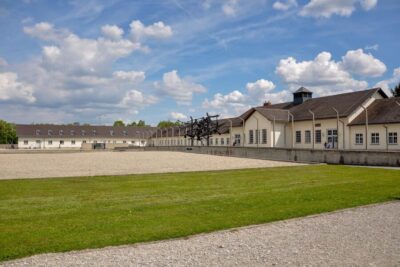
Dachau Concentration Camp Memorial Tour with Train from Munich
Read our review →
Early-Start Dachau Memorial Half-Day Tour from Munich
Read our review →
Guided Dachau Concentration Camp Memorial Site Tour with Train from Munich
Read our review →
Full-Day Dachau Concentration Camp Memorial Site Tour from Munich
Read our review →Browse the lists this tour appears in