
Reviewed · CYCLING TOURS
Berlin Highlights 3-Hour Bike Tour
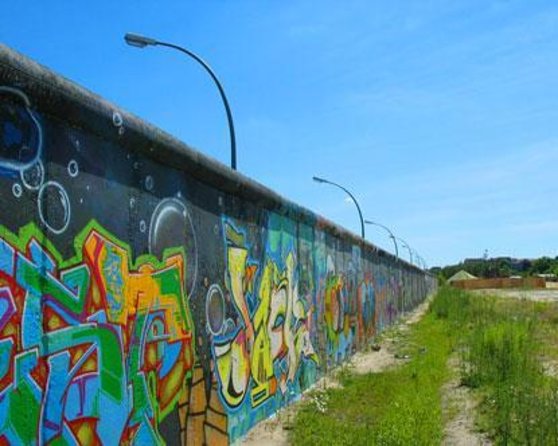
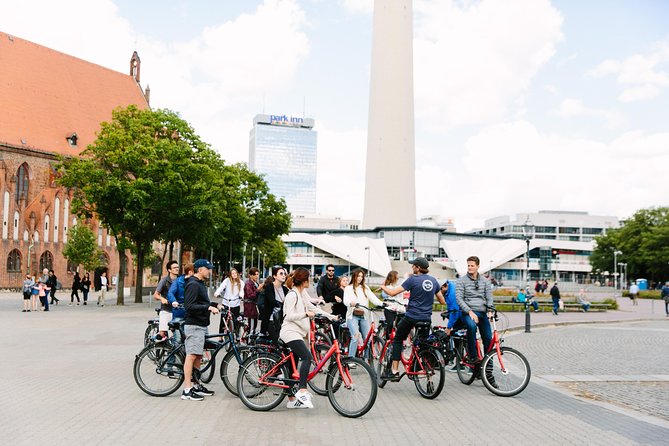
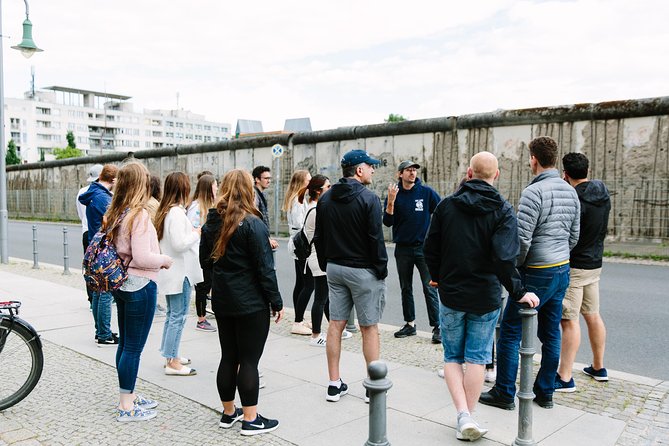
What makes this Berlin bike tour interesting is the way it turns the city into a living timeline, all in a 3-hour ride. You start near Alexanderplatz and roll through the places that shaped Prussian power, Nazi rule, the Berlin Wall era, and the city’s modern identity.
I like that the tour is built for real sightseeing, not just motion. You get bike and helmet included, plus an English-speaking guide who sets a steady pace and keeps things understandable, with memorable storytelling from guides like Sam, Nate, and Thor.
The one drawback to factor in is the weather and the short stops. This ride is designed to be active, and in rain some tours run shorter, so pack a backup plan for a wet day and be ready for quick photo windows between sights.
Key things to know before you ride
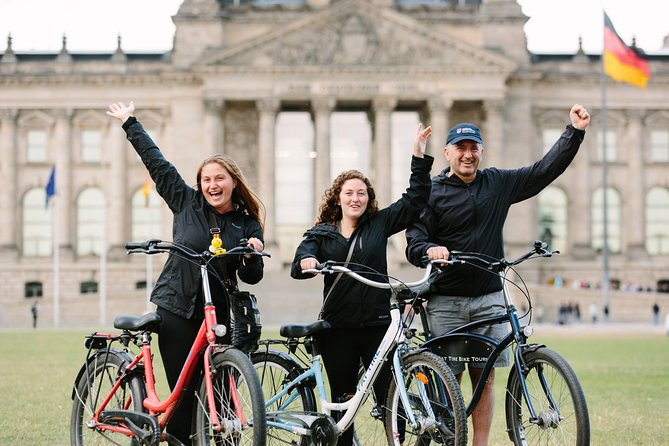
- Small group size for smoother navigation: capped at 15 travelers, so the guide can actually keep track of everyone on busy streets.
- Guide-led narration at each stop: you do not just pass landmarks, you pause for context and questions.
- Flat, easy city riding with frequent breaks: the route is designed so you never cycle far between stops.
- Historic hits without museum fatigue: many stops are exterior viewpoints or plazas, with short time for photos.
- Memorials are handled with care: you can expect an explanation stop at the book-burning site and the Holocaust Memorial, where walking inside is possible.
- Practical comfort matters: bikes are described as comfortable, and on cold days guides may have small welcome touches like a hot cup of tea.
Why Berlin looks better from a bike (and why this tour fits)
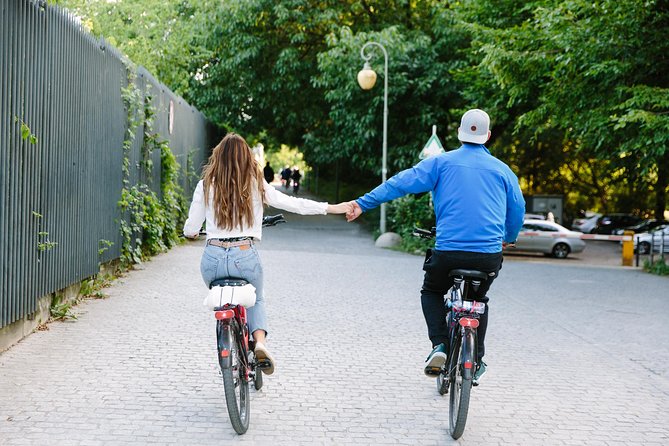
Berlin is made for cycling. Streets are relatively bike-friendly in many central areas, and the city’s most famous sights sit close enough together that a bike beats wasting time in traffic or waiting for the next bus.
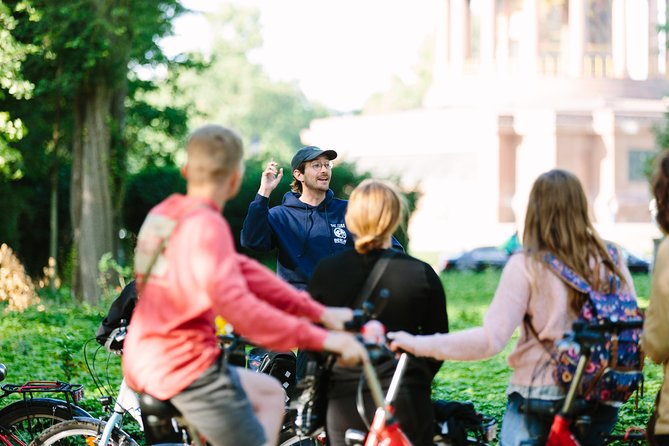
This tour works because it is paced like a guided morning walk, only faster. You get short segments of riding, then a stop where your guide explains what you are looking at and gives you time for pictures. You also get to ask questions, which matters in a city where the same street corners can carry wildly different stories depending on the decade.
At $42.33 per person for about 3 hours, the value is strong if you want orientation plus context in one go. You are not paying extra just to use the bike. You are paying for an English guide, the ride logistics, and the time saved by having a tight route designed for sightseeing.
More Bike Tours in Berlin
- Berlin: Sights and Highlights Bike Tour with a Local Guide
★ 4.8 · 2,698 reviews - Berlin City Bike Tour with Beer Garden Stop
★ 5.0 · 917 reviews - Berlin Highlights: 3-Hour Bike Tour
★ 4.9 · 809 reviews
The ride starts at Alexanderplatz with real momentum
The meeting point is Unlimited Biking (Formerly Fat Tire Tours), Panoramastraße 1A in central Berlin, and the tour loops back there at the end. That matters because you are not stuck figuring out how to get home after a bike morning.
Once you meet your guide, you pick a bike and get ready for an easy ride. Helmets are available, and in this style of tour, that comfort piece matters even if you do not feel nervous. Many people ride without needing to treat it like an athletic event. The pace is described as easy and flat in the reviews, and the ride length seems to land around 5 to 7 miles for most people, depending on how the group moves and what the route emphasizes that day.
Then you roll out with narration. This tour is not only about what is famous, it is about how the city connects. That is why the guide spends time at the landmarks instead of rushing you through.
Landmark one: from Alexanderplatz past the institutions that shaped Berlin
The first area sets the tone and gives you the big picture. You begin with Alexanderplatz, then head toward a string of important sites where Berlin’s layers stack up fast.
Expect to see:
- The German parliamentarians’ workplace area, with time to learn what this place represents.
- A bell tower where you might hear the free weekly concert, depending on the day.
- The Swiss Embassy and the Martin Gropius Building, both quick stops but useful for understanding the city’s mix of old and official architecture.
- The tour also moves through the famous central-axis feeling of Berlin, where you can look around and start to recognize how different neighborhoods developed.
This portion is where the guide’s storytelling really matters. Guides like Sam and Nate are praised for making the city’s history feel clear, even when the subject matter is heavy. You are also welcome to stop for questions, so if you are fuzzy on timelines, this is where you can get straightened out.
Bundeskanzleramt and the “power corridor” feeling of Berlin
After the early highlights, you reach Bundeskanzleramt, the German Chancellery. This is one of those places that reads differently once you know what it is. You may get a chance to take pictures of the area associated with Angela Merkel, though you should treat photo access as whatever is possible from public viewpoints.
This stop is short, but it is useful. Berlin often surprises people by mixing formal political spaces with everyday street life. Seeing these buildings from a bike at speed lets you grasp that contrast immediately.
Another way to spend a Berlin afternoon:
- Berlin: Reichstag, Dome and Government District Guided Tour
★ 4.7 · 18,288 reviews - Berlin: 1-Hour City Tour by Boat with Guaranteed Seating
★ 4.3 · 16,993 reviews - Berlin: TV Tower Standard Entrance Ticket
★ 4.4 · 15,883 reviews - Berlin: Boat Tour Along the River Spree
★ 4.4 · 11,252 reviews
Historic squares and churches: where Berlin’s older heart still shows
From the chancellery zone, the tour shifts into classic central landmarks, many of them connected to long-ago civic life.
You pass and pause at:
- Neptunbrunnen, the Neptune Fountain, for quick photos.
- Rotes Rathaus, the Red Town Hall, another photo-ready exterior.
- St. Mary’s Church, described as the oldest functioning church in Berlin.
- A look toward Berlin’s oldest residential quarter, so you can sense that the city’s “big history” also lived in everyday blocks.
These stops might feel like a greatest-hits list at first glance, but they do something important for you. They train your eye. You start recognizing civic buildings, religious architecture, and square layouts. That makes the later, more intense stops feel less like random markers and more like chapters in a story.
Unter den Linden: a straight shot through the city’s prestige axis
Then comes one of Berlin’s most recognizable walk-and-bike corridors: Unter den Linden. This stop centers on the grand feeling of the area, and you get to see major landmarks like the State Opera House from the outside.
This is also a good moment to pause and look around. The avenue’s layout encourages you to orient yourself. Later, when you go back on your own, you will remember which direction the sights were facing and how they connect.
Bebelplatz, the memorial to Nazi book burnings, and why it matters
At Bebelplatz, you stop at the Memorial to Nazi Book Burnings. The key thing here is not the photo. It is the explanation your guide provides, tying the memorial to the specific act of censorship and intimidation.
This stop is free and quick, but it can stick with you. Berlin does not hide its 20th-century record, and this is a concrete, easy-to-understand example. If you are the kind of traveler who likes your history in human-sized details, this is a strong moment in the route.
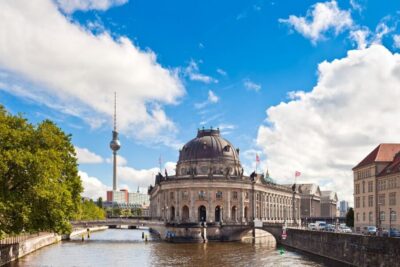
Museum Island and the old royal-imperial core: Stadtschloss to the domes
The tour then flows toward the reconstructed sense of royal and imperial power, and toward the museum district visuals that define Berlin’s skyline in photos.
You get:
- A look at Stadtschloss Berlin, the reconstructed palace area tied to electors, kings, and German emperors.
- Views toward the German Historical Museum and Altes Museum from outside.
- Berliner Dom (Berlin Cathedral), including its Italian Renaissance style from the outside.
You also ride past or stop near Museum Island, which visually groups several major museums. Even if you do not go inside anything on this ride, these exteriors tell you a lot about how Berlin positioned art, identity, and authority.
One practical benefit: Museum Island can be a time sink when you visit on your own. Doing a “viewing” stop with context helps you decide later what deserves your money and time.
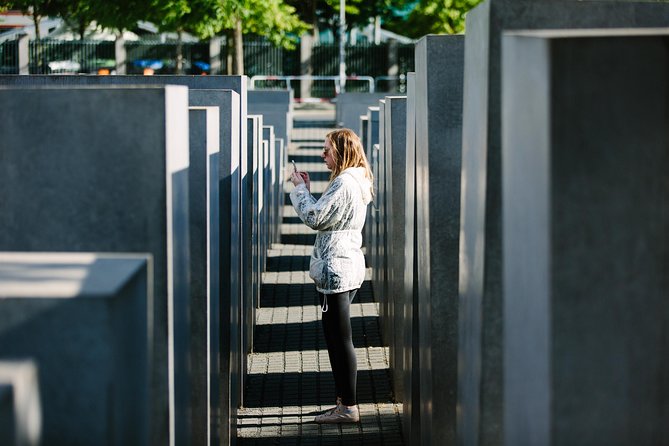
The Holocaust Memorial: an explanation stop with optional walking inside
This tour includes the Memorial to the Murdered Jews of Europe. You stop for explanation and pictures, and you might be able to walk inside.
This is one of those places where the bike tour format can be surprisingly effective. You do not have to manage long queues or decide between multiple exhibits during the first hour of your trip. Your guide can frame what you are seeing, then you can decide how long to spend in the memorial area.
If you want quiet time, this is also a good moment to pause. The route gives you a reason to slow down, then move on before the rest of the morning becomes chaos.
Nazi-era architecture and the Reichstag area: big symbols, controlled timing
Next comes Bundesministerium der Finanzen, tied in the tour to former Luftwaffe headquarters and Nazi architecture. This stop is a direct visual reminder that institutions built under dictatorship still sit in the modern city grid. You stop briefly, but the guide’s explanations help connect the architecture to the historical context.
After that, you reach two of Berlin’s most important outward-facing symbols:
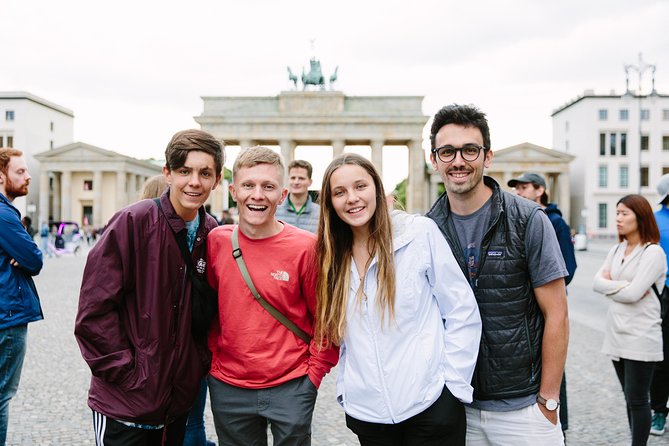
- Brandenburg Gate, for pictures and explanation.
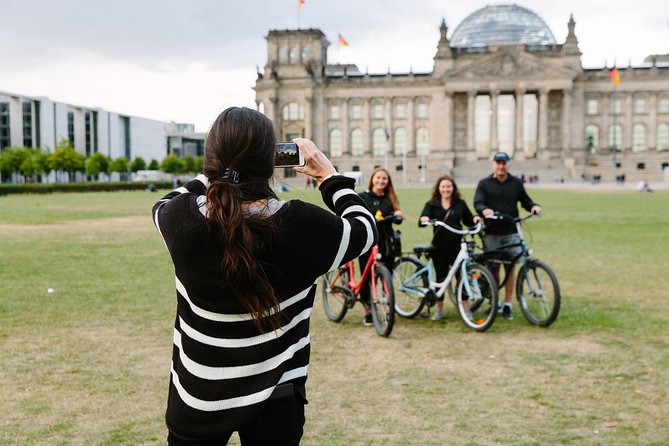
- Reichstag Building, seen from the outside with time to take photos.
The reviews strongly praise how guides make the stories coherent, especially in places like these where people assume they already understand the basics. A good guide helps you notice what you would normally skip, like how Berlin’s physical spaces were used to project power.
Berliner Fernsehturm and Berlin’s skyline in motion
You also see the Berliner Fernsehturm (TV Tower). This is a quick stop, but it gives you a visible anchor. When you later look at Berlin maps or skyline photos, you will remember where the tower sits and why it stands out.
And the tour keeps reinforcing orientation. You circle back through Alexanderplatz again, with explanation about the square’s role as the center of former East Berlin. That repetition is useful. It turns one landmark into a mental waypoint you can return to later.
Stops near famous hotels, embassies, and a sense of modern Berlin diplomacy
Along the way you may see:
- The area around Hotel Adlon Kempinski Berlin, including the hotel balcony where Michael Jackson dangled his baby, as described in the tour stop.
- The Embassy of France.
- The American Embassy.
These are mostly exterior views and quick photo stops, but they help balance the heavier history moments. They remind you Berlin is not only museums and memorials. It is also current diplomacy and daily city life.
Potsdamer Platz and Fuhrerbunker: a Cold War to WWII pivot
The ride includes a drive by Potsdamer Platz, plus stops connected to the dark end of WWII. You get to see Fuhrerbunker, tied to Hitler’s bunker site and the final weeks and suicide account, as explained during the stop.
This is one of those moments where timing matters. You are not spending hours in one place. Instead, your guide keeps the narrative moving so you can connect the end of Nazi Germany with Berlin’s postwar transformation.
The “green lung” and finishing where you started
The tour also includes riding past or seeing the largest park in Berlin, referred to as Berlin’s green lung. After that, you head back toward the central finish.
Ending back at the meeting point is a comfort. You can grab coffee, switch to walking, or get on public transport without a guessing game.
The pace, group size, and what it feels like to ride safely
The tour runs for about 3 hours, with many stops around 5 minutes each. That structure creates a rhythm: pedal, stop, listen, picture, move on.
Safety comes up often in the reviews. Guides like Thor and Sam are specifically praised for keeping the ride safe while still teaching you. That is the key combo. You want a guide who understands streets and can manage a mixed group, including people who might not be strong cyclists.
Also, this is a smaller-group experience, max 15 travelers. That usually means the guide can keep everyone together and respond when someone slows down at a traffic light.
What to wear and bring for a comfortable morning
This is a bike tour in the city, so dress like you expect movement. The tour info calls for layers, because Berlin mornings can swing chilly to mild fast. Even if you are tough, bring a light layer you can remove later.
Wear shoes you can walk in for a few minutes, especially if you choose to walk inside the Holocaust Memorial area. And if you are traveling with kids, the tour notes that you should contact the supplier in advance to reserve kids’ bikes and equipment.
Helmet use is optional, but available. If you are more comfortable wearing one, use it.
Who should book this bike tour, and who might want something else
This is a great match if:
- You want a first-time orientation route through central Berlin.
- You like history, but you also want it explained while you are moving through real streets.
- You want a guided way to hit major sites without paying museum admission or spending all day in lines.
- You value a guide who can answer questions and keep the group safe and organized.
You might want to choose a different style if:
- You prefer long stops and deep museum time, because this tour is built for short viewpoints and photo windows.
- You are visiting on a day with rain. The experience requires good weather, and on poor weather it can be canceled or altered with shorter timing.
Should you book it?
If you have only a half day in Berlin and you want the capital’s story explained in a way that actually sticks, I think this is an easy yes. The mix is smart: big symbols like Brandenburg Gate and the Reichstag area, plus the “how Berlin remembers” stops like Bebelplatz and the Holocaust Memorial. And you get them in an active, efficient format with a small group.
Book it especially if you care about good guiding. The standout theme in the feedback is that guides like Sam, Nate, Thor, Peter, and Michelle do more than list facts. They make the city’s history make sense, while keeping the ride comfortable and safe.
If you are the type who wants to control every moment and linger for an hour at a time, pair this with later independent time. Use this tour to get your bearings fast, then decide what deserves your attention on your own.
Fresh reviews out of Berlin
- Berlin Uncensored: A History of Sex & Freedom★ 5.0 · 50 reviews
- Berlin Food & Cultural Tour: Must-Try German & Berliner Classics★ 5.0 · 51 reviews
- English Comedy Show with Pizza and Shots in Central Berlin★ 4.5 · 51 reviews
- Rude Bastards Tour of Berlin★ 4.8 · 51 reviews
- Private Taxi Tour of Berlin East and West and Neighbourhood approx. 4-6h★ 5.0 · 55 reviews
- Rickshaw Sightseeing City Tours Berlin – Rikscha Tours★ 4.0 · 55 reviews
- Berlin: City Highlights Express & Panorama Roof Terrace★ 4.9 · 55 reviews
- Berlin during Nazism – Tour in Italian★ 5.0 · 56 reviews
Cycling Tours, compared.
Sights and Highlights Bike Tour with a Local Guide
Read our review →
Classic Mike’s Bike Tour daily @ 11.30 incl Beer Garden & Surfers
Read our review →
Berlin Highlights Sightseeing Bike Tour in Small Groups
Read our review →Browse the lists this tour appears in