
Reviewed · TICKETS
Bremerhaven: German Emigration Center Entrance Ticket
The German Emigration Center is interesting because it turns migration history into a full on, hands-on story you can follow step by step, not just read about. I really like the iCard journey system, and I love how it connects your visit to real emigrant experiences across 300 years. One drawback to plan for, though, is time, it can feel like a lot in one day, especially if you stop at every station.
Your best move is to give yourself breathing room for the Family Research room, since the exhibits set you up to search for your own emigration story. I also recommend arriving early, because some computer areas can get busy, and you’ll want enough time to work through your questions with the assistant on hand.
Key highlights to look for
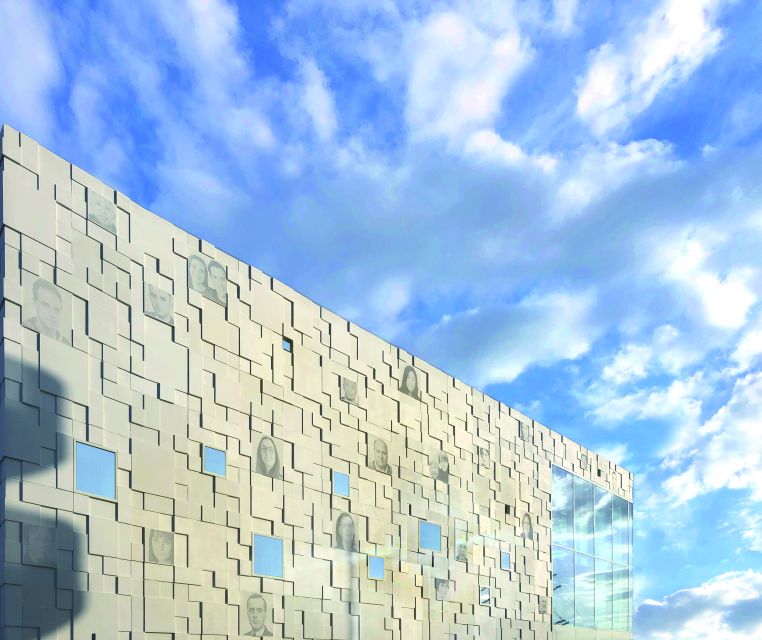
- iCard-driven route with audio stations and interactive displays tied to individual emigrant stories
- 300 years of immigration and emigration told through a modern, mission-focused museum experience
- Quay scene and ship boarding that links farewell emotions with the physical reality of travel
- Three eras of passenger shipping, including a ship experience around Columbus (1929)
- Family Research room with free help from a trained assistant
- Wheelchair accessible, with some tight spots on older ship deck areas where maneuvering may be needed
German Emigration Center ticket basics and how the iCard route works
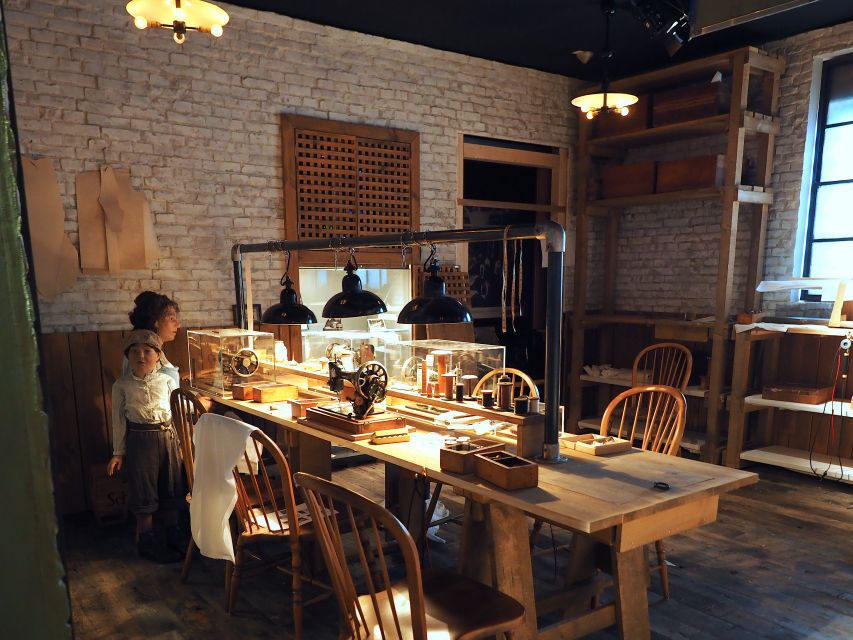
This is a museum experience built around one idea: migration was not one event, it was 300 years of repeated decisions, goodbyes, paperwork, and hope. The German Emigration Center, run by Deutsches Auswandererhaus gGmbh, focuses on the emigrants who left via the port of Bremerhaven, and it frames their stories through interactive technology plus real-feeling staging.
Your ticket is an entrance ticket, and the experience is designed around an electronic boarding pass that activates your visit through an iCard. Each iCard includes the story of an individual who emigrated to the New World. As you move through the museum, that iCard helps trigger audio stations and interactive displays, so you keep getting small context moments instead of wandering aimlessly.
Even if you do not plan to research your own family, the iCard structure is valuable. It creates momentum. You’re not trying to guess what you should be looking for. You follow prompts, you hear voices connected to the emigrant story, and you see exhibits tied to the same themes: departure, the journey, immigration steps, and life after arrival.
One practical caution: this is not a quick walk-through. The museum is “a whole day” kind of attraction, even if your ticket is valid for one day. If you’re the type who likes to read everything slowly and sit at a few stations, you’ll need extra time.
Weigh these Bremerhaven picks against each other
- Bremerhaven: Admission ticket to Klimahaus Bremerhaven
★ 4.3 · 111 reviews - Berlin: TV Tower Standard Entrance Ticket
★ 4.4 · 15,883 reviews - Dresden: Semperoper Tickets and Guided Tour
★ 4.7 · 12,102 reviews
From Bremerhaven quay to ship life: the staged departure moments
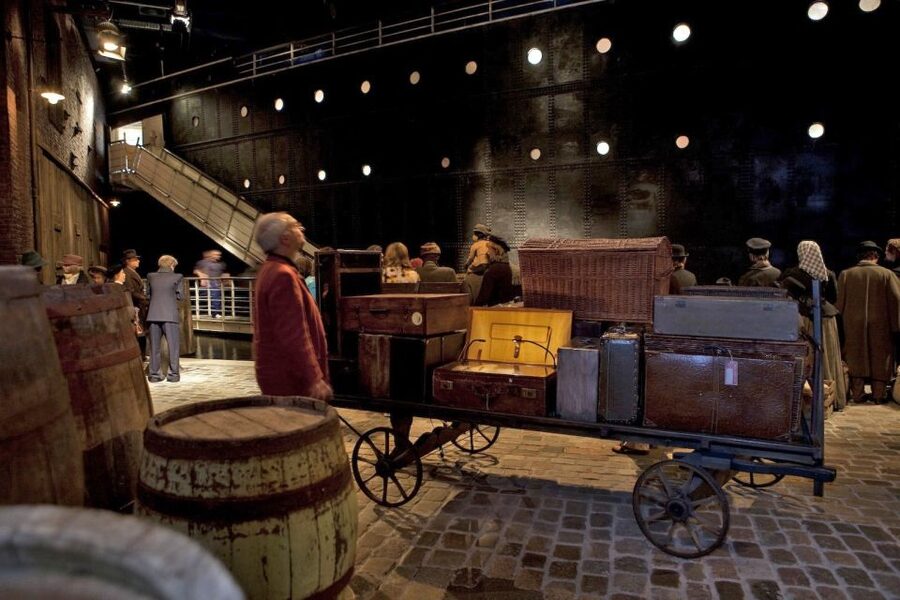
A big reason this works is the staging at the quay. You meet emigrants from different European countries and you learn how their farewell felt, emotionally and personally, even though the destination was unknown. That matters because migration history is easy to flatten into dates and maps. Here, it keeps tugging you back to the human moment of leaving.
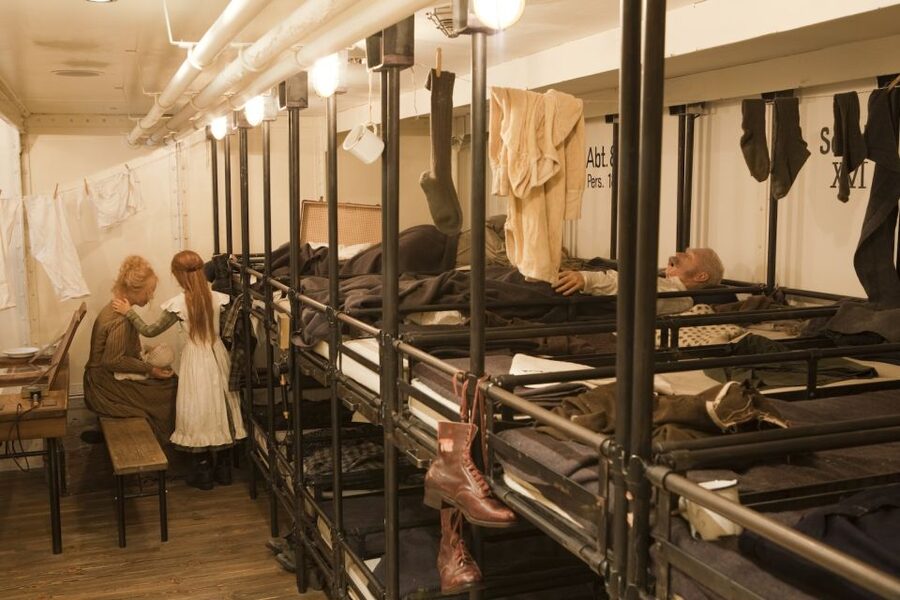
Then you board a ship. The museum’s ship experience is designed around three eras of passenger shipping, so you can get a sense of how ocean travel changed over time. One example given is the ocean liner Columbus in 1929, and that kind of reference helps the story feel anchored in real travel worlds, not just vague “old ships.”
What I like about this portion of the experience is the way it turns “travel conditions” into something you can almost understand with your body. You experience the reality of being on board, moving through spaces that feel tight and purposeful, instead of just staring at artifacts behind glass.
There is a consideration for wheelchair users. The museum is wheelchair accessible, but older ships can be tight in certain areas. If you use a wheelchair, plan on the possibility of navigating narrow intermediate decks or cramped transitions, and make sure you can maneuver confidently in those spots.
If you’re traveling with kids or family members who get impatient, this is still one of the best segments because it’s not just reading. It’s movement and atmosphere, and it gives you clear “next steps” rather than a blank museum layout to decode.
Ellis Island immigration desk and the New York connection

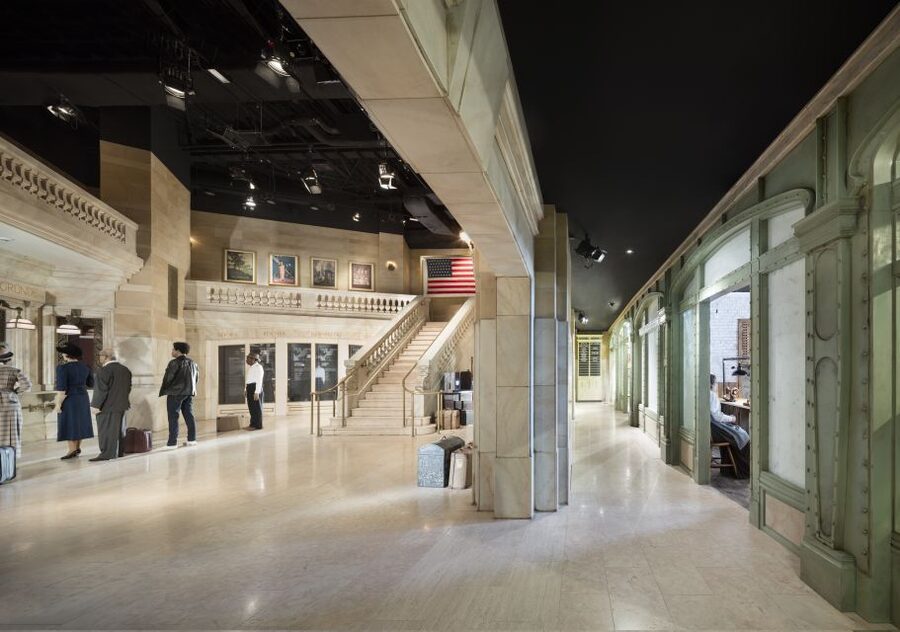
After the ship scene, the route continues into the immigration story as visitors experience it step by step. You arrive at the immigration station on Ellis Island and you undergo an immigration test at a legal desk. With the entry permit in hand, you continue your journey to Grand Central in New York.
This part is valuable because it bridges the gap between travel and settlement. A lot of migration museums show departure and arrival, then stop. Here, the museum keeps going through the legal and social hurdles, the paperwork moment, and the transition to life in the United States.
You also do not just get one stop. Once you’re in the New York phase, you learn more about emigrants in the New World through exhibition halls. Those halls connect themes and factors of migration, so you start to see a pattern: why people left, what they risked, and what they hoped to find.
One more practical tip: if you’re using your iCard actively, keep paying attention to when audio stations and interactive moments trigger. This route is meant to feel like a continuous narrative. If you skip a station, the story can feel like it jumps ahead.
Also note that you should not expect food to be part of the experience. Food and drinks are not included, so plan a snack break on your own. It’s easier to enjoy the immigration and New York sections when you’re not trying to do it while hungry.
The award-winning migration collection across 19th and 20th centuries
The German Emigration Center does more than tell one family story or one ship story. It presents an award-winning collection focused on 19th- and 20th-century migrations, but it frames those eras inside a much longer view of migration across Europe and the New World. The museum highlights that it covers around 300 years of immigration and emigration history.
I like how that time span changes your perspective. A person standing in line for paperwork on Ellis Island is not separate from someone making the earlier decision to leave. They’re part of the same long-running story of push and pull factors, changing conditions, and shifting policies. Even when the exhibits focus on particular periods, you keep seeing the “through line.”
Because the museum is the topic-focused, modern museum experience on migration, it also feels practical for planning. You can spend your day where you care most. If you want the emotional side, you stay with the iCard narrative and the ship-quay segments. If you want context, you linger in the exhibition halls that explain migration factors and routes.
If you like museum design that teaches without making you feel lectured, you’ll probably enjoy how the exhibits are connected to the iCard experience. The result is a day that feels like a journey, rather than a pile of separate rooms.
Another way to spend a Bremerhaven afternoon:
- Bremerhaven: Harbor Bus Tour
★ 4.8 · 418 reviews
Family Research room: free help finding your emigrated ancestors
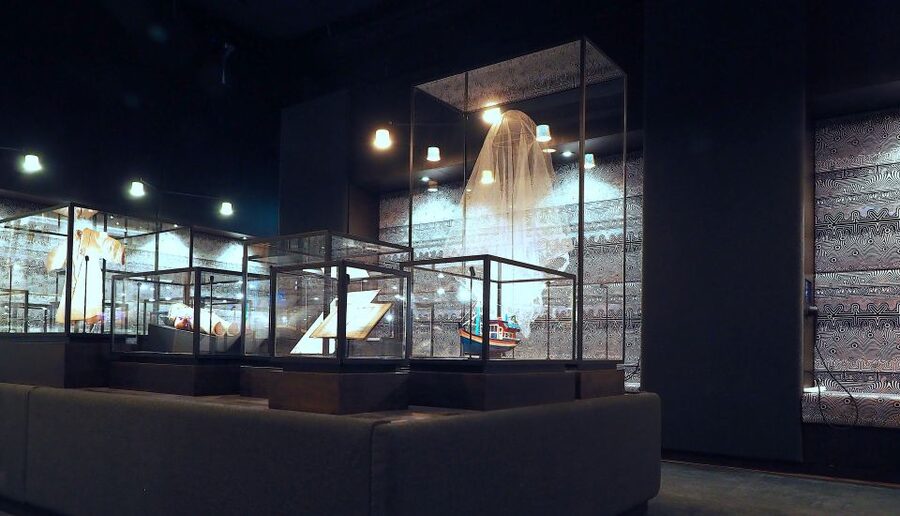
Here’s the part that makes this ticket more than a museum visit. The museum includes state-of-the-art research facilities, and after you finish the main journey, you can do a personal search in the Family Research room.
This service is free of charge, and there’s a trained assistant there to help guide you through your family’s emigration history. That matters because genealogy at home often turns into a guessing game. Having a museum professional who knows the process can save you hours of wrong turns.
The museum’s iCard story of an emigrant can also help you frame what you’re searching for. Even if your family’s story is not the same person on your iCard, it gives you an example of how the museum thinks about names, routes, and the move from homeland to the New World.
One real-world consideration: computer seating can get busy. In practice, you may find all computer stations taken at some points in the day. So when you plan your schedule, do not assume you’ll get instant computer time. Arrive early, and if you want to do active searching, aim to start research soon after you finish the main exhibition route.
Wheelchair users should also think about this area. Since the museum is wheelchair accessible, you should be able to get into the research room, but the older ship sections can be tight. If you do ship decking and research in one day, pace yourself.
Price and value for a one-day Bremen visit
The ticket costs about $23 per person, and for what you get, it’s pretty strong value. You’re not paying just for entrance to static galleries. You’re paying for a full route that mixes technology, staged scenes, and multiple phases of the story: quay, ship life across eras, Ellis Island paperwork testing, and New York exhibition halls, plus free help in the Family Research room.
The “$23” part is only meaningful when you consider time. You need at least a few hours to do this well, and you should plan for the day to run longer than you expect. The museum also asks that you reach it at least two hours before closing time, so you have enough time to visit the exhibitions. That instruction is not a suggestion if you want to do family research, it’s the difference between a calm search and a rushed one.
Also remember what is not included. Food and drinks are not part of the ticket. If you need coffee or a meal break, plan it nearby or bring your own snack options if that works for you.
Finally, ticket timing matters. Your ticket is valid 1 day, and starting times depend on availability. If you’re trying to fit the museum into a tight travel schedule, check starting times early, then book the slot that gives you the most breathing room before closing.
Who should book this German Emigration Center ticket
This ticket fits best if you want more than facts on a wall. If you care about genealogy, this is one of the more practical museums because the Family Research room is free and supported by an assistant. If you like human-scale storytelling, you’ll probably respond to the emigrant farewell scenes and the ship experience, because they give the history a body.
Families can also enjoy it, especially if kids are old enough to follow a multi-step route and handle interactive stations. The museum moves through scenes and locations, so it’s easier to keep attention than a purely indoor lecture format.
On the other hand, if you want a very short, low-effort museum stop, this may feel like too much. Plan a full day. Also consider mobility. Wheelchair access is available, but tight ship-deck areas may require comfort with maneuvering.
Should you book the German Emigration Center ticket?
I think you should book if you want an intense, meaningful day that combines migration history with an active route and free family research help. At around $23, plus the iCard-driven audio and interactive setup, it’s a solid value compared to many single-purpose museums that give you only one layer of experience.
I would skip or reconsider if you only have an hour or two, or if you dislike technology-driven museum routes and want purely self-paced galleries with no “story” structure. If you’re unsure, plan around the two-hours-before-closing guideline. That alone will make the experience feel more relaxed, especially if you want to do research.
If you do book, I’d treat it like a mini-history trip with a goal. Pick your research question first, then let the museum’s iCard story guide you through the route.
FAQ
Where is the meeting point for the German Emigration Center?
Use the main entrance located at Columbusstraße 65.
How long is the ticket valid?
The ticket is valid for 1 day. Starting times depend on availability.
What is included with the ticket?
The entrance ticket is included.
Is food and drinks included?
No. Food and drinks are not included.
Is the museum wheelchair accessible?
Yes, the experience is wheelchair accessible. Some parts of the ship areas may be tight due to older deck spaces.
Are pets allowed?
Pets are not allowed. Assistance dogs are allowed.
What time should I arrive?
Please reach the museum at least two hours before closing time so you have enough time to visit the exhibitions.
What happens during the Ellis Island part of the experience?
You experience an immigration test at a legal desk at the immigration station on Ellis Island, then you continue to Grand Central in New York.
Is there free help for family research?
Yes. After the main journey, you can search for emigrated ancestors in the Family Research room with a trained assistant. This service is free of charge.
What are the cancellation and payment options?
You can cancel up to 24 hours in advance for a full refund, and you can reserve now and pay later.
Fresh reviews out of Bremerhaven
- Bremerhaven: Admission ticket to Klimahaus Bremerhaven★ 4.3 · 111 reviews
- Bremerhaven: Harbor Bus Tour★ 4.8 · 418 reviews
- Bremerhaven: Fish Bite Guided Walking Tour★ 4.8 · 13 reviews
- Bremerhaven: Sailor’s yarn, legends and sea walking tour★ 4.7 · 33 reviews
Tickets, compared.





Munich Hop-On Hop-Off Tour: 1-Day or 2-Day Ticket
Read our review →