
Reviewed · CITY TOURS
Stuttgart: Ticket for the Miniature Worlds – Europe’s largest city model
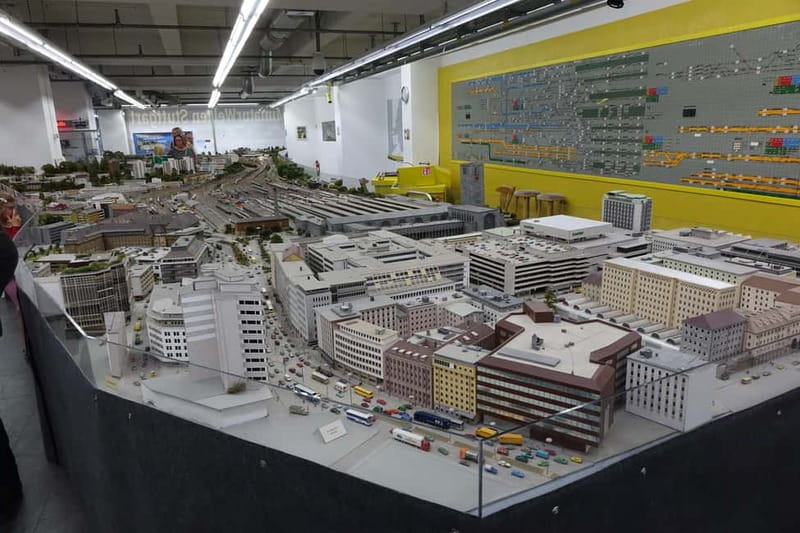
Stuttgart Miniaturwelten feels like a miniature city you can actually slow down in. What grabs me is the scale, yes, but also the fact that it was built for real by one person, Wolfgang Frey, over 15 years, with no prefab kit shortcuts. I especially love the focus on the trains and station area, and the sheer number of small, hand-made touches that make 1980s Stuttgart feel oddly lived-in.
The model covers 180 m² and the creator built it from everyday materials, waste, paint, and glue, so you know you are looking at research and obsessive craft, not mass production. One possible drawback to keep in mind: a lot is shown in the original language, so if you want English explanations, you should plan to ask the staff and not assume everything will be translated.
Key things I’d mark on your must-see list
- Europe’s biggest city model spread across 180 m²
- Wolfgang Frey’s one-person build, 15 years of work with no kit parts
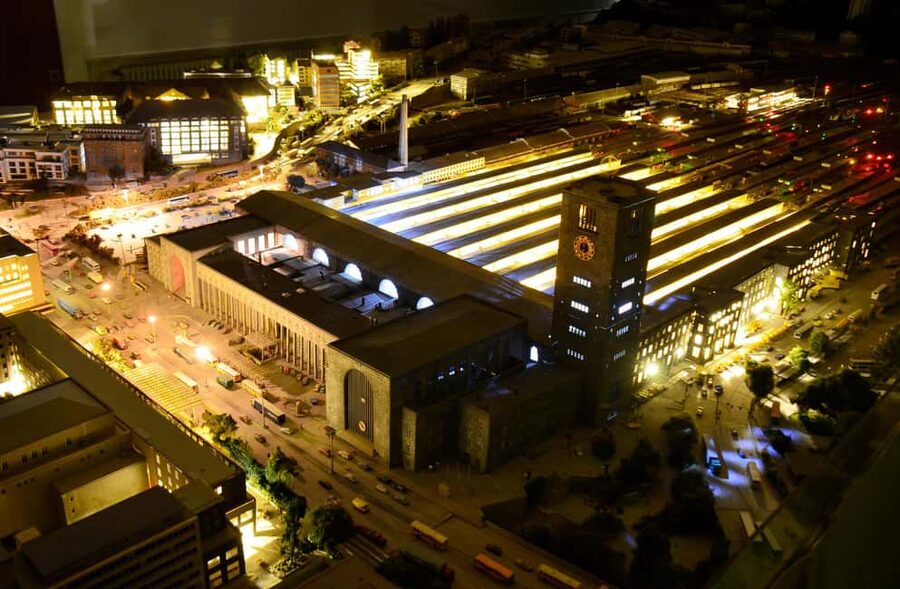
- Train station centerpiece, including a former functioning signal box
- Signal box details, an 8 meter long control panel and 8 control tables
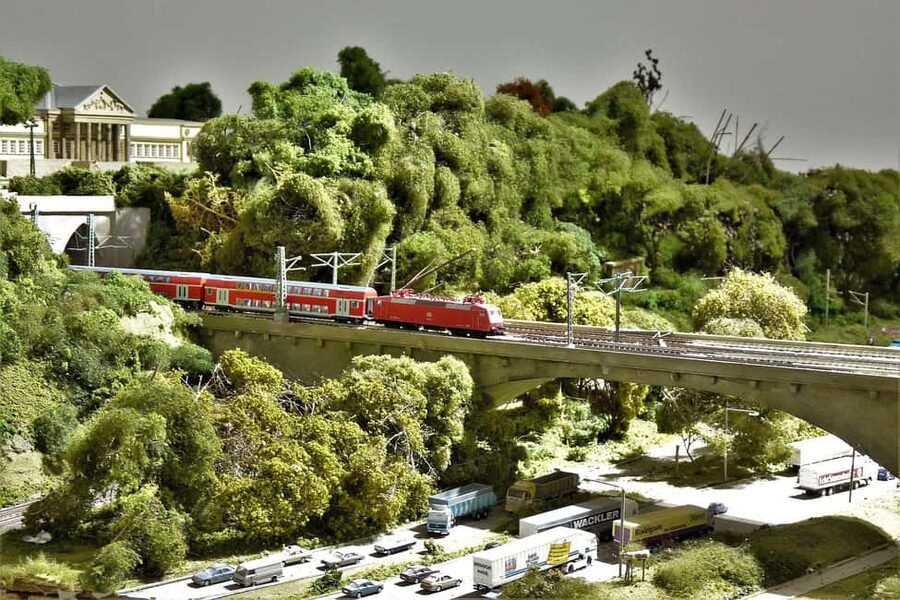
- The tiny extras, 2,500 hand-painted vehicles, 4,000 trees, and 2,500 tombstones
- Family-friendly add-ons, a free detective search game and kid play stations
Miniaturwelten Stuttgart and why this is easy to fit into a day
This is one of those stops that works even if you only have a slice of time, because it sits right opposite Stuttgart’s main railway station. That means you can pair it with a train day, a city stroll, or a quick afternoon break, without fighting complicated directions.
I like how the setup feels simple: arrive, get oriented, store what you need, then take your time inside. Most people won’t need a full day in the strict sense, but you do want room to look closely. The average visit is about 1.5 hours, and once you start spotting the details, that can stretch in a good way.
There’s also some practical comfort baked in. You can drop off bags, backpacks, strollers, and luggage for free, and the storage is available even until 5 pm if you’re still out and about. If you have a rail day plan, that alone can save you stress.
Weigh these Stuttgart picks against each other
- Stuttgart 24-Hour Hop-On Hop-Off Sightseeing Bus Tour
★ 4.4 · 1,647 reviews - Stuttgart: Mercedes-Benz Museum Entry Ticket
★ 4.8 · 1,400 reviews - Stuttgart: Guided Ghost Walking Tour
★ 4.5 · 867 reviews
The Miracle of Stuttgart: scale, precision, and what makes it worth paying for
The headline is the model called the Miracle of Stuttgart, and it’s Europe’s largest city model, covering 180 m². But the value is not just size. It’s the level of attention and the fact that everything was researched and planned by Wolfgang Frey himself.
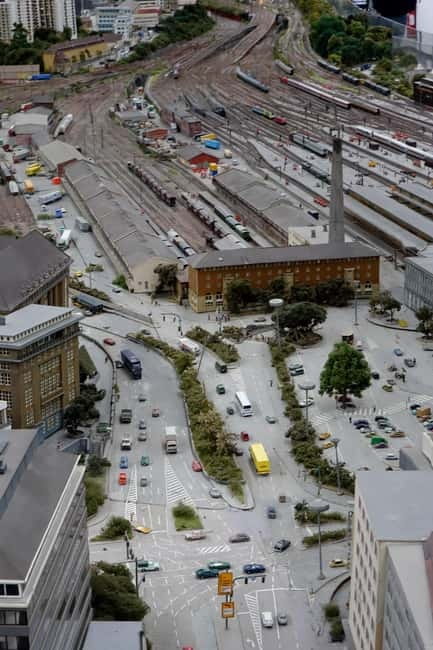
At scale 1:160, you get a whole city from the 1980s and 90s. That time period matters here. You’re not looking at a generic city scene, you’re looking at a specific Stuttgart era, with the train station as a major anchor. If you like seeing how everyday urban life used to look, this model is built to reward that curiosity.
Here are the big numbers that explain why this feels different from a typical display:
- 450+ buildings, all unique
- 2,500 hand-painted vehicles
- 4,000 trees
- 2,500 individually made tombstones
Those are impressive totals, but I think the real point is this: so much of it is hand-made and unique, built from materials that weren’t originally meant for museum-perfect miniatures. That means you can sense the builder’s choices. You’re seeing craft, not just replicas.
Touring the 1980s-90s Stuttgart city model, without needing a guide
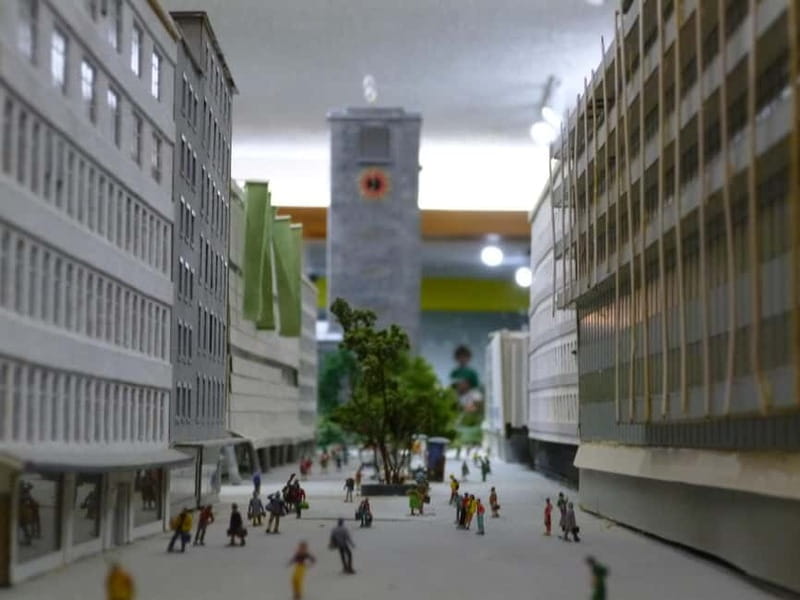
There isn’t a traditional step-by-step route that you must follow. Instead, you’ll get the best experience by matching your walking with what you like. If trains pull you in, start by aiming for the station area first. If streets and building details are your thing, spend extra time looking at the streetscape and edges.
A big part of the fun is noticing how “everyday” tiny objects got attention too. Think garbage cans, fences, and smaller street elements. These details make the mini city feel more real, and they are also the kind of things you would never notice if the model had only big monuments.
One of the most useful tips for your visit is simple: don’t rush the first pass. Do a slow scan once, then come back to the parts that hooked you. I’d especially do a second look at anything train-related, because the model’s station focus makes it the most information-dense zone.
Also remember the rule: please don’t touch anything. It’s not just about preservation in general. This is a one-person, long-build artwork, and keeping it intact is part of respecting the work that went into it.
The train station focus and the signal box details that rail fans will love
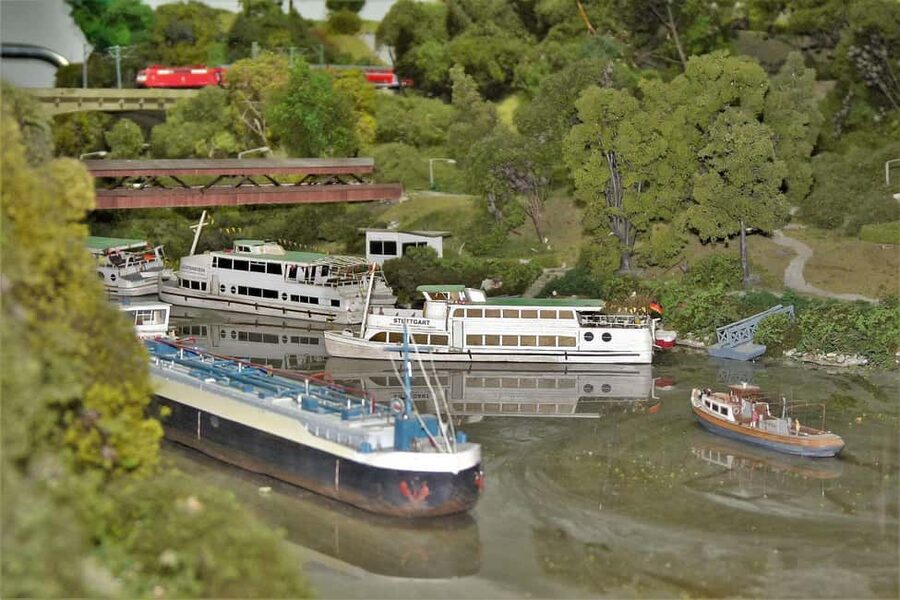
If you care about railways, this is the reason to come. Stuttgart Miniaturwelten puts the former train station and its operations at the center of the story, and it doesn’t do it with vague visuals.
The standout is the former functioning signal box, including an 8 meter long control panel and 8 control tables. Even if you don’t know railway operations, you can still appreciate the scale and engineering feel. If you do know the topic, you’ll likely spend extra time reading the layout and imagining how everything would have worked.
Why this matters: train station history is not just about trains arriving and departing. It’s about control, timing, and coordination. This model takes that behind-the-scenes idea and turns it into something you can look at calmly. I find that surprisingly satisfying, because you get the operational logic in miniature form.
And the builder’s approach helps. Nothing here is pulled from prefabricated kits. Everything was researched, planned, and built precisely by Wolfgang Frey. That makes the station zone feel like a real subject, not a decorative add-on.
Another way to spend a Stuttgart afternoon:
- Tickets SWR Fernsehturm Stuttgart
★ 4.5 · 674 reviews - Stuttgart: Vineyard Tour by Covered Wagon
★ 4.1 · 217 reviews - Stuttgart: City Highlights – Guided Walking Tour
★ 4.7 · 189 reviews - Stuttgart: “Kehrwoche” Tour in Swabian
★ 4.6 · 183 reviews
Spot the tiny work: vehicles, trees, tombstones, and the realism effect
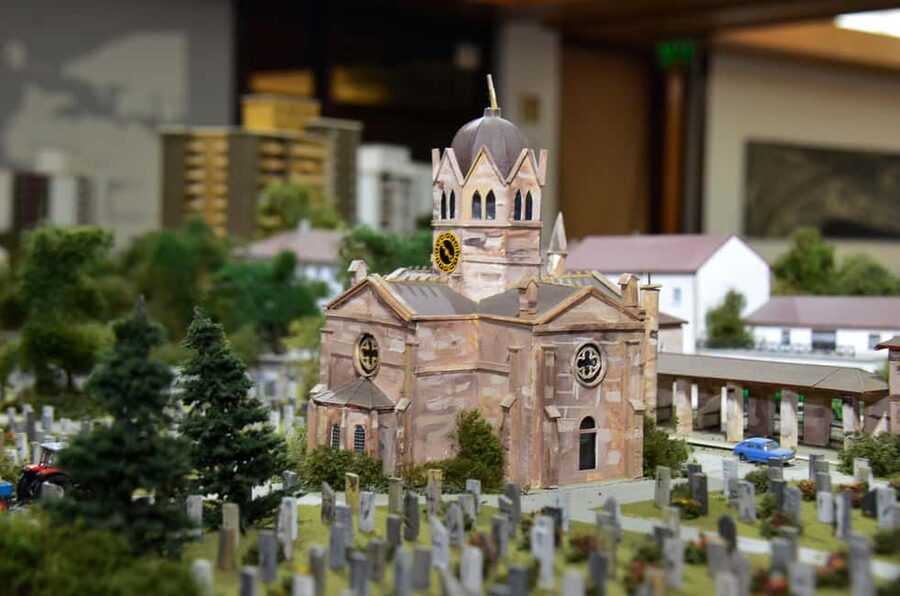
The model is packed with small details, and they add up to a realism effect that’s hard to describe until you see it. The city isn’t only buildings. It includes hand-painted vehicles, 4,000 trees, and even 2,500 tombstones.
Yes, tombstones sound like an odd thing to highlight, but that’s exactly why it’s memorable. It tells you the builder went beyond obvious structures and aimed for completeness. When a miniature scene includes elements like grave markers, you start to feel the maker’s patience and the depth of his research.
You can also use these details like a game for yourself. Pick one category you want to find, such as painted vehicles or the trees, and then look for how those items repeat across the city. That turns the visit into pattern-spotting, and it helps you slow down in a way that feels fun, not forced.
If you bring kids, this is also where the detective-style activity can blend naturally with your own looking. Even if they don’t “solve everything,” the process gets them scanning the same way you will.
Family-friendly fun: the detective search game and kid model-rail play stations
This is an experience for all generations, and it’s not just marketing. There’s a free children’s detective search game at the ticket office. You can ask for it when you arrive, and it gives kids a reason to look closely rather than just glance and move on.
There are also two model railway play stations for kids. That matters because it gives younger visitors something interactive without turning the rest of the model into a chaotic play area. It feels like a good compromise, especially if you want adults to enjoy the details in peace.
From what I’d expect from this kind of setup, the detective game works best when you treat it as co-op, not a test. Help your child scan calmly, point out clues, and then reward the process with a return to the station area. That gives the whole visit a storyline instead of random wandering.
If you travel with a stroller, it should be manageable because you can store it, and the venue is wheelchair accessible. Just note there is one step, although separate barrier-free access is available if you need it.
Timing, tickets, and where the 1.5 hours can stretch
A practical plan is to book a time that matches your energy. The average visit is about 1.5 hours, but you can easily spend longer if you love trains or you want to read explanations.
One smart move is to aim for a calmer pace near the end of the day. They recommend last admission one hour before closing, so you avoid rushing. If you’re arriving late, that one-hour window can be the difference between enjoying details and trying to sprint through them.
Also, store your bags early. Free luggage storage is available at the entrance, and it can stay until 5 pm if you let the ticket office know. If you are doing Stuttgart by train, that’s a real quality-of-life win.
For value, I’d look at it like this: $10 per person gets you access to a huge, high-detail build, plus staff explanations when you ask. This isn’t a quick photo stop. It’s a slow-looking experience where your attention gets rewarded.
Photos, questions, and the small rules that protect the build
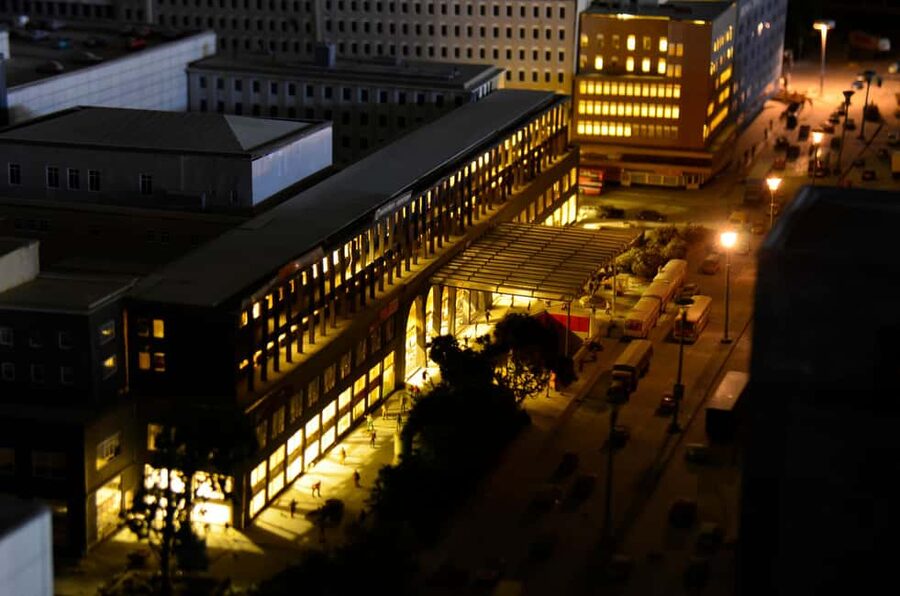
Photos and publications are expressly permitted and welcome, which is great if you like documenting what you see. Just be mindful about people in the background. The guidance here is to photograph employees and other guests only with their consent.
If you want more context, ask questions. The team is happy to help with background information about the model’s special features. And because some content may be shown in the original language, questions are your best tool for getting the meaning behind what you’re seeing.
Here’s the other rule that affects your enjoyment: please don’t touch anything. When something is built by hand over 15 years, touching can do damage fast. So your job is to look, and your reward is to learn what each area is depicting.
Price and value: why $10 makes sense for the effort behind this model
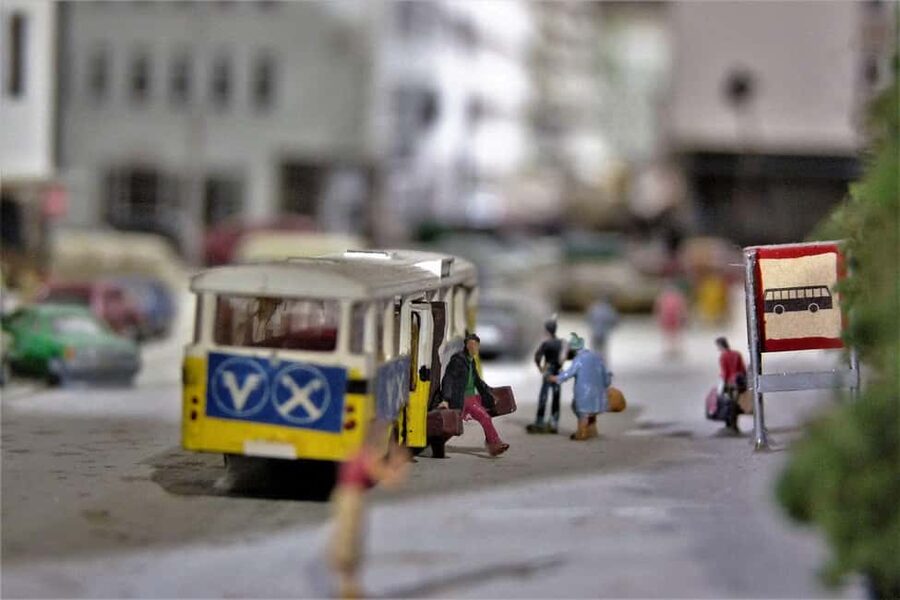
At $10 per person, this is unusually good value for an attraction with real craft behind it. A normal museum ticket often buys you a room of static items. Here you get a whole city, recreated at 1:160, with thousands of hand-made elements and a centerpiece that looks like a working control environment.
What I consider the big value drivers:
- One-person authorship from Wolfgang Frey, not a factory job
- High density of unique details, including 2,500 vehicles and 2,500 tombstones
- A strong theme you can follow, the station and the signal box
This is also a good choice if you like rail history or you enjoy models that feel engineered rather than purely decorative. And because it includes kid-friendly activities, you are not forced into a “boring for kids” compromise.
The only reason I’d hesitate is the language factor. If you need guaranteed English explanations, the information you want may require asking staff, since some content is shown in its original language. Plan for that, and you’ll be fine.
Should you book Miniaturwelten Stuttgart?
I’d book it if you want something in Stuttgart that is truly different from the usual churches, streets, and viewpoints. This is a hands-off, slow-looking experience where details reward your attention, and the train station plus signal box focus gives it a clear “why it exists” theme.
I would also book it for families. The detective search game and the kid play stations make it easier for younger visitors to stay engaged without turning the whole place into a playground.
Skip it only if you hate being told to not touch, or if you need everything explained in your preferred language without asking. Otherwise, for $10, you’re getting Europe’s largest city model, built by one person, with a station centerpiece that rail fans can really geek out on.
FAQ
How much does the ticket cost?
The ticket is priced at $10 per person.
How long should I plan to visit?
Plan for about 1.5 hours on average. You may want more time if you like reading the details and watching how everything is arranged.
What is the Miracle of Stuttgart?
It is Europe’s largest city model, spread across 180 m², recreating Stuttgart from the 1980s and 90s with a strong focus on the train station.
Who created the model?
The city model was created by Wolfgang Frey, who built it over about 15 years.
Is there a kids activity included?
Yes. There is a free children’s detective search game available at the ticket office, plus two model railway play stations for kids.
Is the signal box part of the exhibition?
Yes. The model includes a former functioning signal box, with an 8 meter long control panel and 8 control tables.
Can I store luggage at the venue?
Yes. Free luggage storage is available at the entrance for bags, backpacks, strollers, and luggage, even until 5 pm if you let the ticket office know.
Is the exhibition wheelchair accessible?
It is wheelchair accessible, with separate barrier-free access available. There is one step, so it is worth letting the team know if you need assistance.
Fresh reviews out of Stuttgart
- Stuttgart Private Walking Tour with a Local★ 4.0 · 10 reviews
- Hops and malt in Stuttgart★ 4.7 · 10 reviews
- Stuttgart: Private pub crawl with insider-guide & free shots★ 4.1 · 11 reviews
- Stuttgart: City History Guided Walking Tour★ 4.9 · 11 reviews
- Stuttgart: Winter Sunday Brunch Buffet★ 4.6 · 16 reviews
- Stuttgart: Winter BBQ★ 4.3 · 16 reviews
- Stuttgart : Guided Walking Tour With A Guide (Private Tour)★ 4.5 · 20 reviews
- Stuttgart: Raft Boat Experience with Optional BBQ★ 4.9 · 21 reviews
City Tours, compared.
1-Hour City Tour by Boat with Guaranteed Seating
Read our review →
City History Canal Sightseeing Tour on a Motorboat
Read our review →
Browse the lists this tour appears in