Reviewed · MUNICH TOURS
500 Years of Munich Architecture (Max. 16 Guests)
500 years of Munich architecture is the kind of theme that sounds fancy, until you realize it is also practical: you walk through the city and see how politics, faith, and everyday life shaped what you still stand in front of today. This tour is guided by Philipp, an architect and official Munich city guide, which means the talk stays grounded in real buildings, not vague art facts.
I especially love the pace and the format. With a max of 16 guests, you get time to ask questions and you do not feel herded. I also like how the route mixes famous icons with lesser-seen architecture, then finishes on the Gasteig rooftop terrace with skyline views, weather permitting.
One consideration: it is mostly a walking tour through multiple churches and streets, plus time along the Isar. It is not suitable for wheelchair users or people with mobility impairments, so comfortable shoes and a willingness to walk are key.
Key highlights you will care about
- Philipp’s architect perspective keeps the style changes grounded in how buildings function and who paid for them
- Small group size (max 16) helps the tour feel personal and question-friendly
- Romanesque to Modern in one route connects centuries without making it a lecture
- Church stops that explain social and political forces behind the architecture
- Isar River section adds nature time plus Art Nouveau and Street Art moments
- Finish at Gasteig Dachgarten for a big city-view payoff
Start at Frauenplatz 1, right where Munich’s story begins
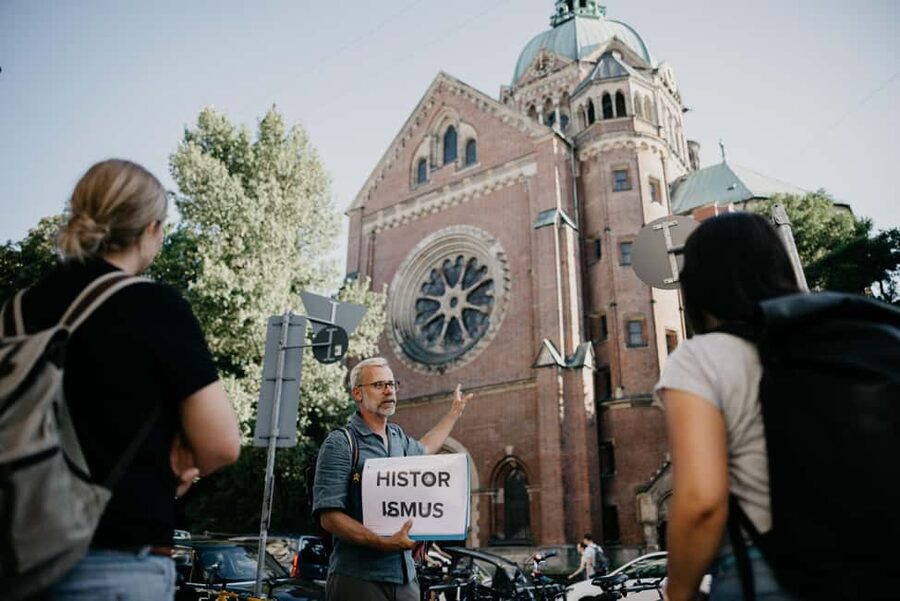
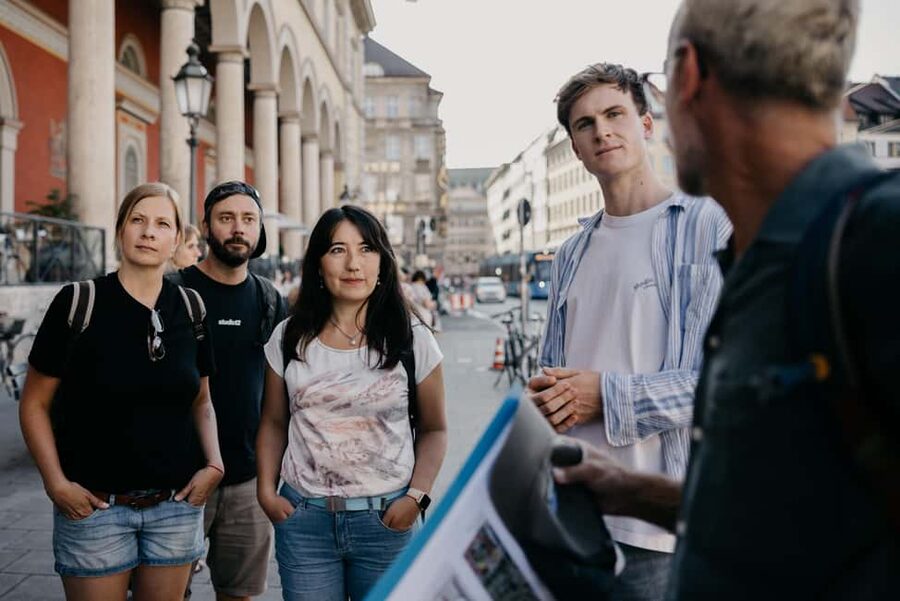
You meet outside the entrance to the Frauenkirche, at Frauenplatz 1. This is a smart starting point because you are already in the city’s visual center, so Philipp can set the timeline fast and help you understand what you are looking at. You will spot him easily, tablet slung over his shoulder.
If you are coming in by public transit, plan on getting off at Marienplatz station (S-Bahn or subway U3/U6) and walking about 10 minutes. That short approach time matters, because by the time you reach the square, you have your bearings and you are not starting tired.
From the first minutes, the tour style is clear: you are not just seeing buildings, you are learning how to read them. Philipp connects form to purpose, so each stop feels like a new page in the same book.
Weigh these Munich picks against each other
- From Munich: Neuschwanstein & Linderhof Castle Full-Day Trip
★ 4.6 · 14,646 reviews - Neuschwanstein & Linderhof Castle-Fairytale Day Tour from Munich
★ 4.5 · 7,275 reviews - Munich: Third Reich & WWII Walking Tour
★ 4.6 · 6,181 reviews
Philipp’s architect and guide approach makes the centuries click
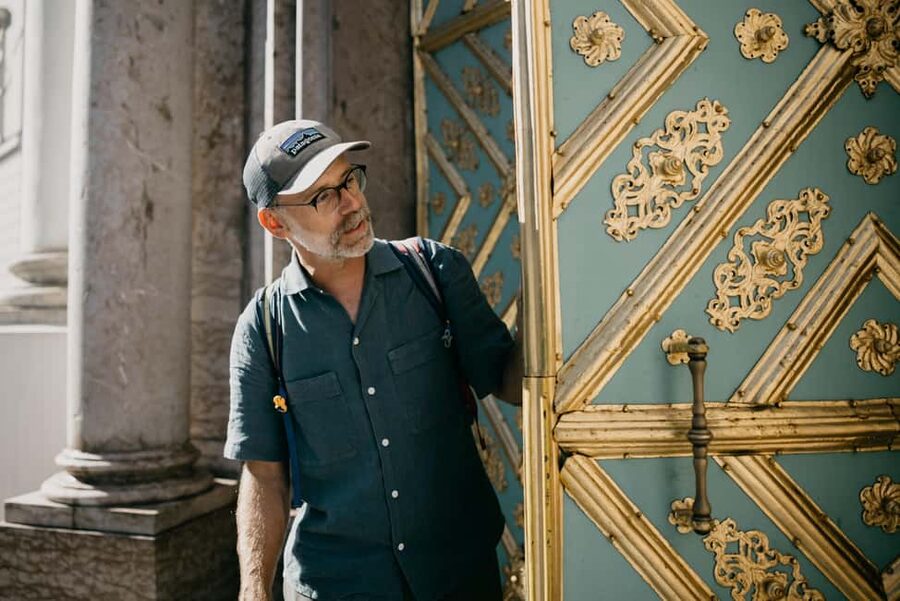
This is not a generic walking tour. Philipp is both an architect and a certified official city guide (member of MGV and BVGD), and it shows in how he explains details without getting lost in jargon. He guides in English, German, and Spanish, so you can follow comfortably even if you are not an architecture expert.
The small-group setup (max 16) keeps the conversation moving. You can ask questions as you go, and Philipp takes time to respond in a patient, personable way. That matters because architecture can feel overwhelming when you only have quick photo stops.
You also get a digital map with Philipp’s favorite Munich spots, plus a postcard gift tied to a tour highlight. I like this combo because it helps you keep exploring after the tour ends, instead of treating it as a one-off event.
Frauenkirche plus St. Michael’s Church, two anchors for the Gothic story
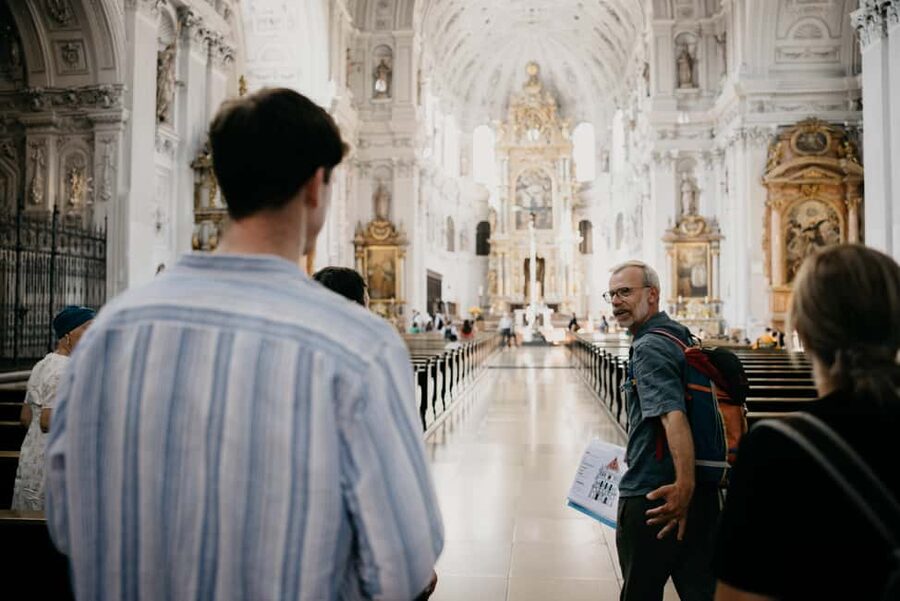
The tour begins at Munich’s Frauenkirche, a renowned gothic landmark, and it is the right choice for setting the theme of how styles evolve. Philipp uses it as a reference point, so later centuries make more sense. Instead of memorizing names, you learn what to notice: massing, church function, and why a style catches on when conditions change.
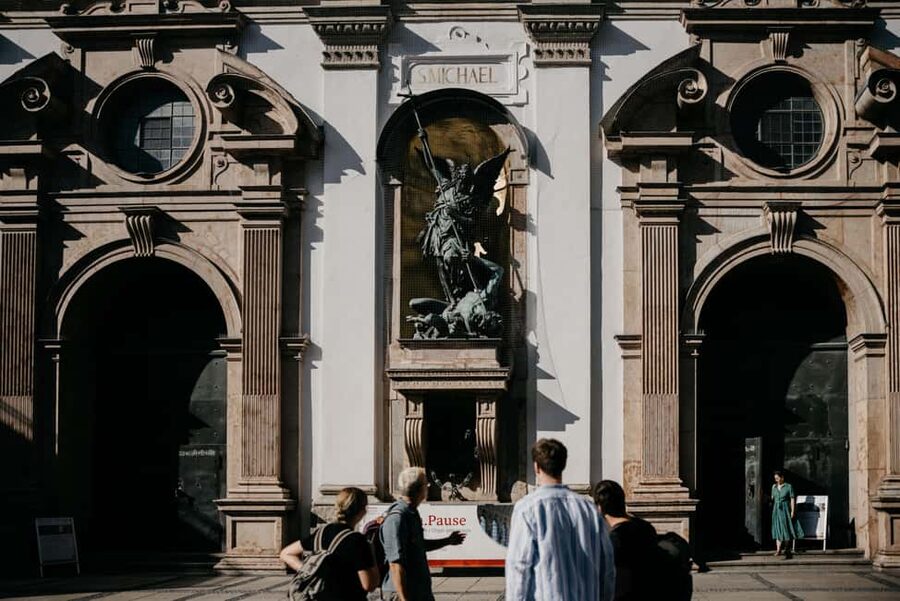
Next you visit St. Michael’s Church. This stop helps you compare how religious architecture speaks to its setting and community. Even if you have seen a lot of churches in Europe, this pairing is useful because you get a structured contrast, not a random hop from one façade to the next.
If you like tours where you leave with better eyes, this section is a good sign. You start to see how the timeline is not abstract, it is built into the streetscape.
Trinity Church and Theatine Church, where style shifts meet power and belief
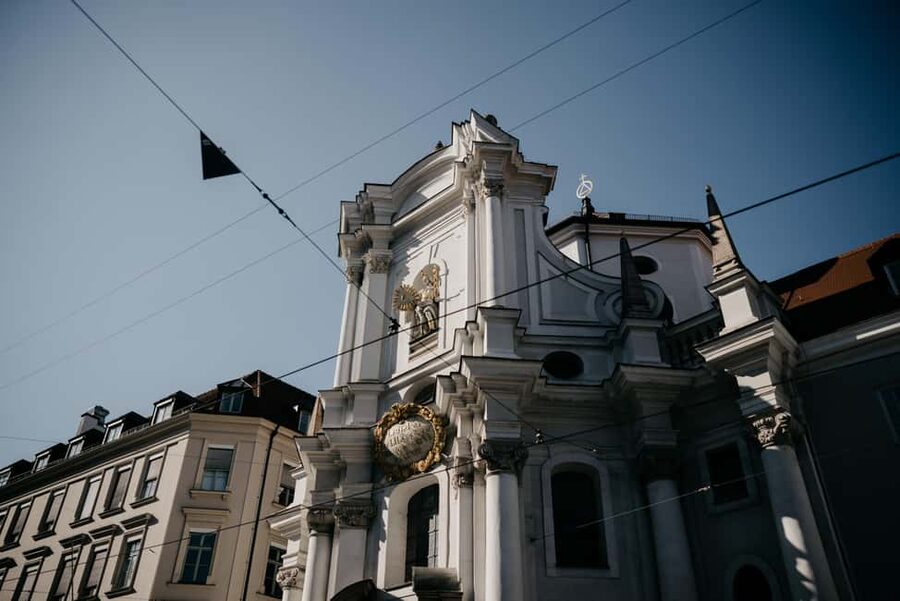
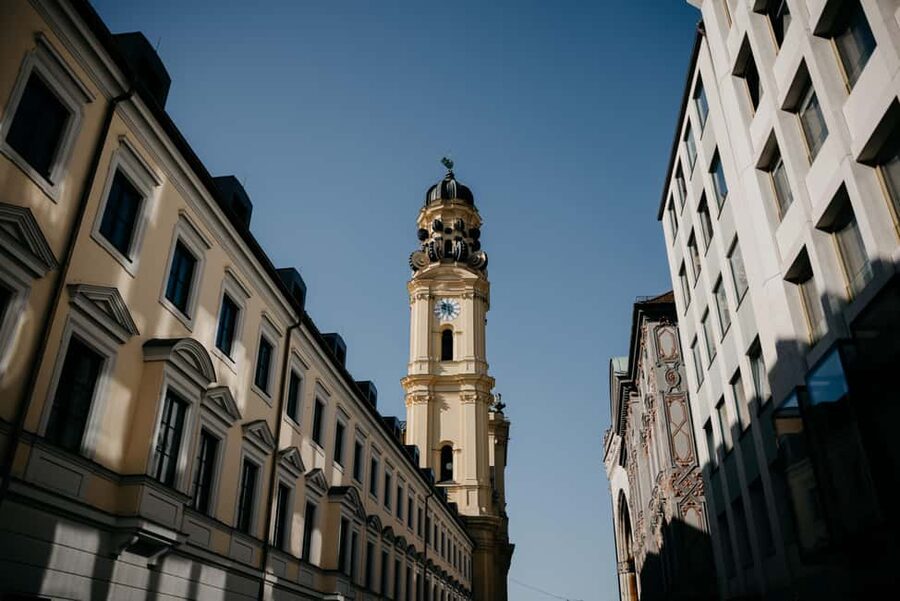
After the gothic foundations, the tour moves into other church masterpieces, including the Trinity Church and the Theatine Church. The Trinity Church visit is particularly valuable because it ties architectural language to what society wanted at the time, not just what an architect preferred. You get explanations of how influences shift when social and political conditions change.
The Theatine Church stop continues that idea. Philipp frames these churches as more than sacred spaces. They are public statements, shaped by patronage, doctrine, and the mood of the era. That is the main difference between this tour and a quick monument checklist.
I also like that you get the sense of continuity. Even when the style changes, the tour keeps returning to what buildings are doing for people: worship, status, and community identity.
Another way to spend a Munich afternoon:
- Dachau Concentration Camp Memorial Site Tour from Munich by Train
★ 4.5 · 5,637 reviews - Neuschwanstein Castle Tour from Munich
★ 4.5 · 5,117 reviews - Third Reich Walking Tour Munich
★ 4.5 · 4,291 reviews - Munich Hop-On Hop-Off Tour: 1-Day or 2-Day Ticket
★ 4.3 · 4,161 reviews
Bavarian State Opera and Maximilianstraße, architecture for public life
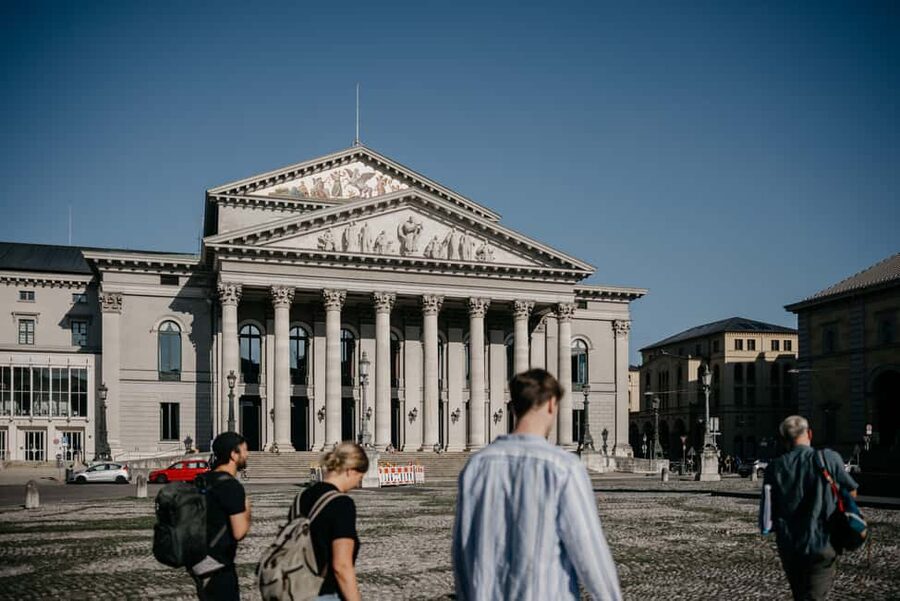
The route then connects major landmarks with the city’s planned spaces, including the Bavarian State Opera and a guided tour along Maximilianstraße. These are the kinds of buildings that help you understand how Munich planned prestige. It is architecture tied to culture and civic presence, not just religious design.
Maximilianstraße is especially helpful because streets matter. Philipp uses the corridor to explain how a city’s design affects what people see and how they move through space. When the conversation turns from façades to streets, the whole 500-year timeline becomes easier to hold in your head.
This part is also a good breather from constant church interiors. If your brain is starting to feel overloaded, the opera and street section can reset you while still staying on-theme.
St. Lukas, Müllersche Volksbad, and Sudetendeutsches Museum, Munich for everyday life
The tour includes St. Lukas, plus Müllersche Volksbad, and later the Sudetendeutsches Museum. What I like here is the balance. It is easy for architecture tours to focus only on the most famous monuments. This one keeps touching the Munich that serves normal life: institutions, public culture, and buildings with a specific social role.
Müllersche Volksbad is a standout because it signals that architecture is not only for palaces and churches. You get a chance to see how public facilities reflect what a city values about health, community, and access. That fits the tour’s broader message about social conditions shaping style.
The Sudetendeutsches Museum stop also strengthens the present-day angle. The tour’s arc goes from Romanesque to Modern, and museums help you land that point: architecture does not stop evolving once a century ends. You can also expect some modern touches along the later segments, which makes the ending feel earned rather than tacked on.
The Isar River walk brings nature, Art Nouveau, and Street Art into the timeline
One of the best practical parts of the tour is the Isar River section. You get time outdoors, with a nature reset that breaks up the heavier concentration of churches and landmark buildings. It is not just scenery, though. Philipp uses the walk to point out later layers, including Art Nouveau and Street Art elements you might otherwise miss.
This is where the tour earns its full “500 years” promise. Romanesque and Gothic are easier to recognize as eras. Modern influences can feel harder to frame until someone gives you a lens. Philipp’s explanations help you see how style shows up even in smaller, more everyday-looking details.
If you like getting photos that include context, this river section is useful. You are surrounded by a different kind of architecture, one that feels closer to daily city life.
Finish at Gasteig Dachgarten for the skyline payoff
The tour concludes at Dachgarten auf dem Gasteig, the rooftop terrace with an amazing view over Munich, weather permitting. This ending is smart because it gives you a final big-picture moment. You get to look out over the city and apply what you just learned, seeing styles as layers rather than isolated buildings.
Rooftops can change the vibe quickly when clouds roll in or it gets breezy. If the forecast looks iffy, I would still come prepared with an extra layer. You will feel like the tour culminated in a reward rather than a rushed stop.
Also, ending here helps your memory. Once you have that wide view, the earlier landmarks feel more connected, like one coherent story across centuries. It is a strong closing move for a 150-minute experience.
Value check: what you get for about $30 in 150 minutes
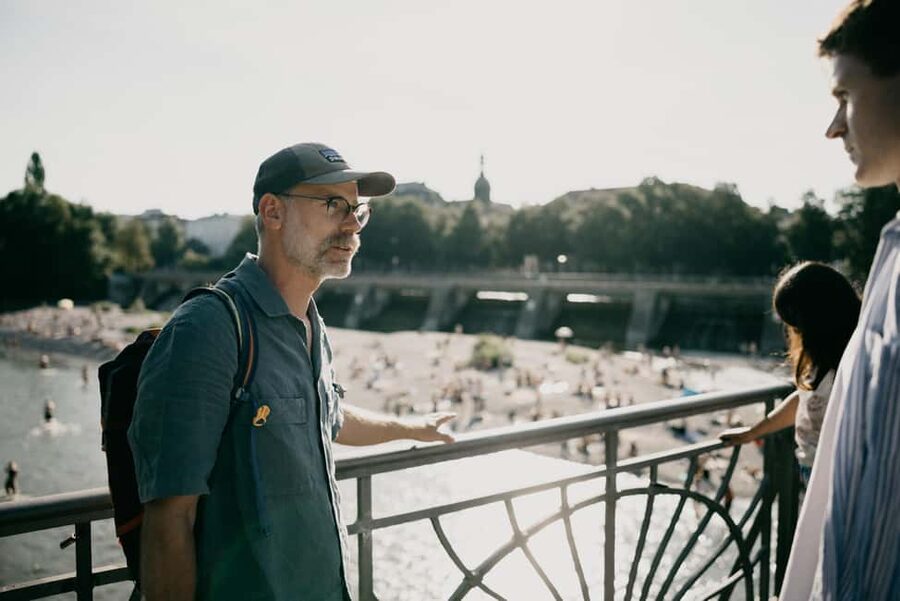
At about $30 per person for 150 minutes, the value comes from three things. First, the group stays small, max 16, which supports real conversation. Second, you get a guide who is both architect and certified city guide, so explanations are not generic. Third, you receive a postcard gift and a digital map to keep the learning going after the tour.
What is not included is important too. Food and drinks are on you, and transportation to and from the meeting point is not provided. That said, the route is designed so you can build in your own snack break nearby if you want one, instead of forcing a meal into the schedule.
If you are visiting Munich for the first time, this ticket price is easy to justify because you get structure fast. If you already know the main sights, you still benefit because the tour’s real goal is understanding why styles change, not just collecting photos.
Practical pacing, what to wear, and how to prepare your expectations
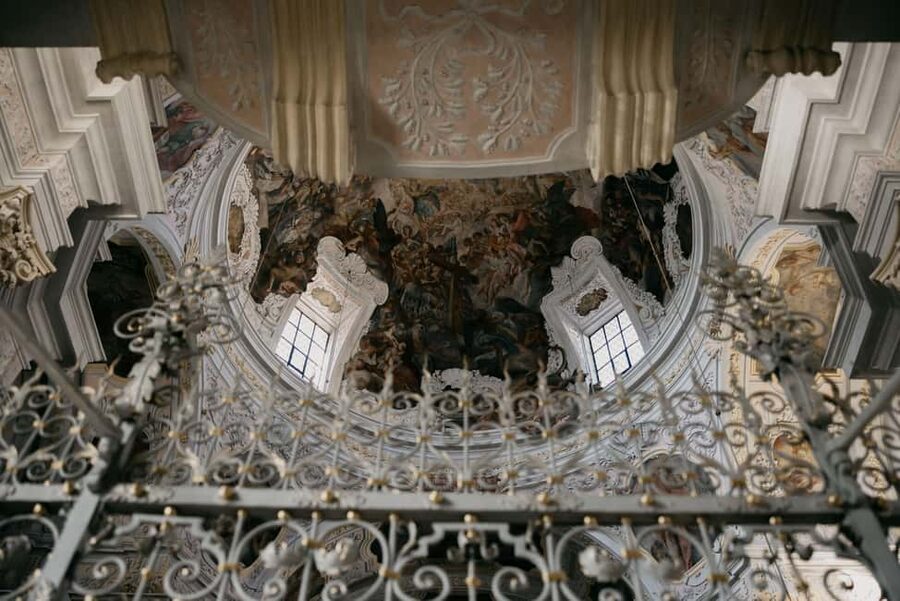
The tour lasts 150 minutes, which is long enough to cover a lot of ground, but not so long that you are stuck in one place forever. You should expect a pace that works best when you are comfortable moving between multiple stops, including church visits and an outdoor river segment.
Bring comfortable shoes, plain and simple. You will also want to keep your day flexible in your head, because the rooftop viewing is weather dependent. If you want great photos, you might aim to arrive with a bit of buffer in your own schedule, so you are not sprinting through the last part.
One policy note: smoking is not allowed, and participation is at your own risk. Nothing here is unusual for city walking tours, but it is worth keeping in mind so there are no surprises on the day.
Who should book this architecture-focused Munich walk
This is a great fit if you like architecture explanations that connect buildings to people. You will probably enjoy the tour most if you care about how Munich evolved from Romanesque roots through Gothic, Baroque, early Rococo, Neoclassical, Historicism, and finally Modern influences.
It is also a smart choice for first-time visitors who want a structured orientation without doing a full-day marathon. The ending rooftop view gives you that satisfying sense of place. Plus, the tour is described as family-friendly, so it can work for mixed-age groups who can handle walking.
Language options are broad: English, German, and Spanish. And if you want a tailored experience, a private group option is available.
Should you book this 500 Years of Munich Architecture tour?
Book it if you want a guided route that helps you see Munich as a timeline. The combination of Philipp’s architect background, a small group size, and a route that links churches, civic buildings, the Isar area, and the Gasteig rooftop makes it feel like you are learning how the city thinks.
Skip it or choose another format if you need wheelchair access or mobility-friendly routing, because this one is not suitable for wheelchair users or mobility impairments. Also think about your day if the weather looks rough for rooftop views, since the skyline finale is weather dependent.
If you show up with comfortable shoes and a curious mindset, you are likely to leave with a clearer eye for details you would otherwise walk past.
FAQ
How long is the tour?
The tour duration is 150 minutes.
What is the group size?
It is a small-group experience with a maximum of 16 guests.
Where do we meet?
You meet outside, right in front of the entrance to the Frauenkirche cathedral at Frauenplatz 1.
Which languages are available?
The tour is offered in English, German, and Spanish.
What is included in the price?
The tour includes Philipp as your local architect and certified city guide, a postcard gift featuring a tour highlight, exclusive insights into architectural spots, and a digital map with Philipp’s favorite Munich spots.
Is food, drinks, or transportation included?
Food and drinks are not included, and transportation to and from the meeting point is also not included.
Is the tour suitable for wheelchair users or people with mobility impairments?
No, it is not suitable for people with mobility impairments or wheelchair users.
Fresh reviews out of Munich
- Munich: Bulli Tour★ 5.0 · 9 reviews
- Neuschwanstein Castle Small-Group Guided Day Trip from Munich★ 5.0 · 9 reviews
- Private Day Trip from Munich to Eagle’s Nest and Hallstatt★ 4.5 · 9 reviews
- Munich: Highlights Walking Tour with a Guide★ 4.4 · 9 reviews
- From Munich: Private Guided Tour to Rothenburg ob der Tauber★ 5.0 · 9 reviews
- Private and full rickshaw tour in the English Garden★ 4.5 · 10 reviews
- Exploring Munich by Pedicab: Premium Two Hour Tour★ 5.0 · 10 reviews
- Segway Tour Munich Old Town 3 hours★ 4.5 · 10 reviews
Munich Tours, compared.
Neuschwanstein & Linderhof Castle Full-Day Trip
Read our review →
Neuschwanstein & Linderhof Castle-Fairytale Day Tour from Munich
Read our review →
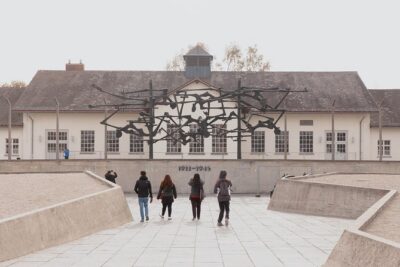
Dachau Concentration Camp Memorial Site Tour from Munich by Train
Read our review →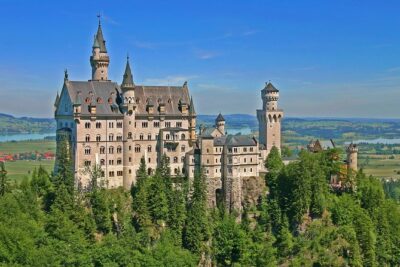
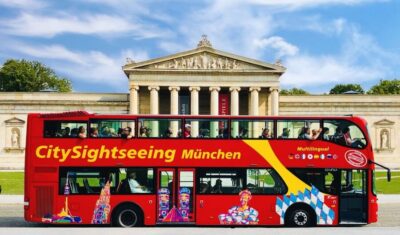
Munich Hop-On Hop-Off Tour: 1-Day or 2-Day Ticket
Read our review →