
Reviewed · BAMBERG TOURS
Witch Trials in Bamberg
Bamberg’s witch hunt story is interesting because it pulls you out of the usual history-book mode and drops you into the streets, buildings, and prison sites where fear took over. I especially like how the tour focuses on Lochgefängnisse and other real places tied to persecution, not just rumors. I also like that it tackles the witch hunt myths head-on, showing that accusations could hit men and women across social classes. The main drawback is simple: this is a heavy topic, and the tour is in German.
You’ll start on the cathedral square near the Alte Hofhaltung, then work your way through the old-town maze with a guide from Geschichte Für Alle e.V. Along the route, you get guided stops that connect Bamberg to the wider picture of witch hunts in the region, including Nuremberg. One thing to consider is timing and weather, because the walk happens outdoors for about 1.5 hours.
Key Points You’ll Actually Use
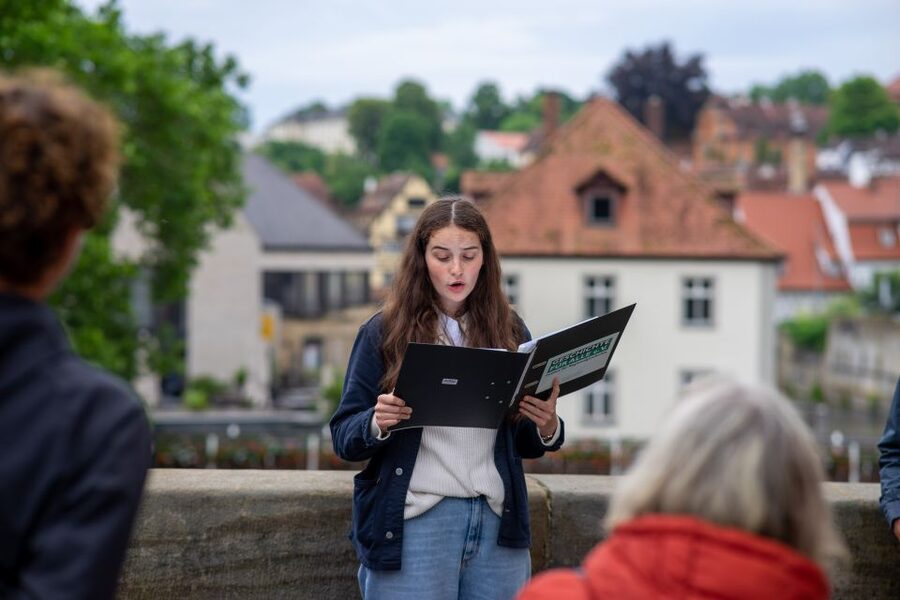
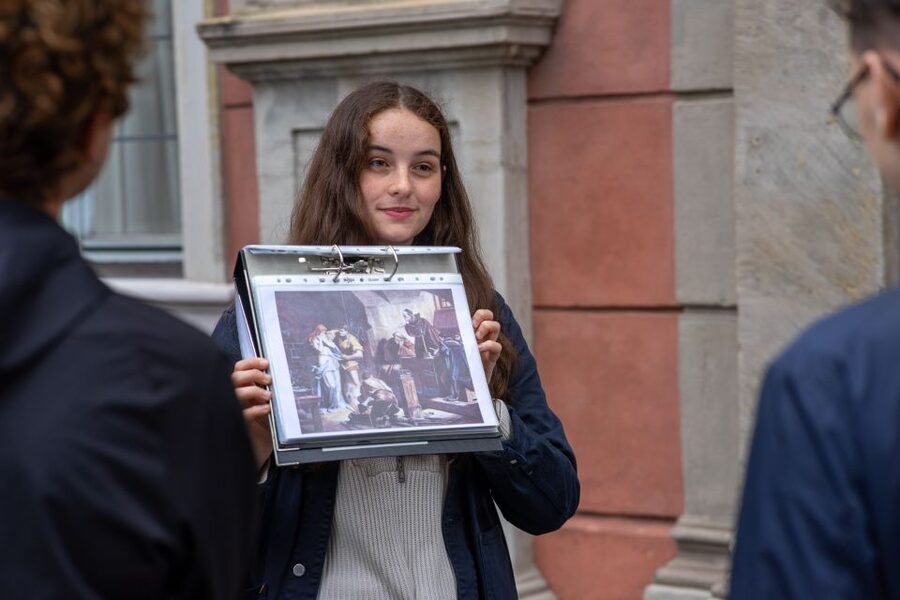
- Meet at Domplatz in front of Alte Hofhaltung, with the guide holding a picture folder and wearing a Geschichte Für Alle e.V. name tag
- Lochgefängnisse and Trudenhaus come into focus, so you understand how imprisonment shaped the terror
- Old Court Bamberg and nearby stops show how local power and suspicion fit together
- Geyerswörth Palace adds a palace-and-authority contrast to the darker prison theme
- You’ll end at Malefiz-Haus von 1627 to ca. 1650, tying the story to a specific historical site
- The route is short-walk friendly, with brief on-foot stretches between guided parts
What Makes This Witch Trials Walk Different
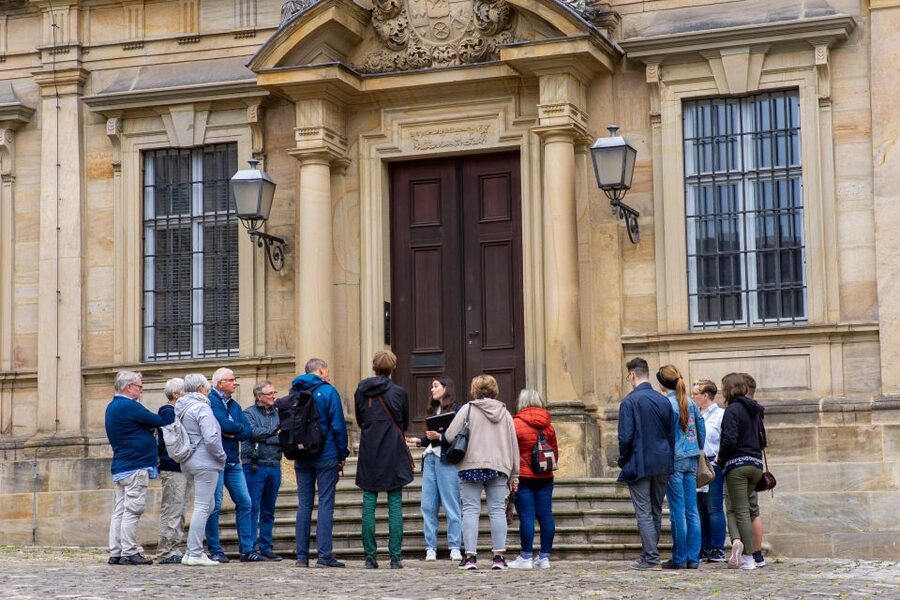
This tour is built around the idea that witch hunts were not some fantasy play performed only in distant villages. In Bamberg, it was a 17th-century reality that could swallow whole families, and it went far beyond the cliché of only the stereotypical outsider. The story you hear is blunt in a practical way: accusations could target people from different social groups, including those close to power.
I like that the tour keeps returning to places. You are not just memorizing dates. You are learning where key events and institutions sat in the city, and how the city’s layout helps explain what happened.
And yes, the subject is dark. You are going to hear about a prison system and the fate of those sent into the Trudenhaus. If you prefer cheerful history, this is not that. If you want honest local history, it’s a solid use of 1.5 hours.
Weigh these Bamberg picks against each other
- Bamberg: Guided Walking Tour
★ 4.6 · 3,202 reviews - Bamberg: Guided Beer History Tour with Optional Tasting
★ 4.6 · 772 reviews - Bamberg: City Highlights Walking Tour
★ 4.6 · 679 reviews
Price and Timing: The Value of 1.5 Hours
At $15 per person for a 1.5-hour guided walk, this is priced like a short city experience rather than a long museum day. That matters, because you can fit it between sightseeing blocks without losing half your day.
You also get guided time at several stops, not just a quick “here’s the story” and move on. The pacing is designed around short walking segments between guided sections. That usually means you can keep up even if you are not a marathon walker, as long as you are comfortable with cobbled old-town streets and some time outside.
One more value point: the tour is wheelchair accessible. Even with old alleys, this accessibility detail is worth knowing upfront.
Where You Meet: Domplatz and Alte Hofhaltung

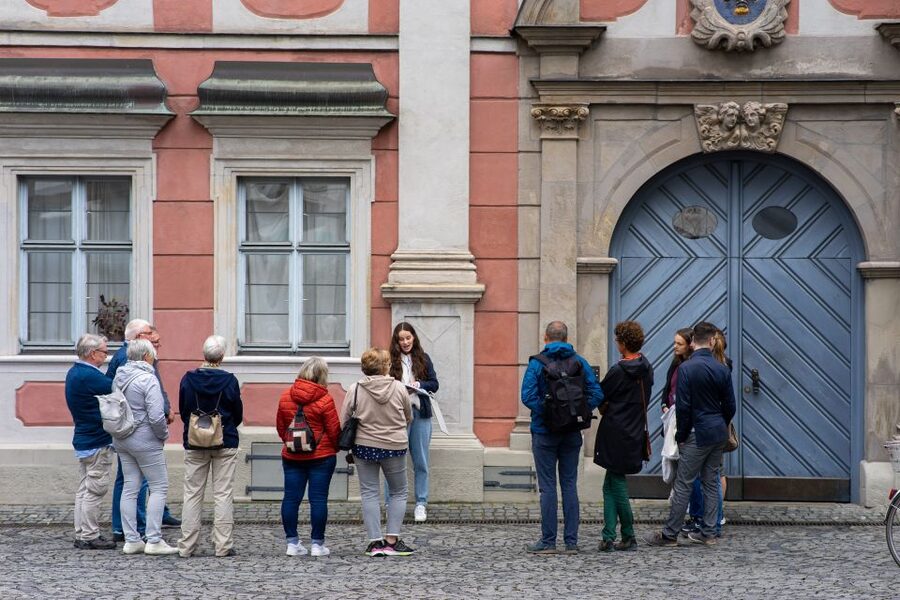
You’ll meet on the cathedral square, Domplatz, in front of the entrance to the Alte Hofhaltung. The guide is easy to spot: they hold a picture folder and wear a name tag that says Geschichte Für Alle e.V.
This setup is useful for first-timers. Domplatz is a clear landmark, and having a specific meeting point avoids that awkward “are we in the right place?” moment. If you’re arriving from the river or the old-town center, give yourself a little buffer to find the exact entrance on the square.
Starting the Story at Schöne Pforte
After the meeting on Domplatz, the walk begins at Schöne Pforte. Even without getting into theatrical details, starting at a recognizable city threshold helps you frame what you’re about to hear. You’re stepping into a part of Bamberg where the old town still communicates “this is where daily life happened,” not just “this is where history is stored.”
Think of the early minutes as orientation. You’re not yet trapped in the deepest prison material. You’re being guided into the city’s logic: where people would have moved, where authority would have mattered, and how the hunt could connect to local structures.
Another way to spend a Bamberg afternoon:
- Bamberg: Guided Historical Culinary Tour
★ 4.6 · 461 reviews - Bamberg: Immersive Medieval Tour
★ 4.7 · 232 reviews - Bamberg: Self-Guided BierSchmecker® Tour
★ 4.5 · 187 reviews - Bamberg: Beer & Brewery Tour – 2 Hour – English Or German
★ 5.0 · 150 reviews
Old Court Bamberg: How Accusations Fit Local Life
One of the guided sections is the Old Court Bamberg. This is where the theme shifts from walking and atmosphere to how persecution operated in practice. Courts and local authority are the backbone of stories like this because they turn fear into procedure.
This part is especially valuable if you want to understand the difference between myth and mechanism. Witch hunts weren’t only about belief in magic. They were about power, claims, and the terrifying momentum of an official process.
If you’ve ever wondered why cities allow rumors to become sentences, this is the zone where the explanation clicks. You’ll also see how the city’s history continues to shape its memory, not just its architecture.
The “Hidden Clues” Walk: Reading Bamberg Like a Crime Scene
Between guided stops, you’re given on-foot stretches that keep you moving through the old alleys. The goal is not “look around and guess.” It’s more like: learn to spot the clues that point to the witch hunt story.
This is one of the tour’s smartest teaching methods. Instead of dumping information in one place, it spreads key ideas across the route. The city becomes the classroom. You start recognizing how small features, street patterns, and nearby landmarks can reinforce the narrative.
I like this format because it keeps the experience active. You are not stuck listening the whole time. You are walking, thinking, and then checking your understanding at the next guided stop.
Geyerswörth Palace: Power, Setting, and Contrast
Geyerswörth Palace is another guided highlight. Adding a palace stop to a witch trials story creates a powerful contrast: authority and status on one side, persecution and imprisonment on the other.
This part helps you connect individuals and institutions. When the tour talks about victims coming from different social classes, including people from positions of influence, it makes more sense once you stand near sites associated with prestige.
If you are someone who learns best through contrast, you’ll appreciate this stop. It’s easier to grasp how a community could both admire status and still turn on neighbors when fear took hold.
Lochgefängnisse and the Medieval Prison Reality
The tour specifically calls out the medieval prison called Lochgefängnisse. This is one of the most important concepts to understand on the walk. A prison is not just a backdrop. It is the machine that turns accusation into lasting harm.
You’ll hear about how the persecution unfolded in Bamberg and why anyone who ended up in the Trudenhaus faced a grim outcome. The tour frames this in terms of real people and real consequences, which is exactly what you want from a place-based experience.
Even if you already know the basics of witch hunts, this stop gives the story weight. The message is not “this happened long ago,” but “this was a local system, and it did real damage.”
Connecting the Dots to Nuremberg
Another highlight is learning the history of witch hunts in Nuremberg. That matters because witch hunts did not stay behind city walls. Fear and procedure traveled, and local events echoed wider patterns.
Including Nuremberg helps you avoid a narrow, “Bamberg invented it” way of thinking. Instead, you start seeing the region’s shared mindset and the way accusations could ride a broader current.
I find that regional context makes the emotional impact more precise. You can mourn the victims without being trapped in confusion about how it spread.
Finishing at Malefiz-Haus (1627 to ca. 1650)
The tour ends at Standort des Malefiz-Haus von 1627 – ca. 1650. Ending at a specific site is useful because it gives the story a physical landing point. You are not left with a vague ending. You finish knowing where the narrative culminates.
This final stop also reinforces that witch hunts were not an abstract “sometime in the 1600s.” You are pointed to a historical anchor tied to the city’s darker chapter.
If you’re taking photos, this is often the moment where you’ll want to slow down and look carefully. The ending location is where the whole route makes more sense in one glance.
What the Guide Brings to the Experience
A big part of why this tour works is the way it’s explained. The guidance style focuses on answering questions clearly and giving context so you can keep up. You’re not just walking through stops, you’re learning what those stops mean.
The tour also emphasizes that clichés about witch hunts are wrong. It highlights that the persecution extended beyond one stereotype, and it mentions that even people up to mayors could be affected. That type of correction is exactly why a guided story beats reading a sign.
If you like asking questions, this is a good format. You’ll likely find yourself wanting to clarify details, and the tour is set up so you can do that.
Who This Tour Is Best For (and Who Might Want to Skip)
This tour is ideal for you if you like history that connects directly to a city’s streets. You’ll enjoy it more if you’re the type who likes to understand cause and effect, and you don’t mind serious topics.
You might want to think twice if you need lighthearted sightseeing only, since the tour centers on persecution, imprisonment, and fear. Also, the live guide language is German, so if you do not read or understand German well, you may have a harder time following every detail.
If you do speak some German or you’re comfortable with listening-based tours, you’ll get more out of the guided explanations and the connections to Nuremberg.
Practical Tips So You Enjoy It More
- Dress for cold if you’re going in cooler months. The walk is outdoors and you’ll spend time moving between stops.
- Wear shoes that handle old-town streets. Bamberg’s charm often comes with uneven surfaces.
- Bring your curiosity. The tour includes hidden clues, so you’ll get better results by actively looking rather than passively sightseeing.
- If you are traveling in a bigger group of 10 or more, you can contact [email protected] for group arrangements. That can help if you want a more tailored schedule.
Should You Book Witch Trials in Bamberg?
Book it if you want local history that feels tangible. This is a short, well paced walk that uses Bamberg’s real landmarks to explain how witch hunts operated and how they were tied to broader regional stories like Nuremberg.
Skip it if you prefer cheerful content, or if you need a fully English experience. Also, go in with the right expectations: this is meant to be informative and unsettling in parts, not entertaining in a casual way.
For the $15 price point, you’re getting a guided history focused on meaningful places, not just a general city stroll. If that’s your style, it’s a strong choice for your Bamberg day.
FAQ
How long is the Witch Trials in Bamberg tour?
It lasts about 1.5 hours.
How much does the tour cost?
The price is $15 per person.
Where do I meet the guide?
Meet on Domplatz in front of the entrance to the Alte Hofhaltung. The guide holds a picture folder and wears a name tag that says Geschichte Für Alle e.V.
What language is the tour in?
The live guided tour is in German.
Is the tour wheelchair accessible?
Yes, the tour is wheelchair accessible.
Can I reserve and pay later?
Yes, you can reserve your spot and pay later.
What is the cancellation policy?
Free cancellation is available up to 24 hours in advance for a full refund.
Fresh reviews out of Bamberg
- Bamberg: Outdoor escape game with puzzle backpack★ 4.7 · 53 reviews
- Bamberg: Guided Historical Culinary Tour★ 4.6 · 461 reviews
- Bamberg: Where Hollywood dreams and movies are born★ 4.5 · 26 reviews
- Bamberg: Self-Guided BierSchmecker® Tour★ 4.5 · 187 reviews
- Bamberg: Altenburg Burg Tour★ 4.1 · 10 reviews
- Bamberg: Guided Walking Tour★ 4.6 · 3,202 reviews
- Bamberg: Bar & Club Tour with free Shots & VIP entry★ 4.5 · 25 reviews
- Bamberg: Beer & Brewery Tour – 2 Hour – English Or German★ 5.0 · 150 reviews
Bamberg Tours, compared.


Beer & Brewery Tour – 2 Hour – English Or German
Read our review →
Browse the lists this tour appears in