
Reviewed · WINE TOURS
Winetasting with tour through the winery
This experience is interesting because it ties the story of wine to the exact spaces where it happens, from the cellar to the glass. You’ll get a guided walk through the winemaking process, then a tasting focused on what you can actually smell and taste. It is also well run, with a strong overall rating of 4.8 from 74 reviews.
I especially like two things. First, the cellar visit is practical, so you see where the wine ferments instead of only hearing theory. Second, the tasting is guided by the winemaker’s explanations, with help decoding terms like fruity and mineral.
One drawback to plan around: the tour is in German, and it is not suitable for children under 16 or for pregnant women. If you do not speak German, you might still catch a lot, but you will miss the best part.
Key points before you go
- Cellar tour first, then you taste, so the process makes instant sense
- Vineyard work explained, not just wine descriptions on a label
- 5 Mosel wines covered in detail, using plain language for wine aromas
- Ask questions directly during the tasting, so you can personalize what you learn
- Lively guidance, with at least one guide (Lukas) described as fun and entertaining
Why a Mosel cellar tour beats a quick pour
If you’ve ever done a tasting where everyone swirls and smiles but nobody really explains the why, this tour feels more grounded. You’re not just buying drinks. You’re learning a working chain: vineyard work, fermentation, then how those choices show up in a bottle.
In the Mosel valley, wine often carries a strong sense of place. What you’ll practice here is noticing how the winemaker translates that place into flavors and aromas. The tasting focuses on specific descriptive directions, including Riesling aromas, plus how guests interpret wood influence and mineral character.
And because this is a 2-hour format with a guided sequence, you do not have to bounce between stops or guess what matters most. The structure is built to keep your attention. People also describe the session as never boring, which makes a difference when you are paying for time at the winery.
Weingut Gerhard und Christel Trossen, and how the 2-hour flow works
You start at Weingut Gerhard und Christel Trossen. From there, you are guided through the winery in a way that makes the pace feel manageable.
The timing is straightforward:
- A 40-minute guided tour through the winery spaces
- Then an 80-minute tasting of five Mosel wines
That split matters. The tour gives you context you can carry into the tasting. If you only did the tasting, you’d spend mental energy trying to guess what you were looking at. If you only did the tour, you’d miss the payoff, the moment where explanations turn into something you can compare side by side.
Inside the cellar for 40 minutes, where fermentation becomes real
The first major stop is the winery tour. You’ll start with a short introduction to the winery and the people behind it, then move into spaces where the wine is made.
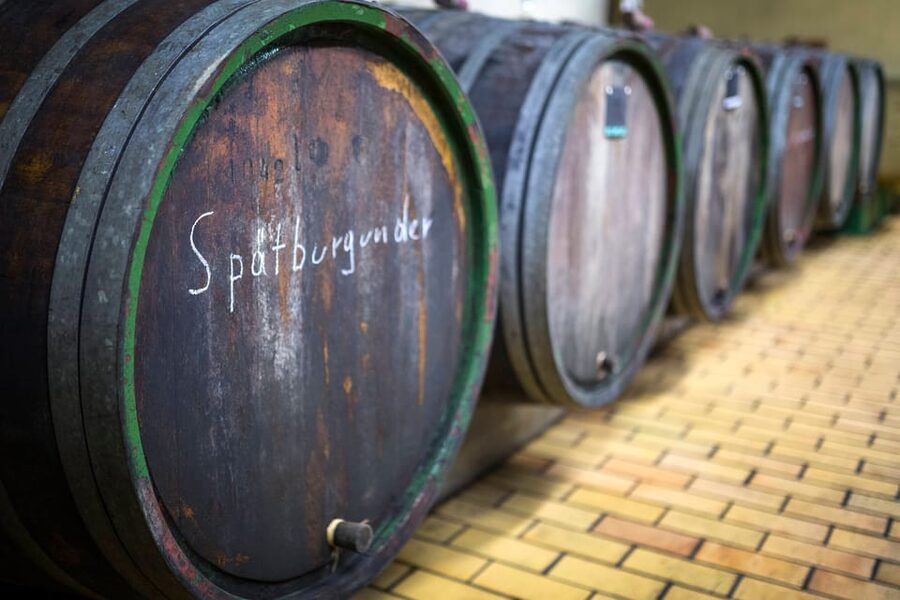
This is where the experience becomes tangible. You get to look around the wine cellar and see where the wine ferments. That part is valuable because it turns the word fermentation from a vague concept into a real stage of the process. Once you see that step, it is easier to understand why the winemaker talks about aroma and style the way they do.
It’s also a chance to notice details you might normally overlook. Even if you are not a wine nerd, you can still connect what you see with what you smell later. For example, when the tasting focuses on things like fruit and mineral impressions, you are prepared to think about how the process affects the final wine.
Practical note: cellar areas can feel cooler and dimmer than other parts of the winery. Dress for that shift so you feel comfortable while you listen.
Vineyard work explained, using the winemaker’s year in words and pictures
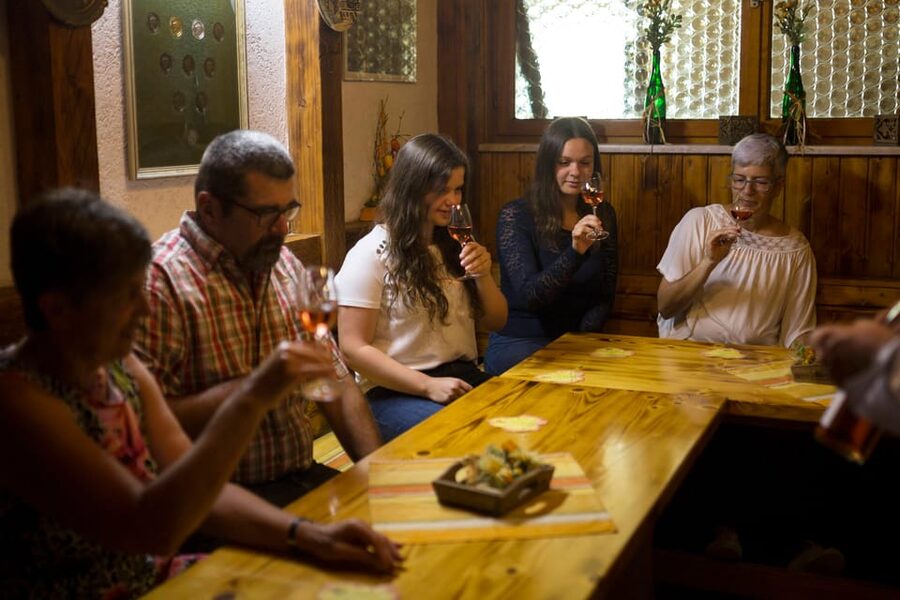
After the cellar, the experience continues with a guided explanation of the winemaker’s year. You’ll hear the story through words and pictures, which helps if you learn visually, or if you simply want a clearer overview than a spoken lecture alone.
The tour doesn’t treat vineyard work as trivia. It frames vineyard effort as part of what later shows up in the glass. That is what you want, because wine descriptions start to make sense once you connect them to decisions made earlier.
A big plus here is the tone. The session encourages questions. You are not being tested with a quiz at the end. You get to ask directly, and you can get answers right from the winemaker, which is rare in tours that feel scripted.
And yes, it can be fun. Multiple accounts highlight a guide who kept the mood light while still teaching well. That combo is perfect for first-timers, because you feel comfortable asking the basic questions.
The tasting of 5 Mosel wines, and how to read the tasting notes
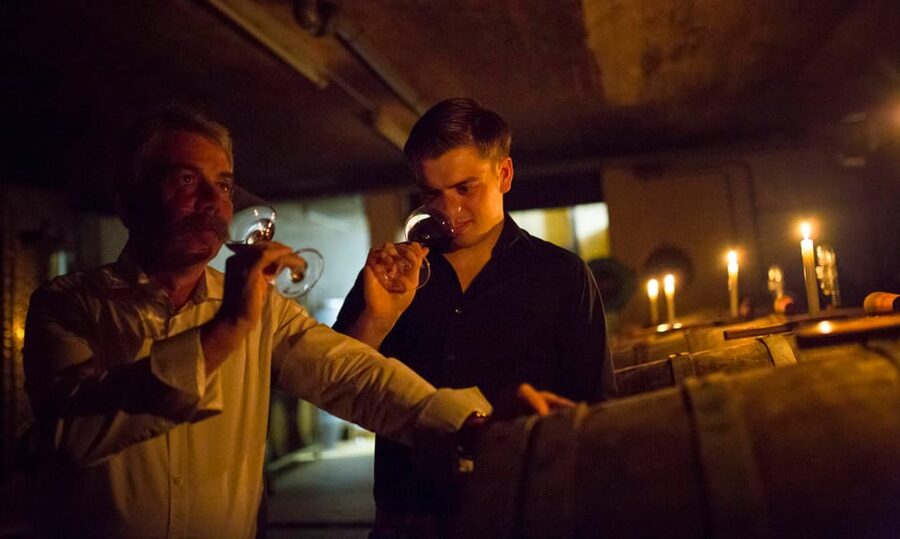
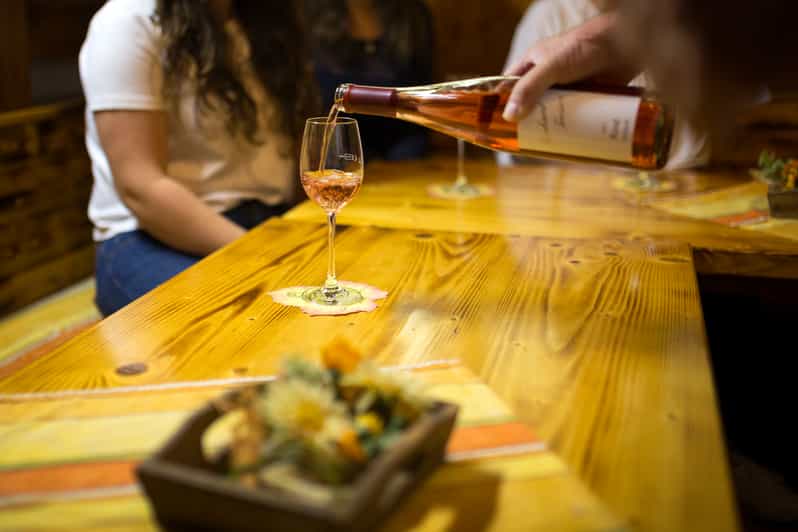
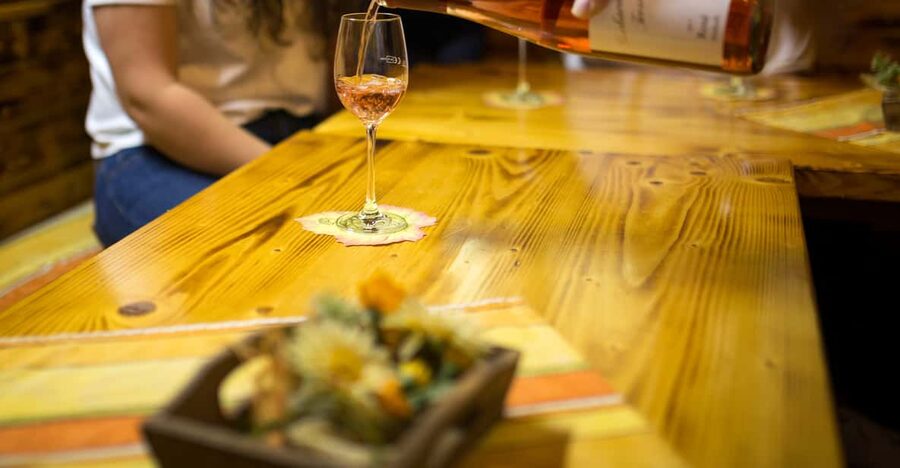
Now comes the best part, the moment where everything either clicks or it doesn’t. You’ll taste five Mosel wines from the winery’s range, with a guided walk through what the winemaker means when describing different styles.
The key is that the tour focuses on translation. Instead of throwing around descriptive words, the guide explains what those words mean and how they show up in the wine. You get language for what you are tasting, like:
- Fruity impressions
- Mineral character
- Wood influence
- Characteristic Riesling aromas
You’ll also learn how to think while you taste. Try tasting in comparison, not in isolation. Each pour becomes easier to understand when you already have a sense of what the previous wine did. This is why the tasting works better than a random “try whatever” flight.
A tip for your own tasting brain: if you feel confused by wine words, treat them as guesses you can test. For instance, when you hear mineral, pay attention to the wine’s feel and finish, not just whether it tastes sweet or not. When you hear wood influence, look for signs of texture or a more rounded, structured impression. You can refine your own vocabulary as the winemaker explains.
Also, the tasting is long enough to make real comparisons. With 80 minutes for five wines, you are not rushed into a “sip and move on” rhythm. That gives you time to slow down and actually learn something, even if your wine experience is limited.
Price and value: is $16 worth 2 hours of cellar plus tasting?
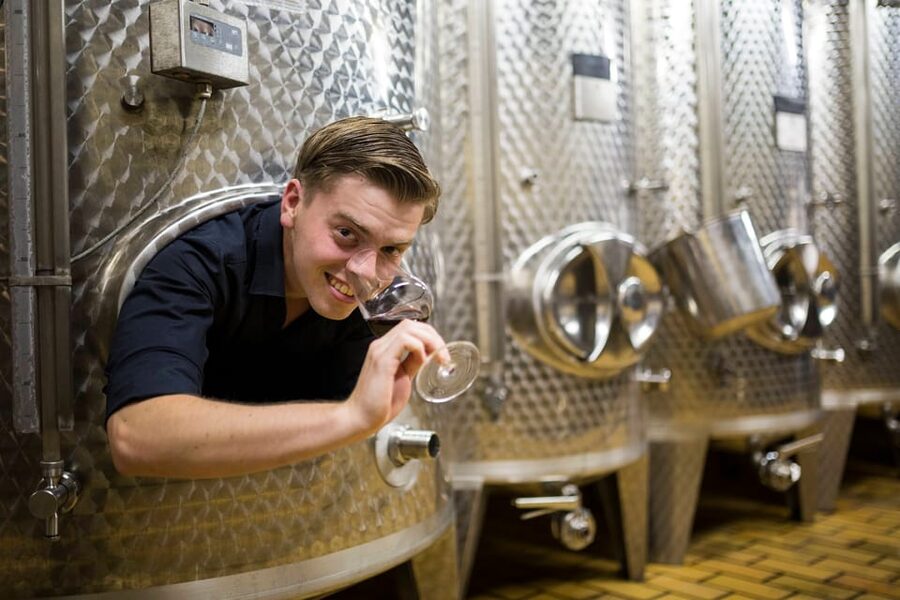
At $16 per person for a 2-hour experience, this is priced like a good deal, especially because you get both parts that many tours separate. You are paying for:
- A guided tour through the winery and cellar
- A guided tasting of five Mosel wines
- Explanations about vineyard work and winemaking choices
- Direct Q and A opportunities
What makes the value feel real is the payoff loop. You see fermentation, then you taste wines where those stages connect to aroma and style. That kind of “see it, then taste it” learning is hard to beat for the money.
Could you do cheaper tastings? Sure, some places offer smaller pours or fewer wines. But the combination here, cellar tour plus a structured flight with explanations, makes it more than a basic snack-and-sip stop. If you want to understand Mosel Riesling language, this is one of the most cost-efficient ways to get it.
Who should book this, and who should skip it
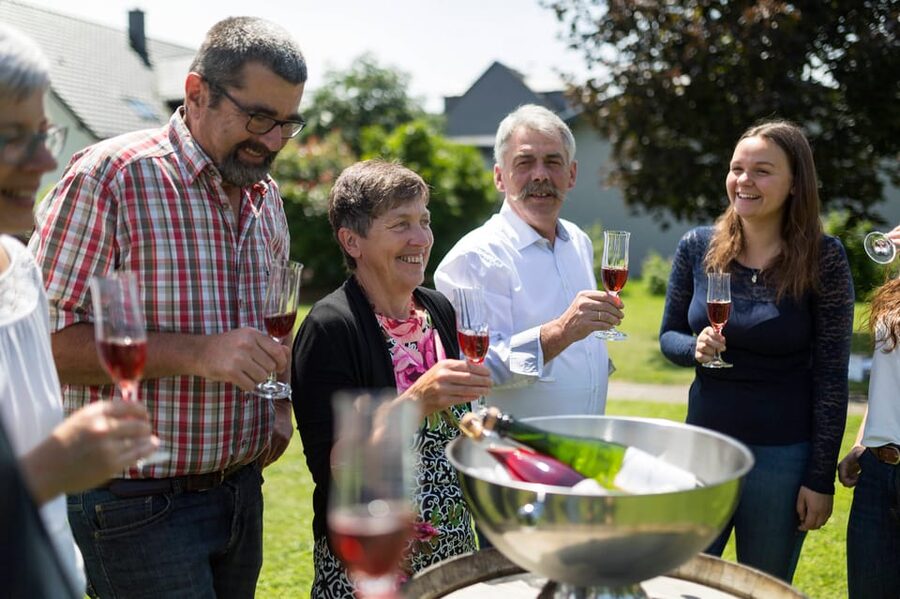
This tour is a smart fit if you:
- Want a practical, guided learning experience
- Like Riesling-focused conversations and want help decoding the typical terms
- Enjoy asking questions and getting answers right away
- Prefer a structured tasting over a chaotic free-for-all
It is not suitable for children under 16, and it is not recommended for pregnant women. Those limits matter, so check your group before you book.
Language is another decision point. The live tour guide speaks German. If you speak only basic German, you may still understand the tasting flow, but you will likely miss more of the deeper explanations. If you want the full value, plan for at least some comfort with German listening.
Tips so you get the most from the winemaker’s explanations
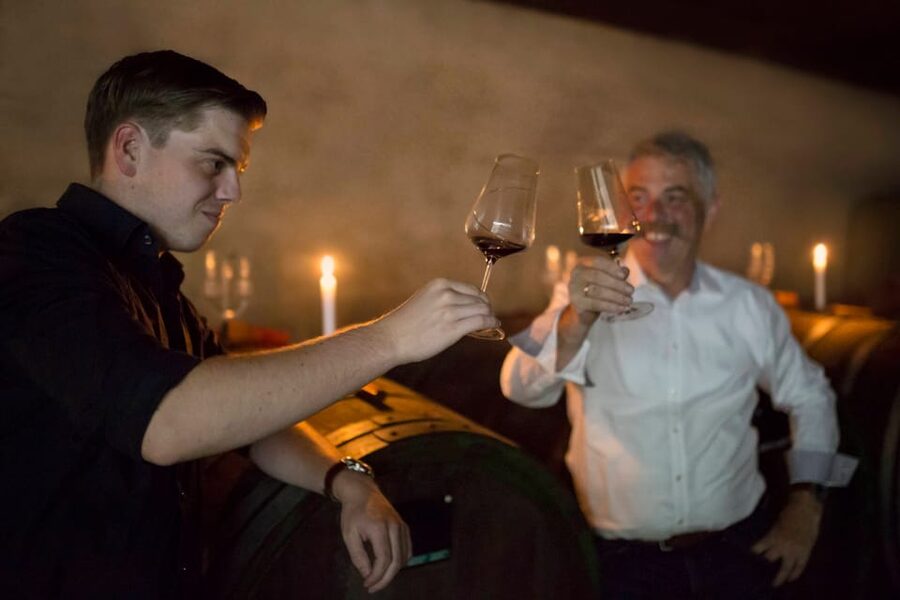
This kind of tour rewards a small amount of preparation. Here’s what I’d do to get the most out of it:
- Show up with one or two questions ready. If you are curious about why a wine tastes mineral or how wood influence appears, ask early.
- Take notes during the cellar tour, even short notes. Words you hear underground will make the tasting easier to understand later.
- Pace yourself during the tasting. The tour gives you enough time to compare, so let the comparison do the work instead of trying to “finish fast.”
If you are new to Mosel wine, you do not need to pretend you know what everything means. The whole point here is that the guide helps you interpret the language.
Should you book this tour at Weingut Gerhard Trossen?
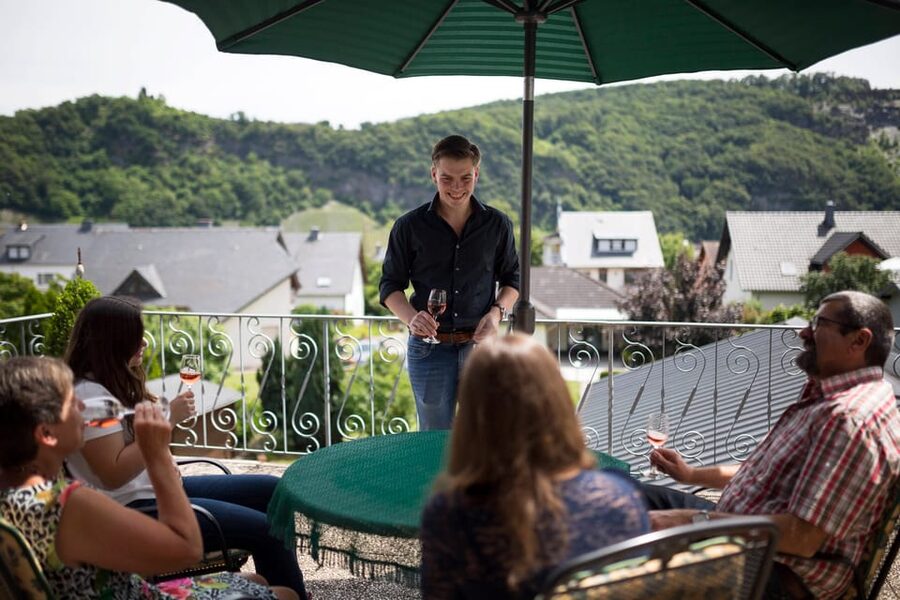
Book it if you want a cellar-to-glass experience with real explanations and a tasting flight of five Mosel wines. The best reason to go is how the tour teaches you to connect vineyard and fermentation to what you smell and taste. At this price point, you’re not paying for a vague wine chat.
Skip it if you cannot do a German-led experience, or if your group includes someone under 16, or if there is anyone who should not take part for pregnancy reasons. Also, if you only want a quick casual sip without learning, a 2-hour guided format may feel longer than you prefer.
If you like structure, ask questions, and you want Mosel wine tasting to make sense in your own language, this is a very solid choice.
FAQ
How long is the wine tasting tour?
The total duration is 2 hours.
What does the tour include?
It includes a guided tour through the winery and a wine tasting of 5 Mosel wines.
Where does the tour start?
It starts at Weingut Gerhard und Christel Trossen.
What happens during the winery tour?
You’ll get a guided visit to the winery, including time in the wine cellar to see where the wine ferments.
How long is the guided tour part?
The guided tour through the winery is 40 minutes.
How long is the wine tasting part?
The wine tasting lasts 80 minutes.
What wines are tasted?
You’ll taste five Mosel wines from the winery’s range, with discussion of Riesling aromas and terms like fruity, mineral, and wood influence.
What language is the tour guide?
The live tour guide speaks German.
Is it suitable for children or pregnant women?
It is not suitable for children under 16 years and not suitable for pregnant women.
Is the tour wheelchair accessible?
Yes, the tour is wheelchair accessible.
More Wine Tastings in Krov
- Trier: Guided City Walk with Wine Tasting
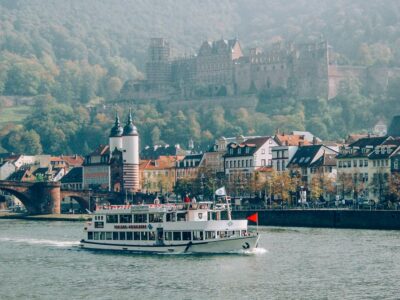
★ 4.8 · 979 reviews - Hamburg: Harbor Cruise with Wine and Cheese
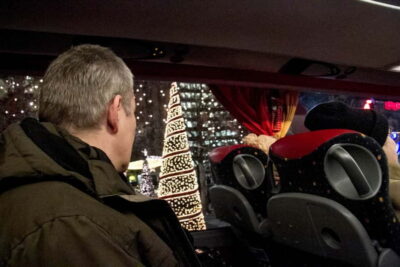
★ 4.7 · 795 reviews - Berlin: 2-Hour Christmas Lights Bus Tour incl. Mulled Wine
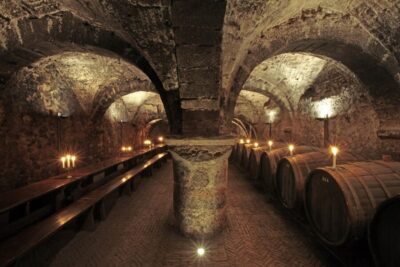
★ 4.1 · 233 reviews - Trier: Discovery Tour – Germany’s Oldest Wine Cellar
★ 4.7 · 218 reviews
Wine Tours, compared.
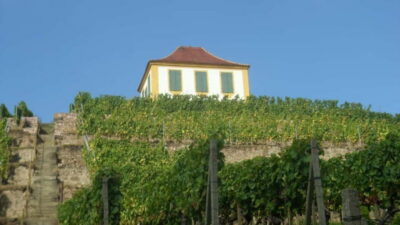

Freiburg: Veni, vidi, vino – wine hike and tasting
Read our review →
Advent Tour with Stollen Tasting and Mulled Wine
Read our review →Browse the lists this tour appears in