

Reviewed · ST PAULI & REEPERBAHN TOURS
Hamburg: St. Pauli Tour with the White Dandy
The St. Pauli Tour with the White Dandy is interesting because it takes the Reeperbahn out of the usual postcard mode and puts it back on the street, with stories, odd facts, and real character. You’ll follow a local who has spent decades living and working right there, so the tour feels less like sightseeing and more like being let in on how the neighborhood talks, laughs, and survives.
I especially like the mix of humor and street-level detail, because it keeps the mood light while the guide explains what the symbols and locations actually mean. I also like that you don’t just hear about the sex-and-shops headline, you learn about day-to-day life in this entertainment district, including side streets most standard walks miss.
One consideration: this is not for kids, and if you want a polished, family-friendly version of Hamburg, the subject matter will feel too direct.
Key highlights you will actually feel on the walk
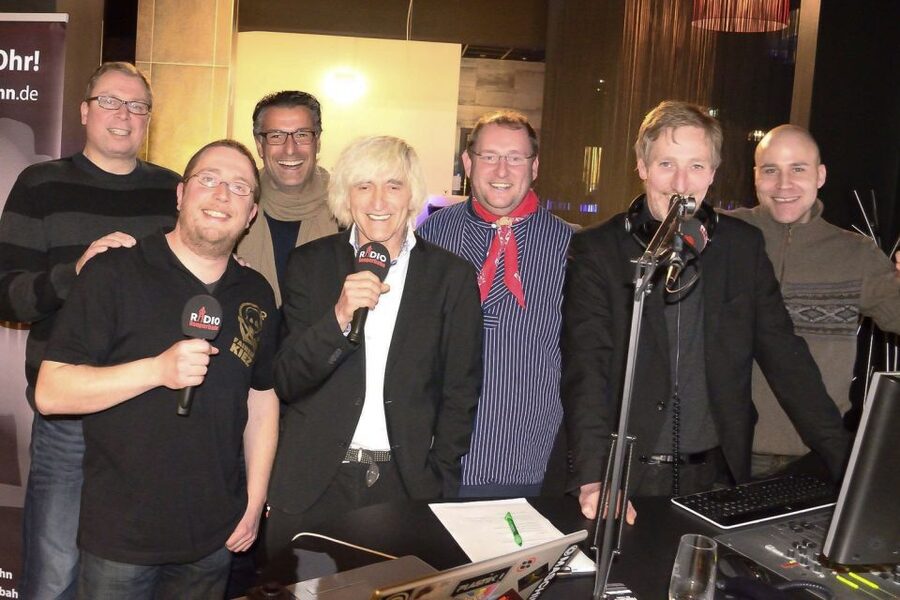
- Götz Barner, the White Dandy, guides you through the Reeperbahn and its side streets with decades of lived-in local knowledge
- A funny, question-friendly format that blends jokes with explanations, from local slang to neighborhood symbols
- Big-name landmarks and local arguments, like Spielbudenplatte and the disputed Esso houses
- Neighborhood shops and back areas, including parts many other tours do not reach
- A shot and a slang quiz, so the tour ends with something memorable, not just a photo stop
- German language only, so you will want enough German to follow the punchlines and details
Why the White Dandy makes St. Pauli feel like lived-in Hamburg

If your idea of St. Pauli is only the famous sights, this tour is a good correction. The White Dandy, aka Götz Barner, is a stage actor and longtime flâneur who has lived on the Reeperbahn for 30 years. That matters, because you get explanations that sound like they came from people who know the block, not from a script.
I like the way he frames the neighborhood. It’s about the entertainment district as a real place, with rules, rhythms, and local identity. Even when the stories get cheeky, the guide keeps pointing you toward specific corners, symbols, and local traditions. And since he’s the kind of character who talks for fun, you can ask questions as you go, which makes the experience feel personal instead of rushed.
The other reason this works is that the tour doesn’t just point at what’s visible. It tries to explain why certain things became symbols in the first place, and how the people there have always understood their own neighborhood. That gives you a better memory of St. Pauli than any quick drive-by ever will.
More of St Pauli:
- Hamburg: Sex and Crime in St. Pauli Tour for Ages 18 +
★ 4.7 · 17,793 reviews - Hamburg: Reeperbahn Lust & Laster Tour for Adults Only
★ 4.7 · 5,440 reviews - Hamburg: Insider Tour of the Reeperbahn & St. Pauli
★ 4.7 · 5,057 reviews
Meet Götz Barner, the White Dandy with 30 years on the Reeperbahn
Götz Barner is the main event, and you feel it from the start. He’s described as a local original, with a knack for turning everyday street details into stories. He has also been featured on posters for the initiative St. Pauli pinkelt zurück, which tells you he’s plugged into neighborhood life in a way that’s more than just tourist work.
His humor is part of the value. You’re not listening to lectures. You’re walking, stopping, and hearing quick anecdotes that make you look at the street differently. He also brings in theater-world connections, including stories about acting with Corny Littmann, the founder of the Schmit Theater. Those bits help you understand that St. Pauli’s entertainment identity didn’t appear out of nowhere.
The practical win for you: because he’s lived there so long, he can answer the kinds of questions most guides either skip or avoid. If you want to know how the skull became the symbol of St. Pauli, what a Riechbalken is, or where certain S and M practices in the style of 50 Shades of Grey are really discussed, this is the moment to ask. The guide’s whole pitch is that he knows what locals mean and where the stories came from.
The 90-minute route: Spielbudenplatte, Esso houses, Große Freiheit, and side streets
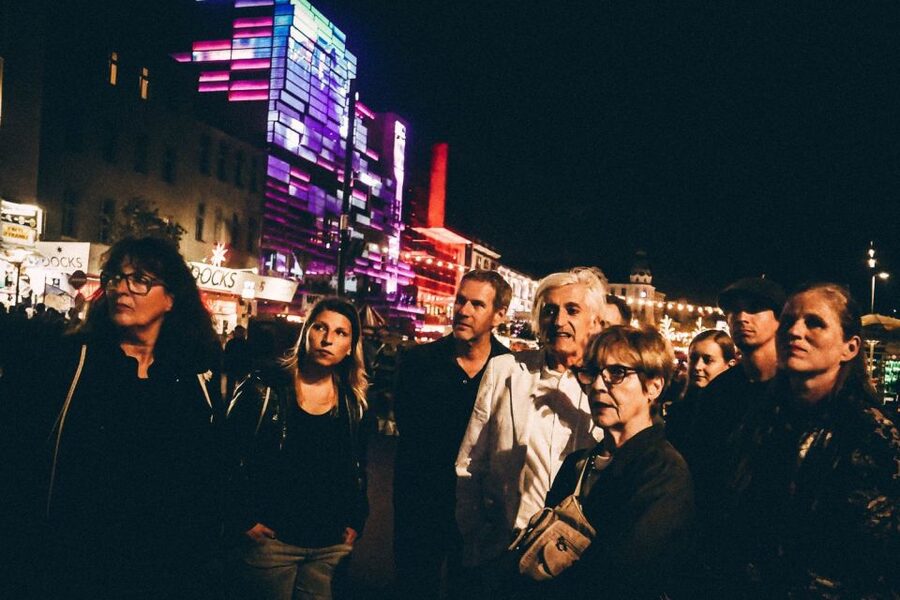
This tour is set for 90 minutes, and it follows a clear path through the most famous parts and then pushes into the quieter back areas. You start around the legendary Spielbudenplaty (as spelled in the tour description), then you move through disputed Esso houses territory, and later you head across the area near Große Freiheit.
What’s special is the balance between recognizable and harder-to-reach. The Reeperbahn is well known, but the side streets are where the neighborhood vibe shifts. That’s where you get the portrait of local life, including residential parts of the red-light district that other walks often gloss over.
The disputed Esso houses are a good example of why this route feels more meaningful than a straight line. When a place is argued over, it often means the neighborhood cares about what it represents. You’ll hear the guide’s take on why the Esso houses matter in St. Pauli’s story, not just what they look like from a distance.
Also, he mentions that he can take you to places that are closed off to other tours. That’s not something you can plan around as a tourist, but it’s a real reason to book this particular guide instead of doing a generic walk.
What you learn about daily life in St. Pauli, beyond the obvious sights
This is the kind of tour where you learn small concepts that make the whole neighborhood click. The guide talks about symbols, local terms, and how people actually use the area day to day. That’s more useful than a long list of facts, because those details help you recognize what you’re looking at while you’re there.
You’ll hear stories and history tied to the Reeperbahn, including references like Condomium and Queen Mary. Those names give you anchors, so the tour doesn’t float in vague impressions. He also covers older eras, like the time when the Star Club still existed and when the neighborhood had tense, funny friction with cops.
Just as important, the guide steers you toward how locals view their own space. You are walking through an entertainment district, but you also see it as a place people return to, work in, live near, and argue about. That is what makes the tour feel like a portrait rather than a highlight reel.
And yes, you’ll likely hear some topics that feel blunt or adult. The guide handles them with humor, but the subject matter is still the red-light district. If you are uncomfortable with that, you’ll know early. If you can handle it, you’ll come away understanding the area’s culture instead of just guessing.
Weigh these Hamburg picks against each other
- Hamburg: 1.5-Hour Harbor and Speicherstadt Day Cruise
★ 4.6 · 14,200 reviews - Hamburg: 90-Minute Evening Lights Harbor Cruise
★ 4.5 · 7,728 reviews - Hamburg: 2-Hour XXL Port of Hamburg Cruise Tour
★ 4.7 · 6,979 reviews - Hamburg: Line A Sightseeing Hop-On Hop-Off Bus Tour
★ 4.6 · 6,958 reviews
Neighborhood slang quiz and the shot along the way

Two things make the tour feel complete: a small drink and an ending quiz. You get one shot along the way, and you get a neighborhood quiz at the end. These sound like extras, but they actually help you remember what you learned because you’re actively using it, not just hearing it.
The slang quiz includes the phrase Matrosen am Mast. That’s exactly the kind of detail that turns a tourist walk into something you can repeat later. You will hear local expressions in context, then test yourself at the end. It’s playful, but it’s also a shortcut to understanding how St. Pauli people talk about themselves.
If you’re the type who likes to collect phrases, this is a fun way to do it without turning the whole walk into a trivia contest. And if you’re more quiet, the quiz still gives the guide an easy structure to bring the tour to a lively close.
Old club tales, tramps vs cops, and why the stories matter
Some walking tours give you dates and names. This one gives you scenes. The White Dandy loves the good old times, like when the Star Club existed, when tramps sparred with cops, and when he acted on stage with Corny Littmann.
I like this style because it makes history feel like human behavior, not museum labeling. When you hear about the neighborhood’s earlier clashes and characters, it explains why St. Pauli developed the identity it has today. You start to understand why the district keeps reinventing itself, and why locals treat it as a place with its own culture and rules.
He also covers why certain symbols exist. For example, he’ll explain how the skull became the symbol of St. Pauli. Even if you think you already know, hearing the local reasoning is the difference between knowing a fact and understanding what it means to the people using it every day.
Shops, back areas, and closed-off corners: where the value really shows
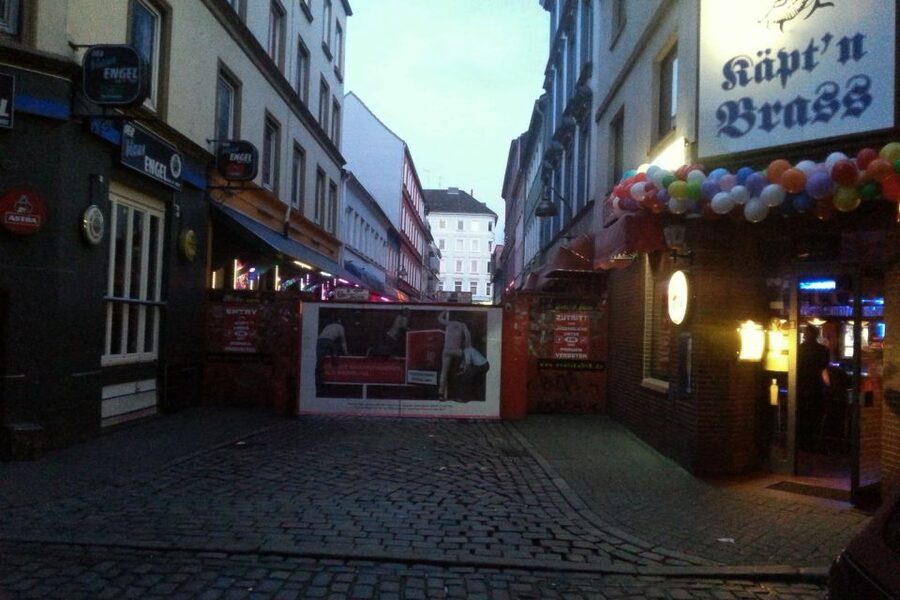
Getting to the “most interesting neighborhood shops” is part of what you’re paying for. This tour is not only about neon and landmarks. It’s also about the everyday businesses and street commerce that give the Reeperbahn its living feel.
The best value is when the guide leads you into back areas deep in the red-light district. That’s where you stop thinking of St. Pauli as a set of big attractions and start seeing it as a working neighborhood. The guide also notes that he can take you to some spots that are closed off to other tours. Even if you do not know every detail ahead of time, you can expect a more “inside the district” feel than you’d get from a cookie-cutter walking loop.
One practical tip for you: bring your curiosity. If you want to ask questions about symbols like the skull, what a Riechbalken is, or what locals mean by certain phrases, this tour gives you space for that. The guide’s whole persona is built around talking, teasing out meaning, and connecting odd facts to real places.
Weather, language, and who should skip this tour
Hamburg weather can swing fast, so dress for it. You will be outside for about 90 minutes, and you’ll likely stop often. Layers and a light rain plan are smart.
Language is another big factor. The tour runs in German. If your German is solid enough to catch jokes and cultural references, you will have a great time. If it’s not, you might still enjoy the walking and the landmarks, but the full experience depends on understanding what’s being said.
Finally, this tour is not suitable for children. That’s not just a policy note. The content centers on the adult entertainment district and adult topics, with humor built around those realities. If you are traveling with kids or want a family-friendly version, you should pass.
Wheelchair accessibility is listed as a feature, which is helpful. Still, since the tour includes streets and district areas, it’s smart to be prepared for uneven sidewalks and typical city walking.
Price and what $34 buys you in 90 minutes
At $34 per person for a 90-minute walking tour, the price is reasonable, especially because you get more than narration. You get:
- a live guide, the White Dandy himself
- one shot along the way
- a neighborhood slang quiz at the end
- access to side streets and spots described as difficult for other tours
You’re also paying for something harder to price: the guide’s personal authority. Götz Barner has lived on the Reeperbahn for 30 years, and the tour is built around his anecdotes and quirky facts. That kind of “lived access” is what turns a walk into a story you remember.
Is it “cheap”? Not really. But in value terms, you’re getting a guide-driven experience with specific Reeperbahn focus, not a generic “here are the sights” loop.
A quick note on timing, and what to do if something feels off
The tour asks you to arrive at the meeting point at least 10 minutes early. That’s your best insurance for getting started on time. And if the guide does not appear, you should follow whatever contact steps you have through the booking channel right away, rather than waiting around.
There is at least one reported case where the guide did not show up and the tour did not happen. That’s rare, but it’s enough to take the “arrive early” instruction seriously and be ready to act if things go wrong.
Should you book the St. Pauli Tour with the White Dandy?
Book it if you want St. Pauli with an attitude, not a brochure. This tour is a strong choice when you like street-level stories, want to understand local meaning, and enjoy guides who talk enough that you can ask questions. I think it’s especially good for adults who can handle red-light district content and who enjoy humor that feels connected to real life.
Skip it if you want a child-friendly or overly sanitized experience, or if German-only narration would leave you lost. Also skip it if you hate walking and stopping frequently. This is a walking, listening, asking type of tour.
If you decide to go, go with the right expectations: you’re not just seeing the Reeperbahn, you’re being taught how locals interpret it. That’s what makes this tour worth the money.
Fresh reviews out of Hamburg
- Hamburg: Neighborhood tour with a former dominatrix★ 4.7 · 51 reviews
- Hamburg: Ice-Cream Workshop★ 4.7 · 52 reviews
- Hamburg: Reeperbahn tour with Daniel Schmidt from the Elbschlosskeller★ 4.7 · 52 reviews
- Hamburg: Grand Harbor Tour by Traditional Barge★ 4.3 · 55 reviews
- Hamburg Private Walking Tour with a Local: Icons & Hidden Gems★ 5.0 · 55 reviews
- Dialogue in the Dark (German Tour)★ 4.8 · 56 reviews
- Hamburg: 3-Hour Limousine Tour with Driver-Guide★ 4.5 · 56 reviews
- Ticket for the Emigration Museum BallinStadt Hamburg★ 4.0 · 57 reviews
St Pauli & Reeperbahn Tours, compared.
Sex and Crime in St. Pauli Tour for Ages 18 +
Read our review →
Reeperbahn Lust & Laster Tour for Adults Only
Read our review →

In the Footsteps of “Olivia” Reeperbahn Tour
Read our review →
St. Pauli Highlights Guided Tour with Beer for 18+
Read our review →
Reeperbahn Quickie, The Short & Sexy St. Pauli Tour
Read our review →Browse the lists this tour appears in