
Reviewed · JAPAN
Görlitz: Hallenhausführung
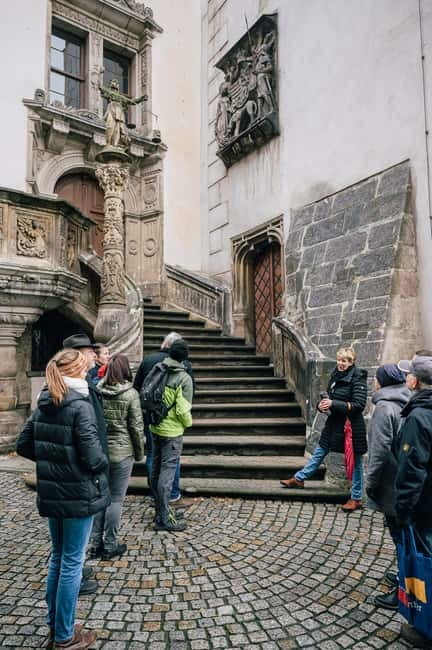
What makes this Görlitz walk special is simple: you get more than an exterior glance. You step into the working spaces inside the city’s medieval Tuchmacher-Hallenhäuser, a Görlitz trade-house style that grew in the 15th century.
I really like the way the tour is structured around real functions, Wohnen, Präsentieren, Handeln, Lagern, Brauen, so the buildings feel practical, not just old. I also like that you visit multiple houses, typically 4 to 5, which makes it easier to compare what changed and what stayed the same. The main drawback to plan for is that it is not suitable for wheelchair users, so choose it if you can do a fair bit of walking and standing.
One more consideration: the exact houses can vary by weekday. Monday to Friday you have a bonus option to see the Rathaus with its Renaissance courtyard and the city’s largest painted wooden ceiling, but other days won’t include that same stop.
Key things you will get from the Hallenhausführung
- Real interior views of preserved medieval cloth makers’ trade halls, not just facades
- 4 to 5 different hall houses on the same 2-hour route for quick comparisons
- Rooms grouped by purpose through Wohnen, Präsentieren, Handeln, Lagern, Brauen
- Weekday Rathaus bonus (Monday to Friday) with a Renaissance courtyard and the city’s largest painted wooden ceiling
- Live guide in German who explains more than dates and names and stays open to questions
Why Görlitz’s Hallenhäuser feel different from other old towns
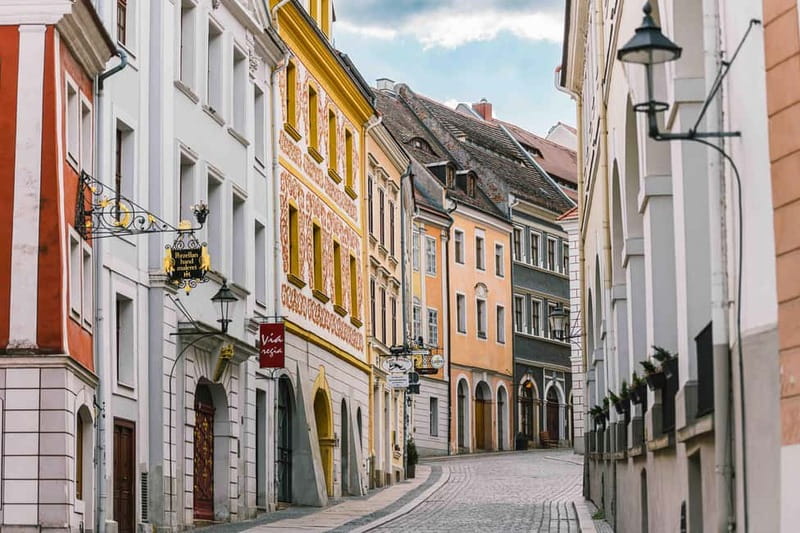
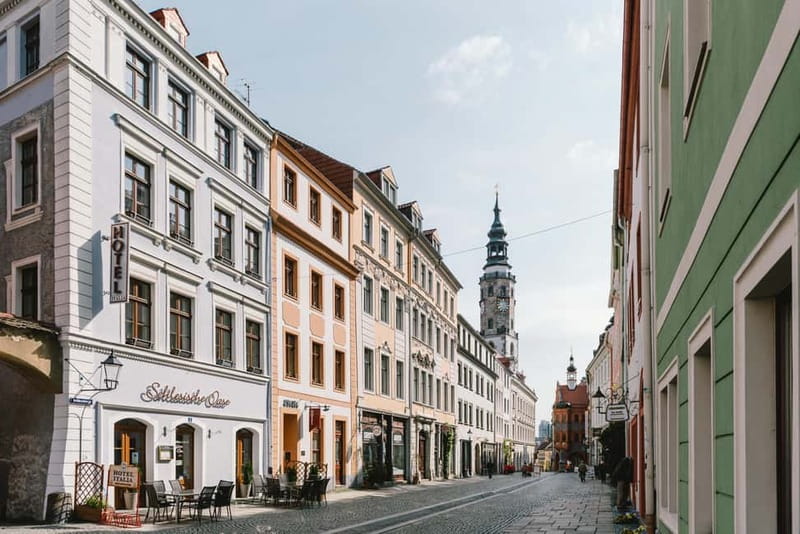
Görlitz has the kind of old-town feel that usually tempts you into a slow, visual stroll. This tour takes that same charm and adds one crucial ingredient: access. Instead of only looking at roofs and windows, you get the rare chance to see how these medieval buildings actually worked, inside the Tuchmacher-Hallenhäuser.
These houses were more than homes. They were places where people lived and ran business in the same structure, using distinct zones for showing goods, storing materials, and handling trade. In Görlitz, more than 30 of these Handelshäuser have survived, and the tour typically selects 4 to 5 so you can sense the range without spending your whole day.
I like that the tour does not treat history like a museum label. You are shown practical spaces tied to daily work. That makes the buildings easier to understand, and easier to picture in use.
More to plan into a Gorlitz stay:
- Görlitz: Old Town Guided Walking Tour
★ 4.7 · 723 reviews - Görlitz: Ghosts and Spooky Historical Night Walking Tour
★ 4.8 · 197 reviews - Görlitz: Scavenger Hunt Self-Guided Tour
★ 4.6 · 22 reviews
A 2-hour plan that moves at a good walking pace
The experience is scheduled as a 2-hour public guided tour, with a live guide speaking German. You meet at Görlitz-Information, which is a sensible start point because it keeps the tour organized and easy to find.
In those two hours, you will do three things well:
- see the exterior of the hall houses as you connect the neighborhood,
- step into selected interiors to understand layouts and functions,
- and learn how cloth makers’ trade life shaped the building style.
You should expect that the specific buildings can change depending on the day you go. The overall pattern stays consistent, though: multiple hall houses, then possibly the Rathaus stop on Monday to Friday.
If you have limited time in Görlitz, this timing is a win. Two hours gives enough detail to matter, without turning into a half-day commitment that pulls you away from exploring the rest of the city on foot.
Inside the Tuchmacher-Hallenhäuser: what those rooms are really for
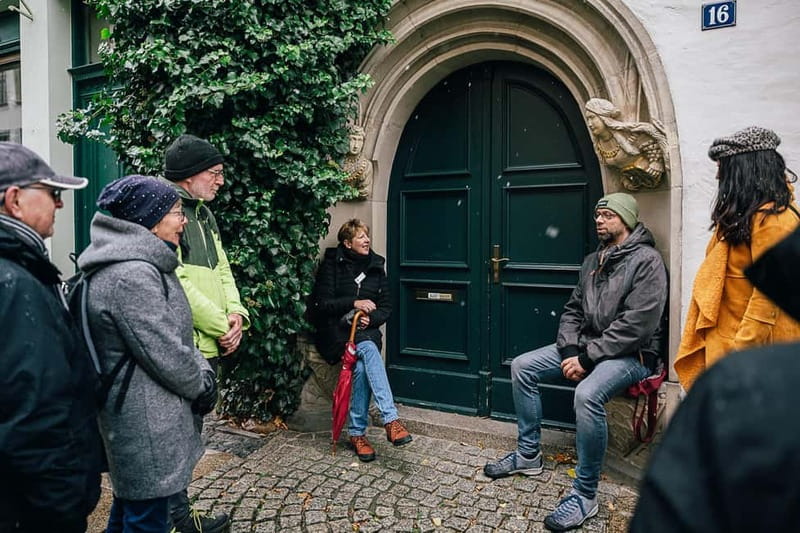
The biggest value of this tour is access to interiors of a very specific Görlitz house type. These hall houses developed locally in the 15th century, and the idea behind them is clear once you start looking: they combine living space and commercial space under one identity.
The highlights describe the tour through five big functions:
- Wohnen (living): where people lived day to day,
- Präsentieren (presenting): where goods were shown,
- Handeln (trading): the business side of the operation,
- Lagern (storing): keeping materials and products secure and organized,
- Brauen (brewing): tied to the rhythms of running a workshop and sustaining workers.
Now, you should not assume every single house shows every single function in the exact same way. Even when buildings share a style, restorations and later uses can shift how rooms are arranged or what is visible today. What you can count on is the guide framing what you are seeing, so the interior details connect back to how the hall houses supported trade.
Here is how this approach helps you as a traveler. When you only look from the street, medieval buildings can feel like vague silhouettes. When you see living zones next to trade and storage, the scale makes sense. You start understanding why hall houses are built the way they are, and why buyers and makers cared about space, order, and access.
It also helps you avoid a common mistake in old-town visits. If you treat every interior as a generic historical room, you miss the business logic. This tour keeps you focused on function first.
Stop-to-stop flow: how the guide makes you compare houses quickly
You will typically visit 4 to 5 hall houses during the walk. That number matters. It is enough variety to prevent repetition, and it is short enough that you remember what you just saw.
In practice, the route works like this:
- You move between buildings, so you can orient yourself to the neighborhood.
- At each hall house, you get a guided look inside, with explanations tied to living, trading, storage, or brewing.
- You come away with a clearer mental map of how the whole system fits together.
The most praised part of this kind of tour is usually not just the access. It is how well the guide connects the dots. The guides here are described as especially strong at explanation and answering questions. One guide description even points to architectural expertise, which makes sense because interior layouts are where an architectural eye is helpful.
If you like to learn while you walk, this format is ideal. You are not stuck listening in one spot for the entire two hours. You are actively processing what you see, then getting context immediately.
Potential drawback, so you can plan smart: since these are interior visits, you may spend more time standing than you expect. Comfortable shoes matter. Also, you are not allowed alcohol and drugs, so keep it a clean, straightforward cultural visit.
Rathaus and the Renaissance courtyard bonus on Monday to Friday
If you go Monday through Friday, you may add a major highlight: a look into the Görlitz Rathaus. That is not an automatic feature on every day, so it is worth choosing your travel dates if you want it.
The Rathaus stop includes a Renaissance courtyard and the city’s largest painted wooden ceiling. That combination makes the visit feel like a bridge between the medieval world of the hall houses and the later civic pride of the Renaissance period.
Why this matters for your experience: it changes the story the tour tells. Cloth makers’ hall houses explain how trade and daily work shaped Görlitz at the medieval stage. The Rathaus then shows how the city organized power and presentation later on. You end up with a fuller sense of how the town evolved, without needing a separate museum ticket or extra time.
If you are choosing between dates, use this as your decision lever. Weekdays can mean an extra interior highlight that strengthens the overall package.
Price and value: what you get for about $11
At $11 per person for a 2-hour live guided experience, the value here is tied to one thing: access. Many historic tours stay outside. This one takes you inside several preserved buildings, and that alone justifies the cost when you are able to view interiors and learn the building logic in context.
Because the tour also covers multiple houses, your money buys comparison value. You are not just paying to see one impressive interior. You see several, which helps you understand the range within this local house type.
It is also a good price point if you are traveling with a small group. You get structure and guidance, and you can still spend the rest of your day wandering the altstadt with your new understanding.
Who should book this, and who might want to skip it
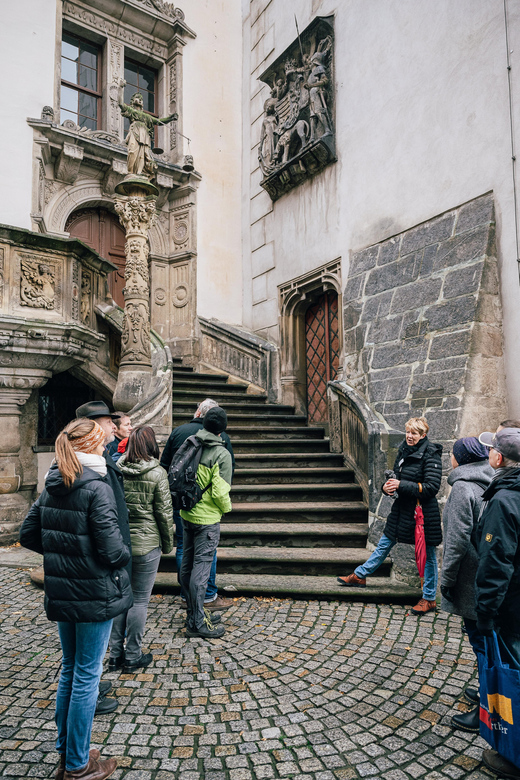
You should book this Hallenhausführung if you:
- enjoy architecture and the practical side of history,
- want to understand how trade shaped everyday life,
- like guided explanations and want to ask questions,
- and can handle standing and walking without wheelchair support.
You might want to skip it if:
- you need wheelchair access, because it is not suitable for wheelchair users,
- you prefer only outdoor sights, since this tour is partly about interior viewing,
- or you travel when you cannot understand the German guide well. The tour is German only, so it is best if you are comfortable following explanations in German.
For families, it can be a decent choice for older kids who enjoy hands-on learning, but the main guide-led pace means you should consider whether everyone in your group can stay attentive during indoor stops.
Practical tips so you enjoy every interior stop
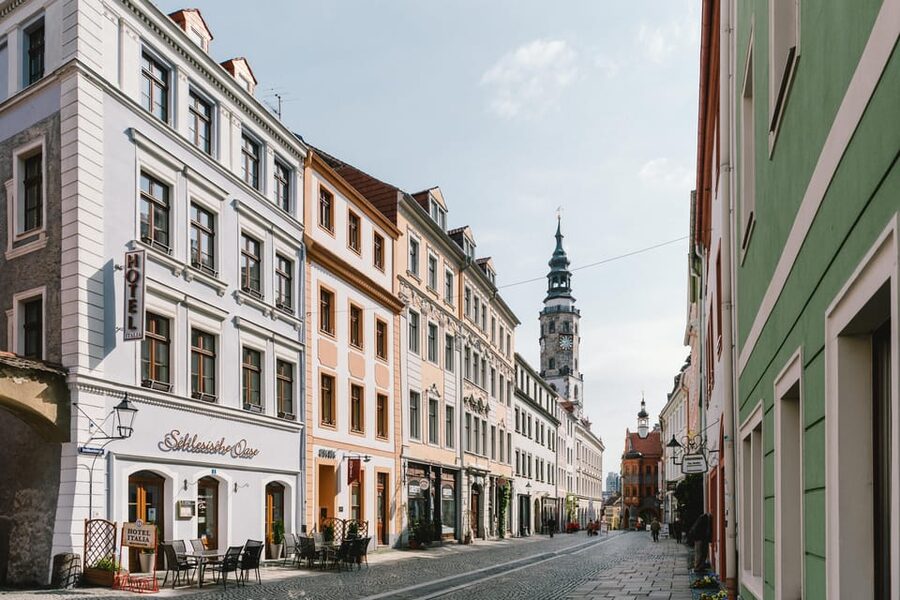
A few small decisions will make the tour more comfortable and more rewarding:
- Wear comfortable shoes. Interior hall houses often mean short distances but lots of standing and moving through rooms.
- Bring a simple photo plan. You will likely want pictures, but focus on capturing room-to-room changes rather than trying to photograph everything. The tour is about understanding, not just collecting images.
- Go in ready to ask questions. A big part of why people rate these tours highly is the guide’s willingness to explain and answer.
- Plan for German. If your German is basic, still go for the visuals. The guide’s explanations and the building functions make concepts easier to follow.
Also, keep it polite and rule-based. Alcohol and drugs are not allowed, so treat it like a museum visit in terms of behavior and attention.
Should you book the Görlitz Hallenhausführung?
If you want an old-town experience that goes beyond street views, I think this one is a strong yes. The combination of multiple Tuchmacher-Hallenhäuser, the clear focus on Wohnen, Präsentieren, Handeln, Lagern, Brauen, and the chance to add the Rathaus on Monday to Friday makes it a well-rounded, high-value package for a 2-hour commitment.
Book it if you like buildings with function, and if you can handle a fair amount of walking and standing. Consider another option if wheelchair access is required or if a German-only guide would make you feel lost.
In short, this tour is built for travelers who want to see how medieval trade spaces actually lived and worked. If that sounds like your kind of history, you will leave with a much clearer picture of Görlitz than you could ever get from the outside.
FAQ
How long is the Görlitz Hallenhausführung?
The tour lasts 2 hours.
Where do I meet for the tour?
You meet at Görlitz-Information.
What is the price per person?
The price is $11 per person.
What can I expect to see during the tour?
You will learn about medieval hall houses in Görlitz and get views inside several of the preserved buildings. The tour centers on functions like living, presenting, trading, storing, and brewing.
How many hall houses will we visit?
The walk includes 4 to 5 hall houses, depending on the day.
Is this tour wheelchair accessible?
No. It is not suitable for wheelchair users.
What languages are available?
The live tour guide speaks German.
Fresh reviews out of Gorlitz
- Görlitz: Scavenger Hunt Self-Guided Tour★ 4.6 · 22 reviews
- Görlitz: Ghosts and Spooky Historical Night Walking Tour★ 4.8 · 197 reviews
- Görlitz: Old Town Guided Walking Tour★ 4.7 · 723 reviews