
Reviewed · CITY TOURS
Chemnitz city tour
Chemnitz is interesting because it is not trying to be a museum city. It grew fast on industry, then had its identity shaken, and that messy backstory still shows in the streets. A 90-minute tour like this helps you read the city without needing a full day of research.
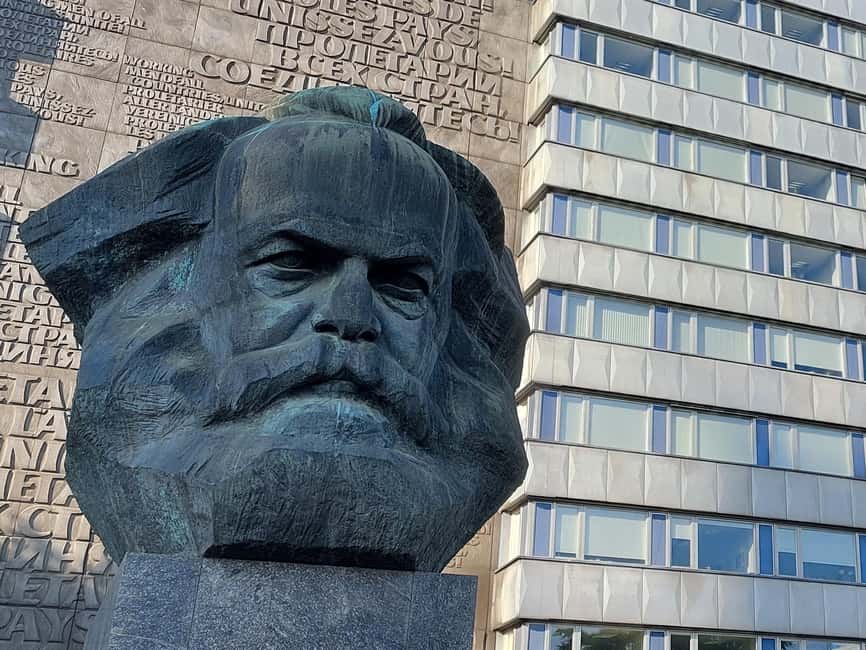
I especially like the way the Karl Marx head in the center works like a visual headline. It is not just a statue stop, it is a clue to the bigger story of Chemnitz, from boom years to the Karl-Marx-Stadt era and back to Chemnitz again.
One consideration: the timing is tight. You get a smart overview and a clear route, but you will not get long, slow wandering or museum-level time at each neighborhood.
Key things I’d circle before you go
- Karl Marx head in the center gives you instant context for the city’s political and industrial pivots
- Industrial culture between Zwickauer and Annaberger Straße shows what made Chemnitz the Manchester of Saxony
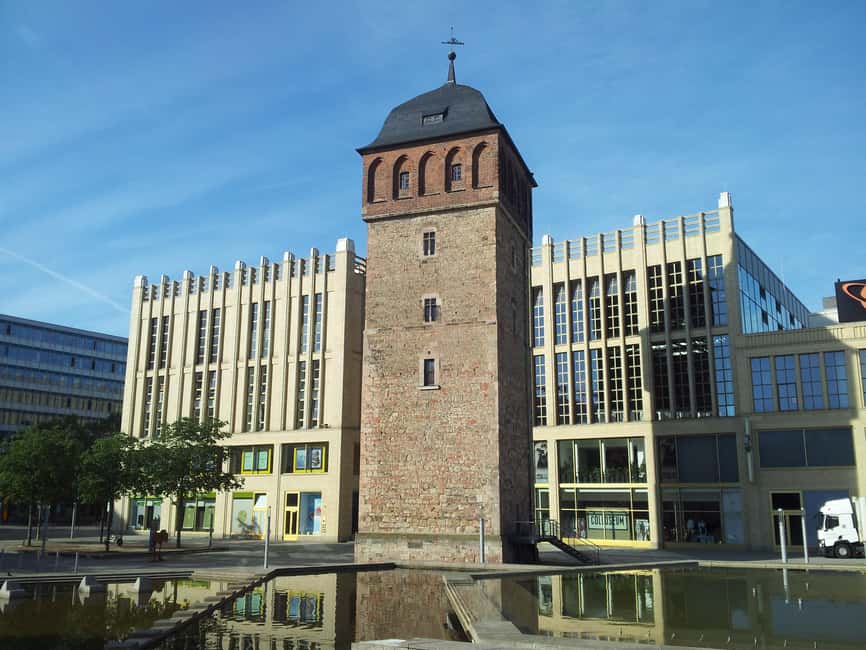
- Kaßberg Gründerzeit district lets you connect fast growth to the architecture of the industrial era
- Heckert GDR residential area offers a practical look at life shaped by the socialist period
- Castle district links the modern city center back to older foundations
- A local, certified guide keeps the pacing tight and the explanations grounded
Getting your bearings fast in Chemnitz, starting with the Marx head
This tour is built for people who want order, not chaos. In about 90 minutes, you piece together Chemnitz’s story by moving through a handful of areas that each represent a different chapter.
It all starts with the Karl Marx head in the center. That matters more than it might sound. Chemnitz went from an industrial giant to being renamed Karl-Marx-Stadt, and the city’s identity still carries that weight. Seeing the head early helps you understand why the tour keeps circling back to industry, ideology, and the question of what Chemnitz should be now.
The guide’s job is to make those connections feel logical, not like random facts. And the best tours in places like this do exactly that. When a city’s history is split into clear “before and after” periods, a good guide shows you how the turning points still affect everyday streets and neighborhoods.
Riding in a small minibus, and why that changes the experience
You are not doing this as a big group with a megaphone and a rushed checklist. The format is a minibus for up to 8 people, which changes everything.
First, it keeps the pace realistic. Chemnitz is spread out enough that walking-only tours can feel either too long or too shallow. A minibus lets you cover more ground without feeling like you are watching the city from a bus window.
Second, small-group tours usually mean questions land better. The tour runs in German and English, and the guide is local and certified. If you want clarification on the difference between the industrial boom, the wartime break, and the later GDR period, this kind of setup makes it easier to ask.
If you hate being “tied” to a strict script, you might still like this. Even when the schedule is fixed, the experience feels personal because the group size stays small.
Industrial culture along Zwickauer Straße and Annaberger Straße
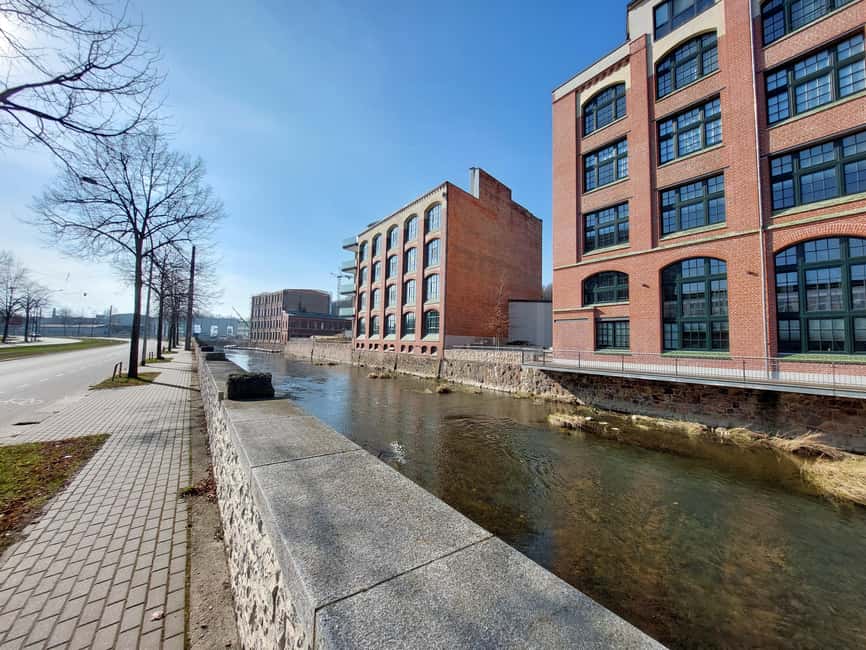
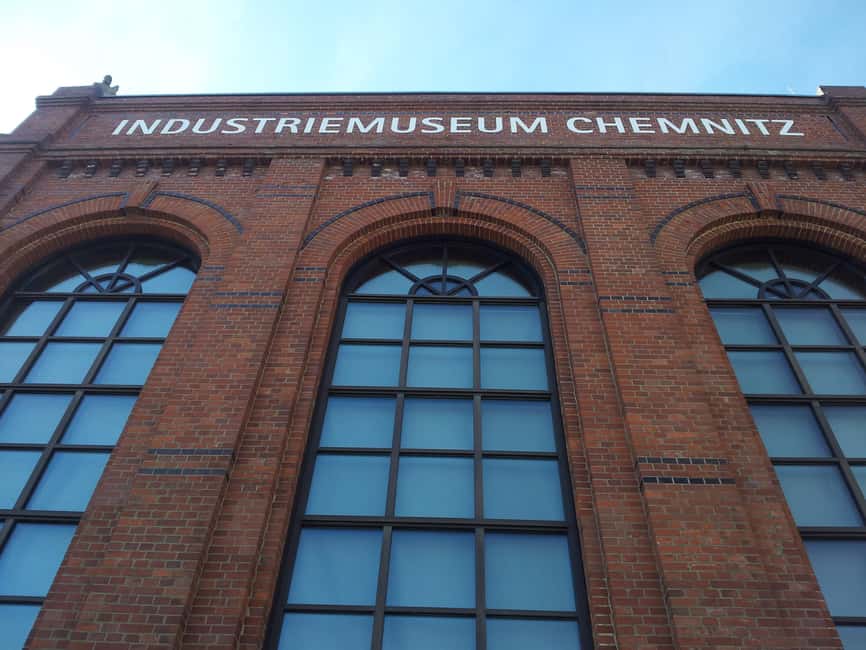
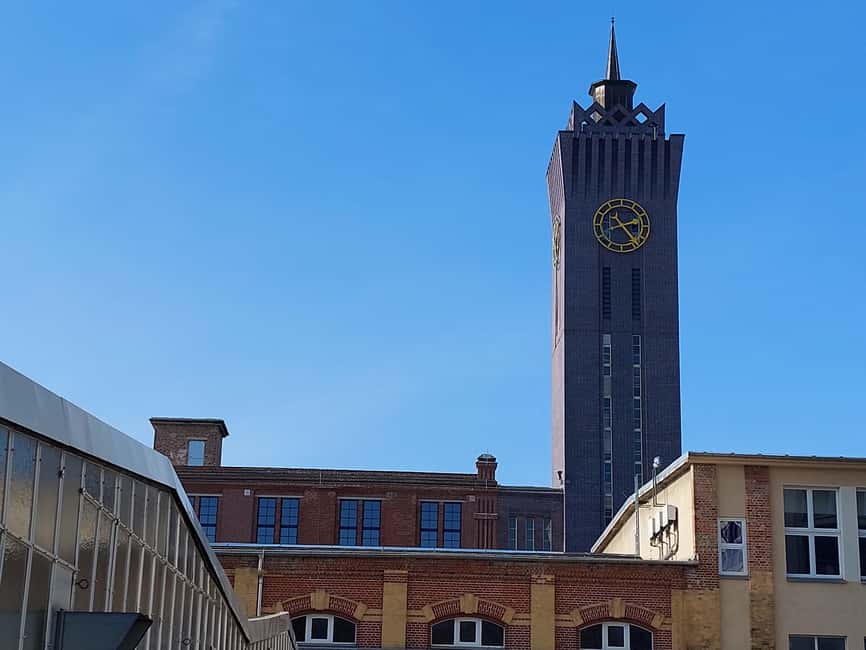
This is where Chemnitz starts to make sense as a powerhouse. The tour highlights industrial culture between Zwickauer and Annaberger Straße, a stretch that points you toward why the city became known as the Manchester of Saxony.
Chemnitz grew incredibly quickly about 130 years ago, as a Slavic settlement transformed into one of the largest and richest industrial cities in Germany. The tour context connects the local advantages to the bigger European changes. You hear how linen production and a bleaching monopoly for Saxony helped early industrial structures take root. And you also get the link to mining in the Ore Mountains, which supported the raw material side of the economy.
Then the story speeds up. With inventions like the spinning jenny and the steam engine, industrial production in places like Chemnitz accelerated fast. The result was a city that built nearly everything it could build, from textile machines to locomotives, bicycles, and cars.
Here is what I think is useful for you: this stop is not only about “old factories.” It is about learning how industrial cities behave. In cities like this, you do not just find factories, you find the supporting world around them, the workers, the neighborhoods, the rhythm of expansion, and later the shock when the growth machine slows down.
If you enjoy industrial architecture or just like understanding how a city’s economy shapes daily life, this section is one of the strongest parts of the tour.
The Kaßberg Gründerzeit district: architecture with a timeline in it
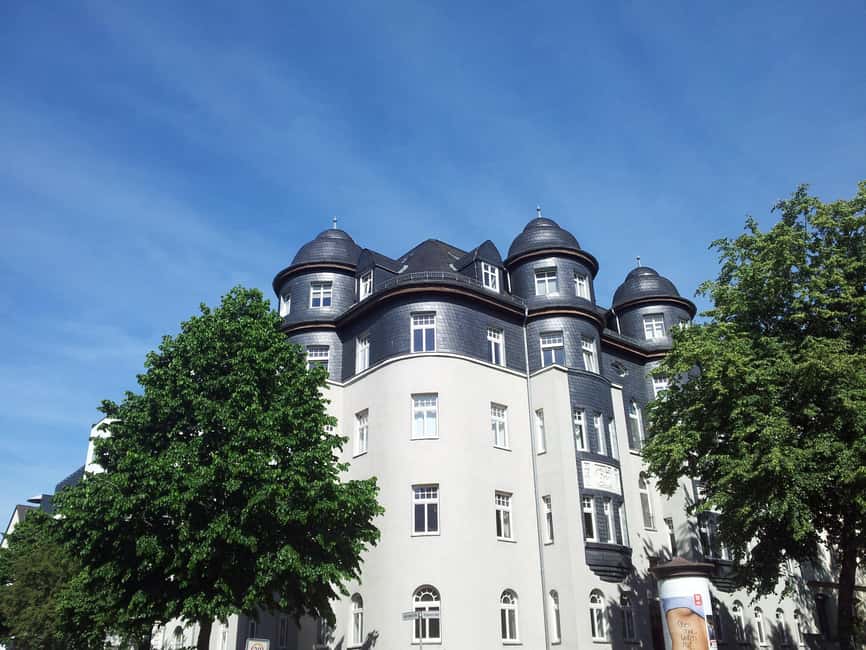
Next you move to the Gründerzeit district on Kaßberg. Gründerzeit means the “founders’ era,” the period when Germany industrialized and cities expanded with big confidence.
Why this stop works: it turns a business timeline into something you can see. When Chemnitz was called the Manchester of Saxony, it was not just exporting products. It was exporting builders, jobs, and growth. A Gründerzeit neighborhood tends to reflect that mindset in the streetscape and the building style.
You also get the darker counterweight. Chemnitz had a strong arms industry represented until the end of World War II, and that matters for understanding the later downturn. The tour connects the wartime break and postwar changes to a city that had to reinvent itself.
Even if you are not an architecture person, you can still enjoy Kaßberg. Think of it as a visual checkpoint. You are asking, what did “growth” look like in real stone and real streets? Then you compare that with what comes after in the GDR and post-GDR periods.
Heckert GDR residential area: how the socialist era shows up in everyday streets
After the industrial and Gründerzeit chapters, you shift into the Heckert GDR residential area. This part of the tour is the reality check.
The GDR period did not replace Chemnitz’s identity from scratch. Instead, it changed how people lived within a broader national system shaped by socialist planning. You can feel that shift in the residential fabric, and the guide keeps the tone grounded, focusing on how the era shaped daily life rather than treating the period like a distant political lecture.
One of the most praised aspects of the tour is exactly this kind of storytelling. People have been impressed by how the guide explains the industrial rise, then the decline through war and the turning point, and still manages to connect that history to the city’s soul.
For you, that means you walk away with more than dates. You get a better sense of how systems affect neighborhoods, and how neighborhoods affect what a city feels like years later.
If you are visiting Chemnitz for the first time, Heckert gives you a crucial piece. If you already know some of the names and periods from books, this is where the tour can make those words stick to real places.
The castle district and the modern center: where the city tries to write the next chapter
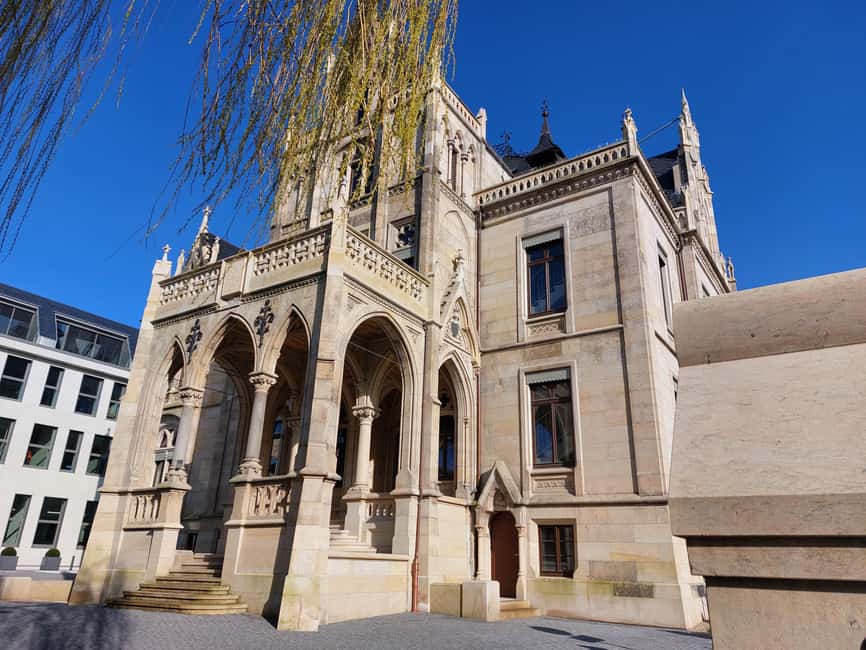
The tour also includes the castle district, and from there it connects you to the modern city center. The underlying idea is simple: you see where the current center has its origins, and then you understand how modern Chemnitz evolved.
Chemnitz today is described as a city searching for its identity. That is not a vague statement. After the peak industrial era, Chemnitz hit hard turns, including the Karl-Marx-Stadt period and later the return to Chemnitz. The city then has to rebuild its story.
Now there is an added layer: Chemnitz is Europe’s Capital of Culture in 2025, and the tour frames this moment as a chance to write a new cultural chapter. That matters because cultural investment often tries to answer the same question politics and industry answered before: what are you, and who are you for?
I like ending in a place like this. When you finish near the castle district and the modern center, you can reflect on what you saw earlier. Industrial streets tell you how power worked. GDR residential areas tell you how systems shaped living. Gründerzeit tells you how ambition looked in the built environment. The castle district and center help you see the whole argument being retold in a modern voice.
What the best guides do here, and how the tour feels in real time
The tour’s quality is repeatedly tied to the guide. A name that showed up in feedback is Pedro Öhme, and the consistent message is that he combines friendliness with solid, structured knowledge. People also said the tour felt personally presented, not like a rushed reading.
That kind of guide matters more in Chemnitz than in some cities, because the story jumps between industries, inventions, political changes, and neighborhood types. Without a skilled guide, you can lose the thread and end up with a list of places.
In this tour, the thread stays strong. You hear the early industrial drivers like linen bleaching and proximity to mining, then you get the acceleration with inventions like the steam engine and spinning jenny, then you see why the arms industry mattered until the end of World War II, then you get the city’s identity shifts, and finally you see the present-day push toward culture for 2025.
One more practical point, and it comes from real experience people shared: the tour can handle bad weather. Even when rain shows up, you still ride between neighborhoods and keep moving through key points. That means you do not have to cancel your day just because the sky has opinions.
Who this Chemnitz city tour suits best
This is a good fit if you want a first or second look at Chemnitz and you like guided context. It is also a great choice if you are curious about industrial culture, the transition from rapid growth to decline, and how the GDR and post-GDR periods show up physically in a city.
You might also like it if you have limited time. If you only have an afternoon and you do not want to stitch together multiple self-guided routes, the minibus format helps you cover core areas efficiently.
If you are the type who wants to sit in a museum for hours or take lots of detours on your own, this may feel too short. But even then, it can work as the best possible “foundation layer” before you go exploring further.
Price and value: $188 per group up to 8 for 90 minutes
The price is $188 per group up to 8, for a 90-minute city tour by minibus. That pricing is where the value comes in.
If you can fill most of the minibus, the per-person cost drops quickly. At 8 people, it is about $24 per person. Even at 4 people, it is about $47 per person. In both cases, you are paying for a local, certified guide and concentrated city coverage, not just transportation.
Compared with “per person” tours that can start feeling expensive fast, this structure is friendly for families or small groups of friends traveling together.
Also, because the tour is only 90 minutes, you get to spend your remaining time how you prefer, either continuing self-guided walks in the castle district area or drifting toward neighborhoods that catch your attention.
Should you book the Chemnitz city tour?
Book it if you want a smart, guided overview that explains why Chemnitz became an industrial heavyweight, why its rise changed shape, and how the city looks today. The route hits high-signal points like the Karl Marx head, the industrial corridor between Zwickauer and Annaberger Straße, Kaßberg, the Heckert GDR residential area, and the castle district.
Skip it only if you need long stops, museum time, or a lot of wandering on your own schedule. This is designed to be efficient, and it rewards people who want clarity over extended exploration.
If you book, I’d go in with one simple goal: learn how industry and political shifts can be read in neighborhoods. When you do that, Chemnitz feels less like a stopover and more like a place with a real storyline.
FAQ
How long is the Chemnitz city tour?
The tour lasts 90 minutes.
What is the group size for the minibus tour?
It is a minibus tour for up to 8 people. Private or small groups are also available.
What does the tour cost?
The price is $188 per group (up to 8 people).
Where do we meet and where do we get dropped off?
You can meet at either Hotel Chemnitzer Hof on Straße der Nationen. Drop-off locations are Straße der Nationen and Hotel Chemnitzer Hof.
What languages are offered?
The tour guide provides live guidance in German and English.
Is free cancellation available?
Yes. You can cancel up to 24 hours in advance for a full refund.
City Tours, compared.
1-Hour City Tour by Boat with Guaranteed Seating
Read our review →
City History Canal Sightseeing Tour on a Motorboat
Read our review →
Browse the lists this tour appears in