
Reviewed · CITY TOURS
City tour Braunschweig: diverse and full of surprises.
Braunschweig can feel like a city built in layers, medieval power on top of modern research, and the gaps filled with stories. What makes this walk interesting is the 1000-year time span you cover in just 2 hours, without rushing the details.
I especially like how you get a guided route that moves from the historic core to the places people actually pause, shop, and meet, so the sights don’t stay frozen behind ropes. I also like that you’re in the hands of BVGD-certified guides, Tom Ahlgrim or Tobi Volkmer, who make room for questions and tailor the pace to the group.
One consideration: this is a walking tour focused on street-level sightseeing, and it’s not listed as suitable for everyone with mobility, sight, or hearing needs. If that applies to you, it’s smart to ask the operator how the route will work on the day you go.
Key Highlights You Should Actually Care About
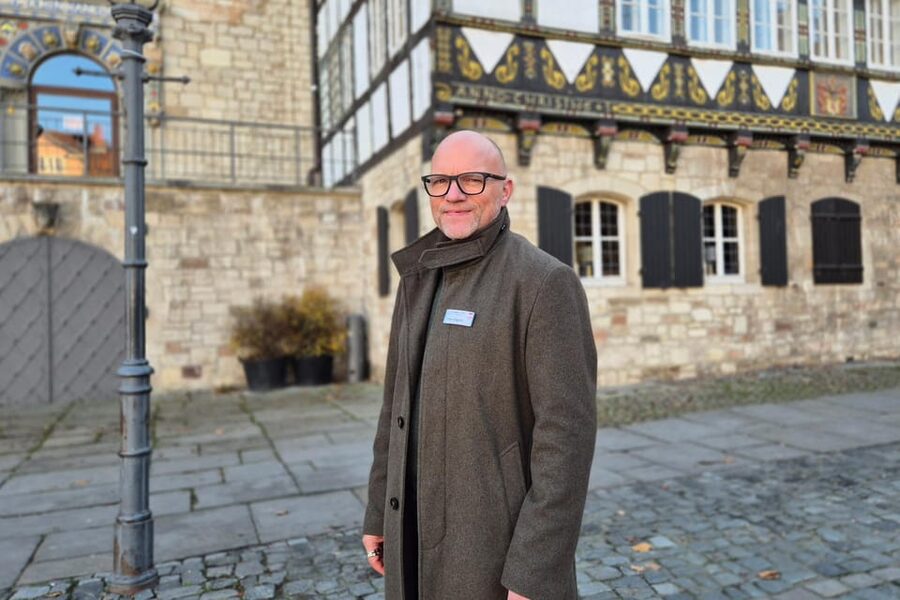
- Two certified guides (Tom Ahlgrim or Tobi Volkmer), with a calm, friendly style and time for questions
- A clear 1000-year storyline, from early documents to Henry the Lion and into today’s research city
- Guelph power stops you can see, including the lion landmark and major historic buildings
- War destruction and half-timbered buildings shown through real street corners, not just photos
- Hands-on observation tips, like what to look for on building decorations as you walk
- Private group value up to 2 people, which makes the guide feel personal rather than scripted
Why This Braunschweig Walk Feels Like 1000 Years in One Afternoon
Braunschweig is the second largest city in Lower Saxony, but it doesn’t treat its size like a big-city problem. It feels more like a working history book, with older chapters still visible in the street plan and the stonework.
The tour’s core appeal is that it connects eras you’d usually experience separately. In one walk you’ll go from the city’s early documented roots, to the era shaped by Henry the Lion and Mathilde of England, to the later identities of the Guelphs and the long shadow of rebuilding after destruction. Then, without turning it into a lecture, it loops you toward how Braunschweig became known today for science and research.
Weigh these Brunswick Germany picks against each other
- Braunschweig: Private City Walking Tour with Certified Guide
★ 4.8 · 35 reviews - Berlin: 1-Hour City Tour by Boat with Guaranteed Seating
★ 4.3 · 16,993 reviews - Leipzig: City History Canal Sightseeing Tour on a Motorboat
★ 4.7 · 7,671 reviews
Getting Oriented at the Magnikirchenplatz Start
You meet at Magni Boutique Hotel, on the corner of Magnikirchenplatz. It’s a practical start point, central enough that you can show up, get your bearings fast, and begin walking without a long preamble.
If you drive, central parking is available at Schlossarkaden car park, Ritterbrunnen 1, with a roughly 200 m walk to the meeting spot. That small detail matters because Braunschweig is the kind of city where arriving stressed can ruin the first 10 minutes.
Also note the timing rule: if you arrive late, the guide waits 15 minutes at the agreed meeting point. After that, you’ll need to contact them by telephone if you want extra waiting time.
Magniviertel and the Rizzi House, Where Braunschweig Shows Its Shape
Your stroll begins in Magniviertel, a setting that helps you understand how the old city works at street level. This is where the tour philosophy shows, you don’t just point at famous buildings, you use the area’s layout to explain how Braunschweig grew and how people moved through it.
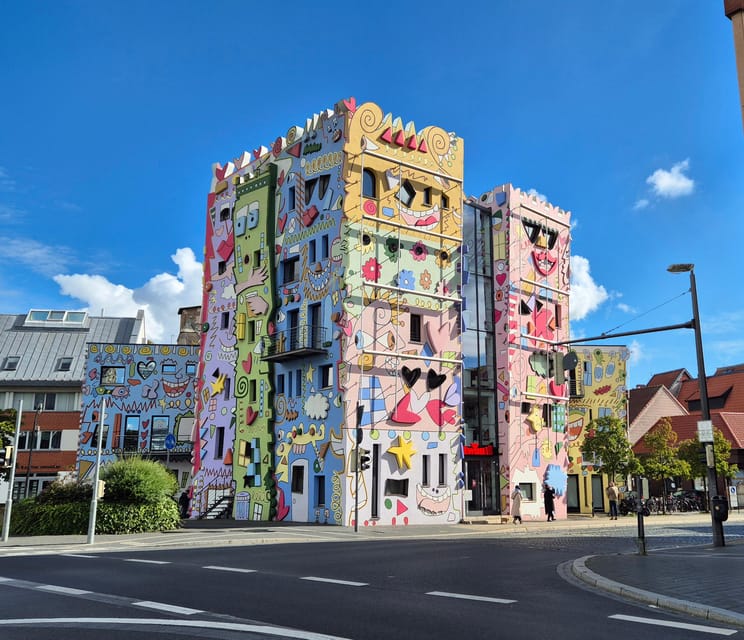
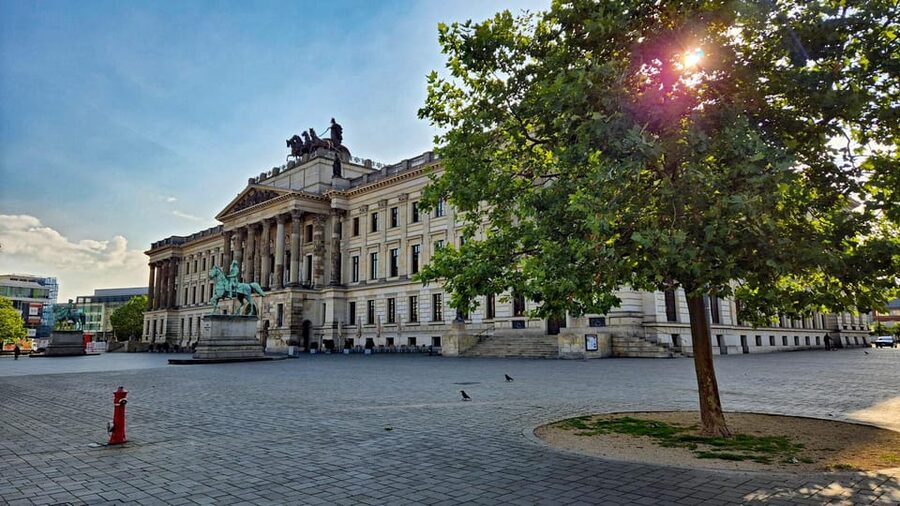
One early highlight is passing the Rizzi House in front of the Braunschweig Residential Palace. Even if you only catch it quickly, it’s the kind of place that signals the tour’s theme: the city isn’t frozen in the Middle Ages. Modern expression sits in the same frame as the historic power center, which makes the entire walk feel more honest.
If you like architecture, this is a good moment to tune your attention. You’ll likely be invited to look at what’s unusual and ask why it’s placed where it is, rather than just identifying a landmark.
Braunschweig Residential Palace to Platz der Deutschen Einheit
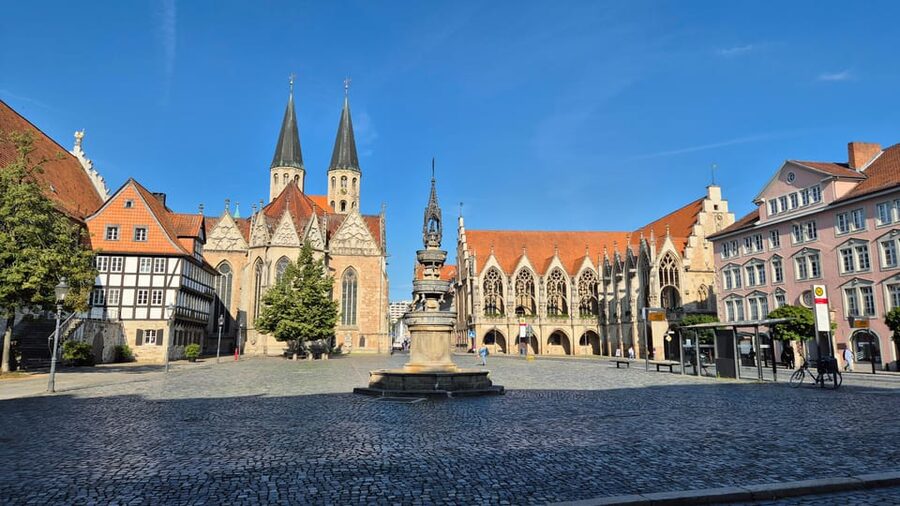
From the palace area, you continue toward Platz der Deutschen Einheit. This stop works well because it gives you a way to think about time periods as change, not as a straight line.
Braunschweig’s story in this tour isn’t just medieval dates and coat-of-arms talk. It connects political identity with the city’s physical spaces, so you start to understand why certain squares and civic sites exist where they do.
A practical tip: if you’re traveling with kids or you just like variety, this is a moment where you can ask questions without feeling like you missed something. The guide’s style is built for conversation, not for a one-way monologue.
Another way to spend a Brunswick Germany afternoon:
- Braunschweig: Guided Walking Tour with Food Tastings
★ 4.8 · 68 reviews - Braunschweig: Scavenger Hunt Self-Guided Walking Tour
★ 4.6 · 35 reviews
Burgplatz, the Lion Landmark, and Dankwarderode Castle
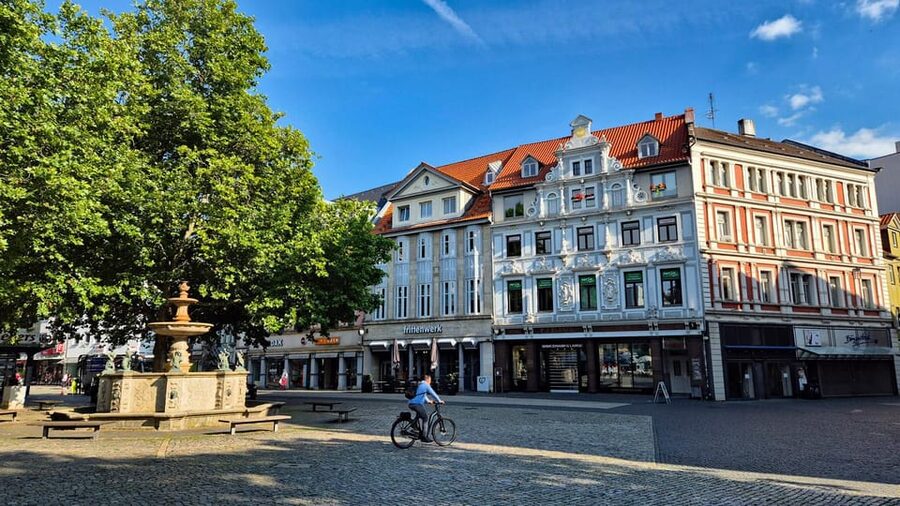
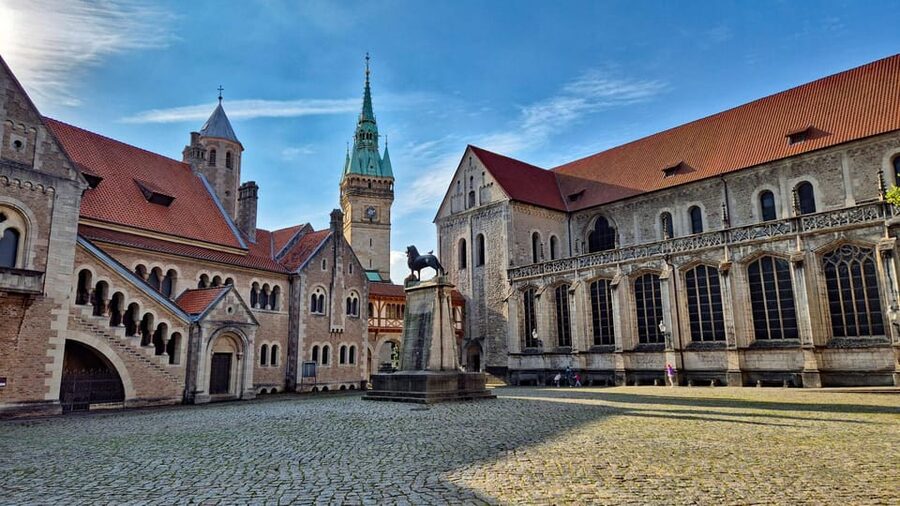
Next comes Burgplatz and Braunschweig’s best-known symbol, the lion. The point of this stop is more than photo time. The lion is a clue to the city’s political and dynastic identity, and you’ll tie it to the Guelphs and the power structures that shaped the city over centuries.
Nearby, you’ll see Dankwarderode Castle. This is the kind of building that rewards slowing down for a minute, because it helps you grasp how medieval authority was displayed in stone and silhouette. Even if you’re not a castle person, you’ll feel the difference between defensive imagery and civic symbolism.
Then comes St. Blasii Cathedral. In a short walk, a cathedral stop can go either way, either it becomes generic or it becomes meaningful. Here, it’s used as a timeline anchor, so you can connect religious and social life to the political story you heard at Burgplatz.
Possible drawback: religious buildings can involve a bit of waiting for the group to gather, especially if you’re moving in a private format with a slower pace. If you prefer fast, nonstop movement, you’ll still be fine here, but go in expecting a few brief slowdowns for context.
Reading War-Era Traces at Ringerbrunnen
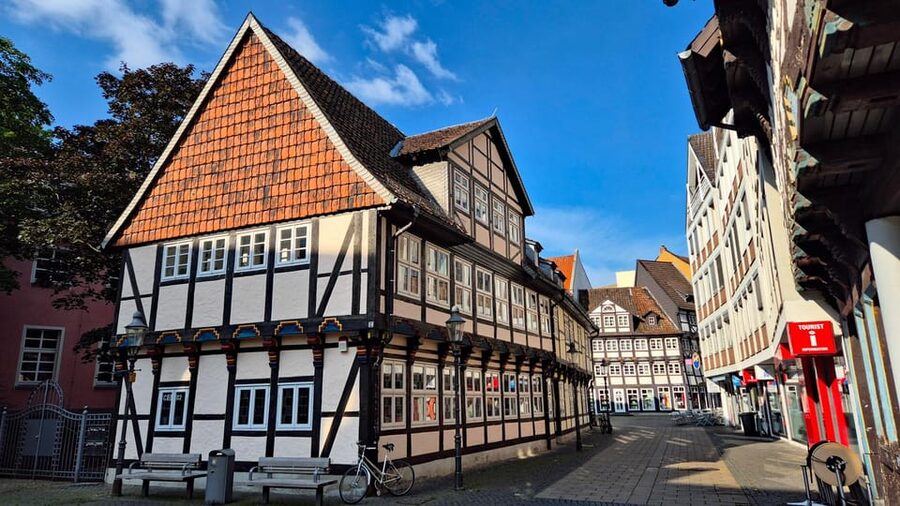
At Ringerbrunnen, you pause again at a more everyday-feeling spot. That matters, because the tour doesn’t only celebrate official monuments. It also points out how destruction and rebuilding left marks that still shape the look and feel of streets.
Braunschweig has war destruction in its modern identity, and you’ll see how unique half-timbered buildings fit into that story. The value here is that you learn to recognize continuity, how the city kept aspects of its character while it changed what it rebuilt.
This is also a good moment for questions. In my experience of following guides like Tom Ahlgrim, the strongest answers often come when you ask something simple like what this area used to be. The guide style on this tour is built for that, relaxed and friendly, so your curiosity feels welcome.
Kohlmarkt to Martinikirche, Old Streets With Real Purpose
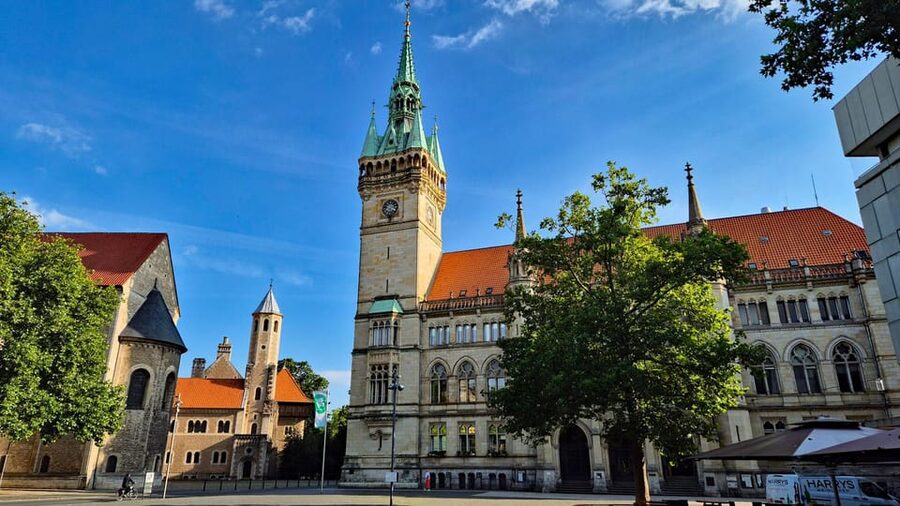
From the Ringerbrunnen, you continue to the lively Kohlmarkt. This stop is about rhythm, shopping streets and gathering spots teach you how people inhabit the city, not just how they once ruled it.
Then you reach Martinikirche. Churches here do more than point upward. They help you understand how communities formed around spiritual and civic life, and why certain squares became natural meeting points.
If you’re the type who likes detail, you’ll probably enjoy how the guide encourages observation. One particularly appreciated approach from Tom Ahlgrim is that he’s spent time looking at decorative clues on buildings, then explaining what to notice. You may walk away knowing how to spot similar frieze patterns in other towns too, which turns this tour into a skill, not just a list of stops.
Ending at the Altstadtmarkt and Altstadtrathaus
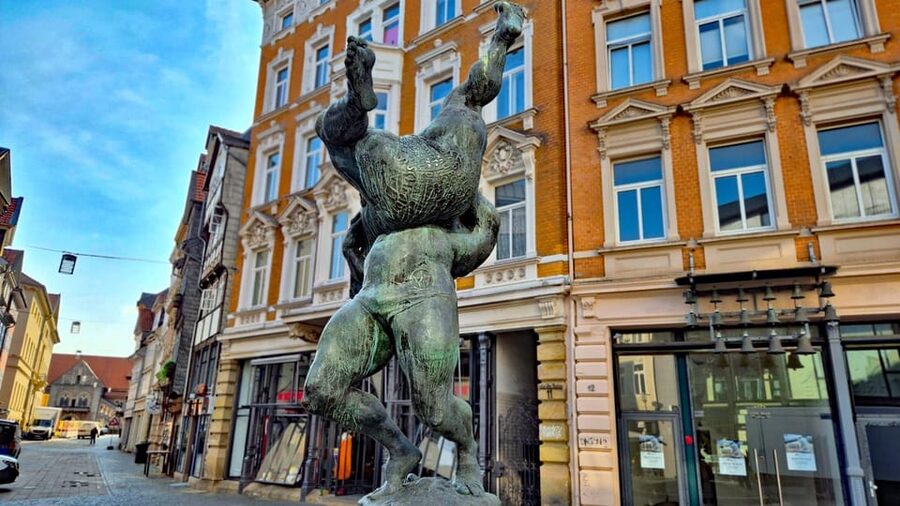
The final stretch brings you together at the historic square at Martinikirche and then to the old town market area, including Altstadtmarkt. This is where the city’s story lands in a place that still functions as a meeting ground.
You finish at the Altstadtrathaus, which feels like a natural punctuation mark. It’s the point where the walk’s themes settle into place: past authority, later identity, and a city that has grown into its present while keeping visible traces of what came before.
For many people, the best part of a guided walk is the final 10 minutes when everything starts to connect. If you want that effect, pace yourself earlier so you’re still fresh enough to absorb the last explanation.
Tom Ahlgrim and Tobi Volkmer, What Makes the Guiding Style Work
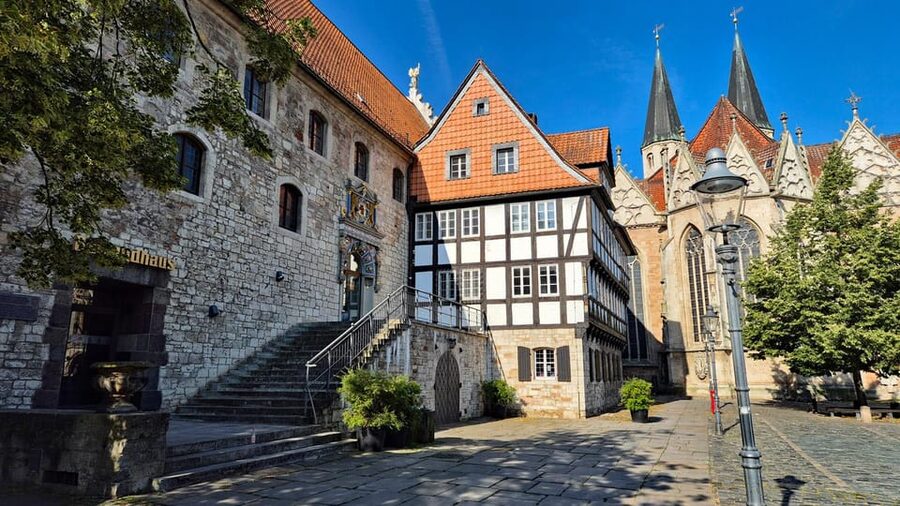
This tour is led by Tom Ahlgrim or Tobi Volkmer, both BVGD-certified guides. That certification matters in practice because it signals structured storytelling, accurate details, and a willingness to manage the group well.
What I like about their approach, based on repeated guest experiences, is the balance of information and pacing. Tom, in particular, is described as friendly and relaxed, with strong English presentation, and he consistently makes room for questions. That means you can stay engaged even if you’re not the kind of person who reads every plaque.
Another standout is how well the guides handle real-world conditions. Even with rainy weather, the tour keeps its flow, which is important in northern Germany where plans can feel fragile. The guide’s ability to keep the group interested is a practical talent, not just a personality trait.
There’s also a thoughtful element. You may notice that the guide builds in small surprises that fit the group, including families or mixed ages. That doesn’t mean the tour turns into chaos, it means the guide stays attentive to what your group needs in the moment.
If you travel with older relatives, you’ll appreciate the care around comfort. One group experience specifically mentioned that the guide always pointed out places to sit, so people could rest without feeling like they were missing the story.
The $88 Price for a Private Group Up to 2 People
Let’s talk value, because $88 per group up to 2 people is only a bargain if it fits what you want.
For a 2-hour walk, the private format is the big advantage. If you’re traveling as a couple, a pair of friends, or you want individualized questions, paying for up to two people means you’re not sharing your guide with strangers who might want a different pace.
You also get the guide time plus explanations at each point of interest, and you’re not paying extra for booking fees. That makes the cost feel simpler, because the experience is basically the guide and the walk, not a bundle of add-ons.
When it’s not as good a deal: if you’re solo and you’re fine with a standard group tour, you might find lower per-person options elsewhere. But if your priority is a calm pace, question time, and a guide who notices your group, this private setup can be the better use of money.
Practical Tips to Get the Most From the Walk
A walking city tour lives or dies by comfort. Wear shoes that can handle uneven sidewalks and expect you’ll be outside most of the time.
Bring a question or two before you start. Good topics for this kind of tour include how Henry the Lion shaped the city, why the Guelphs mattered, and how the city moved from medieval identity to modern research. When you ask, you’ll likely get answers tied directly to what you’re seeing.
One more practical note: audio recording is not allowed. That doesn’t stop you from taking notes or photos, but it does mean you should plan to listen and ask questions instead of relying on recorded playback.
Should You Book This Braunschweig City Tour?
Book it if you want a tight, well-paced 2-hour walk that connects Braunschweig’s medieval power story with the city’s present-day research identity. I’d especially recommend it if you like learning how to read a city at street level, not just collecting a set of monuments.
Skip it or ask extra questions first if you need a tour designed for people with significant vision or hearing needs, or if mobility challenges will make a continuous walk difficult. Also consider your style: if you prefer a self-guided stroll with minimal explanations, this guided format will feel heavier.
If your goal is to leave Braunschweig feeling like you understand the city, not just where its big sights are, this is a smart choice. With Tom Ahlgrim or Tobi Volkmer leading, you’re paying for guided context that makes the stones and squares make sense.
FAQ
How long is the Braunschweig city tour?
The tour lasts about 2 hours.
How much does the tour cost?
It costs $88 per group up to 2 people.
Where do we meet for the tour?
The meeting point is Magnikirchenplatz, on the corner of Magni Boutique Hotel. Parking is available at Schlossarkaden car park at Ritterbrunnen 1, with about a 200 m walk.
Who will guide the tour?
The tour is guided by Tom Ahlgrim or Tobi Volkmer, who are certified tour guides.
What languages are available?
The live tour is offered in English and German.
Is the tour private?
Yes, it is a private group.
What is included in the price?
Included are the guided tour (1.5 to 2 hours), explanations at the points of interest, and booking fees.
What is not allowed during the tour?
Audio recording is not allowed.
Fresh reviews out of Brunswick Germany
- Braunschweig: Private City Walking Tour with Certified Guide★ 4.8 · 35 reviews
- Braunschweig: Scavenger Hunt Self-Guided Walking Tour★ 4.6 · 35 reviews
- Braunschweig: Guided Walking Tour with Food Tastings★ 4.8 · 68 reviews
- Braunschweig: Private Tour through the history of crime★ 4.5 · 11 reviews
- Braunschweig’s Mystery Morning: Breakfast & Escape Game★ 4.4 · 18 reviews
City Tours, compared.
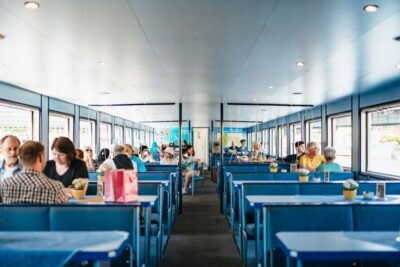
1-Hour City Tour by Boat with Guaranteed Seating
Read our review →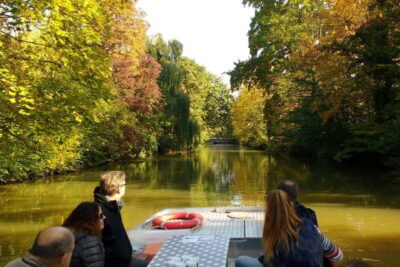
City History Canal Sightseeing Tour on a Motorboat
Read our review →
Browse the lists this tour appears in