
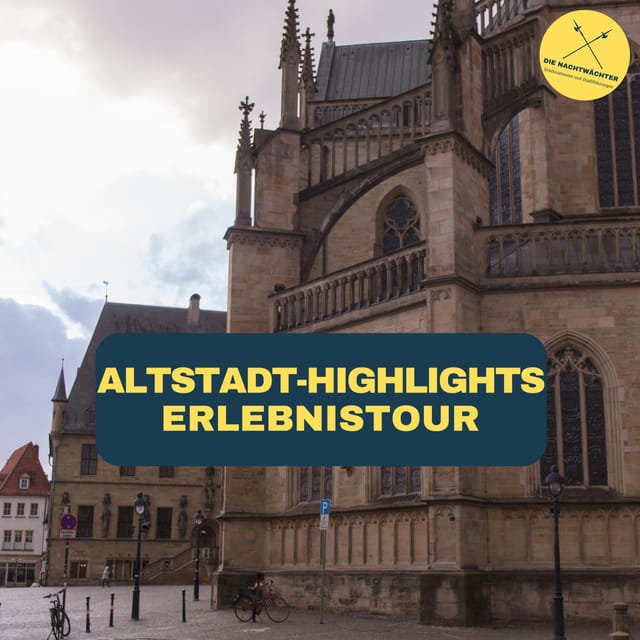
Reviewed · JAPAN
Osnabrück: Altstadt-Highlights (Stadtführung)
If you want to get your bearings in Osnabrück fast, this one-hour old-town Stadtführung is a smart pick. I like how it ties the Rathaus to the Peace of Westphalia using street-level stops, and I also like the medieval city scales moment, because it shows you how markets really worked. The one drawback to flag up front is that the cathedral and cloister are only included when they’re open, so you may not see everything on every date.
In practice, you’ll meet behind the Rathaus and walk across the historic center from one side of the old town to the other, with plenty of explanation packed into a short route. The guide is German, and since it runs in all weather, wear shoes you can move in comfortably, even if the sky is doing its own thing.
Key highlights worth your time
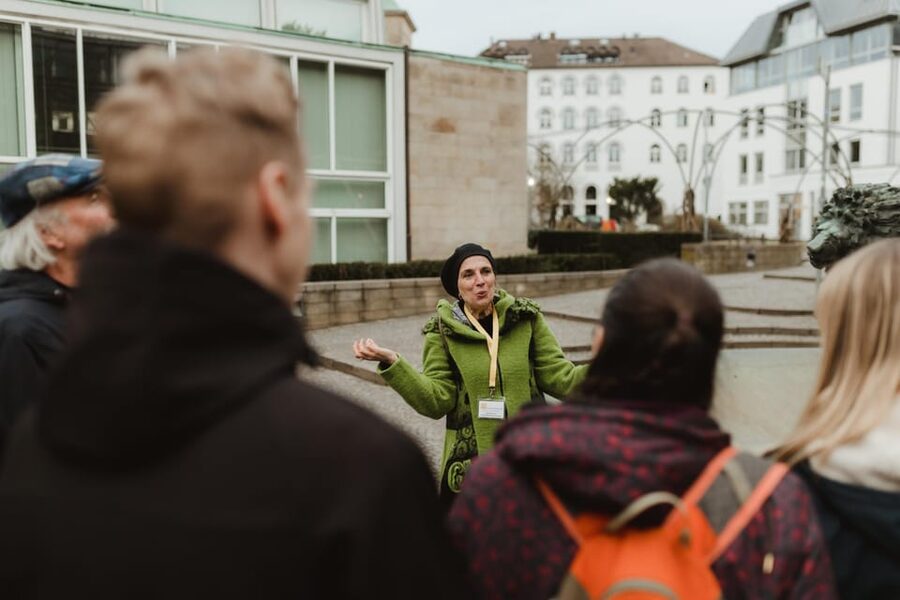
- One hour, many classics: old-town highlights in a tight schedule, end to end across the Altstadt
- Rathaus plus the Peace of Westphalia: you learn why this building matters beyond postcards
- Medieval city scales: a practical look at trade and weighing goods in the market area
- Cathedral and cloister, if open: access included depending on opening times
- Osnabrück’s storyline in stops: from Hanseatic League connections to the local VfL
- Hexengang explained on the walk: you’ll hear what the so-called Hexengang refers to in local context
One hour, end to end: how the Osnabrück Altstadt highlights walk works
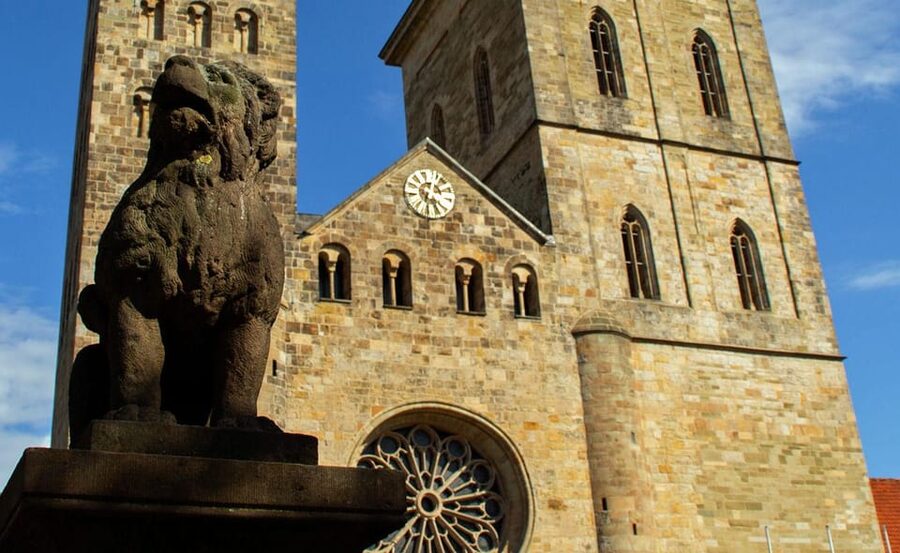
This tour is built for people who don’t have a lot of time, but still want the main sights to make sense. The format is straightforward: you start near the Rathaus, you cross the historic center, and you finish on the other side of the old town, all within about one hour.
What makes it work so well is that it’s not just a list of buildings. The stops are chosen to tell a timeline you can feel under your feet. You go from medieval trade and market life, to civic power and diplomacy, to later identity markers like VfL. If you like walking tours that help you connect dots, this one fits.
You’ll also get a guide who keeps the session moving without feeling rushed. Based on real feedback, the explanations come with energy and the pacing stays relaxed, even when weather is less than ideal. That matters, because a short tour can feel like it’s trying to swallow the city whole. Here, it tends to land in your brain instead.
More to plan into a Osnabruck stay:
- Osnabrück: Nachtwächter-Führung (Erlebnistour)
★ 4.5 · 123 reviews - Osnabrück: Rathaus- und Altstadt Tour (Stadtführung)
★ 4.6 · 85 reviews - Osnabrück: “Gallows, graves & crooks” (adventure tour)
★ 4.8 · 22 reviews
Start behind the Rathaus at Bierstraße 28, across from the Tourist Info
Your starting point is easy to spot once you’re there: Bierstraße 28, 49074 Osnabrück, behind the Rathaus, opposite the Tourist Info.
This location is practical for two reasons. First, it puts you immediately in the heart of the action, so you waste less time finding your first landmark. Second, the Rathaus area is where the tour’s big themes start to click, especially the Peace of Westphalia connection.
Because the guide leads in German, if you’re not confident with the language, you might want to download a translation app ahead of time. You’ll still get value from seeing the places up close and following the structure, but the details will land best when you can follow the guide’s words.
The Rathaus and the Peace of Westphalia stop you can actually picture

The Rathaus is the anchor. You don’t just pass it, you learn why it’s central to Osnabrück’s identity through the Peace of Westphalia.
Here’s the practical way to think about it: peace agreements are easy to reduce to dates and names. On this walk, you’ll get the city context that makes the whole thing less abstract. When you stand in the same civic space where history happened, you start to understand how a town’s political and cultural role can shape its reputation for centuries.
If you’ve ever looked at a map and wondered why one city seems to show up in European history again and again, this is exactly the kind of stop that explains it. Expect clear, structured talk, and you’ll likely appreciate how the guide connects the Peace of Westphalia to the streets you’re walking along.
Medieval city scales between the Rathaus and St. Mary’s Church
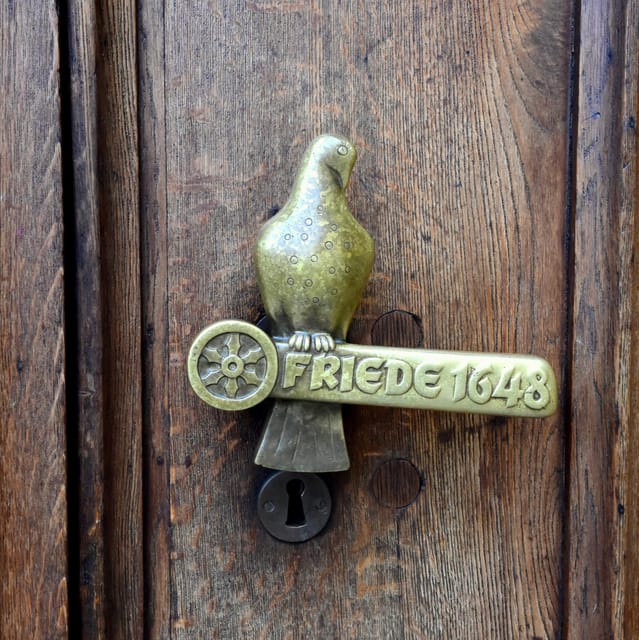
One of the most interesting stops is the medieval city scales, located between the town hall and St. Mary’s Church.
This is the kind of detail that most tours skip, because it’s not glamorous in a “big monument” way. But it’s incredibly useful, because it explains market life. Merchants couldn’t just guess or eyeball the weight of goods. The scales were part of making trade fair, consistent, and official in a place where buyers and sellers needed trust.
So when you hear how these scales worked, you’re not just learning trivia. You’re learning how a medieval city functioned day to day. That makes everything else you see, like squares and church-adjacent streets, feel more connected to real life.
Also, the stop sits right in the walking flow, so it doesn’t feel like a detour. It’s a focused moment that turns the old town from scenery into a working system.
Another way to spend a Osnabruck afternoon:
- Osnabrück: Gertrudenberg-Führung (Erlebnistour)
★ 4.7 · 10 reviews
St. Mary’s Church area and the city timeline from Hanseatic trade to VfL
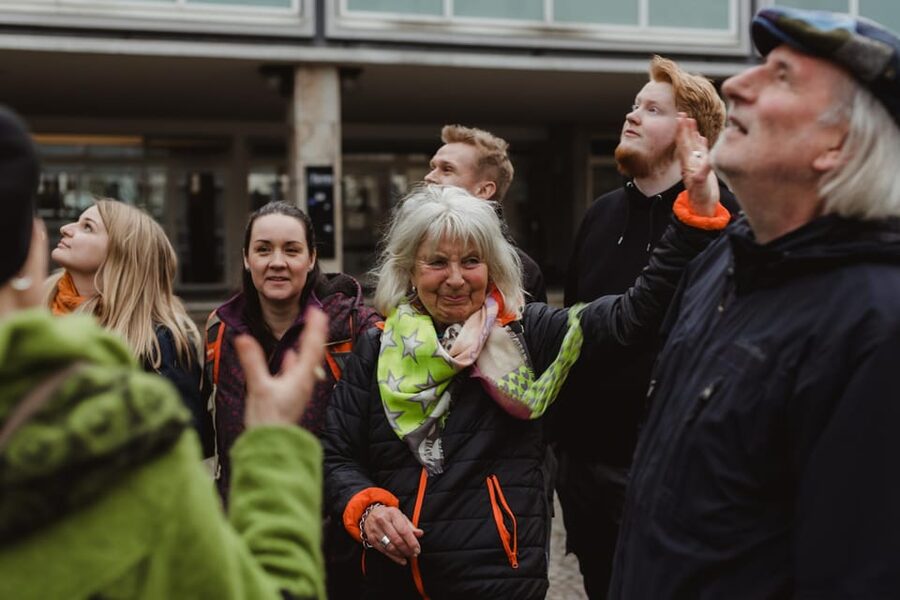
Osnabrück doesn’t only live in medieval legends and diplomacy. The tour also pulls you forward through time, and you’ll hear the city’s story from Hanseatic League connections to later identity markers, including the local VfL.
This matters because many city centers lean heavily on one era. Here, the goal is balance. You get the trade and civic structure that shaped medieval Osnabrück, and then you get the later thread that shows how the city kept reinventing itself.
The St. Mary’s Church area is part of that logic. Even if you’re not planning a long church visit, the exterior and immediate neighborhood help you understand why certain parts of a city became hubs for commerce, worship, and civic gatherings. You’re seeing the city as a system, not separate attractions.
One tip for you: when the guide mentions a new era or theme, slow down mentally for ten seconds. Ask yourself, what would people’s priorities be in this period? The tour nudges you that way, and it makes the one-hour pace feel more rewarding instead of frantic.
Cathedral and cloister access when opening times line up
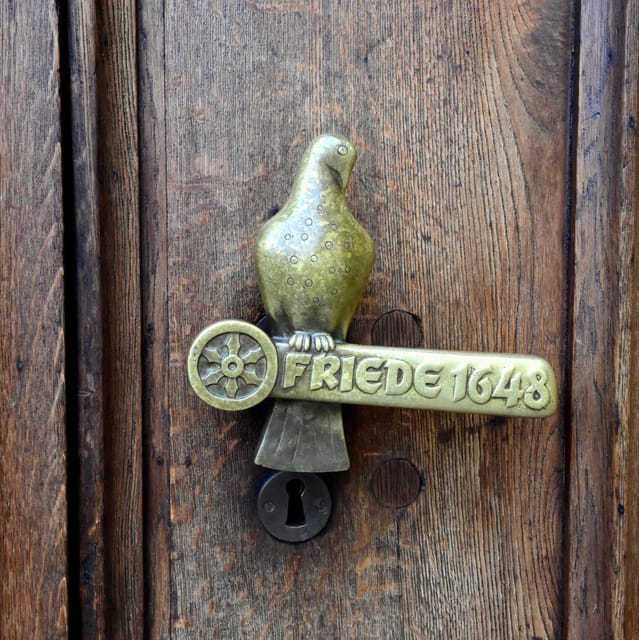
If the cathedral is open, the tour includes Osnabrück Cathedral and the cloister, with access included.
This is a big “if,” and you should plan accordingly. If you’re visiting in a season or on a day with limited hours, you might not see the same interiors. The good news is that the tour is still worthwhile without it, because the Rathaus and the market-related stops carry the main story.
Still, if you do get into the cathedral and cloister, treat it like your reward pause. Churches and cloisters are made for slower thinking. Even a short time there can change how you view the old town, because the architecture and layout make the city feel intentional, not random.
Because your actual experience depends on opening times, you’ll get the best results by checking the cathedral schedule right before your walk. That way, you can make peace with what you will and won’t see, and you’ll enjoy the time you do have instead of wishing for more.
The Hexengang: what you’ll hear on this walk
The tour mentions a so-called Hexengang, and you’ll get context about what it means in the Osnabrück story.
I like this kind of stop because it brings local naming and legend into the open. Even if you don’t treat it like a literal checklist of facts, the explanation helps you understand how communities remember themselves. Osnabrück isn’t just stone and dates. It’s also people passing stories down, shaping identity through place names.
If you’re the type who enjoys learning how local culture labels corners of a city, you’ll probably find this part satisfying. It also helps break up the more formal civic and church segments, giving the tour some human texture.
Group tour energy: what the feedback says about the guide
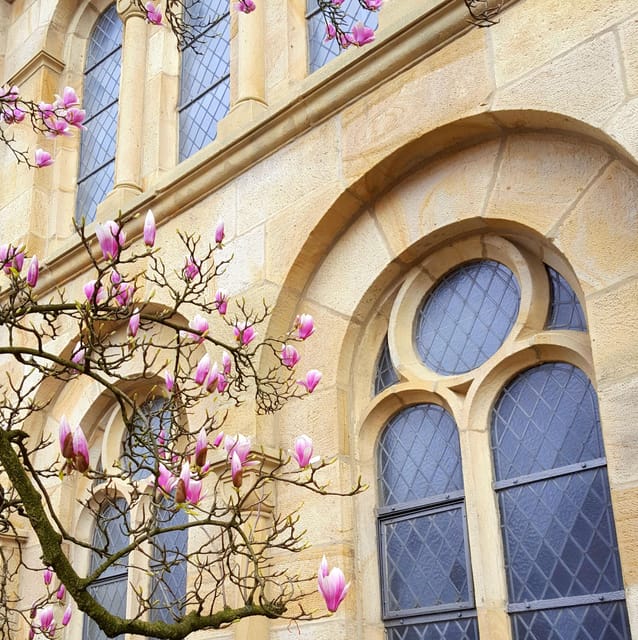
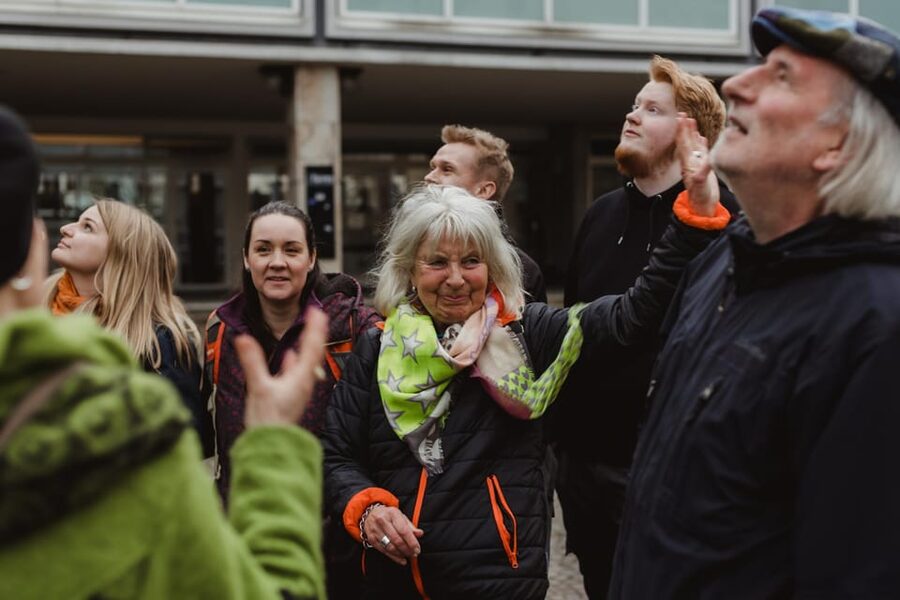
The strongest praise across the feedback is about the guide. People highlight motivation, competence, a good structure, and a relaxed pace. In other words, you’re not getting a rush-through where the guide watches the clock the entire time.
There’s also a practical note: the guide can handle different group dynamics, including children on the tour. If you’re traveling with kids, this matters because one-hour Stadtführungen can be either a perfect walk or a survival test. Here, the style appears geared toward keeping attention while still delivering real information.
Another detail that’s worth your attention is how the guide deals with bad weather. This tour runs in all wind and weather conditions, so even if it’s rainy, cold, or windy, the experience is designed to keep going. That doesn’t mean you’ll forget discomfort, but it does mean the tour won’t collapse into disappointment.
Weather-proof your outfit for this Osnabrück stroll
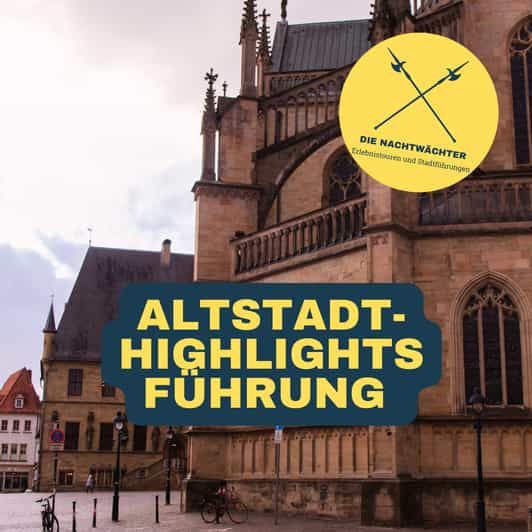
The tour operates in all weather. That sounds standard, but in real life it changes what you should wear.
I recommend dressing in layers and bringing something that handles wind. The walk is about an hour, so you’re not committing to a half-day hike, but you will feel the weather on open streets. Comfortable shoes matter more than you think, especially if you’re planning to explore more of the city right after.
If you’re visiting in colder months, consider a warm hat and gloves. If it’s rainy, a compact rain jacket beats fighting with an umbrella while walking. You’ll enjoy the landmarks more when your focus stays on the guide instead of on getting comfortable.
Price and value: is $15 for one hour a good deal?
At $15 per person for a one-hour city highlights walk, this is priced for value and convenience, not for a long, slow museum-style experience.
Here’s why it works for many budgets:
- You get a guided route through the historic center, so you’re not spending time guessing what to see first.
- You learn the themes behind key sights like the Rathaus and the Peace of Westphalia, which makes the architecture more meaningful.
- You may also get cathedral and cloister access when open, which adds extra payoff without needing separate planning.
The missing piece is that this is not a deep, multi-hour immersion. If you want long stops, long questions, and a museum level of detail, you’ll probably want a longer format. But if you need the highlights to “click” so you can explore on your own afterward, this is a very efficient way to use your time.
And just note, tip (Trinkgeld) is not included. If you appreciate the guide’s effort, budgeting for that is part of being a good guest.
Who this Osnabrück city tour is best for
This tour is ideal if you:
- have limited time and want old-town Osnabrück to make sense quickly
- like walking tours with clear structure and lots of information in a short window
- want a guide who can keep the group engaged, even if you bring kids
- enjoy the blend of civic history, trade details, and local storytelling like the Hexengang
It might be less ideal if you:
- only want interior visits no matter what, since cathedral and cloister access depends on opening times
- need English-language guidance, since the tour guide is German
Final verdict: should you book the Altstadt-Highlights Stadtführung?
I’d book this one if your day in Osnabrück is tight and you want the core sights to connect into a real storyline. The mix of Rathaus and Peace of Westphalia, market-focused city scales, and optional cathedral and cloister makes it efficient. Plus, the feedback points to a guide who is structured, relaxed, and clearly invested in teaching, even when the weather is rough.
If you’re the kind of traveler who likes learning from the street itself, this is a solid use of an hour.
Fresh reviews out of Osnabruck
- Osnabrück: Gertrudenberg-Führung (Erlebnistour)★ 4.7 · 10 reviews
- Osnabrück: “Gallows, graves & crooks” (adventure tour)★ 4.8 · 22 reviews
- Osnabrück: Rathaus- und Altstadt Tour (Stadtführung)★ 4.6 · 85 reviews
- Osnabrück: Nachtwächter-Führung (Erlebnistour)★ 4.5 · 123 reviews