
Reviewed · MüNSTER TOURS
Münster: Private Guided Sculptures Tour on a Rickshaw
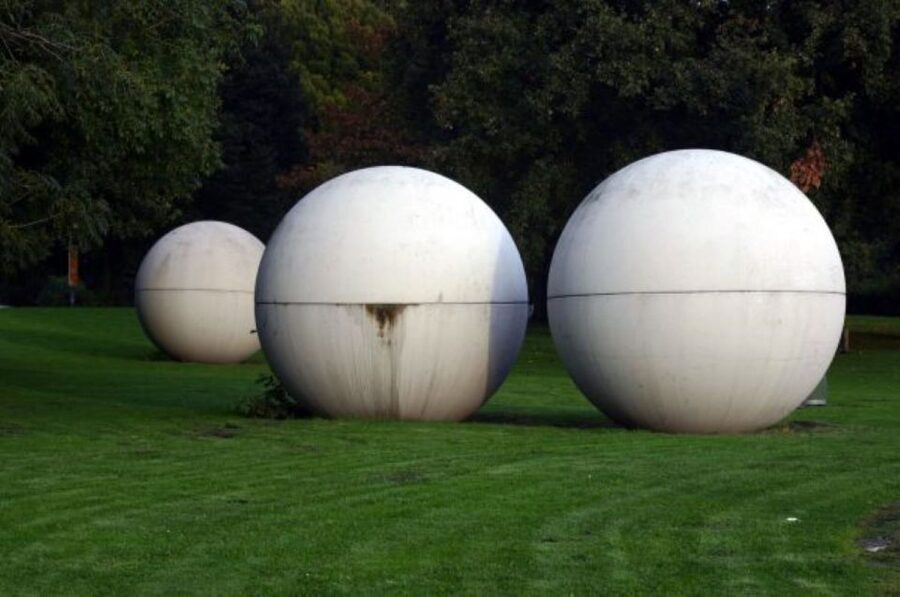
Münster is one of those cities where public art is not stuck behind museum glass. This rickshaw tour turns the Münster Sculpture Projects into something you can spot street by street, park by park.
I like two things a lot: you get a guided route that makes sense of the art in context, and you see big-name artists you might otherwise only recognize in a gallery or book. One thing to keep in mind is that it is an outdoor, 90-minute ride, so bring weather-appropriate clothing and expect the time to feel fairly full.
Why Münster Sculpture Projects Feel Different From Usual Art Tours
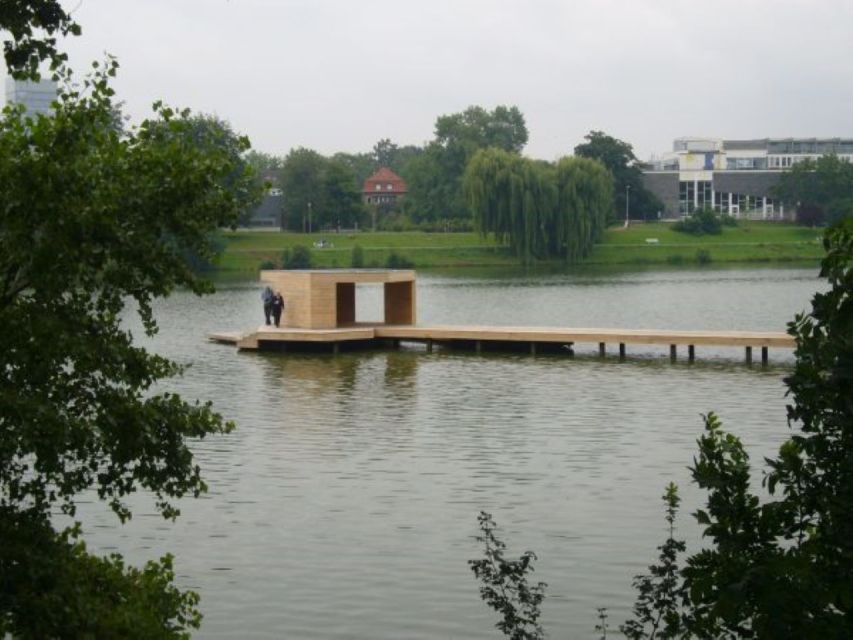
Münster’s art program is built around a simple idea, sculptures are placed in public spaces, then they stay for years. The Münster Sculpture Projects happen every 10 years, starting in 1977. That timing matters because you are not only looking at what was installed recently, you are seeing how the city has made room for art again and again.
On this private tour, the guide connects the works to the city’s rhythm. You ride around Münster and learn how the program has shaped streets, courtyards, and parks over time. If you like the feeling of art being part of daily life, this is a smart way to experience it fast without doing homework first.
I also appreciate the lineup. You will pass artworks by artists including Donald Judd, Jorge Pado, Claes Oldenburg, Rosemarie Trockel, Martha Rosler, Bruce Naumann, Per Kirkeby, Ilya Kabakov, Thomas Schütte, and Daniel Buren. Even if you only know a couple of names, the tour gives you enough context to keep the rest from feeling random.
A rickshaw adds a practical bonus: you can cover more ground than a walking loop, and the tour stays relaxed. You are not sprinting from one sculpture to the next, you are cruising.
Key Highlights Worth Planning Around
- Private rickshaw format so you can move between outdoor artworks without heavy walking.
- Münster Sculpture Projects every 10 years since 1977, explained in an easy, city-focused way.
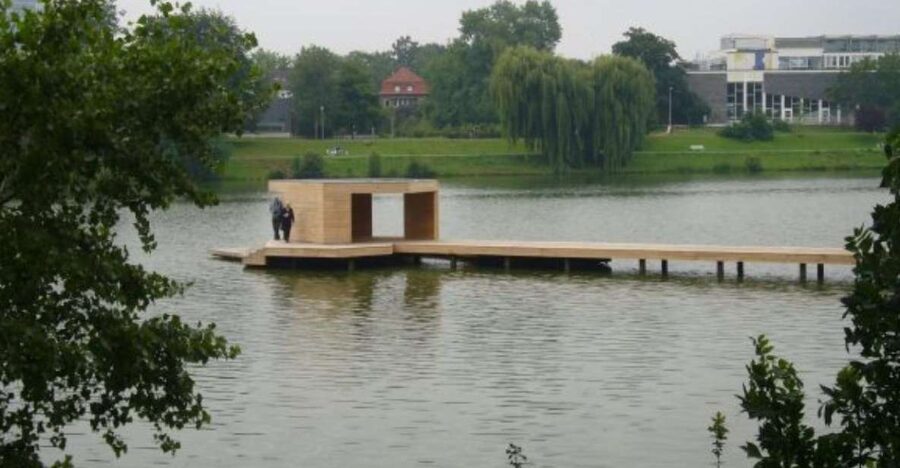
- Stops that include public parks, streets, and courtyards, not just one square.
- Big-name artists such as Donald Judd, Claes Oldenburg, Jorge Pado, Rosemarie Trockel, and Martha Rosler.
- A guide who ties art to place, with past sessions noting clear explanations and strong background context.
Weigh these Münster picks against each other
- Münster: Old Town Highlights Guided Tour
★ 4.7 · 286 reviews - Münster-Highlights-Tour with Rickshaw-Guide
★ 4.8 · 244 reviews - Münster: Nachtwächter-Führung (Erlebnistour)
★ 4.4 · 213 reviews
Starting at Old City Hall, Then Getting Your Bearings Fast
Your tour meets at the historic City Hall, with your guide standing in front and next to the rickshaw. That is a good start point because you get oriented right away, and the tour immediately frames what you will see next.
From there, the ride is the real trick. Münster is a city you can enjoy on foot, but the sculpture program spans multiple outdoor settings. On a rickshaw, you keep your energy for noticing details. You do not waste the first 20 minutes figuring out how to get from one area to another.
Even at the start, the guide’s job is not just narration. It is translation. The tour is about helping you look at public sculpture like it has a job in the city, which it does. The rickshaw route lets the guide set that expectation early, then you see it play out as you go.
How the Ten-Year Sculpture Rhythm Changes What You Notice
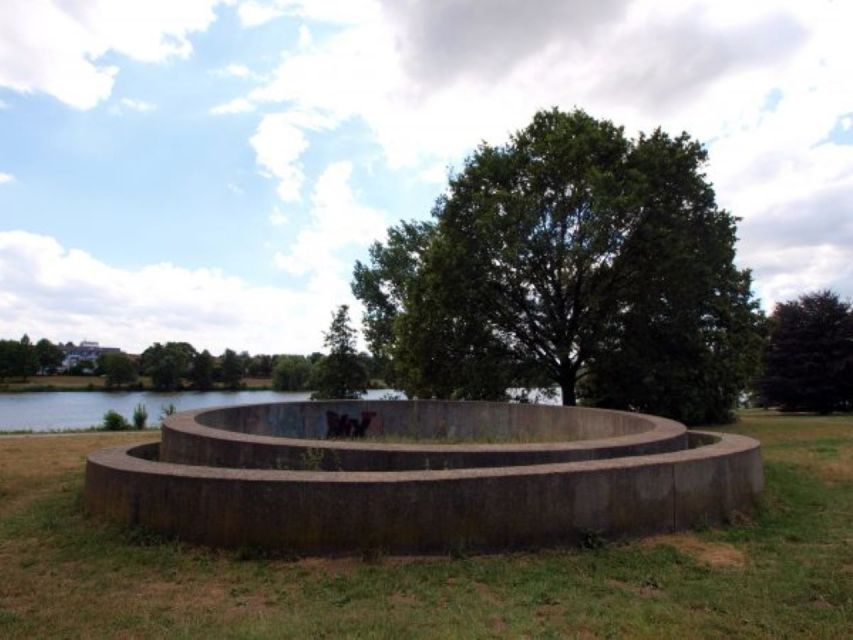
Here is the part that I think most people underestimate. The Münster Sculpture Projects happen every 10 years, starting in 1977. That means the city has had repeated chances to decide, this belongs here, and then live with it.
When you understand that rhythm, the artworks stop feeling like random one-off installations. You begin to see the city’s long-term decisions: where public art can fit, how it interacts with foot traffic, and how a sculpture can become part of local memory.
During the tour, your guide connects the program to what you are seeing on the ground. You learn the basic pattern, then you apply it as you ride past works installed through the program over time. It is not just history for its own sake, it helps you interpret what you see next.
First Art Cluster on the Route: Judd, Pado, and Oldenburg
The tour includes sculptures tied to artists like Donald Judd, Jorge Pado, and Claes Oldenburg. You may encounter these works in different outdoor settings along the ride, which is actually useful.
Why? Because these artists can read differently depending on surroundings. A work that might feel abstract in a museum space can feel more immediate when you are looking at it from street level, with pedestrians moving around it, or when you see it framed by nearby architecture and greenery.
Your guide helps you slow down and look with purpose. Instead of asking you to memorize who did what, the focus is on what the work is doing in Münster’s public space.
If you like art but do not always know what to say about it, this part of the tour is built for you. You get the “how to see it” angle, not just “what it is.”
Another way to spend a Münster afternoon:
- Crime show city tour by rickshaw including guide
★ 4.8 · 105 reviews - Münster: Night watchman tour through the picturesque old town by lantern light
★ 4.8 · 65 reviews - Münster: Beer Tasting Rickshaw Tour
★ 4.7 · 56 reviews - Private Christmas Tour in Münster including Glühwein
★ 4.9 · 54 reviews
Park, Street, Courtyard: The Sculpture Program in Different Rooms
One of the best parts of the tour is that you are not limited to one type of setting. The artwork shows up in public parks, streets, and courtyards.
That matters because each space creates a different viewing experience:
- Parks give you more time to look from multiple angles, with openness and changing light.
- Streets make scale and movement obvious, you are aware of the sculpture as part of circulation.
- Courtyards can feel like outdoor rooms, where the architecture supports a more contained feeling.
The guide’s route uses those differences like a lesson plan. You ride, stop when it makes sense, then you learn enough background to understand why the artist’s approach works in that exact spot.
If you only do museums, this is the moment you realize public sculpture is a different game. It is not about being quiet. It is about being in the middle of life.
Rosemarie Trockel and Martha Rosler: Learning to Read Contemporary Signals
Among the names included on this tour, Rosemarie Trockel and Martha Rosler stand out because they often challenge how people expect public art to behave.
On a rickshaw tour, you get a great advantage: you can take in the work, then immediately get the guide’s framing without losing your place. That is helpful when a piece has layered meanings or when it feels less straightforward at first glance.
The guide brings context for how these works connect to the city and to the broader idea of placing sculpture outdoors for the long run. You are not expected to already know the art world’s vocabulary. The tour gives you enough to make your own connections as you move.
One more practical point: because you are in motion, you are less likely to overthink a single sculpture. That makes the experience more enjoyable. You see more, you stay curious, and the city stays in the picture.
The Broader Artist Lineup, and Why It Works
In addition to Judd, Pado, Oldenburg, Trockel, and Rosler, the tour can include works connected to Bruce Naumann, Per Kirkeby, Ilya Kabakov, Thomas Schütte, and Daniel Buren.
This wide mix is not random. It mirrors the idea of the Münster Sculpture Projects. The city invites different approaches, different styles, and different ways of treating sculpture as part of public space. That means the tour route can feel like a set of contrasting viewpoints, each one teaching you how to look differently.
If you are the type who worries about signing up for an art tour and ending up bored, this is a solid choice. You are not stuck with one kind of sculpture. You get variety, with the guide acting as the thread that connects the pieces.
Comfort, Timing, and What to Wear for a 90-Minute Ride
This is a 90-minute private tour. That duration is short enough to be easy, but long enough that the guide can build context as you go. It is also long enough that you might want to pace yourself mentally, especially if you stop for multiple works.
Because it is outdoors and you are on a rickshaw, weather matters. Wear layers and bring weather-appropriate clothing. If it is cold, you will appreciate thinking about gloves or a warmer outer layer. If it is rainy, you might want something that protects you, since the tour is not described as fully indoor.
Also, expect that 90 minutes will move quickly. The point is selection and interpretation, not a deep, stop-by-stop museum style experience. If you want to linger for a long time at one sculpture, you will likely want to pair this with a little extra time on your own afterward.
Value Check: Is $58 Worth It for a Private Rickshaw Tour?
At $58 per person for a 90-minute private guided tour, the value depends on what you want out of your visit.
Here is what you get for the money, guided interpretation plus rickshaw transportation. That is a meaningful combo in a city art route, because it reduces logistics stress. Instead of planning a route yourself, you follow someone who knows what to point out and how the Münster Sculpture Projects fit together.
It also tends to work well if you are traveling with a couple of people who have mixed interests. Art lovers get context and big-name works. People who prefer “just show me what is cool” still get the satisfying feeling of seeing several sculptures without doing a lot of walking.
If you are extremely budget-focused, a self-guided walk might be cheaper. But you would lose the guiding that turns unfamiliar public sculpture into something you can actually understand in the moment.
Who This Tour Suits Best in Münster
This tour fits best if you fall into one or more of these buckets:
- You want to see public sculpture without turning your day into a scavenger hunt.
- You enjoy contemporary art when someone explains the signals and context clearly.
- You are in Münster for a short time and want a focused overview of the sculpture program.
- You are bringing kids or younger art fans who do better with guided storytelling and movement.
It is a private group tour, so it is a good format if you prefer more control over the pace and questions.
I also think it is ideal for first-time visitors. Münster is easier to appreciate when someone helps you understand why the art program is the way it is.
Booking Tips That Make the Tour Easier
A few practical ideas before you go:
- Wear weather-appropriate clothing, since the tour is outdoors on a rickshaw.
- Expect the tour to be structured around several artists and settings, so arrive ready to look, not just to photograph.
- If you care about a specific artist like Donald Judd or Claes Oldenburg, you can ask the guide to point out what to look for first when you arrive.
If you like tours where you learn how to see, and you value transportation that keeps you comfortable while you cover ground, you are likely to enjoy this one.
Should You Book This Münster Rickshaw Sculpture Tour?
I would book it if you want a smart introduction to Münster’s public sculpture world with a guide who connects the works to the city’s long-running sculpture program. The mix of artists, the rickshaw ride between outdoor spaces, and the clear focus on the Münster Sculpture Projects make it feel efficient and genuinely useful.
Skip it if you hate outdoor tours or if you want a long, slow, sit-down experience at just one location. This is a moving guided overview. It is meant to get you oriented fast and help you see the city’s sculptures with better context from the start.
If you are balancing time, curiosity, and comfort, this is one of the easiest ways to make the Münster Sculpture Projects feel personal in a single outing.
FAQ
Where is the meeting point?
Meet your guide in front of City Hall. The guide will stand next to the rickshaw.
How long is the tour?
The tour lasts 90 minutes.
Is the tour private?
Yes, it is a private group tour.
What languages are offered?
The live tour guide speaks German and English.
What will I see during the tour?
You will ride around Münster and see public sculptures connected to the Münster Sculpture Projects, including works by artists such as Donald Judd, Jorge Pado, Claes Oldenburg, Rosemarie Trockel, and Martha Rosler, along with others.
What should I bring?
Bring weather-appropriate clothing, since the tour is outdoors.
Is there free cancellation?
You can cancel up to 24 hours in advance for a full refund.
Can I reserve and pay later?
Yes, you can reserve your spot and pay later.
Fresh reviews out of Münster
- Münster: Private pub crawl with insider guide & free shots★ 4.6 · 11 reviews
- Münster Old Town: Outdoor Escape Game★ 4.1 · 14 reviews
- Münster Private Guided Walking Tour★ 4.5 · 18 reviews
- Münster Unpacked Tour : Rickshaw City Tour with Guide★ 5.0 · 28 reviews
- Münster: Old Town Crime Mystery Tour★ 4.0 · 35 reviews
- Münster: Old Town Historical Walking Tour by “Geo Epoche”★ 4.7 · 51 reviews
- Münster: Beer Tasting Rickshaw Tour★ 4.7 · 56 reviews
- Münster: Night watchman tour through the picturesque old town by lantern light★ 4.8 · 65 reviews
Münster Tours, compared.
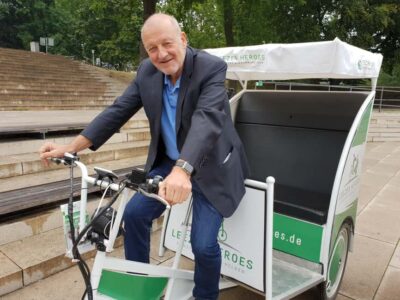
Crime show city tour by rickshaw including guide
Read our review →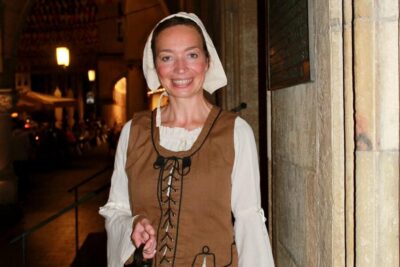
Münster: Night watchman tour through the picturesque old town by lantern light
Read our review →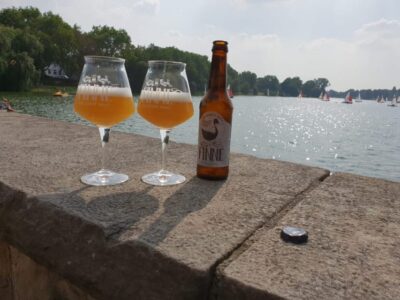
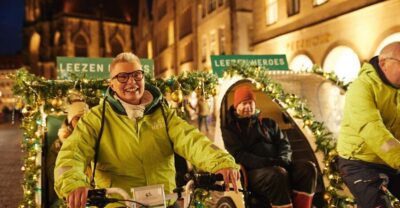
Private Christmas Tour in Münster including Glühwein
Read our review →
Münster: Old Town Historical Walking Tour by “Geo Epoche”
Read our review →Browse the lists this tour appears in