
Reviewed · HAMBURG TOURS
Hamburg: Private Tour – Schanzenviertel & Karolinenviertel
Hamburg’s Schanzenviertel and Karolinenviertel can look like a trendy playground from the outside, but this private walk turns it into something you can actually read. You get the neighborhood story behind the bars and independent shops, starting from the area’s foreland past and the way the city pushed outward over time.
What I like is how the guide connects the present to the old structures, so you are not just taking photos, you are understanding why these streets matter. I also like the mix of stops, including a quick look at the Rote Flora and a detour to Tim Mälzer’s restaurant, Bullerei.
One thing to plan for: the tour ends at Messehallen, so if you are aiming for a specific dinner reservation nearby, build in buffer time for getting there afterward.
Key highlights worth your time
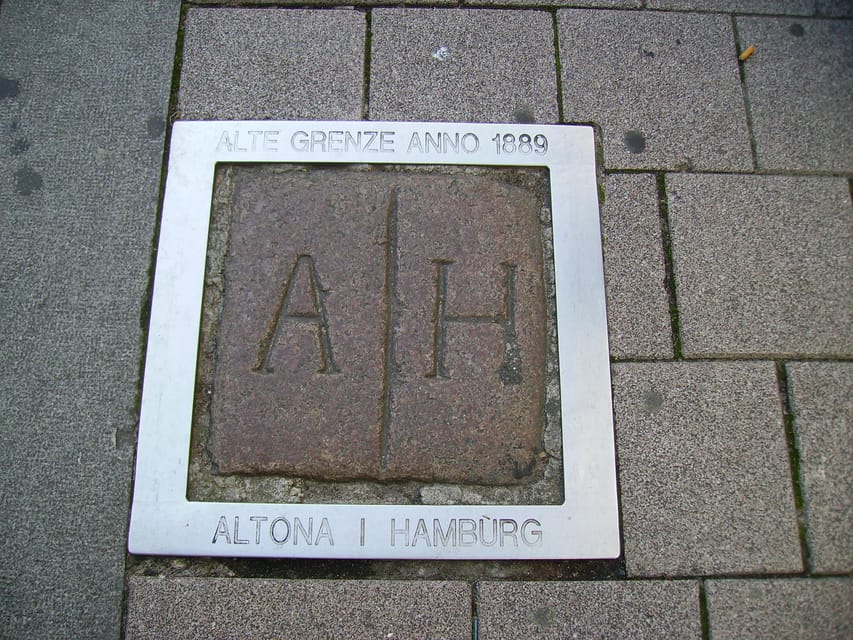
- Schanzenviertel history told around the Schanze, a former defense post, and how the area changed afterward
- Karolinenviertel context with explanations about how the foreland of Hamburg shaped everyday life
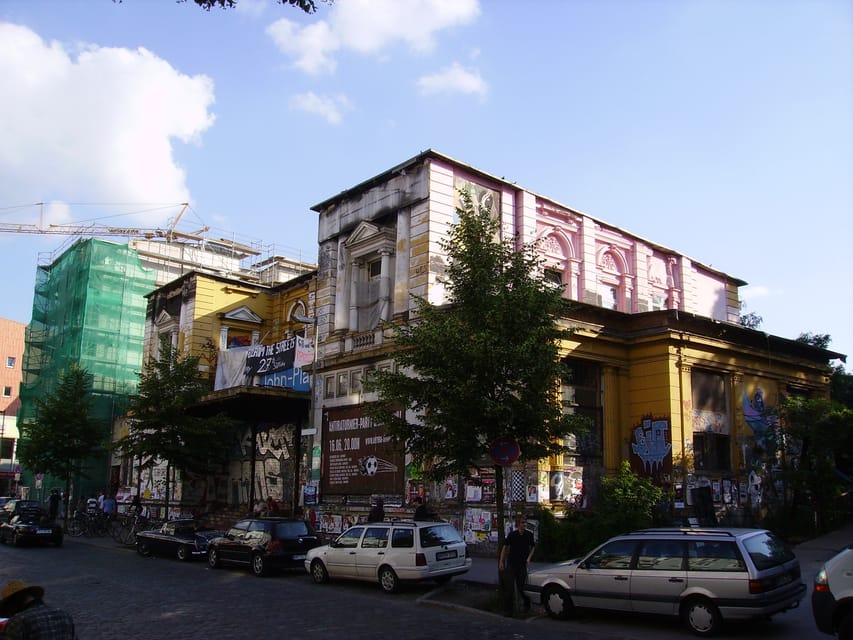
- Rote Flora stop for a quick, guided look at a landmark tied to the neighborhood’s identity
- Bullerei detour to connect street culture with Tim Mälzer’s well-known Hamburg spot
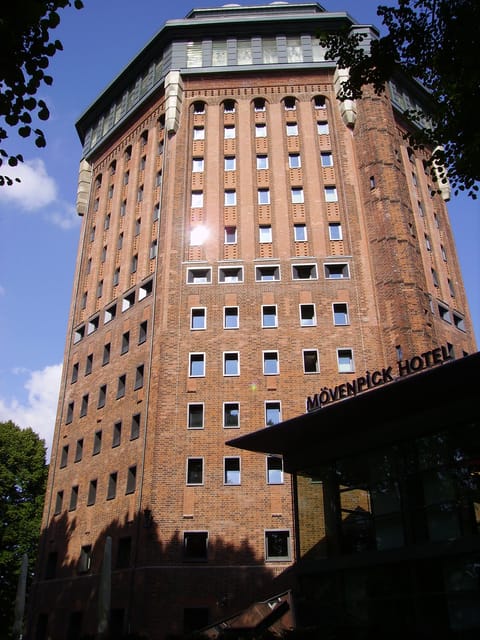
- Feldstrasse bunker in Heiligengeistfeld for the kind of stop that makes the city feel real
- Former cattle abattoir connection between Karolinenviertel and Schanzenviertel, linking both sides of the story
Schanzenviertel and Karolinenviertel, Where Hamburg Lets You See the City Up Close
This tour works because it treats the neighborhood like a living timeline. You are not stuck on the usual postcard routes, and you are not expected to be an expert on Hamburg’s urban planning to enjoy it.
Schanzenviertel is often described through nightlife and street scenes, but the walk gives you the older logic first. You learn why the area grew the way it did, then you notice how that shows up today in courtyards, back streets, and the kind of independent places people actually spend time in.
Karolinenviertel has a similar feel, with a different emphasis. It is newer in the way it developed, and it helps you understand how the city’s foreland in front of the old embankments gradually became part of daily Hamburg life.
Weigh these Hamburg picks against each other
- Hamburg: Sex and Crime in St. Pauli Tour for Ages 18 +
★ 4.7 · 17,793 reviews - Hamburg: 1.5-Hour Harbor and Speicherstadt Day Cruise
★ 4.6 · 14,200 reviews - Hamburg: 90-Minute Evening Lights Harbor Cruise
★ 4.5 · 7,728 reviews
Meeting at Sternschanze, Then Getting Oriented Fast
You start at Sternschanze U-Bahn station, exit Sternschanzen at Sternschanzenpark. That is a practical choice, because it gets you into the area quickly, before you get scattered by parallel streets and one-way systems.
The tour moves on foot, and the time is budgeted for short guided segments plus walking between them. In other words, you should expect a steady pace, not a slow “wander and guess” stroll.
If you are the type who likes to know what you are seeing before you photograph it, this start is your friend. You will get your bearings fast, then you can take pictures with meaning behind them.
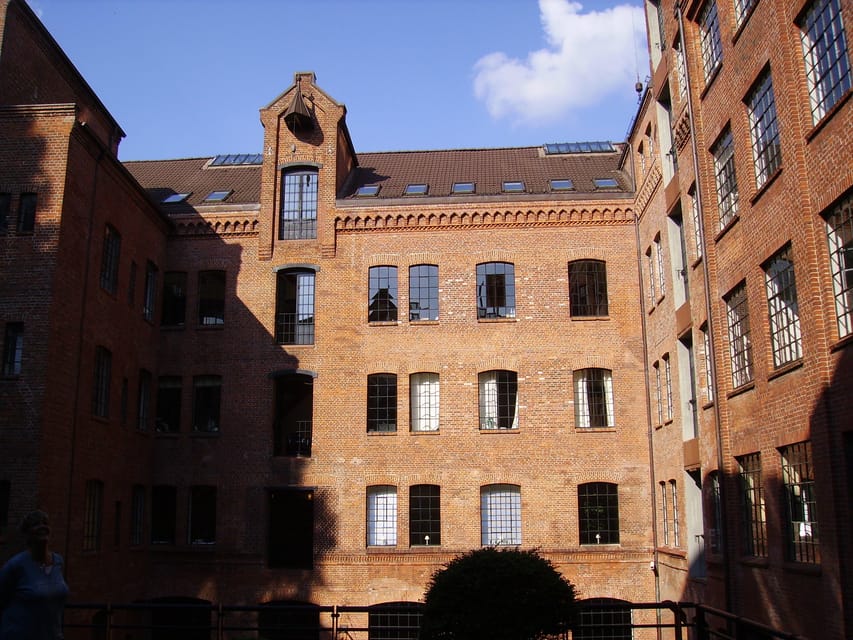
Schanzenviertel on Foot: The Schanze, Old Factory Corners, and Today’s Independent Shops
The Schanzenviertel portion is where the city’s earlier defenses and later neighborhood shift come into focus. You hear about the Schanze, an early defense post for Hamburg, and then how people later turned that legacy into something livable.
What I like about this stop is that it is not just “history talk.” The guide points your attention toward the kinds of details you can spot with your own eyes, back courtyards and older factory sites that help explain the district’s structure.
This is also where you notice the modern layer, working-class to residential, then to trendy and busy. You will pass local independent shops and see how the area now supports restaurants, bars, and clubs without losing the traces of its former self.
If you are visiting Hamburg for the first time, you will leave with a more complete picture of the city. If you already know Hamburg’s big sights, this tour gives you the missing neighborhood angle.
Karolinenviertel in 20 Minutes: Forelands, Everyday Change, and Why It Is Not One Story
Karolinenviertel is often treated as an extension of the bigger Schanzenviertel story, but this walk separates the two enough to feel the differences. The guide focuses on the foreland concept, the land in front of the former embankments, and how Hamburg’s expansion shaped what came next.
This section is short, but it is designed to give you the logic behind the streets. You learn how the district developed into one of Hamburg’s younger neighborhoods, and you get a realistic sense of the change and the tensions that come with it.
A useful part here is the tone. The tour does not reduce the area to headlines or demonstrations. Instead, it connects the high visibility to the district’s everyday life, so you understand why people care and what the neighborhood is dealing with now.
Another way to spend a Hamburg afternoon:
- Hamburg: 2-Hour XXL Port of Hamburg Cruise Tour
★ 4.7 · 6,979 reviews - Hamburg: Line A Sightseeing Hop-On Hop-Off Bus Tour
★ 4.6 · 6,958 reviews - Hamburg: Elbphilharmonie Plaza Guided Tour
★ 4.7 · 5,882 reviews - Hamburg: Hamburg Dungeon Admission Ticket
★ 4.7 · 5,745 reviews
Rote Flora: A Quick Stop That Adds Meaning to the Street Scenes
Rote Flora comes next, with a guided look that is intentionally brief. In a short visit, the goal is not to become an expert on architecture or performing arts, it is to understand why a place like this matters to the neighborhood’s identity.
You get context that helps you interpret the street energy you see around it. When you know the role a site has in the community, it is easier to see beyond “cool building” and understand how culture has roots in this area.
This stop is also practical for photos. Even if you only spend a few minutes here, you will have a better reason for framing the scene, and that usually leads to better pictures and less time guessing.
Bullerei, Tim Mälzer’s Restaurant: Food Culture as a Neighborhood Signal
One highlight is the detour to Bullerei, Tim Mälzer’s restaurant. This is not a long stop meant for a full meal, but it gives you a tangible link between fame and place.
Tim Mälzer is a major name in Germany, and bringing that into a walk through working-class roots is the point. You see how a neighborhood can shift in public attention while still being shaped by the local streets that were there first.
What you should expect is not a dining experience, it is a cultural waypoint. If you are thinking about ordering later, you will at least understand how the restaurant fits into the district’s story, not just that it is popular.
Feldstrasse Bunker in Heiligengeistfeld: When the City’s Past Feels Physical
Then you hit a stop that changes the tone of the whole tour. The bunker in Heiligengeistfeld, often linked with the Feldstrasse bunker area, makes history feel solid and present.
You are not just hearing dates. You are standing near an actual structure tied to wartime survival, and the guide connects it to why these older parts of the city still sit alongside modern life.
This is the kind of stop that gives you a new perspective on the district’s earlier layers. You will start to see how the city reuses space, how new uses grow around old buildings, and how memory stays in the streets even after neighborhoods change.
For photo lovers, this is a strong visual contrast too. You go from street-level identity to a heavy, functional relic, and the comparison makes both scenes more interesting.
The Former Cattle Abattoir Connection: How Infrastructure Links Two Districts
One of the more fascinating ideas in this tour is the former cattle abattoir, which connects Karolinenviertel and Schanzenviertel. The guide uses this site to show how industry and transport shaped the neighborhood layout, long before the area became what it is now.
Even if you never knew what the building used to do, the stop helps you understand why the street network and boundaries feel the way they do. It is a reminder that districts are not just made by culture, they are made by logistics too.
This stop also gives the tour extra depth. Most neighborhood walks tell you about people and taste. This one adds the physical infrastructure that made the neighborhoods possible in the first place.
If you want a city tour that gives you layers you can recognize later, this is one of the best moments.
Wrapping Up at Messehallen: Plan Your Next Step
The tour finishes at Messehallen. That is useful to know because it is not a “back where you started” ending, and that affects how you plan dinner, transit, or a final stop.
I recommend using Messehallen as your cue to build in buffer time. If you have a tight schedule, decide whether you will head straight to your next destination or stop for a relaxed coffee first.
This ending also works well if you plan to keep exploring on your own afterward. You can transition from guided context to free wandering with a clearer sense of direction.
Price and Value: What You Pay for a Private Group Up to 15
The price is $294 per group, up to 15 people, for a 2-hour private tour. That sounds like a big number at first, but private group pricing changes the math fast when you divide it among multiple people.
If you are traveling as a small group, you get something you often cannot buy with a standard walking tour: a guide who can tailor the pace and answer questions. The tour is also described as professional and city-focused, and that matters because neighborhood history can get messy without someone steering you through it.
This is also a strong value if you care about the guide quality. In past experiences, the best feedback centered on clear explanations, humor, and background details that did not feel like a lecture. Guides described as engaged local residents, like Basti, and others like Frau Evers, have been praised for making the talk feel honest and emotionally grounded, not just factual.
One more practical value point: you are walking with direction for 2 hours. That reduces the guesswork cost of doing it alone, especially in neighborhoods where the best parts are not always on the main streets.
Who This Tour Is Best For (And Who Might Want Something Else)
This is ideal for you if you want a neighborhood story that connects past and present. You will enjoy it if you like independent shops, photo opportunities, and walking through districts that have a real identity beyond tourism brochures.
It also fits well if you appreciate guided context around culture, like the Rote Flora stop, and around place-based food culture, like the Bullerei detour.
A simple mismatch to watch for: this is a German-language tour. If you do not read or speak German, you may find it harder to follow the explanations. Also, if your trip style is mostly classic landmarks and big buildings, you might prefer a more traditional sightseeing route.
Should You Book This Hamburg Private Tour?
Book it if you want Hamburg that feels local, with history that you can see in streets and structures. The Schanzenviertel and Karolinenviertel combination is especially good because it gives you both sides of the story in one smooth walk.
Skip it if your priority is only the most famous sights in a short time, or if you need a guided experience in a language other than German.
If you are coming with friends or family, it becomes even more sensible. A private group tour up to 15 people means you can keep it social while still getting the benefit of a guide who can explain what you are actually looking at.
FAQ
How long is the Hamburg private tour of Schanzenviertel and Karolinenviertel?
It lasts 2 hours.
Where do I meet the guide?
You meet at Sternschanze U-Bahn station, exit Sternschanzen at Sternschanzenpark.
What is the price for this private group tour?
The price is $294 per group, up to 15 people.
Is this tour private or shared?
It is a private group tour.
What language is the live tour guide?
The live tour guide speaks German.
What stops are included during the 2-hour walk?
You cover Schanzenviertel and Karolinenviertel, with stops that include Rote Flora, a detour to Bullerei (Tim Mälzer’s restaurant), a bunker in Heiligengeistfeld (Feldstrasse bunker), and the former cattle abattoir connecting the two districts. The tour finishes at Messehallen.
What is the cancellation policy?
Free cancellation is available up to 24 hours in advance for a full refund.
Is there an option to reserve without paying right away?
Yes, you can reserve now and pay later.
If you want, tell me your travel month and whether your group speaks German, and I can suggest the best way to fit this into a 1 day Hamburg plan.
Fresh reviews out of Hamburg
- Hamburg Landungsbrücken: Outdoor Escape Game★ 3.6 · 9 reviews
- German guided insider tour of Hamburg’s Schanzenviertel★ 5.0 · 9 reviews
- Premium Party Hamburg: Celebrate Your Bachelor Party★ 4.6 · 9 reviews
- Pub Crawl Hamburg – Ladies Night★ 5.0 · 10 reviews
- Hamburg Scavenger Hunt and Sights Self-Guided Tour★ 4.5 · 10 reviews
- Hamburg Scavenger Hunt and Highlights Self Guided Audio Tour★ 4.5 · 10 reviews
- Hamburg: Reeperbahn Pub Crawl with Shots and Games★ 5.0 · 10 reviews
- Sex und Crime Tour auf St Pauli ab 18★ 4.5 · 10 reviews
Hamburg Tours, compared.
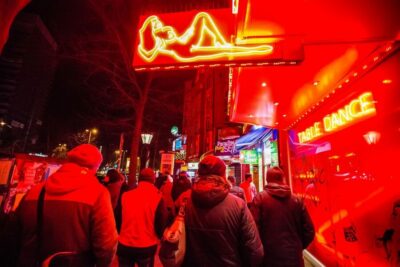
Sex and Crime in St. Pauli Tour for Ages 18 +
Read our review →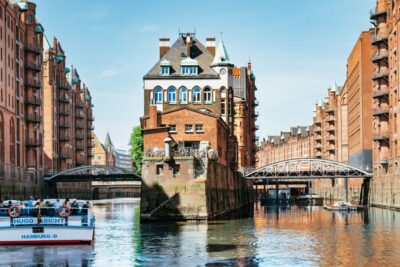
1.5-Hour Harbor and Speicherstadt Day Cruise
Read our review →

Reeperbahn Lust & Laster Tour for Adults Only
Read our review →Browse the lists this tour appears in